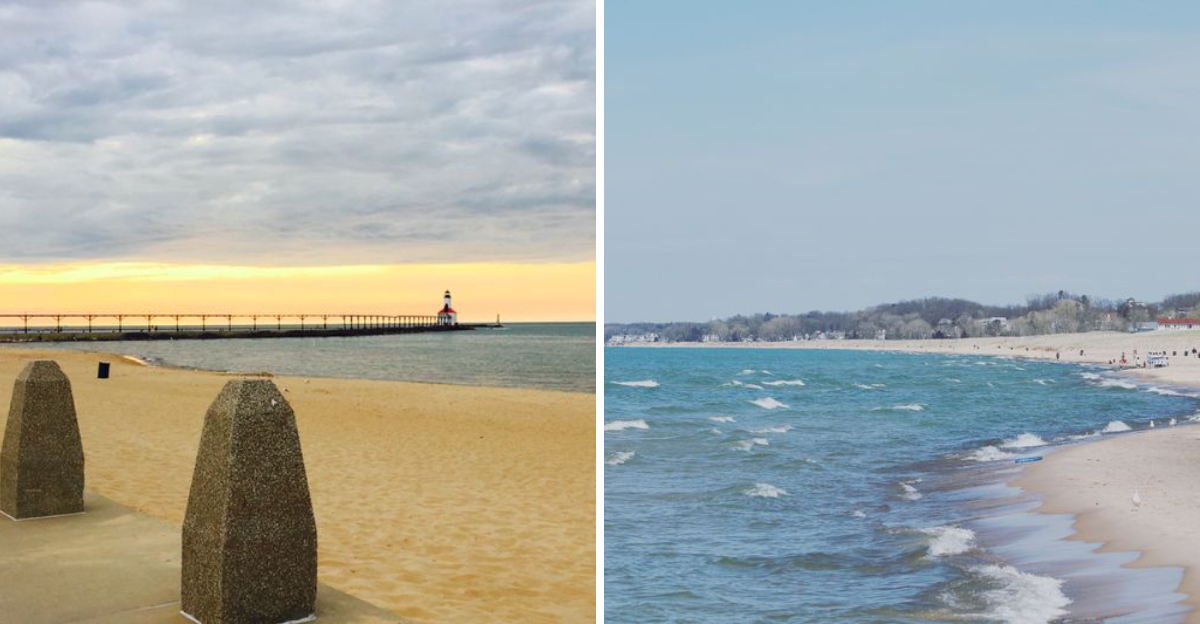
Washington Park Beach sits quietly along Lake Michigan’s southern shore, a gem that many Indiana residents overlook for most of the year.
When summer finally arrives, this Michigan City destination suddenly becomes a hot spot for families, beach lovers, and sunset chasers.
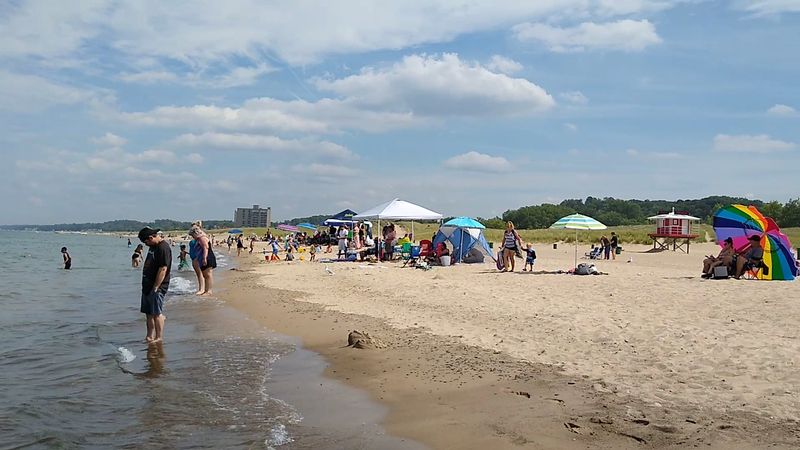
The transformation is remarkable, as parking lots fill up and the sandy shores come alive with activity.
Understanding why this beach fades from memory during cooler months reveals fascinating insights about seasonal tourism, local culture, and how we connect with nature.
From its stunning lighthouse views to the nearby zoo, Washington Park Beach offers more than just sand and water.
The reasons behind its seasonal popularity tell a story about how Hoosiers experience their slice of the Great Lakes.
Whether you’re a longtime resident or planning your first visit, discovering what makes this beach special will change how you think about Indiana’s waterfront treasures.
Cold Weather Transforms the Beach Into a Deserted Landscape
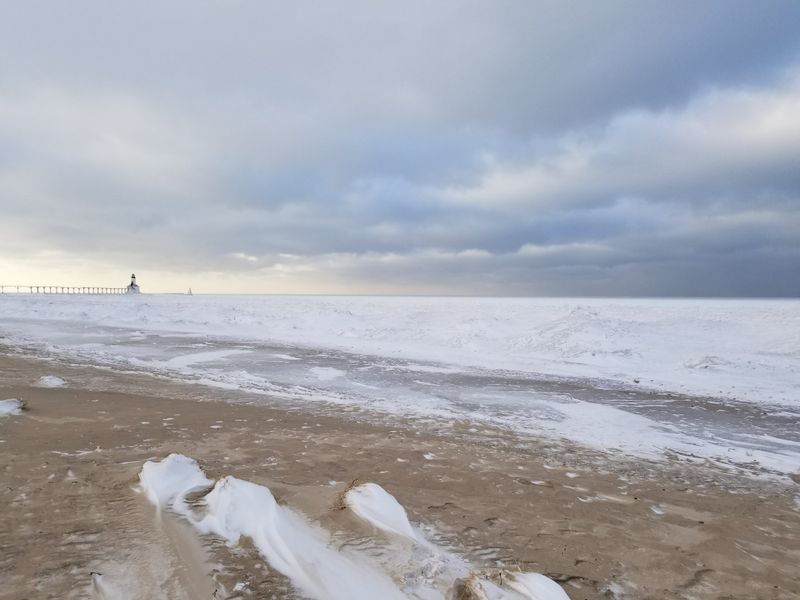
Winter winds whip across Lake Michigan with a ferocity that makes beach visits nearly impossible for casual visitors.
The same shoreline that welcomes thousands during July becomes an empty expanse when temperatures drop below freezing.
Snow covers the golden sand, and ice formations build along the water’s edge, creating a completely different environment from the summer paradise people remember.
Most Indiana residents simply don’t think about beaches when they’re bundling up in coats and scarves.
The mental association between Washington Park Beach and warm weather is so strong that the location disappears from consciousness entirely during fall and winter months.
Public restrooms close for the season, and the parking lots that charge fees in summer often sit empty and unattended.
Only the most dedicated photographers and nature enthusiasts brave the harsh conditions to capture stunning winter sunsets over the frozen lake.
These hardy souls discover a different kind of beauty, with ice-covered piers and snow-dusted lighthouse creating postcard-worthy scenes.
The beach doesn’t actually go anywhere, but it might as well be on another planet for most people.
Spring brings gradual warming, but Lake Michigan stays cold well into May, keeping the beach off most people’s radar.
The water temperature lags behind air temperature by several weeks, making swimming uncomfortable even when sunshine returns.
This extended cold period reinforces the pattern of forgetting the beach exists until summer truly arrives.
When June finally brings consistent warmth, social media feeds suddenly fill with beach photos and sunset shots.
Friends start texting about beach days, and families begin planning their first trips of the season.
The collective memory of Washington Park Beach awakens all at once, as if everyone simultaneously remembers this treasure has been waiting for them all along.
The Parking Fee Creates a Mental Barrier
That twenty-dollar parking charge hits differently depending on the season and your mindset.
During peak summer days when you’re planning an all-day beach adventure, the fee seems reasonable enough.
You’re getting access to Lake Michigan, beautiful sand, nearby amenities, and the ability to come and go with your receipt.
The value proposition makes sense when sunshine and warm water are guaranteed.
However, the same fee becomes a psychological obstacle during shoulder seasons or when weather seems uncertain.
Nobody wants to pay twenty dollars to visit a beach when clouds threaten rain or temperatures hover in the sixties.
The parking cost transforms from a minor expense into a significant commitment, making people second-guess whether a beach trip is worth it.
Free street parking exists within walking distance, but finding those spots requires local knowledge and luck.
Visitors unfamiliar with the area often miss these alternatives entirely, seeing only the paid lots near the beach entrance.
This creates an impression that visiting Washington Park Beach always requires a substantial financial commitment, even for a quick sunset walk.
The fee structure doesn’t adjust for short visits or off-season exploration, treating a two-hour sunset viewing the same as an eight-hour beach day.
This all-or-nothing pricing makes spontaneous visits less appealing outside of peak season.
When summer hits and you’re planning dedicated beach days anyway, the parking fee stops being a barrier and becomes just part of the experience.
Many residents simply forget about the beach during months when they can’t justify the parking expense for uncertain weather.
Once summer guarantees warm, sunny conditions, that mental calculation shifts dramatically.
Suddenly the fee seems perfectly reasonable, and the beach returns to everyone’s awareness as a viable destination worth the cost.
Lake Michigan’s Swimming Season Is Surprisingly Short
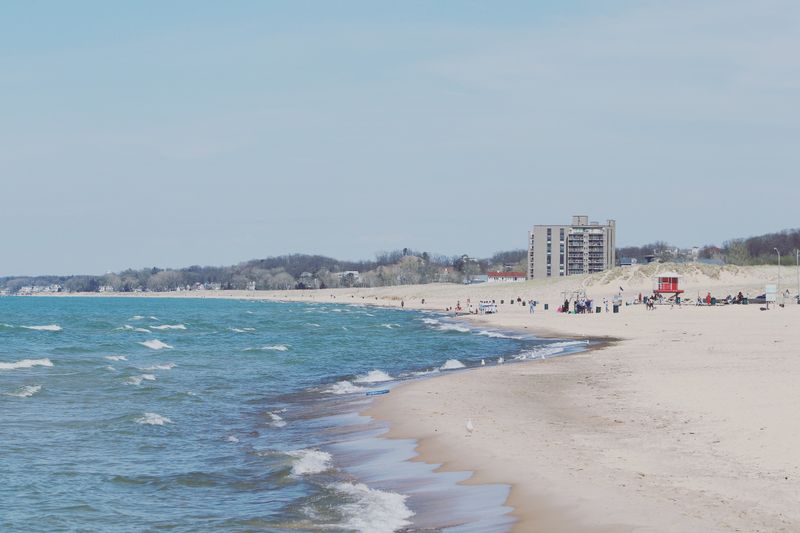
People often forget that Lake Michigan is genuinely cold for most of the year, making swimming uncomfortable or impossible.
Even in late May when air temperatures reach the seventies, the lake water might still be in the fifties.
That shock of cold water quickly reminds you why this beach doesn’t see crowds until genuine summer warmth arrives and stays.
The Great Lakes take an enormous amount of energy to heat up, and they lose that warmth slowly in fall.
Washington Park Beach might be swimmable for only three months out of the year, typically from late June through early September.
Outside that window, the water temperature makes most people reconsider their beach plans entirely, even on beautiful sunny days.
This limited swimming season creates a strong mental association between “beach time” and specific summer months.
Your brain learns that Washington Park Beach equals July and August, while other months equal too cold for enjoyment.
The conditioning is so strong that many residents literally forget the beach exists when swimming isn’t an option, even though the scenery remains beautiful year-round.
Surfers and adventurous souls do brave the colder waters with wetsuits, but they represent a tiny fraction of potential visitors.
The average family looking for a beach day needs that warm, swimmable water to make the trip worthwhile.
Without it, the beach simply drops off their mental map of possible activities.
When summer finally brings those perfect swimming conditions, the transformation is remarkable.
Suddenly everyone remembers this beach exists and rushes to take advantage of the limited window of warm water.
The crowds that appear seemingly overnight reflect months of pent-up beach enthusiasm finally finding its outlet in swimmable conditions.
The Beach Competes With Indoor Winter Activities
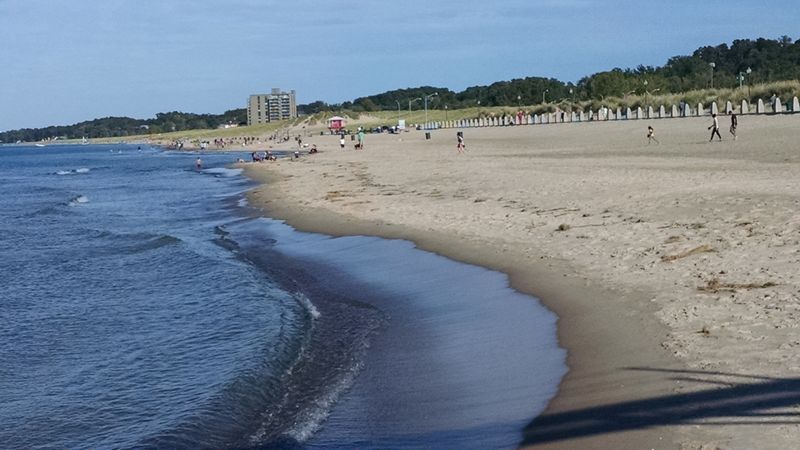
Michigan City offers plenty of attractions that make more sense during colder months, pulling attention away from the beach.
Blue Chip Casino stays warm and entertaining year-round, while Lighthouse Place Premium Outlets provides indoor shopping regardless of weather.
These climate-controlled alternatives dominate the mental landscape when temperatures drop, leaving outdoor destinations like Washington Park Beach forgotten.
Human psychology naturally gravitates toward comfort, and few things feel less comfortable than standing on a windswept beach in February.
The same person who loves sunset walks in July will choose a cozy restaurant or shopping mall in January.
This isn’t laziness but simple self-preservation, as Lake Michigan winds can be brutally cold during winter months.
Local marketing and tourism efforts also shift focus seasonally, promoting indoor attractions during fall and winter.
You’ll see advertisements for casino entertainment, outlet shopping, and restaurant dining, but beach promotions disappear until spring.
This reinforces the collective forgetting, as even the tourism industry stops reminding people the beach exists.
Schools and community groups plan indoor field trips and activities during the academic year, further cementing the pattern.
Washington Park Zoo might get visits, but the adjacent beach rarely factors into fall or winter planning.
The beach becomes invisible in the shadow of more seasonally appropriate attractions, waiting patiently for its summer spotlight.
When warm weather returns, the competition reverses dramatically.
Indoor activities lose their appeal when sunshine and warm breezes beckon.
The beach suddenly becomes the most attractive option in town, and those indoor alternatives that dominated winter consciousness fade into the background.
The seasonal cycle of attention and forgetting continues year after year, predictable as the changing temperatures themselves.
Social Media Silence During Off-Season
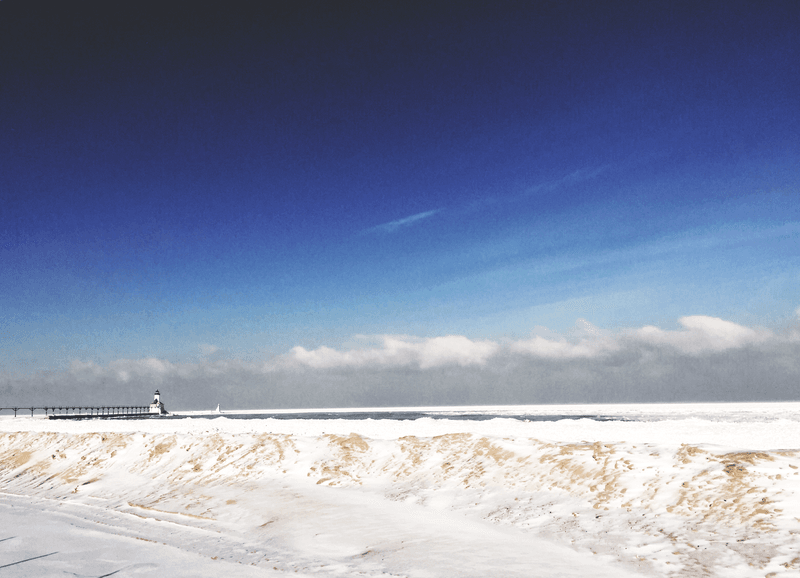
Scroll through Instagram or Facebook during January, and you’ll find almost zero posts about Washington Park Beach from Indiana residents.
The social media silence creates a collective amnesia, as the beach simply doesn’t appear in anyone’s feed.
Without those visual reminders of golden sand and blue water, the location fades from consciousness until warmer months bring the photos flooding back.
Summer transforms social media into a constant reminder that this beach exists and looks amazing.
Sunset photos, family beach days, and lighthouse shots dominate local feeds from June through August.
Each post triggers memories and desires in viewers, creating a snowball effect where more people visit and post, which reminds even more people the beach exists.
The few winter beach photos that do appear usually come from dedicated photographers capturing dramatic storm waves or ice formations.
While beautiful, these images don’t trigger the same “I should go there” response as summer beach scenes.
They’re appreciated as art but don’t remind the average person to plan a beach visit, because the conditions look harsh and uninviting.
This social media cycle reinforces seasonal awareness patterns in powerful ways.
Modern life increasingly relies on digital reminders and social proof for activity planning.
When your friends aren’t posting beach content, you’re less likely to think about the beach yourself.
The collective digital silence during off-season months contributes significantly to how thoroughly Washington Park Beach disappears from consciousness.
Distance From Major Population Centers Matters More in Winter
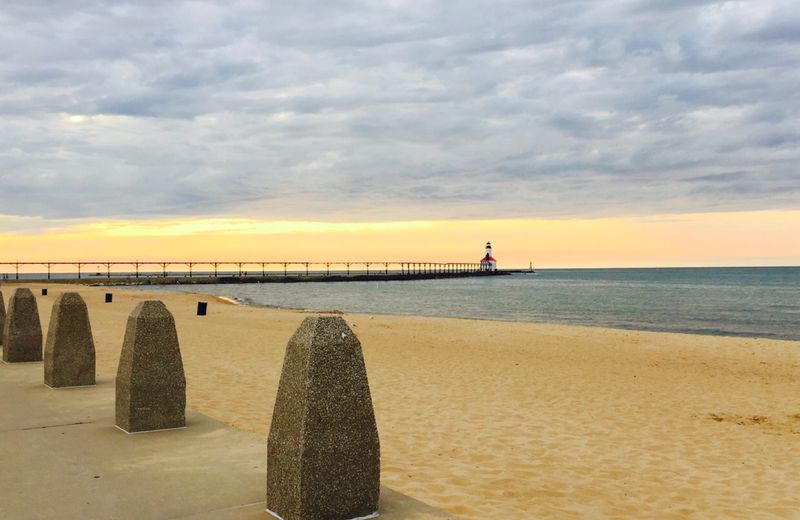
Washington Park Beach sits about an hour from Chicago and roughly the same distance from South Bend and Fort Wayne.
During summer, that drive feels like nothing when you’re headed for a beach day.
The journey becomes part of the adventure, especially when everyone’s excited about swimming and sunshine.
Distance shrinks psychologically when the destination promises clear rewards and pleasant experiences.
Winter flips this calculation entirely, making the same drive feel much longer and less worthwhile.
Driving an hour to visit a cold, windy beach offers minimal appeal compared to summer’s promise.
Most people won’t make that journey without a compelling reason, and “looking at a frozen lake” doesn’t motivate like “swimming in warm water” does.
Local Michigan City residents have easier access year-round, but they represent a small fraction of potential visitors.
The beach needs those regional visitors from larger population centers to really come alive.
When distance becomes a barrier during colder months, the visitor numbers drop dramatically, and with fewer people talking about the beach, awareness fades across the broader region.
Gas prices and winter driving conditions add additional psychological barriers to making the trip.
Nobody wants to drive through snow or freezing rain to reach a beach that won’t offer traditional beach activities.
Dear Reader: This page may contain affiliate links which may earn a commission if you click through and make a purchase. Our independent journalism is not influenced by any advertiser or commercial initiative unless it is clearly marked as sponsored content. As travel products change, please be sure to reconfirm all details and stay up to date with current events to ensure a safe and successful trip.
