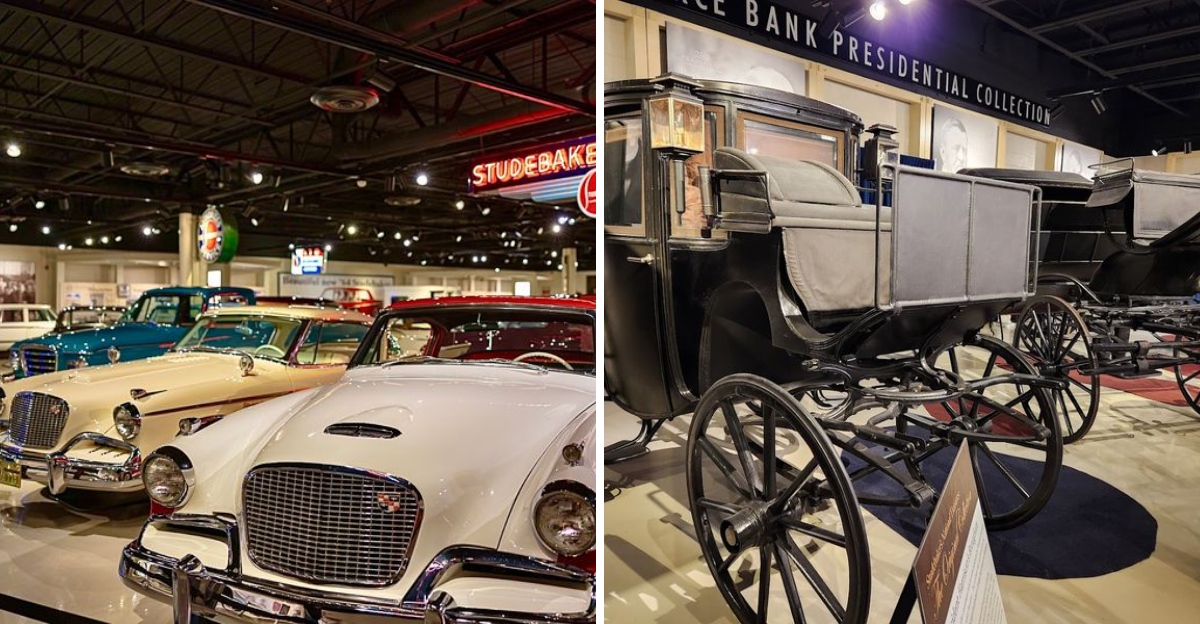
Some museums make you feel like a tourist. This automotive museum makes you feel like a witness to history.
Walking through its three floors, I came out genuinely moved, not just informed. There is something profoundly different about standing just a few feet from a carriage that carried Abraham Lincoln to Ford’s Theatre on the night of April 14, 1865.
It isn’t behind glass or described in a caption you half-read; it is right there, real and quiet, heavy with meaning. For anyone who thinks they know what a museum like this offers, there is far more waiting than meets the eye.
From the work of immigrant blacksmiths to presidential carriages to some of the most beautifully designed American cars ever built, this place holds stories that belong to all of us, and experiencing them firsthand leaves an impression you won’t soon forget.
The Lincoln Carriage That Changes Everything
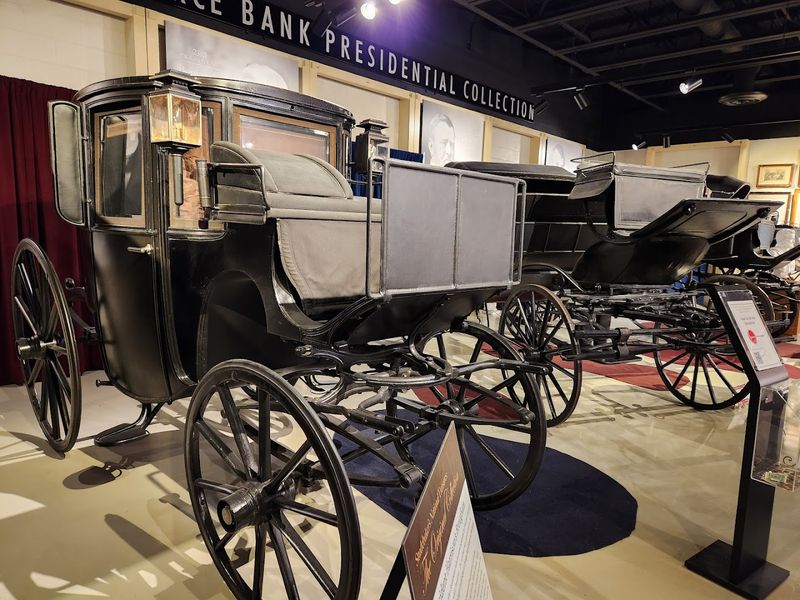
Most people arrive at the Studebaker National Museum expecting a car show. What stops them cold is an old carriage sitting quietly on the first floor, carrying the full weight of one of the most tragic nights in American history.
The carriage on display is the actual vehicle that transported President Abraham Lincoln to Ford’s Theatre on April 14, 1865. It was built by the Studebaker brothers, who were already well established as skilled carriage makers long before they ever touched an automobile.
Seeing it in person is a completely different experience from reading about it in a textbook.
There is no dramatic lighting or theatrical display trying to sell the moment. The carriage simply sits there, and the history does all the talking.
Visitors often go quiet when they realize what they are looking at. That reaction is not manufactured.
It is genuine.
For Indiana locals, this piece is a reminder that South Bend played a role in shaping American history at its most pivotal moments. The Studebaker name was not just regional.
It reached the White House and beyond. Standing next to this carriage feels like holding a thread that connects everyday Midwest craftsmanship to the sweep of national history in a way that no exhibit caption could fully prepare you for.
A Family Story That Starts With a Blacksmith Hammer
Before there were sleek Avantis or aerodynamic Hawks, there were five brothers, a small blacksmith shop, and a determination that reads almost like fiction. The Studebaker story begins with Henry and Clement Studebaker opening a wagon shop in South Bend in 1852 with just sixty-eight dollars between them.
Their family had immigrated from Germany, and they brought with them the kind of work ethic that does not look for shortcuts. The museum traces this origin story with genuine care, moving visitors through the early years of wagon production up through the explosive growth that made Studebaker one of the most recognized names in American transportation.
What makes this section of the museum so compelling is how human it feels. These were not distant industrial tycoons.
They were craftsmen who built things with their hands and then scaled that craft into something enormous. At its peak, the South Bend factory employed around 26,000 workers.
That number hits differently when you are standing in a city that size.
The museum does not rush past this founding chapter to get to the flashier cars upstairs. It lets the immigrant story breathe, and that decision pays off.
By the time you reach the automobiles, you understand the values that shaped them. Quality, innovation, and an almost stubborn pride in the work itself.
That context makes every vehicle on display mean something more.
Conestoga Wagons That Moved a Nation Westward
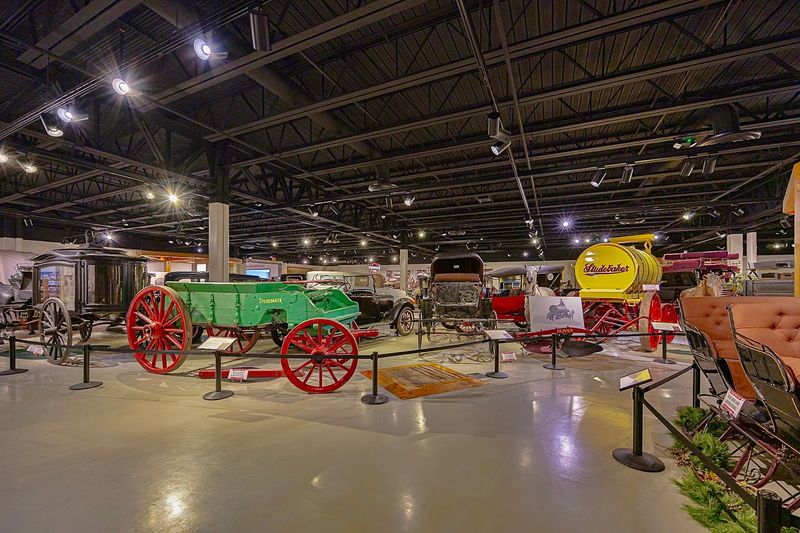
Long before the automobile existed, the Studebaker name was already woven into the story of American expansion. The company built Conestoga wagons that carried settlers across the continent during some of the most defining decades in United States history.
Seeing one of these wagons up close reframes the whole Studebaker legacy. These were not decorative pieces.
They were working machines built to survive brutal terrain, unpredictable weather, and journeys measured in months rather than hours. The craftsmanship required to build something that dependable, using only hand tools and raw materials, is staggering to think about.
The museum presents these wagons with the respect they deserve, connecting them clearly to the immigrant builders who designed them and the ordinary Americans who relied on them. There is a throughline here that runs from Conestoga wagon to automobile, and the museum makes it visible without being heavy-handed about it.
For anyone who grew up in Indiana or the broader Midwest, there is a particular pride that comes with realizing that the vehicles which helped shape the American frontier were built right here. South Bend was not a footnote in that story.
It was a central chapter. The wagon exhibits give younger visitors especially a sense of how transportation technology shaped the country, and how one family from a small Midwestern city had an outsized hand in making that happen.
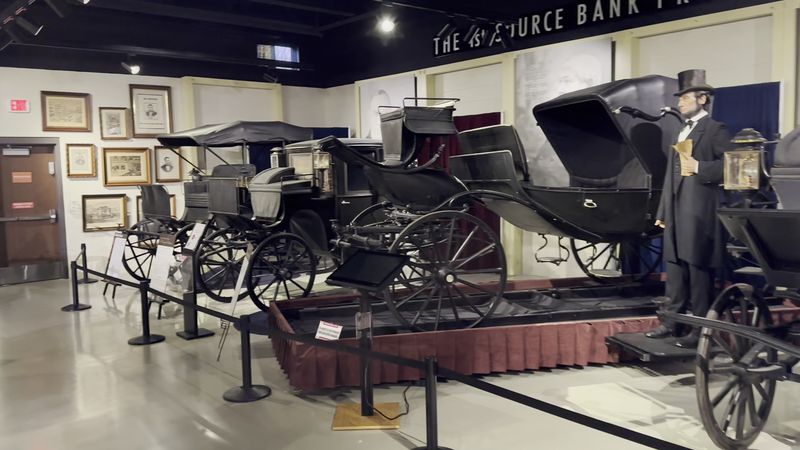
The Lafayette Carriage Most Visitors Walk Past
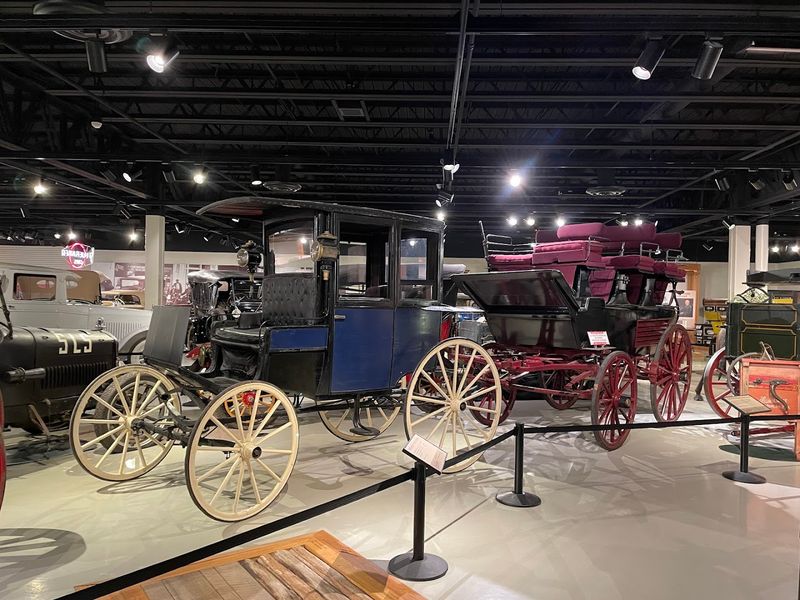
Most visitors come for the Lincoln carriage and walk away talking about the Lincoln carriage. Fewer stop long enough to appreciate the other historic carriage in the collection, the one built for the Marquis de Lafayette during his celebrated return tour of the United States in the 1820s.
Lafayette was not a minor historical figure. He was a French military officer who played a critical role in the American Revolution, serving as part of George Washington’s inner circle and helping secure French support for the colonial cause.
His return tour in 1824 and 1825 was treated as a national celebration, and cities across the country competed to honor him.
The cabriolet made for his procession is a genuinely remarkable artifact, and the fact that it shares a building with the Lincoln carriage makes the Studebaker National Museum one of the more quietly extraordinary collections in the entire Midwest. These are the kinds of pieces you expect to find at the Smithsonian.
Slowing down to read about Lafayette and his significance adds real depth to the visit. His story connects early American independence to the global alliances that made it possible, and the carriage is a tangible link to that history.
If you find yourself rushing past it, turn around. Some of the best things in this museum reward the visitors who are willing to linger just a little longer than the crowd.
Vintage American Cars That Deserve a Second Look
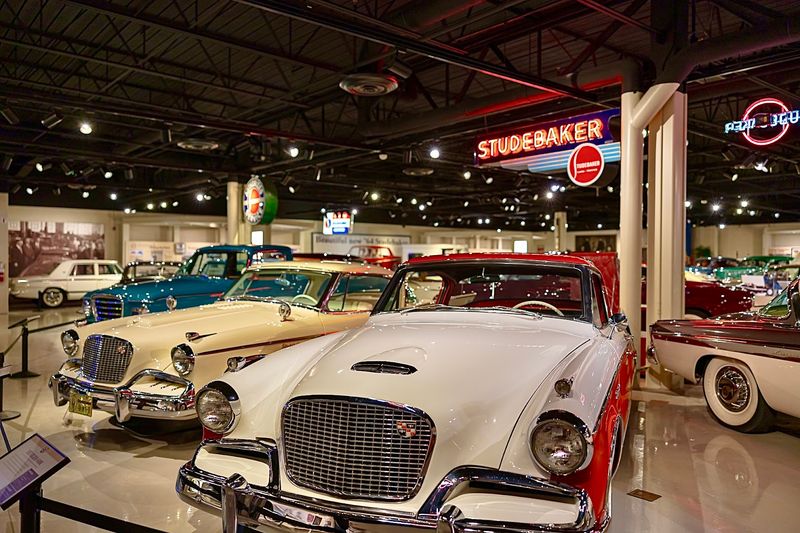
Somewhere between the carriages and the military vehicles, the museum opens up into a collection of automobiles that genuinely earns the word stunning. The Studebaker Avanti is one of the most striking cars ever designed in America, and seeing it in person confirms what photographs only hint at.
The Hawk models are equally impressive, carrying that mid-century confidence that made American car design an art form. The museum displays production vehicles alongside prototypes that never made it to market, and those concept cars are fascinating in their own right.
They show a company that was always pushing forward, even as the industry around it was shifting in ways that would eventually prove fatal.
Studebaker stopped producing cars in 1966, and the museum treats that ending with honesty rather than sentimentality. The final years are documented alongside the golden ones, and that balance makes the story feel complete rather than curated for comfort.
Car enthusiasts will find plenty to photograph and obsess over here. But the collection also works beautifully for visitors who have never considered themselves car people.
The vehicles are presented as design objects and cultural artifacts, not just mechanical achievements. Each one reflects the era it came from, the optimism, the ambition, and sometimes the overreach that defined American manufacturing at its most creative.
That framing makes the automobile floors just as engaging as the carriage level below.
Three Floors of History the Whole Family Can Handle
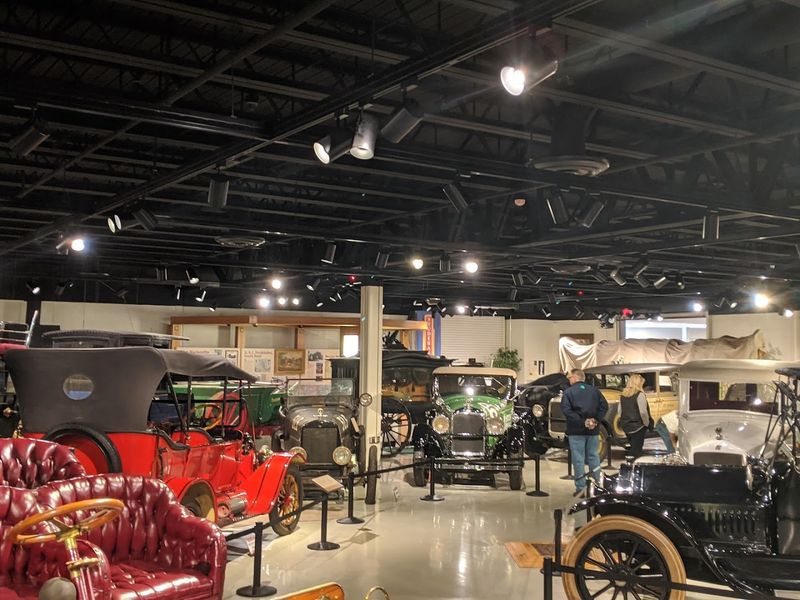
One of the quiet strengths of the Studebaker National Museum is how well it works for a mixed group. Whether you are visiting with curious kids, history-loving grandparents, or friends who have very different ideas of a good afternoon, this museum tends to find something for everyone without trying too hard.
The building has three full floors connected by both stairs and elevators, which matters more than it might sound. Accessibility is genuinely considered here, not just technically compliant.
The layout flows naturally, and the exhibits are spaced in a way that does not feel rushed or cramped.
Interactive displays give younger visitors hands-on moments that break up the reading and looking. There is also a gift shop stocked with items ranging from children’s toys to higher-end collectibles, which is a nice range.
The museum runs clean throughout, and multiple visitors have specifically mentioned the restrooms, which is actually a meaningful detail when you are spending a few hours somewhere with kids in tow.
An audio tour is available for those who want to go deeper, and it can stretch a two-hour visit into a full and satisfying day. The museum sits at 201 Chapin St, South Bend, IN 46601, and is open Monday through Saturday from 10 AM to 5 PM, with Sunday hours from noon to 5 PM.
Tickets are purchased on-site. Parking is ample and free, which is a small but genuinely appreciated detail for families planning a full day out.
South Bend Has More Waiting Just Outside the Door
The Studebaker National Museum does not exist in a vacuum. South Bend surrounds it with enough to turn a museum afternoon into a full day worth remembering.
The College Football Hall of Fame at 2021 College Football Dr is a short drive away and draws fans from across the country year-round.
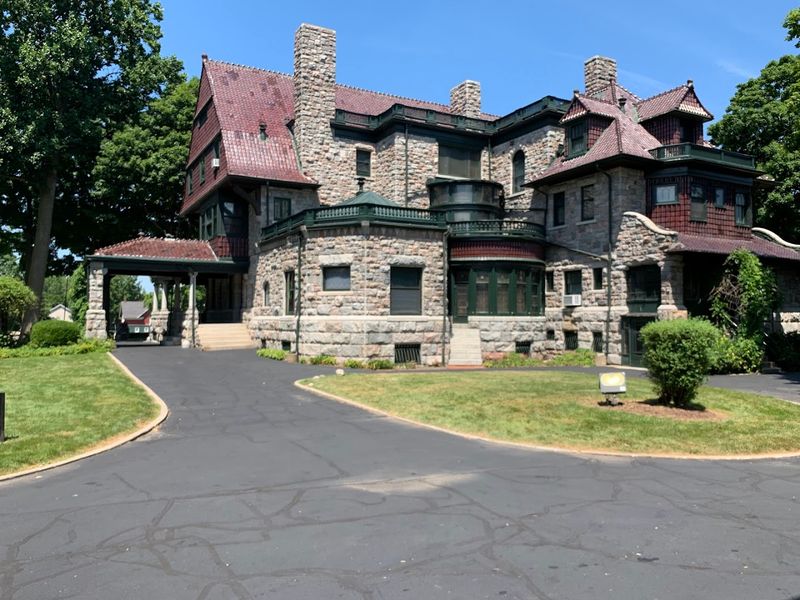
Just around the corner from the museum sits the Oliver Mansion, the historic estate of another South Bend industrial family, and visiting both in the same day gives you a layered picture of what this city looked like during its most prosperous decades. The two properties complement each other in ways that feel intentional even when they are not.
For a meal before or after the museum, Fiddler’s Hearth at 127 N Main St is a well-regarded spot in downtown South Bend with a warm atmosphere that fits the historic neighborhood. Chicory Cafe at 105 S Main St is a good option for coffee and a lighter bite, especially if you are planning to walk the area.
Potawatomi Zoo at 500 S Greenlawn Ave offers a completely different kind of afternoon for families with younger children, and it is close enough to include without much extra driving. South Bend is the kind of city that rewards visitors who slow down and look around.
The museum is the anchor, but the neighborhood around it has its own personality worth exploring before you head back home.
Dear Reader: This page may contain affiliate links which may earn a commission if you click through and make a purchase. Our independent journalism is not influenced by any advertiser or commercial initiative unless it is clearly marked as sponsored content. As travel products change, please be sure to reconfirm all details and stay up to date with current events to ensure a safe and successful trip.
