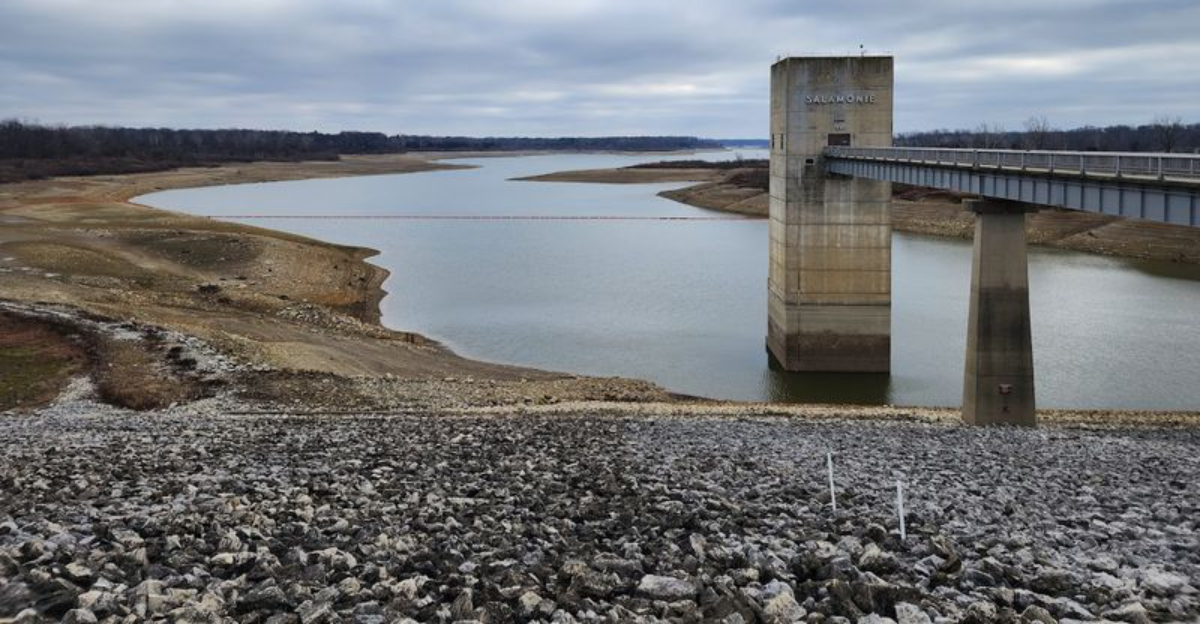
There is something genuinely eerie and wonderful about a lake that hides an entire town beneath its surface. This lake sits above the sunken remains of a town and a historic bridge that once carried travelers across the river.
When drought pulls the water back, the past rises up to meet you, creating a hauntingly beautiful glimpse into history that feels completely unique. I keep coming back not just for the fascinating history but for the trails that wind through the woods, the wildlife that crosses your path, the sandy beach, and the peaceful quiet that settles over the water on an early morning.
If you have never made the drive out to this part of Indiana, consider this your sign to go and experience it for yourself.
A Ghost Town Sleeping Beneath the Water
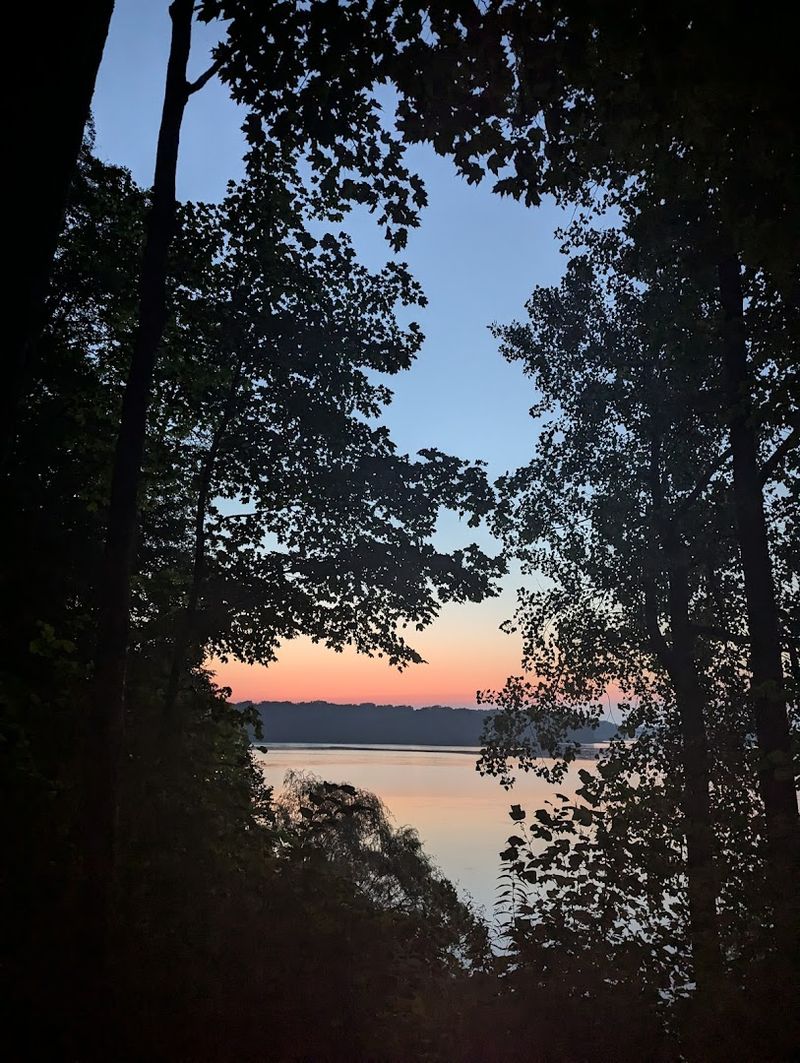
Monument City did not disappear quietly. Founded in 1876 in Huntington County, it was a real community with homes, businesses, and people who built their lives along the Salamonie River.
When the U.S. Army Corps of Engineers created Salamonie Lake in 1965, Monument City was deliberately flooded, and the town slipped beneath the surface forever.
Or almost forever.
During periods of drought or significant water drawdown, the lake pulls back far enough to reveal what remains. Foundations emerge from the silt.
Old road lines appear. The ghost of a community reappears like a faded photograph coming back into focus.
Visitors who time their trip during low-water periods can actually walk among the remnants and feel the strange weight of a place that was erased by design.
The Indiana DNR manages Salamonie Lake at 9214 Lost Bridge Rd W, Andrews, IN 46702, and the interpretive center nearby provides context for what you are seeing. Rangers and exhibits help connect the dots between the town that was and the lake that replaced it.
Even when the water is high and Monument City stays hidden, knowing it is down there changes how you look at the surface. There is a stillness to this lake that feels earned, like it is holding something sacred just below the waterline.
Trails That Earn Their Reputation
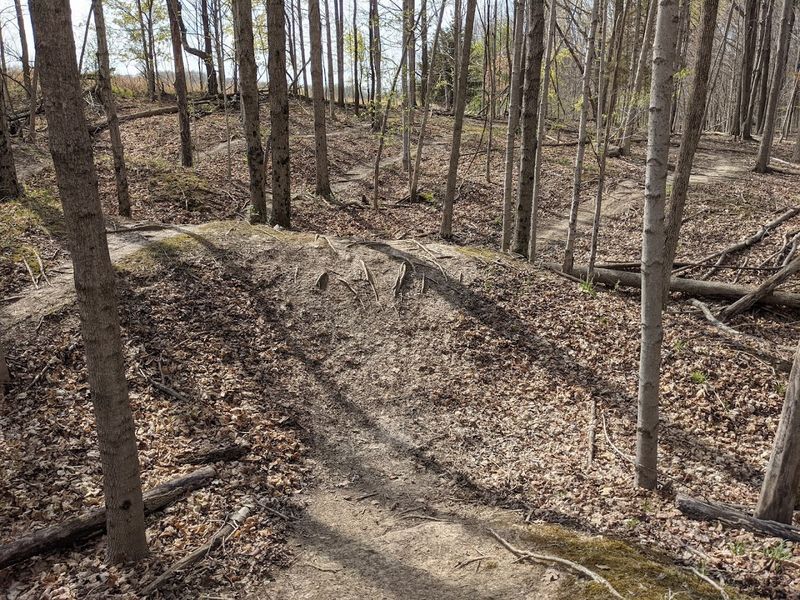
The Bloodroot Trail at Salamonie Lake is 13 miles of trail that winds through a mix of wooded stretches and open farmland edges, and it has earned a loyal following among northeast Indiana hikers and mountain bikers. The terrain is mostly flat, which makes it accessible to a wide range of fitness levels, but the length gives it enough challenge to feel rewarding.
Hikers who have done it in winter report clean, firm ground with almost no mud, which is a welcome surprise compared to muddier trails in the region.
Beyond Bloodroot, the 1.5-mile Marsh Trail offers something quieter and more focused. Bird watchers especially love this one.
The wetland habitat attracts a steady variety of species, and mornings along the marsh can feel almost meditative. The 3 Falls Trail has also developed a strong reputation, with locals calling it one of the most scenic routes in all of northeastern Indiana.
For mountain bikers, the Kintionki Trail delivers around four miles of intermediate to advanced terrain with berms, log ramps, and steep transitions that make creative use of the landscape. It is compact but punchy, and riders who expect little tend to leave impressed.
A nine-hole disc golf course is also available on the grounds, making Salamonie Lake a genuinely well-rounded outdoor destination for anyone who likes to stay active while surrounded by natural beauty.
A Beach That Belongs to the Summer
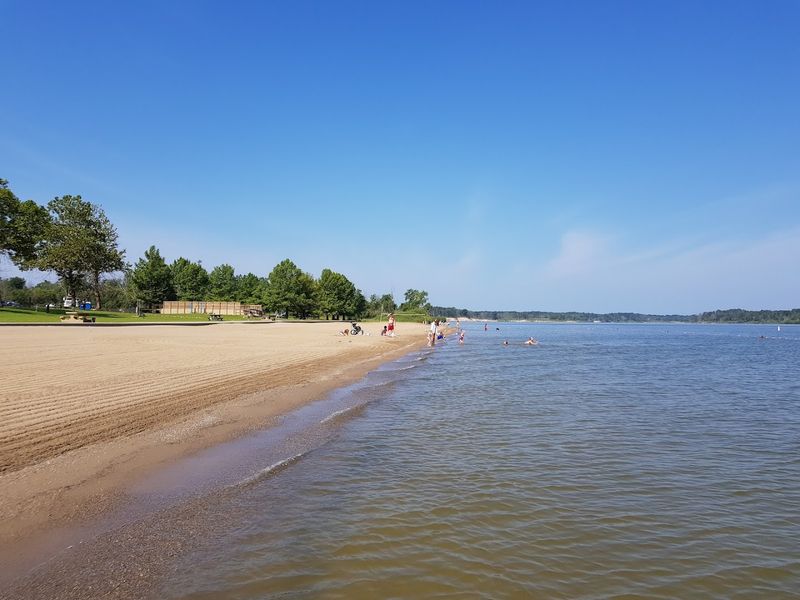
Some lakes in Indiana have beaches that feel like afterthoughts. Salamonie’s beach is not one of them.
Open from Memorial Day through Labor Day, the swimming area draws families, day-trippers, and anyone who just needs to feel sand between their toes without driving four hours to Lake Michigan. The water in June runs cold, which honestly makes it more refreshing than uncomfortable, and that does not stop anyone from getting in.
The sand has drawn specific praise from visitors for its quality. People mention it being great for digging and building, which means it is exactly what you want if you are bringing kids.
The atmosphere tends to be relaxed and community-minded, with visitors generally respectful of shared space. That kind of easy, low-drama vibe is harder to find than it sounds.
Pontoon rentals are available through the marina, and floating out on the reservoir gives you a completely different perspective on the park. You can drift past coves, spot the dam from the water, and get a sense of just how large the lake really is.
The camp store sits on a dock with its own steep drive down, which gives the whole setup a quirky, tucked-in feel that regular visitors seem to find charming. Whether you are there for an afternoon swim or a full weekend on the water, the beach area at Salamonie Lake delivers a straightforward summer payoff.
Wildlife Watching That Rewards Patience
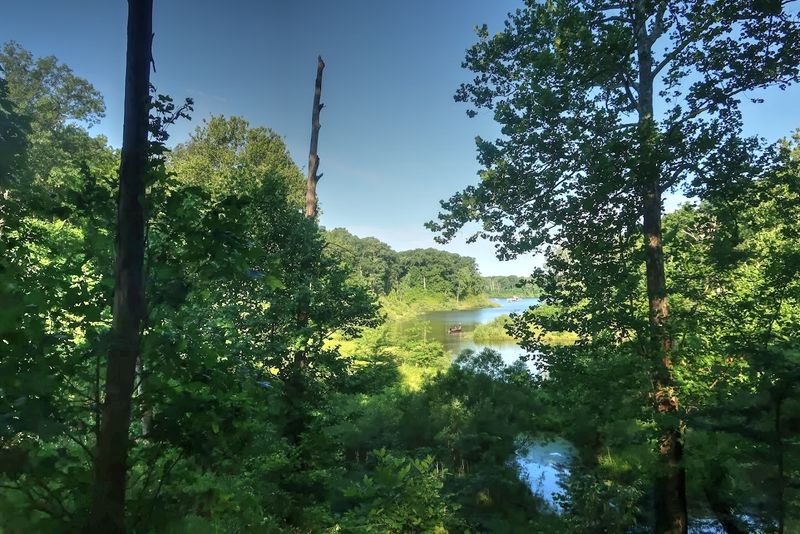
Salamonie Lake is not just a place to look at water. The surrounding land holds a genuinely active wildlife community, and visitors who slow down enough to notice tend to walk away with stories worth telling.
White-tailed deer are common throughout the park, and the interpretive center even has a display dedicated to raptors that draws consistent interest from nature lovers of all ages.
The Marsh Trail is where bird watchers find their rhythm. Wetland environments like the one along this trail support a wide range of bird species across the seasons, and the quiet of the trail makes it easier to spot movement in the reeds and branches.
Frogs, turtles, and other aquatic life are also present around the smaller ponds scattered through the park. Mushroom season brings its own kind of crowd, with foragers combing the wooded sections in spring when morels are at their peak.
What makes wildlife watching here feel different from a zoo or a guided tour is the unpredictability. You might round a bend on the tree trail and find a doe with twins grazing ten feet away.
You might catch a great blue heron lifting off the marsh at exactly the right moment. The interpretive center offers exhibits that help identify what you are seeing and why it matters, adding educational depth to the experience without making it feel like homework.
The Lost Bridge That Refuses to Stay Gone
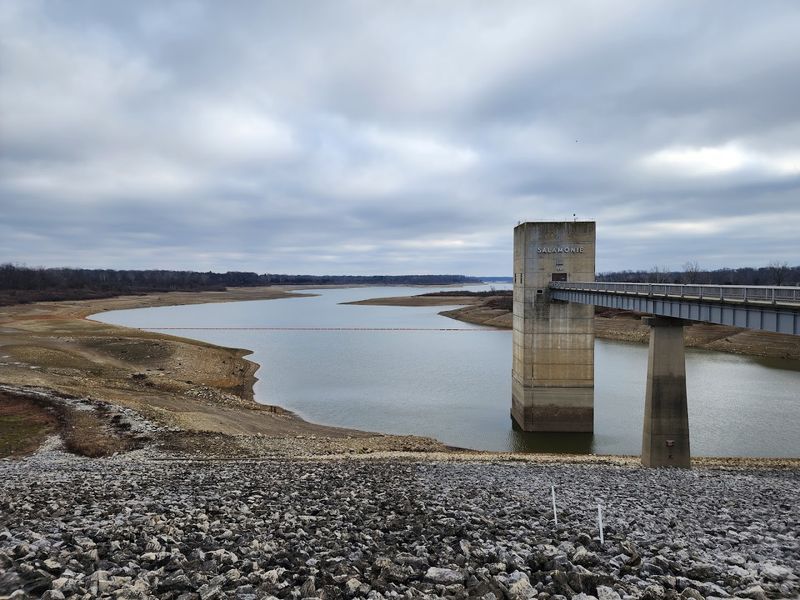
The road into Salamonie Lake is called Lost Bridge Road West, and that name is not accidental. It is a direct nod to the Great Crossings Bridge, a 19th-century structure that was submerged when the reservoir was created in 1965.
For most of the year, it rests quietly on the lake floor, invisible to anyone floating above it.
But during droughts, when the water level drops significantly, the bridge reappears. It is one of those rare moments where history becomes physical again, where you can actually see a structure that most people have only heard about.
The experience of watching something that old emerge from the water is genuinely hard to describe. It feels like the land remembering itself.
The name Lost Bridge Road is a permanent tribute to what lies beneath, and locals in the Huntington area carry that history with them. If you visit during a dry summer or fall and the water is running low, keep your eyes on the lake.
You might catch a glimpse of stone arches that have not seen open air in decades. Even if the bridge stays submerged during your visit, the story behind it gives the whole recreation area a layer of meaning that most state parks simply cannot offer.
History here is not just on a sign. It is literally in the water beneath your boat.
Camping With Real Character
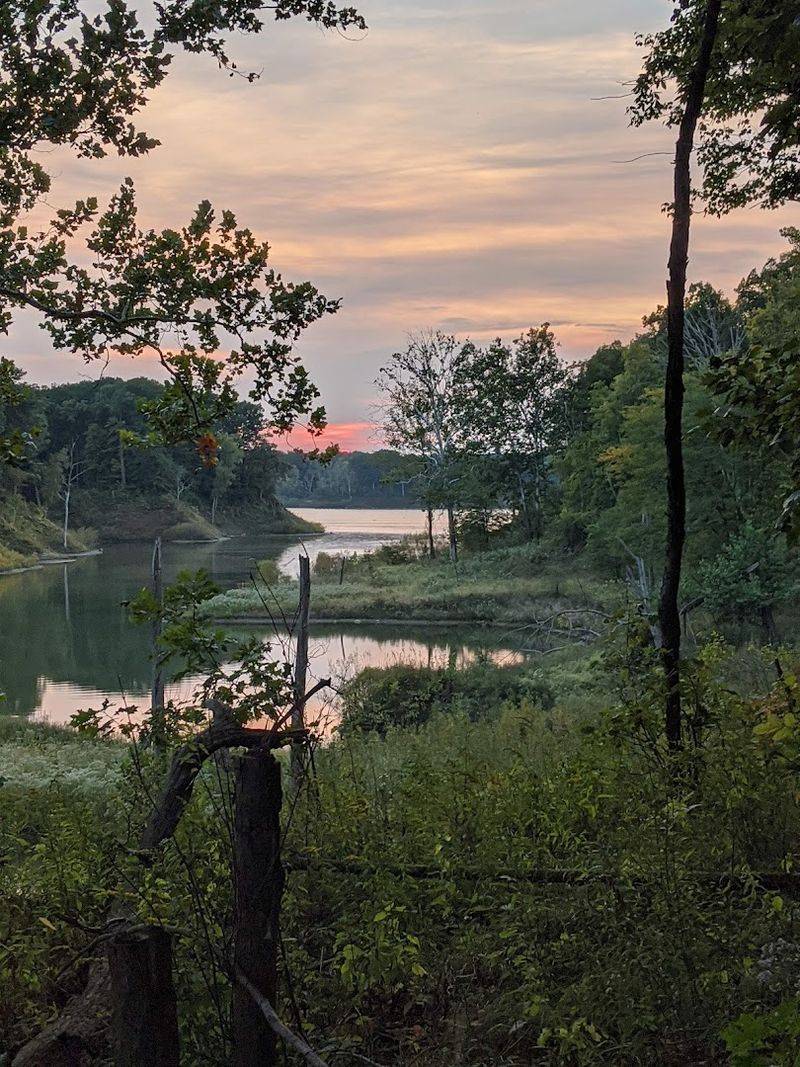
Camping at Salamonie Lake has a personality that goes beyond just pitching a tent and calling it a night. The horseman campground offers dedicated space for equestrian campers, which is not something you find at every Indiana state park.
The Bloodroot Trail also has primitive campsites along its length, including spots near the south trailhead by Mt. Etna that hammock campers have specifically praised for their views and tree spacing.
The general campground provides decent privacy between sites, which matters more than people realize until they have spent a weekend crammed next to strangers. Shower facilities are on-site, and the overall maintenance level is solid.
A camp store positioned on a dock adds a bit of novelty to the setup. The scenery around the campsites shifts with the seasons in ways that make repeat visits feel genuinely different from one another.
Fall camping at Salamonie has its own appeal entirely. The tree trail, which labels and identifies tree species along the route, becomes especially vivid when the leaves change.
Sunrises and sunsets over the dam are a consistent highlight that multiple visitors mention independently, suggesting it is the kind of view that earns its reputation through repetition rather than hype. For Indiana campers looking for a spot that offers more than a fire ring and a gravel pad, Salamonie delivers a fuller, more layered outdoor experience that holds up across multiple visits.
The Interpretive Center and the Stories It Holds
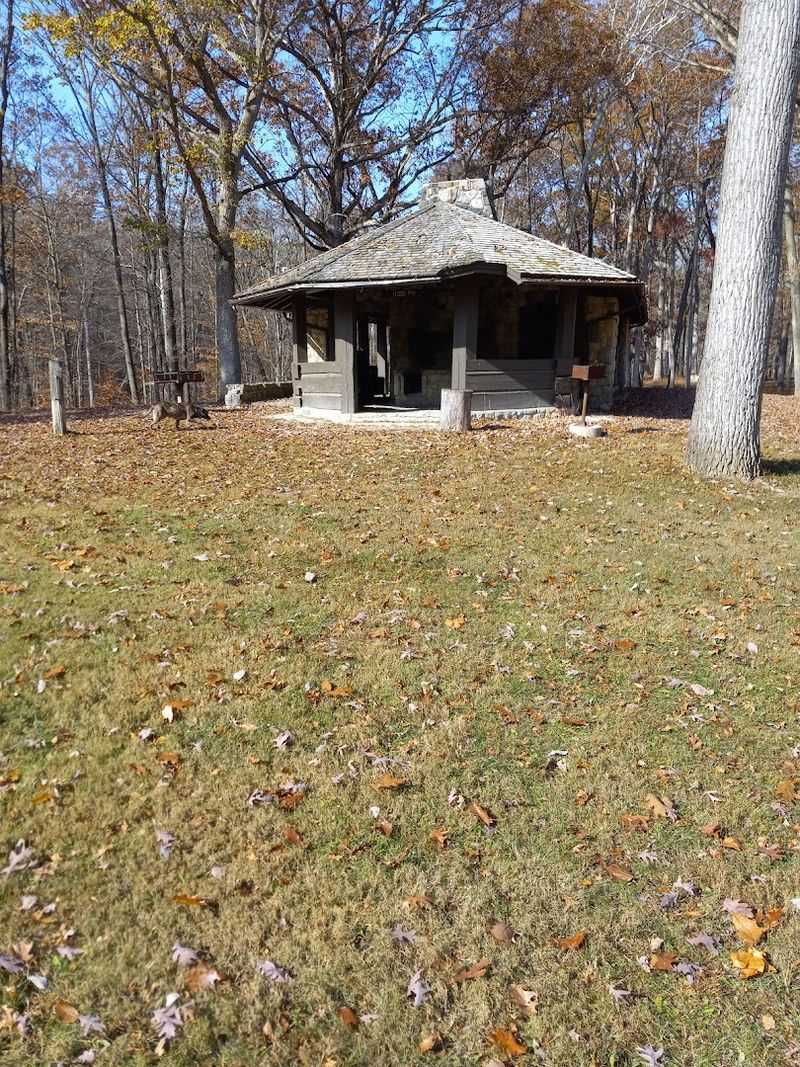
Not every state park has a story worth telling in a building. Salamonie Lake does.
The Interpretive Center near the main recreation area uses exhibits and ranger-led programs to walk visitors through both the natural and human history of the lake and the land around it. The raptor display alone is worth a stop, and it tends to hold the attention of visitors who did not expect to spend time indoors on a park trip.
The center operates on seasonal hours, with reduced availability in winter, so checking ahead before you visit is a smart move. When it is open and staffed, rangers bring the exhibits to life in ways that static displays cannot fully replicate.
The connection between what happened to Monument City, why the dam was built, and what the ecosystem looks like today is explained with enough depth to satisfy curious adults and enough clarity to keep younger visitors engaged.
For anyone who wants to understand Salamonie Lake beyond its surface, the Interpretive Center is where that understanding begins. The exhibits on the submerged town and the surrounding wildlife give context that makes every trail walk and every boat ride feel more meaningful.
Huntington County has a layered history, and this center does honest work in preserving and presenting it. Combining a morning at the center with an afternoon on the Marsh Trail or the beach turns a single day visit into something that stays with you longer than you might expect.
Dear Reader: This page may contain affiliate links which may earn a commission if you click through and make a purchase. Our independent journalism is not influenced by any advertiser or commercial initiative unless it is clearly marked as sponsored content. As travel products change, please be sure to reconfirm all details and stay up to date with current events to ensure a safe and successful trip.
