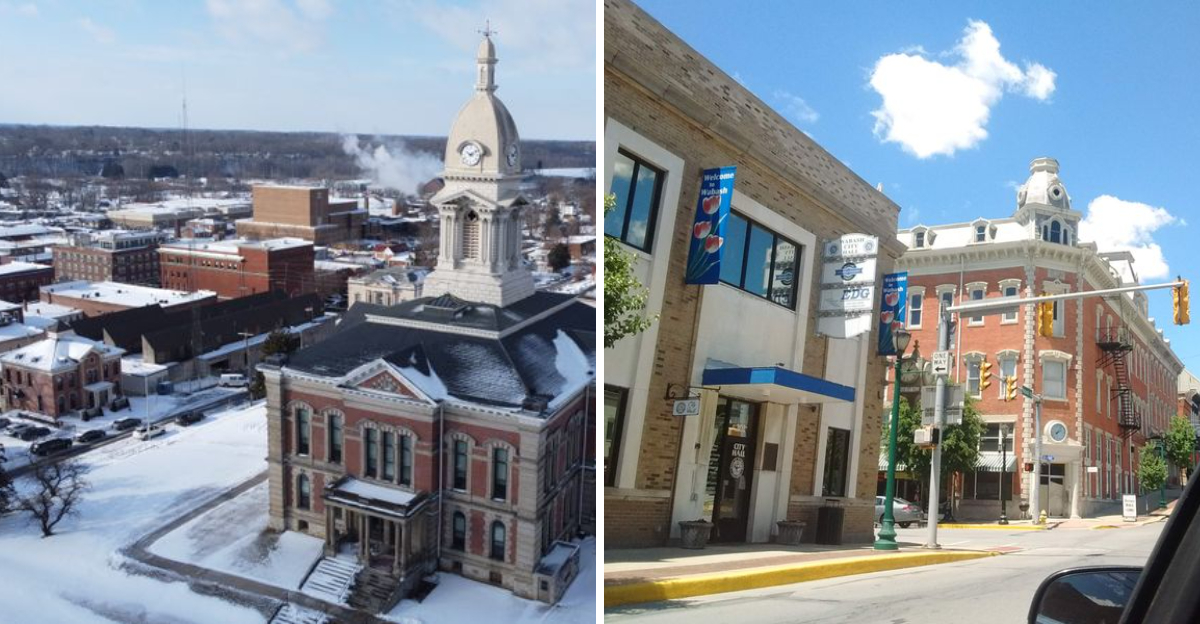
Wabash, Indiana is one of those places that stops you in your tracks. It’s not flashy or loud, but it feels genuine and inviting.
This small city sits along the Wabash River and offers something rare today: a chance to slow down and simply breathe. The pace here is calm, and the atmosphere is welcoming.
Historic landmarks line the streets, each with a story to tell. Locals greet you with warmth that makes you feel instantly at home.
Parks and green spaces invite you to linger and enjoy the outdoors. There’s a peacefulness here that’s hard to find elsewhere.
Whether you’re just passing through or planning a weekend getaway, Wabash makes you feel comfortable. It’s the kind of place where simple joys take center stage.
You might arrive for a short visit, but you’ll leave wishing you could stay longer. Wabash has a way of leaving a lasting impression.
The First Electrically Lighted City in the World
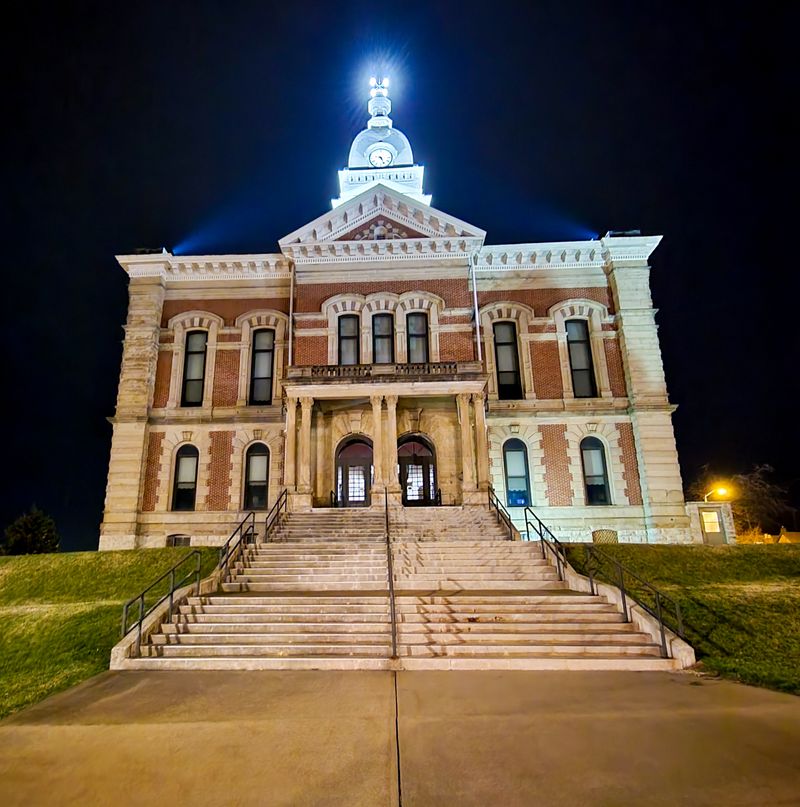
Wabash earned a permanent place in history on March 31, 1880. It became the first city in the world to be completely illuminated by electric light.
Four massive carbon arc lights on the courthouse dome flooded the streets with brightness. Crowds from neighboring towns came to see it, unable to believe their eyes.
This achievement was more than just technology. It was about vision and community spirit.
Local leaders and citizens worked together to make it happen. Even a small town could lead the way in progress.
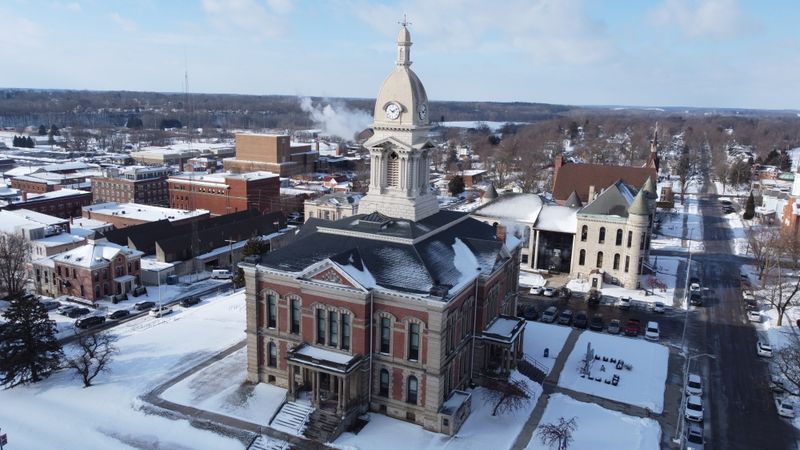
Today, you can visit the Wabash County Courthouse. A monument there commemorates this historic event.
The building is a stunning example of Victorian architecture. Its distinctive clock tower can be seen from all over town.
Every year, Wabash celebrates this legacy. Special events honor the city’s pioneering spirit.
Walking downtown at night, you will notice vintage-style street lamps. They pay tribute to the original lights.
The story of Wabash’s illumination is more than local pride. It is a reminder that innovation can happen anywhere.
Small communities have always had big ideas. Wabash proved that determination and creativity have no limits.
Learning about this history gives you a deeper appreciation for the town. The spirit of that first night still lives there today.
Standing in front of the courthouse and imagining that first night of electric light is a special experience. For a town of just over ten thousand people, Wabash made history.
The Beautiful Wabash River and Paradise Spring Historical Park
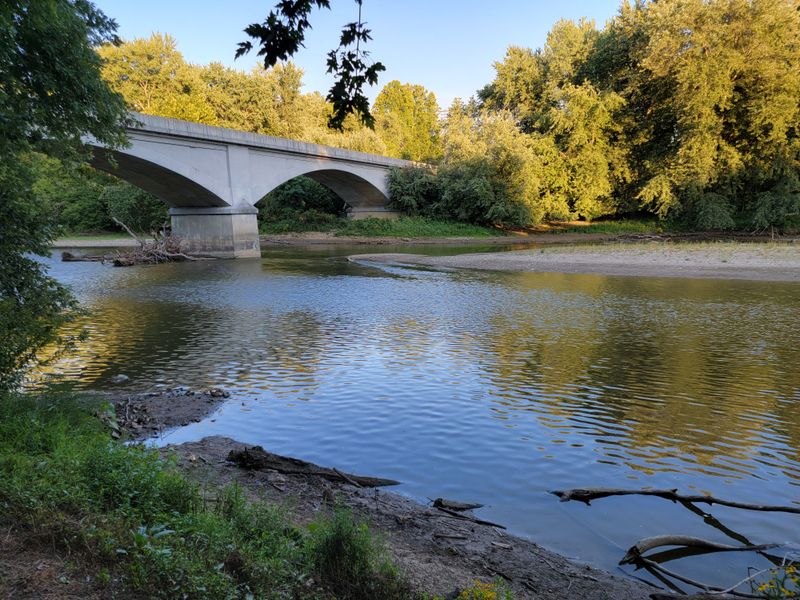
Paradise Spring Historical Park sits along the Wabash River and offers one of the most peaceful settings in northern Indiana. The natural spring that gives the park its name has been flowing for thousands of years.
Native Americans once treasured this lush oasis. Walking the trails today feels like stepping back in time.
Towering trees create a canopy overhead. The sound of flowing water accompanies you throughout the park.
Interpretive signs tell the story of the Miami tribe who considered the spring sacred. You’ll also learn about early settlers who recognized its beauty and importance.
Families love this spot for picnics. Photographers visit year-round to capture the changing seasons.
In spring, wildflowers blanket the forest floor. Autumn brings a spectacular display of color.
The Wabash River provides opportunities for fishing, canoeing, and kayaking. Local outfitters can help with equipment and advice on the best spots to explore.
What makes Paradise Spring truly special is its preservation. The community values protecting natural spaces, and their care shows in every corner of the park.
Whether you’re an outdoor enthusiast or just someone who appreciates nature, this park offers a perfect escape. Bring a book, pack a lunch, or simply sit by the spring and relax.
The river and park remind us that some treasures can’t be manufactured. They are gifts of nature that we’re lucky to enjoy.
The Charming Honeywell Center and Cultural Events
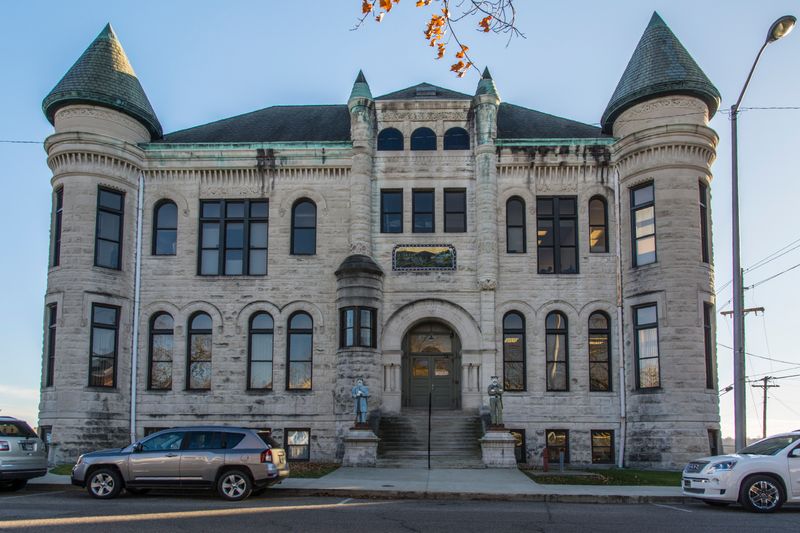
Mark Honeywell, founder of the heating controls company that became a global giant, had deep roots in Wabash. His family’s generosity gave the town an extraordinary gift: the Honeywell Center, a world-class performing arts venue that hosts everything from Broadway shows to classical concerts.
The center opened in 2001 and quickly became a cultural anchor for the region. Its two theaters feature state-of-the-art sound and lighting, comfortable seating, and an intimate atmosphere that makes every performance memorable.
Throughout the year, the Honeywell Center offers a wide range of entertainment. You might see a touring Broadway production one month, a comedy show the next, and a symphony concert after that.
The building itself is beautiful, with elegant architecture that fits perfectly with downtown Wabash’s historic charm. Before or after a show, you can stroll the nearby streets and grab dinner at a local restaurant.
It’s remarkable that a town of Wabash’s size has access to such high-quality cultural programming. Many larger cities would envy the caliber of performances here.
The center also hosts community events, art exhibitions, and educational programs. Local theater groups perform on its stages, and students from area schools get opportunities to experience live shows.
Attending a performance at the Honeywell Center is more than entertainment. It’s a reminder of what happens when successful people invest in their hometowns.
The Honeywell family could have built this facility anywhere, but they chose Wabash. Check the schedule before you visit, and you’ll likely find something that sparks your interest.
It’s an experience you wouldn’t expect in a small Indiana town, which makes it all the more special.
Historic Downtown Shopping and Dining Experience
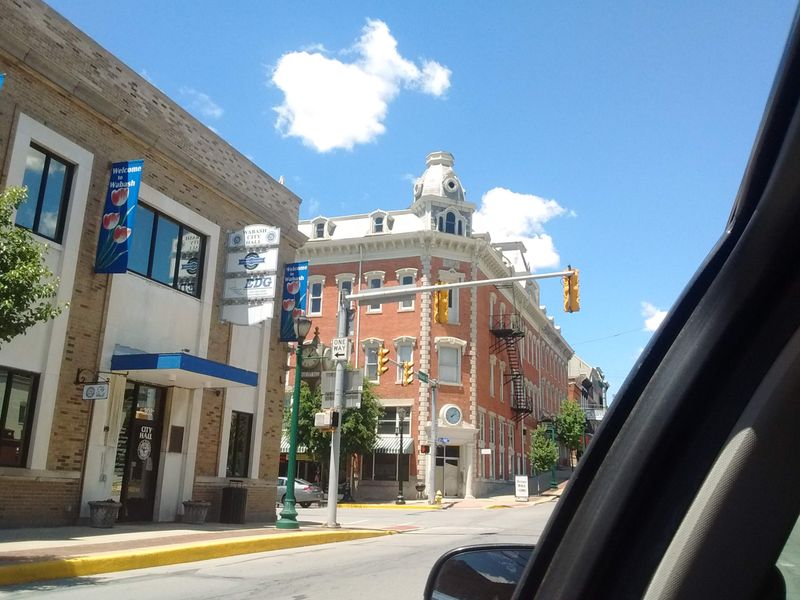
Downtown Wabash looks like it belongs on a postcard. The historic buildings have been lovingly maintained, with their original facades telling stories from different eras of American architecture.
Walking down Market Street, you’ll find locally owned shops offering everything from antiques to handmade crafts. These aren’t chain stores with identical inventory.
Each shop reflects the personality and passion of its owner.
The antique stores are particularly noteworthy, with treasures ranging from vintage furniture to collectible glassware. Even if you’re not buying, browsing these shops is like visiting a museum where everything has a price tag.
When hunger strikes, downtown Wabash delivers with several excellent dining options. The Charley Creek Inn Restaurant offers upscale dining in a beautifully restored historic building at 111 West Market Street.
For more casual fare, locals recommend stopping by one of the family-owned cafes or diners that have been serving the community for generations. These are the kind of places where the waitress knows your name by your second visit.
What makes downtown Wabash special is the sense of community you feel. Shop owners take time to chat, sharing stories about their merchandise or offering suggestions for other places to visit in town.
Eagles Theatre: A Restored Gem from the Roaring Twenties
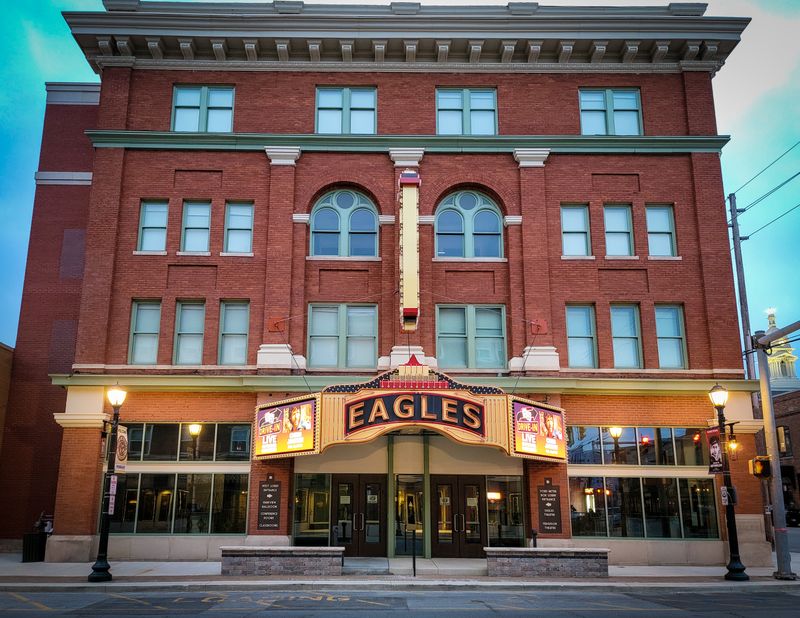
Built in 1906 and extensively renovated in the 1920s, the Eagles Theatre at 128 West Cass Street stands as one of Wabash’s most beloved landmarks. This atmospheric theater once showed silent films accompanied by live organ music, transporting audiences to exotic locations without ever leaving their seats.
After years of neglect, a passionate group of community volunteers worked tirelessly to restore the theater to its former glory. Their dedication saved a piece of history that might otherwise have been lost forever.
Today, the Eagles Theatre screens classic films, hosts live performances, and serves as a venue for community gatherings. The restoration preserved many original features, including ornate plasterwork and vintage seating.
Walking into the Eagles feels like time travel. The art deco details, the vintage movie posters, and the intimate scale of the theater create an experience completely different from modern multiplex cinemas.
The theater’s programming includes classic movie nights. You can watch Hollywood’s golden age films on the big screen as they were meant to be seen.
There’s something magical about watching Casablanca or Singin’ in the Rain in an authentic period theater.
Warm Community Spirit and Friendly Locals
Statistics and landmarks only tell part of Wabash’s story. The real magic comes from the people who call this town home.
Wabash residents embody Midwestern hospitality in its finest form. Strangers wave from their porches, shop owners remember your face after one visit, and neighbors look out for each other.
This isn’t the kind of friendliness that feels forced or fake. It’s genuine care for fellow human beings.
People here understand that community isn’t just about living in the same place. It’s about being connected.
You’ll notice this spirit at community events, where volunteers of all ages work together to make things happen. The same faces show up again and again, not because they have to, but because they want to contribute.
Local churches, civic organizations, and service clubs play active roles in community life. They organize food drives, maintain public spaces, and support families going through difficult times.
Newcomers often comment on how quickly they felt welcomed in Wabash. There’s an openness here that makes it easy to put down roots and become part of something larger than yourself.
The community’s strength shows in how it handles challenges. When businesses struggle or families face hardship, neighbors rally together to help.
This isn’t just small-town nostalgia. It’s how life actually works in Wabash.
Affordable and Peaceful Small-Town Living
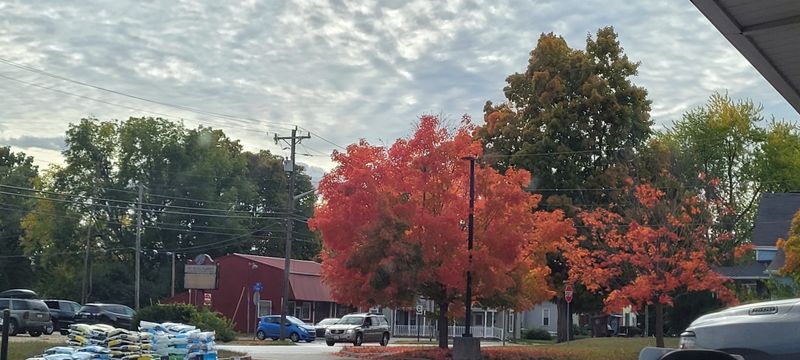
In an era when housing prices seem to climb higher every year, Wabash offers something increasingly rare. Affordability comes without sacrificing quality of life.
The cost of living here is significantly lower than in urban areas. This makes it possible to save money or enjoy life without constant financial stress.
Real estate in Wabash includes beautifully maintained historic homes with character you won’t find in modern subdivisions. Many feature original woodwork, spacious rooms, and yards big enough for gardens or play areas.
The slower pace of life here isn’t about being boring. It’s about having time for what matters.
People actually sit on their front porches in the evening. Kids ride bikes through neighborhoods, and families eat dinner together without rushing off to the next obligation.
Traffic jams don’t exist in Wabash. Your commute to work takes minutes instead of hours, giving you back precious time that would otherwise be wasted sitting in your car.
The low crime rate means parents feel comfortable letting children play outside. Doors often remain unlocked, and people know their neighbors’ names.
This level of safety and trust has become rare in many parts of America. Schools in Wabash benefit from smaller class sizes and teachers who know their students as individuals.
Education feels more personal. Students don’t get lost in the shuffle.
For retirees, Wabash offers an ideal combination of affordability, accessibility, and community. Healthcare facilities serve the area well, and the slower pace makes for a genuinely relaxing retirement.
Visiting Wabash might make you reconsider your priorities. It raises the question: what if the good life isn’t about having more, but about enjoying what you have in a place where you truly belong?
Dear Reader: This page may contain affiliate links which may earn a commission if you click through and make a purchase. Our independent journalism is not influenced by any advertiser or commercial initiative unless it is clearly marked as sponsored content. As travel products change, please be sure to reconfirm all details and stay up to date with current events to ensure a safe and successful trip.
