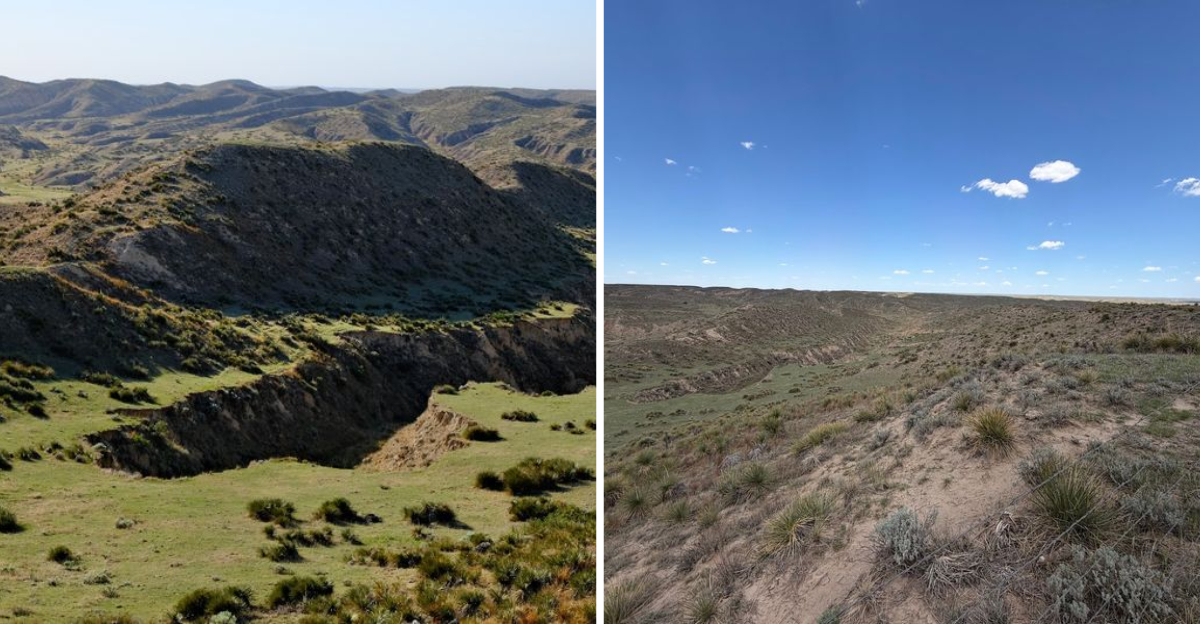
Most people drive through northwest Kansas without stopping, eyes fixed on the horizon, assuming there is nothing out here worth slowing down for. That assumption is completely wrong.
Deep into the far northern edge of the state, this system of deep ravines and dramatic canyon walls looks like it belongs somewhere in New Mexico, not the Kansas plains. The first time I saw them, my jaw genuinely dropped. No signage prepares you for it, no brochure really does it justice, and there is certainly no gift shop waiting at the end of the road.
The lookout has no guardrails and no barriers between you and the edge. Two species of sage grow here that cannot be found anywhere else in the entire state. Sixteen native plant species found in this region are officially listed as rare in Kansas.
The roads to get here are unpaved and can turn into a muddy mess after rain, so a four wheel drive vehicle is strongly recommended. But that effort is exactly what filters out the crowds and leaves the place for people who actually want to be there. This is one of those rare places that still feels completely undiscovered, raw, and real.
What Exactly Are the Arikaree Breaks?
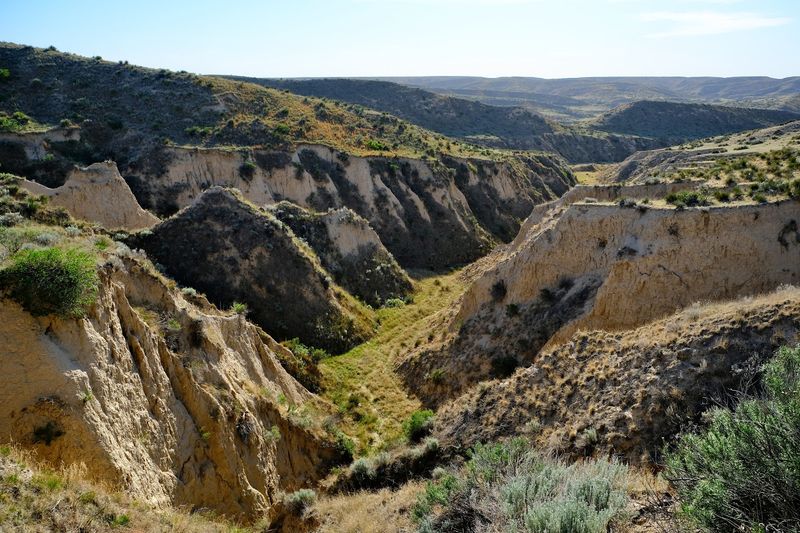
Forget everything you think Kansas looks like, because the Arikaree Breaks will flip that image on its head. This is a stretch of deeply eroded terrain that runs roughly 36 miles long and two to three miles wide along the northern edge of Cheyenne County.
It bleeds into Rawlins County and spills across the borders into Nebraska and Colorado.
The breaks were carved by tributaries of the Arikaree River and the South Fork of the Republican River. Water worked its way through thick deposits of loess, which is wind-blown sand, silt, and clay that can stack up to 100 feet deep in places.
That loess holds its shape well, which is why the canyon walls here look so steep and dramatic rather than crumbling into soft slopes.
From the surrounding flatlands, you would never guess what is waiting just beyond the ridge. The contrast is almost surreal.
One moment you are rolling through open prairie, and then suddenly the earth just falls away beneath you into these wild, shadowed gullies. The area has been recognized as a finalist for the 8 Wonders of Kansas, which feels like a well-earned title.
Not many places in the state can surprise you quite this completely.
Getting There Is Half the Adventure
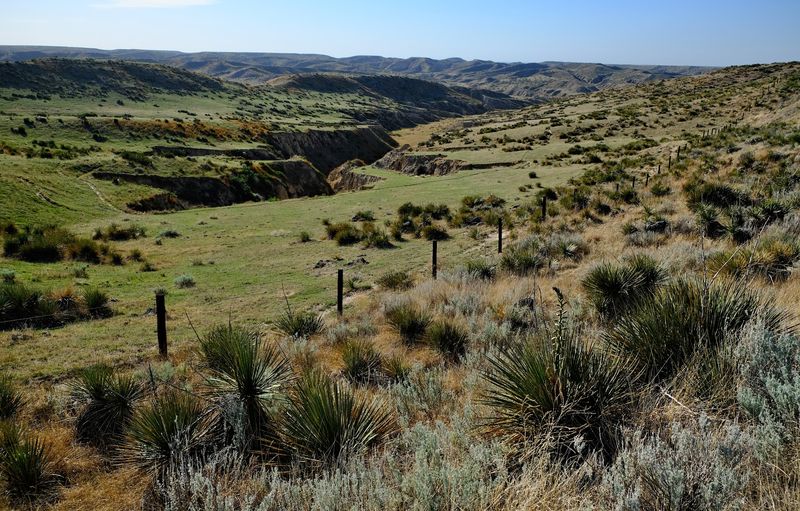
The road to the Arikaree Breaks is not the kind you tap into a GPS and forget about. Most of the access routes are unpaved county roads, and after any decent rain, they can turn into a muddy, slippery challenge that will test your patience and possibly your tires.
A 4WD vehicle is strongly recommended, especially if you are visiting in spring or after a storm.
The nearest town is St. Francis, Kansas, which is the seat of Cheyenne County and the best place to pick up supplies before heading out. You can grab a self-guided driving tour brochure at the St. Francis Information Kiosk or at certain local businesses in town.
That brochure is genuinely useful and worth grabbing before you go.
There are no restrooms anywhere near the breaks, no visitor centers, and no water sources you can rely on. Bring more water than you think you need, pack snacks, and take all your trash back out with you.
Much of the land surrounding the public roads is privately owned, so staying on designated routes is not just polite, it is required. The remoteness is part of what makes this place so special, but it does mean you need to show up prepared and take the logistics seriously.
The Lookout Point That Changes Everything
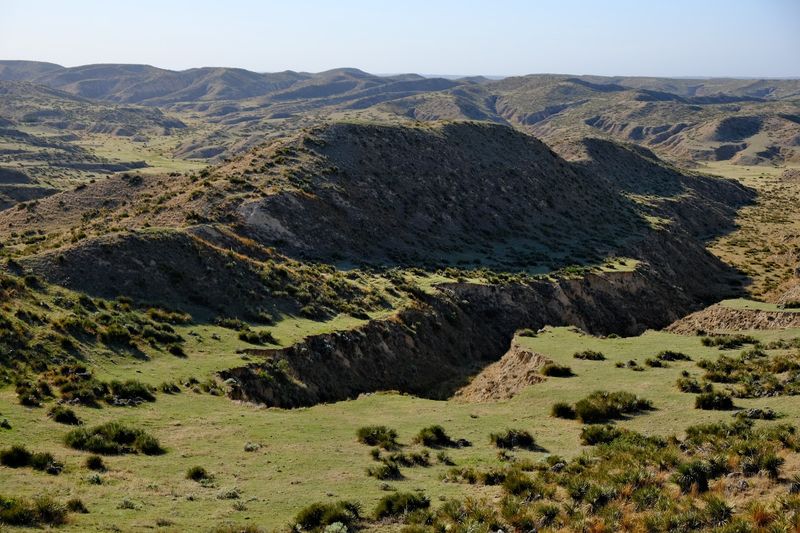
There is a specific spot along County Road 15 outside St. Francis where the landscape opens up in a way that genuinely stops you mid-step. The Arikaree Breaks Lookout Point sits at 2939 Co Rd 15, and it is open 24 hours a day, every day of the week.
Sunrise and sunset here are something else entirely.
From that vantage point, you can see the breaks stretching out below and beyond in waves of eroded ridgelines and shadowed gullies. The color of the soil shifts depending on the light, going from dusty tan in the midday heat to rich amber and deep rust as the sun drops lower.
It is the kind of view that makes you reach for your camera and then realize no photo will fully capture it.
The lookout has no guardrails, no interpretive signs, and no barriers between you and the edge. That rawness is intentional in a way.
Nobody has come in here to smooth out the experience or make it feel like a theme park. You are just standing on the edge of something ancient and enormous, and the only thing narrating the moment is the wind.
For people who crave places that still feel genuinely untouched, this lookout is worth every mile of rough road it takes to reach it.
The Plants and Wildlife That Call This Place Home
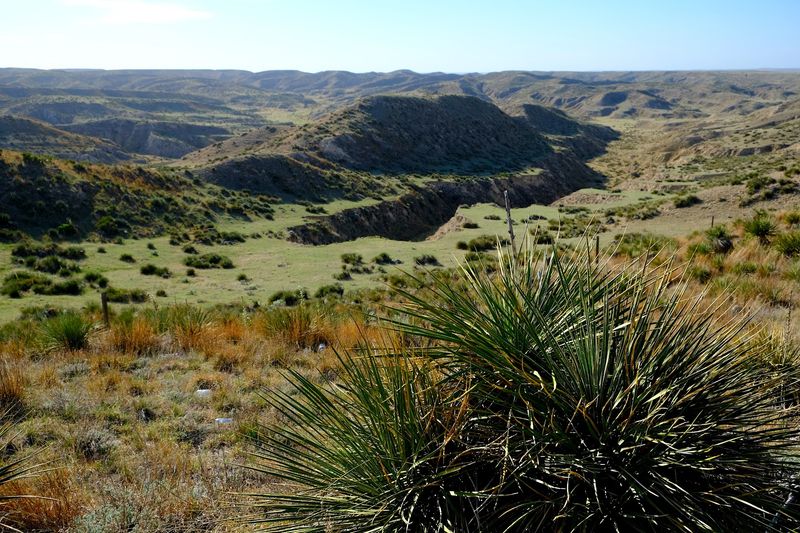
One of the quieter surprises about the Arikaree Breaks is just how ecologically unusual the area is. Two species of sage grow here that cannot be found anywhere else in the entire state of Kansas.
On top of that, 16 native plant species found in this region are officially listed as rare in Kansas.
The combination of eroded terrain, arid conditions, and minimal human disturbance has created a kind of refuge for plants and animals that have been squeezed out of more developed landscapes. Mule deer move through the gullies in the early morning.
Raptors ride the thermals above the canyon ridges. The whole ecosystem feels like it is operating on its own schedule, completely indifferent to the world beyond its edges.
Because the area sees so few visitors, wildlife tends to behave in ways that feel refreshingly normal rather than startled or habituated to humans. If you move quietly and stay patient, the breaks reward that patience with sightings that feel personal rather than staged.
Bring binoculars. The canyon walls create natural corridors that funnel animal movement in predictable ways, and if you position yourself near a ridgeline in the early morning or late afternoon, you are likely to see something worth remembering.
This is a legitimate ecological treasure hiding in plain sight.
Why Almost Nobody Comes Here
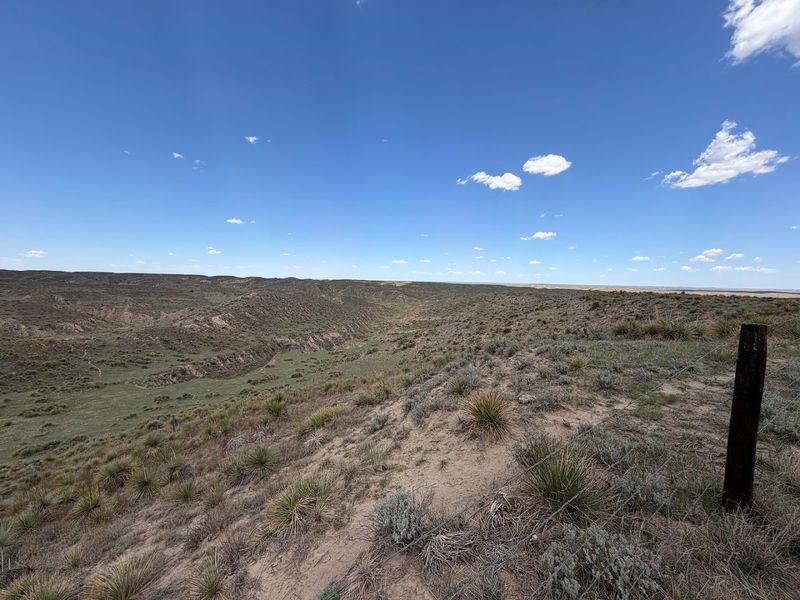
The Arikaree Breaks sit more than a hundred miles from any significant population center. There are no interstate highways running nearby, no chain hotels within easy reach, and no social media algorithm pushing this place into anyone’s feed.
That combination keeps visitor numbers remarkably low, which is either a flaw or a feature depending on your perspective.
The area was actually mentioned in a list of places that locals hope tourists never discover. That says a lot.
The people who live near the breaks value the quiet, the space, and the fact that this landscape has not been turned into an attraction. There are no entry fees, no timed reservations, and no crowds jostling for the same shot at the overlook.
Getting here requires genuine effort. The roads demand attention, the lack of amenities demands preparation, and the distance demands commitment.
But that friction is exactly what filters out the casual visitor and leaves the place for people who actually want to be there. Solitude in a landscape this dramatic is increasingly rare in the modern world.
The Arikaree Breaks offer something that money genuinely cannot buy at most destinations: the feeling that you found something real, something not yet packaged or polished, something that still belongs entirely to itself.
Tips for Making the Most of Your Visit
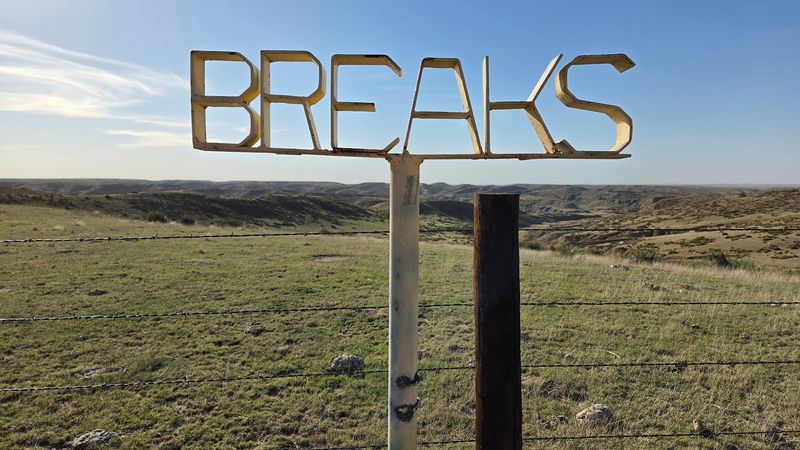
Planning ahead is not optional here, it is the whole strategy. The breaks are a remote, undeveloped landscape with no services of any kind nearby, so the quality of your visit depends almost entirely on how well you prepare before leaving town.
St. Francis is your last reliable stop for fuel, food, and anything else you might need.
Pick up the self-guided driving tour brochure from the St. Francis Information Kiosk or a local business before heading out. It maps the public roads and points out the best viewing areas, which saves a lot of guesswork on roads that all start looking similar after a while.
Stick to those public routes, since the surrounding land is privately owned and trespassing is not welcome.
The best times to visit are early morning and late afternoon, when the light hits the canyon walls at an angle that makes the colors pop and the shadows deepen. Midday in summer can be brutally hot with almost no shade available.
Wear sturdy shoes, bring a hat, carry far more water than seems necessary, and pack out everything you bring in. The breaks are pristine because people who care about them treat them that way.
If you leave nothing behind except footprints, the next visitor gets to experience the same untouched feeling you did, and that is worth something real.
Address: 2939 Co Rd 15, St. Francis, KS 67756
