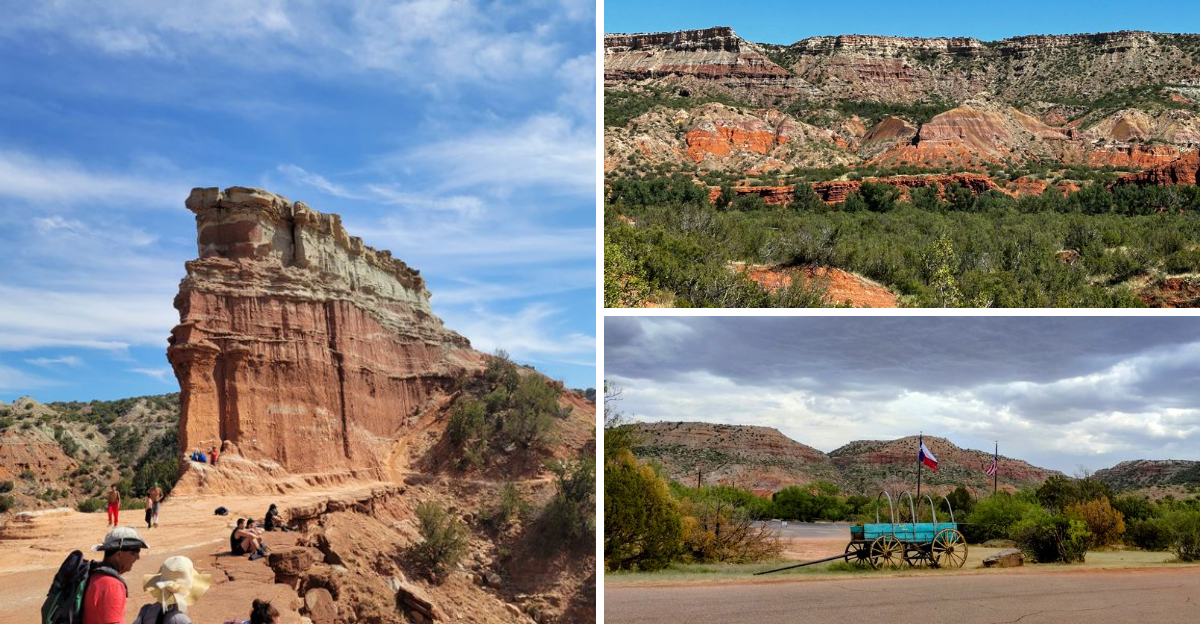
Palo Duro Canyon State Park sits just south of Amarillo in Canyon, TX 79015, where the flat Texas Panhandle suddenly drops away into a breathtaking chasm of red rock cliffs, juniper-dotted mesas, and 800-foot canyon walls.
Travelers flock here not just for the stunning scenery and world-class hiking trails, but because this canyon holds secrets of dramatic battles, ancient peoples, and pivotal moments that shaped the American West.
What looks like an ordinary stretch of Texas rangeland becomes an epic stage where Native American tribes thrived for centuries before a fateful clash changed everything. Think you know Texas history?
Wait until you hear what went down in these colorful canyons. This place isn’t just pretty rocks and cool trails.
It’s where legends were born and empires fell.
The Hidden Canyon That Sheltered Civilizations
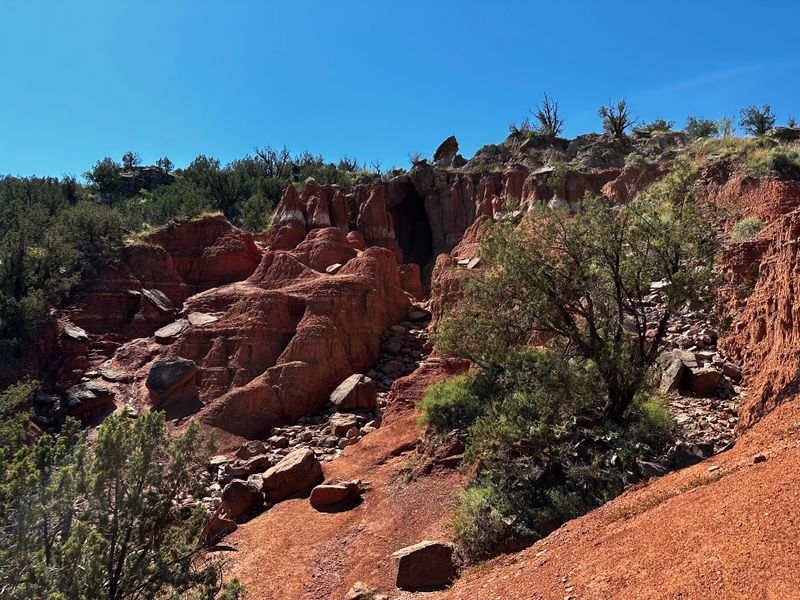
Long before European settlers arrived in Texas, Palo Duro Canyon served as a sanctuary for Indigenous peoples dating back at least 12,000 years.
Archaeological evidence reveals that Paleo-Indian hunters tracked massive mammoths and giant bison through these canyon corridors, finding shelter in the caves and overhangs that still dot the rock faces today.
The canyon’s permanent water sources, abundant wildlife, and protection from harsh plains weather made it an ideal home base for countless generations.
Apache and Comanche tribes later claimed these lands as prime hunting grounds and winter camps. The towering walls blocked icy northern winds while trapping warmth during brutal Panhandle winters.
Natural springs provided reliable water even during droughts that dried up the flatlands above.
Visitors hiking the CCC Trail or exploring the Big Cave can still sense this ancient presence in the rock art and tool fragments occasionally discovered along the trails. The same red cliffs that frame your Instagram photos once echoed with the voices of children playing and hunters returning with game.
Standing at the canyon floor, you’re literally walking through a living museum where human history stretches back to the Ice Age, making every rock formation a potential witness to millennia of human survival and adaptation.
The Battle of Palo Duro Canyon: September 1874
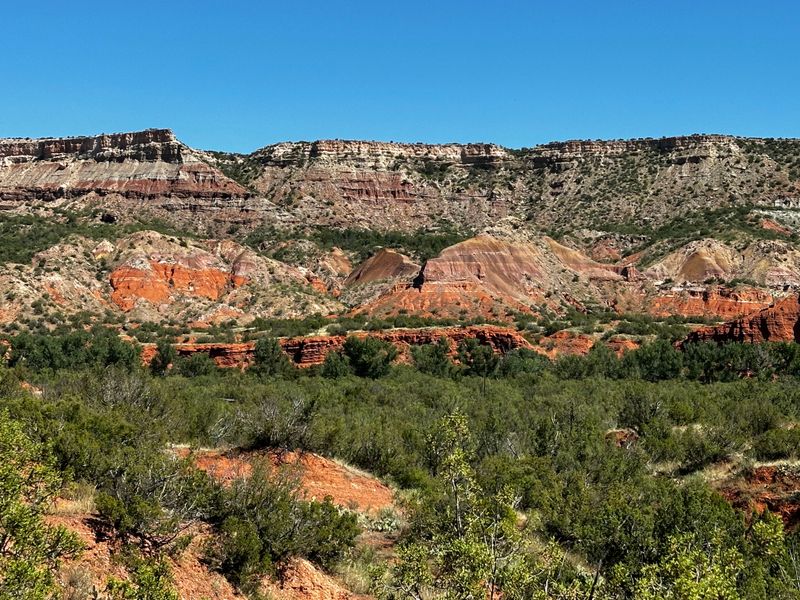
September 28, 1874, marks one of the most significant and devastating days in Southern Plains Native American history. Colonel Ranald S.
Mackenzie led the 4th U.S. Cavalry down the treacherous canyon walls in a surprise dawn attack against a massive encampment of Comanche, Kiowa, and Cheyenne families.
More than 1,000 people had gathered in what they believed was an impregnable fortress, their lodges spread across five villages along the canyon floor.
The attack itself resulted in relatively few casualties, only three or four warriors killed, as most families escaped up the steep canyon walls. Mackenzie’s true strategy proved far more devastating.
His troops systematically burned over 450 lodges, destroyed winter food supplies including thousands of pounds of dried buffalo meat, and captured the tribe’s entire horse herd of approximately 1,400 animals.
In a calculated move to prevent the tribes from regrouping, Mackenzie ordered his men to shoot nearly all the captured horses, keeping only the best mounts for cavalry use. This single action effectively ended the tribes’ ability to hunt buffalo, wage war, or survive independently on the plains.
Within months, starving and desperate, the remaining free-roaming Southern Plains tribes surrendered to reservation life, marking the end of their nomadic existence forever.
The Lighthouse Trail: Walking Through History
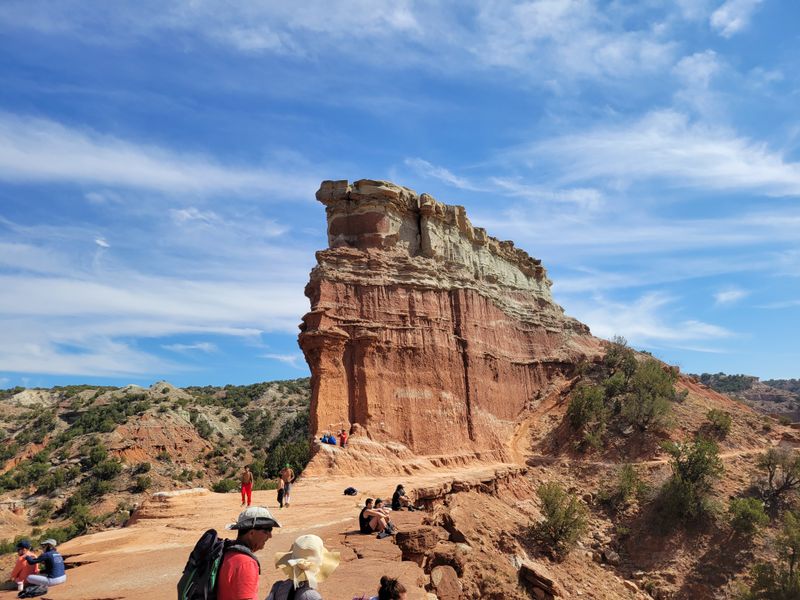
The iconic Lighthouse Trail stretches 2.8 miles each way to a towering rock formation that rises like a natural monument above the canyon floor.
This isn’t just the park’s most popular hike; it’s a journey through the very landscape where desperate families fled during Mackenzie’s attack, scrambling up slopes that still challenge well-equipped modern hikers.
Every switchback you navigate was once a potential escape route or defensive position.
The trail itself crosses terrain where cavalry horses thundered through in pursuit, where lodges once stood in peaceful villages, and where centuries of Native American life came to an abrupt end.
Hikers often comment on the trail’s difficulty, especially the final half-mile push, but that challenging terrain is precisely what made the canyon both a refuge and, ultimately, a trap for its Indigenous inhabitants.
When you finally reach the Lighthouse formation, that 310-foot pillar of Permian red rock stands as an unintentional monument to everything that transpired here. Many visitors snap their victory photos without realizing they’re standing near ground zero of a battle that changed the course of Texas history.
The formation itself has witnessed over 10,000 years of human drama, from ancient hunters to modern adventurers, making it far more than just a cool rock to photograph for your travel blog.
The Horse Massacre Site and Its Haunting Legacy
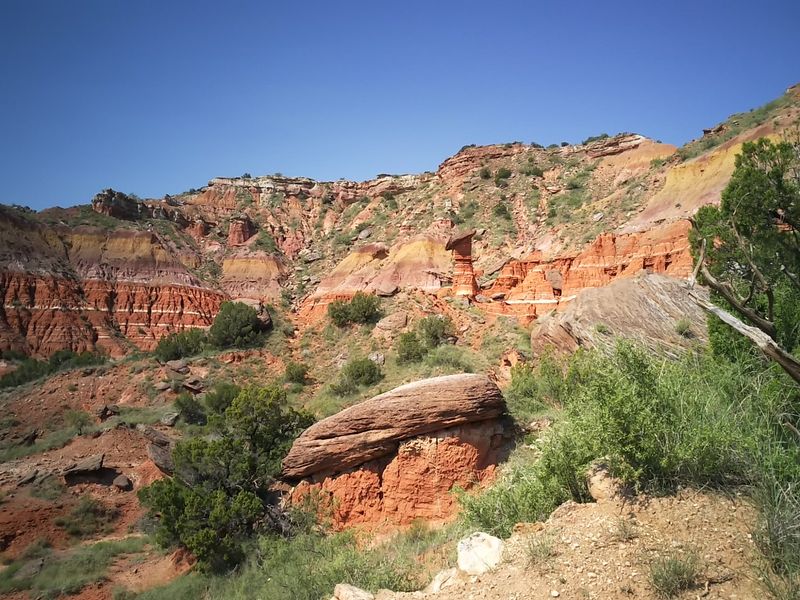
Somewhere in the canyon, though the exact location remains debated by historians, Colonel Mackenzie’s troops carried out one of the most brutal acts of the Red River War.
After capturing nearly 1,400 horses from the fleeing tribes, soldiers spent hours systematically shooting the animals to prevent their recapture.
The sound of gunfire echoing off canyon walls must have been deafening, a grim soundtrack to the end of an era.
Mackenzie kept only about 400 of the best horses for military use, condemning the rest to death. This wasn’t combat; it was calculated destruction of a people’s entire way of life.
Horses meant everything to Plains tribes: transportation, hunting capability, wealth, status, and military power. Without horses, hunting the vast buffalo herds became impossible, and the tribes’ legendary mobility vanished overnight.
Today’s visitors riding mountain bikes along the canyon trails or driving the scenic loop road rarely realize they’re crossing grounds that witnessed this tragedy. No markers commemorate the spot where hundreds of horses died, their bodies left to decompose in the canyon heat.
The event remains one of the most controversial aspects of the U.S. Army’s Plains campaigns, a tactical masterstroke that modern sensibilities recognize as devastating cultural warfare.
Understanding this history transforms a pleasant canyon drive into something far more profound and sobering.
The Trading Post: Where Cultures Once Mingled
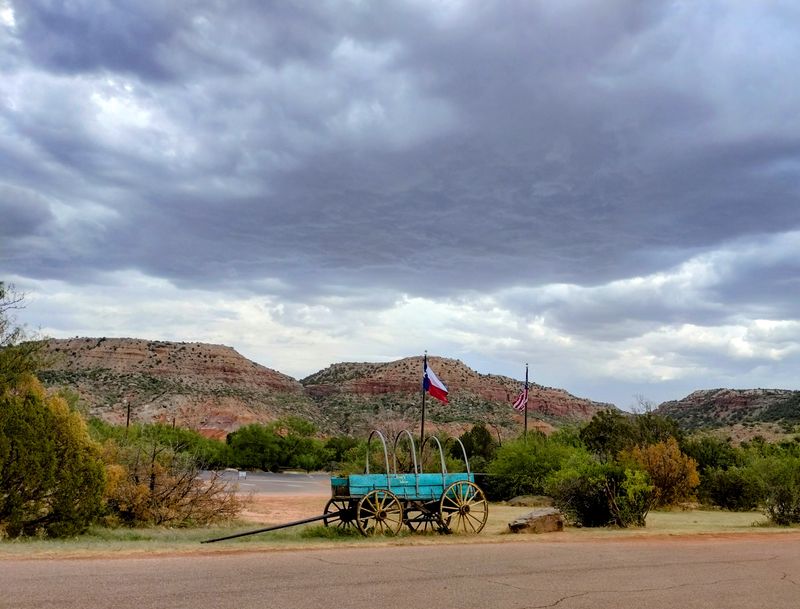
The Trading Post sitting in the canyon today serves burgers and ice cream to hungry hikers, but the concept of trade in this canyon carries much deeper historical significance.
For centuries before the 1874 battle, Palo Duro Canyon was a meeting point where different tribes gathered to trade goods, share information, and negotiate alliances.
The Comancheros, Mexican traders who conducted business with Plains tribes despite Spanish and later Mexican government prohibitions, frequently visited canyon encampments.
These trading networks moved buffalo robes, dried meat, and horses in exchange for metal goods, weapons, cloth, and other manufactured items from Spanish and American settlements. The canyon’s reliable water and defensible position made it an ideal neutral ground for such commerce.
Multiple tribes could camp simultaneously with reduced risk of surprise attacks from enemies or authorities.
When you stop at the modern Trading Post to grab a cold drink or cheeseburger, you’re participating in a tradition of exchange and refreshment that echoes practices from centuries past.
The location serves as a reminder that this canyon was never isolated wilderness but rather a hub of human activity, commerce, and cultural interaction.
Those 58 customer mentions of the Trading Post in reviews reflect its continued role as a gathering spot, though the goods exchanged have changed dramatically from buffalo robes to souvenir t-shirts and trail snacks.
The CCC Trail: Depression-Era History Carved in Stone
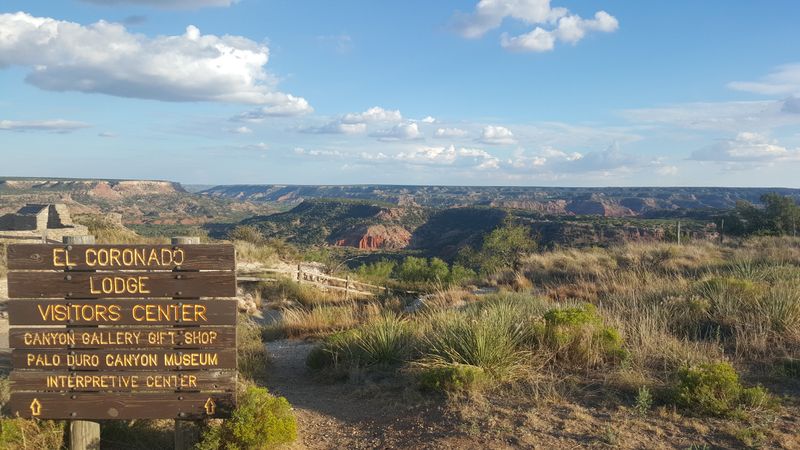
During the Great Depression, President Franklin Roosevelt’s Civilian Conservation Corps transformed Palo Duro Canyon from remote wilderness into an accessible state park.
Young men from across the country arrived in the 1930s to build trails, construct facilities, and create the infrastructure that allows modern visitors to safely explore this historic landscape.
The CCC Trail honors their backbreaking work, winding through terrain these workers knew intimately.
These depression-era laborers had no idea they were building paths through a battlefield where Native American freedom had died just 60 years earlier. Their work represents another layer of American history preserved in the canyon’s stone.
Hiking the CCC Trail today, you’ll notice the craftsmanship in stone staircases and trail edging that has survived nearly 90 years of use and weather.
These features weren’t just functional; they were built by young men desperate for work during America’s worst economic crisis, finding purpose in preserving natural and historical treasures.
Every carefully placed stone connects you not just to ancient Native American history but also to the 1930s workers who made this park accessible, creating jobs while building a legacy that serves millions of visitors decades later.
The Texas Longhorn Herd: Symbols of Another Conquest
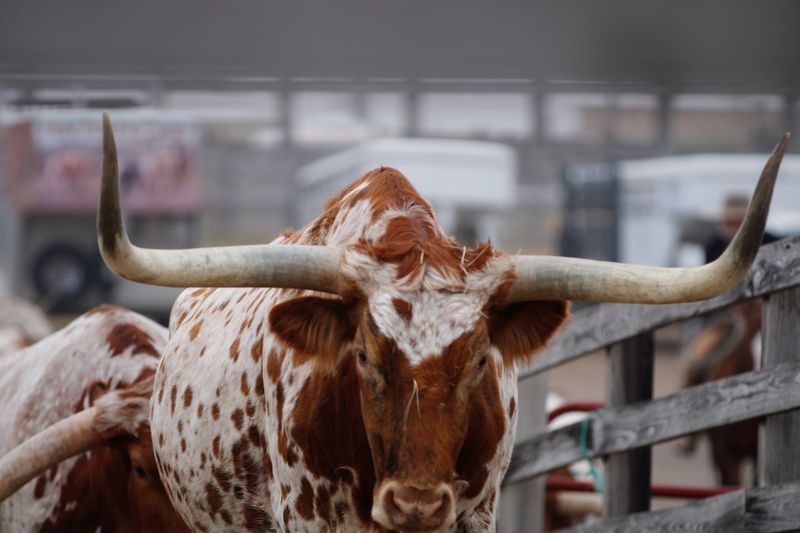
Visitors often encounter the state’s official Texas Longhorn herd grazing peacefully in the canyon, their massive horns and distinctive coloring making for perfect photo opportunities. Few realize these cattle represent yet another chapter in the canyon’s story of cultural transformation and conquest.
After the 1874 battle removed Native peoples from the land, ranchers quickly moved in to claim the canyon’s grass and water for their livestock operations.
The legendary JA Ranch, founded by Charles Goodnight and John Adair, established operations in Palo Duro Canyon in 1876, just two years after the battle. Goodnight became one of Texas’s most famous cattlemen, building an empire on lands where buffalo hunters had roamed for millennia.
The same canyon that once echoed with Native languages and buffalo herds now filled with the sounds of cattle and cowboys.
Today’s longhorn herd serves as a living history exhibit, maintained by Texas Parks and Wildlife to preserve these iconic animals that nearly went extinct in the early 1900s.
When you spot them grazing near the Rock Garden or along the scenic drive, remember they symbolize the complete economic and cultural transformation that followed military conquest.
The buffalo that sustained Native peoples for thousands of years were systematically slaughtered and replaced with cattle, turning the Southern Plains into the ranching empire that still defines Texas identity and economy today.
The Musical TEXAS: History Performed Where It Happened
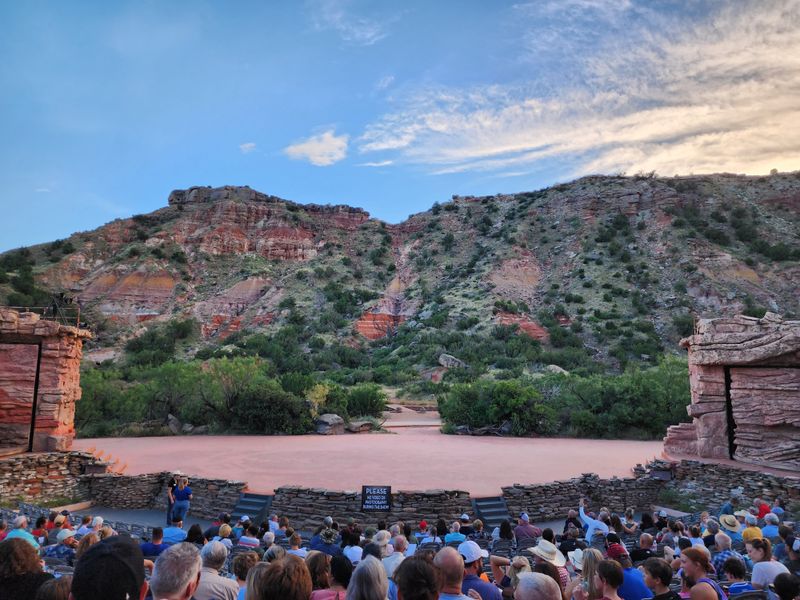
Every summer since 1966, the outdoor musical drama TEXAS has been performed in the Pioneer Amphitheater carved into the canyon walls.
This spectacular production tells the story of Panhandle settlement from the 1800s forward, complete with singing, dancing, and a finale featuring the entire cast on horseback.
The show draws audiences from across the country who sit beneath the stars in the very landscape where these historical events actually unfolded.
What makes this performance extraordinary isn’t just the professional production values or the stunning natural backdrop.
It’s the uncomfortable reality that this celebration of pioneer spirit and Texas settlement takes place on ground soaked in the blood and tears of the Indigenous peoples who were violently removed to make that settlement possible.
The musical focuses on cowboy culture, ranching heritage, and frontier determination, narratives that have traditionally overshadowed the Native American perspective of these same events.
Attending the musical offers a fascinating study in how history gets remembered and commemorated. The show is undeniably entertaining, with talented performers and impressive stagecraft that uses the canyon itself as a dramatic element.
Yet watching it with knowledge of the 1874 battle adds layers of complexity to every scene celebrating Panhandle conquest and development.
Dear Reader: This page may contain affiliate links which may earn a commission if you click through and make a purchase. Our independent journalism is not influenced by any advertiser or commercial initiative unless it is clearly marked as sponsored content. As travel products change, please be sure to reconfirm all details and stay up to date with current events to ensure a safe and successful trip.
