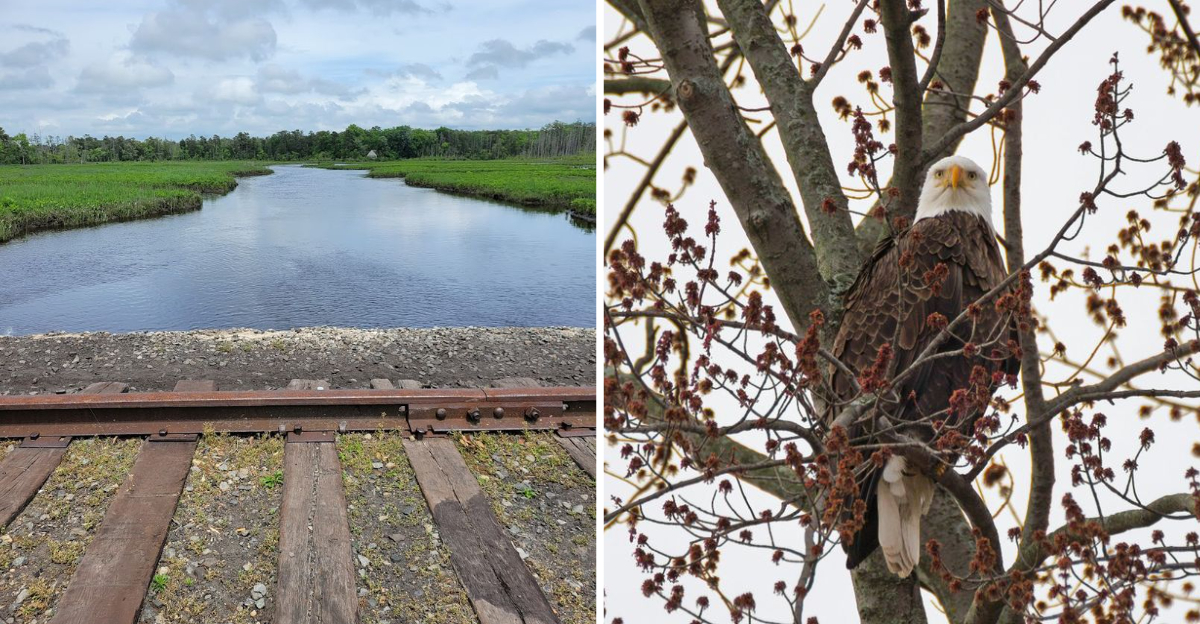
I once thought I had seen every weird thing New Jersey could offer. Then I stumbled upon pools of water the color of a stormy twilight sky.
They call them blue holes, and they stare up from the earth like quiet eyes.
No fish swim in them. No plants grow on their edges.
Just eerie, gorgeous stillness surrounded by rare species that refuse to live anywhere else in the state.
Walking those trails felt like being a detective in a nature mystery.
Have you ever visited a place so odd it made you question reality?
This preserve does that. Leave your expectations at the car.
The woods here whisper something ancient, and those blue holes are not sharing their secrets easily.
A Wilderness That Earns Its Title
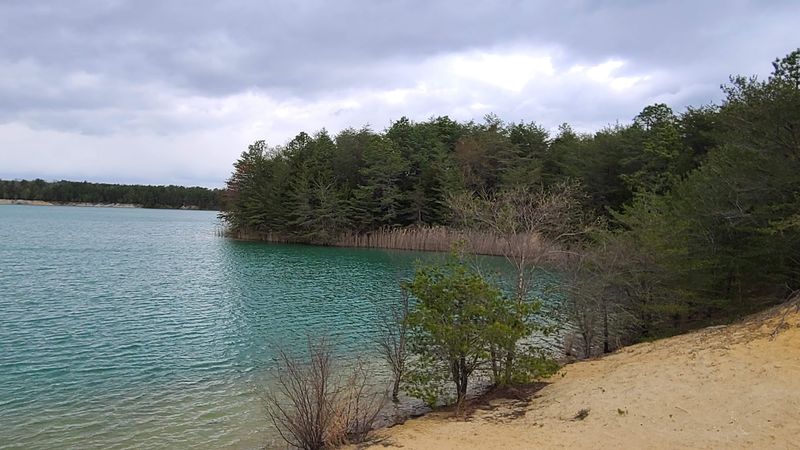
Stretching across roughly 3,500 acres in Cumberland County, the Manumuskin River Preserve holds the title of the largest conservancy-managed natural area in New Jersey, and it wears that title well.
Managed by The Nature Conservancy, this enormous stretch of land is not just big in size but staggering in variety.
Dense upland forests, Atlantic white cedar bogs, salt marshes, tidal flats, meadows, and swamps all exist here in one connected, living system.
The preserve sits within the southern Pine Barrens, a region already famous for its ecological richness, but Manumuskin takes that richness several steps further.
Few places in the entire northeastern United States pack this much biodiversity into a single protected landscape.
Getting here requires a bit of effort, with parking available along Barth Road, but every step of that effort pays off. The sheer scale of the place becomes clear once the trees close in around you and the outside world simply disappears.
The Eerie, Irresistible Blue Holes
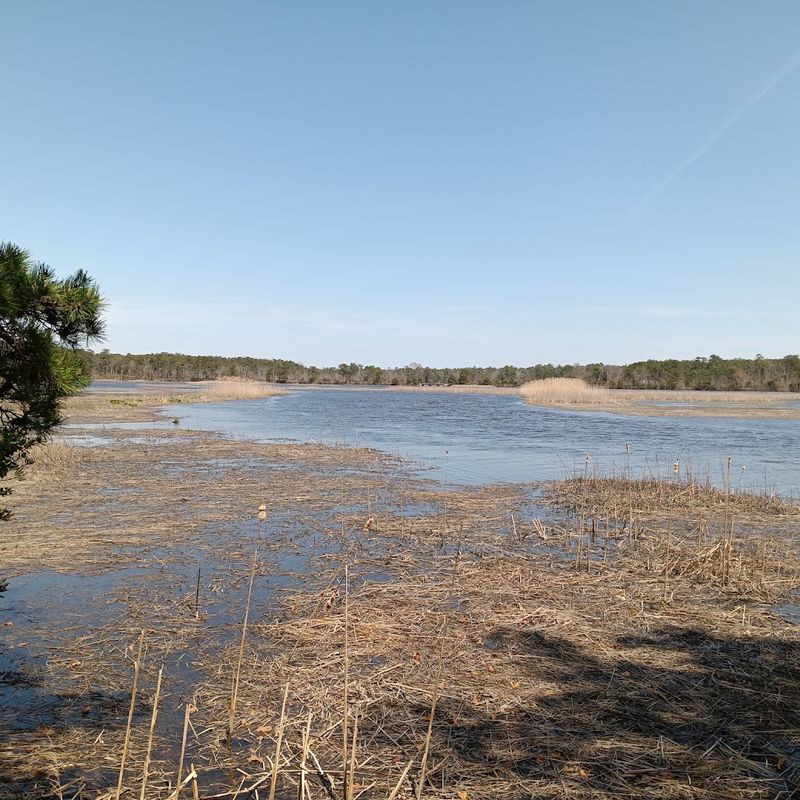
Few things in nature stop you in your tracks quite like stumbling upon a pool of water so intensely blue it looks digitally edited.
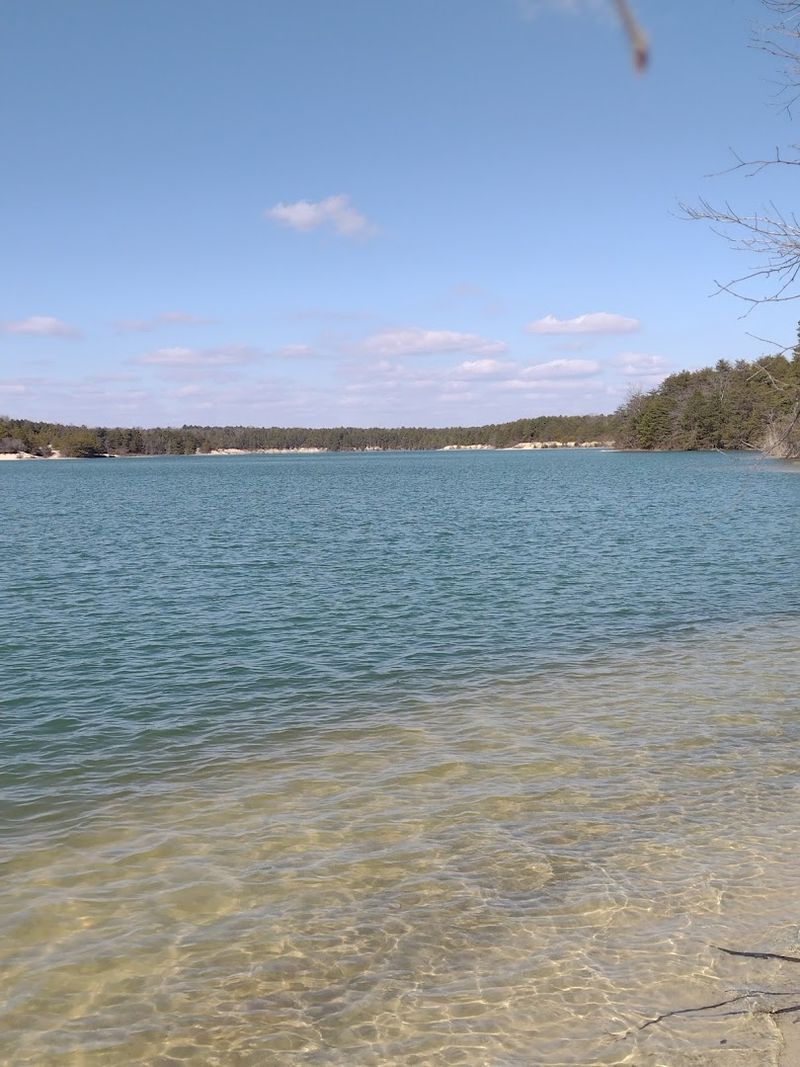
The blue holes scattered throughout the preserve are former mine sites and quarries that filled with groundwater over time, creating ponds with a striking, almost supernatural color.
They glow against the surrounding forest like something dropped in from a tropical postcard.
As mesmerizing as they are, the blue holes carry real danger beneath their surface. Unpredictable currents, sandy bottoms that behave like quicksand, and submerged industrial debris make swimming strictly prohibited and genuinely hazardous.
The preserve is clear about this, and the warnings are there for good reason. Still, standing at the edge of one and staring into that impossible blue is an experience that sticks with you.
The color shifts depending on the light, sometimes electric and sharp, sometimes soft and almost dreamy. You come for a hike and end up spending twenty minutes just staring at a pond.
Rare Plants Found Nowhere Else On Earth
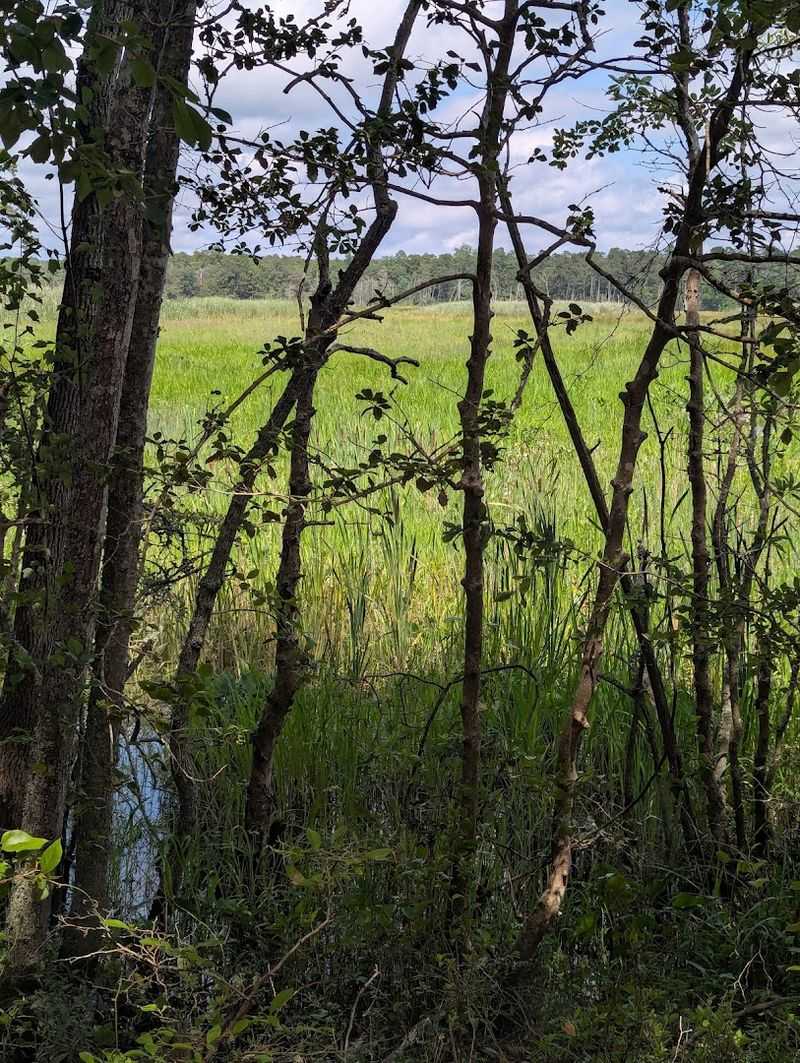
Over 30 rare plant species call this preserve home, and several of them exist in numbers found nowhere else on the planet.
The most remarkable is the sensitive joint vetch, known scientifically as Aeschynomene virginica, a plant that supports its largest and most viable global population right here along the Manumuskin River.
That is not a regional record or a state record. That is a world record, growing in a New Jersey preserve most people have never heard of.
Parker’s Pipewort is another standout. This small aquatic plant was wiped out from the Delaware River system entirely, yet it persists here in the Manumuskin watershed.
At least five globally rare plant species thrive within the preserve, each one dependent on the clean water and undisturbed habitat that make this place so ecologically extraordinary.
Botanists and plant enthusiasts sometimes travel significant distances just to see these species in person.
For everyone else, knowing they exist here adds a quiet sense of wonder to every step along the trail.
A Truly Pristine Stream
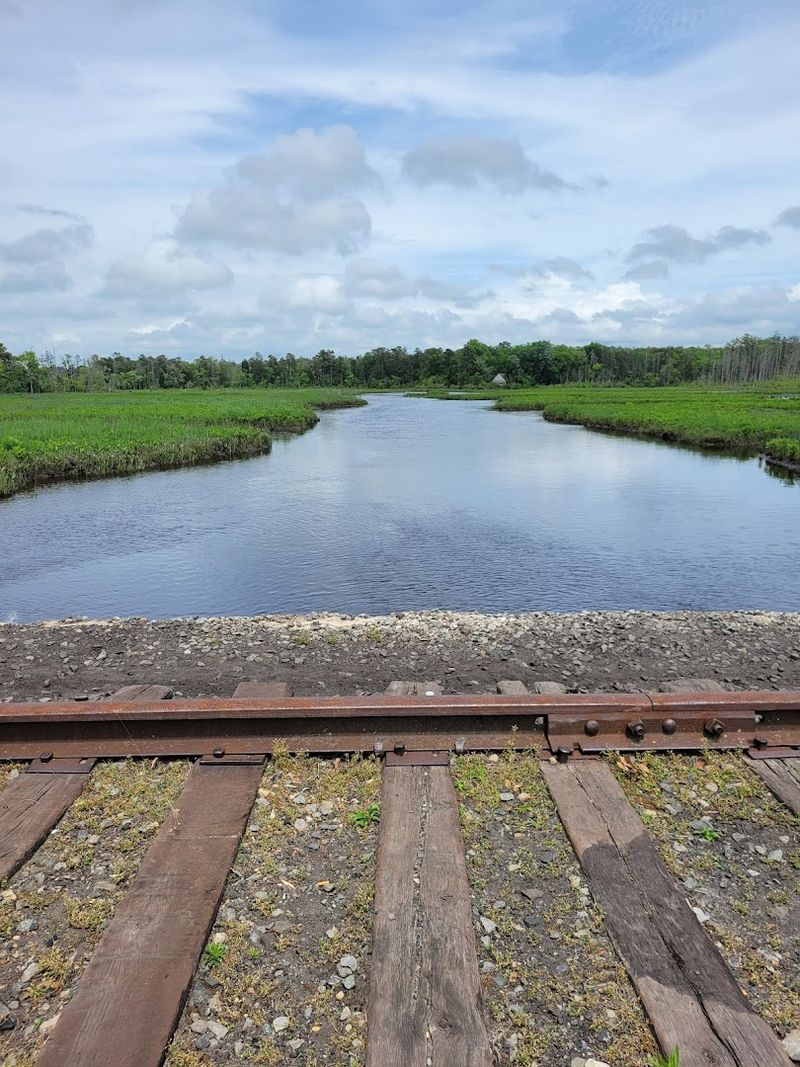
Most rivers in New Jersey carry the weight of centuries of development. The Manumuskin is a rare exception.
When researchers sampled eighty streams across the one-million-acre Pinelands National Reserve in 1985, this river came back as one of only two that qualified as genuinely pristine. That result is not a small thing.
It reflects decades of careful protection and the kind of water clarity you rarely find outside of wilderness areas.
The river runs 16.3 miles as a tributary of the Maurice River, threading through the heart of the preserve with a quiet confidence. Its exceptional water quality is directly responsible for supporting some of the rarest plant species on the planet, species that cannot survive in polluted or disturbed waterways.
Congress and President Clinton recognized this in 1993 by including the Manumuskin as part of the Maurice Wild and Scenic River system.
Walking along its banks, you get the feeling that the water itself is doing something important, something worth protecting.
Snakes, Frogs, and Wildlife That Surprises You
The preserve holds what may be the state’s largest, and possibly only, population of the Northern Scarlet Snake. That alone makes it a destination for herpetologists and wildlife enthusiasts.
Corn snakes and pine snakes also inhabit the preserve, species that are state-listed as rare or threatened and rarely encountered outside of carefully protected landscapes like this one.
Amphibians are equally well represented. The pine barrens tree frog, a species closely tied to the unique chemistry of Pinelands water, breeds here alongside the southern gray tree frog.
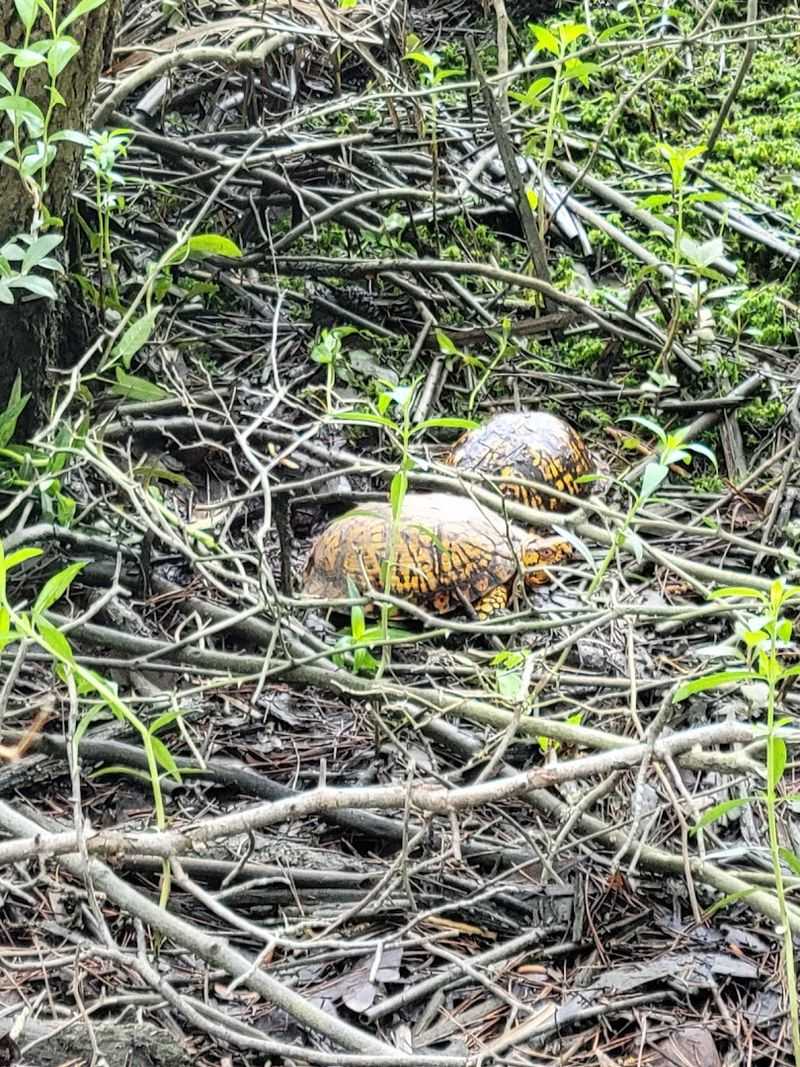
Both are sensitive to environmental change, which makes their presence a reliable indicator of just how healthy this ecosystem truly is. Turtles, deer, wild turkey, and the occasional coyote round out the wildlife picture.
The forest feels alive in a way that is hard to describe until you experience it firsthand. Every rustle in the underbrush carries the possibility of something genuinely rare crossing your path.
Bald Eagles and Rare Birds Overhead
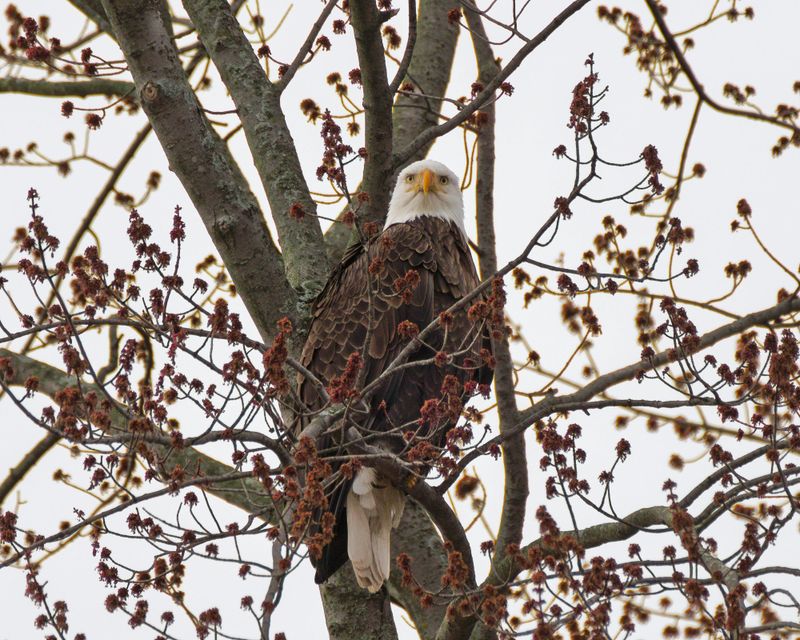
Fifteen of New Jersey’s 25 threatened and endangered bird species breed within the Manumuskin River basin. That number alone puts this preserve in a league of its own when it comes to ornithological significance.
The bald eagle is perhaps the most dramatic of all the species present, and seeing one glide above the tree line with that unmistakable wingspan is the kind of moment that reframes your whole day.
The preserve also supports some of the most important wintering waterfowl and raptor populations in the state. Falcons, hawks, owls, and herons move through here with regularity, making any season a good time to bring binoculars.
Birders who spend time in the Maurice River drainage basin know that over 53 percent of New Jersey’s listed species can be found somewhere within it, and the Manumuskin is a critical piece of that larger puzzle.
Quiet mornings here, when the mist is still sitting on the water, are when the birds are most active and most spectacular.
Atlantic White Cedar Bogs and Wetland Wonders
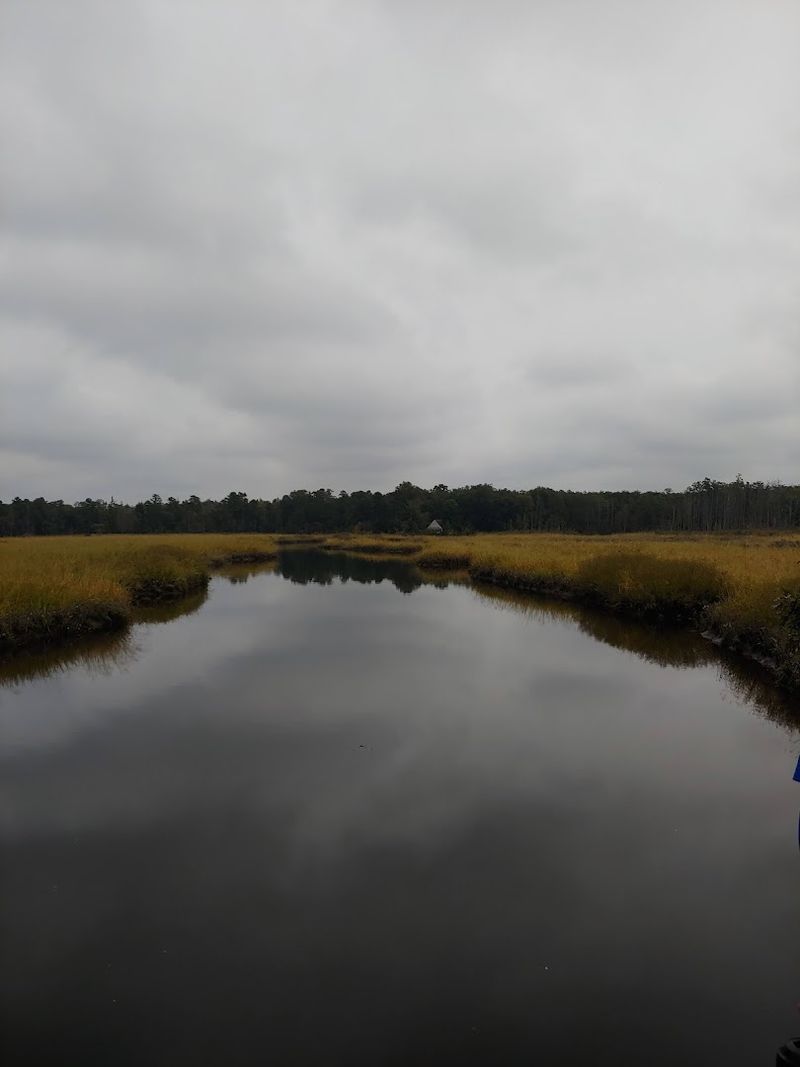
Atlantic white cedar bogs are among the most distinctive ecosystems in the eastern United States, and the Manumuskin preserve contains some of the finest examples still standing.
These bogs form where acidic, tannic water pools in low-lying areas beneath dense cedar canopies, creating a dim, cathedral-like atmosphere that feels ancient and undisturbed.
The water often runs a deep amber color, stained by the organic matter of centuries of plant decay.
These wetlands are not just visually striking. They serve as critical habitat for specialized plant and animal communities that have adapted to the harsh, low-nutrient conditions found nowhere else.
Sphagnum mosses, carnivorous plants, and rare orchids can all appear within the same small stretch of bog.
Moving through one of these areas requires care and attention, as the ground shifts beneath your feet in ways that feel both thrilling and slightly unsettling.
The cedar bogs remind you that some ecosystems are truly irreplaceable once they are gone.
Fries Mill Ruins and the History Hidden in the Trees
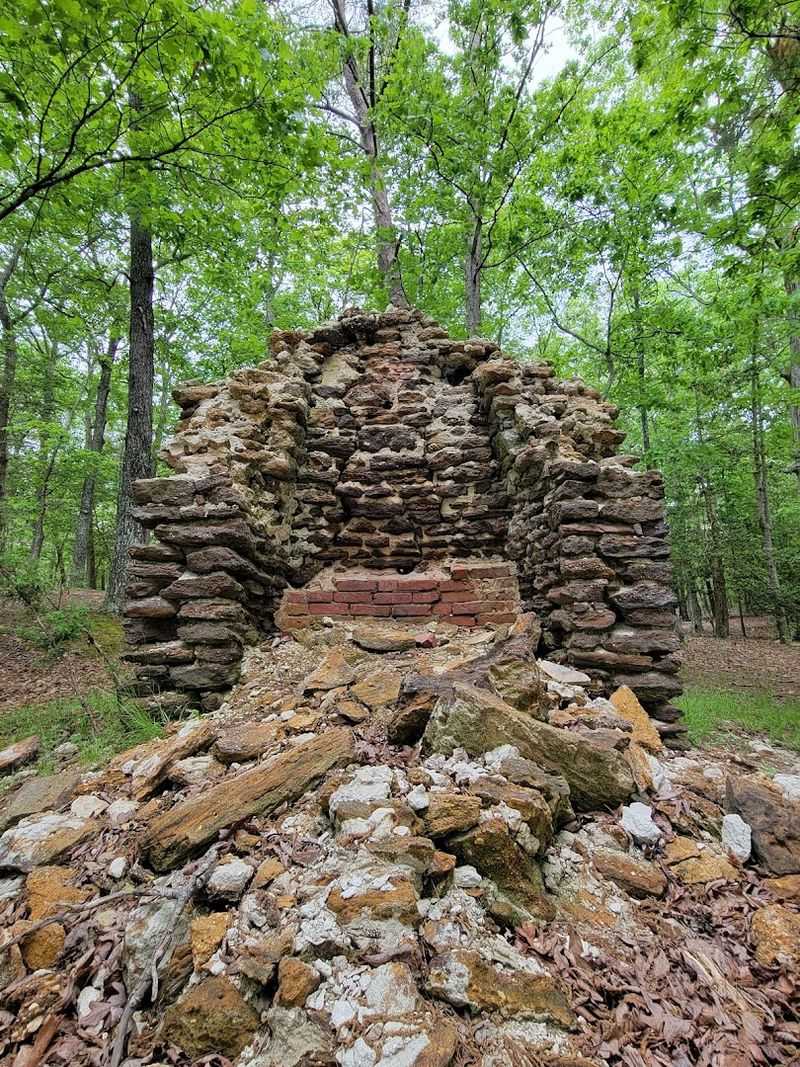
Nature is not the only thing worth exploring here. Hidden near the preserve’s edges, the ruins of Fries Mill wait for those curious enough to seek them out.
Once a functioning sawmill and grist mill, the structure now stands as a crumbling reminder of the industrial activity that shaped this region long before conservation became a priority.
Crossing the railroad tracks near the preserve boundary brings you into the area where these ruins are most accessible.
An old concrete plant also remains within the landscape, its weathered remnants half-swallowed by vegetation.
The name Manumuskin itself comes from the Lenape people, the Indigenous inhabitants who lived along these rivers long before European settlers arrived, giving the land a deep prehistoric heritage that adds real weight to every visit.
Walking past crumbling walls and rusted machinery while surrounded by rare plants and singing birds creates a strange and satisfying kind of time travel. History and wilderness rarely share space this gracefully.
What to Expect on the Ground
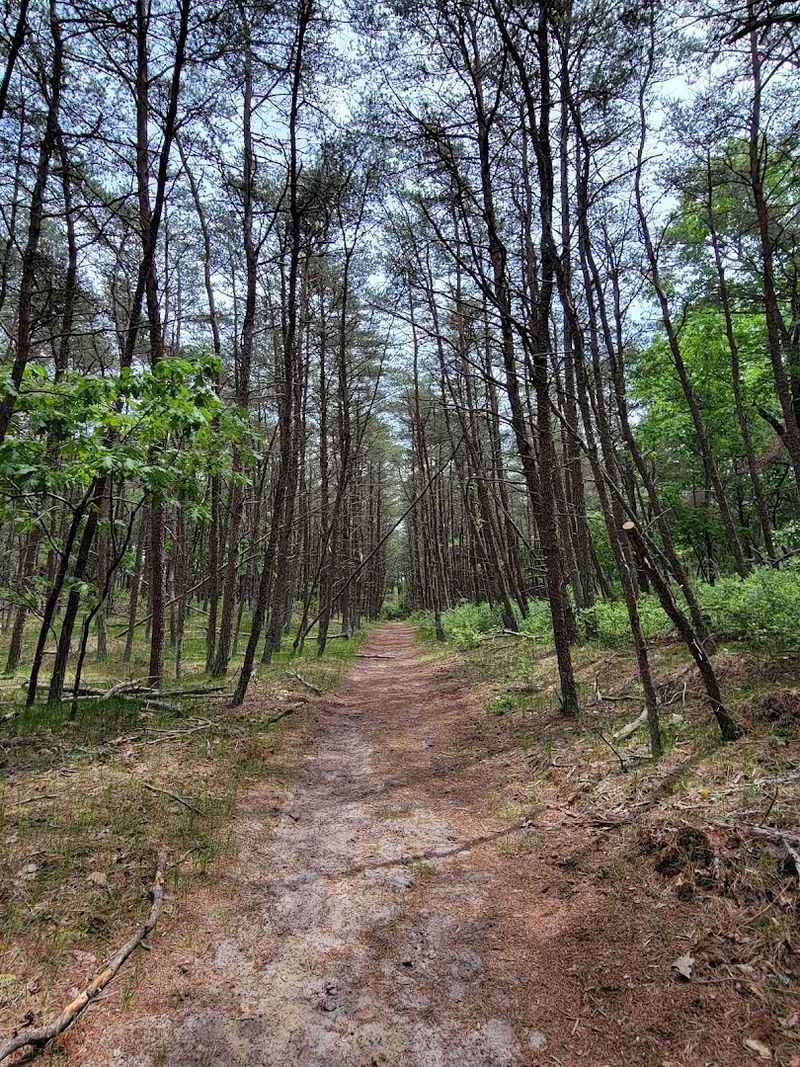
The trails here are not the kind with color-coded signs every fifty feet and a paved parking lot at the trailhead. Most paths are loosely blazed, and some simply end without warning in the middle of the woods.
Bringing a GPS or a downloaded offline map is genuinely essential, not just a good idea. The parking area on Barth Road is the main access point, and from there, over 25 miles of hiking, biking, and horse-friendly trails branch out in all directions.
The terrain shifts constantly, moving from hard-packed sandy soil to soft, yielding ground near the wetlands. Fallen trees appear regularly on less-traveled paths, and low areas can get muddy after rain.
Long pants and solid hiking shoes make a real difference here. The preserve is open 24 hours, which means dawn hikes are entirely possible and genuinely rewarding.
Getting a little lost is almost part of the experience, and the moment you find a blue hole or a quiet stretch of river makes every wrong turn feel worth it.
Why This Place Deserves More Attention
Places like Manumuskin are rare in the most literal sense. More than half of New Jersey’s listed rare species exist somewhere within the Maurice River drainage basin, and the Manumuskin preserve anchors that entire system with its large, connected blocks of undisturbed forest.
Without those contiguous habitats, populations of sensitive species fragment and collapse. The preserve is not just a nice place to walk.
It is a functioning ecological engine that keeps a remarkable web of life running.
The Nature Conservancy has managed this land with that mission in mind, and the results speak for themselves in the form of nesting bald eagles, globally rare plants, and water clean enough to define the standard for pristine.
For anyone living within a few hours of southern New Jersey, this preserve offers something that most outdoor destinations simply cannot match: genuine wildness, real ecological significance, and the satisfying sense that you have found something most people have not yet discovered.
Address: Barth Rd, Millville, NJ 08332.
