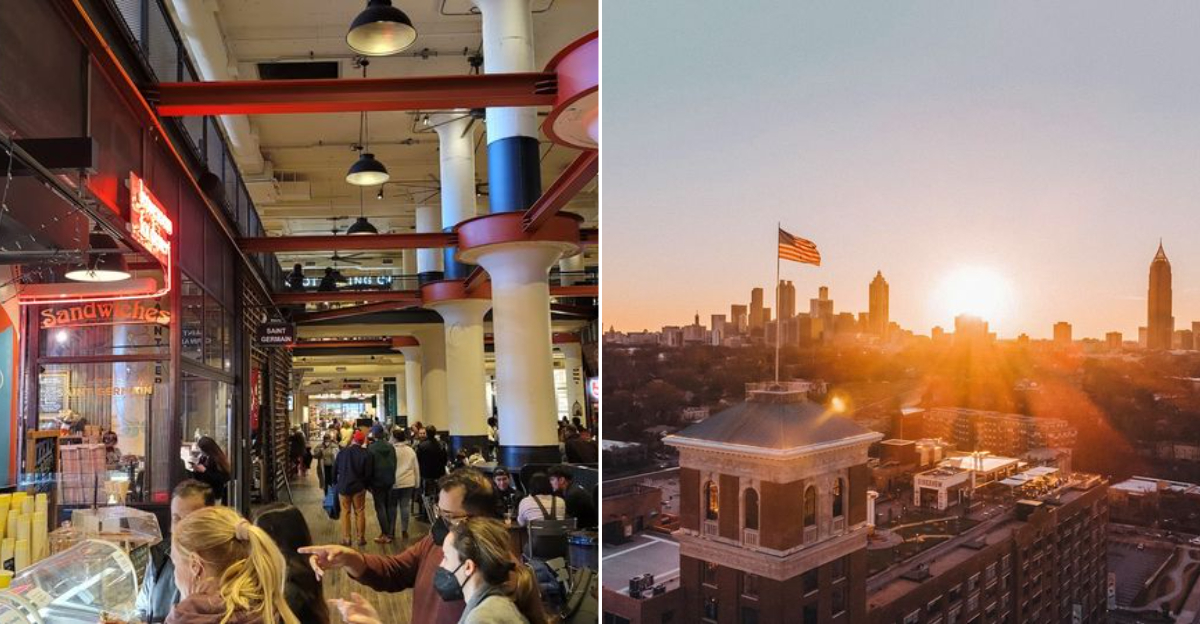
Can a place spend years looking like a lost cause and still come back flashy enough to steal the whole conversation? This legendary Georgia landmark makes that feel very possible.
After sitting in ruins for decades, it now has the kind of dramatic mixed-use revival that makes the old version of the story feel almost hard to picture. That is what gives the place so much pull right away.
You are not just looking at a restored property with a big budget behind it. You are looking at the kind of comeback that changes how people talk about a place completely.
The history still gives it weight, but now the design, the scale, and the energy of everything happening inside it push the story somewhere new. That contrast is what makes it so interesting.
By the time you take in how far it has come, this Georgia landmark feels less like a relic people used to mourn and more like a full-blown masterpiece that finally figured out how to live again.
The Landmark Reborn After Decades Of Decline
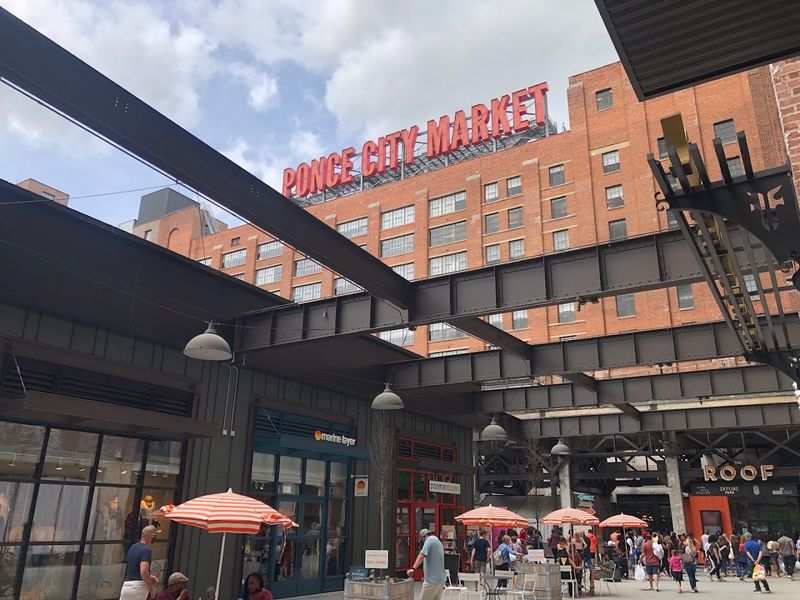
You know that feeling when a place you thought was gone somehow returns brighter than you remembered? That is the rush that hits the moment the brick mass of Ponce City Market shows up ahead, stretched along the BeltLine with that proud tower anchoring the skyline.
The address is right here, 675 Ponce De Leon Ave NE, Atlanta, GA 30308, and it sets the scene like a pin dropped on a comeback.
I can still picture how stories floated around about long-quiet halls and empty windows, and then one day the lights were on, the doors were open, and the whole scale made sense again. Instead of pretending to be new, it leans into its Georgia roots, lets the scars breathe, and pairs them with thoughtful polish.
You feel welcomed by texture, by sunlight on brick, by the steady hum of people finding their pace.
The best part is how the outside tells the truth about the inside. Long sightlines draw you forward, while the tower stands like a familiar friend you cannot lose even when you wander.
You realize how rare it is to see a building this huge feel personal, and yet it does.
If you ever doubted whether Atlanta could turn a storied shell into a place you would actually use every week, spend an afternoon here and watch what happens. The BeltLine flows, the courtyards soften the edges, and the front steps feel like a porch.
It is a Georgia story with new chapters being written in real time.
A Massive Building With A Brand-New Life
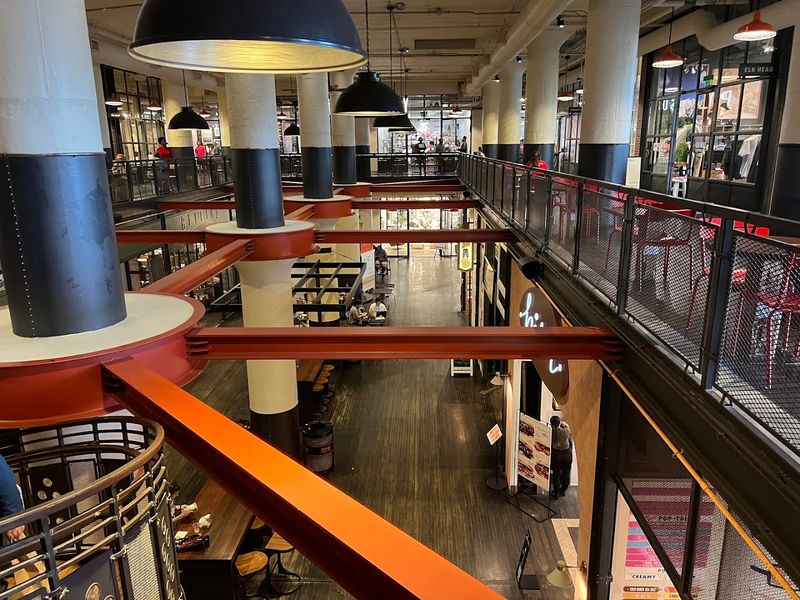
The size hits first, sure, but then you notice the way the building breathes with you as you walk. Corridors stretch, then narrow, then open into bright courts, and the rhythm keeps you curious without trying too hard.
You move from brick to steel to glass, and it never feels staged.
I love how the old freight energy has softened into movement that suits daily life. You pass studios, workspaces, and gathering spots that feel connected yet distinct, like chapters in a conversation.
Even the stairwells carry a certain calm, with patina that reads as honest rather than heavy.
Outside, the BeltLine nudges everything into motion, and inside, the finishes carry that same forward lean. Sunlight slides across long walls and lights up tiny imperfections that make the place human.
You can tell Atlanta wanted a building that could hold a routine and a surprise at the same time.
What makes it work is restraint. The redesign does not shout; it listens, and then places texture where your hand will land, sightlines where your eyes would naturally look, and seating where you would actually pause.
It is big, yes, but it breaks down into moments you can claim as your own.
Why The Old Sears Bones Still Matter
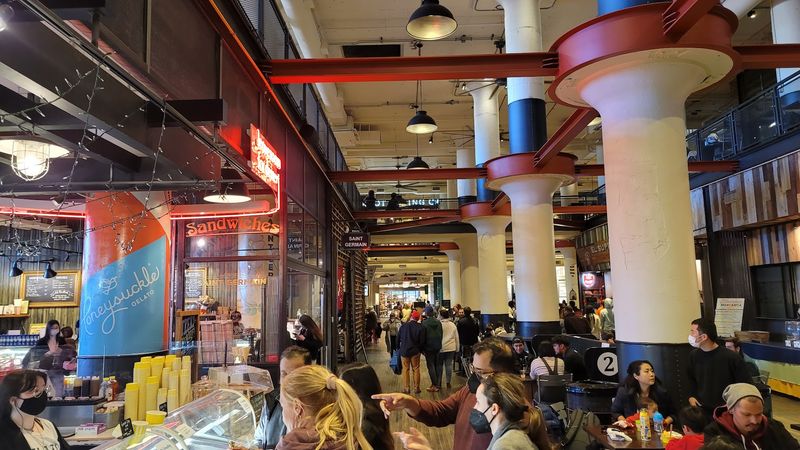
You can feel the former warehouse frame doing heavy lifting for the present. Those concrete columns are not just structure, they are memory dressed in daylight, and they carry the room with quiet confidence.
The old grid sets the cadence so the new layers never feel random.
What I like most is how the design lets the factory logic stay visible. You see where carts rolled, where doors slid, where windows once pulled heat and light in measured doses.
That history shapes how people move now, so circulation feels purposeful rather than theatrical.
The brick, the steel, the proportions, they keep the temperature steady, and they give every tenant a spine to lean on. Even the way corridors align with that central tower makes orientation simple, like a compass you do not have to think about.
It respects attention spans and rewards curiosity.
In Georgia, we talk a lot about saving what matters while letting it evolve, and this is that idea made walkable. The old bones teach scale, the new layers add comfort, and together they read as one voice.
It is the sort of continuity that makes a city feel like itself without getting stuck.
Food Hall Energy Inside A Historic Shell
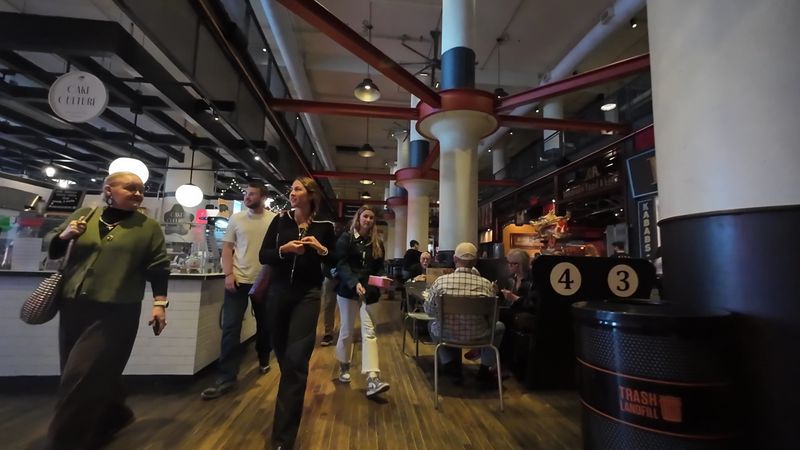
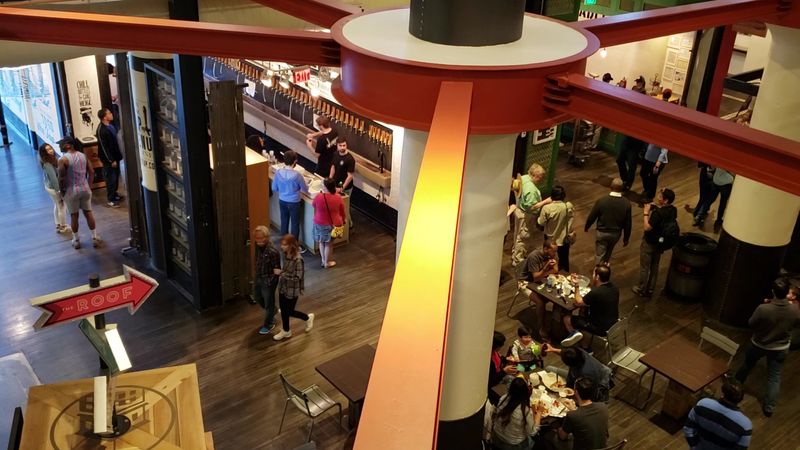
The hum inside that main hall is its own kind of orchestra. You hear clinking, quick conversations, the shuffle of lines forming and dissolving, and the steady undertone of music woven into the air.
It is motion with purpose, framed by brick and steel that keep the sound warm.
What makes it fun is the choreography. Counters sit like mini stages, seating clusters form little neighborhoods, and signage points you forward without bossing you around.
You slip into the flow, scout a spot, and find yourself people watching longer than planned.
There is no rush to perform, only an invitation to settle into the scene. Pendants cast pools of light, tile catches reflections, and the ceilings hold it all together with an honest industrial rhythm.
It feels like a covered street where you can choose your own tempo without stepping outside.
Atlanta does indoor bustle well, and this is one of the best examples because it reads as community rather than chaos. The hall takes the energy of the BeltLine and gives it shelter, then layers in comfort through materials you can touch.
In Georgia, that balance of liveliness and ease is exactly what turns a big place into a familiar one.
Shops And Spaces That Feel Wonderfully Layered
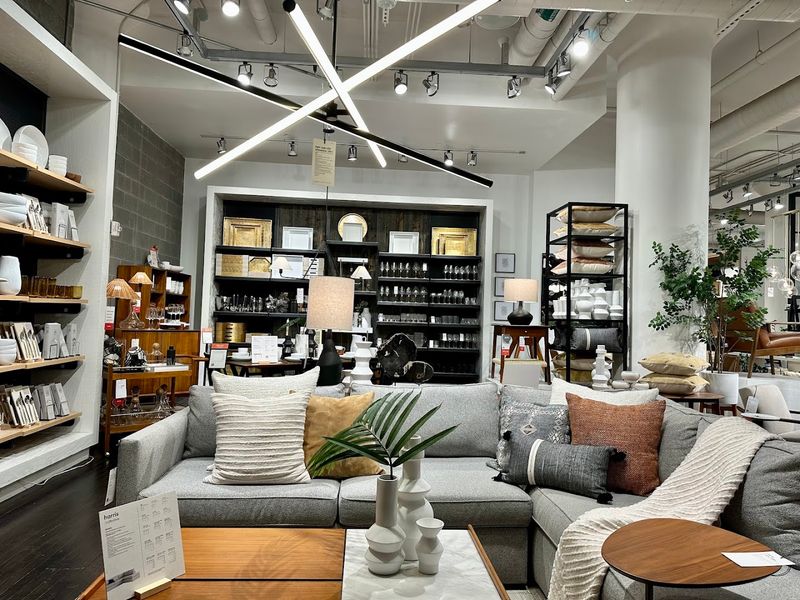
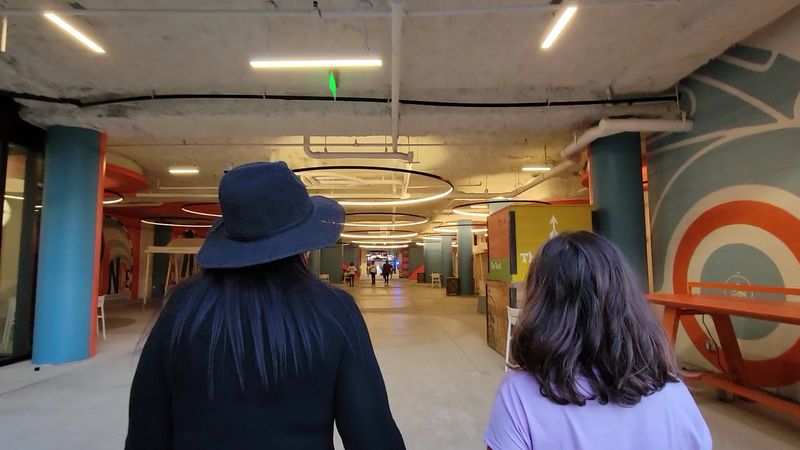
Here is what I did not expect: the way every turn reveals a fresh pocket of personality. One corridor feels refined with soft lighting and tidy lines, then the next leans playful with color nudging you forward.
Nothing repeats, yet the palette ties everything together.
The storefronts play with transparency, sometimes wide open and sometimes veiled, so curiosity becomes your guide. Benches land exactly where you would want to pause, and little planters soften corners without making them fussy.
Wayfinding is friendly, which keeps the wandering stress free and fun.
I love the layers stacked vertically too. Mezzanines peek over main floors, and upper levels hold studios that send a quiet hum across the voids.
You get moments of privacy within a public space, which feels generous and modern at the same time.
What sells it for me is the texture. Wood warms the brick, metal trims sharpen edges, and glass pulls daylight deep into the plan.
The result is a set of rooms that feel lived in already, the kind of places you remember by feel as much as by name, which suits Atlanta and the Georgia spirit perfectly.
Rooftop Views That Push It Even Further
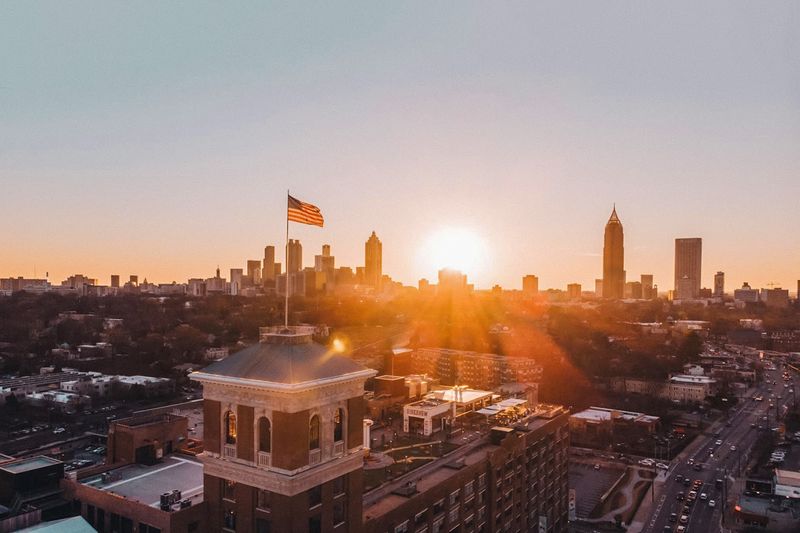
Up on the roof, the city opens like a map you can actually read. Midtown stacks to one side, Downtown stretches the other way, and the BeltLine threads through like a bright underline.
The tower frame makes it feel anchored even with all that sky around you.
The design keeps things casual and welcoming. There are places to sit, spots to lean, and little vignettes where you can steal a quiet look at the skyline.
String lights draw a soft line across the evening, giving the space a friendly outline.
I like how the playful touches never overwhelm the view. You can let your eyes wander across neighborhoods, pick out landmarks, and feel that specific Atlanta scale settle in.
The breeze carries just enough movement to make conversations feel easy.
On clear days, you understand why this rooftop became a ritual for so many. It is not just the vantage point, it is the way the building itself escorts you up and then steps back.
That gracious move feels very Georgia, generous without being showy.
The Design Details That Make It Shine
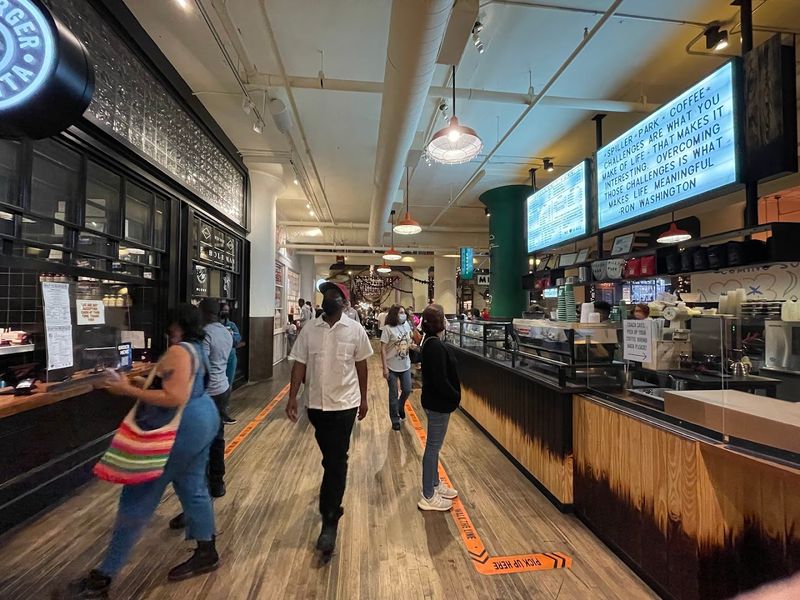
The small stuff is where the whole vision clicks. Handrails feel solid and warm, tile patterns land with quiet confidence, and lighting finds that sweet spot between glow and clarity.
Even the typography on signs feels considered without getting fussy.
Look closer and you see how old and new shake hands. Restored brick tells its story in chips and color shifts, while steel trims add a clean outline to doorways and bridges.
It never tries to hide the past, it frames it so you read it easily.
Greenery shows up just where you need a breath, softening edges and catching light from those big factory windows. Floors change texture as you move, guiding your pace without a single barked instruction.
Everywhere you look, human scale wins over spectacle, which makes the building feel kind.
In a city that keeps building ahead, this attention to craft feels like a promise. Atlanta can grow and still honor the touch of a hand, the weight of a step, the line of a shadow.
That is a Georgia kind of beauty, patient and durable.
Why This Atlanta Revival Feels So Complete
Some projects look great in photos but feel thin in person, and then there are places like this that hold together from sidewalk to skyline. The ground plane invites you in gently, with steps and porches that behave like small-town thresholds.
You cross them without noticing you crossed anything.
Inside, the plan rewards both quick errands and long rambles. You can grab what you came for, then realize the building keeps giving you reasons to linger without pushing.
The circulation is generous, and the rooms feel comfortable at any pace.
The real trick is the way it meets the BeltLine. That edge is alive, but the building knows how to share the stage, so it reads as one continuous neighborhood.
It is a handshake between movement and place that actually works.
When people talk about Atlanta getting better block by block, this is the picture in my head. History, usefulness, and everyday delight all sitting under one roof, acting like it is normal.
Georgia deserves more of that, and this spot shows exactly how to do it.
The Comeback Story That Still Feels Stunning
Even after many visits, I still catch myself stopping outside just to take it in. The tower glows, windows stack like warm lanterns, and the plaza gathers people into easy circles.
It is the kind of scene that reminds you why cities matter.
The comeback here is not a single moment, it is a steady run of good choices. Respect the bones, welcome daily life, and keep the doors generous to the street.
That simple formula keeps paying out, and you can feel it every time.
I think that is why friends from all over Georgia keep bringing out-of-towners here. It is easy to understand, but not simple at all, and it shows Atlanta at its most comfortable and confident.
You leave with a mental snapshot that lingers longer than you expect.
Walking away, the BeltLine hum follows you like a gentle soundtrack. The building stands tall behind your shoulder, neither museum nor mall, just a place that figured itself out.
For a landmark that once felt lost, that is a stunning thing to witness.
Dear Reader: This page may contain affiliate links which may earn a commission if you click through and make a purchase. Our independent journalism is not influenced by any advertiser or commercial initiative unless it is clearly marked as sponsored content. As travel products change, please be sure to reconfirm all details and stay up to date with current events to ensure a safe and successful trip.
