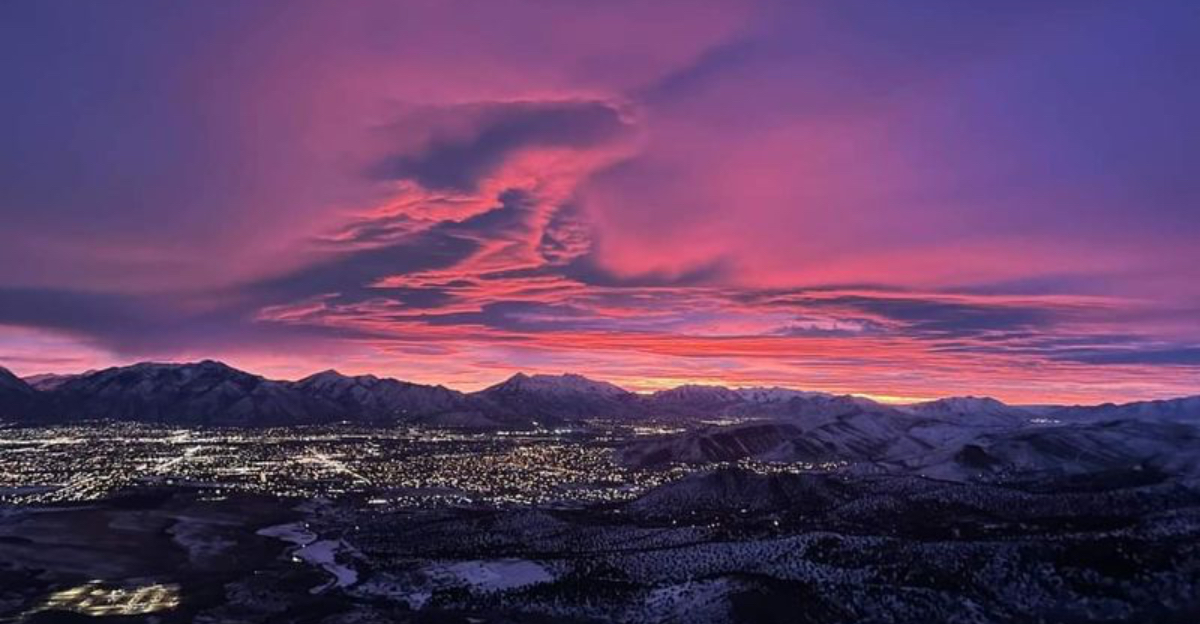
The road narrows as the Oquirrh Mountains gather around you, and the light changes to a coppery glow that feels unmistakably Utah.
Rust tinted slopes and stepped terraces appear like an open book of geology, and the quiet tells a different story than the rumble that once filled this canyon.
You sense the weight of history while the breeze threads through scrub oak and sage, and the place invites you to slow down and look closely.
Bingham Canyon asks for attention rather than applause, and that is exactly why it lingers in the mind.
Origins Along Copper Creek
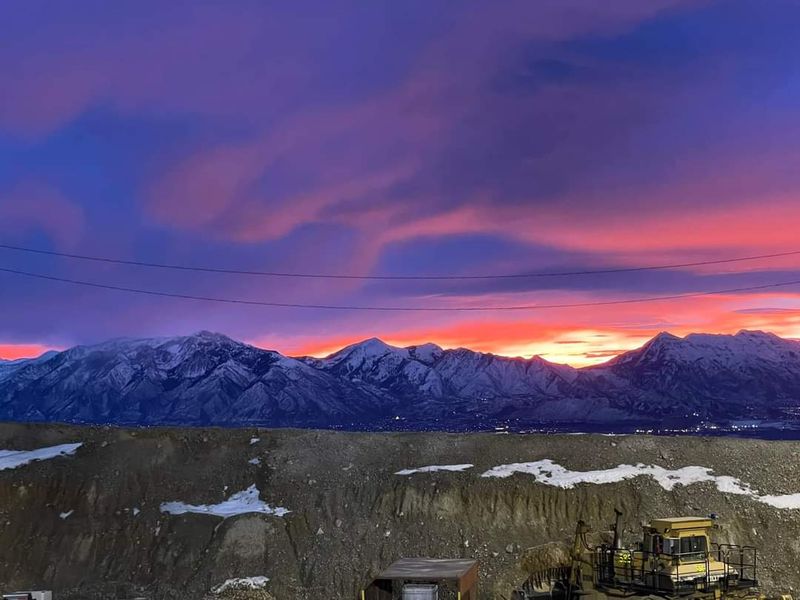
History in Bingham Canyon begins with a narrow watercourse that once guided prospectors into Utah’s Oquirrh Mountains, where small claims and rough camps shaped a linear town up the fold of the land.
Early miners traced veins near the surface, carving adits that survived as scars in the rock and as markers for how a settlement stretched to fit a canyon rather than a grid.
Walk the corridor today and you notice how the slope dictates movement, how bend and shadow created a rhythm that defined work, rest, and the daily climb.
Stories of copper and opportunity concentrate here, because the canyon funneled people into close quarters where news traveled faster than wagons and the landscape held the memory of each new strike.
The surrounding hills still show oxidized hues, and those colors point to the chemistry that transformed this place into a giant of industrial Utah.
Looking across the terraces, you read the rock like a ledger, each layer revealing effort, invention, and the will to extract value from stubborn ground.
There is clarity in the quiet that remains, and it helps you understand why a community formed despite the challenge of tight space and steep grades.
Every step along the old alignments reminds you that Bingham Canyon was never a blank slate, but a living seam where geology and ambition met.
You hear water in the ravine when snowmelt returns, and it softens the hard narrative with a seasonal pulse that still feels true to Utah.
Here, the origin story speaks through texture and light, and you carry that voice forward as you explore the rest of the canyon.
Company Town DNA
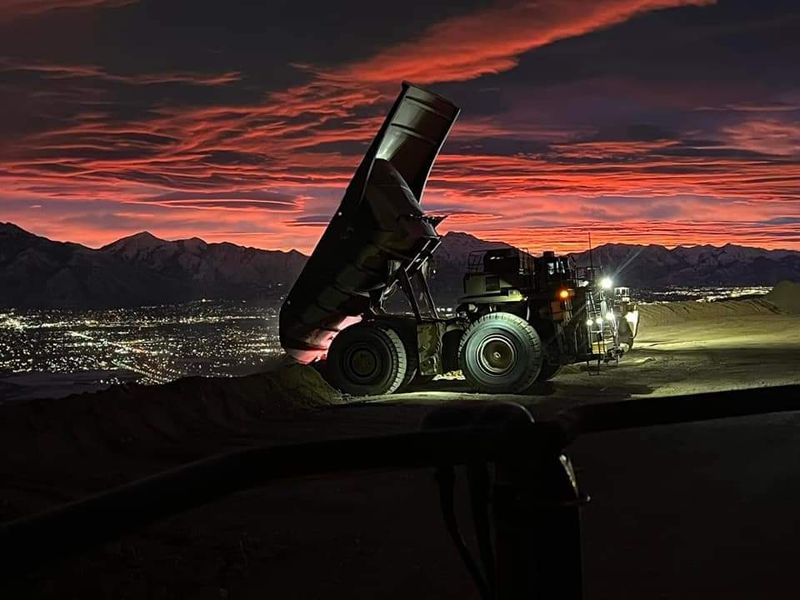
The town that once filled Bingham Canyon followed the contours of a single road, and life stacked itself vertically with homes, shops, and gathering spots clinging to ledges above the work below.
Company influence shaped routines, wages, and the cadence of sirens, and that structure left habits you can still sense in the canyon’s order of spaces.
Walking the line today, you imagine how everything connected by stairways and switchbacks, turning daily errands into climbs with views across Utah’s basin and range horizon.
Community spirit grew in small rooms where neighbors traded stories, fixed gear, and checked weather, because isolation demanded shared solutions.
Institutions formed wherever flat ground allowed a roof, and the canyon’s tight geometry created a neighborhood feel that suburbs rarely replicate.
As mining expanded, the town shifted and consolidated, yet its social fabric held through school events, festivals, and the practical kindnesses that keep remote places steady.
That DNA survives in the way visitors move here, pausing at overlooks that act like porches facing a vast open pit and the distant Wasatch.
The patterns of labor and rest are visible in terraces that read like streets without houses, and you fill the gaps with voices that used to echo off rock walls.
Utah history classes mention production and milestones, but the canyon itself explains how people actually lived, in a vertical village where daylight mattered.
The company town model faded with relocation and change, but its imprint still organizes your visit, guiding how you look, listen, and climb.
The Open Pit’s Grand Geometry
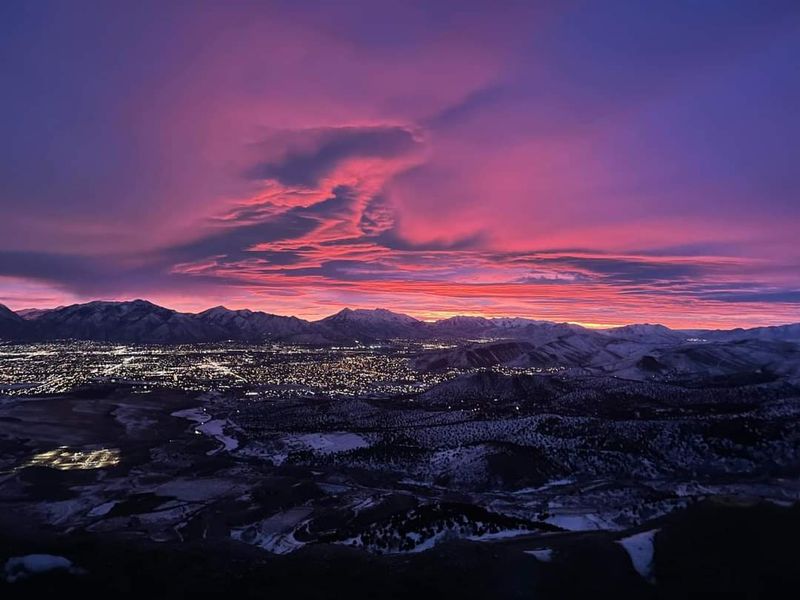
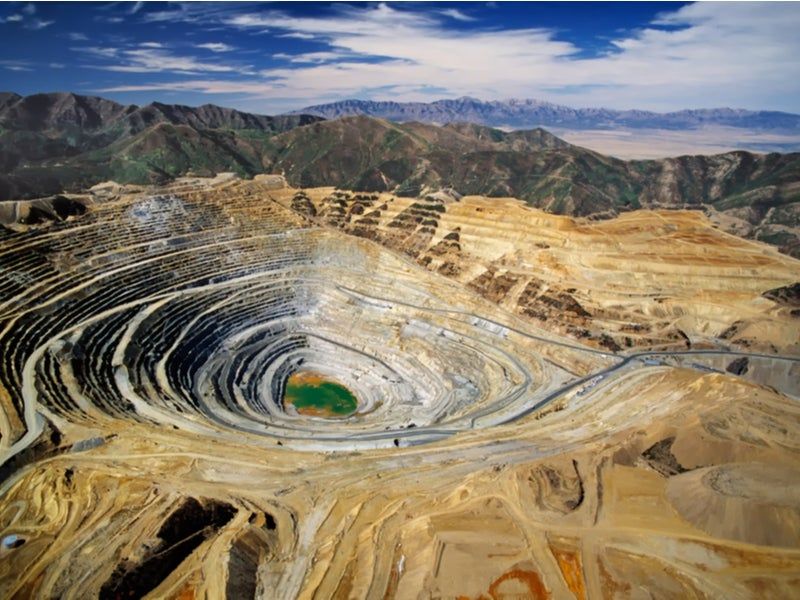
The open pit at Bingham Canyon reveals concentric benches that spiral like an amphitheater, turning geology into a monumental diagram you can read from rim to floor.
Terraces step down in careful increments, and the lines carve shadows that move through the day, making the excavation feel like a timepiece made of stone.
From an overlook, you appreciate how engineers matched rock strength to bench width, translating geology into geometry that looks both inevitable and astonishing.
The pit stands as one of Utah’s most recognized landscapes, not because it is natural, but because it displays the scale of human intention against a mountain.
Color bands track mineralization and oxidation, and they shift under changing light that arrives clean and dry from the high desert sky.
Your eye follows haul roads that arc like ribbons, and the curves hint at calculations for grade, traction, and safety in a place where distance bends perception.
Wind often rises along the rim, and you feel how exposure serves as a reminder of altitude and the simple limits of footing near open space.
Silence between gusts frames the pit as sculpture, although the material choices and cuts came from more logic rather than art theory.
Standing here, you weigh the contrasts that define Utah, where wilderness and industry can sit within the same panorama without losing either identity.
The view lingers after you leave, because the mind keeps circling those terraces, counting them like rings on a tree that grew from copper and grit.
Echoes of Neighborhoods That Vanished
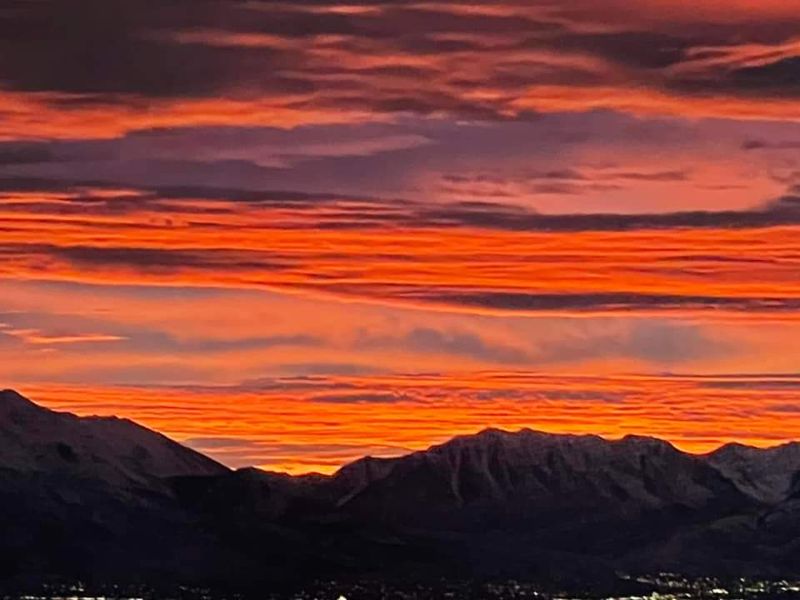
Street names once climbed the canyon walls, and you can still find hints of addresses in odd alignments and retaining walls that hold nothing above them.
Foundations peek from brush where families gathered after shifts, and those fragments align like coordinates in a map you reconstruct while walking.
Photographs show porches facing spectacular emptiness, and the memory fits the land because the canyon leaves no margin for sprawl or excess.
Relocation changed the texture of daily life, yet traces persist in the way the hillside carries flat spots that served as yards and play spaces.
Local archives preserve school memorabilia, club rosters, and event flyers that keep the neighborhood character from slipping into silence.
When you stand near the old roadbed, the canyon funnels sound in a way that makes voices feel close, even when the only noise is wind and a bird call.
Utah’s sense of place often mixes endurance with reinvention, and Bingham Canyon expresses that blend in stone, absence, and stubborn vegetation.
The loss is real, but the site does not feel abandoned, because the land itself remains active with weather, light, and the steady cycle of seasons.
You read the topography for stories, and each contour tells you how people adapted to the narrow ground with terraces, stairs, and patience.
It is a quiet walk, but not a lonely one, because the canyon holds what it once sheltered and lets you visit without intruding on the past.
Artful Eyes On An Industrial Landscape
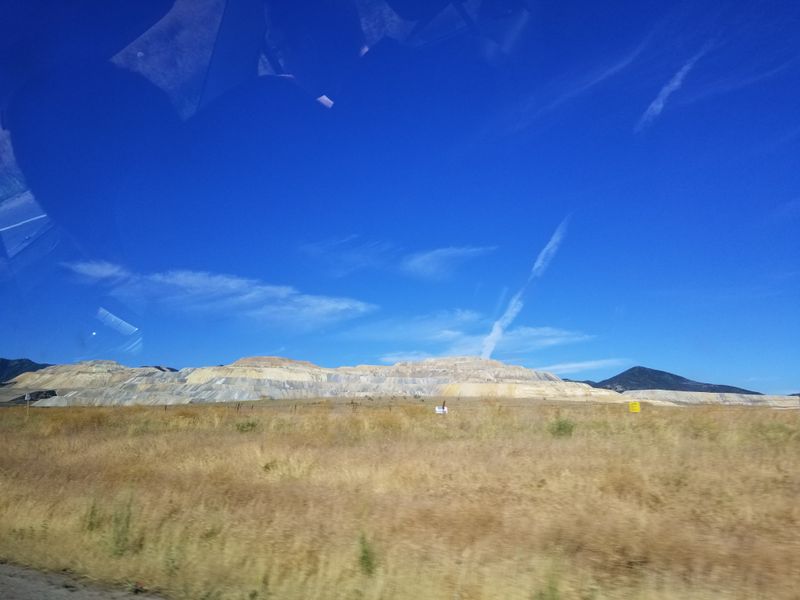
Artists look at Bingham Canyon and see structure, contrast, and an unexpected elegance in the sweep of engineered lines across raw rock.
Abstract compositions emerge when you frame the benches tight, turning heavy machinery routes into graphite like strokes against mineral color fields.
Photographers often chase changing light, because Utah skies shift quickly and give the pit edges a crisp glow that reads as sculpture rather than scar.
Painters interpret rust reds and pale greens with palettes that belong to desert evenings, and the canyon returns those tones with patience.
From a distance, the terraces form a rhythm that invites careful study and disciplined cropping, rewarding a slower way of seeing.
Sketchbooks fill fast here, since each curve translates into motion, and the negative space between benches carries its own quiet volume.
Even simple phone cameras yield strong images, as long as you watch the angles and let the lines lead toward the center without crowding the horizon.
There is no need to exaggerate scale, because the geometry supplies drama, and the textures hold details that survive close inspection.
Utah’s broader art scene often celebrates landscape, and Bingham Canyon enters that conversation as a reminder that human marks can be read aesthetically.
You leave with images that respect the place, recognizing that beauty here arrives from clarity and proportion rather than softness.
Seasons, Weather, and Light
Weather sets the mood in Bingham Canyon, and each season carries a distinct palette that changes how you read the terraces and slopes.
Winter can lay thin snow across benches, and the white lines sharpen edges while the air turns glassy and sound travels farther than expected.
Spring returns muted greens to the foothills and sends small flows down the ravine, softening the industrial profile without hiding it.
Summer heat flattens color into strong contrasts, and late afternoon brings long shadows that draw elegant arcs along haul roads.
Autumn gives the scrub oak a warm tone, and the pit walls catch low sun that sets the mineral bands glowing against deepening sky.
Light in Utah tends to be clean and directional, so visiting early or late rewards patience with scenes that feel balanced and calm.
Wind can rise suddenly along the rim, and a hat or scarf helps, though the gusts also bring welcome clarity by clearing haze.
Cloud cover changes everything in minutes, creating softboxes that level harsh contrasts and reveal subtle color shifts in the rock.
You plan time around these rhythms, knowing that the place reads best when you let the day unfold rather than chase a single moment.
Season by season, the canyon teaches you to look slowly, accept change, and find beauty in the precise light that defines this part of Utah.
Getting There And Seeing Responsibly
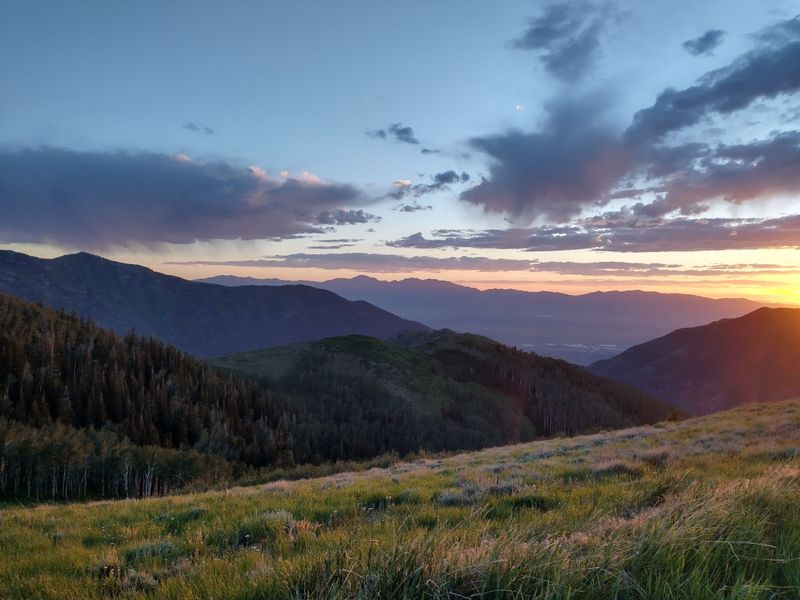
Approach Bingham Canyon along the eastern flank of the Oquirrh Mountains, where the roadway tightens and views open toward the terraced pit and surrounding ridges.
The location sits within Utah 84006, and navigation is straightforward if you follow canyon roads that hug the contours with few places to turn around.
Check current access information before you go, because hours, viewpoints, and safety rules can change to protect both visitors and active operations.
Pullouts exist at designated spots, and you should use them rather than stop on narrow shoulders that leave little margin for passing vehicles.
Sturdy footwear helps on gravel, and layers make sense in a canyon that shifts temperature quickly with shade, elevation, and wind.
Pack water and give yourself time to walk slowly, because the best views arrive when you step away from distractions and notice small details.
Respect signage, fences, and closures, since the terrain includes drop offs and areas where rock can loosen underfoot without warning.
Photography works best with simple gear, and a lens cloth matters in dusty air that can settle on glass within a minute.
As you move through, keep the soundscape quiet and leave no trace, letting the canyon remain as you found it for the next visitor.
Travel here rewards care and courtesy, and that mindful approach feels consistent with Utah values of stewardship and clear eyed appreciation.
A Town Reimagined Through Creativity
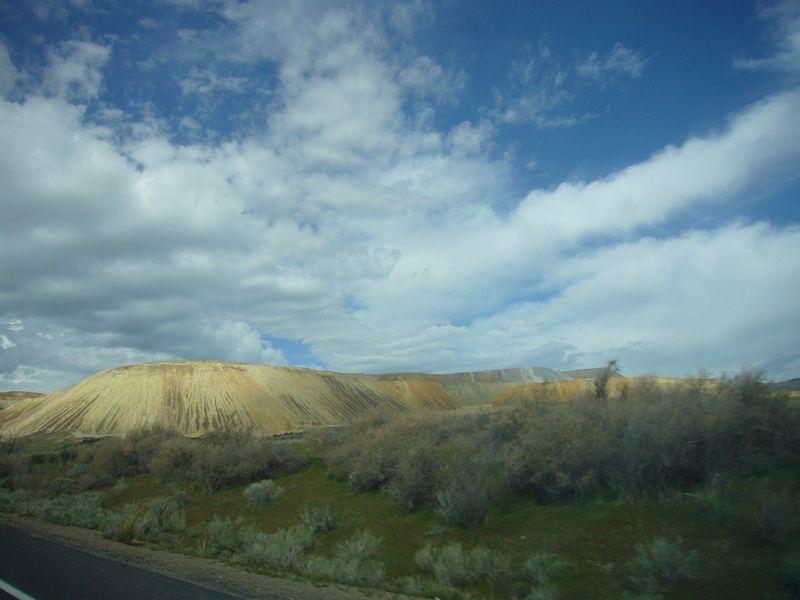
Bingham Canyon’s shift from extraction to expression happened slowly, led by residents and newcomers who saw possibility in the quiet left behind.
Studios found homes in former service buildings, and workshops settled into slopes where miners once stored tools or gathered before dawn.
The landscape’s stark geometry inspired painters, metalworkers, and sculptors who turned industrial remnants into anchors for new work.
What remains of old paths now guides visitors between galleries and shared spaces where artists compare notes on color, form, and memory.
Natural light pours uninterrupted across the canyon, offering long, steady hours of clarity prized by those who work outdoors.
Conversations drift between geology and craft, revealing how deeply the environment shapes both material and imagination.
Seasonal markets bring together ceramics, small batch prints, carved pieces, and jewelry formed from reclaimed metals.
The sense of community mirrors the mutual reliance of the mining era, but the focus has shifted from output to interpretation.
Even casual visitors feel the calm that comes from a place no longer defined by noise and urgency.
Bingham Canyon stands as a reminder that landscapes can evolve, carrying history forward while making room for new voices to take root.
Dear Reader: This page may contain affiliate links which may earn a commission if you click through and make a purchase. Our independent journalism is not influenced by any advertiser or commercial initiative unless it is clearly marked as sponsored content. As travel products change, please be sure to reconfirm all details and stay up to date with current events to ensure a safe and successful trip.
