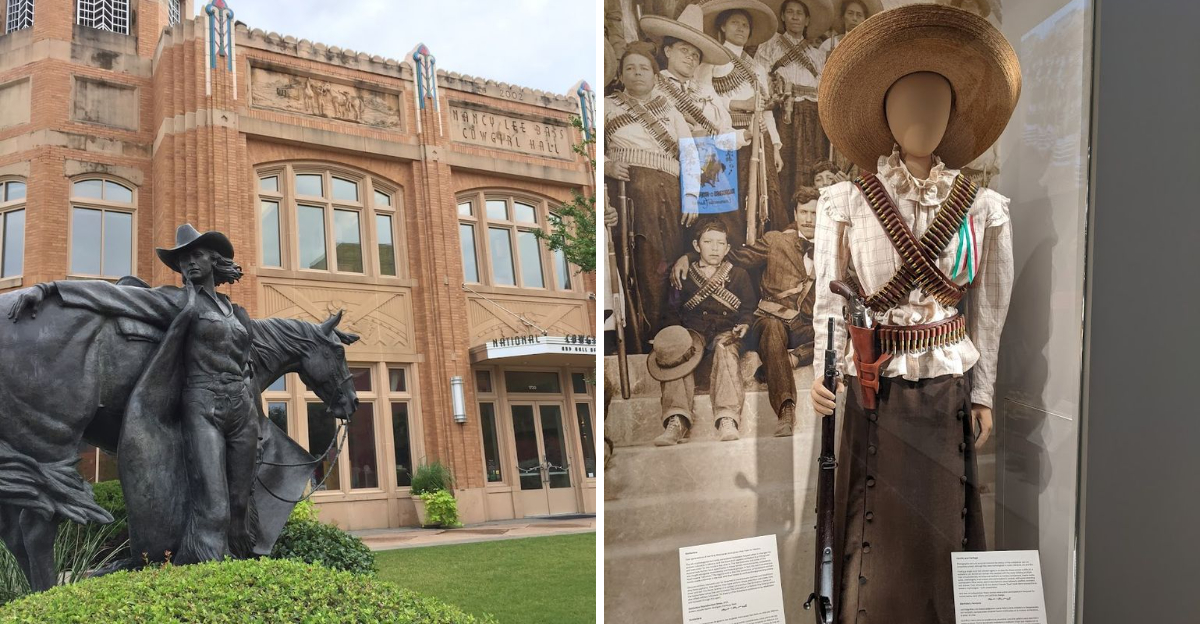
You have heard plenty about cowboys, outlaws, and gunfighters from the Old West. But what about the women who ran the ranches, raised the kids, and outlasted the dust storms?
This museum finally gives them the spotlight they earned a long time ago. It is not a huge flashy place, which somehow makes it feel more genuine.
You will find stories of rodeo riders, homesteaders, and pioneers who did not wait around for permission. The whole place reminds you that history books left out half the good stuff.
Go learn a few names you have never heard before. You will leave feeling like you owe them a thank you.
A Museum Built for Women Who Rode Into History
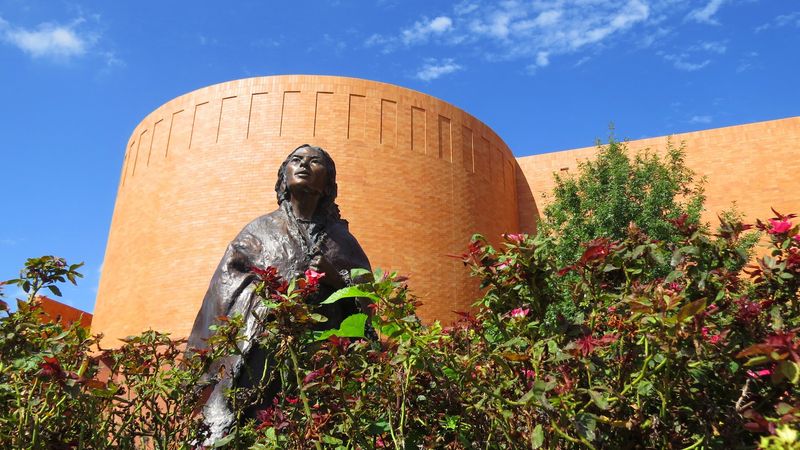
Most people visiting Fort Worth head straight for the stockyards, and honestly, that makes sense. But the National Cowgirl Museum and Hall of Fame deserves just as much attention.
It has been honoring the women of the American West since 1975, making it one of the most unique cultural institutions in the country.
The museum moved to Fort Worth’s Cultural District in 1994 and opened its current 33,000-square-foot facility in 2002. That is a lot of space dedicated to stories that history books too often skip right past.
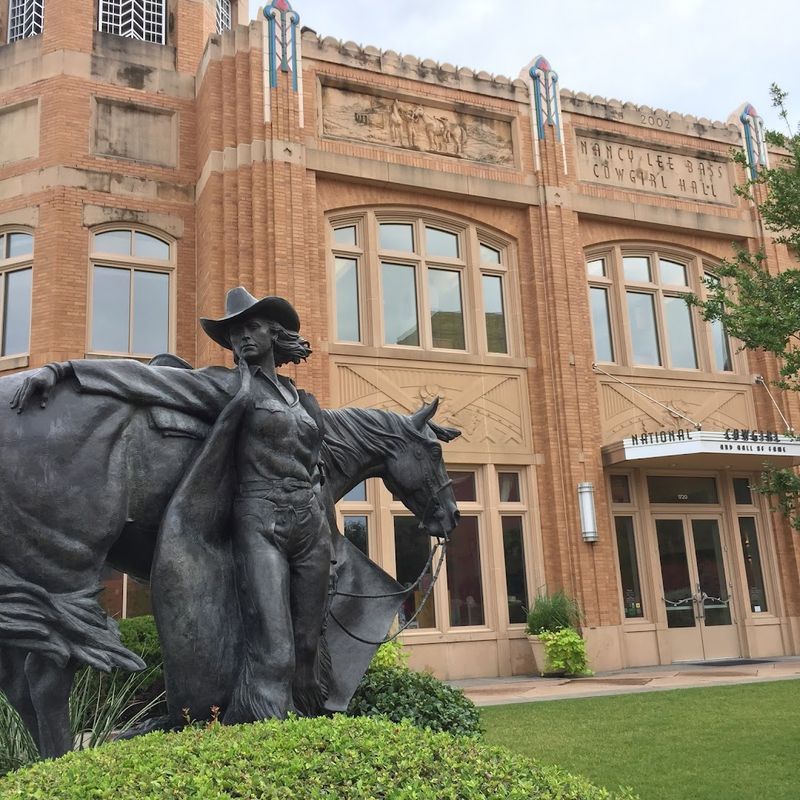
The building itself has a warm, inviting feel, with architecture that nods to the wide-open landscape of the West.
What makes this place stand out is its singular focus. Every exhibit, every artifact, every name on the wall exists to celebrate the courage and independence of women who helped shape an entire region.
It is not a side gallery or a small wing inside a bigger museum. This is the whole show, and it earns every inch of that space with purpose and pride.
The Hall of Fame Honoree Gallery
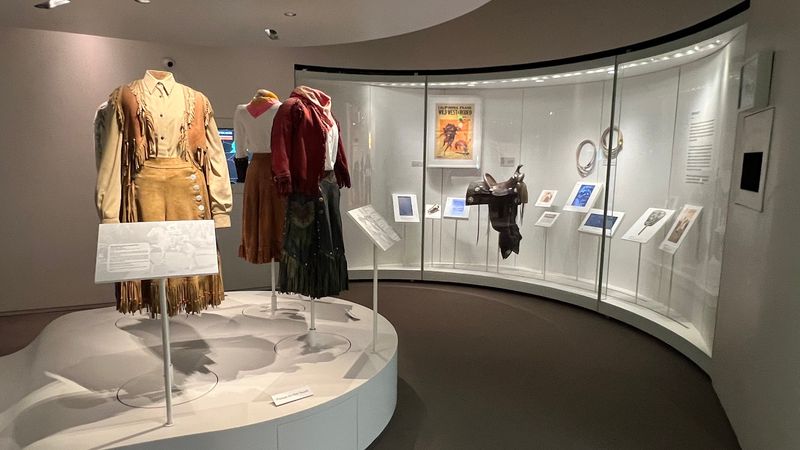
There is something quietly powerful about seeing a wall full of women who refused to be overlooked. The Hall of Fame Honoree Gallery is one of the first major exhibits you encounter, and it sets the tone for everything that follows.
Each honoree represents a different category, from Champions and Competitive Performers to Ranchers, Entertainers, Artists and Writers, and Trailblazers and Pioneers.
The museum’s archives hold information on over 750 remarkable women, which is a staggering number when you stop to think about it. Not all of them are household names.
In fact, some of the most fascinating stories belong to women you have likely never heard of, which makes the discovery feel even more rewarding.
Spending time in this gallery is not like reading a textbook. The layout encourages you to linger, to read a little more, to follow a thread of curiosity wherever it leads.
I found myself drawn into stories I had not expected, women who broke records, crossed deserts, and built ranches from nothing. The gallery feels less like a history lesson and more like meeting someone extraordinary for the very first time.
Into the Arena: Women Who Owned the Rodeo
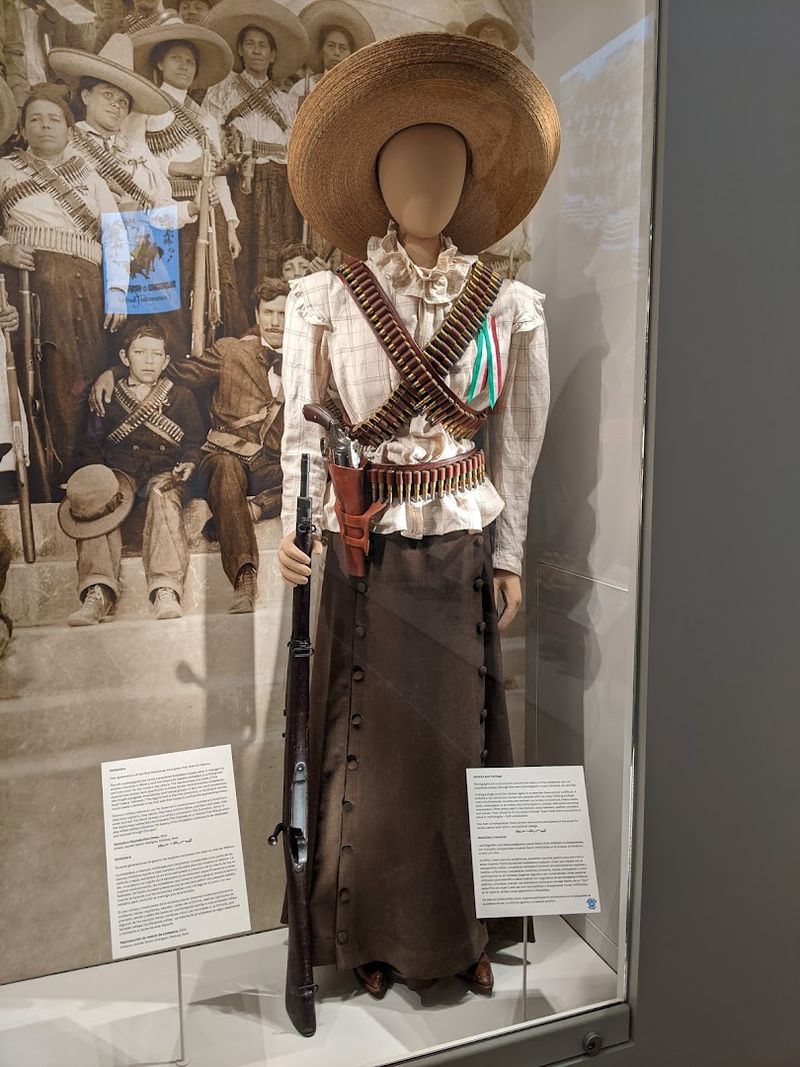
Rodeo is often painted as a man’s world, but the “Into the Arena” exhibit tells a very different story. Women have been competing, performing, and absolutely dominating in rodeo arenas for well over a century.
This exhibit brings that history to life with interactive displays, memorabilia, and vivid imagery that makes the whole thing feel electric.
Trick riding is one of the highlights here. The skill involved is almost hard to believe, and seeing the gear and photographs up close gives you a real sense of just how daring these athletes were.
Some of them were performing death-defying stunts in front of thousands of people before most women were even allowed to vote.
What I appreciated most was how the exhibit balances spectacle with substance. It is not just about the drama of the arena.
It is about the dedication, the training, and the sheer will it took to compete in spaces that were not always welcoming. The stories feel honest and grounded, not polished into something overly heroic.
These were real women doing extraordinary things, and this exhibit makes sure you feel the weight of that.
Kinship with the Land: The Ranchers Who Built the West
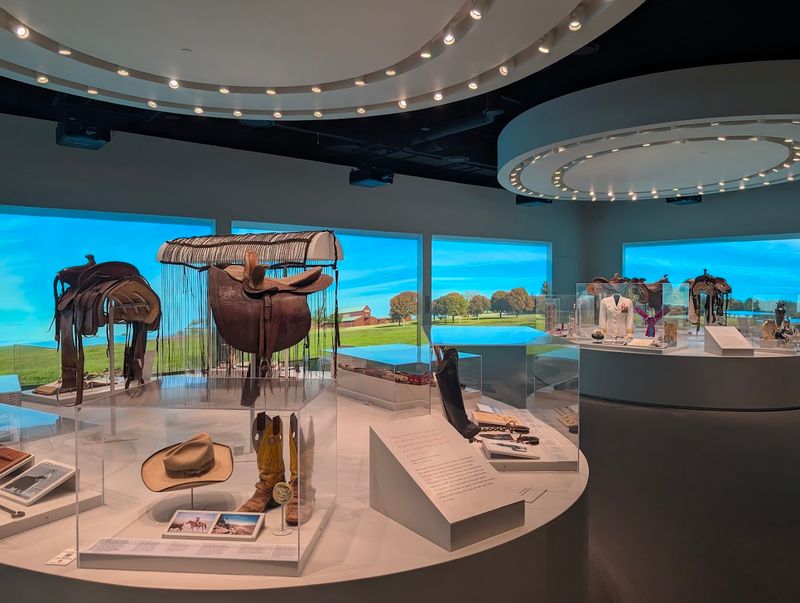
There is a particular kind of toughness that comes from working land every single day, and the “Kinship with the Land” exhibit captures that spirit beautifully. Female ranchers are often invisible in the popular imagination of the West, but this gallery makes their presence undeniable.
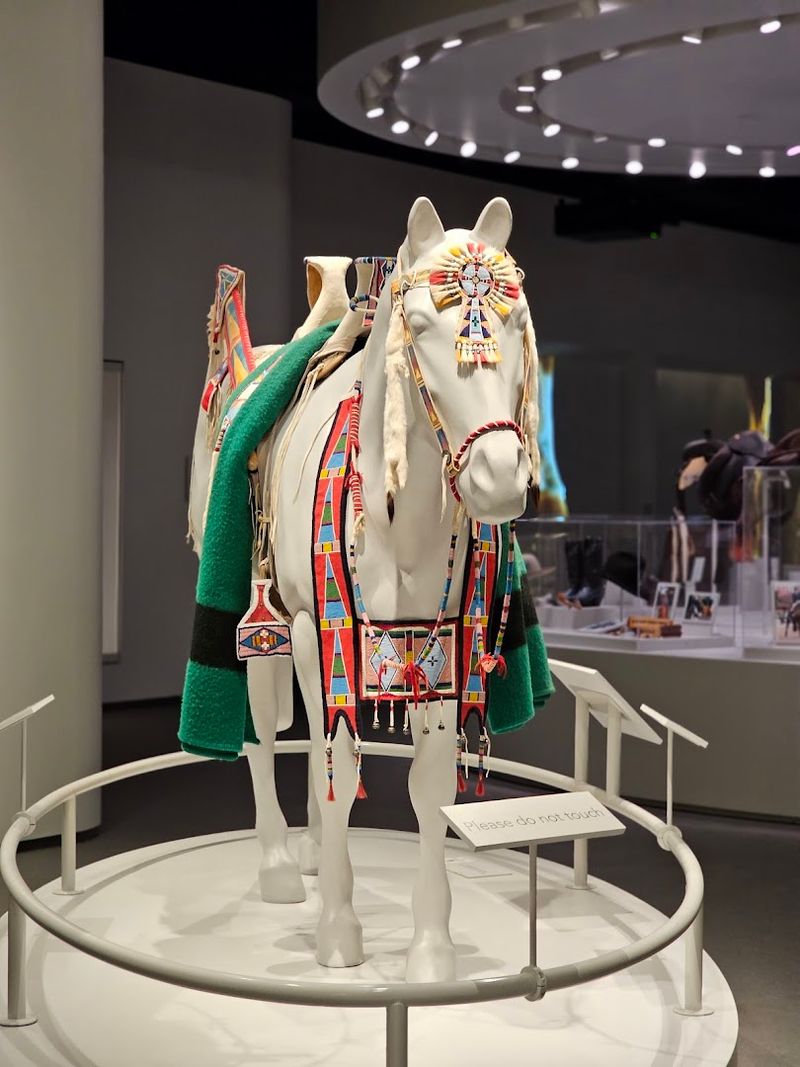
Historic gear, clothing, and tools fill the space with a tangible sense of real working life.
The items on display are not glamorous. They are worn, practical, and deeply personal.
A pair of weathered boots or a faded jacket can say more about a life than any written description ever could. That is what makes this exhibit so effective.
It trusts the objects to do the talking.
Ranching required women to be business owners, decision makers, and physical laborers all at once. Many of these women managed vast properties, raised families, and navigated economic hardship without much outside support.
The exhibit does not romanticize any of that. It presents the reality with respect and clarity, letting visitors form their own deep appreciation for what these women accomplished.
By the time you leave this room, you will have a whole new understanding of what it meant to call the land home.
Claiming the Spotlight: Cowgirls in Media and Pop Culture
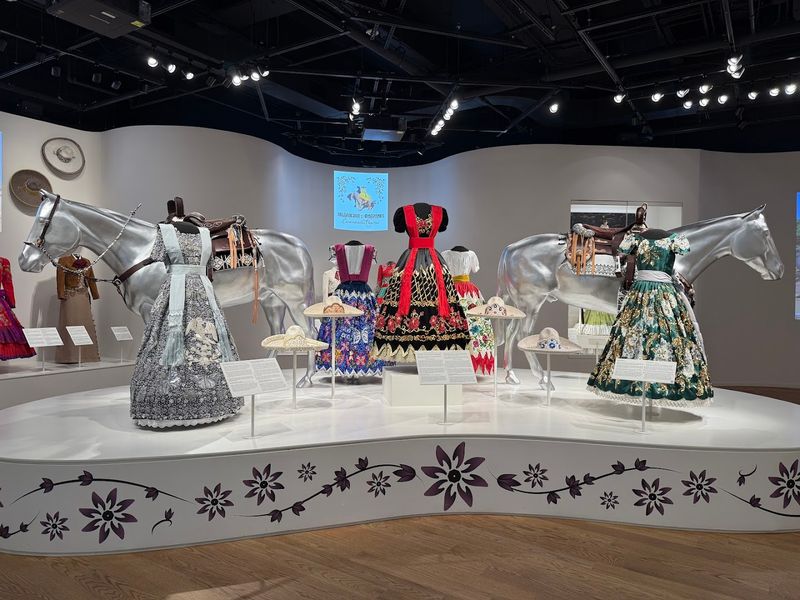
Pop culture has always had a complicated relationship with the cowgirl image. Sometimes it gets it right, and sometimes it reduces a rich identity to a costume.
The “Claiming the Spotlight” exhibit explores how cowgirls have been portrayed in film, television, advertising, and music across decades, and the results are fascinating and sometimes surprising.
You get to see how the image evolved, from early silent films to modern country music videos. Some portrayals were empowering.
Others were limiting. The exhibit does not shy away from that tension, which gives it an intellectual depth that sets it apart from a simple nostalgia trip.
What stuck with me was how persistent the cowgirl image has been in American culture. It keeps coming back, reinvented and reimagined in each new era.
That staying power says something important about what the figure represents: freedom, independence, and a refusal to be tamed. The exhibit connects those cultural dots in a way that feels genuinely thoughtful.
It is a great reminder that the stories museums preserve are not just about the past. They shape how we see ourselves in the present, too.
The Archives: Over 4,000 Artifacts and Counting
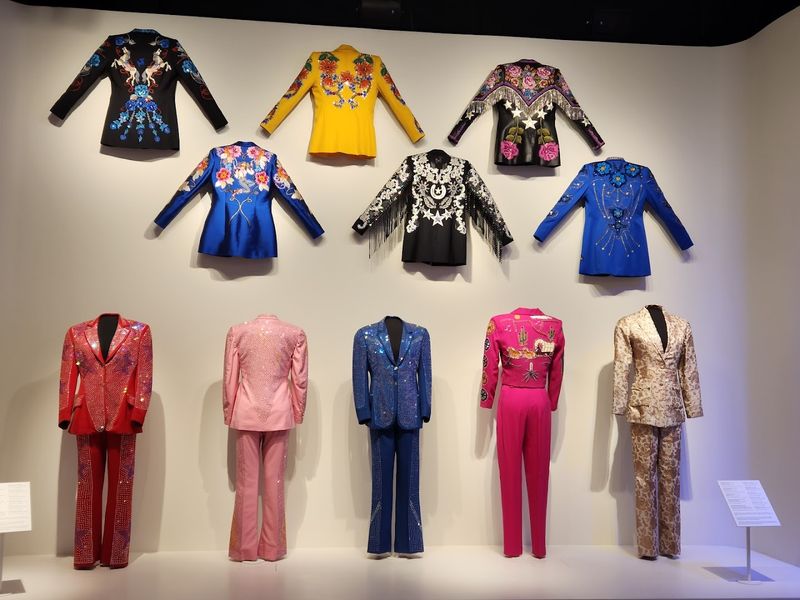
Behind every great exhibit is a collection, and the National Cowgirl Museum has one that is genuinely impressive. The archives house more than 4,000 artifacts, covering the lives and legacies of over 750 women.
That is not just a number to throw around. It represents years of dedicated collecting, preserving, and researching by people who understood the importance of this history.
Artifacts range from personal clothing and equipment to photographs, letters, and performance memorabilia. Each item carries its own story, and together they form a picture of the American West that is far richer and more diverse than the one most of us grew up learning about.
Some items are delicate enough that they require careful environmental controls to survive.
The depth of the collection means that even repeat visitors are likely to discover something new. The museum rotates and refreshes displays regularly, so the experience stays fresh.
For anyone with a serious interest in Western history or women’s history, knowing that this archive exists feels like finding out there is a whole library you never knew about. It is the kind of resource that researchers, educators, and curious visitors can keep returning to for years.
The Cultural District Location and What Surrounds It
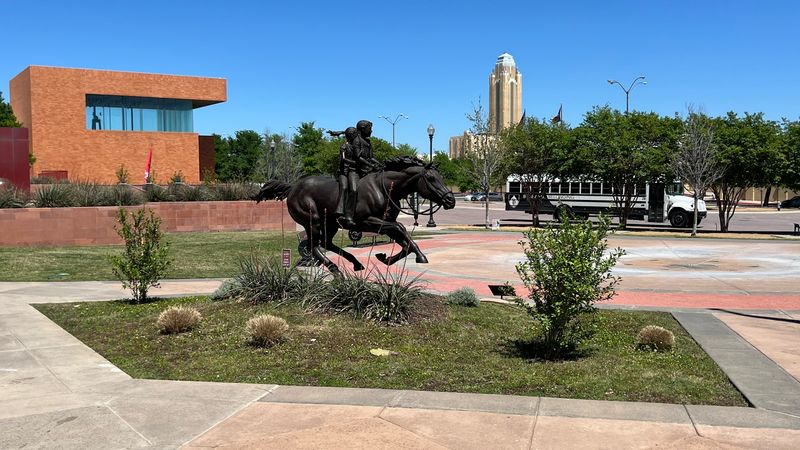
The museum sits right in the heart of Fort Worth’s Cultural District, which is one of the most walkable and enjoyable parts of the city. Nearby landmarks include the Kimbell Art Museum, the Modern Art Museum of Fort Worth, and the Amon Carter Museum of American Art.
You could easily spend an entire day in this neighborhood without running out of things to explore.
The proximity to Dickies Arena is also worth noting, especially since the museum’s upcoming expansion is partly designed to take advantage of that foot traffic. The whole area has a comfortable, unhurried energy that makes it easy to slow down and actually absorb what you are seeing.
It does not feel like a tourist trap. It feels like a real cultural neighborhood.
Getting there is straightforward, and parking is available in City of Fort Worth lots in the Cultural District. Museum members get free parking, which is a nice perk if you plan to visit more than once.
The surrounding area is clean, well-maintained, and genuinely pleasant to walk through. Whether you are visiting just the cowgirl museum or making a full day of the district, this part of Fort Worth rewards the effort.
The $19.7 Million Expansion Coming in 2025
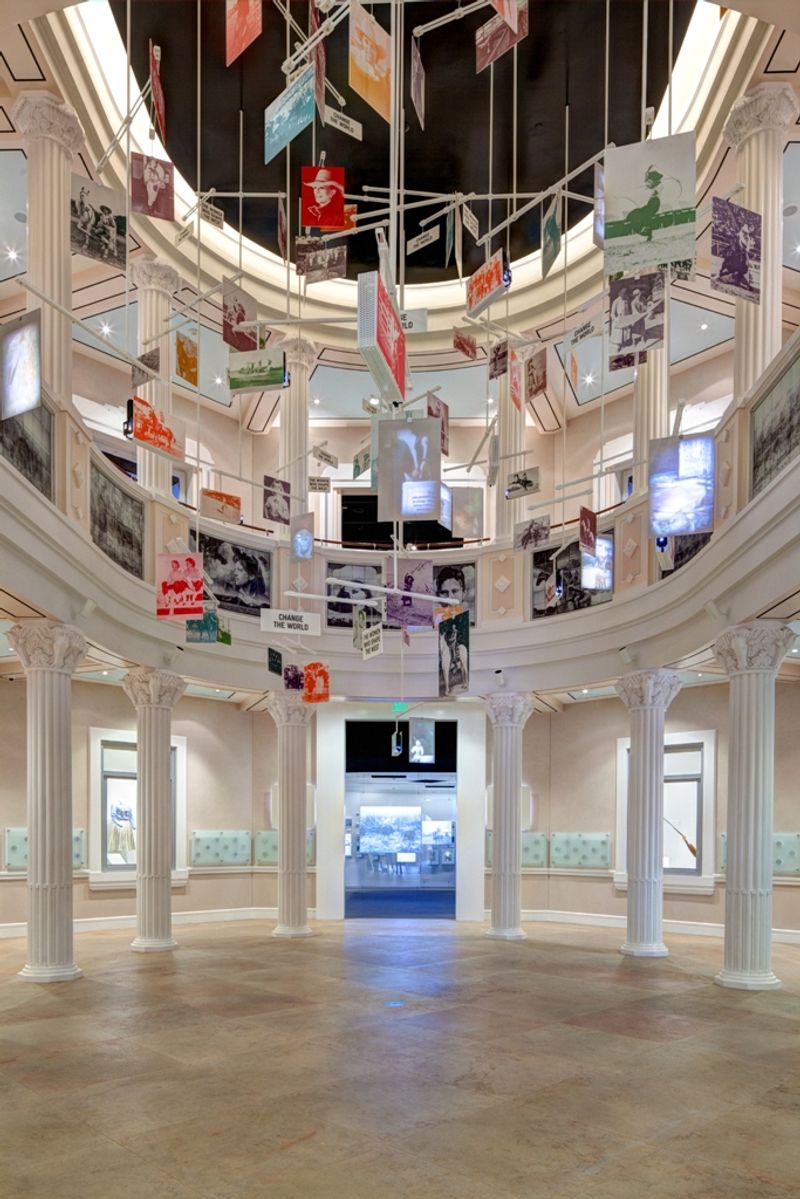
Big things are coming for the National Cowgirl Museum, and the timing feels right. In 2025, the museum announced plans for a major expansion totaling nearly $19.7 million.
The project includes a 16,000-square-foot westward extension with new gallery spaces and a dedicated event venue. That is a significant investment in a story that clearly still has a lot more to tell.
The expansion is designed to increase the museum’s capacity and create better flow for growing visitor numbers. It will also strengthen the connection between the museum and Dickies Arena next door, which hosts major events throughout the year.
Bringing those two audiences closer together makes a lot of sense.
For visitors planning a trip in the near future, it is worth keeping an eye on the museum’s official website at www.cowgirl.net for updates on construction timelines and any temporary exhibit changes.
Expansions like this sometimes mean certain galleries are temporarily unavailable, but they also signal that the best version of this museum is still ahead.
The ambition behind this project reflects how seriously the institution takes its mission, and that kind of institutional confidence is exciting to see up close.
Who Gets Inducted and Why It Matters
Induction into the National Cowgirl Hall of Fame is not handed out lightly. Honorees are selected because they demonstrated extraordinary courage, resilience, and pioneering spirit in their lives and work.
The categories are broad enough to include a wide range of women, from competitive rodeo athletes to writers, visual artists, and land stewards.
What makes the induction process meaningful is that it actively rescues names from obscurity. Many of the women honored here were never celebrated during their lifetimes.
The museum gives them a permanent, respected place in history, which is something their contributions always deserved but rarely received.
The range of honorees also reflects how expansive the definition of “cowgirl” really is. It is not just about riding horses or wearing boots.
It is about a spirit of independence, a connection to the land, and a willingness to push past boundaries that others set for you. That broader interpretation makes the Hall of Fame feel inclusive and alive rather than narrow and nostalgic.
Seeing names from different eras and backgrounds side by side sends a clear message: the West was built by many hands, and a whole lot of them belonged to women.
Planning Your Visit: What to Know Before You Go
Planning ahead makes any museum visit smoother, and this one is no exception. The National Cowgirl Museum is open Tuesday through Saturday from 10 a.m. to 5 p.m. and on Sundays from noon to 5 p.m.
It is closed on Mondays, so keep that in mind when scheduling your trip to the Cultural District.
The museum is genuinely family-friendly, with exhibits that engage visitors of all ages. Younger kids will respond to the visual storytelling and interactive elements, while adults will appreciate the historical depth.
It is the kind of place where different generations can have completely different experiences and both walk away satisfied.
The gift shop is worth a browse before you leave. It carries books, apparel, and keepsakes that feel connected to the museum’s mission rather than generic tourist fare.
For anyone who wants to go deeper after the visit, the museum’s website offers additional resources and information about upcoming events and programs. The full address is 1720 Gendy Street, Fort Worth, Texas, and the Cultural District is easy to navigate once you arrive.
This is a museum that rewards curiosity, and it is one of those places that genuinely stays with you long after you have left.
