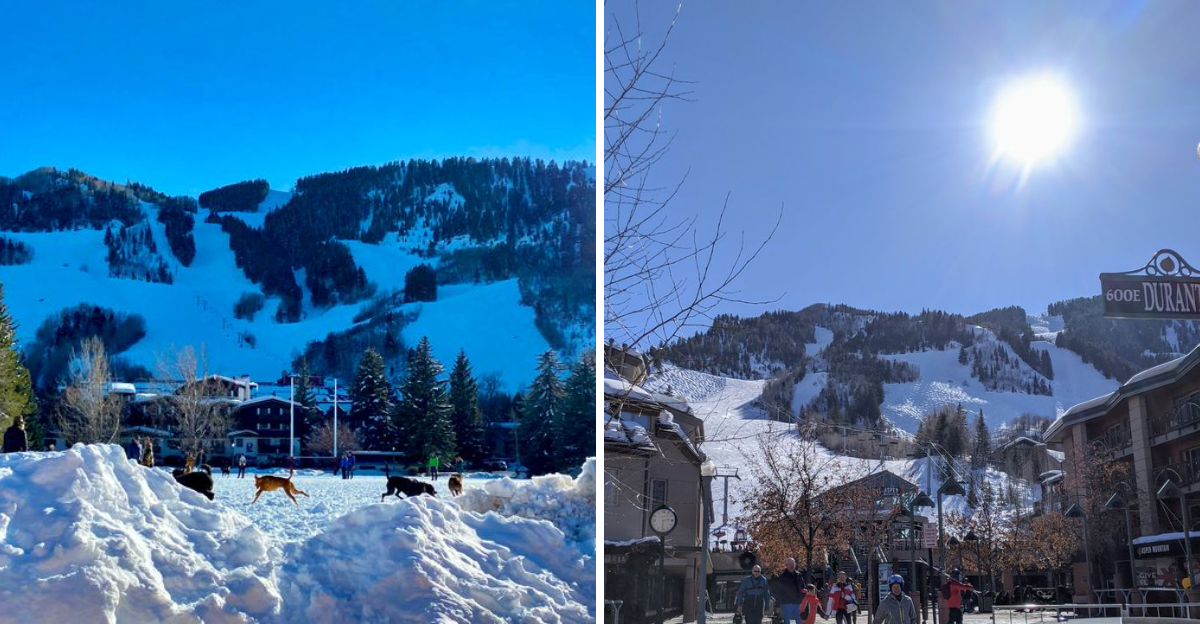
Aspen Ski Area attracts thousands of visitors during peak winter months, transforming the picturesque Colorado mountain town into a bustling hub of activity.
While tourism brings economic benefits to the region, it also creates significant challenges for local residents who call this alpine community home year-round.
From crowded grocery stores to traffic jams on Highway 82, the influx of seasonal visitors affects nearly every aspect of daily life in Aspen.
Understanding how these crowds impact the local community and learning about the creative strategies residents use to cope can provide valuable insights into life in a world-famous ski destination.
The following seven ways highlight the real effects of peak season tourism and showcase the resilience and adaptability of Aspen’s year-round population as they navigate the busy winter months.
Traffic Congestion on Highway 82 Creates Daily Commuting Nightmares
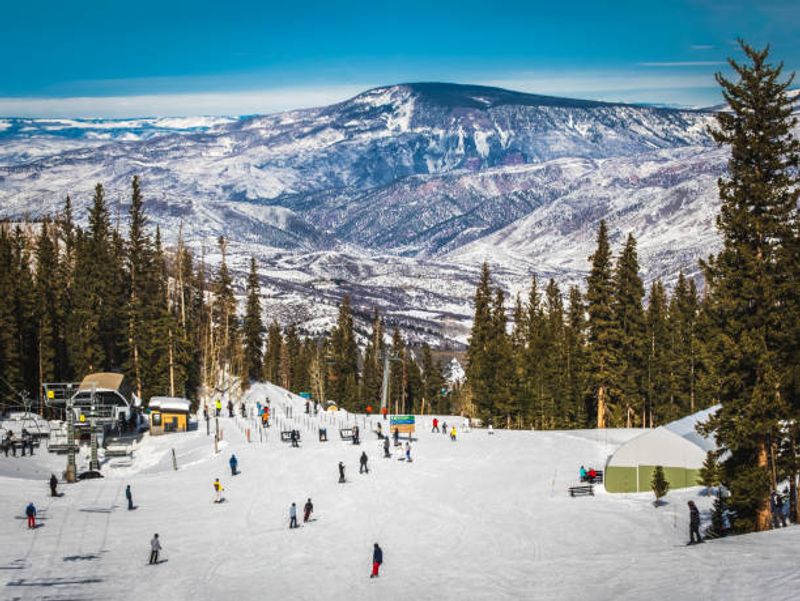
Highway 82 serves as the main artery connecting Aspen to neighboring communities like Basalt, Carbondale, and Glenwood Springs, but during peak ski season this vital roadway transforms into a parking lot.
Many Aspen workers cannot afford housing in town and must commute from downvalley communities where rent prices remain somewhat more reasonable.
What normally takes twenty minutes can stretch to over an hour during busy weekends and holidays when thousands of tourists drive into town.
Local residents have developed various strategies to avoid the worst traffic periods throughout the winter season.
Some workers adjust their schedules to arrive before seven in the morning or stay late until after seven at night when traffic lightens considerably.
Others rely on the Roaring Fork Transportation Authority buses that run regularly between downvalley towns and Aspen, offering free rides to reduce congestion.
Carpooling has become increasingly popular among locals who coordinate rides through community Facebook groups and workplace message boards.
The traffic situation worsens significantly during major events like the X Games or holiday weeks when visitor numbers spike dramatically.
State Highway 82 features only two lanes in each direction for most of its length, creating bottlenecks at key intersections and roundabouts.
Local advocacy groups continue pushing for improved public transportation options and potential road improvements to ease the burden on daily commuters.
Despite these challenges, many residents accept the traffic as part of living in a world-renowned destination, adjusting their routines and maintaining patience during the busiest months.
The Colorado Department of Transportation monitors conditions closely and provides real-time updates through mobile apps that help locals plan their travel more effectively.
Housing Affordability Crisis Intensifies with Seasonal Rental Conversions
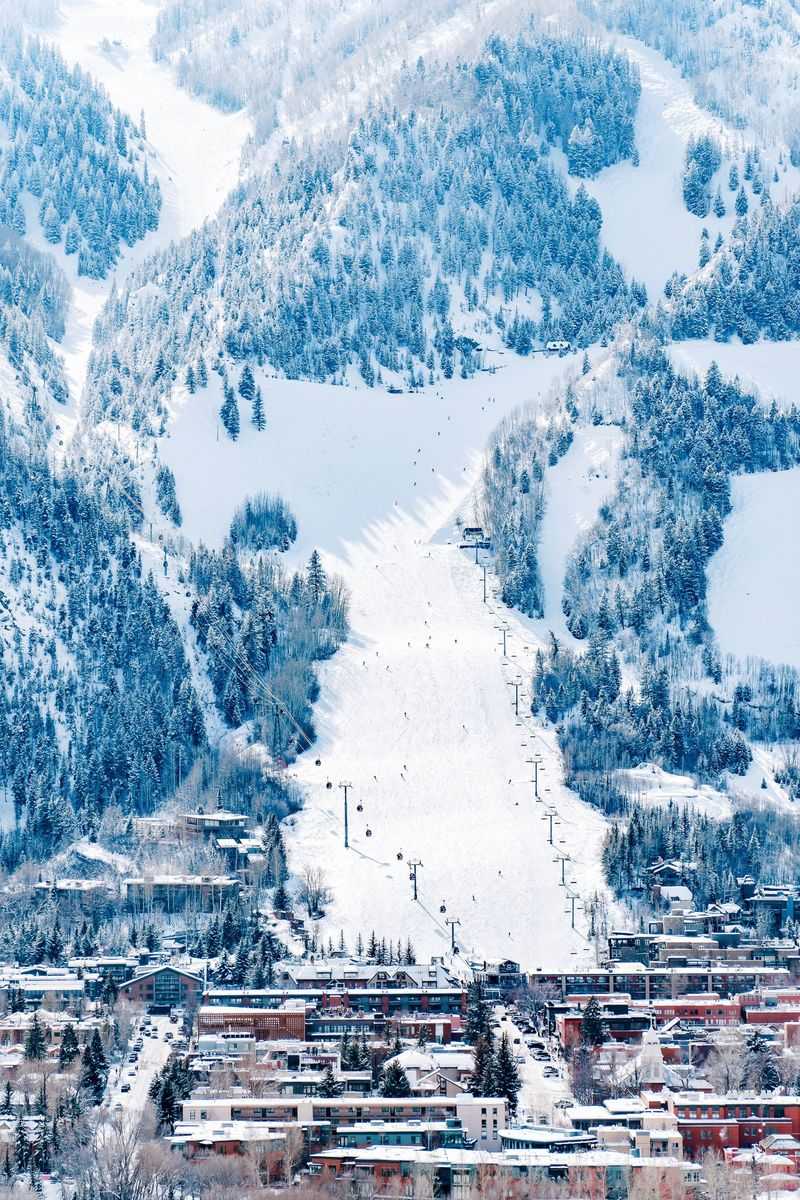
Property owners in Aspen increasingly convert long-term rental units into short-term vacation rentals during ski season to maximize their income potential.
This practice dramatically reduces available housing for year-round residents who work in restaurants, hotels, shops, and other service industries that keep the town functioning.
A two-bedroom apartment that might rent for three thousand dollars monthly to locals can generate five hundred dollars per night during peak season.
The Aspen City Council has implemented regulations requiring permits for short-term rentals and designating certain zones where vacation rentals are prohibited entirely.
Despite these efforts, enforcement remains challenging and the housing shortage continues affecting working families and young professionals.
Many residents share apartments with multiple roommates or live in employer-provided housing when available through larger resort companies and hotels.
Some workers choose to live in recreational vehicles parked at designated sites, enduring harsh winter conditions to maintain employment in the area.
Local organizations like Aspen Chapel and Aspen Community Foundation operate affordable housing programs that provide subsidized units to qualified residents based on income levels.
The Aspen Pitkin County Housing Authority manages deed-restricted properties where prices remain below market rates for locals who meet specific employment and residency requirements.
Despite these initiatives, waiting lists for affordable housing stretch years long and many qualified applicants never secure a unit.
Young adults who grew up in Aspen often cannot afford to remain in their hometown after finishing school, creating a brain drain of local talent.
The housing crisis affects not just individuals but entire families who struggle to maintain stability while serving the tourists who visit throughout the season.
Grocery Shopping Becomes a Strategic Mission Requiring Careful Planning
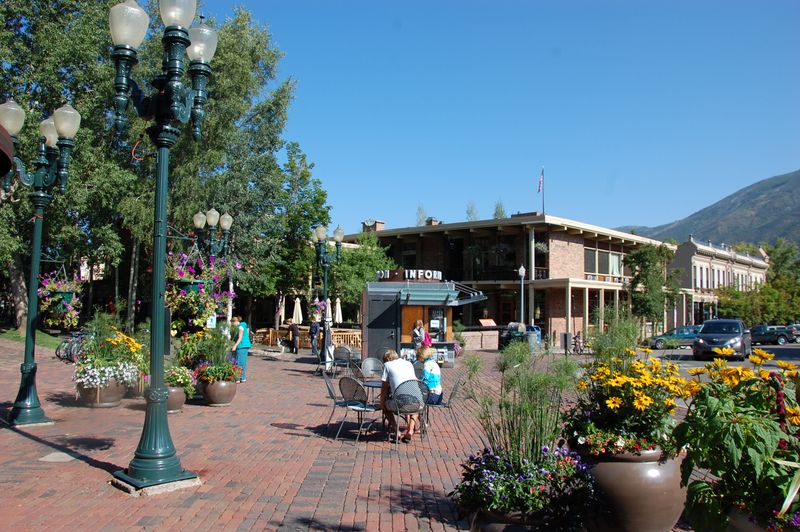
City Market on East Hopkins Avenue and Clark’s Market on South Spring Street become crowded battlegrounds during peak season when tourists stock their rental condos with supplies.
Locals quickly learn that shopping during certain hours means fighting through crowds of visitors unfamiliar with store layouts who block aisles with overflowing carts.
Parking lots fill completely by mid-morning on weekends, forcing residents to circle repeatedly or park blocks away and walk through snow and ice.
Experienced Aspen residents develop sophisticated shopping strategies to avoid the tourist rush and maintain their sanity throughout the busy winter months.
Many locals shop very early in the morning right when stores open or late in the evening after most visitors have finished their shopping trips.
Weekday mornings generally offer the best experience with shorter lines and fully stocked shelves before the weekend crowds descend on the town.
Some residents drive to larger supermarkets in Basalt or Carbondale where selection improves and crowds thin out considerably despite the extra travel time required.
Local markets like Aspen Saturday Market during summer months provide alternatives where residents connect with regional farmers and producers in a more community-focused atmosphere.
Online grocery ordering and delivery services have gained popularity among locals who prefer avoiding stores entirely during the peak tourist season.
Clark’s Market offers a locals-only express line during busy periods, recognizing the challenges faced by year-round residents who need quick shopping trips.
The grocery store experience highlights the broader challenge of sharing limited resources and space with thousands of temporary visitors who outnumber permanent residents.
Despite frustrations, store employees work hard to accommodate both locals and tourists, maintaining friendly service even during the most chaotic shopping days.
Restaurant Wait Times Extend Beyond Reasonable Limits for Simple Meals
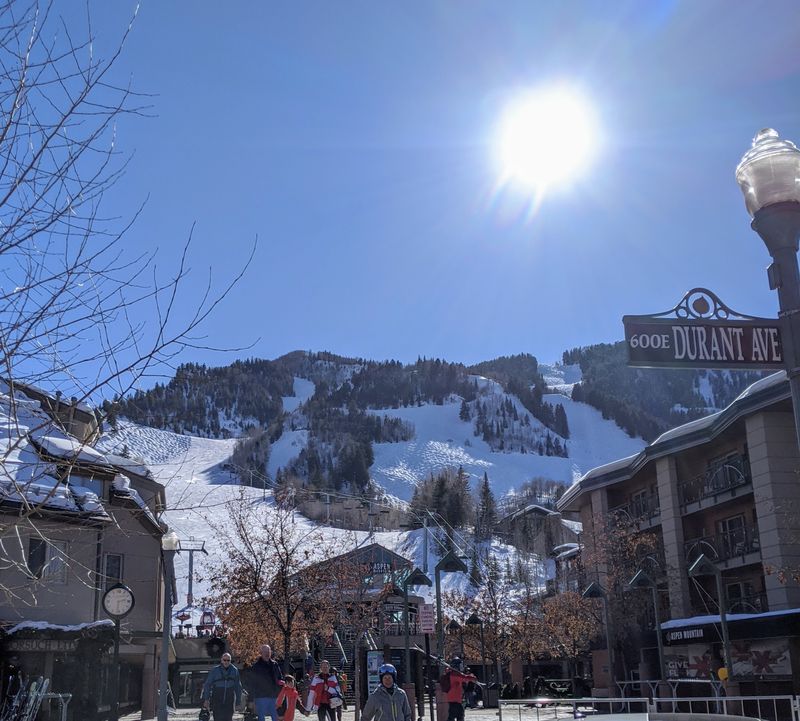
Aspen boasts an impressive collection of dining establishments ranging from casual cafes to world-class restaurants helmed by celebrity chefs and culinary innovatives.
During peak season these eateries become overwhelmed with tourists eager to experience the town’s renowned food scene, creating impossibly long wait times.
A simple lunch at Meat and Cheese Restaurant Farm Shop on East Hopkins Avenue might require an hour wait, while dinner reservations at upscale venues book weeks in advance.
Local residents have learned which establishments remain relatively accessible and which become completely overrun during the busiest winter months and holiday periods.
Many locals avoid downtown restaurants entirely during peak times, instead frequenting neighborhood spots in the West End or establishments in nearby Snowmass Village.
Some restaurants maintain locals programs offering priority seating or special reservation times exclusively for year-round residents who present identification proving residency.
Takeout and delivery options have become essential for residents who want quality meals without enduring long waits in crowded dining rooms filled with tourists.
Restaurant workers themselves face enormous pressure during peak season, working double shifts and dealing with demanding customers from around the world with varying expectations.
Many establishments bring in seasonal workers to handle the increased volume, though finding adequate staff housing remains a persistent challenge for restaurant owners.
The White House Tavern on East Hopkins Avenue and Meat and Cheese have earned reputations as spots where locals still feel welcome even during busy periods.
Some residents embrace the culinary opportunities that tourist season brings, trying new restaurants that might not survive without the seasonal influx of visitors.
The dining scene represents both the benefits and challenges of living in a destination town where world-class amenities come with crowds and competition for access.
Parking Scarcity Forces Creative Solutions and Early Arrivals
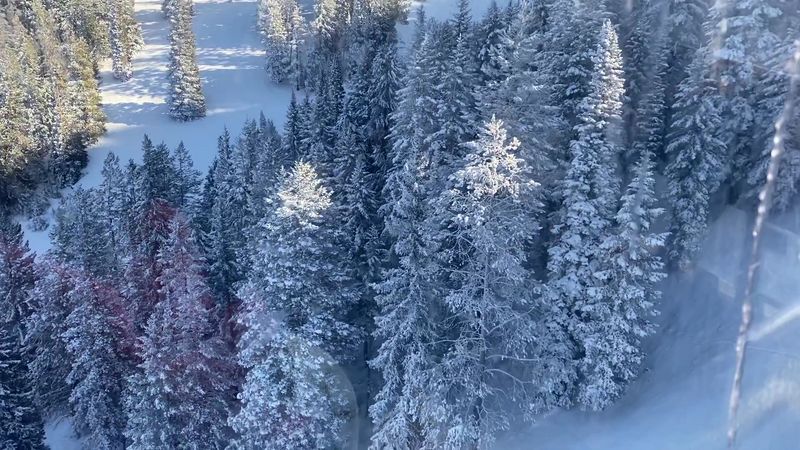
Finding parking in downtown Aspen during ski season ranks among the most frustrating challenges faced by residents who need to run errands or get to work.
Tourist vehicles fill every available spot by mid-morning, including the Rio Grande parking structure on Puppy Smith Street and street parking throughout the commercial core.
Parking meters that once cost a few dollars per hour now charge premium rates, yet spaces remain nearly impossible to find during peak visitation periods.
Locals who work downtown often arrive before dawn to secure parking spots they occupy for entire shifts, knowing that leaving means losing the space.
Some residents purchase residential parking permits that reserve specific zones for those who live within designated neighborhoods, though these areas also experience overflow.
The city operates free shuttle buses that connect parking areas on the outskirts of town to the downtown core, encouraging visitors to park once and ride.
Many locals rely exclusively on bicycles year-round, even in snowy conditions, using fat-tire bikes designed for winter riding to avoid parking hassles completely.
The Rubey Park Transit Center serves as a hub where buses from downvalley communities drop off workers and visitors, reducing some parking demand downtown.
Despite these alternatives, parking frustration remains a constant complaint among residents who remember when finding a spot required minimal effort and planning.
Some businesses provide employee parking at remote lots with shuttle service, recognizing that workers cannot reasonably find street parking during busy seasons.
The parking situation has sparked ongoing debates about downtown development, with some residents advocating for more parking structures while others push for reduced car dependency.
Winter parking becomes even more complicated when snow removal operations temporarily close certain lots and streets, further reducing available spaces during the busiest months.
Public Spaces and Parks See Reduced Local Access During Tourist Season
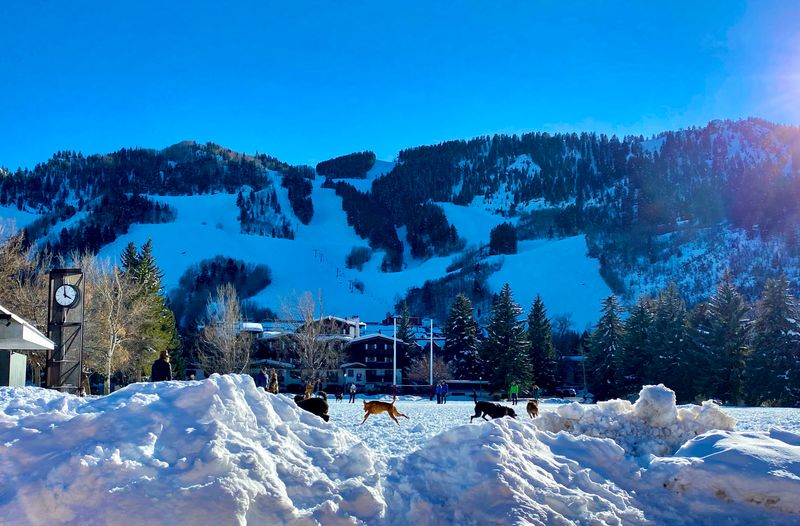
Wagner Park on East Bleeker Street and Rio Grande Park along the Roaring Fork River serve as beloved gathering spots for Aspen residents throughout the year.
During peak ski season these public spaces become overwhelmed with tourists taking photos, having picnics, and enjoying the mountain scenery that locals treasure.
What were once quiet places for residents to relax with their dogs or meet friends become crowded areas where finding a bench requires luck and patience.
Families with young children find that playgrounds fill with visiting kids, making it difficult for local children to enjoy equipment without long waits and crowding.
Some residents adjust their park usage to early morning hours or late afternoons when tourists are typically on the slopes or in restaurants.
The Aspen Recreation Center on Maroon Creek Road offers locals a refuge with facilities including pools, fitness equipment, and courts that require memberships.
Nordic trails and snowshoe paths around town that locals use for exercise become packed with inexperienced visitors who sometimes create safety hazards.
Despite the crowds, many residents appreciate that tourist revenue supports park maintenance and improvements that might not be possible with local tax dollars alone.
The city has developed locals programs at the Aspen Center for Environmental Studies on Hallam Lake, offering special events and access times for year-round residents.
Community organizations host locals-only gatherings at parks during off-peak hours, helping residents maintain connections to these important public spaces despite seasonal crowding.
The balance between welcoming visitors and preserving quality of life for residents remains an ongoing challenge that city planners and community leaders continuously address.
Public space management during peak season reflects the broader tension between tourism-dependent economics and maintaining the character that makes Aspen special to those who live there year-round.
Healthcare and Essential Services Experience Extended Wait Times and Delays
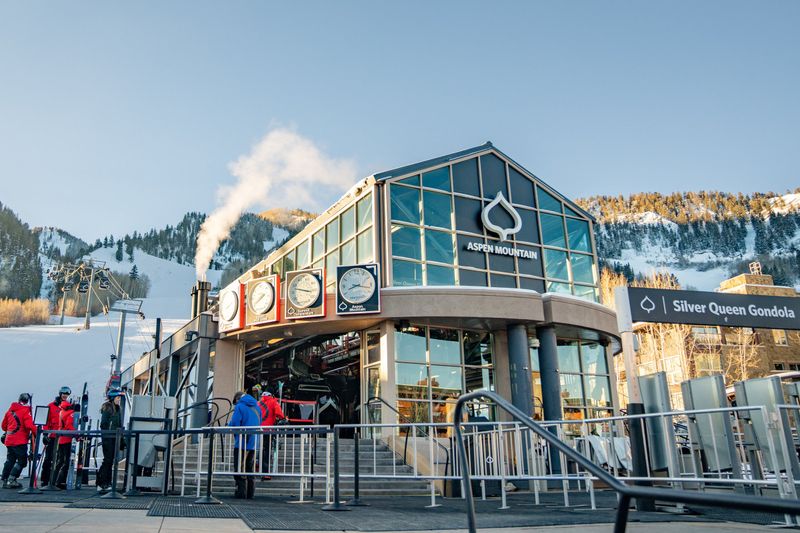
Aspen Valley Hospital at 401 Castle Creek Road serves both residents and visitors, creating strain on medical resources during peak tourist season.
Emergency room wait times increase significantly when ski injuries from Aspen Mountain, Snowmass, Highlands, and Buttermilk fill available beds and treatment rooms.
Locals needing routine medical appointments often find that scheduling becomes difficult when doctors prioritize urgent cases from the slopes and visiting patients.
Pharmacies like City Drug on East Hopkins Avenue experience longer lines and occasional supply shortages when visitor demand combines with regular resident prescriptions.
Dental offices, physical therapy clinics, and other healthcare providers book solid throughout ski season, making it challenging for residents to access timely care.
The hospital brings in traveling nurses and additional staff during peak months, though recruiting qualified professionals willing to work short-term contracts remains challenging.
Some residents schedule routine appointments and procedures during shoulder seasons in spring and fall when medical facilities have greater availability and shorter waits.
Essential services beyond healthcare also feel the strain of increased population during winter months when visitors outnumber residents by significant margins.
Post office lines at the location on East Hopkins Avenue stretch out the door during holidays when both locals and visitors mail packages and cards.
Banks, government offices, and service providers all experience increased demand that creates frustration for residents trying to accomplish routine tasks efficiently.
Mountain Rescue Aspen volunteers respond to increased calls during ski season, balancing their regular jobs with emergency response duties that intensify with tourist numbers.
The strain on essential services highlights how a small town infrastructure designed for fifteen thousand residents must accommodate populations that swell beyond fifty thousand during peak periods.
Community resilience shows through as healthcare workers, emergency responders, and service providers rise to meet demands while residents practice patience and understanding throughout the busy season.
Dear Reader: This page may contain affiliate links which may earn a commission if you click through and make a purchase. Our independent journalism is not influenced by any advertiser or commercial initiative unless it is clearly marked as sponsored content. As travel products change, please be sure to reconfirm all details and stay up to date with current events to ensure a safe and successful trip.
