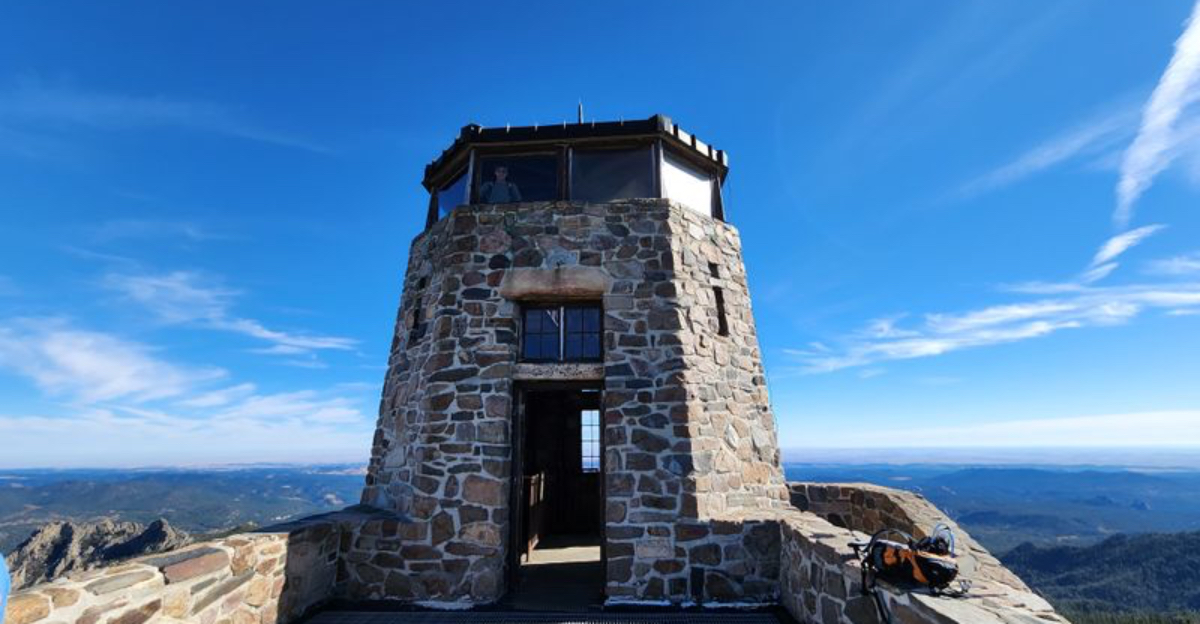
South Dakota hides stories in its granite, and winter brings the quiet that lets you hear them.
In the Black Hills, the solstice turns shadows into guides, pointing you toward a summit where myth and landscape meet.
Follow the trail to Black Elk Peak, where a rumored orange glow slips across stone as the sun bows low.
Stay curious, because the best parts of this place reveal themselves when you slow down and look twice.
More Than Just Stone: The Whispers of a Winter Solstice Secret
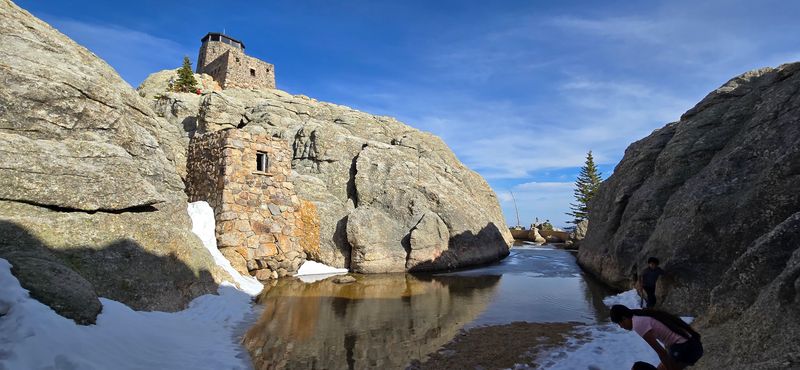
Picture the Black Hills under fresh snow, every branch edged with frost, and the wind holding its breath, transforming the familiar landscape into a quiet, monochrome world of intense visual clarity.
You stand near Black Elk Peak, listening to the hush, and the light feels different as the afternoon thins, sinking into a quality of low-angle refraction that only the heart of winter can achieve.
The landscape seems to gather itself, as if waiting for a cue you can almost sense, an almost palpable shift in the mountain’s demeanor preceding the moment of deep sunset.
Locals speak of an orange glow that appears as the Winter Solstice nears, a warmth that is more feeling than beam, describing the phenomenon as a profound chromatic saturation of the peak’s surface.
It skims across granite, deepening the rock into a rich ember tone that looks alive, an optical illusion caused by the extreme atmospheric clarity and the sun’s shallow trajectory over the horizon.
The sight does not shout, it unfurls slowly and asks you to be patient, requiring a focused, deliberate observation to truly appreciate the subtle, yet powerful, color transformation.
What you witness here is part legend and part observation, shaped by cold air and low sun, illustrating how natural phenomena become interwoven with cultural narrative over time.
The Black Hills of South Dakota hold stories like this close, revealing them only when conditions align, demanding the convergence of specific seasonal timing and the observer’s attentiveness.
If you are willing to linger, the mountain might show you something rare, a moment of profound beauty that rewards those who choose contemplation over speed.
The expectation of this rumored glow elevates the entire winter hike into a purposeful, almost ritualistic quest for a fleeting visual secret embedded in the stone.
Unveiling the Enigma: Black Elk Peak’s Fiery Secret
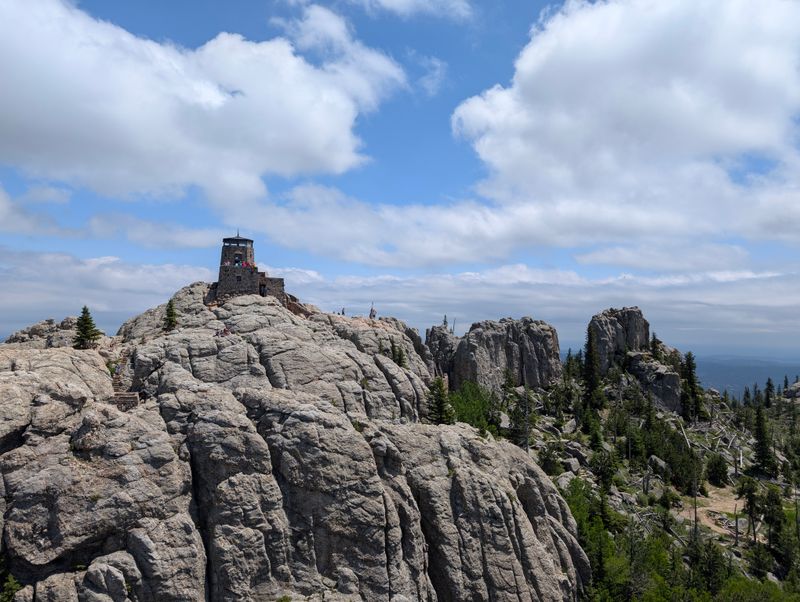
Black Elk Peak rises above the Black Hills, a high point wrapped in stone and sky, serving as a geographical and spiritual nexus for the entire region.
The historic fire lookout sits like a crown, framing views that run in every direction, providing a commanding platform for observing the subtle dance between light and rock.
Trails wind upward through ponderosa pine, then break into open granite near the summit, transitioning the environment from sheltered forest to exposed, wind-sculpted stone.
Some hikers return in winter for a different experience, when light sits low and the sun glances across rock, utilizing the specific solar geometry of the season to seek out the glow.
The talk of a fiery secret lingers, not as a blaze, but as a quiet surge of color that feels charged, a deep visual warmth contrasting sharply with the frigid air.
You look for it near sunset, when the air sharpens and the horizon softens, knowing that the magic is dependent on the final moments of the receding light.
What makes it compelling is not proof, but presence, the way the peak holds stillness, giving the observer space for subjective, personal interpretation of the subtle effects.
The Black Hills of South Dakota offer space for interpretation, and that is part of the draw, encouraging visitors to bring their own myths and meanings to the powerful landscape.
You come for the climb, and you leave with a story that follows you home, a narrative enriched by the interplay of physical effort, visual reward, and local lore.
The subtle illumination reminds visitors that the mountain is a dynamic entity, its appearance constantly redefined by the shifting angles of the solar cycle.
The Stone Sentinel: What Monument Are We Talking About
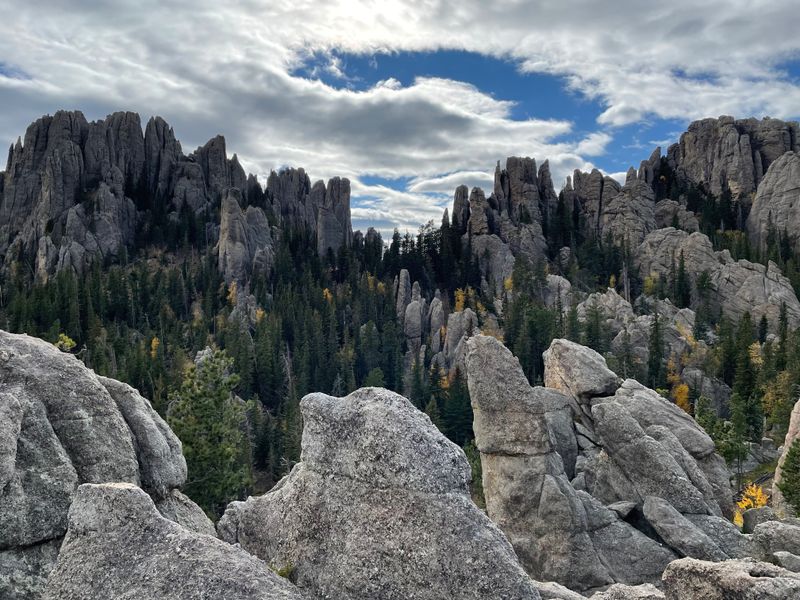
The so called monument is not a statue, it is the mountain itself, representing a geological structure of immense age and deeply rooted cultural significance.
Ancient granite forms the summit, stacked and split into towers and ledges that look watchful, forming the perfect, massive canvas for the solstice light to paint its color upon.
Time carved these shapes, and winter light pulls depth from every surface, using the low angle to accentuate the texture and fracture lines in the massive stone.
As the solstice nears, the rock takes color that can seem like a quiet fire, a deep orange that saturates the surface minerals under the late afternoon sun.
It is not a beam from within, yet the impression can feel internal, as if the stone is holding warmth, an illusion enhanced by the extreme cold of the surrounding environment.
This is where geology and perception meet, and the border between them blurs, creating a moment where scientific optics satisfy a human yearning for the mysterious.
Look closely at the grain of the granite, and you see feldspar and quartz catching light, the specific mineral composition being a key element in reflecting the intense orange hues.
Snow gathers in seams, making the glow appear even deeper by contrast, with the pure white acting as a reflective counterpoint to the rock’s suddenly deep tones.
In South Dakota, the Black Hills turn simple details into something that feels ceremonial, elevating a standard sunset effect into an experience that feels spiritually significant.
The mountain’s massive presence, illuminated by the lowest sun of the year, becomes a natural, living monument to the power of the changing seasons and the resilience of the earth.
The Winter Solstice Connection: A Moment of Deep Significance
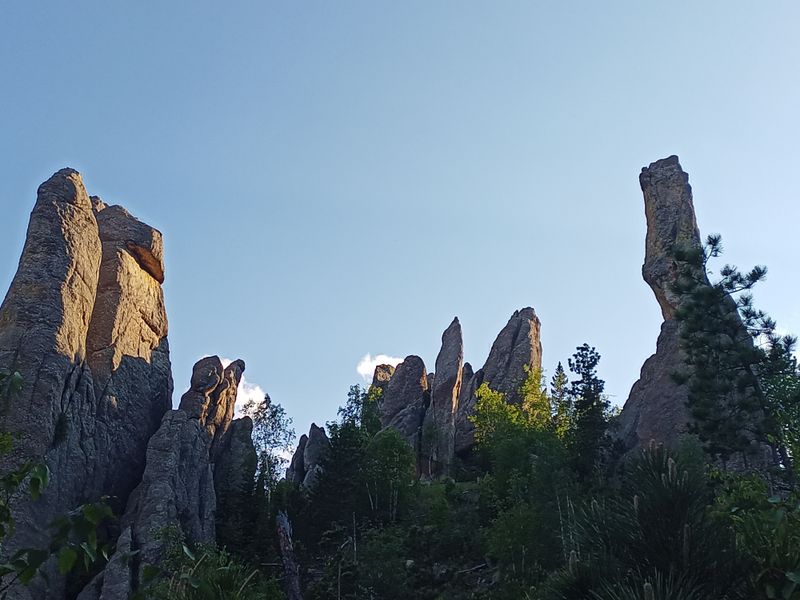
The Winter Solstice draws a line between long night and slow returning day, representing a powerful astronomical and symbolic moment of transition and turning point.
At Black Elk Peak, the sun slides low and the angle gives rock a chance to glow, aligning the peak perfectly to capture the most horizontally raking light of the year.
You notice how the light lingers, as if the day wants to stretch a little farther, a lingering effect that prolongs the visual saturation across the granite faces.
Across cultures, the solstice carries themes of renewal and turning, connecting the experience on the mountain to ancient, universal human observations of the sky.
Here, the Black Hills of South Dakota add a layer of sacred weight that you can feel in the quiet, owing to the mountain’s recognized importance in Lakota spiritual life.
The hush encourages attention, and attention makes small changes shine, creating a heightened sense of awareness that allows the subtle glow to register deeply with the observer.
This moment rewards those who time their hike to meet the last light, emphasizing the importance of planning and patience in experiencing this specific natural phenomenon.
Cold clears the air, and color seems to settle on stone in response, the crisp, clean atmosphere maximizing the light’s ability to travel and refract against the granite.
Whether you call it energy or optics, the experience leaves a mark that lasts, settling into memory as a singular encounter with the season’s raw beauty.
The alignment of the earth, sun, and mountain on this specific day creates a fleeting, profound drama that anchors the Black Hills firmly in the cycle of the year.
Orange Hues and Sacred Views: The Phenomenon Explained
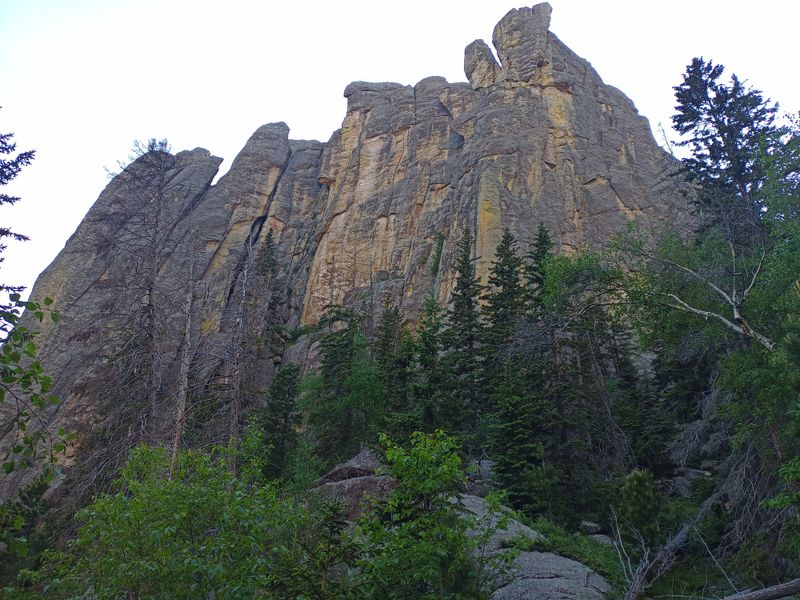
No instrument has pinned down a true glow, but the eye records something persuasive, confirming that the visual effect is more about subjective color perception than a measurable, internal luminescence.
As the sun dips, granite warms in color, helped by cold air that sharpens contrast, creating an atmospheric clarity that intensifies the visual saturation of the rock’s natural hues.
Snow at the margins boosts saturation, making the stone look softly lit, as the reflective white surface acts as a natural spotlight, enhancing the deep orange tones.
Some point to mineral makeup and the low solar angle working together, noting that the presence of high-iron feldspar in the granite is chemically predisposed to glowing red or orange at sunset.
Others emphasize the power of expectation, which tunes your senses to notice subtle shifts, suggesting that the legend itself prepares the mind to seek and find the rumored warmth.
Both ideas can be true, and together they build a believable scene, demonstrating that the most profound experiences often involve a combination of precise natural conditions and focused human attention.
Stand still near the lookout and watch how the shade moves like a tide, observing the precise moment the shadow line crosses the peak and extinguishes the fiery color.
The last rays skim across faces of rock and turn them into a muted ember, a soft, rich color that feels entirely appropriate for the ancient and quiet sentinel.
This gentle theater repeats each winter, asking only your patience, making the observation an annual ritual dependent on dedication and a willingness to withstand the cold.
The phenomenon is an eloquent demonstration of how light, cold, and geology collaborate to produce a moment of intense, fleeting aesthetic pleasure at the year’s darkest turning point.
The Lakota Perspective: Sacred Ground and Cosmic Alignment
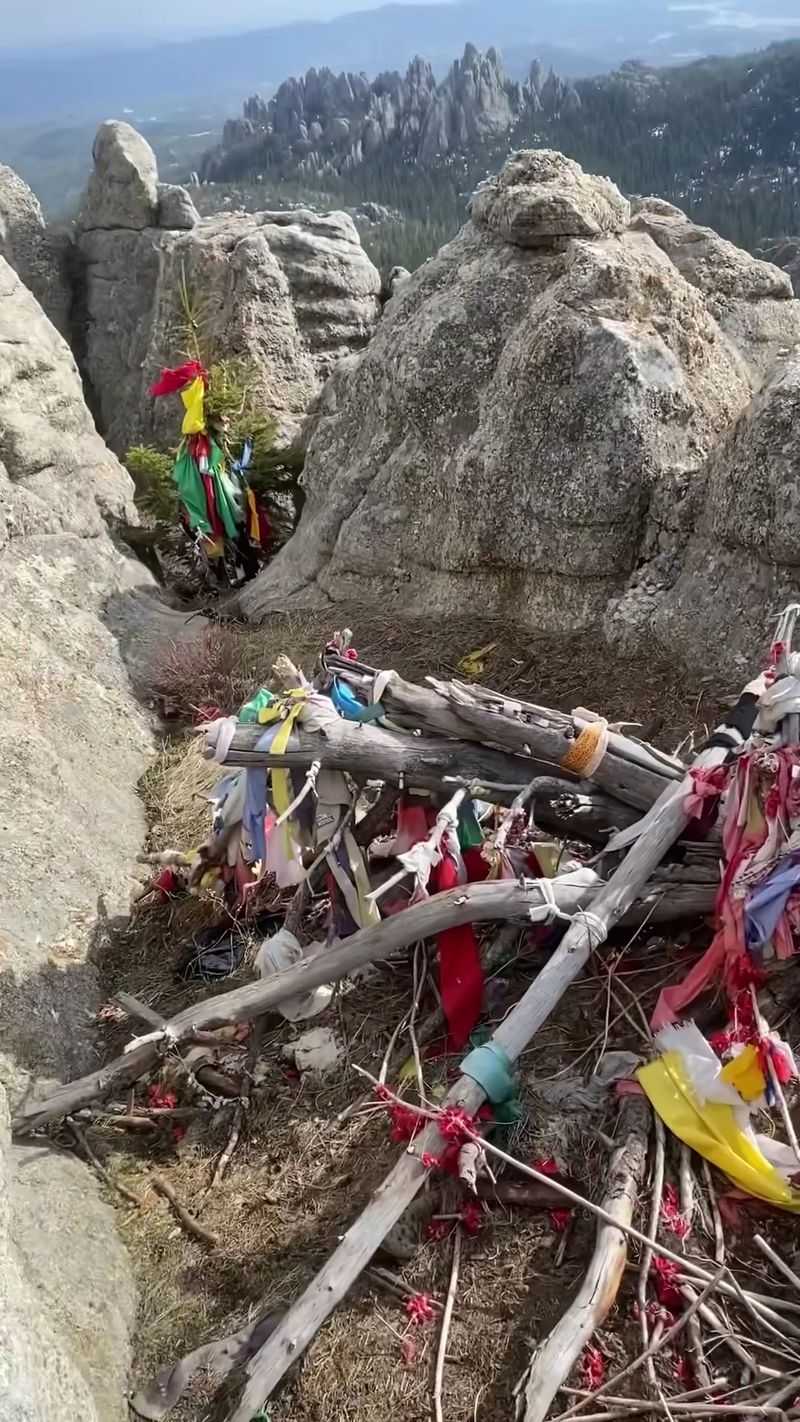
The Black Hills, known as Paha Sapa, hold deep spiritual meaning for the Lakota, recognizing them not just as a landmark but as the center of their world and a sacred sanctuary.
Black Elk Peak is associated with vision, prayer, and a sense of centered world, a place where the physical and spiritual realms are believed to intersect with profound clarity.
The place invites humility, which shapes the way you move through it, requiring visitors to acknowledge the long history of reverence and spiritual use before their own arrival.
When the solstice arrives, the idea of alignment feels natural here, connecting the astronomical event with the mountain’s historical role as a site for cosmic observation and ceremony.
Light, weather, and land seem to take a breath together, and the result is a quiet presence, embodying a deep, holistic connection between earth and sky on this significant day.
You might not see a defined sign, yet you notice your own focus sharpen, as the inherent sacredness of the mountain encourages deep introspection and presence.
Approach with respect, tread lightly, and keep the noise down, following basic tenets of cultural and environmental stewardship to honor the mountain’s significance.
Let the mountain set the pace, and listen for what it offers in stillness, understanding that the most valuable lesson is often found in quiet, patient receptivity.
In South Dakota, reverence is not an accessory, it is part of the experience, and the landscape itself demands that visitors approach its sites with intentional thoughtfulness.
The enduring spiritual significance of the Peak adds a profound, human dimension to the natural phenomenon of the solstice light, inviting contemplation beyond mere aesthetics.
A Journey to the Peak: How to Experience the Solstice Magic Responsibly
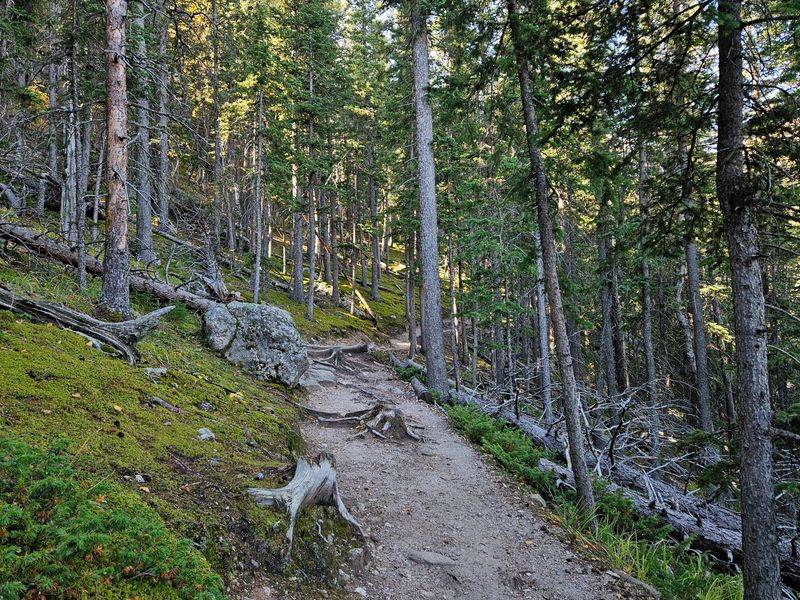
Winter at Black Elk Peak can be beautiful and serious at the same time, offering immense reward but demanding respect for the harsh, unforgiving nature of the high-altitude cold.
Trails grow icy, winds pick up quickly, and daylight tapers sooner than you expect, requiring careful assessment of conditions and a conservative approach to the timeline.
Planning turns a hard trip into a rewarding one that feels safe, ensuring that preparation is prioritized over spontaneity when venturing into the winter hills.
Layer up, carry traction for your shoes, and bring navigation tools that work offline, recognizing that technology can fail and that physical preparedness is the only reliable safeguard.
Check official trail reports before you go, and let someone know your route, adhering to safety protocols that ensure help can find you if an unexpected emergency arises.
Start early, since the best light comes late and the return takes time, requiring you to hike out in rapidly diminishing or entirely absent light.
Keep to marked paths to protect fragile ground near the summit, minimizing your ecological footprint on the sensitive alpine environment, particularly under snow.
Pack out everything, and keep voices low to preserve the calm that makes this special, ensuring that your presence does not degrade the environment or disturb other visitors.
Responsible choices help the magic show up when it matters, as a clear conscience and safe conduct allow you to focus fully on the subtle beauty of the sunset.
Beyond the Glow: The Enduring Allure of the Black Hills in Winter
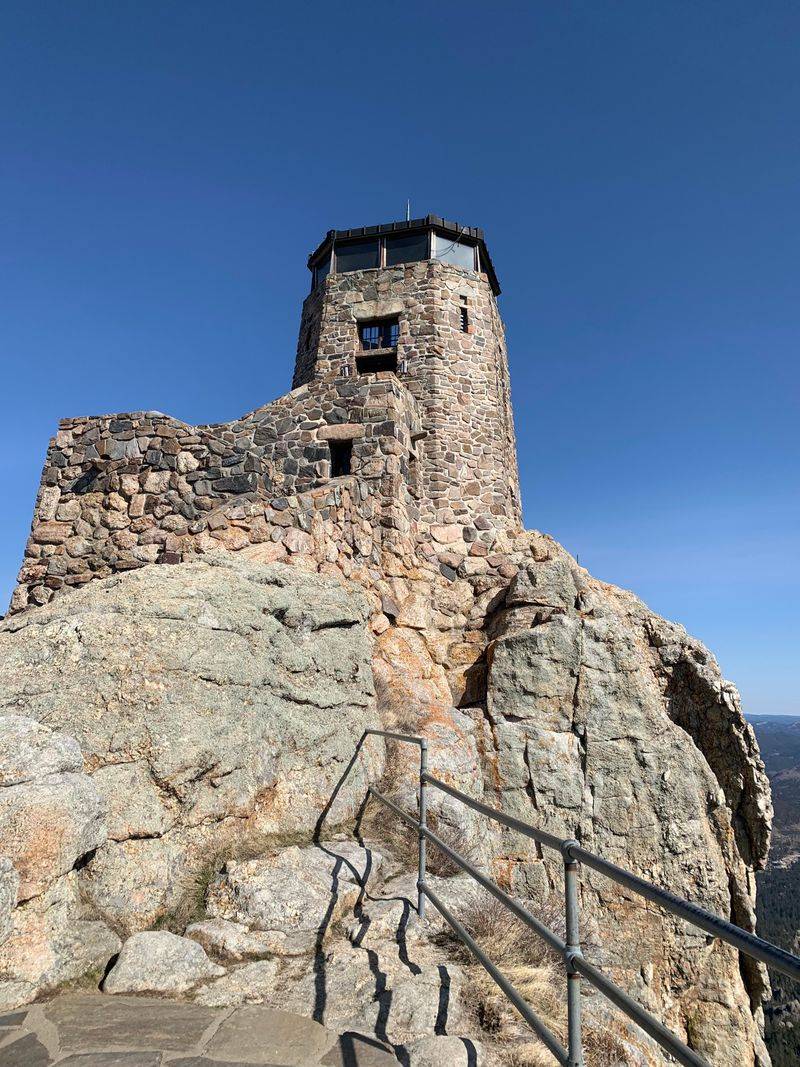
Even if color never flares, the season shapes the Black Hills into something rare, transforming the familiar summer landscape into a crystalline, silent wilderness.
Open views widen in cold air, and the horizon looks close enough to touch, as the low humidity and clear atmosphere drastically improve visibility from the summit.
Footprints quiet down, and the forest breathes without rush, creating a stillness that is often absent during the busier, warmer months of the year.
From the summit, you can pick out ridges that run like waves under snow, illustrating the immense scale and geological history of the ancient mountain range.
Custer State Park rests below, with lakes and meadows tucked between folds of granite, appearing pristine and deeply hushed beneath their thick blanket of white.
The scene trades summer bustle for a steady, reflective pace, encouraging hikers to slow down and adopt a meditative appreciation of the vast, frozen scenery.
Nearby routes connect to longer days of roaming if weather allows, suggesting that the entire region becomes a canvas for extended, silent winter exploration.
You leave with a calm that lingers, shaped by silence and clear light, a sense of inner peace that is often the greatest reward of winter hiking.
The Power of Place: Why Legends Like This Endure
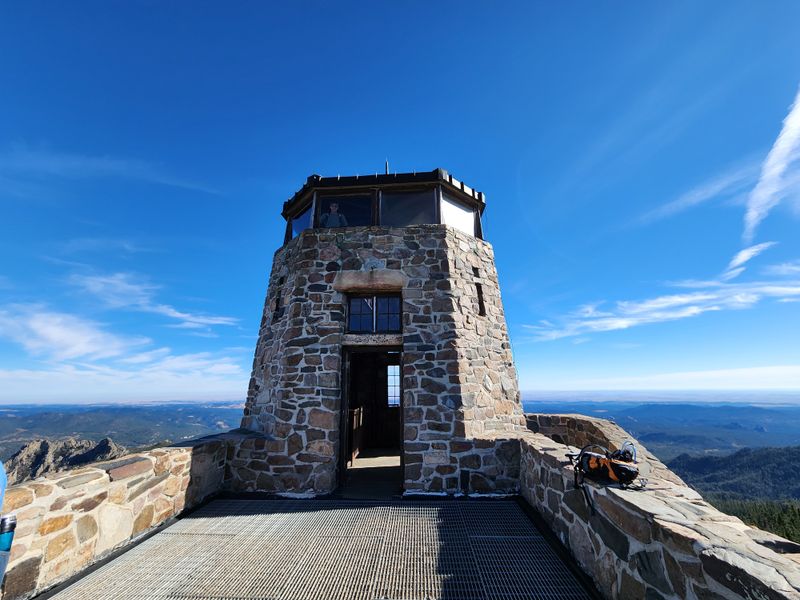
Certain landscapes collect meaning the way stone gathers lichen, allowing stories to accumulate and adhere to the physical features of the land over centuries.
Black Elk Peak holds layers of story that anchor memory and invite return, ensuring that each visit builds upon a rich, existing foundation of cultural narrative.
The more you visit, the more details rise to meet you, as familiarity with the terrain allows you to notice the subtle changes that spark legend and observation.
Legends endure because they offer a frame for what you feel but cannot measure, giving voice to the powerful, non-quantifiable emotional responses the landscape provokes.
In winter, that frame sharpens, and the mountain seems to speak in color and hush, using the season’s intensity to enhance the perceived communication between land and observer.
You stand still, and the narrative fills itself around you, with the mountain acting as a powerful generator of personal and collective meaning that is both ancient and immediate.
Dear Reader: This page may contain affiliate links which may earn a commission if you click through and make a purchase. Our independent journalism is not influenced by any advertiser or commercial initiative unless it is clearly marked as sponsored content. As travel products change, please be sure to reconfirm all details and stay up to date with current events to ensure a safe and successful trip.
