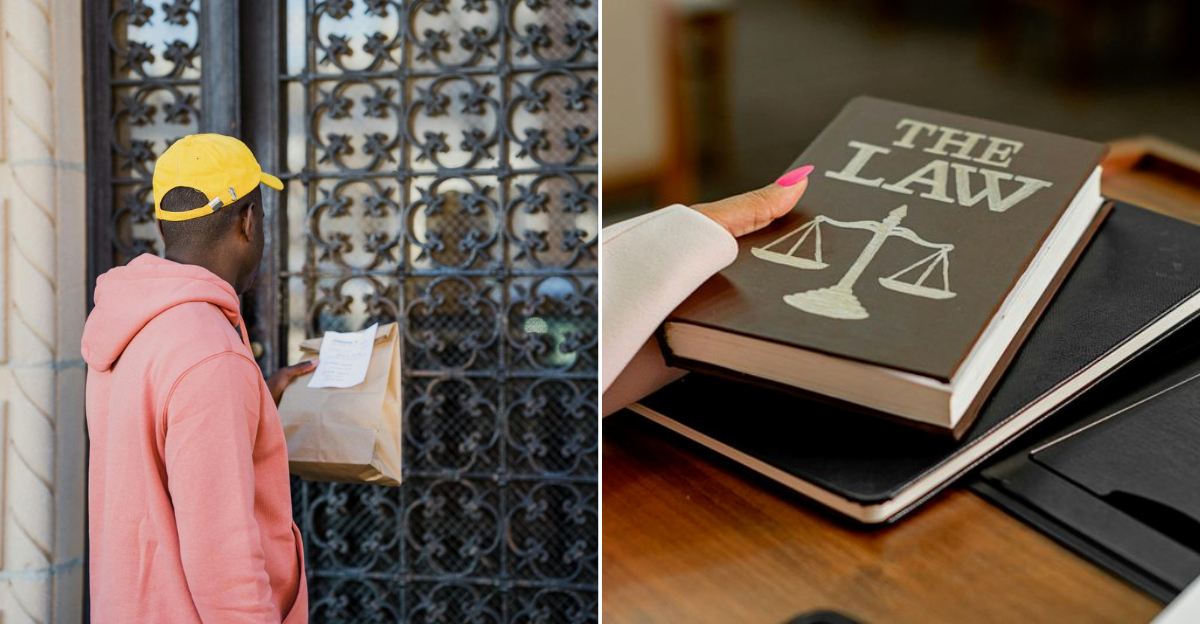
Your burner number is not a magic cloak in Louisiana, and one anonymous order can turn into a very bad idea fast. The state has laws that cover abrasive communications made by phone or through messaging, and they can apply whether someone is anonymous or not.
That matters because the classic prank move, placing an order to annoy someone, waste a business’s time, or embarrass a person, can cross into conduct the law is designed to stop. The point is not that every mistake becomes a case, it is that anonymity does not automatically make it harmless or consequence-free.
If the intent is to harass, torment, or repeatedly bother, the legal risk goes up, and the practical damage is immediate for workers and whoever gets dragged into it. Louisiana’s message is simple: if your plan depends on hiding your identity while causing stress, that is the red flag, not the loophole.
The Anonymous Order Trick That Stops Being Funny Fast
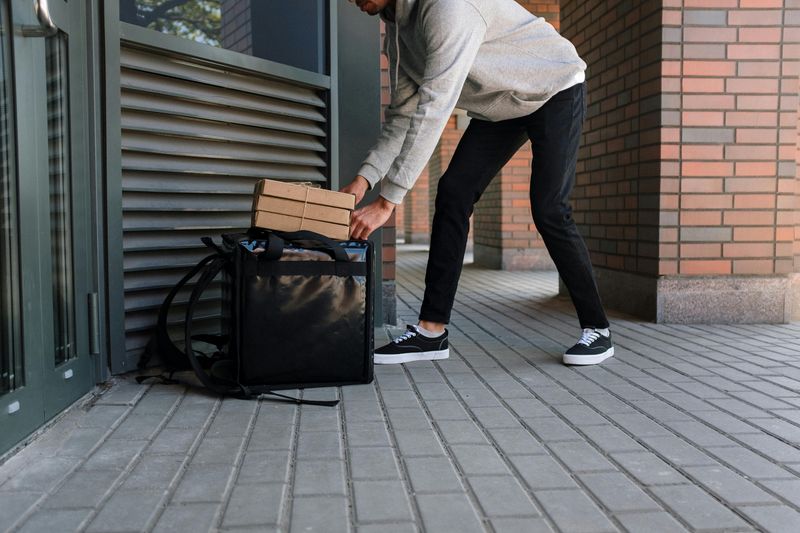
You know that goofy idea where you send something to a friend with no name on it because the mystery makes it funnier? In Louisiana, that joke does not travel well, because the moment surprise turns into repeated pings at the door or a driver circling back, it starts to look like a pattern that the law actually cares about.
The state reads behavior, not your private punchline, so if the delivery bothers someone or causes disruption, the joke is no longer the headline.
Think about the door camera catching drop offs with no sender information, a phone that keeps lighting up, or a manager getting a call about a strange order tied to a real address. Those little details pile up and suddenly you have a breadcrumb trail that looks intentional, even if you claim it was a moment of silliness.
Louisiana takes intent from what you do, not what you meant to do, which means your anonymous wink can feel like pressure.
So the fast fix is simple even if it is less exciting, because adding your name or a clear note keeps things in the harmless lane. If you truly want the laugh, you can still tee it up without hiding who you are, since clarity keeps officers, drivers, and the neighbor texting in the group chat out of it.
You get the story, and you skip the record.
How “Surprise Delivery” Can Cross A Legal Line
I get why a surprise drop feels playful, but the line in Louisiana is not painted where people expect it. The moment the recipient feels alarmed or inconvenienced, or the delivery causes someone to show up uninvited and linger, you are stepping into conduct the state can frame as harassment.
It is not a vibe test, because the law looks for repeated acts, unwanted contact, and any hint that you meant to pester.
Picture this playing out near Lafayette with a courier waiting outside while a confused neighbor keeps asking questions. If the driver calls again, or another package arrives with no sender, the timeline starts to tell a story, and that story reads like pressure.
Once the recipient documents it, they have more than a hunch, and you have something that looks like a pattern.
What keeps you clear is consent and clarity, plus a paper trail that matches your good intentions. You can still pull off a surprise without hiding, by giving the merchant your name and a quick gift note that says exactly what is up.
That way, if anyone asks, the explanation is ready, the delivery is expected enough, and nobody is guessing at motives on a quiet Louisiana street.
What Counts As An Anonymous Order In Practice
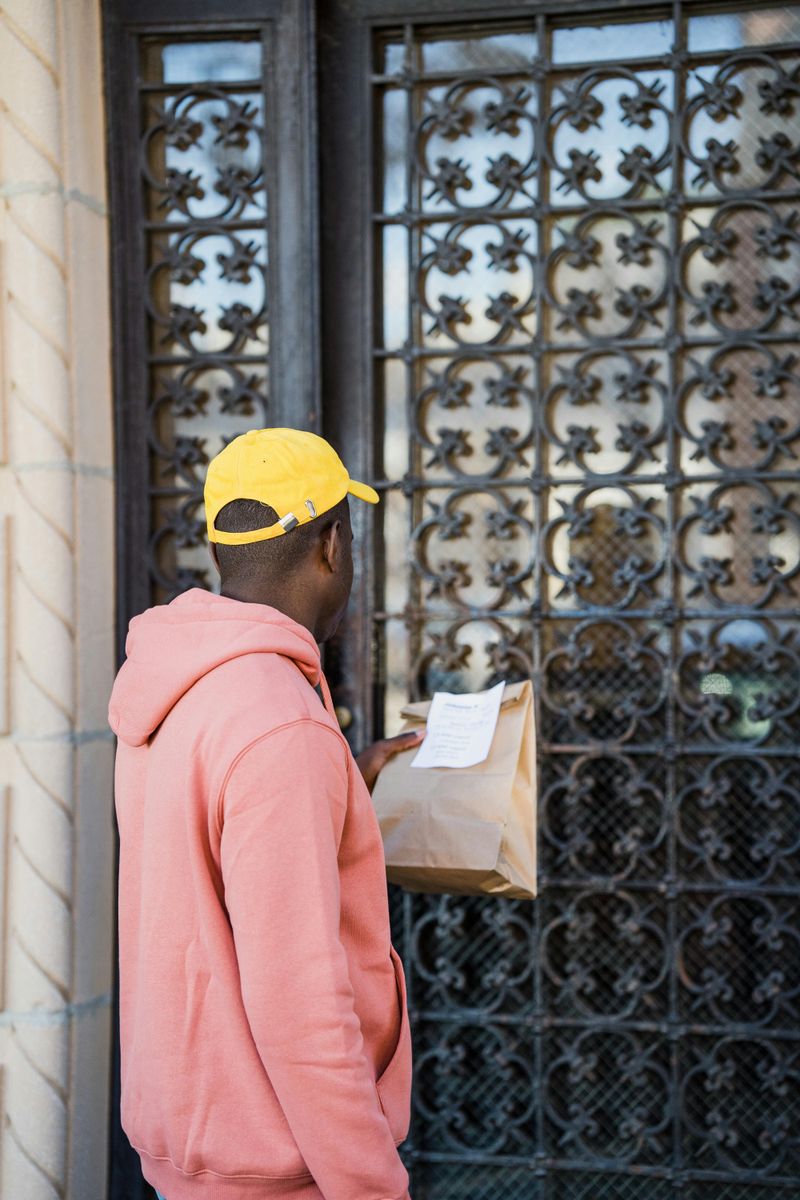
Anonymous does not just mean the sender’s name is missing, because it can also mean the phone number is spoofed, the notes are blank, or the contact info belongs to a throwaway account. In Louisiana, those choices can read like you wanted to dodge accountability, even if you thought it kept the surprise alive.
The problem is that ambiguity becomes evidence once someone starts saving screenshots.
Imagine a Shreveport address where a courier calls a masked number and gets voicemail every time. If the recipient calls the store, and the store cannot identify who placed the order, that gap becomes a red flag, and it pushes the whole thing toward a report.
The state does not need a dramatic scene to take it seriously when the signals are this consistent.
Healthier versions still keep mystery while leaving a clean trail, like using your real account, adding a straightforward note, and telling the merchant to include your contact in case of confusion. If you want a reveal, you can time a message to land right after the delivery so nobody feels cornered.
By staying findable, you make the gesture feel kind, you respect boundaries, and you avoid the spiral that anonymous orders trigger under Louisiana expectations.
When A Prank Turns Into Harassment
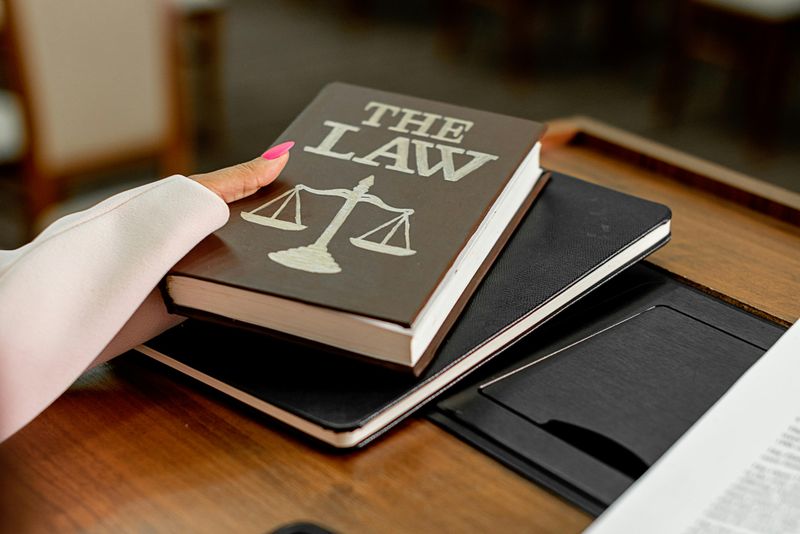
Here is where people get burned, because they think one goofy drop is fine and then they stack a second and a third to milk the laugh. In Louisiana, repetition is everything, and a string of unwanted deliveries, calls, or pings can look like a campaign to rattle someone.
The target does not need drama to feel harassed when their space stops feeling like their space.
Say a Baton Rouge resident starts collecting unmarked boxes and handling driver calls they never asked for. If they tell friends, notify building staff, or file a basic report, the paper trail begins, and the tone shifts quickly.
That is not a prank anymore, because the state sees a timeline of bother plus intent.
The fix is to stop at the first sign of discomfort, apologize with your name, and give the recipient control over what happens next. Offer a straightforward explanation, share contact info, and let them decide whether to keep or return the item.
Louisiana rewards transparency, and you avoid learning about harassment elements from an officer standing on the stoop.
The Details That Make It Easier To Prove Intent
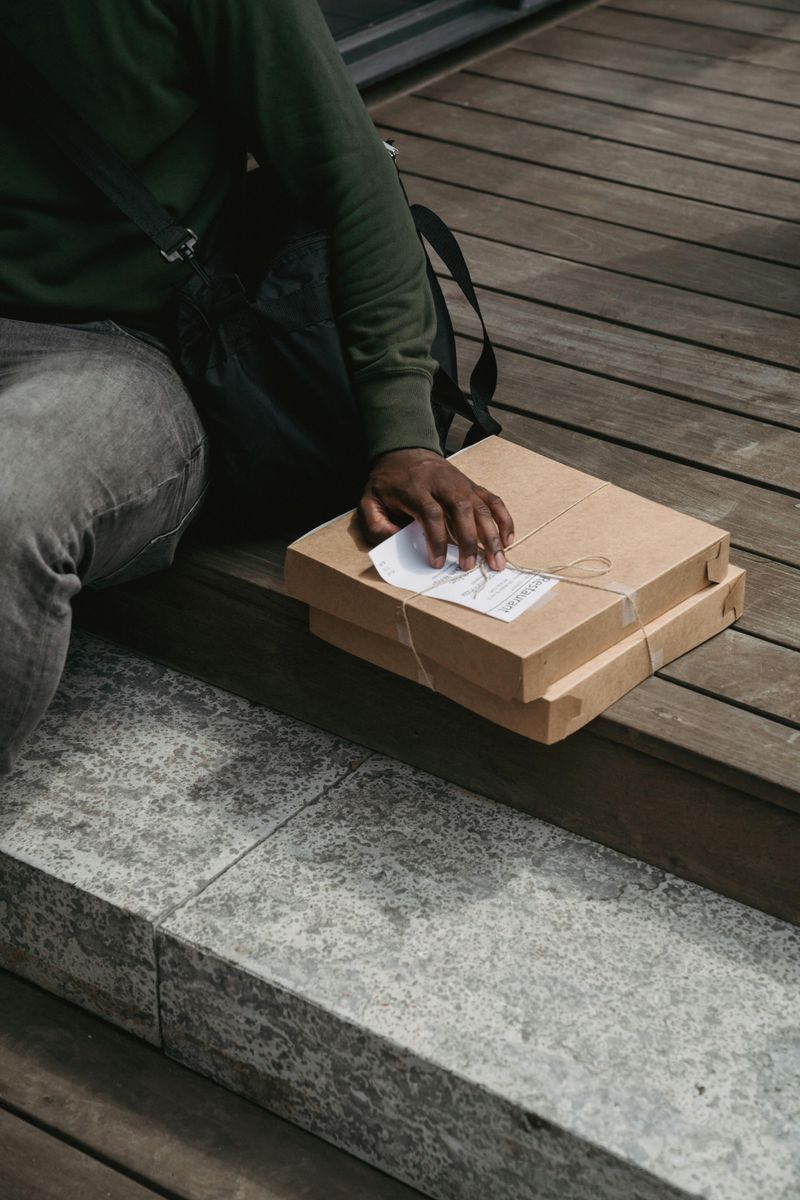
You might think intent lives in your head, but Louisiana pulls it from small repeatable facts that stack into a story. Screenshots of order confirmations, call attempts at odd times, and matching delivery notes across multiple drops can show that you meant to keep someone on edge.
The tighter the pattern, the clearer the intent looks, especially when the sender remains hidden.
Picture a sequence where the notes are blank every time, the number never answers, and the package arrives when the recipient is usually out. Those tiny choices read like design, and design reads like intent, which is exactly what a report tries to capture.
Once the pieces connect, it stops being confusing and starts being persuasive.
The better move is to anchor your surprise with context, like writing a friendly note, using a real callback, and choosing a normal delivery window. If anything goes sideways, you can step in, explain, and make it easy for everyone to stand down.
In Louisiana, that kind of transparency keeps a harmless plan from getting translated into intent by a tired officer walking a quiet block.
How Businesses And Drivers Get Pulled Into The Mess
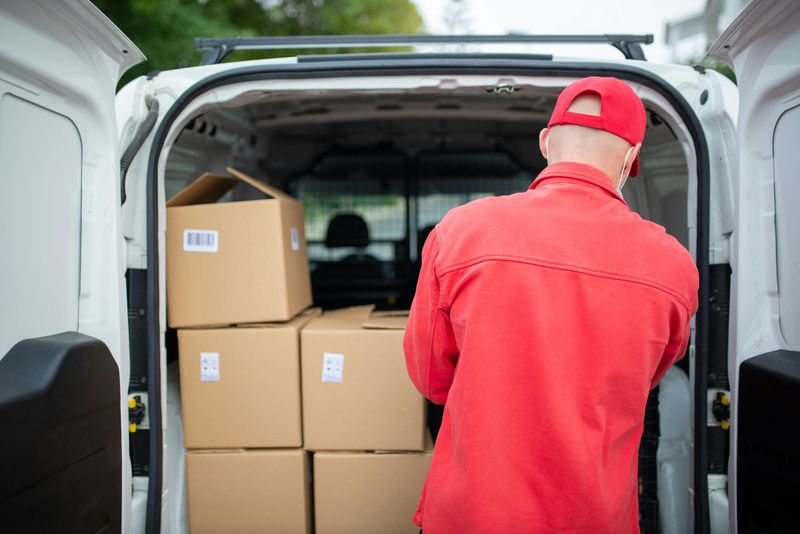
The ripple hits people you never meant to involve, because a merchant has to field calls, a dispatcher has to re route drivers, and someone ends up waiting in a parking lot while a resident looks nervous. In Louisiana, once staff start documenting, the situation grows legs, and your anonymous flourish becomes a workplace headache.
Drivers remember the address, managers log the incident, and the paper trail smells official.
Say a delivery crew in New Orleans flags a recurring unclaimed drop with no sender details. The company will likely require a name on future orders to that address, which is their way of protecting staff and cooperating if a report lands.
Suddenly your secret is not playful anymore, because it is in a system built to reduce risk.
If you want a kind surprise, make it easy for workers by providing your contact, a calm note to the recipient, and permission for the driver to leave or call you. That keeps everyone safe, respected, and out of awkward stand offs.
Louisiana favors that balance, and honestly, so do the folks hustling in those vans and shops who just want a clean run.
The Receipts, Phone Logs, And Digital Trails People Forget
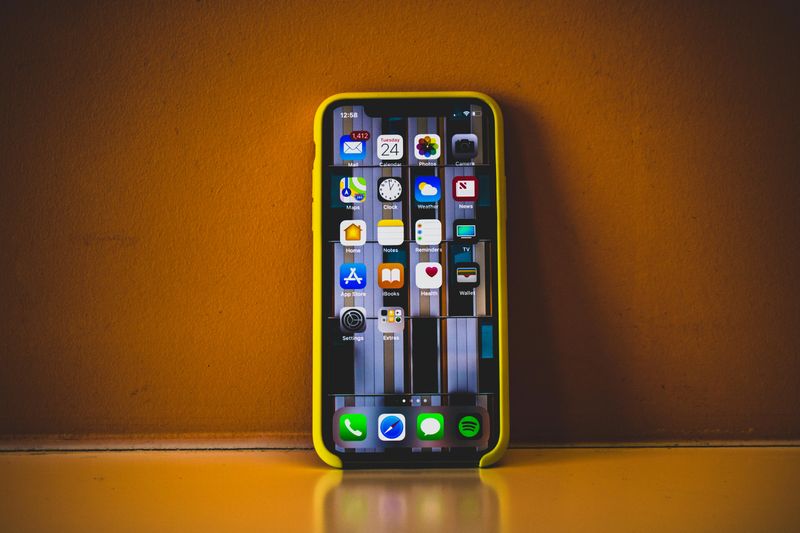
People think anonymity is a cloak, but modern ordering leaves footprints that Louisiana takes seriously when a complaint lands. Receipts tie to payment methods, IP addresses lead back to accounts, and phone logs glue together timing and repetition in a way that feels undeniable.
Even the little metadata on a delivery slip can connect a dot you did not see coming.
Imagine a Lafayette resident sharing screenshots with an officer while a store emails confirmation stamps from their system. It does not take a dramatic confession when the timestamps line up and the same masked number appears again and again.
The pattern does the talking, and it talks in a steady, boring way that reads as proof.
Your safer route is to accept that a real surprise does not need a disguise, because openness ages better than cleverness under stress. Put your name on the order, include a clear message, and be reachable, so small glitches never turn into suspicion.
In Louisiana, that simple transparency keeps everyone off edge and saves you from explaining a joke that lost its charm the minute the doorbell rang twice.
What Happens If The Target Calls The Police
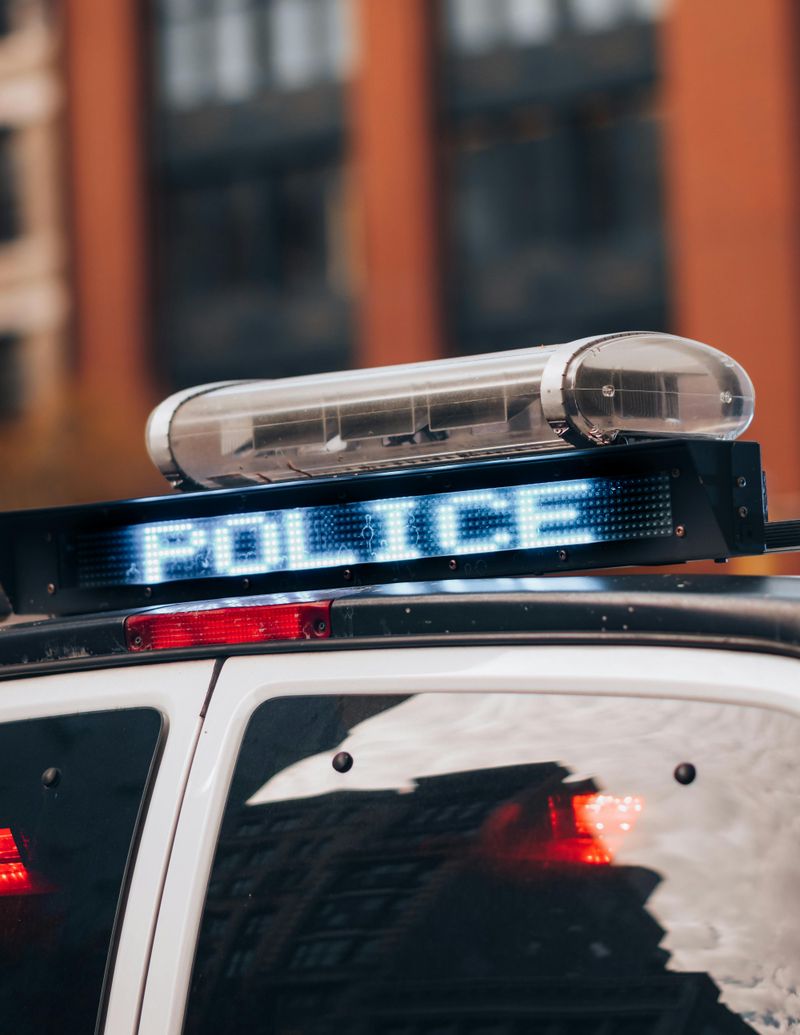
It feels like things jumped a level, but the process is usually calm and very methodical in Louisiana. An officer will note the address, ask for screenshots, collect delivery info, and reach out to the merchant or platform to identify the sender.
If the pattern looks deliberate, you are in a conversation about harassment or misuse, not a comedy of errors.
Think of how steady that documentation is, because the report reads like a timeline with who did what and when, and that story guides whatever comes next. If they can find you, you might get a call asking for your side, which is not where you want to debut your punchline.
The tone is respectful but firm, and the law’s definition carries more weight than your intention.
To keep your name out of a report, design the surprise with consent signals, contact info, and a note that answers obvious questions. If someone seems uneasy, stop and check in, since reassurance beats damage control every time.
Louisiana values courtesy that shows up early, and you get to leave the porch light as a welcome, not a warning.
The Smart, Legal Ways To Send A Real Surprise Instead
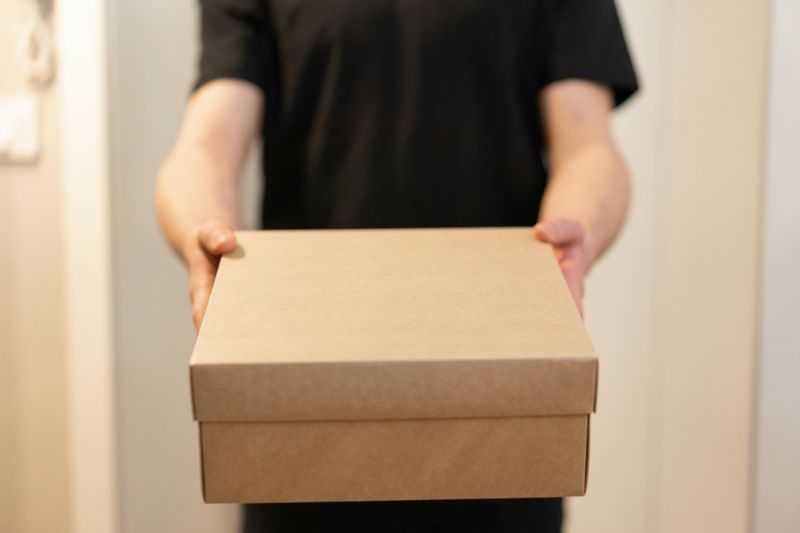
If you want the smile without the stress, you can still pull off a surprise that fits neatly inside Louisiana expectations. Use your real name, add a friendly note that sets context, and give a callback so a driver or clerk can reach you if anything gets confusing.
That tiny bit of openness keeps curiosity warm instead of weird.
You can also time the reveal with a quick message right after the doorbell, so the recipient knows who thought of them and why you chose that moment. If you are planning something bigger, check in with a roommate or neighbor first, because a heads up prevents the awkward scramble.
None of that ruins the magic, since the fun lives in the thought, not the cloak.
Shops across Louisiana will happily include a note or handle clearer instructions, and drivers appreciate deliveries that resolve without extra calls. By keeping control of the narrative, you make the surprise land with comfort, not suspicion.
That is the version you can tell stories about later, without a single screenshot looking like evidence.
Dear Reader: This page may contain affiliate links which may earn a commission if you click through and make a purchase. Our independent journalism is not influenced by any advertiser or commercial initiative unless it is clearly marked as sponsored content. As travel products change, please be sure to reconfirm all details and stay up to date with current events to ensure a safe and successful trip.
