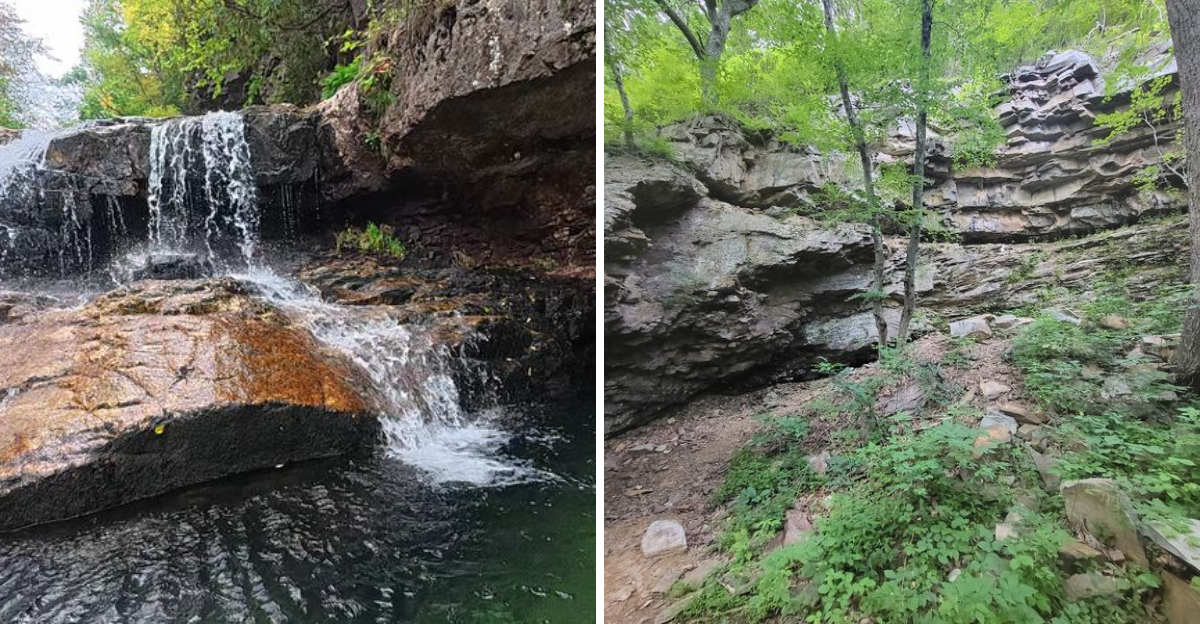
Some places just stop you in your tracks, and Virginia has one of those. Forget the overcrowded tourist traps.
Deep in the forests, a raw, breathtaking wilderness waits with crystal-clear rivers, thundering waterfalls, and wildflowers that seem too beautiful to be real. I stumbled upon this gem and honestly could not believe a place this stunning exists just off a winding mountain road.
Locals know it, nature lovers adore it, but does it get the credit it truly deserves? Pack sturdy shoes, bring your curiosity, and prepare to fall completely in love with one of Virginia’s most spectacular outdoor escapes.
Virginia’s Largest Wilderness Area on National Forest Land
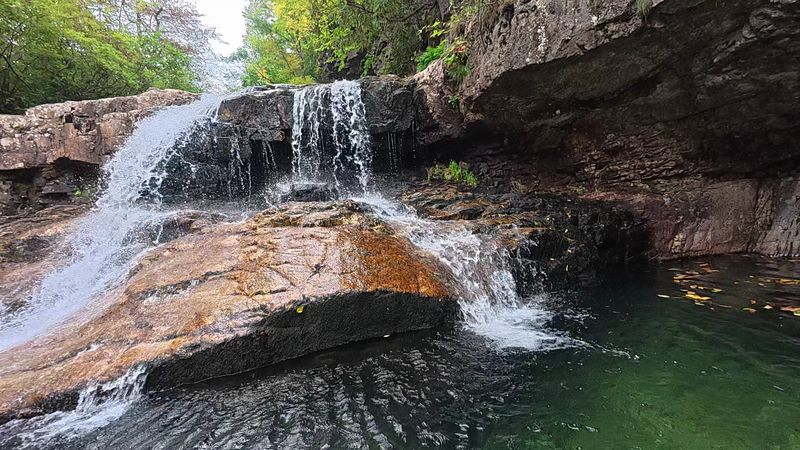
Sprawling across nearly ten thousand acres of rugged Appalachian terrain, St. Mary’s Wilderness holds the impressive title of Virginia’s largest designated wilderness area on national forest land. Sitting within the George Washington and Jefferson National Forests, this place is the real deal, untamed, wild, and gloriously free of development.
Augusta County, Virginia, cradles this extraordinary landscape like a well-kept secret that somehow never stays secret for long. The sheer scale of the wilderness means every visit feels different.
One trail might lead you through a dense canopy of hardwoods, while another opens up to rocky outcrops with sweeping mountain views.
Management here follows strict wilderness regulations, keeping the area as close to its natural state as possible. No bikes, no motorized equipment, and group sizes capped at ten people.
Those rules exist for good reason. They protect the biodiversity, the silence, and the magic that makes this place so worth visiting in the first place.
Virginia does wilderness beautifully, and St. Mary’s Wilderness proves that point with zero effort. Come ready to be humbled by nature on a grand scale.
The Saint Mary’s River Trail and Its Famous Water Crossings
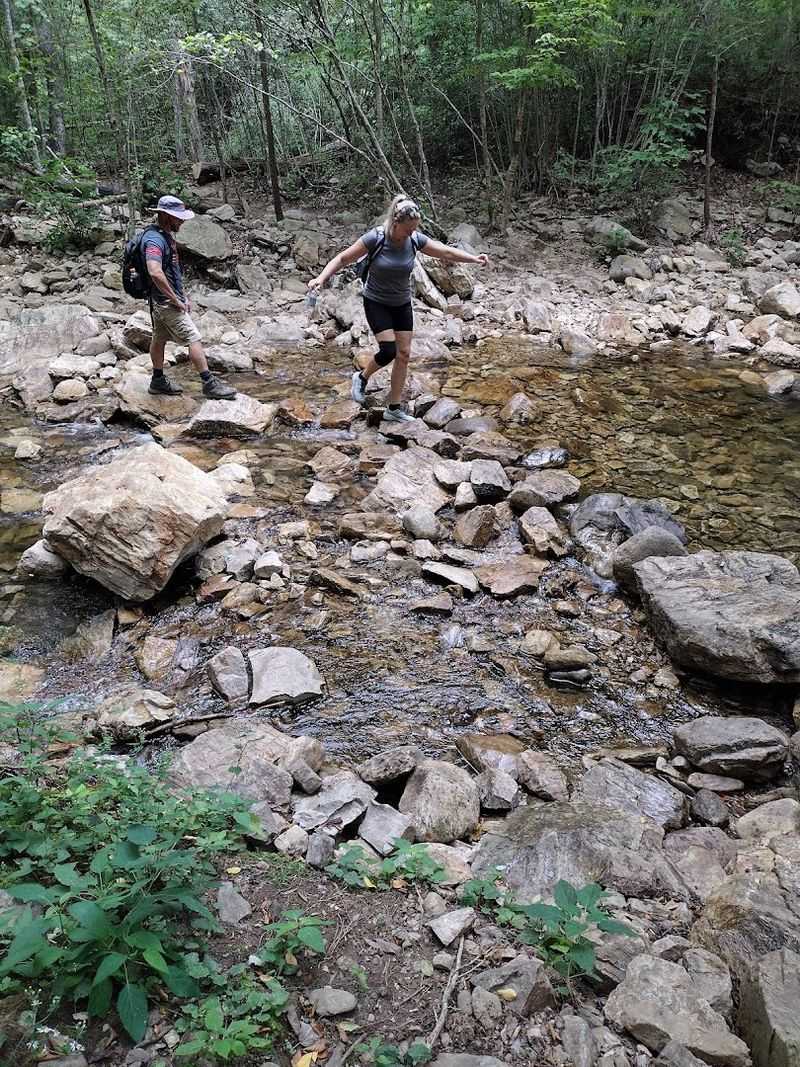
Right from the trailhead, the Saint Mary’s Trail (Forest Trail #500) sets a playful tone by asking you a simple question with your feet: how much do you love adventure? Because this trail crosses the river multiple times, and yes, your shoes will likely get wet.
Stepping from rock to rock over the glassy, cold Saint Mary’s River is honestly one of the most fun parts of the whole experience. The crossings are not dangerous in normal water conditions, but they do require focus, decent footwear, and a willingness to laugh if you slip.
The trail hugs the river for most of its length, winding through a gorgeous gorge lined with towering hemlocks and rhododendrons. Rocky sections keep your eyes sharp and your ankles working.
Sturdy hiking shoes are absolutely non-negotiable here, not sandals, not flip-flops, not fashion sneakers.
St. Mary’s Wilderness rewards the prepared hiker generously. Every twist of the trail reveals another stunning pool, another mossy boulder, another reason to pause and soak it all in.
Virginia’s trails rarely disappoint, but this one delivers on a whole different level.
The Spectacular Saint Mary’s Waterfall and Swimming Hole
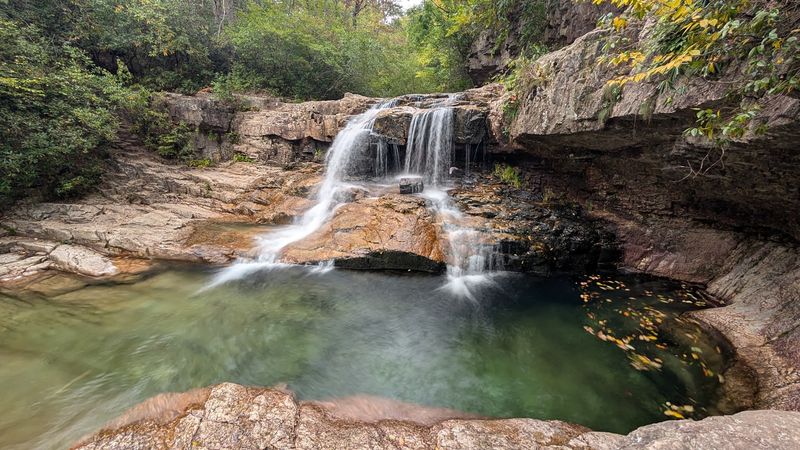
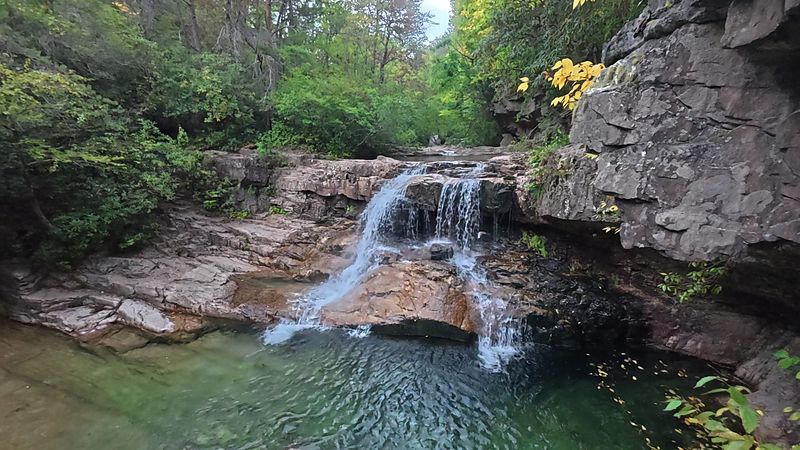
After roughly two miles of riverside hiking, the forest opens up and there it is. Saint Mary’s Waterfall drops dramatically into a stunning blue-green pool that looks almost too perfect to be real.
The moment you see it, every rocky step and wet shoe crossing suddenly feels completely worth it.
The swimming hole at the base of the falls is ice-cold and absolutely refreshing, especially on a warm summer afternoon. Rock jumps are popular here, and the pool is deep enough for a proper swim.
Bring a towel, wear your swimsuit under your hiking clothes, and plan to stay longer than you originally intended.
Camping near the waterfall is not permitted within five hundred feet, which helps preserve the pristine atmosphere around this natural showstopper. The rule keeps the area clean and the experience genuinely peaceful, even on busy weekends.
St. Mary’s Wilderness manages to make this waterfall feel like a personal discovery every single time. Virginia has plenty of beautiful waterfalls, but this one, tucked at the end of a rewarding trail, hits differently.
Bring a camera, because no description fully does it justice.
Rare Forest Orchids and Wildflowers Along the Trail
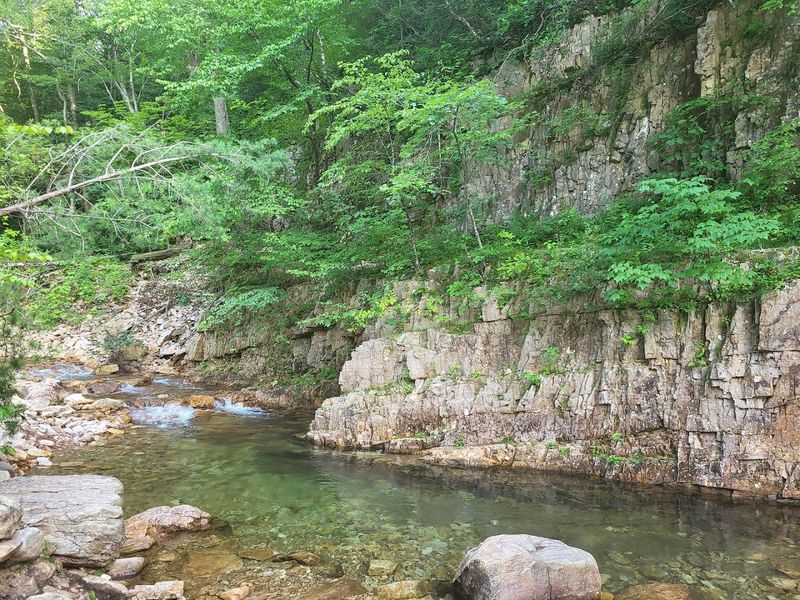
St. Mary’s Wilderness is not just a hiking destination. For botanists and wildflower enthusiasts, it is practically a living museum.
The diverse ecosystems packed into this Virginia wilderness support an impressive range of plant species, including rare forest orchids that bloom quietly along the trail corridors.
Spotting a wild orchid in its natural habitat is genuinely thrilling. These delicate plants tuck themselves among ferns and mossy rocks, easy to miss if you are moving too fast.
Slowing down on the trail pays off enormously here. Keep your eyes low and your pace easy, especially in late spring and early summer when blooms are at their peak.
Mountain laurel and rhododendron put on a spectacular show during their flowering season, painting the gorge walls in deep pinks and purples. The combination of these flowering shrubs alongside rarer orchid species makes the trail a sensory feast from late May through July.
Virginia’s flora is wonderfully rich, and St. Mary’s Wilderness showcases that richness with every step. Bring a wildflower identification guide and prepare to geek out completely.
Nature photography opportunities along this trail are genuinely world-class.
Mountain Laurel and Rhododendron Blooms in the Gorge
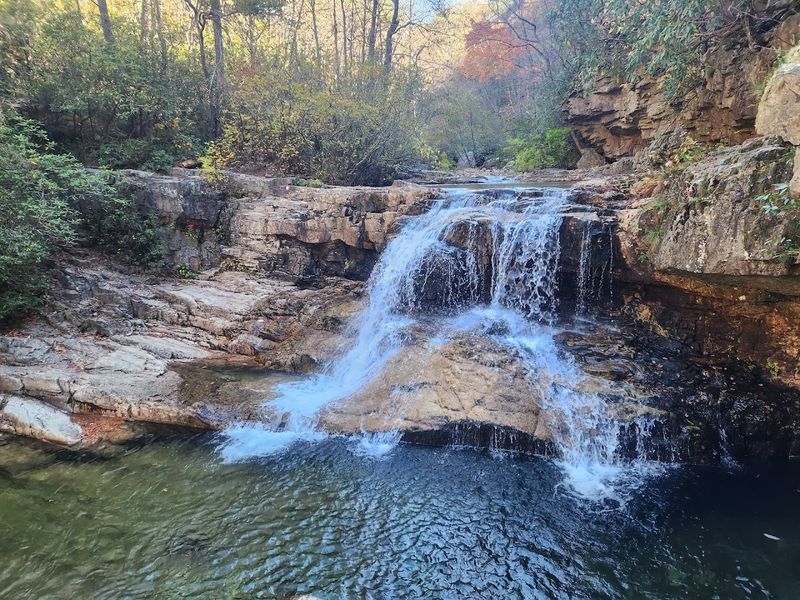
Few natural spectacles in Virginia match the sight of mountain laurel and rhododendron exploding into bloom inside a mountain gorge. At St. Mary’s Wilderness, these flowering shrubs line the trail walls in dramatic fashion, turning an already beautiful hike into something that feels almost surreal.
Late spring is the prime window for catching these blooms at their most vibrant. The gorge channels the fragrance beautifully, and the pink and white blossoms reflect off the river surface below, creating a double dose of color that stops hikers mid-stride.
Honestly, the gorge in bloom season is one of the most photogenic spots in all of Augusta County.
Rhododendrons here grow impressively large, their gnarled trunks forming natural arches over the trail in several sections. Walking beneath a canopy of blooming rhododendron while the river rushes beside you is a full sensory experience that no photograph completely captures.
Plan a late May or early June visit specifically to catch peak bloom. St. Mary’s Wilderness transforms during this season into something almost otherworldly, and Virginia’s mountain wildflower season is genuinely one of nature’s best free shows anywhere on the East Coast.
Crystal-Clear Swimming Holes Along the Way to the Falls
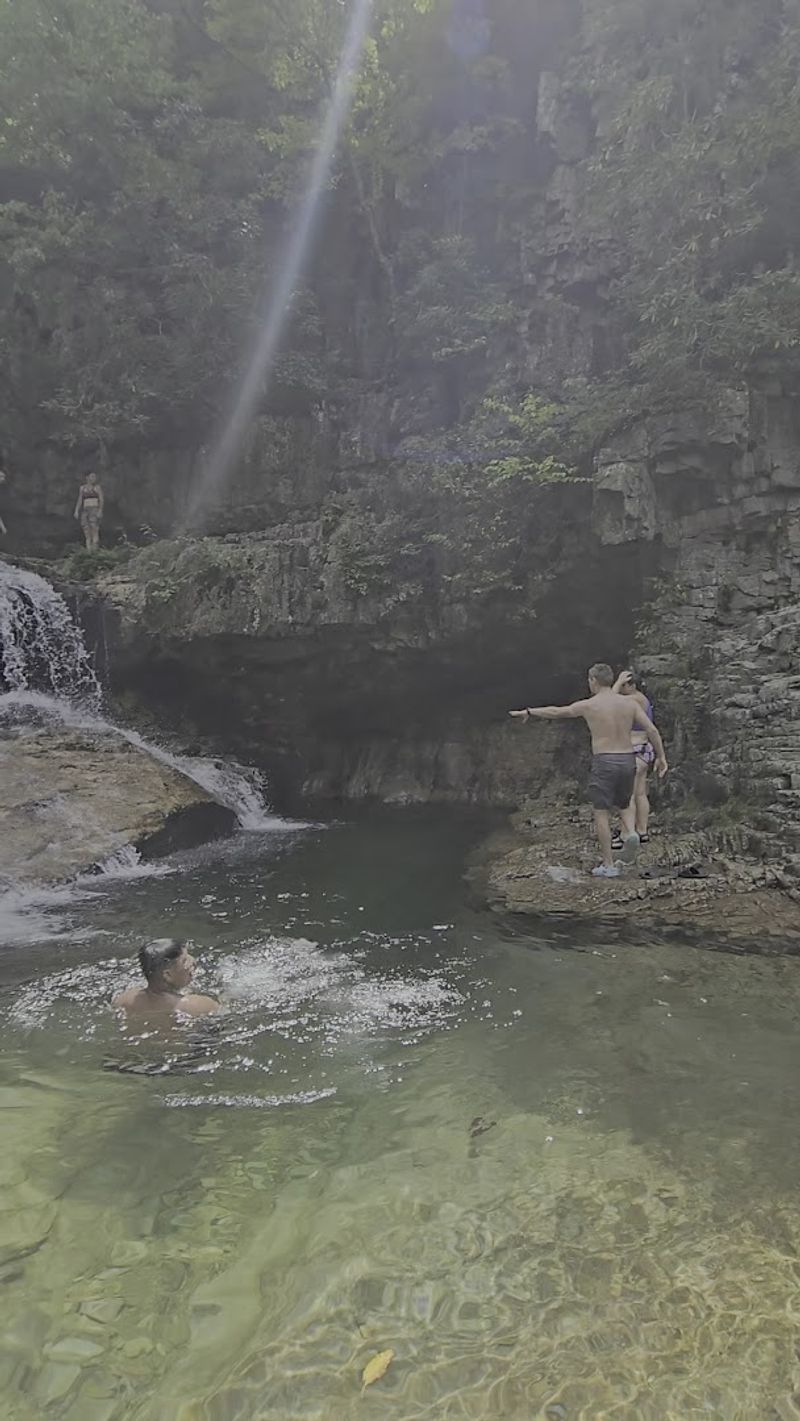
The main waterfall gets all the glory, but the swimming holes scattered along the Saint Mary’s River trail deserve their own standing ovation. Multiple deep, clear pools appear throughout the hike, each one more inviting than the last.
Arriving at the main falls having already passed three or four gorgeous swim spots feels like winning a lottery you did not even know you entered.
The water runs remarkably clear here, fed by mountain springs and filtered through layers of rock and forest. On a hot summer day, dunking into one of these pools mid-hike is an experience that resets your entire mood.
Cold, clean, and completely refreshing, these natural swimming holes are the trail’s best-kept open secret.
Families tend to claim their favorite pools early, spreading out towels on flat rocks and letting kids splash around while parents rest their feet. The vibe is relaxed, joyful, and completely unplugged from the noise of everyday life.
St. Mary’s Wilderness offers this kind of uncomplicated, pure outdoor joy that is increasingly rare to find. Virginia’s wild spaces shine brightest on days like these, when cold water and warm sunshine are the only agenda items worth keeping.
Rugged Rocky Terrain and Gorge Hiking Experience
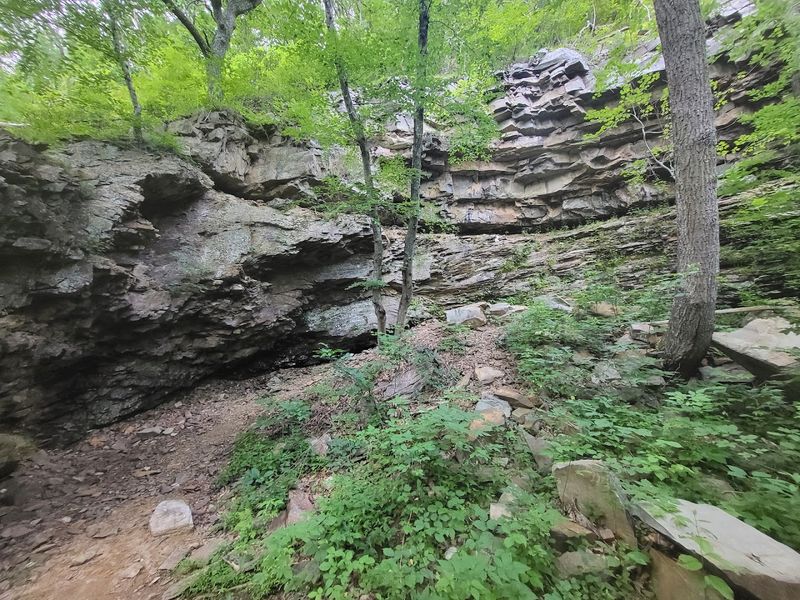
St. Mary’s Wilderness does not pamper you, and that is exactly the point. The trail is genuinely rocky in stretches, with exposed tree roots, uneven footing, and sections where the path hugs tight against the gorge wall.
It keeps you honest, focused, and deeply present in a way that smooth, paved paths simply cannot.
The gorge itself is the dramatic backbone of the whole experience. Towering rock walls frame the river corridor, and in certain spots, the canyon narrows enough to feel genuinely wild and remote.
The geological character of this Virginia landscape is striking, shaped by millions of years of water cutting through ancient rock.
Trekking poles are a smart addition to your gear list, especially on the return trip when tired legs meet slippery rocks. Solid ankle support from proper hiking boots makes a real difference on the more technical sections near the upper gorge.
First-time hikers should not be discouraged. The trail is rated moderate, and most healthy adults can complete it with reasonable preparation.
The challenge is part of the reward. St. Mary’s Wilderness earns its wild reputation one rocky, root-crossed, gloriously imperfect step at a time.
Wildlife and Biodiversity in Augusta County’s Wild Heart
Augusta County’s wild heart beats loudly inside St. Mary’s Wilderness, and the wildlife here reflects the health of a truly protected ecosystem. White-tailed deer move quietly through the hardwood forests at dawn and dusk.
Black bears, wild turkeys, and a rich variety of songbirds call this wilderness home year-round.
Birdwatching along the river corridor is particularly rewarding. The dense riparian vegetation attracts warblers, thrushes, and flycatchers in impressive numbers during migration season.
Early morning hikes in spring and fall offer the best chances of catching these colorful visitors darting through the undergrowth.
Aquatic life in the Saint Mary’s River is another highlight. The clear, cold water supports native brook trout, and fishing is permitted within the wilderness area.
Watching a trout dart through a sunlit pool is one of those small, perfect moments that wilderness areas deliver so effortlessly.
Virginia takes wilderness conservation seriously, and the results speak for themselves inside St. Mary’s Wilderness. The biodiversity here is a direct product of thoughtful protection and minimal human interference.
Every creature, from the smallest salamander to the largest black bear, thrives in this carefully preserved corner of the Appalachians.
Camping and Overnight Adventures in the Wilderness
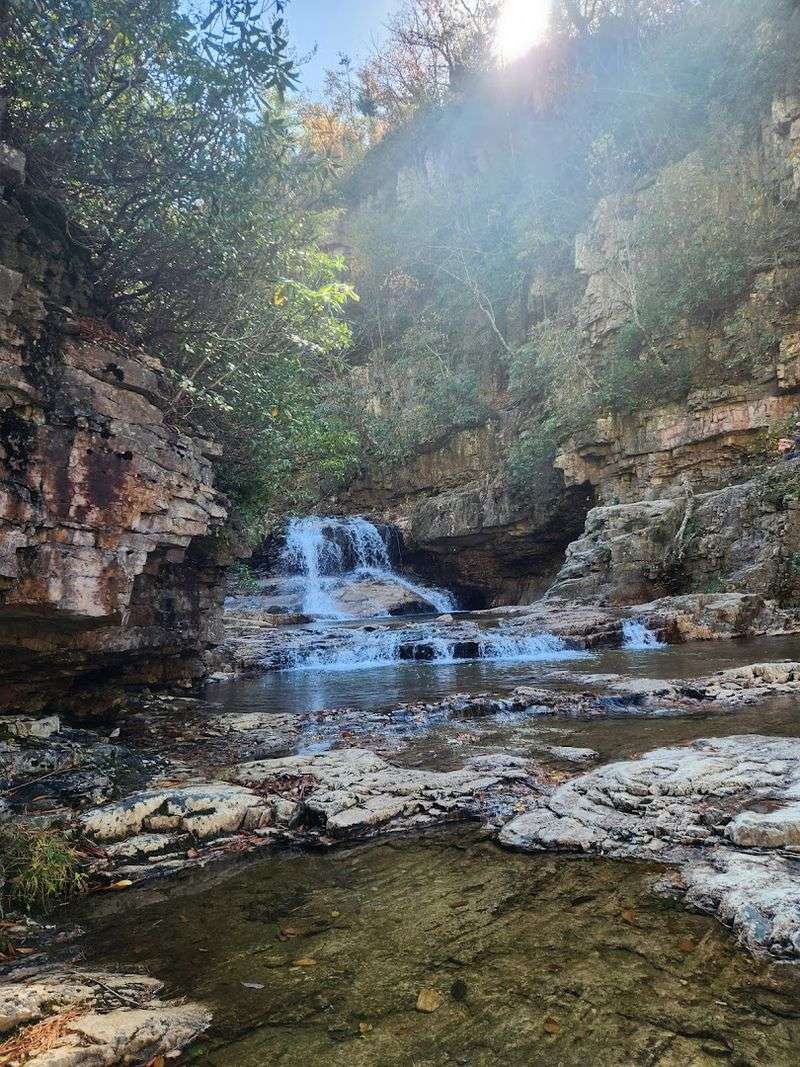
Spending a night inside St. Mary’s Wilderness is a completely different experience from a day hike, and a far more memorable one. The forest after dark takes on a whole new personality.
Owls call across the ridges, the river narrates the night in constant rushing murmurs, and the stars above the gorge are outrageously bright without any light pollution to compete.
Backcountry camping is permitted throughout most of the wilderness, with the key restriction being that you must camp at least five hundred feet from the parking area and five hundred feet from the main waterfall. That rule nudges campers deeper into the forest, which honestly makes for better sites anyway.
Carrying in all your water and packing out all your trash is the standard expectation here. Leave No Trace principles are not suggestions at St. Mary’s Wilderness.
They are the foundation of keeping this place extraordinary for every future visitor who follows your footsteps.
Waking up beside the Saint Mary’s River with morning mist curling off the water is the kind of experience that recalibrates your entire relationship with nature. Virginia wilderness camping does not get better than this.
Getting There and Planning Your Perfect Visit
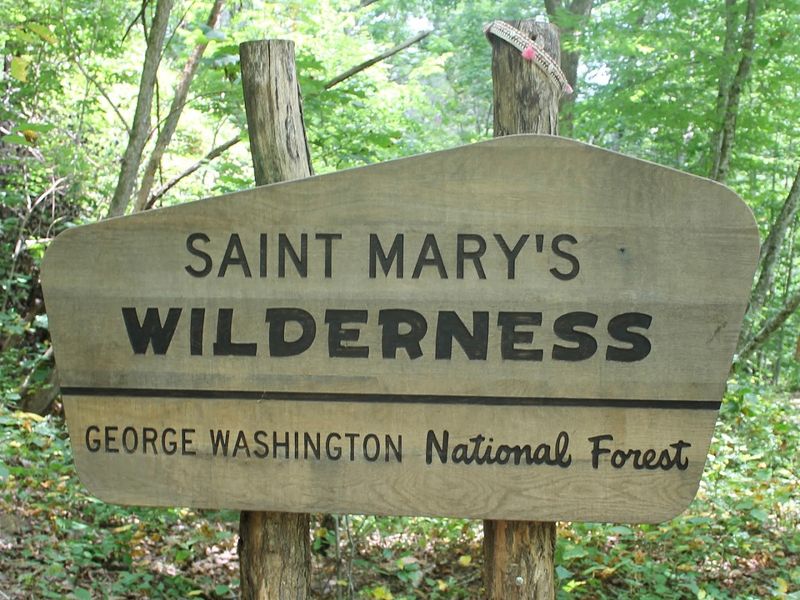
Finding St. Mary’s Wilderness requires a bit of commitment, and that commitment begins to feel like anticipation the moment you turn off the main road onto Saint Mary’s Road (Forest Road 41). The address to aim for is Raphine, VA 24472, and the trailhead sits at the end of the forest road with a decent-sized parking area that fills up fast on summer weekends.
From Interstate 81, take Exit 205 toward Raphine and follow the signs through a series of rural routes toward Vesuvius. After crossing the South River Bridge, turn left onto SR 608, follow it past the railroad trestle, and then turn right onto Saint Mary’s Road.
The drive through Augusta County farmland and foothills builds the excitement perfectly.
Arrive early on weekends, especially in summer. The parking lot reaches capacity by mid-morning, and a full lot means a crowded trail.
Weekday visits offer a noticeably quieter experience. The wilderness is open every day, all year round, making shoulder season visits in spring and fall particularly magical.
St. Mary’s Wilderness rewards visitors who plan ahead, pack smart, and arrive with genuine respect for the wild. Virginia’s best outdoor experiences always go to those who show up prepared and stay curious.
Dear Reader: This page may contain affiliate links which may earn a commission if you click through and make a purchase. Our independent journalism is not influenced by any advertiser or commercial initiative unless it is clearly marked as sponsored content. As travel products change, please be sure to reconfirm all details and stay up to date with current events to ensure a safe and successful trip.
