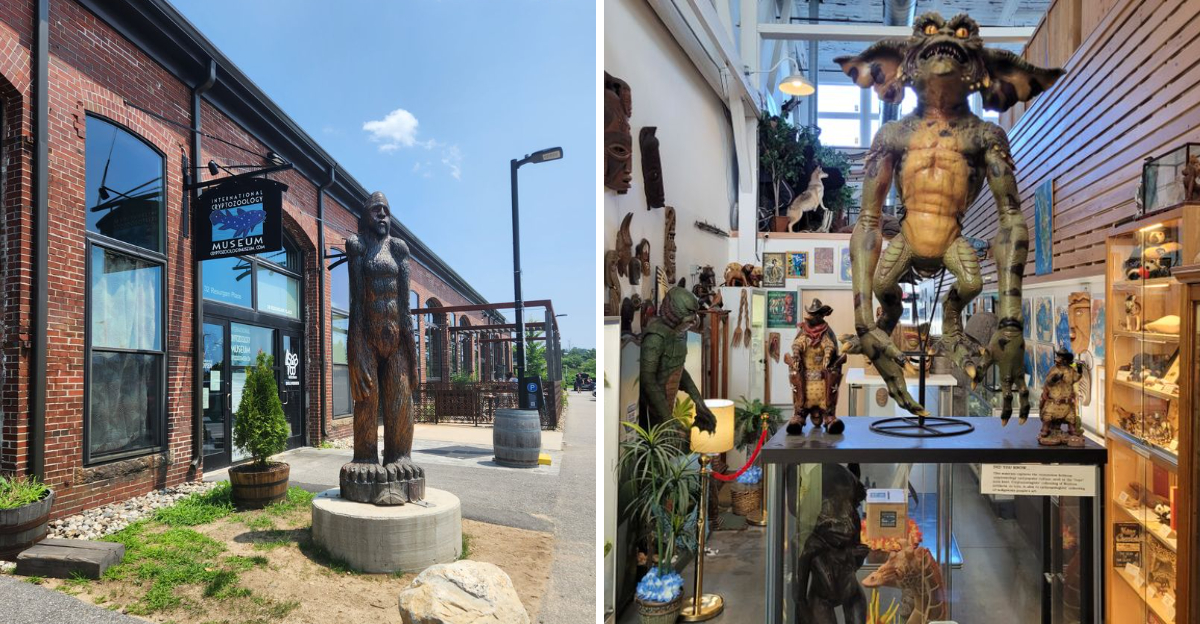
You step onto Resurgam Place and feel a ripple of curiosity, because this little Portland gem promises encounters with legends that refuse to fade. Inside, Bigfoot footprints, sea serpent sketches, and archival oddities collide with careful research that keeps the wonder grounded.
The International Cryptozoology Museum blends serious fieldwork with playful imagination, inviting you to compare folklore with testable evidence.
Maine sets the mood with foggy harbors, deep forests, and a coastline that seems to whisper stories.
You will leave looking at every shadow with new respect.
A welcoming doorway into wonder
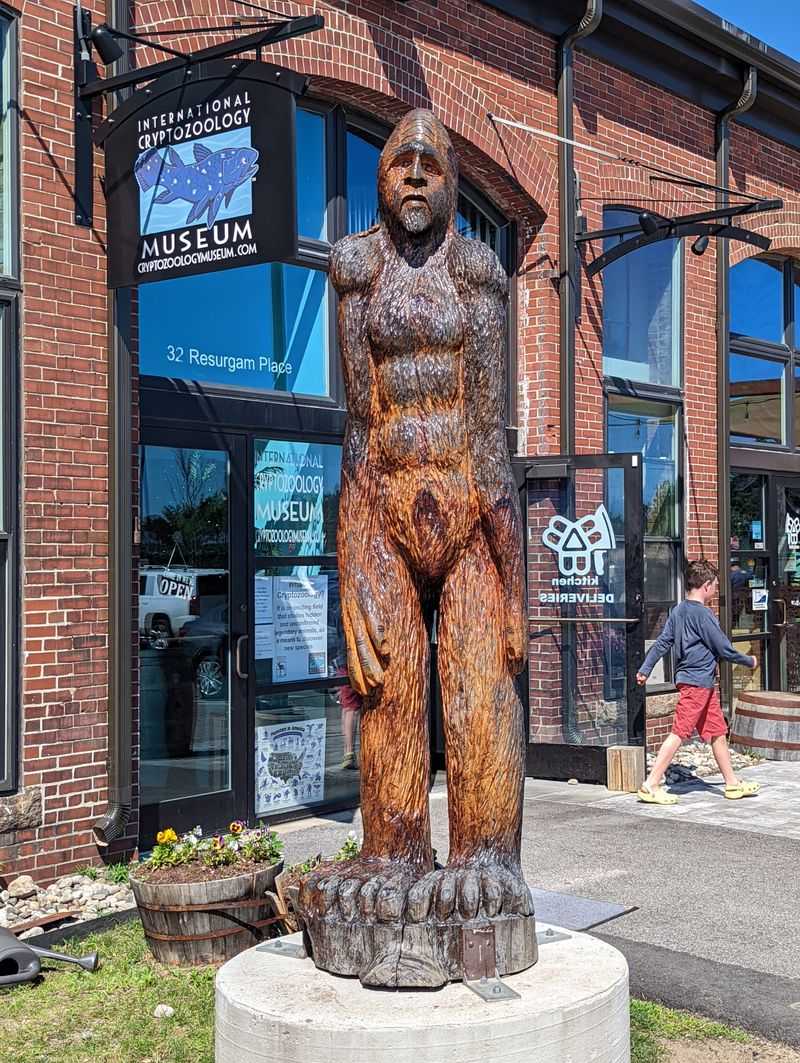
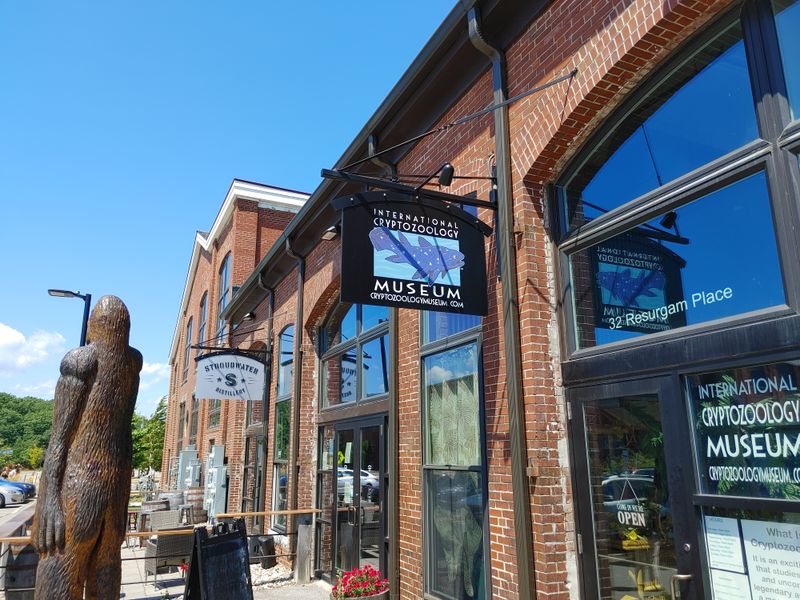
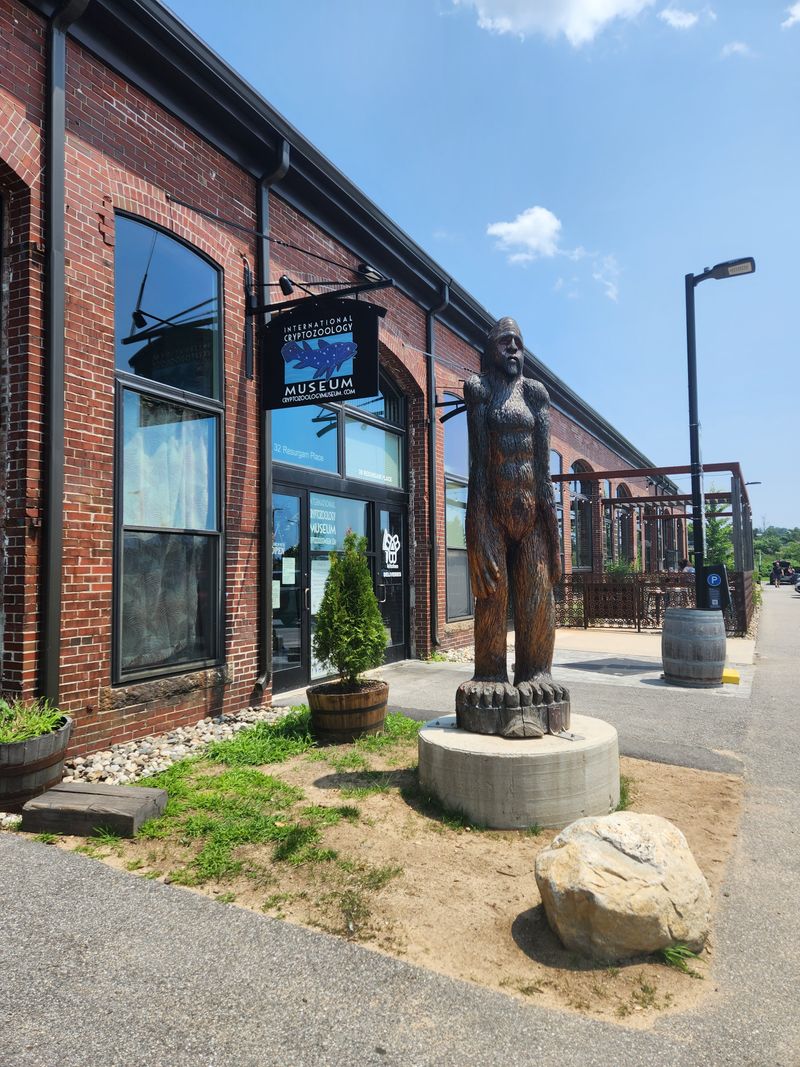
Walk up to 32 Resurgam Pl, Portland, ME 04102, and the museum exterior gives you a friendly nudge toward mystery.
The entrance feels like a portal where history, folklore, and field notes mix into a single conversation you can join at your own pace.
You notice the modest footprint and realize the focus is on stories, artifacts, and the spark of discovery rather than spectacle.
Staff greet you with a clear overview of the galleries, pointing out rotating displays and highlighting seasonal features tailored to Maine visitors.
Hours stretch from 10 AM to 6 PM daily, which makes planning easy if you are pairing a visit with nearby Portland walks or harbor views.
You can confirm details on the official website, where special events and closures are posted with practical travel advice.
The first room sets the tone, mixing maps, casts, and case files that steer you between skepticism and curiosity without pushing either extreme.
You see labels that cite sources, dates, and locations, which helps you track how stories evolve as evidence accumulates.
The curation favors clarity, so even young visitors can follow the difference between a legend and a documented sighting.
Maine appears again and again in captions, reminding you that local woods and waters shape the region’s identity and its mythic life.
Photography policies are posted plainly, so you can plan a respectful photo sweep of exteriors, displays, and ambiance.
Benches and compact aisles make the space manageable when crowds gather, especially on weekends and school breaks.
As you move forward, the museum invites questions without promising final answers, which keeps every corner feeling alive.
You sense a playful atmosphere that never drifts from accuracy, and that balance becomes the signature of the experience.
By the time you pass the threshold, your pace slows, and the ordinary city street outside starts to feel a little enchanted.
Bigfoot casts and field lore
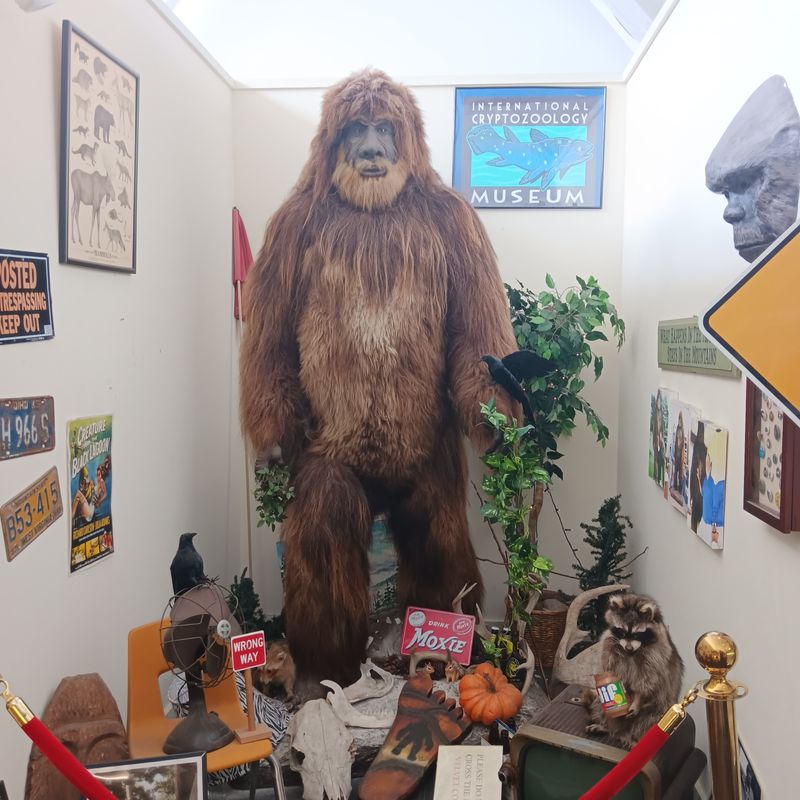
The Bigfoot section draws you in with plaster casts that sit like puzzle pieces waiting to be compared and debated.
Each cast is labeled with dates, locations, and collectors, giving you a timeline that feels surprisingly methodical and refreshingly transparent.
You can lean in and study dermal ridge impressions where visible, then step back and weigh how these details fit into broader patterns.
Panels explain how hoaxes are identified, reminding you that healthy skepticism is part of the museum’s philosophy and practice.
Other panels track witness testimony, field expeditions, and the evolution of techniques used to document unusual footprints.
Seeing these threads side by side makes the conversation practical, grounded, and open to new information without losing discipline.
Regional maps highlight reported sightings across North America, with Maine forests mentioned when relevant but not exaggerated.
There is a nod to classic Pacific Northwest lore, yet the focus stays on evidence handling, chain of custody, and context.
You are encouraged to compare stride measurements and substrate conditions rather than chase sensational takes or instant conclusions.
Interactive elements are simple, inviting you to match track sizes with hypothetical gait scenarios drawn from field methods.
You leave with a toolkit for evaluating claims, which feels like a travel souvenir for your brain as you roam Maine trails.
Exhibit captions credit researchers and collectors properly, modeling good citation behavior that strengthens public trust.
The museum does not declare verdicts, instead offering a clear way to ask better questions about prints and patterns.
That approach helps families, students, and seasoned hobbyists share the same space without talking past each other.
By the exit, you notice a small reference shelf that suggests articles for continued reading and deeper comparison work.
Sea serpents and coastal imagination
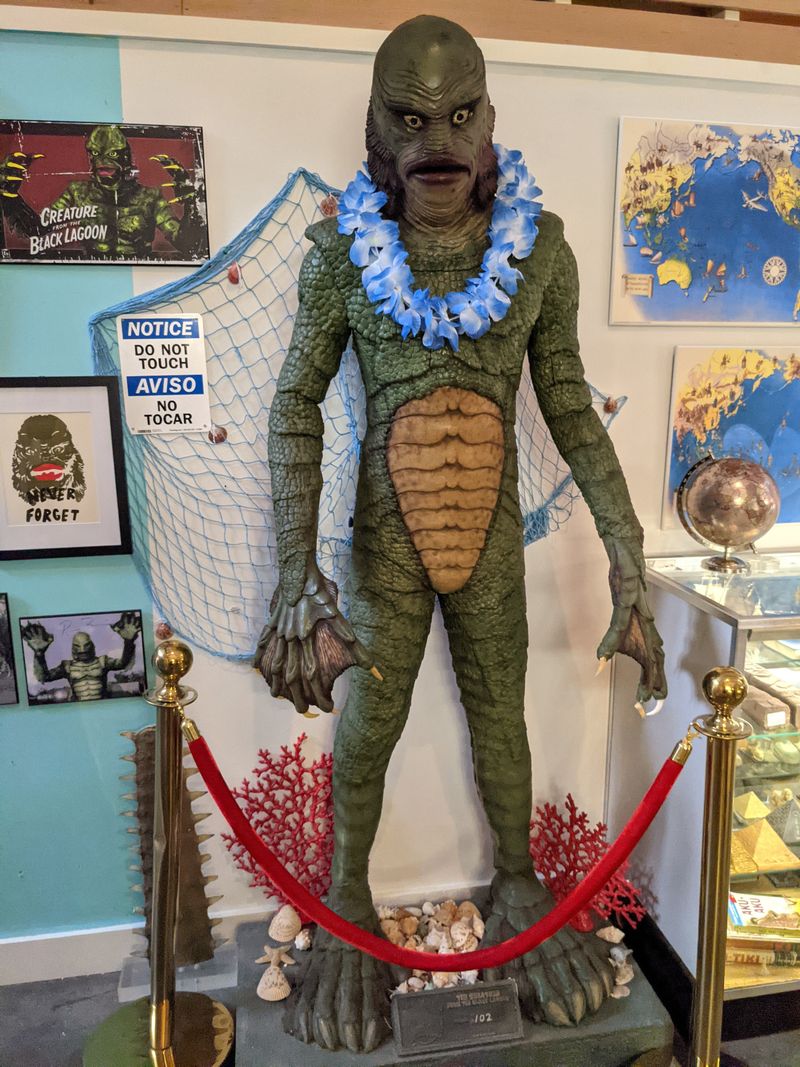
The sea serpent gallery floats you into a world of tide lines, periscope shapes, and long backed silhouettes that haunt old reports.
Historic clippings line the walls beside nautical charts, which helps you anchor stories to real currents and shipping lanes.
The effect feels like stepping inside a small coastal archive that happens to breathe with waves and rumor.
Labels draw a careful line between verified marine biology and lore, describing known animals that could account for classic sightings.
You see explanations of optical effects, wave trains, and floating debris, which offer grounded alternatives to dramatic sketches.
Those alternatives do not drain the magic, because the ocean always keeps a few cards face down.
Maine’s long coastline enters the narrative through lighthouse references and harbor notes that make the stories feel lived in.
Original art captures the mood of foggy mornings when shapes stretch and compress, inviting misreadings from anxious crews.
There is a small station that compares eyewitness timelines with tide tables, letting you test how conditions shape memory.
Ship logs and museum sourced reproductions show how phrasing changed across decades, which subtly shifts expectations.
You can pause on a bench and watch looped clips of waves that trick the eye into seeing hinged backs and sliding heads.
The curators keep the pace gentle, so families can read together and point out details without feeling rushed.
By the end, you hold two truths at once, that the ocean births legends, and that careful observation filters them.
You step into the next room with a richer sense of how coasts, culture, and attention weave reality.
It all makes the next walk along Portland’s waterfront feel sharper, as every ripple hints at a patient story.
Loch Ness, lake lore, and comparisons
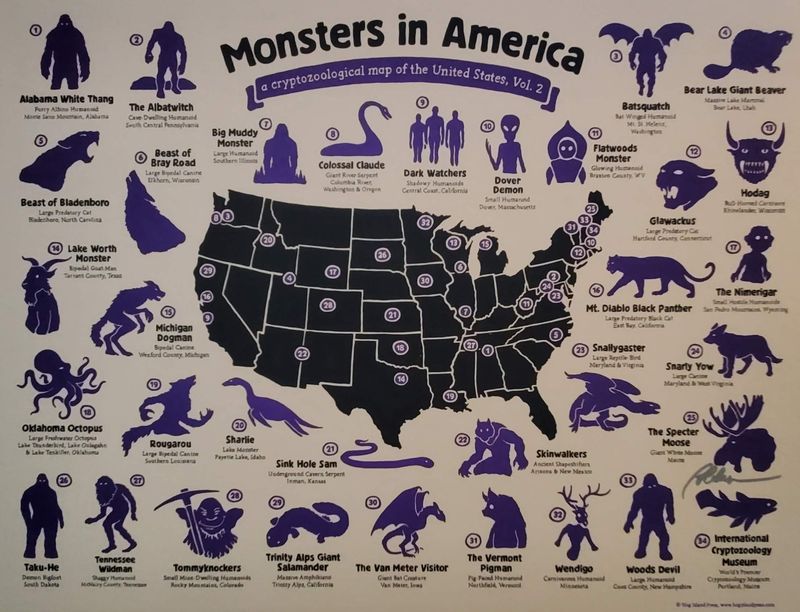
This section offers a side by side look at Loch Ness materials and North American lake monster lore, including classic Maine references.
Maps show bathymetry and visibility issues, inviting you to compare lake structures that influence what observers report.
Photo timelines trace how iconography evolved as cameras improved, while text examines known misidentifications.
There is a careful walk through the famous 1934 photo, with historical notes and modern critiques placed in plain view.
You can try a perspective activity that changes scale and distance on a lake scene, revealing how heads appear where waves meet light.
Analytical charts highlight seasonal spikes in reports, often tied to tourism patterns, boat traffic, and weather.
A Maine focused panel collects regional sightings around deeper lakes, presented as local stories rather than verified records.
The exhibit separates rumor, legend, and documented phenomena, so you always know which shelf a claim rests on.
Audio clips share interviews with shoreline residents who describe unusual wakes and shapes that slip under in seconds.
Researchers quoted here maintain that data hygiene matters, urging careful logging of distances, angles, and lens types.
You come away seeing how lake environments create recurring illusions that feel startlingly consistent across continents.
The layout remains friendly, with kid height captions that summarize key terms like thermocline and glare.
Standing there, you feel respect for witness sincerity while appreciating the role of patience and replication.
Portland’s proximity to varied lakes gives context, making it a good base for field inspired day trips in Maine.
On leaving, you realize the fun lies in comparing places and methods rather than chasing a single silver bullet.
Mermaids, myths, and maritime art
The mermaid corner balances sailor superstition with art history, letting you explore how mythology rides alongside real navigation.
Historic prints sit near scrimshaw reproductions and folk carvings, each paired with notes that date and source the imagery.
The tone is curious rather than credulous, which keeps the conversation respectful to tradition and fair to science.
Panels discuss manatees and seals as likely inspirations, explaining how stress, distance, and dusk shape perception.
You see how trade routes and port life boosted certain motifs, which then fed back into songs and stage shows.
A small display maps traveling circuses and cabinets of curiosity that popularized mermaids across centuries.
Maine gets a hat tip through coastal artistry and regional tales that celebrate working watermen and their tall stories.
There is an emphasis on gendered imagery, showing how beauty standards and morality plays influenced these depictions.
Kids enjoy a silhouette wall that turns profiles into playful sea shapes without leaning on special effects.
Adults can read about taxidermy hoaxes, with careful language that separates confirmed fabrication from ambiguous cases.
The design encourages a slow walk, letting you notice paint textures, line work, and the way legends travel with people.
You leave mindful that folklore is a living archive, shaped by ports, print shops, galleries, and family memory.
This room reinforces the museum’s larger theme, that wonder thrives when context and curiosity share the stage.
On the way out, you glance back at a quiet corner where a ship’s bell painting catches the same soft light again.
It feels like a small wave that lingers inside you, asking for one more circuit before you step into Portland air.
Field tools, methods, and skepticism
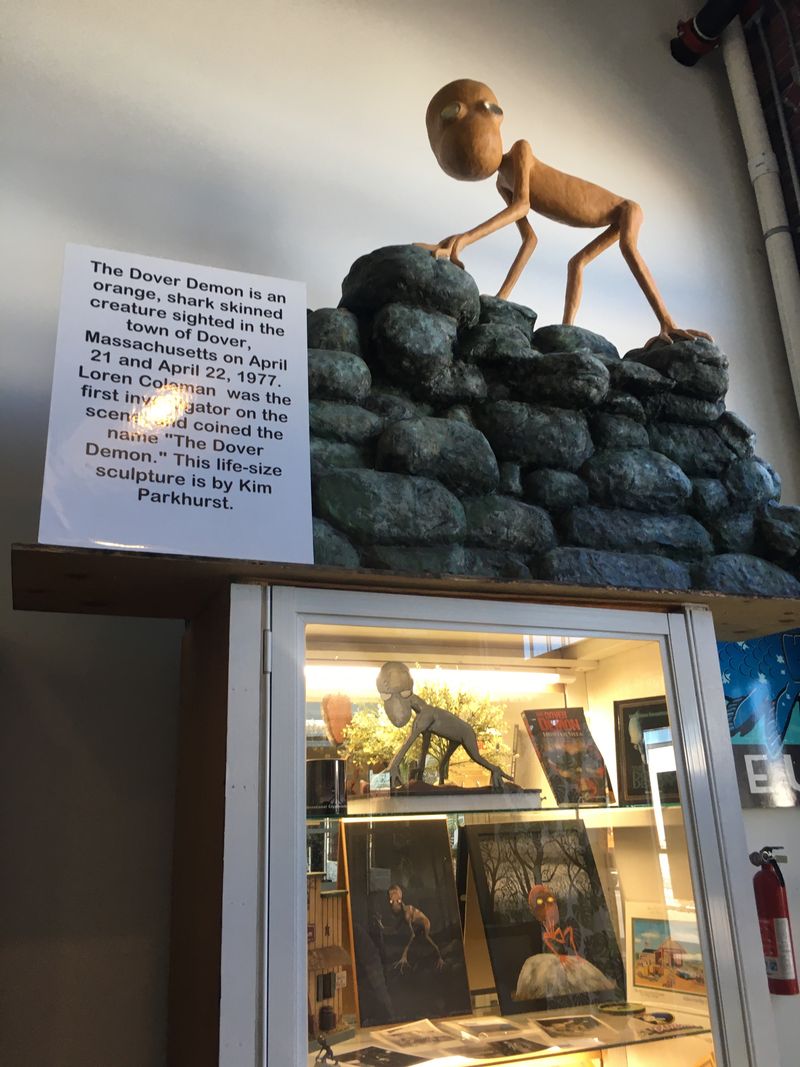
One gallery focuses on the craft of investigation, placing tools and methods beside notes that explain how claims are tested.
You see casting kits, measuring tapes, GPS units, and logbooks, all arranged to tell a step by step story of field work.
Audio recorders and parabolic microphones sit near explanations about verification, calibration, and environmental noise.
Maps show how search grids are planned, while captions outline ways to avoid contaminating prints and biological samples.
The museum stresses repeatable procedures, which trains your eye to separate a good lead from a dramatic tale.
Skepticism is framed as curiosity with guardrails, rather than a blunt dismissal of anyone who reports something odd.
Sample labels walk through chain of custody, including dates, handlers, and storage practices that protect integrity.
You can try a mock survey where you estimate distances and record times, then compare your notes to a reference set.
The exercise reveals how memory compresses events, which explains why detailed logs outweigh quick recollections.
This room draws students, hikers, and science fans who appreciate a balanced approach rooted in practical steps.
Maine parks and trails get a mention as training grounds, though the advice stays general and focused on safety.
Clear signage reminds you to respect private land and local regulations when curiosity pulls you off the main path.
The mood stays upbeat and collaborative, showing how careful practice can welcome new voices without lowering standards.
By the end, you hold a simple lesson, that slow methods often reveal more than fast convictions.
It is the kind of takeaway that travels home with you, ready to guide your next curious walk anywhere.
Cabinets of curiosities, old and new
A compact room recreates cabinets of curiosities, placing oddities and replicas in handsome cases that invite slow looking.
You find labeled specimens and archival photos, organized to show how collecting shaped the public imagination of the unknown.
There is attention to provenance, with notes on what is original, what is reproduction, and why that choice matters.
The mix includes cultural artifacts connected to legends, presented with respect and concise context.
You see how earlier collectors sometimes overreached, which is addressed honestly through cautionary captions.
That honesty does not dull the excitement, because the staging is theatrical in a gentle, informative way.
Lighting forms small pools that make every drawer feel like a stage set, encouraging patient curiosity.
The museum uses this space to talk about ethics, including permissions, loans, and respectful display of sensitive items.
Visitors learn to recognize the difference between curiosity as a spark and curation as a responsibility.
QR codes link to essays and museum updates, offering deeper dives without crowding the cases.
You may notice how Maine stories sit beside global threads, reminding you that local and worldwide curiosities speak to each other.
Children peek into low drawers while adults read long form labels, and both rhythms feel welcome.
There is no rush, so you can trace a single artifact from origin to exhibit with a clear narrative path.
By the exit, a small panel thanks lending institutions and outlines conservation steps that protect fragile materials.
The result is a thoughtful blend of wonder and stewardship that sets the tone for the rest of your visit.
Founder focus and museum mission
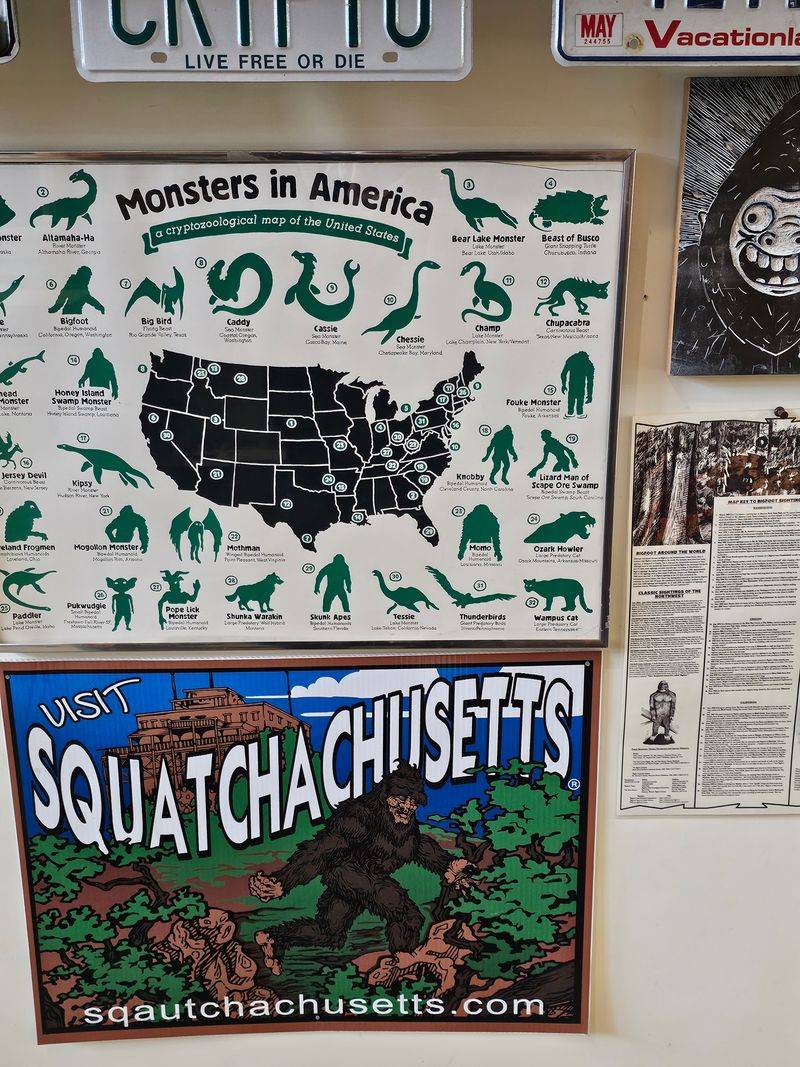
A dedicated corner introduces the museum’s founder and traces the mission from early collecting to a public facing institution.
You read a timeline that threads personal fieldwork with the growth of exhibits, publications, and community programs.
The emphasis is on education and documentation, using clear language that favors transparency over mystique.
Photos show small beginnings, pop up displays, and the shift to permanent galleries that now anchor the experience.
A mission statement outlines goals like preserving reports, encouraging critical thinking, and supporting respectful dialogue.
Quotes from interviews appear alongside cover images of books that helped frame cryptozoology for general audiences.
You can scan a code to see recent updates, event calendars, and volunteer opportunities tied to ongoing projects.
The wall text never overclaims, acknowledging debate while focusing on the value of careful curation and access.
Mentions of Maine ground the story in place, linking the mission to regional landscapes that inspire field interest.
There is a visitor board where you can pin questions or note connections to classes, clubs, and libraries.
Staff occasionally stand nearby to answer practical questions about research requests and museum policies.
This area also explains how donations and memberships keep lights on, exhibits fresh, and archives maintained.
You leave with a clear sense that curiosity can be nourished within a framework that respects evidence and people.
The tone stays warm and inviting, which helps first timers feel welcome and returning guests feel part of the project.
It becomes a compass for the rest of your visit, guiding how you read labels, consider claims, and share stories.
Family friendly routes through the galleries
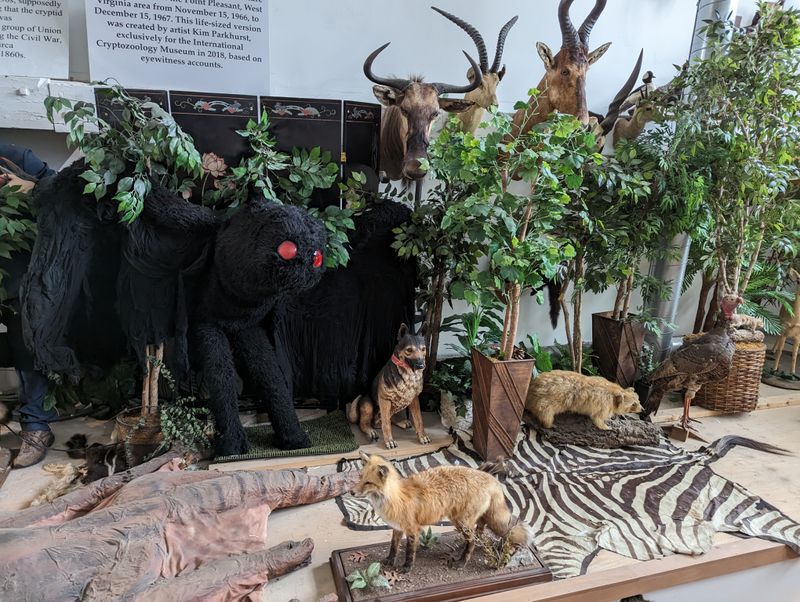
Navigating the museum works best when you follow a simple loop that starts near the front desk and flows clockwise.
Wayfinding signs keep the pace smooth, pointing toward sections with casts, sea stories, and research tools.
Benches appear at smart intervals, giving kids and grandparents gentle places to rest between curiosity sprints.
Interactive stops are short and sturdy, which suits small hands and limits bottlenecks on busy afternoons.
Captions use plain English without losing nuance, so mixed age groups can learn together in real time.
Staff offer tips about timing, suggesting quieter windows in the late morning and early evening on weekdays.
Strollers fit through the main aisles, and small cubbies near the entrance help keep things tidy.
Photography is allowed in many spots, but signs ask you to skip flash and respect other visitors.
Families appreciate the straightforward flow that keeps surprises ahead while avoiding backtracking.
The museum sits close to Portland highlights, which makes it easy to pair with parks, bookstores, and waterfront strolls.
Maine weather can change quickly, so this stop works as a flexible anchor around which you can pivot plans.
There is a simple approach to sensitive material, with content notes placed before any potentially intense images.
That clarity helps kids make choices and gives adults a moment to frame the next conversation.
You finish the loop feeling energized rather than overwhelmed, which is the mark of careful visitor design.
The exit returns you to the shop and desk, where you can check hours, updates, and any newly added displays.
Gift shop with brains and charm
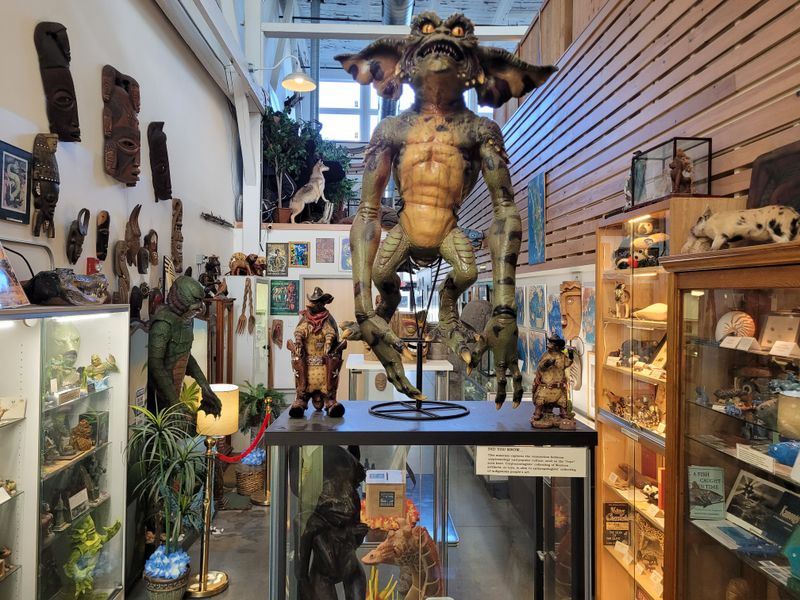
The shop near the exit blends smart reading with playful keepsakes, which makes it hard to leave empty handed.
You find books that range from academic overviews to approachable primers, each selected to extend the exhibits.
Postcards, patches, and tasteful prints offer low key mementos that travel well in day bags and carry ons.
Educational kits focus on observation and note taking rather than gimmicks, which fits the museum’s ethos.
There are regionally themed items that nod to Maine without sliding into stereotypes or overused icons.
Staff can steer you toward titles that match your interests, whether you love marine mysteries or forest lore.
Prices feel fair for a small institution, and purchases support conservation, programming, and new displays.
A small rack highlights recent publications by researchers whose work appears in the galleries.
You can also pick up postcards featuring the building at 32 Resurgam Pl, Portland, ME 04102, which makes a tidy souvenir.
The layout is uncluttered, so browsing is calm even when several people are comparing options at once.
Signs remind you to skip food and drink inside the galleries, which keeps artifacts safe and aisles clear.
Limited edition prints appear seasonally, rewarding return visits and keeping the selection fresh.
Everything circles back to curiosity, from field notebooks to simple magnifiers that invite close looking.
By the register, a small placard explains how memberships help sustain educational programs for schools.
You head out feeling like your purchase continues the adventure, tucked beside your map and next plan.
Dear Reader: This page may contain affiliate links which may earn a commission if you click through and make a purchase. Our independent journalism is not influenced by any advertiser or commercial initiative unless it is clearly marked as sponsored content. As travel products change, please be sure to reconfirm all details and stay up to date with current events to ensure a safe and successful trip.
