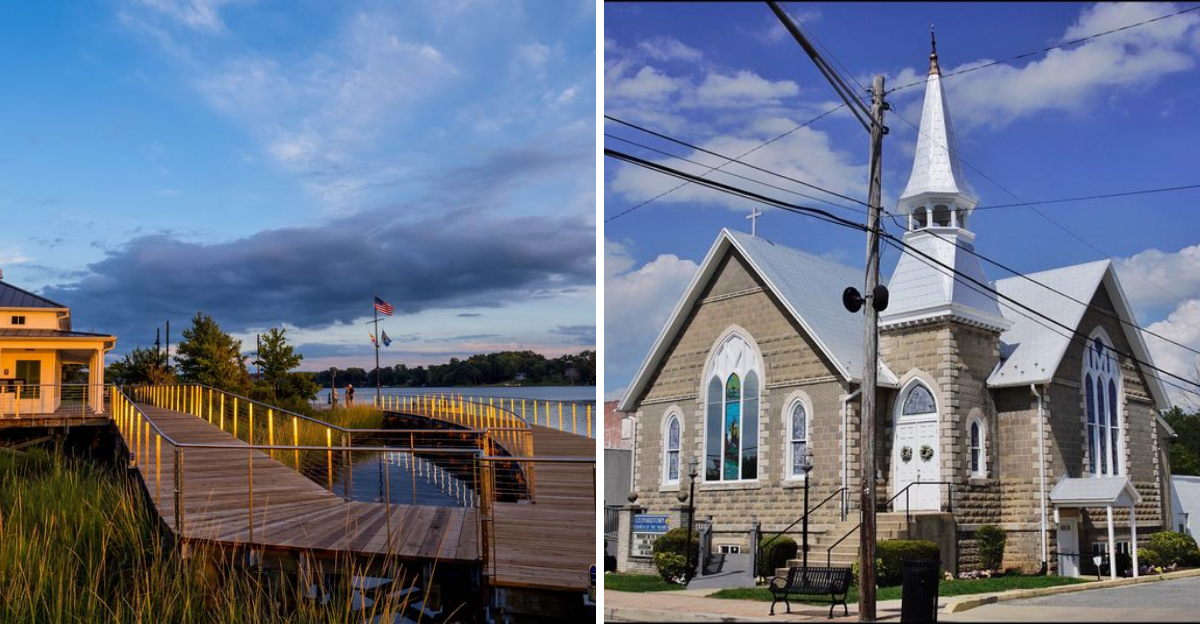
Not every Maryland waterfront getaway needs a giant boardwalk, packed beach, and three souvenir shops selling the same T-shirt.
This small town offers a much quieter formula, with a traditional town center and a waterfront park where visitors can stroll the boardwalk, launch a kayak or paddleboard, tie up a boat, or simply sit near Breton Bay and do absolutely nothing productive for a while.
Its population remains just over 5,000, which helps explain why the place can feel refreshingly small compared with Maryland’s better-known coastal destinations.
For travelers who prefer discovering a waterfront town before it starts feeling like everybody else’s weekend plan, this is exactly the kind of low-key Maryland escape that deserves more attention.
A Bayfront Setting That Feels Miles From Anywhere
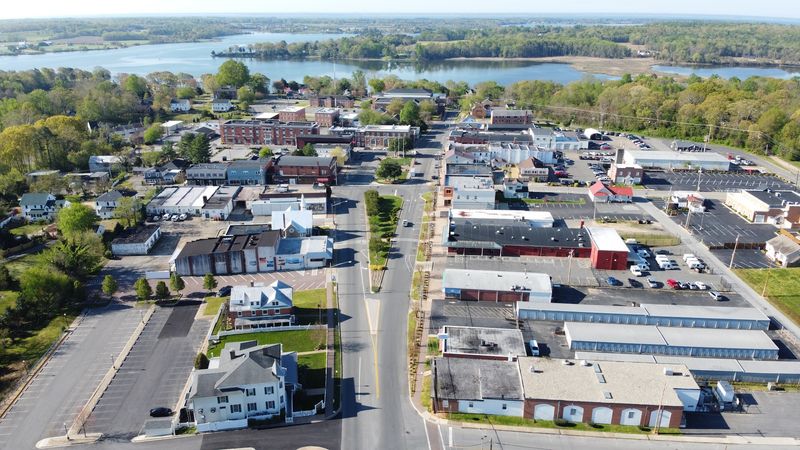
Breton Bay does something unusual to a person’s sense of time. The water sits flat and wide at the town’s edge, boats drift slowly toward their slips, and traffic noise simply does not exist.
Leonardtown is not an ocean town, which is exactly why it stays quiet. It sits at the headwaters of Breton Bay, a branch of the Potomac River system, so the water is sheltered and calm rather than crashing and loud.
Locals often call it a hidden beach town because the shoreline access, the boat traffic, and the salty air deliver a coastal mood without the boardwalk chaos of larger resort towns.
Population numbers help explain the peace. The 2020 census recorded 4,563 residents, and recent estimates place the figure near 5,153, which is growth measured in hundreds rather than thousands.
Plan an arrival in the late afternoon. Light across Breton Bay turns gold roughly an hour before sunset, and the bench seating near the water fills up slowly, if at all.
Parking is generally free and easy, another small luxury that disappears in busier coastal destinations. Walking shoes matter more than a car here, since the waterfront, the square, and most shops sit within a compact stretch.
Visitors who prefer stillness over spectacle tend to fall for the place quickly. There is no ticket booth, no entry line, and no rush, just water, sky, and a town small enough to learn in a single afternoon.
Colonial Roots Dating Back to 1708

Few towns in Maryland can claim a founding date this early. Leonardtown was established in 1708 under the name Seymour Town, then renamed Leonard Town in 1728 to honor Benedict Leonard Calvert, Maryland’s governor at that time.
Long before highways reached this corner of the state, the town operated as a busy port and steamboat landing. Goods, mail, and passengers arrived by water, and the wharf served as the front door to all of St. Mary’s County.
Conflict touched the town more than once. British Marines invaded during the War of 1812, and Union Naval forces later occupied Leonardtown during the Civil War because of the area’s Southern sympathies.
That layered past still shows up in the architecture. Buildings from the mid-1800s through the early 1900s line the streets in Folk-Victorian, Federal, Gothic, Picture Box, and Colonial styles, often standing side by side on the same block.
The county courthouse anchors the Town Square, and the surrounding streets reward slow walking. Look up at rooflines, window trim, and old doorways, since the details tell the story better than any plaque.
Leonardtown has held the role of county seat continuously, which is part of why the historic core survived intact instead of being replaced by strip development.
Bring a camera and comfortable footwear. A loop through the historic district takes under an hour, though history fans routinely spend far longer reading markers and studying the older facades.
Leonardtown Wharf Park, Where the Town Meets the Water
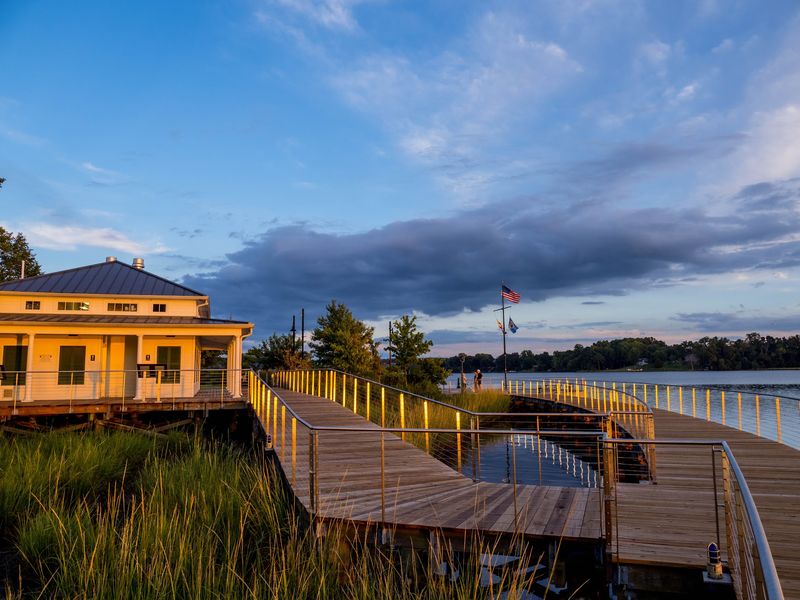
Everything in town seems to lead downhill to the wharf. Leonardtown Wharf Park spreads along Breton Bay with a boardwalk, a floating dock, boat slips, open lawn, and a playground for restless kids.
Views from the boardwalk stretch across the water in a broad panorama, and the dock puts visitors close enough to hear small waves slapping the pilings. Benches are positioned for exactly that purpose.
Sunset cruises depart from the wharf, offering a low-effort way to see the bay from the middle rather than the shore. Boaters can tie up at the slips and walk into town for a meal.
Families tend to settle in for a while. The playground sits close to the water, so parents can watch the bay and their children at the same time, and the flat paths work well for strollers.
Photographers should aim for early morning, when the bay often turns glassy and mist hangs above the surface. Evening delivers warmer color but slightly more company.
Fishing, crabbing, and simple people-watching all happen here without fuss. The park also hosts town gatherings, which turn a quiet green space into the social center of Leonardtown for an evening.
Pack water, sunscreen, and a hat, since shade near the boardwalk is limited during midday. Restrooms and parking are close by, making the wharf a practical first stop before exploring the rest of town.
Paddling the McIntosh Run Water Trail

Quiet water changes what a person notices. Along the McIntosh Run water trail, paddlers glide through a Forest Interior Dwelling Species habitat where the trees crowd close and the loudest sound is often a bird overhead.
Wildlife sightings come with the territory. Bald eagles, beavers, muskrats, and otters all use the run, and slow paddling greatly improves the odds of spotting them.
Kayaks, canoes, and stand-up paddleboards all work well on Breton Bay and McIntosh Run, since the water stays protected and generally calm compared with open river conditions.
The Port of Leonardtown Winery Park doubles as a launch point for the canoe and kayak trail, so a paddling trip can start right in town without a long drive to a remote ramp.
Newtowne Neck State Park sits nearby and opens up additional paddling on Breton Bay and the Potomac River, plus hiking, birding, and seasonal hunting areas for land-based exploring.
Beginners should check wind and tide before launching, because a breezy afternoon on open bay water feels very different from a sheltered creek. Morning hours are usually the calmest.
Bring a life jacket, dry bag, and binoculars. Waterproof footwear helps at muddy launch points, and a small waterproof map keeps navigation simple on the winding sections of the run.
Paddlers who want solitude will find plenty of it here. Even on pleasant weekends, stretches of the trail often feel completely private.
Beaches on Breton Bay and the Patuxent River
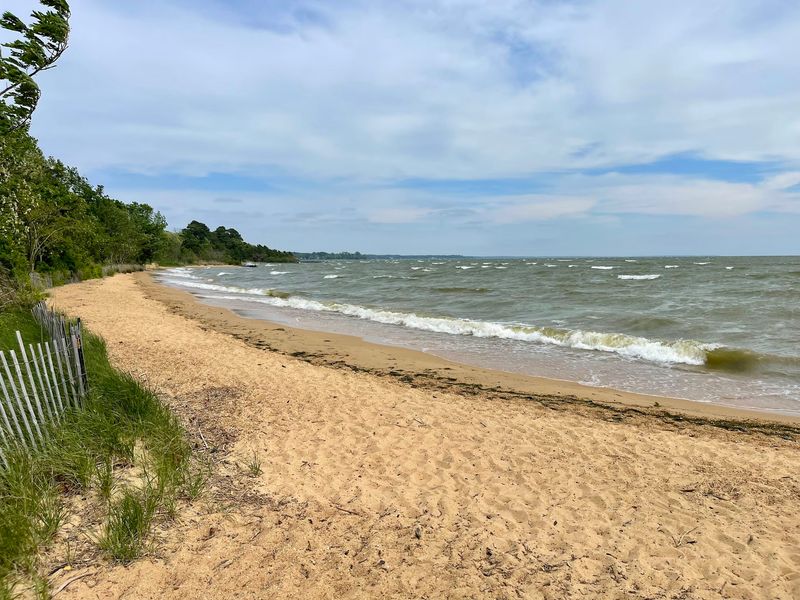
Sand does exist here, just not the endless kind. Breton Bay Civic Association Main Beach is a monitored public beach in Leonardtown, offering a calm place to wade without the crowds of Maryland’s larger shore towns.
Snow Hill Park and Beach adds another option, this time along the Patuxent River. Both spots reward visitors who value quiet water and open sky over amusement piers and busy strips.
Bay beaches suit young children particularly well. Shallow entry, gentle water, and short walking distances from parking make the logistics far easier than a full ocean day trip.
Shell hunting is a reliable activity along these shores, and the mix of driftwood, smooth stones, and small shells keeps beachcombers busy. Fossil hunting is a popular Southern Maryland pastime as well.
Check access rules before heading out, since community beaches may have posted hours or seasonal monitoring schedules. A quick stop at the visitor center clears up any questions.
Amenities tend to be minimal, so pack a cooler, towels, chairs, shade, and drinking water. Leave room in the car for a change of clothes, because bay mud is part of the experience.
Late spring and early fall bring comfortable temperatures with even fewer people around. Summer weekends are busier by local standards, which still means room to spread out a blanket without touching a neighbor’s.
Southern Maryland’s Only Arts and Entertainment District
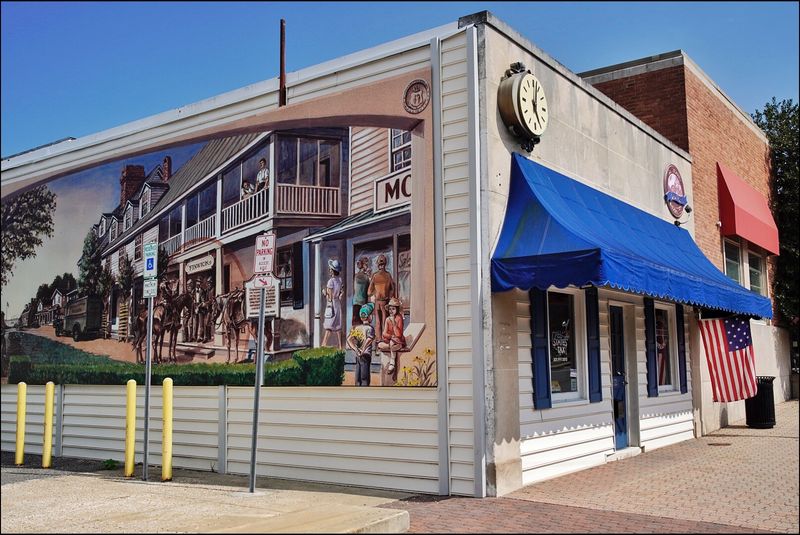
Art shows up in unexpected places around town. Leonardtown holds the distinction of being Southern Maryland’s only designated Arts and Entertainment District, and the murals scattered through its streets make that title obvious.
The Leonardtown Mural traces the town’s history in paint. Other works include the Hurry Family Parkette painting, the Alice in Leonardtown piece, and a five-part Mural Public Art Project down at the wharf.
Galleries, studios, boutiques, and workshop spaces fill the district, and the Leonardtown Arts Center offers a home for local artwork plus hands-on creative classes.
First Fridays are the district’s signature event. Once a month, shops and galleries stay open late, music drifts through the square, and restaurants serve into the evening while visitors wander from door to door.
The Leonardtown Butterfly Trail links historic landmarks, outdoor sculptures, and local businesses into one walkable route. Kids enjoy hunting for each stop, which turns sightseeing into a scavenger game.
Photography fans should note that murals face different directions, so light quality shifts through the day. Morning works better for east-facing walls, late afternoon for those facing west.
Many artists sell directly from their studios, meaning souvenirs here often come with a story about who made them and where. Prices range widely, from small prints to original canvases.
Anyone expecting a sleepy county seat with nothing to see will be pleasantly surprised by how much creativity fits into a few compact blocks.
The Old Jail Museum and Other Windows Into the Past
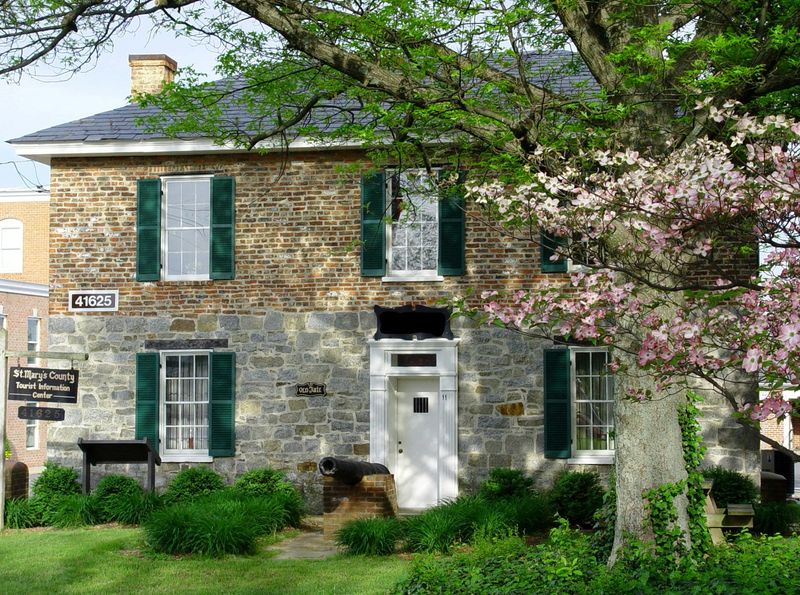
Consider a building that once held prisoners and now welcomes tourists. The Old Jail Museum and Leonardtown Visitor Center stands on the courthouse grounds and ranks among the oldest sheriff’s offices in the nation.
Its story reaches beyond law enforcement. The site played a role in the Underground Railroad, and the museum includes an exhibit about Benjamin Hance, a documented lynching victim in St. Mary’s County.
Exhibits like that one give visitors a fuller, more honest picture of the region’s past rather than a polished version. Staff at the center also hand out maps and current information for the whole county.
Tudor Hall, an 18th-century mansion, houses the St. Mary’s County Historical Society and its research collections. The legend of the Moll Dyer Rock is connected to this property, adding a folklore layer to the visit.
The historic downtown itself functions as an open-air museum, centered on the Town Square and the courthouse. Shops occupy buildings that have served many purposes over two centuries.
Start any Leonardtown visit at the Old Jail Museum. Picking up materials there saves time later and often points travelers toward events or sites they would otherwise miss.
Check operating hours ahead of a trip, since small-town museums frequently keep limited or seasonal schedules. Weekday mornings tend to be the calmest time for a slow, unhurried look at the exhibits.
Shops, Markets, and Ways to Fill an Afternoon
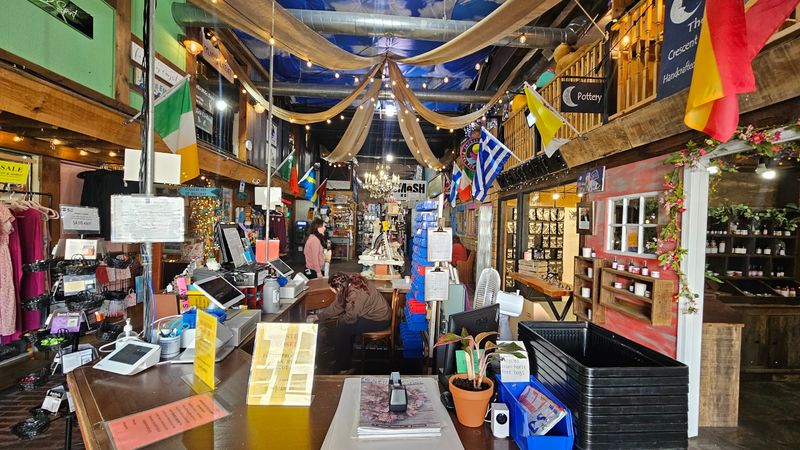
Shopping here means small doors and handmade goods rather than chain storefronts. Shepherd’s Old Field Market gathers artisans, specialty shops, and eateries under one roof, making it an easy place to browse when weather turns.
Fenwick Street carries a hip, eclectic feel, while Leonardtown Square packs shops and restaurants into a tight, walkable cluster. Both areas reward wandering without a plan.
The Port of Leonardtown Winery, part of the Southern Maryland Winegrowers Cooperative, sits inside Winery Park and is a well-known stop for visitors touring the regional Wine Trail. The park also serves as a paddling launch.
Recreation continues away from the shoreline. Breton Bay Golf and Country Club offers an 18-hole course with water views, and Escape Rooms Southern Maryland provides an indoor puzzle challenge for groups.
The College of Southern Maryland’s satellite campus in town includes an aquatic center, a handy option for families traveling with swimmers on a rainy day.
A realistic itinerary pairs a morning on the water with an afternoon downtown and a First Friday evening if the calendar cooperates. Distances between stops are short, so nothing feels rushed.
Leonardtown works best as an unhurried weekend rather than a checklist sprint. Small population, big history, and a waterfront that rarely gets crowded add up to a Southern Maryland find worth returning to.
Address: 41625 Courthouse Drive, Leonardtown, Maryland
