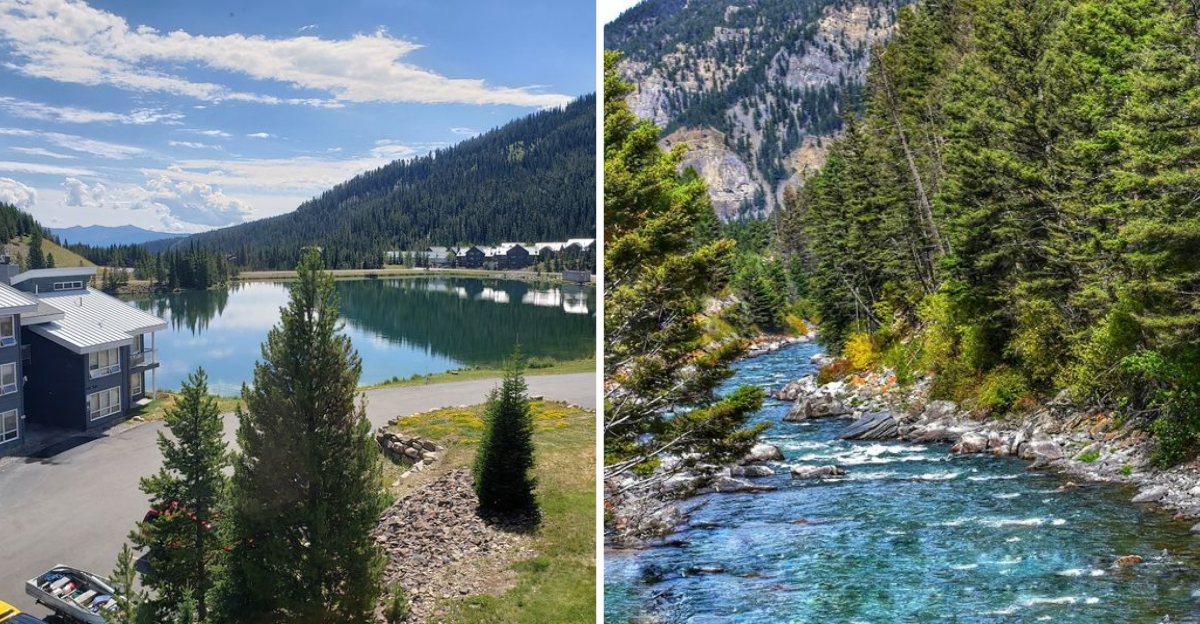
Quiet settled over me the moment the highway curved along the river, pines pressing close on both sides and a mountain rising like someone had propped it up just for show. I had come expecting a ski town and found something closer to a basecamp for everything, with trails, rivers, and a small town center that somehow feels both new and neighborly.
The scenery is honestly hard to beat, but what surprised me most was how easy it was to slow down here. Montana has a way of doing that to you, pulling you out of your own head and into the rhythm of the landscape.
Travel reports named this valley the number one trending US destination for 2026, with searches for flights and stays jumping nearly double over the year before. I spent a week there, hiking trails that opened onto views I could not stop photographing, standing in rivers so clear I could see every stone on the bottom, and eating meals that tasted better simply because the air was thinner and the sky was bigger.
The town itself is small, walkable, and unpretentious, built around a single mountain that dominates every view. Mountain adventure without the big-city rush is exactly what this Montana valley delivers.
Lone Peak, the Mountain That Runs the Whole Show
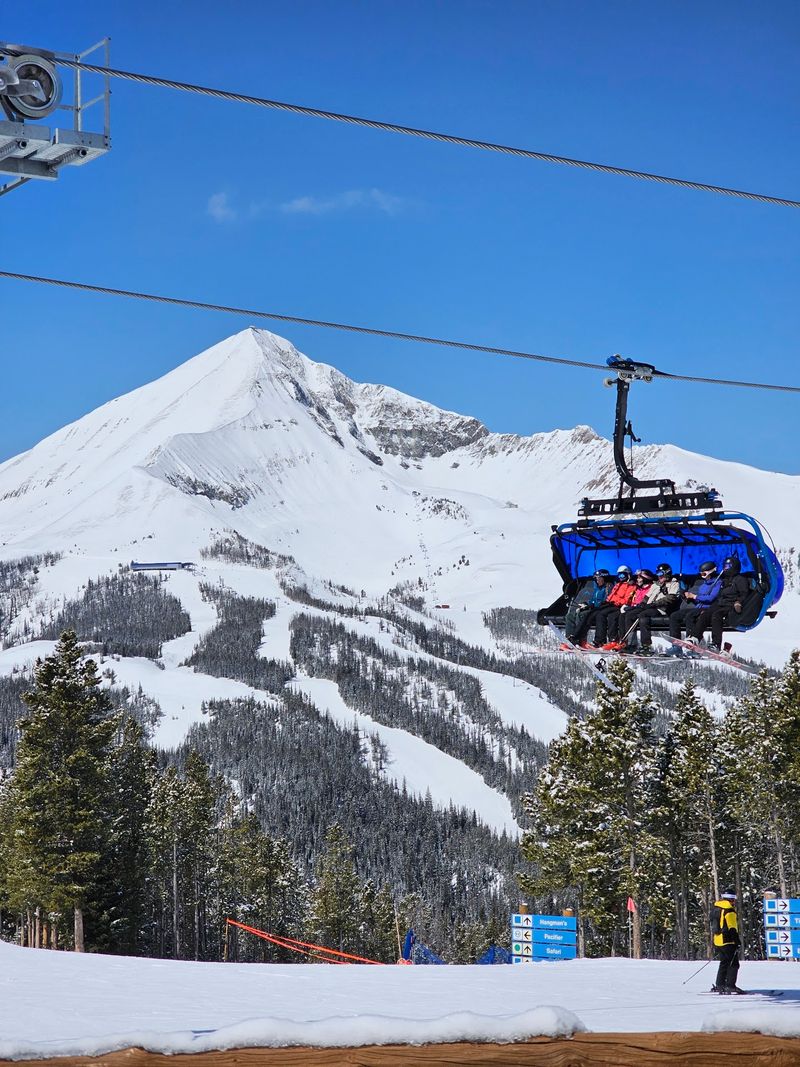
Every road, window, and coffee shop patio in Big Sky seems angled toward the same thing. Lone Peak stands 11,166 feet tall, and it becomes your compass within about ten minutes of arriving.
I kept catching myself glancing up mid-conversation, which I later learned is a pretty common habit here.
The summit is reachable by tram, and the ride is short but genuinely dramatic, ending at an observation deck with a glass floor section that made my knees a little unsure of themselves. From up there, the view spreads across three states worth of ridgelines, and Yellowstone country stretches out to the south in soft blue layers.
Skiers know the peak for its steep chutes, including the famous Big Couloir, but you do not need expert skills to appreciate the scale of it.
Summer changes the mood completely. Wildflowers spread across the lower slopes, hikers work their way up switchbacks, and the tram keeps running for anyone who prefers arriving at the top without the sweat.
Bring layers no matter the season, because the temperature at the summit rarely matches what you felt in the parking lot.
What struck me is how the mountain organizes daily life without anyone announcing it. Locals describe weather by which side of the peak the clouds are hanging on.
Photographers chase it at sunrise, when the rock turns a warm pink that lasts maybe fifteen minutes.
Address: 50 Big Sky Resort Rd, Big Sky, MT 59716
Winter Here Means 5,512 Acres and Surprisingly Short Lift Lines
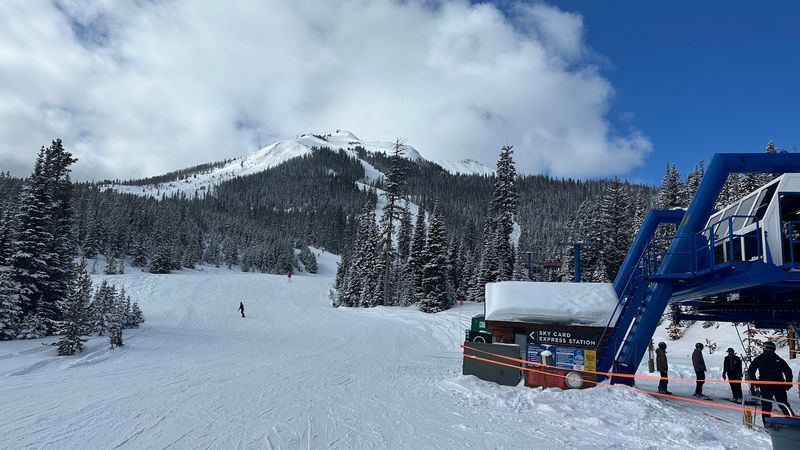
Snow season is the reason a lot of people first hear about this place, and the numbers explain why. Big Sky Resort and Moonlight Basin together cover 5,512 skiable acres, which is more terrain than most people can cover in a single trip.
Visitors regularly mention taking three days just to see the whole mountain once.
The lift system is modern and fast, with heated seats on some chairs that feel almost unfairly comfortable when the wind picks up. Because the terrain is so spread out, lines tend to move quickly compared with other big-name resorts.
Beginners get gentle learning zones, while experienced riders can disappear into glades and tree runs for hours.
My favorite discovery was how much winter fun happens off the slopes. Nordic skiing trails wind through meadows, guided snowshoe tours head into quieter forest, and dog sledding gives you a completely different pace of travel.
The Marty Pavelich Ice Rink is a low-key charmer, especially in the evening when the lights come on.
Heated snowcoach tours run into Yellowstone National Park, which turns a snowy day into something closer to a wildlife documentary.
A practical note from watching others figure it out the hard way: park at the less crowded base areas when you can, use the shuttles, and make dinner reservations ahead of time.
Weekdays after a storm are quietly the best days of all.
Trails That Lead to Waterfalls, Alpine Lakes, and Wildflower Bowls
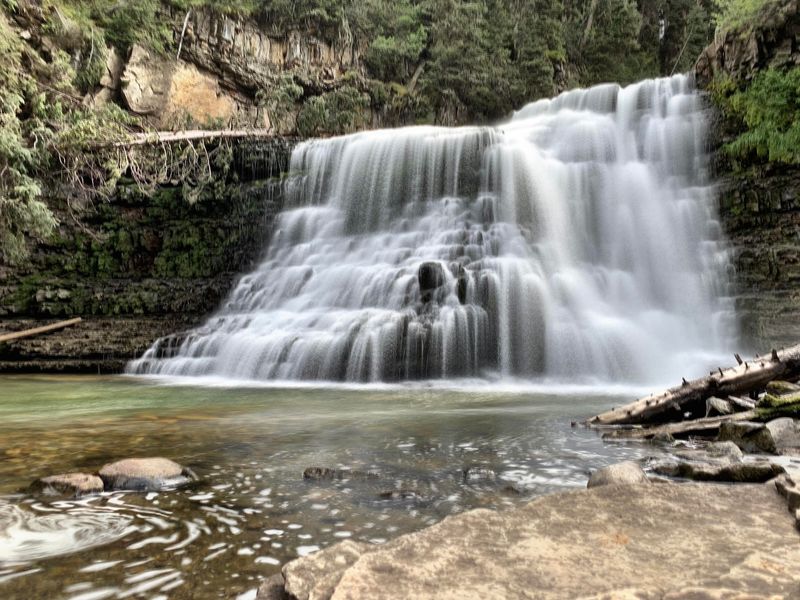
Snowmelt turns this valley into a hiker’s playground, and I would honestly argue summer is the underrated season. Ousel Falls is the easy win, a short walk through forest to a waterfall that sounds bigger than it looks.
Families with young kids handle it without complaints, which says a lot.
Beehive Basin is the one people talk about with a certain look in their eyes. The trail climbs steadily through meadows before opening into a bowl ringed by rocky peaks, with a small alpine lake sitting at the bottom like it was placed there on purpose.
Wildflowers peak in midsummer, and the color range is genuinely startling, purples and yellows and reds mixed together.
Lava Lake offers a steeper, quieter option closer to the Gallatin Canyon, and the payoff feels earned. Hikers looking for a real challenge can head up Lone Mountain itself, though that one deserves an early start and honest self-assessment.
Wildlife sightings are common, so make noise on blind corners and carry bear spray. I saw deer twice before breakfast on my second day.
Weather shifts fast at elevation, and afternoon thunderstorms roll through often enough that starting early is the smart move.
Bring more water than feels necessary, because the dry mountain air sneaks up on you.
What stayed with me was the silence on these trails, broken only by wind moving through pines.
The Gallatin River Is the Town’s Second Main Character
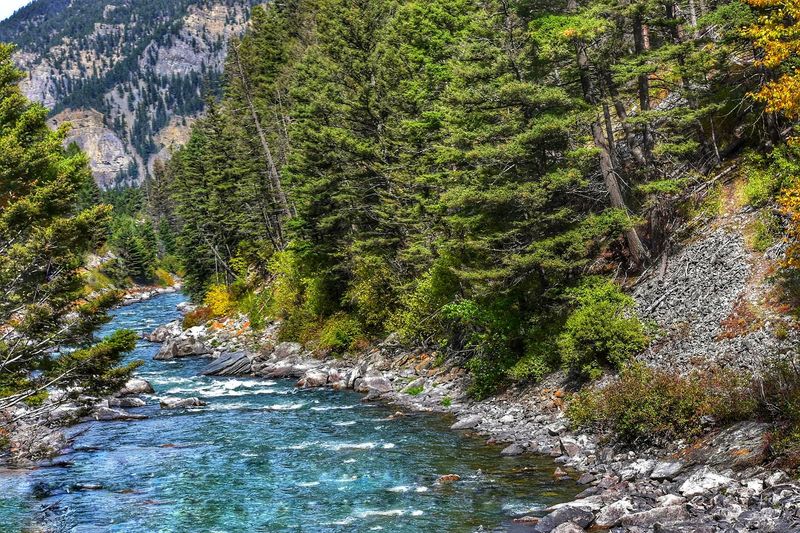
Long before I reached the town center, Montana’s Gallatin River had already made an impression. It runs alongside Highway 191 through a canyon of rock walls and evergreens, and it changes character constantly, glassy in one stretch and churning white in the next.
Rafting trips launch daily through the warm months, and the rapids hit a nice middle ground between thrilling and manageable.
Fly fishing is practically a religion around here, and for good reason. The river holds trout, the casting spots are plentiful, and guides know exactly where fish sit depending on water levels.
Even watching from a bridge, I found myself weirdly absorbed in the rhythm of someone working a line back and forth.
Kayakers and paddleboarders share the calmer sections, and there are pullouts where you can simply sit on rocks and let the sound do the work. That is what I ended up doing on a warm afternoon when I had planned to be somewhere else entirely.
The canyon also doubles as a wildlife corridor, so keep your eyes on the banks. Bighorn sheep and elk show up more often than you would expect.
Water stays cold year-round, glacial cold, so wetsuits are standard on rafting trips even in July.
Where Highway 191 meets Highway 64, the river marks the true entrance to the valley. Everything about Big Sky flows from that point.
Yellowstone Is Close Enough for a Day Trip, Far Enough to Escape the Crowds
Here is the detail that reframed my whole trip: the west entrance of Yellowstone National Park sits about an hour’s drive away. Not an hour of highway monotony either, but an hour of river canyon, pine forest, and open meadows where wildlife shows up without warning.
I left early and had the road mostly to myself.
Using Big Sky as a basecamp solves a problem plenty of Yellowstone visitors run into. Instead of staying inside a crowded park corridor, you get a mountain town to return to at night, with restaurants, shops, and a proper bed.
Geysers, hot springs, and bison herds are all within reach for a day of exploring.
Winter opens a different door. Heated snowcoach tours run from the Big Sky area into the park, gliding over roads closed to regular cars.
Steam rising off thermal features against snow-covered ground is one of those images that sticks with you for years.
Practical advice worth repeating: fill your gas tank before leaving town, pack food, and start earlier than you think you need to. Park roads move slowly, especially when animals decide to use them.
Cell service disappears in stretches, so download maps in advance.
What I appreciated most was the contrast. Yellowstone gives you geology and wildlife on a massive scale, then Big Sky gives you a quiet valley to process it all in.
Town Center Life, Festivals, and a Food Scene Worth Planning Around
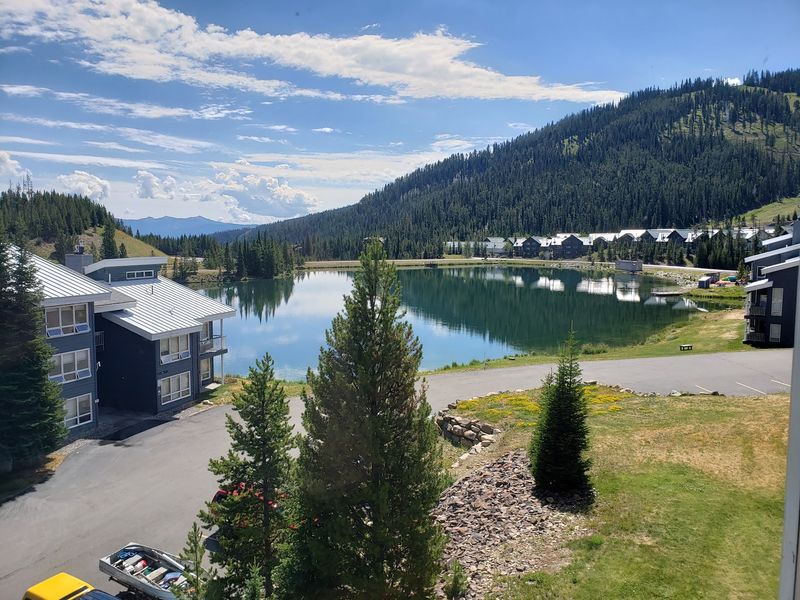
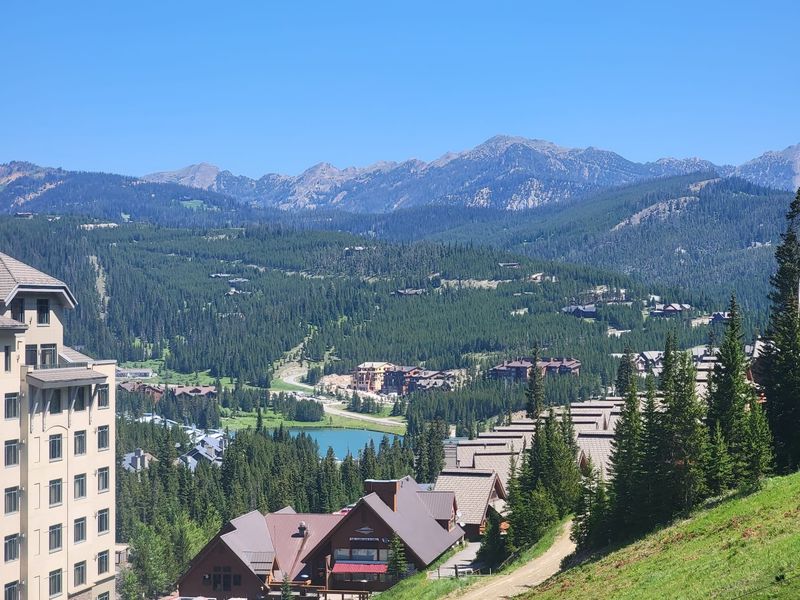
After a few days of trails and rivers, I started spending evenings in the Town Center, and it became my favorite unexpected habit. Shops, restaurants, and open plaza space give the place a gathering-spot feeling that stays busy in every season.
Kids run around while adults linger over dinner, and nobody seems in a hurry.
Food options have grown a lot, and the range surprised me for a town this size. You can find wood-fired pizza, sushi, local wild game dishes, and casual spots where hiking clothes are completely acceptable.
One local tip I picked up: the pizza in town often beats what you will find up at the resort, and it costs less too.
The community calendar is where Big Sky really shows its personality. The Best in the West Skijoring Showdown involves horses pulling skiers, which is exactly as wild as it sounds.
Spring brings the Pond Skim, winter brings the Christmas Stroll, and summer brings the Wildlands Music Festival.
Avalanche Dog Demos let you watch working rescue dogs do their thing, and the crowd reaction is pure delight. The Big Sky Center for the Arts adds stained glass workshops and live music to the mix.
What makes it all click is the size. Small enough that you recognize faces after two days, lively enough that there is always something happening.
Address: 88 Ousel Falls Rd, Unit A1, Big Sky, Montana 59716
