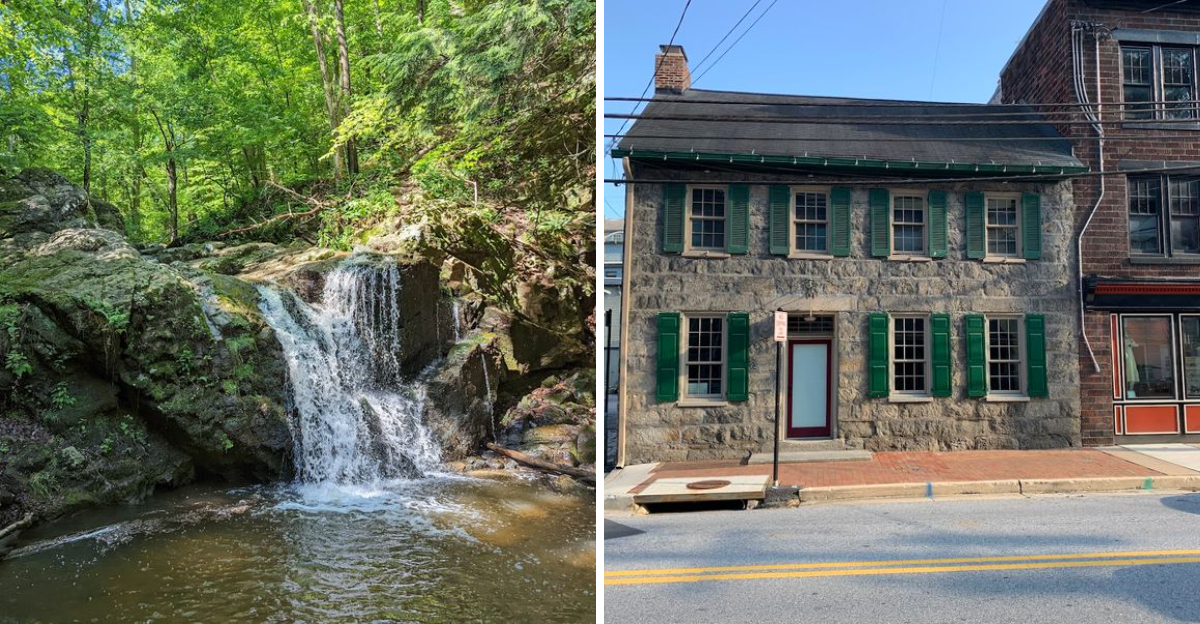
You know that feeling when you find a cool little town and then suddenly everyone else finds it too? That is exactly what happened here.
Maryland had a secret, and the secret got out fast. What used to be a quiet spot with local coffee shops and empty sidewalks is now packed on weekends.
The food scene exploded, the breweries multiplied, and suddenly people from three states away started planning trips. Do not get it wrong.
The place is still great. Just busier.
Way busier. Parking takes longer, brunch lines are real, and the locals miss the old days.
But the energy is fun, the shops are interesting, and you will understand why everyone showed up. Maryland’s worst kept secret is still worth a visit.
Just bring patience and a parking strategy.
The Historic Roots That Make Ellicott City Unlike Anywhere Else
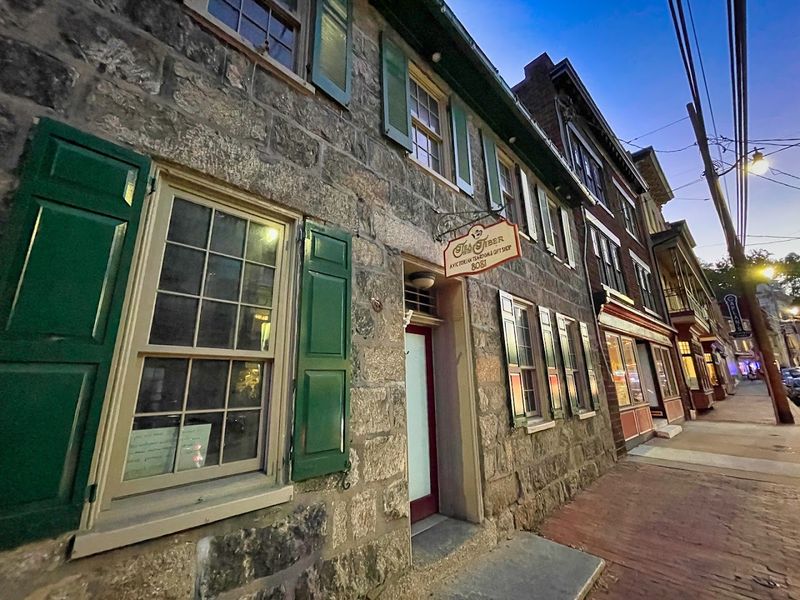
Few American towns wear their history this openly. Ellicott City was born in 1772 when three Quaker brothers, John, Andrew, and Joseph Ellicott, packed up from Pennsylvania and built something remarkable along the Patapsco River.
They came with a vision rooted in industry, establishing grist mills and encouraging local farmers to shift from growing tobacco to cultivating wheat. That decision reshaped the entire region’s economy.
The town was originally called Ellicott Mills, a name that stuck for nearly a century before it officially became Ellicott City in 1867. The name change felt almost ceremonial, like the town had grown into something bigger than its working-class origins.
The stone buildings that the Ellicotts constructed were built to last, and they did, surviving floods, fires, and the slow march of time.
What makes wandering through Historic Ellicott City so striking is how intact it all feels. The National Register of Historic Places recognized this in 1978, designating it a National Historic District.
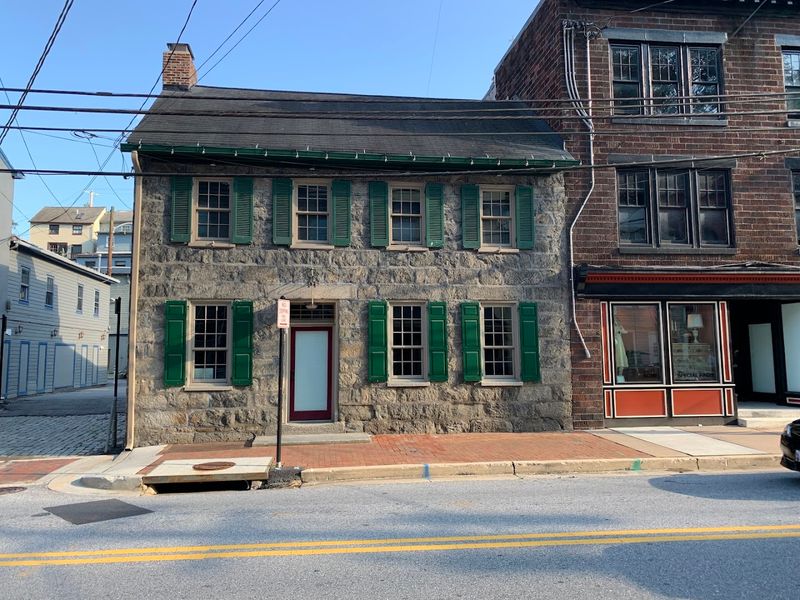
You are not looking at reconstructions or themed facades. These are original structures, many still in daily use, housing shops, restaurants, and studios.
The cobblestone streets slope and curve in ways that remind you roads were once shaped by terrain, not grids. History here is not behind glass.
It is under your feet and all around you, and that makes it feel genuinely real in a way that most historic sites simply cannot replicate.
The B&O Railroad Station, America’s Oldest Surviving Terminal
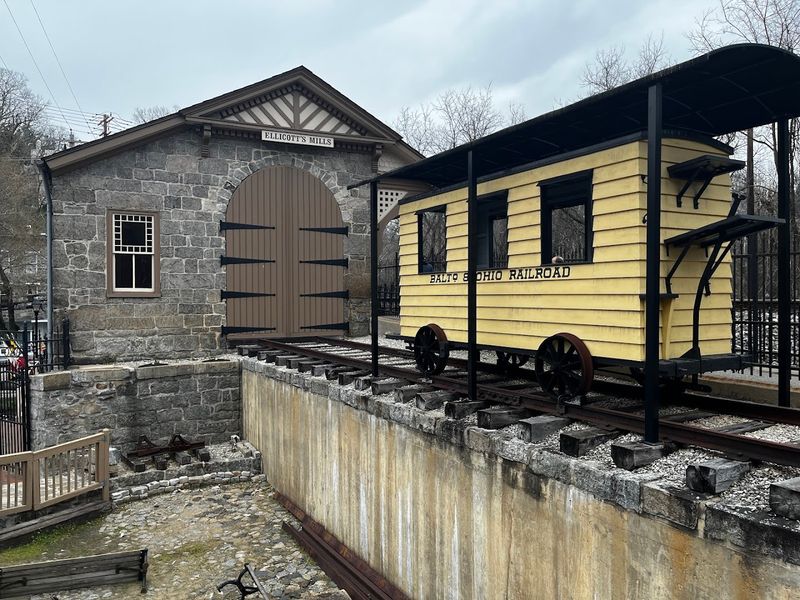
Railroad history buffs and casual visitors alike tend to stop in their tracks when they learn what they are actually looking at here. The B&O Ellicott City Station, built in 1830 and 1831, is the oldest surviving railroad station in the entire United States.
That is not a regional claim or a local boast. It is the real thing, federally recognized and historically verified.
It served as the first terminus of the Baltimore and Ohio Railroad outside of Baltimore, making Ellicott City a critical hub during the early expansion of American rail travel.
Trains that departed from this modest stone building helped connect a young nation, moving goods, people, and ideas across distances that once took weeks by horse.
The scale of that impact is hard to fully absorb standing on the platform today.
Now operating as a museum, the station brings that era back to life through exhibits, artifacts, and interpretive displays that explain just how transformative the railroad age really was. I spent longer inside than I planned, which seems to be a common experience.
The building itself carries a certain weight, a quiet authority that comes from genuine significance rather than manufactured nostalgia.
Nearby, the National Road, America’s first federally funded highway, also passed through this area close to Main Street, adding another layer to Ellicott City’s role as a crossroads of early American movement.
Few places in the country can claim this kind of layered transportation heritage in one compact location.
Address: 3711 Maryland Ave, Ellicott City, MD 21043
Main Street Magic, Boutiques, Art, and Local Flavor
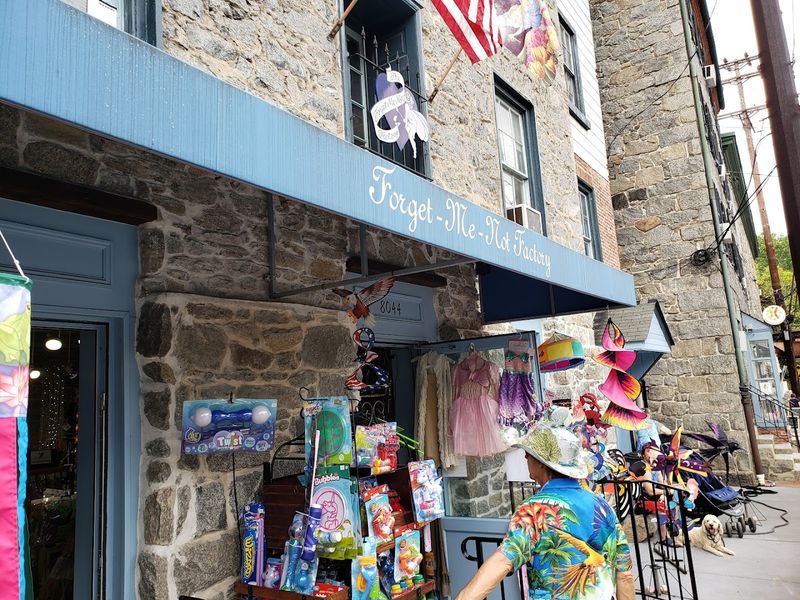
Main Street in Ellicott City has a pull to it that is difficult to explain until you are actually there. It is not a sanitized shopping district or a chain-heavy tourist strip.
Every storefront seems to belong to someone who genuinely cares about what they are selling, and that energy is contagious. Independent boutiques sit beside art galleries, handmade jewelry shops, and locally owned cafes that smell amazing from halfway down the block.
The street murals scattered throughout the area have earned Ellicott City a reputation as an outdoor art museum of sorts. Local and regional artists have transformed walls and alleyways into vivid, eye-catching pieces that give the whole district a creative pulse.
It makes even a simple stroll feel like a mini gallery experience, and you find yourself pausing in unexpected spots just to take in the details.
What I appreciate most about Main Street is how it manages to feel both curated and organic at the same time. Nothing feels forced or overly commercial.
There is a genuine mix of antique hunters, families with strollers, couples sharing pastries on steps, and solo visitors with cameras who cannot quite decide which angle captures the street best.
The slope of the road, the stone walls, the mix of eras in the architecture, it all creates a backdrop that photographs beautifully but feels even better in person.
Spending a few hours here without a strict agenda is honestly the best approach. You will find something worth stopping for around almost every corner.
Patapsco Valley State Park, the Wild Side Right Next Door
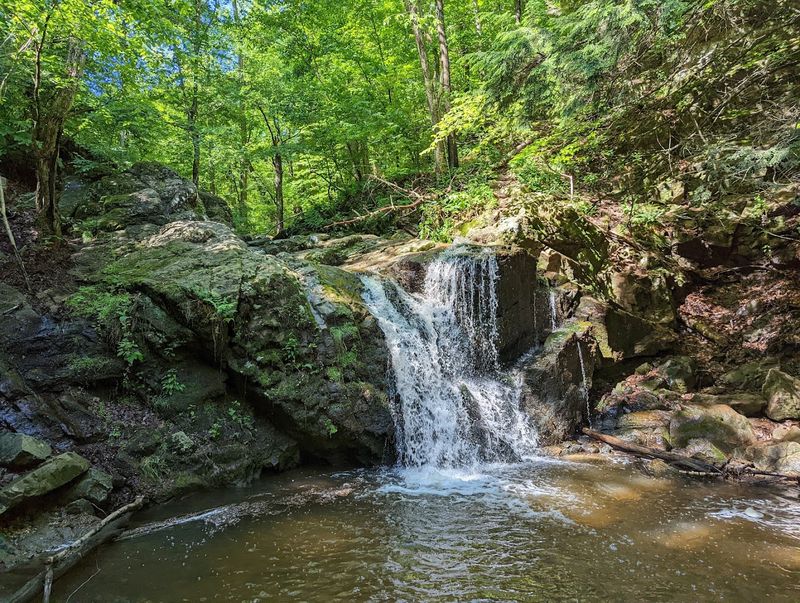
Right outside the edges of Historic Ellicott City, the landscape shifts dramatically. Patapsco Valley State Park stretches across more than 16,000 acres of forested river valley, offering over 200 miles of trails for hiking, mountain biking, fishing, canoeing, and camping.
It is one of Maryland’s most expansive and varied outdoor spaces, and its proximity to Ellicott City makes it an easy add-on to any visit.
The Cascade Falls trail is a favorite, leading hikers through dense forest to a waterfall that earns its name. The Swinging Bridge is another highlight, a pedestrian suspension bridge that crosses the Patapsco River and gives you views of the water and the surrounding tree canopy that feel almost cinematic.
The riverbank itself is a destination, popular with anglers and families looking for a quieter kind of afternoon.
What makes the park especially appealing is how accessible it feels without losing its wild character. You do not need to be an experienced outdoorsman to enjoy it.
Families with young kids regularly tackle the easier trails, and the river access points are manageable for most fitness levels. But if you want something more challenging, the terrain delivers that too.
I found myself on a trail that climbed steeply through the trees with the river appearing and disappearing below, which was genuinely beautiful. The contrast between the historic town and the untamed park just minutes away is one of the things that makes an Ellicott City trip feel unexpectedly complete.
Address: 8020 Baltimore National Pike, Ellicott City, MD 21043
Ghost Tours and the Haunted Legends of Old Ellicott City
After dark, Ellicott City takes on a completely different personality. The Howard County Tourism Council runs ghost tours through the historic district, and they have built a genuinely compelling experience around the town’s eerie legends and unexplained history.
Sites like Lilburn, Hayden House, Mt. Ida, the B&O railroad bridge, and the Patapsco Female Institute all appear on these tours, each carrying its own layer of lore.
The Patapsco Female Institute is particularly atmospheric. Originally a finishing school for young women in the 1800s, the ruins of the building sit on a hill above town, partially intact and fully unsettling in the best possible way.
The stone walls and empty archways look like something from a gothic novel, and the stories attached to the place lean into that feeling without trying too hard to manufacture drama.
Ghost tours in a lot of towns feel gimmicky, like a cash grab dressed up in capes and lanterns. Ellicott City’s version feels different because the history behind the stories is genuinely documented and layered.
The town has seen floods, losses, and centuries of human experience, and that weight shows up in its atmosphere even on a regular evening walk. I went on a tour expecting mild entertainment and left with a real appreciation for how much this town has lived through.
Whether you believe in hauntings or not, the storytelling is excellent and the setting is undeniably perfect for it. It is one of the more memorable evening activities in the entire region.
The Floods That Tested the Town and the Community That Refused to Quit
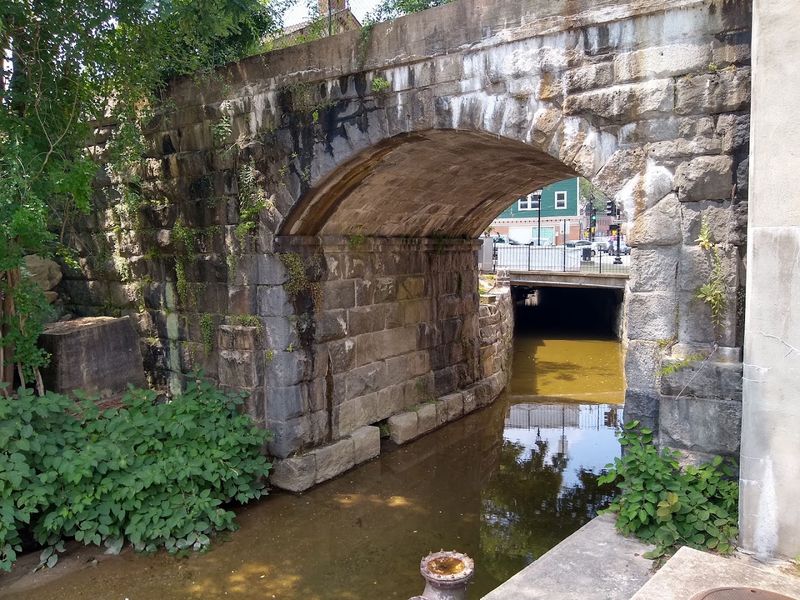
Any honest account of Ellicott City has to include the floods. In 2016 and again in 2018, catastrophic flash floods tore through Main Street, causing devastating damage to buildings, businesses, and the community’s sense of stability.
The images that circulated after each event were shocking, showing a beloved historic street transformed into a rushing river within hours.
What followed both disasters was something that defined the character of this place more than any historic designation ever could. Business owners returned.
Residents rallied. Preservation organizations like the Ellicott City Historic District Partnership coordinated recovery and revitalization efforts with a focus on keeping the district’s authentic identity intact.
The rebuilding was not just physical. It was a collective act of stubbornness and love for a place that people were not willing to give up on.
Visiting today, you would not immediately sense the trauma unless someone pointed it out. The street feels alive and functional, which is itself a kind of quiet triumph.
Some changes were made to improve flood resilience, and conversations about long-term infrastructure solutions continue. But the spirit of the place came through intact.
I think knowing this history actually deepens the experience of being there. Every open shop door and every restored facade carries a little extra meaning when you understand what the community went through to keep it all standing.
Ellicott City’s resilience is not a slogan. It is something you can feel in the texture of the place.
African American History and the Ellicott City Colored School
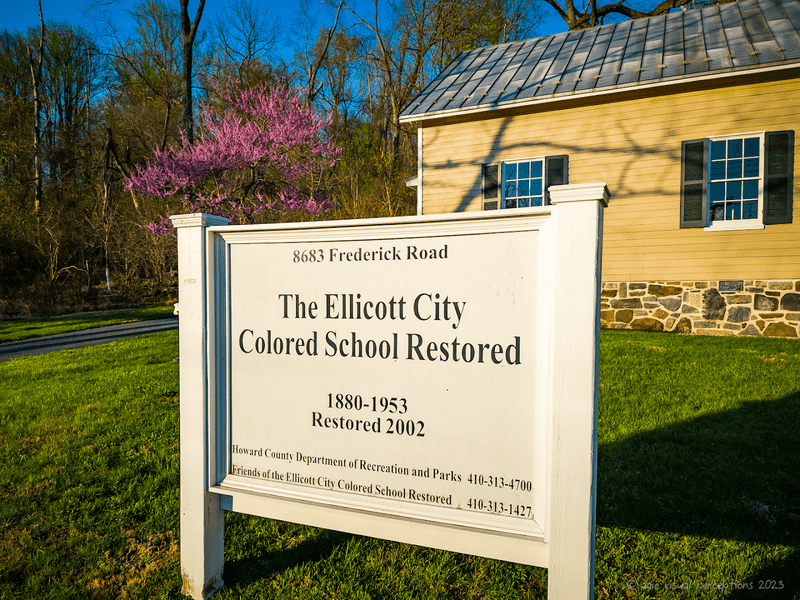
One of the most meaningful stops in Ellicott City is one that many visitors overlook on their first trip. The Ellicott City Colored School is a historic building that now serves as both a genealogical resource center and a museum dedicated to African American history in the region.
Its presence adds an essential and often underrepresented dimension to the town’s broader historical narrative.
The school itself stands as a reminder of the segregated educational system that shaped the lives of Black residents in Howard County for generations. Visiting it is not a comfortable experience in the simplest sense, but it is an important one.
The exhibits and resources housed there help connect families to their ancestry and document stories that might otherwise have been lost or ignored in more conventional historical accounts.
What strikes me about this site is how it reframes the entire Ellicott City story. The town was not just built by industry and Quaker ambition.
It was shaped by the labor, lives, and legacy of people whose contributions rarely made it into the official histories. Having a dedicated space that honors and investigates that legacy feels genuinely significant, not just as a checkbox on a cultural tourism list, but as a real resource for real families.
If you visit Ellicott City and only focus on the charming shops and the railroad museum, you are leaving with an incomplete picture. This school fills in a part of the story that matters enormously.
Address: 8683 Frederick Rd, Ellicott City, MD 21043
The Free Trolley That Makes Exploring Old Ellicott City So Much Easier
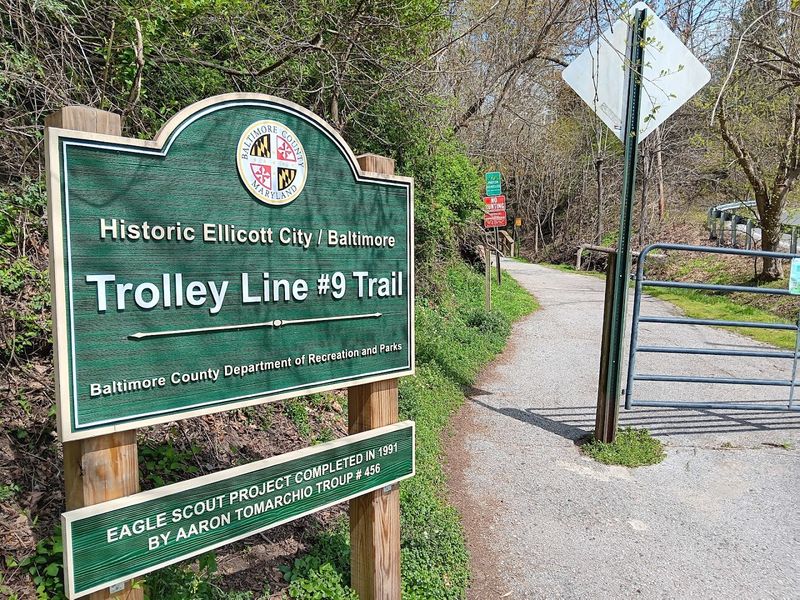
Getting around Historic Ellicott City has always been part of the charm and part of the challenge. The streets are steep, parking can be competitive on busy weekends, and the layout of the district rewards slow exploration rather than quick drives.
In May 2025, a practical and genuinely welcome solution arrived in the form of the free Old Ellicott City Trolley service.
The OEC Trolley is an ADA-accessible circulator bus that runs along Main Street on weekends, connecting visitors to shops, restaurants, museums, and parking areas without requiring anyone to navigate the hills on foot if they prefer not to.
The concept was inspired by the town’s historic streetcar system, which gives it a satisfying sense of continuity with the past even as it serves a very modern purpose.
For families with young children, older visitors, or anyone who simply wants to maximize their time rather than hunt for a parking spot, the trolley is a genuine game-changer.
I noticed it immediately reduced the slightly frantic energy that used to come with weekend visits when everyone was circling for spaces and trying to figure out the best entry point to Main Street.
The service runs smoothly and the stops are well-positioned. It is one of those small infrastructure decisions that has a surprisingly large effect on how a place feels to visit.
Ellicott City already had a lot going for it. This addition just makes the whole experience more comfortable and accessible for a wider range of visitors.
Why Ellicott City Keeps Earning National Recognition Year After Year
In 2021, Money magazine ranked Ellicott City number ten on its list of the 20 Best Places to Live in the United States. That kind of recognition does not happen by accident.
It reflects a combination of quality of life, community character, access to amenities, and the kind of sustained investment in a place that makes it genuinely good to be in, not just to photograph and leave.
Located roughly 30 minutes from downtown Baltimore, Ellicott City sits in a sweet spot geographically. It is close enough to a major city to benefit from cultural and economic connections, but far enough to have developed its own distinct identity.
The surrounding Howard County area consistently ranks among the most educated and economically stable in the country, which supports the kind of small business ecosystem that makes Main Street so vibrant.
But statistics only tell part of the story. The reason Ellicott City went from a local secret to a genuine tourist magnet has less to do with rankings and more to do with feel.
There is something here that is increasingly rare in American towns, a sense that the place has been tended to, argued over, flooded, rebuilt, and loved by people who actually live in it. That authenticity is not something you can manufacture or import.
It either exists or it does not, and in Ellicott City, it absolutely does. Every visit seems to reveal a new layer, which is exactly the kind of destination worth returning to again and again.
