You know that feeling when you find a cool little town and then suddenly everyone else finds it too? That is exactly what happened here.
Maryland had a secret, and the secret got out fast. What used to be a quiet spot with local coffee shops and empty sidewalks is now packed on weekends.
The food scene exploded, the breweries multiplied, and suddenly people from three states away started planning trips. Do not get it wrong.
The place is still great. Just busier.
Way busier. Parking takes longer, brunch lines are real, and the locals miss the old days.
But the energy is fun, the shops are interesting, and you will understand why everyone showed up. Maryland’s worst kept secret is still worth a visit.
Just bring patience and a parking strategy.
The Historic Downtown District That Feels Like a Living Museum
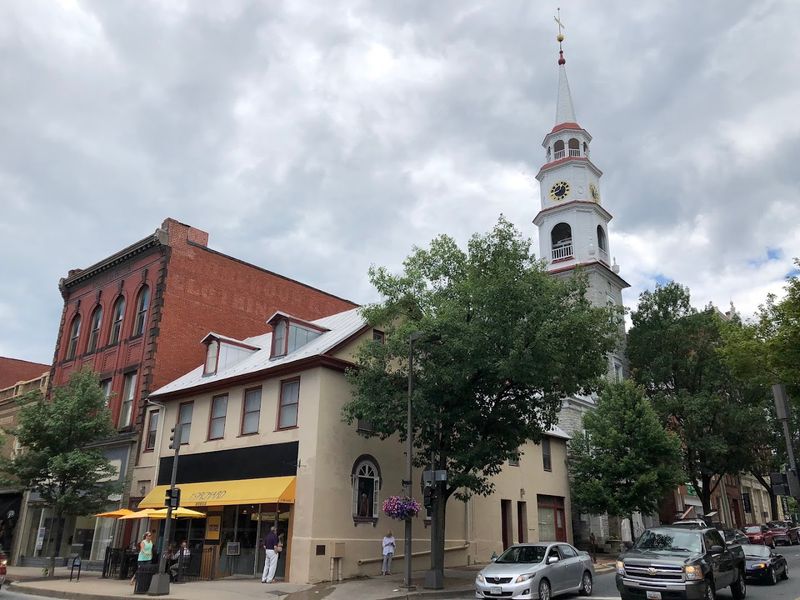
Few downtowns in the Mid-Atlantic region carry the kind of weight that Frederick’s 40-block historic district does. Every building seems to have a story, and the architecture alone could keep a curious visitor busy for hours.
The streets are walkable, the storefronts are colorful, and nothing feels mass-produced or corporate.
Over 200 independent retailers line the blocks, ranging from antique shops to handmade jewelry stores to locally owned bookshops. This is not a strip mall with a history plaque bolted to the wall.
It is a living, breathing neighborhood where history and everyday life exist side by side.
The 18th-century charm is not manufactured for tourists either. Many of the original buildings have been preserved with care, and you can feel the age in the brickwork and the narrow alleyways.
I kept finding myself stopping mid-stride just to look up at a roofline or a carved doorframe.
Patrick Street and Market Street are the main arteries, and both reward slow, unhurried walking. Local business owners are genuinely friendly, and it shows in the way the whole district operates.
Grab a coffee, wander without a map, and let the neighborhood reveal itself at its own pace. That approach works better here than anywhere I have visited in Maryland.
Civil War History That Goes Deeper Than Any Textbook
Frederick, Maryland played a central role in the Civil War, and the evidence is not buried in archives. It is right there in the buildings, the battlefields, and the museums that bring that era to life in ways that feel personal rather than academic.
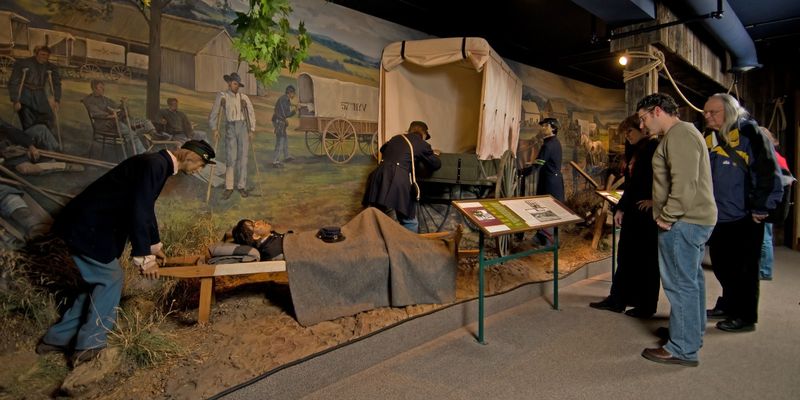
The National Museum of Civil War Medicine on East Patrick Street is one of the most focused and genuinely moving museums I have visited on any history trip.
The museum occupies a building that actually served as an embalming facility during the war, which adds a layer of authenticity that no replica could replicate. Exhibits cover surgical techniques, hospital conditions, and the human cost of conflict with honesty and respect.
It is not a glorification of war but a careful examination of how medicine evolved under the most extreme pressure imaginable.
Beyond the museum, Frederick sits within easy reach of Antietam, Monocacy, South Mountain, and Gettysburg battlefields. Each site tells a different chapter of the same story, and together they form one of the richest Civil War corridors in the country.
Many buildings in the historic district that served as field hospitals during the war are still standing.
History enthusiasts could spend multiple days exploring just this layer of Frederick. Guided walking tours are available and add tremendous context to what you see.
Address: 48 E Patrick St, Frederick, MD 21701.
Baker Park, the Green Heart of the City
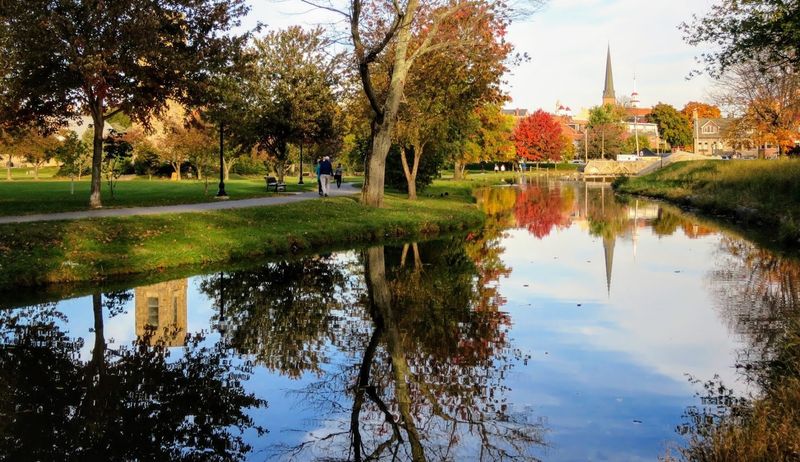
Baker Park sits at the edge of downtown Frederick like a deep breath after a busy street. It is 44 acres of mature trees, open lawns, and winding paths along Carroll Creek and the Monocacy River, and it manages to feel both spacious and intimate at the same time.
Locals use it the way people in big cities use Central Park, as an extension of daily life rather than a special occasion destination.
The park has a bandstand that hosts community concerts throughout the warmer months, and those events draw a genuinely mixed crowd of ages and backgrounds. There is also a public pool, tennis courts, a playground, and plenty of open grass for spontaneous frisbee games or afternoon naps in the shade.
Nothing about Baker Park feels overly curated or managed.
What makes it especially appealing for visitors is how naturally it connects to the rest of Frederick’s walkable core. You can start a morning at the park, follow Carroll Creek into the historic district, and end up at a restaurant for lunch without ever needing a car.
That kind of seamless flow between green space and urban life is surprisingly rare.
Autumn is a particularly beautiful time to visit because the tree canopy turns golden and the foot traffic slows just enough to make the park feel like your own discovery.
The Weinberg Center for the Arts, a Venue With Real Character
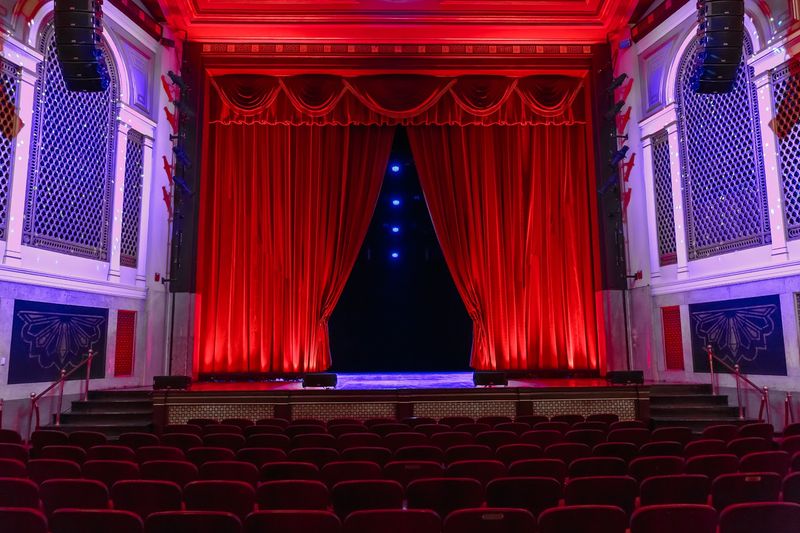
Some performance venues feel like they were designed to impress from the outside and disappoint from the inside. The Weinberg Center for the Arts in downtown Frederick is the opposite of that.
The building is a beautifully restored 1926 movie palace, and stepping inside feels like entering a world that valued craftsmanship in ways that modern construction rarely does.
The ornate interior, with its gilded detailing, plush seating, and excellent acoustics, creates an atmosphere that genuinely enhances whatever is being performed. The Weinberg hosts an eclectic mix of touring musicians, comedians, dance companies, film screenings, and theatrical productions throughout the year.
The programming reflects the diversity of Frederick itself.
What I appreciate most about the Weinberg is that it operates as a true community anchor rather than just a ticketed attraction. Local school groups perform here.
Regional artists get stage time alongside national acts. The venue feels invested in Frederick in a way that builds loyalty among residents and leaves a strong impression on visitors.
Checking the schedule before your trip is highly recommended because catching a live performance at the Weinberg adds a layer to the Frederick experience that no amount of daytime sightseeing can replicate.
The combination of the historic building, the intimate scale, and the quality of programming makes this one of the most underrated arts venues in Maryland.
Address: 20 W Patrick St, Frederick, MD 21701.
Gambrill State Park and the Blue Ridge Views That Reward the Climb
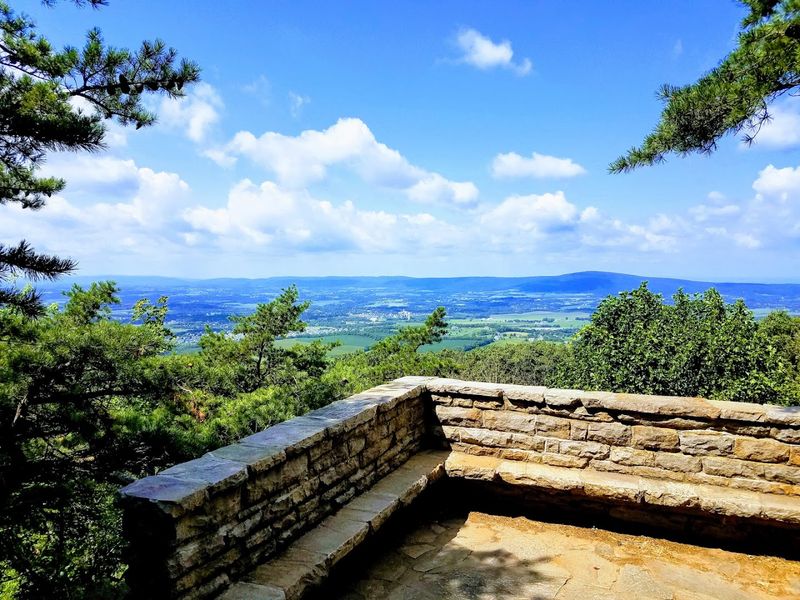
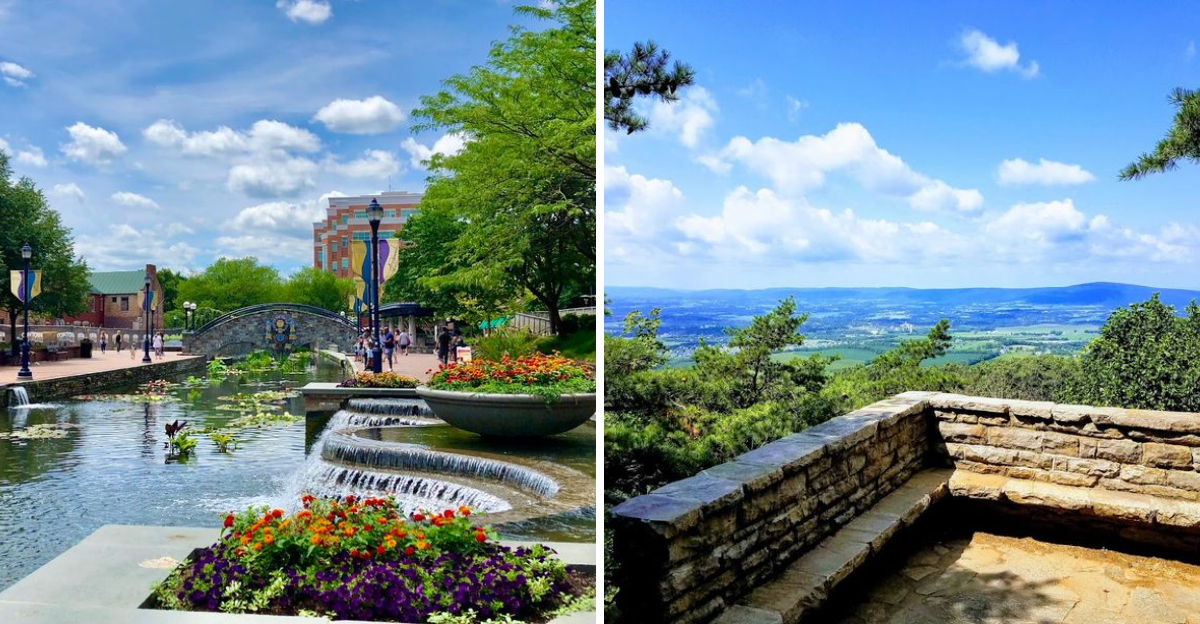
Just outside the city limits, Gambrill State Park offers something that urban destinations rarely deliver without a long drive: genuine mountain scenery. The park sits in the Catoctin Mountains and provides some of the most rewarding hiking in central Maryland.
On a clear day, the views from the overlooks stretch far enough to make you forget what time it is.
The trails range from easy loop walks to more demanding climbs that reward effort with panoramic vistas of the Blue Ridge Mountains. The High Knob area is particularly popular for its rock outcroppings and open views, and it tends to feel quieter than the lower trails even on busy weekends.
The park covers over 1,100 acres, so finding a stretch of trail that feels like your own is entirely possible.
Wildlife sightings are common here. White-tailed deer, wild turkey, and a variety of songbirds move through the forest with little concern for hikers passing by.
The park also has picnic areas and a small fishing area, which makes it a solid choice for families who want more than just a walk.
Fall foliage turns Gambrill into something almost surreal between mid-October and early November. The combination of elevation, hardwood trees, and open ridgelines creates a color display that draws photographers and casual visitors alike.
Address: 8602 Gambrill Park Rd, Frederick, MD 21702.
The Delaplaine Arts Center, Where Local Creativity Gets Its Spotlight
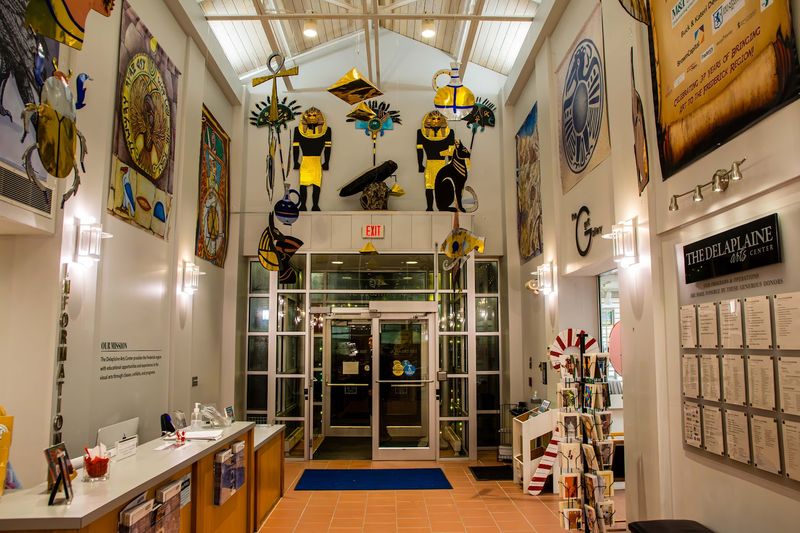
The Delaplaine Arts Center has been a cornerstone of Frederick’s creative identity for decades, and its reputation has only grown as the city has attracted more visitors. Located along Carroll Creek, the center houses multiple gallery spaces, working artist studios, and educational facilities all under one roof.
It manages to feel welcoming to first-time visitors while remaining deeply rooted in the local arts community.
Rotating exhibitions keep the experience fresh no matter how many times you visit. Local and regional artists are regularly featured alongside national and international shows, which gives the programming genuine range.
The quality of the work on display is consistently high, and the curatorial choices tend to favor work with emotional resonance over trend-chasing.
One of the things that makes the Delaplaine stand out from typical gallery spaces is the visible presence of working artists.
Studios within the building are active during regular hours, and visitors can sometimes observe artists at work, which adds a dimension of authenticity that finished exhibitions alone cannot provide.
The center also runs workshops and classes for all skill levels, making it a place where art is practiced as much as admired. If you happen to be visiting with children, the Delaplaine has programming specifically designed to engage younger visitors.
It is a welcoming, unpretentious space that reflects the best of what Frederick’s arts community has built over many years.
Address: 40 S Carroll St, Frederick, MD 21701.
Carroll Creek Linear Park, Where Art Meets Urban Nature
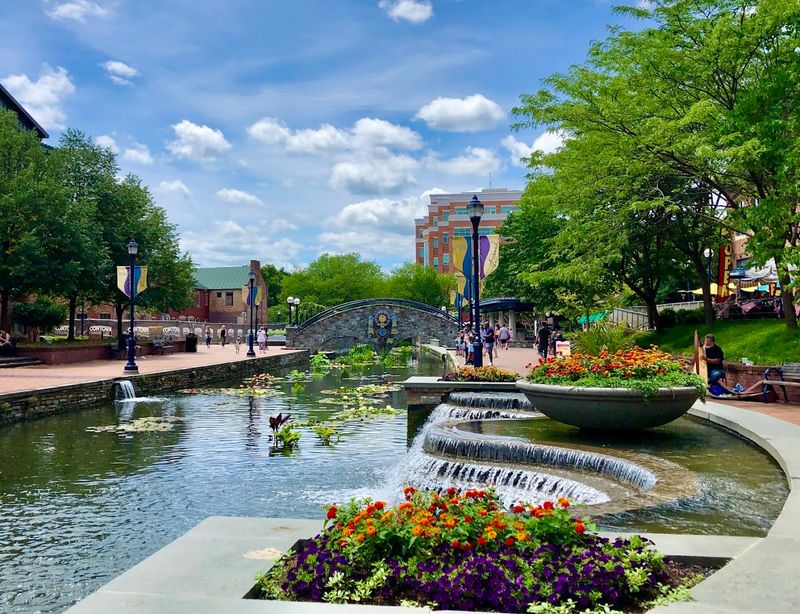
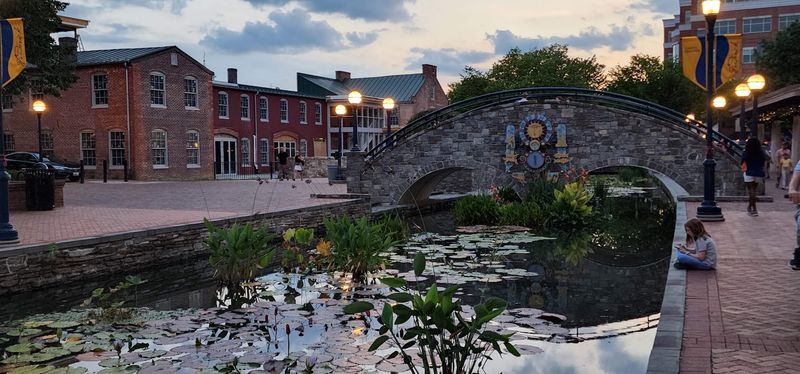
Carroll Creek Linear Park is one of those places that genuinely surprises you. What started as a flood control infrastructure project transformed into one of the most visually striking urban parks in the entire Mid-Atlantic region.
The contrast between its practical origins and its current beauty is part of what makes it so memorable.
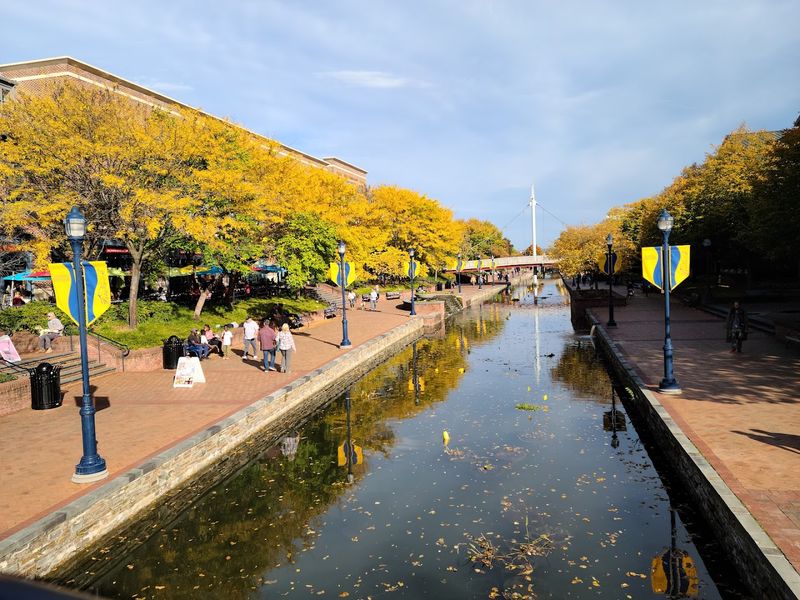
The park stretches through the heart of downtown and features elegant stone bridges, fountains, and clusters of waterlilies that sit quietly on the surface of the water. The trompe l’oeil murals painted on the surrounding building walls create optical illusions that make you look twice, then look again.
Artists from different backgrounds contributed to the visual story along the creek, and the result feels cohesive rather than chaotic.
On weekends, the park fills with families, couples, and solo walkers who use it as a natural meeting point. Food vendors and nearby restaurants spill out toward the water, and the whole atmosphere feels relaxed without being sleepy.
It is the kind of outdoor space that cities spend decades trying to create and rarely get right.
The best time to visit is late morning when the light hits the water at just the right angle and the murals are fully visible. Bring comfortable shoes because the path invites longer walks than you might expect.
Carroll Creek is not just a park, it is the emotional center of Frederick’s downtown identity.
The Restaurant Scene That Keeps Growing and Surprising
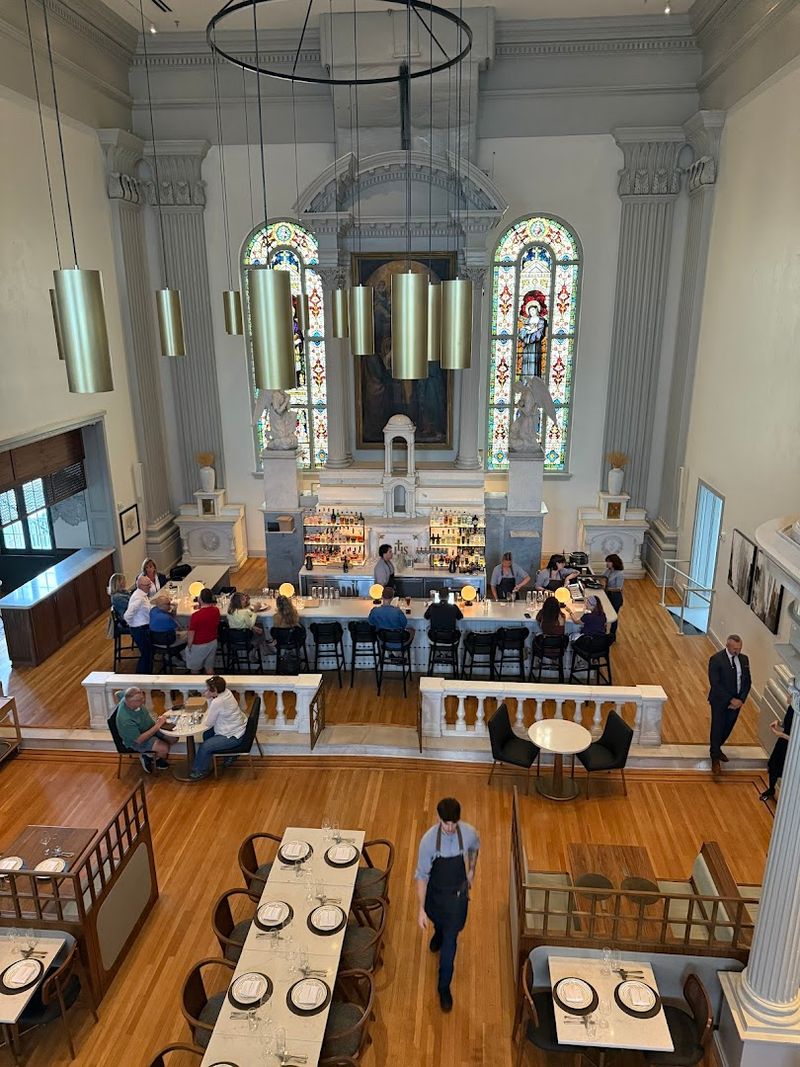
Frederick’s food scene has a confidence to it that cities ten times its size sometimes lack.
With over 40 restaurants concentrated in and around the historic district, the options cover everything from farm-to-table American cuisine to Ethiopian, Vietnamese, Italian, and Mexican, often from independently owned kitchens that take real pride in their menus.
What makes dining here feel different from a typical tourist town is the consistency. The restaurants that have been around for years maintain their standards because they are serving the same community that discovered them before the travel writers arrived.
New spots opening up tend to be passion projects rather than calculated investments, and that comes through in the food.
Brunch culture is particularly strong in Frederick. Weekend mornings bring out long lines at the most popular breakfast spots, and those lines are worth it.
The combination of fresh local ingredients, creative menus, and genuinely attentive service makes even a casual meal feel like an occasion.
Carroll Creek provides a natural backdrop for outdoor dining when the weather cooperates, and several restaurants have taken full advantage of their proximity to the water.
Evenings along the creek during summer are especially atmospheric, with outdoor seating, ambient light, and the sound of the water creating a setting that does not need enhancement.
Exploring the restaurant scene here without a fixed plan tends to produce the best results. Let hunger and curiosity guide you.
A Shopping Experience Built on Independent Businesses
Chain stores are not what define Frederick’s shopping culture, and that is a genuine selling point. The historic district is filled with boutiques, antique dealers, specialty food shops, and independent retailers that sell things you genuinely cannot find anywhere else.
Browsing here has the quality of a treasure hunt, and that energy is contagious.
Antique hunters in particular find Frederick deeply rewarding.
The density of dealers and shops within a walkable area makes it one of the better antique destinations in the Mid-Atlantic, and the variety of goods, from furniture and folk art to vintage clothing and rare books, keeps the experience interesting across multiple visits.
Beyond antiques, the boutiques carry locally made goods, handcrafted jewelry, artisan ceramics, and curated home goods that reflect the taste of a city with a strong creative community.
Shopping here supports real people and real businesses, which adds a layer of satisfaction to the experience that online shopping simply cannot replicate.
Many of the shop owners are also deeply knowledgeable about Frederick itself and will happily point you toward restaurants, events, or hidden corners of the city that do not appear on any tourist map.
That kind of informal local guidance is one of the most valuable things a travel destination can offer, and Frederick delivers it naturally.
Plan for more time than you think you need because the district consistently surprises visitors who thought they were just stopping in for one quick shop.
Accessibility and Location, the Secret Ingredient Behind the Boom
One of the most practical reasons Frederick has grown so quickly as a tourist destination is simply where it sits on the map.
Located roughly one hour from both Washington D.C. and Baltimore, and a similar distance from Gettysburg, Frederick is positioned at the center of one of the most historically and culturally rich corridors in the eastern United States.
That accessibility changes how people plan their trips.
Day-trippers from D.C. and Baltimore have been making the drive for years, but the shift in recent tourism numbers suggests that more people are now building multi-day itineraries around Frederick rather than treating it as a quick detour.
The city’s hotel stock has grown to meet that demand, and the record-breaking hotel rental tax revenue in fiscal year 2025 confirms that visitors are staying longer and spending more.
The surrounding region amplifies Frederick’s appeal considerably. Civil War battlefields, mountain trails, and wine country sit within easy reach of the city, creating a natural ecosystem of experiences that rewards extended stays.
Visitors who arrive expecting a single afternoon often find themselves rearranging their schedules to stay another night.
Interstate 70 and US Route 15 provide straightforward access from multiple directions, and Amtrak’s MARC train service connects Frederick to the broader D.C. metro area for those traveling without a car.
The combination of location, infrastructure, and destination quality is rare, and it explains why Frederick’s growth has felt less like a trend and more like an inevitable arrival.
