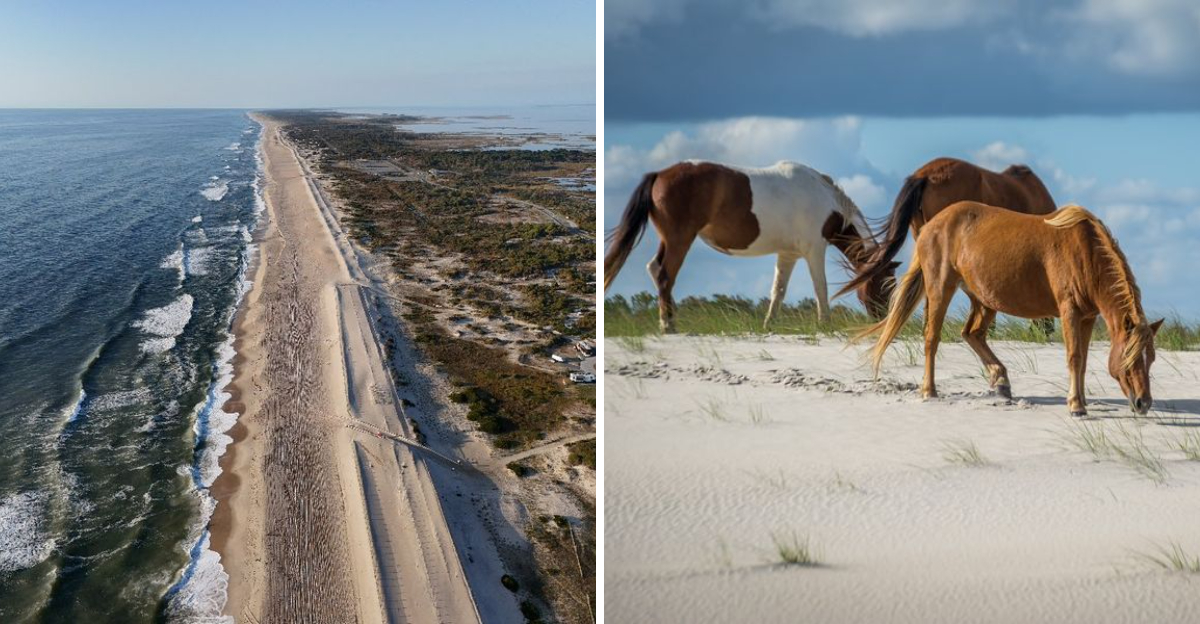
Most nature preserves offer scenic views, peaceful trails, and maybe a few squirrels if you’re lucky. This one casually includes wild horses roaming freely, which immediately makes the whole experience feel a lot more interesting.
Seeing these animals wander through the landscape feels almost surreal the first time, especially when they seem completely unbothered by the people nearby. It’s the kind of place that makes you put your phone down for a minute just to take everything in.
Between the coastal scenery and the chance to spot wildlife, there’s plenty here that feels refreshingly different from the average outdoor trip. Even people who normally “aren’t outdoorsy” can appreciate a place this unique.
Just remember, the horses were here first.
The Island Itself: A Barrier Island Built for Drama
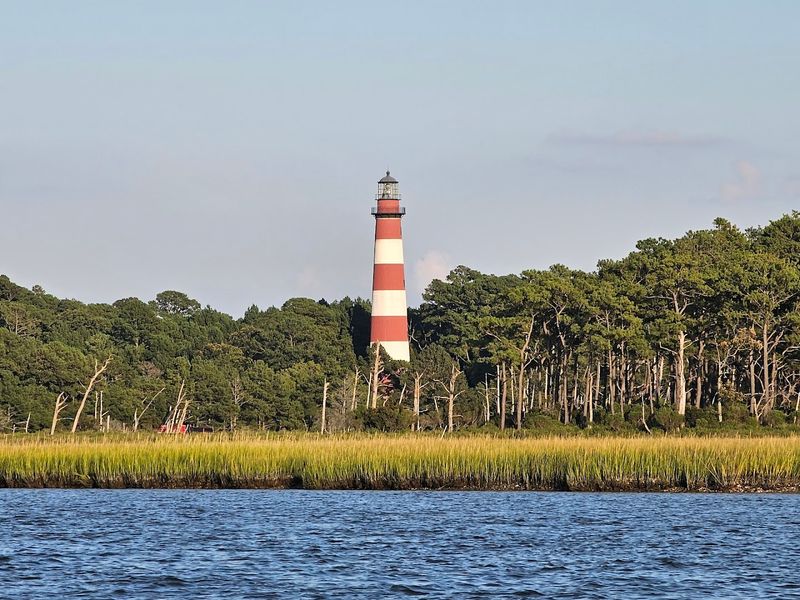
Assateague Island is not your average beach destination. It is a 37-mile-long barrier island that sits between the Atlantic Ocean and Sinepuxent Bay, constantly reshaped by wind, tides, and storms.
The Maryland section alone covers 850 acres of beach, sand dune, salt marsh, and maritime forest, and every habitat feels completely distinct.
The ocean side is all rolling waves and wide sandy beaches. The bay side is quieter, almost secretive, with calm water reflecting the sky and marsh grasses swaying in the breeze.
What makes this island especially fascinating is how geologically active it is. It shifts and migrates over time, shaped by the same forces that once wrecked a massive development project in 1962 when a severe storm erased roads and infrastructure that developers had planned to build on.
That storm essentially saved the island from becoming a resort community. Assateague Island was designated a National Seashore in 1965, protecting it from future development.
The Maryland State Park was established in 1956, just ahead of that federal designation. The result is one of the most intact barrier island ecosystems on the East Coast, and that rawness is exactly what makes it feel so alive.
The Wild Horses: Legends With Hooves
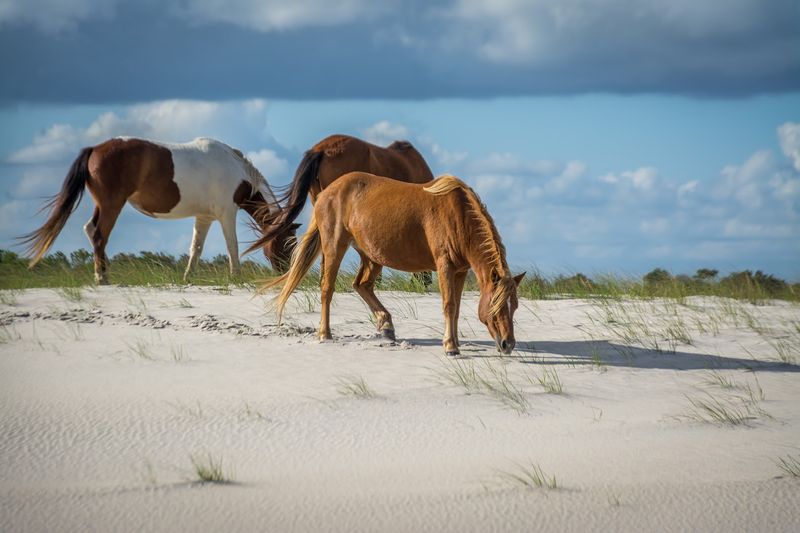
Nobody agrees on exactly how the horses got here, and honestly, that mystery is part of what makes them so captivating. The most popular story involves a 17th-century Spanish shipwreck sending horses swimming to shore, though historians have never confirmed it.
The more grounded explanation is that colonial-era farmers brought horses to the island to dodge fencing laws and livestock taxes on the mainland.
Either way, these animals have been living wild on Assateague for over 300 years. They are technically horses, not ponies, though their shorter, stockier frames fool plenty of visitors.
Their compact build is a direct result of adapting to a tough barrier island environment with limited nutrition.
They eat saltmarsh cordgrass, beach grass, and saltmeadow hay, which is not exactly a gourmet diet. That high-salt food makes them drink nearly twice the water of a domesticated horse, giving them their distinctively round, bloated look.
In winter, they grow thick furry coats that make them look almost bear-like. Spotting them anywhere from the beach to the marsh trails feels like stumbling into a scene that belongs to another century entirely.
Watching Wildlife Beyond the Horses
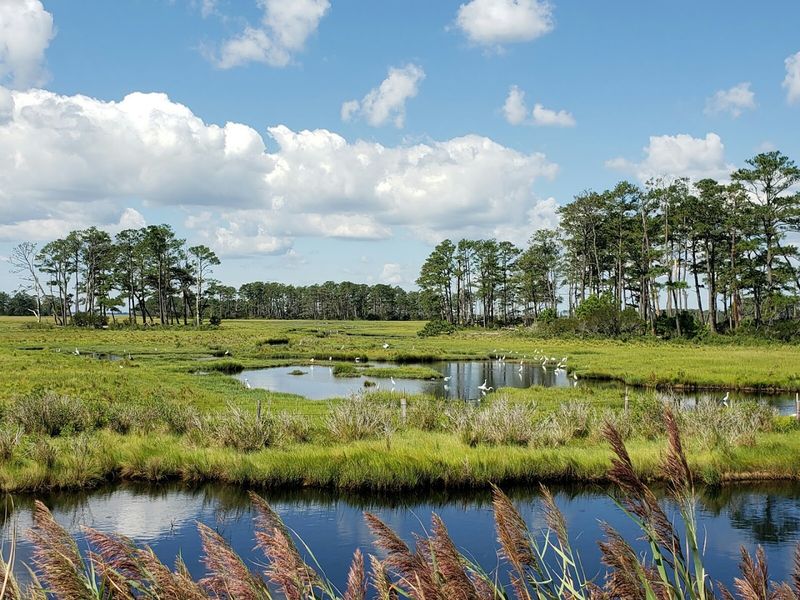
Most visitors come for the horses, but the wildlife here goes far beyond four-legged celebrities. Over 200 species of birds have been spotted on Assateague Island, making it a genuine paradise for birdwatchers.
Gulls and herons are practically guaranteed sightings, but patient visitors have also spotted egrets, bald eagles, peregrine falcons, and even snowy owls during winter months.
The marsh areas are especially productive for wildlife watching. Early morning visits to the “Life of the Marsh” trail often reward you with herons hunting in the shallows or red-winged blackbirds calling from the reeds.
Sika deer, a small species originally from Asia, also roam the island and are frequently spotted near forested areas. The beach itself attracts shorebirds during migration season, and the surf zone hosts feeding terns and skimmers.
There is a rhythm to the wildlife activity here that changes with the seasons. Spring and fall bring migrating birds through in impressive numbers.
Winter is surprisingly good for spotting horses and raptors without the summer crowds. Every season offers something genuinely worth seeing, and the variety keeps even experienced naturalists coming back for repeat visits throughout the year.
The Beach Experience: Two Miles of Atlantic Shoreline
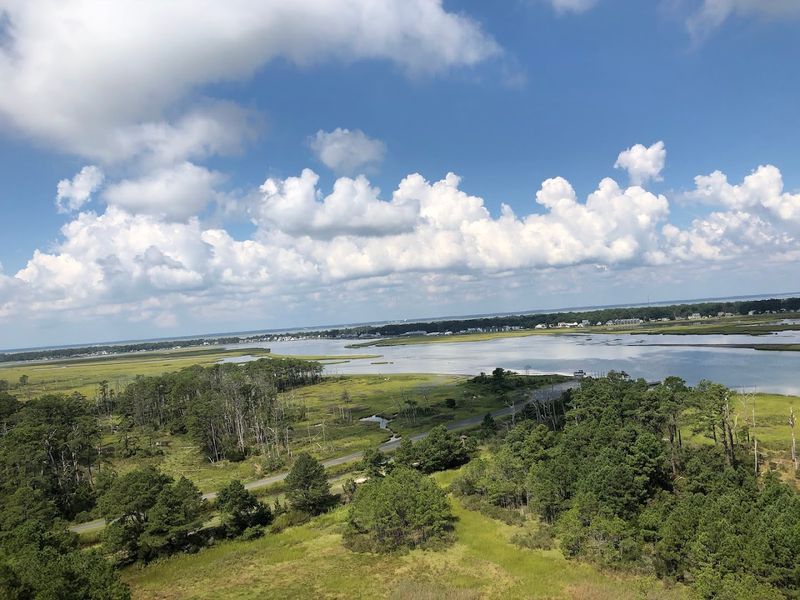
Two miles of ocean beach sounds modest until you are actually standing on it and realize how undeveloped and wide open it feels. There are no boardwalks, no hotels, and no souvenir shops crowding the shoreline.
Just sand, waves, and the occasional wild horse wandering past like it owns the place, which, in a sense, it does.
Swimming is popular here, and lifeguards are on duty from Memorial Day through Labor Day. Outside those months, the beach is still open, but you swim at your own risk.
Surfing draws a dedicated crew to the ocean side, especially during fall when swells pick up. Fishing is another big draw, both from the beach and from the pier on the bay side.
Beachcombing after storms can turn up interesting shells, sea glass, and occasionally interesting debris carried in by the tides. The beach is open year-round from 7 a.m. until sunset for day visitors.
Summer mornings are the sweet spot, busy enough to feel lively but calm enough that you can still find a quiet stretch of sand. Bringing a chair and a good book and simply watching the waves roll in is, honestly, one of the better ways to spend an afternoon here.
Camping Under the Stars on the Island
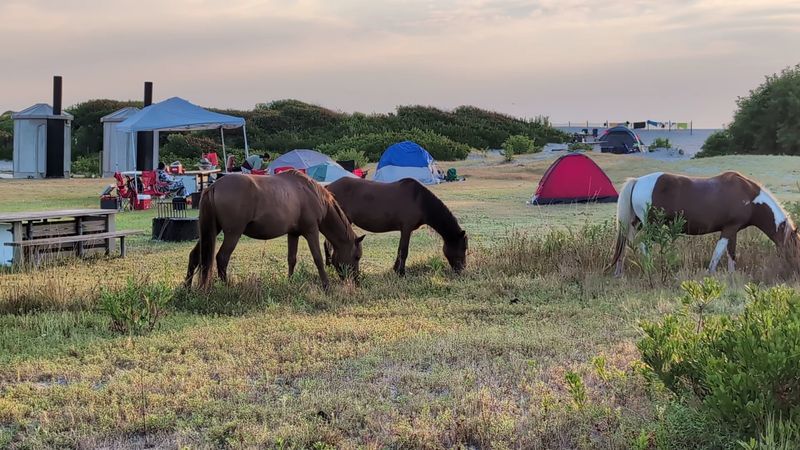
Camping at Assateague is the kind of experience that rewires your sense of what a vacation should feel like. The park has 342 campsites, some with electric hook-ups, and bathhouses with warm showers are available during the season.
Falling asleep to the sound of ocean waves and waking up to a horse nosing around outside your tent is not something any hotel can replicate.
That last part is not a joke. Horses genuinely wander through campsites, and it is both thrilling and a little nerve-wracking the first time it happens.
The campground adjacent to the State Park at Assateague Island National Seashore, offers additional options for longer stays. Both Maryland and federal campgrounds fill up quickly during summer, so booking well in advance is strongly recommended.
Mosquitoes are a real consideration, especially in marshy areas during summer evenings. Bringing quality bug repellent and a good screen tent for your gear makes a significant difference in comfort.
The reward for dealing with the bugs is waking up at dawn when the light is soft, the air smells like salt and pine, and the horses are moving silently through the dunes just beyond your campsite.
Kayaking and Canoeing the Bay Side
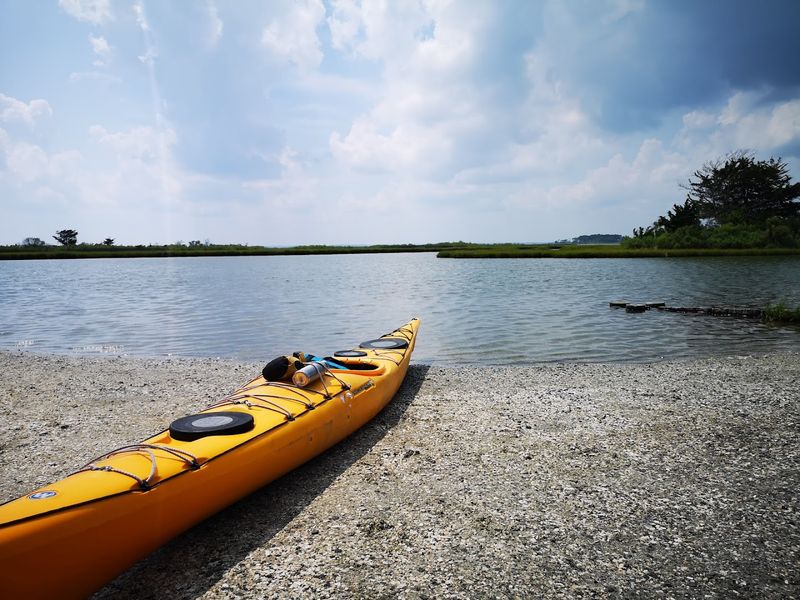
The ocean side gets most of the attention, but the bay side of Assateague is where things get genuinely peaceful. Sinepuxent Bay stretches along the western edge of the island, offering calm, sheltered water that is ideal for kayaking and canoeing.
The park provides a boat ramp for those bringing their own watercraft, and the bay is shallow enough in many areas to feel safe for beginners.
Paddling through the marsh channels is a completely different experience from being on the beach. The water is quiet, the birds are closer, and the whole place feels hidden away from the rest of the world.
Osprey are commonly seen hunting over the bay, and great blue herons stand motionless in the shallows with impressive patience. The fishing pier on the bay side is another option for those who prefer to keep their feet dry.
Crabbing from the pier is a popular activity, especially with families. The bay also offers some of the best sunset views on the island, with the sky turning orange and pink over the water while the marsh grasses glow gold.
Planning an evening paddle or a late-afternoon fishing session on the bay side is one of the quieter pleasures this park has to offer.
Hiking the Nature Trails Through Marsh and Forest
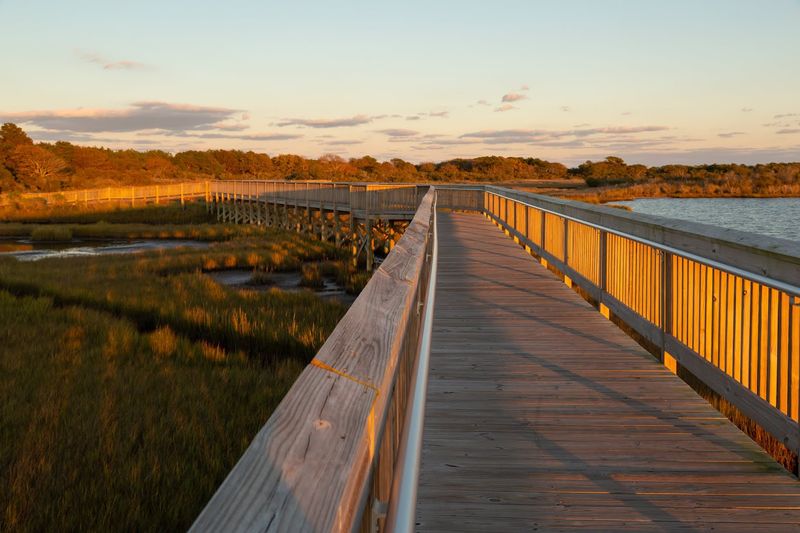
The trails at Assateague are not long by hiking standards, but they are layered with detail that makes every step worth slowing down for. The “Life of the Forest” trail winds through maritime forest where twisted loblolly pines and wax myrtle create a canopy that feels surprisingly dense for a barrier island.
The “Life of the Marsh” trail offers a completely different landscape, with boardwalk sections that put you right over the water.
Spring and fall are the best seasons for trail hiking because the mosquito pressure drops and wildlife activity picks up noticeably. Winter visits are surprisingly rewarding too.
Horses tend to use the forested and marshy areas more frequently when summer beach crowds thin out, so hiking the trails in the off-season often leads to better wildlife encounters than a busy July beach visit.
The trails are short enough to complete in under an hour each, making them accessible for families with younger kids.
Binoculars are worth bringing because the bird sightings along these paths can be remarkable. The combination of forest, marsh, and open sky within such a small area makes Assateague feel much larger than it actually is, and these trails are the best way to experience all of it properly.
Horse Safety: What Every Visitor Needs to Know
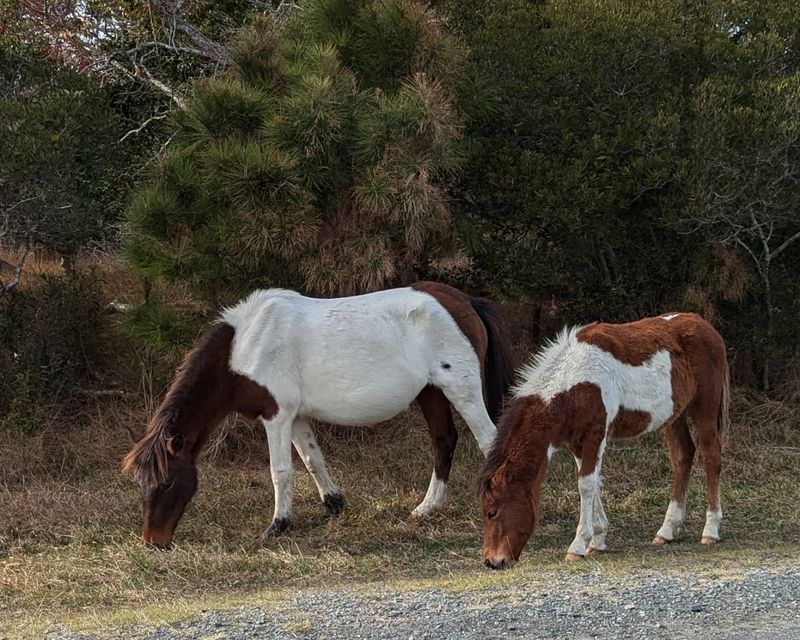
Getting close to a wild horse sounds thrilling, but it is genuinely dangerous, and the park takes this seriously. Visitors are required to maintain at least 40 feet of distance from the horses at all times.
That is roughly the length of a school bus, and it sounds like a lot until a horse is trotting toward you and suddenly feels very close.
Feeding the horses is strictly prohibited, and not just because of park rules. Human food makes them sick, disrupts their natural behavior, and creates horses that associate people with food, which leads to aggressive encounters.
Horses at Assateague have been known to bite, kick, and knock people down, and these incidents happen most often when visitors ignore the distance rules. The horses look approachable because they are accustomed to human presence, but that familiarity should not be mistaken for tameness.
They are wild animals with unpredictable behavior, especially mares with foals or stallions protecting their bands. Keeping food secured in your vehicle or in hard-sided containers is also important because horses will investigate coolers and bags left unattended.
Respecting these boundaries makes the experience better for everyone, including the horses, and keeps the park safe for future visitors who come hoping for the same magical sightings.
The Park’s History: From Development Dreams to Protected Land
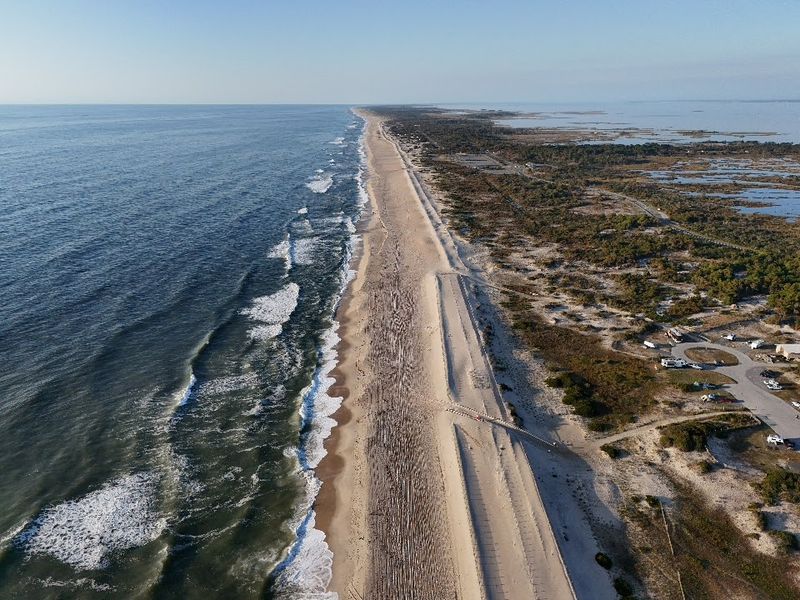
Assateague Island almost looked very different from what it is today. In the late 1950s and early 1960s, developers had ambitious plans for the island, laying out roads and selling lots for a beachfront community.
Thousands of parcels were sold before a powerful nor’easter storm in March 1962 swept through and destroyed most of the infrastructure that had been built.
That storm did not just damage roads. It essentially ended the development project and forced a rethinking of what the island could and should be.
State planners had actually been discussing a park on Assateague as early as 1940, with more formal proposals in 1952. The Maryland State Park was officially created in 1956.
When Congress designated Assateague Island as a National Seashore in 1965, it locked in federal protection for the bulk of the island. The combination of state and federal management has kept Assateague remarkably intact compared to the heavily developed barrier islands on either side of it.
Ocean City sits just to the north, a completely different world of hotels and boardwalks, which makes the contrast with Assateague even more striking. The history of how this island was saved from overdevelopment is a reminder of how close these wild places can come to disappearing entirely.
Planning Your Visit: Practical Tips for First-Timers
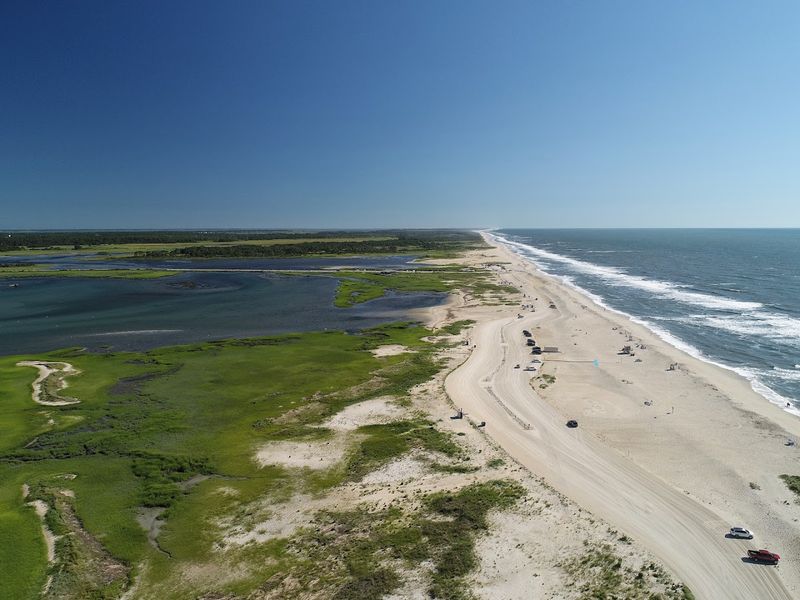
Assateague State Park is open year-round, with the day-use area accessible from 7 a.m. to sunset every day. Summer weekends fill up fast, and the parking areas can reach capacity by mid-morning during peak season.
Arriving early is not just a suggestion; it genuinely changes the quality of your experience.
The park’s Visitor Center and Nature Center are worth a stop, especially if it is your first time. Staff there can point you toward recent horse sightings and trail conditions.
Bug spray is non-negotiable during summer months, particularly if you plan to spend time near the marsh or in the campground at dusk. Sunscreen, plenty of water, and closed-toe shoes for the trails round out the essential packing list.
Bicycles are welcome on the park’s paths, and cycling is a genuinely enjoyable way to cover more ground without disturbing wildlife. The park is dog-friendly in some areas, but dogs must be kept on a leash at all times and are not permitted on certain trails or beach sections.
Checking the park’s current rules before arriving saves frustration. Assateague is the kind of place that rewards visitors who come prepared and patient, ready to let the island reveal itself at its own pace.
Address: 7206 National Seashore Lane, Berlin, Maryland.
