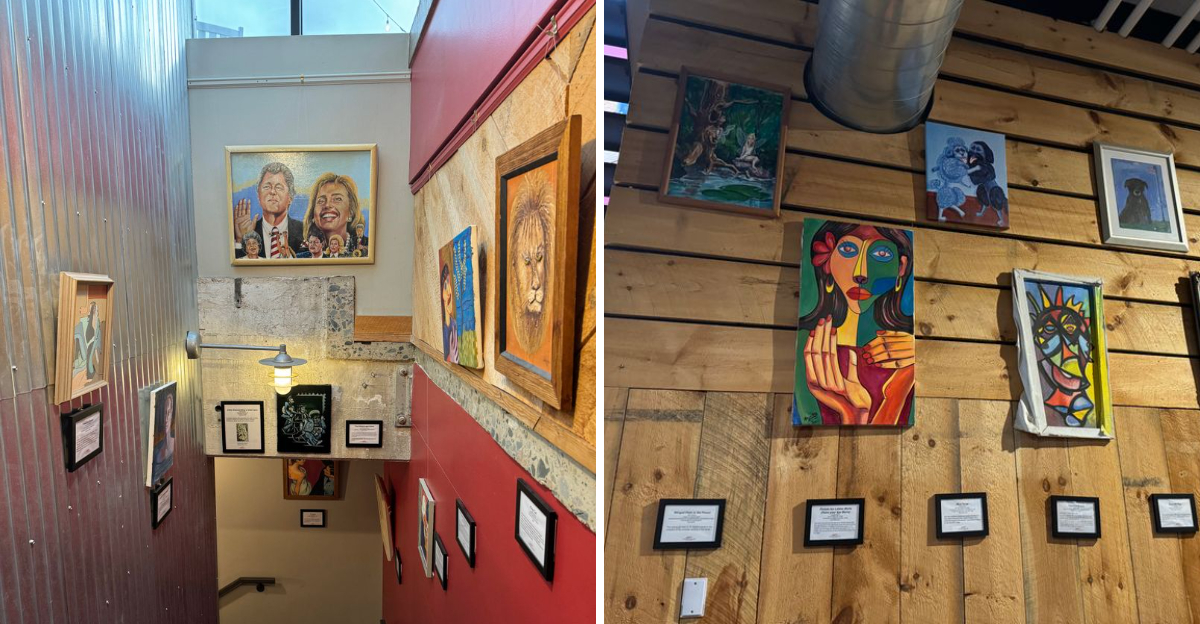
You came to Boston for the icons, yet the most unforgettable stop might be a gallery that proudly celebrates glorious misfires and beautiful mistakes.
The Museum of Bad Art turns flops into conversation pieces, inviting you to laugh, learn, and look closer at what creativity really means.
This is a joyful antidote to perfection, and it belongs on every curious traveler’s Massachusetts itinerary.
Bring an open mind, a playful spirit, and a camera for the delightfully odd scenes you will want to remember.
Expect humor, context, and a fresh way to see art, all wrapped in a welcoming vibe that never punches down.
What the museum is and where to find it
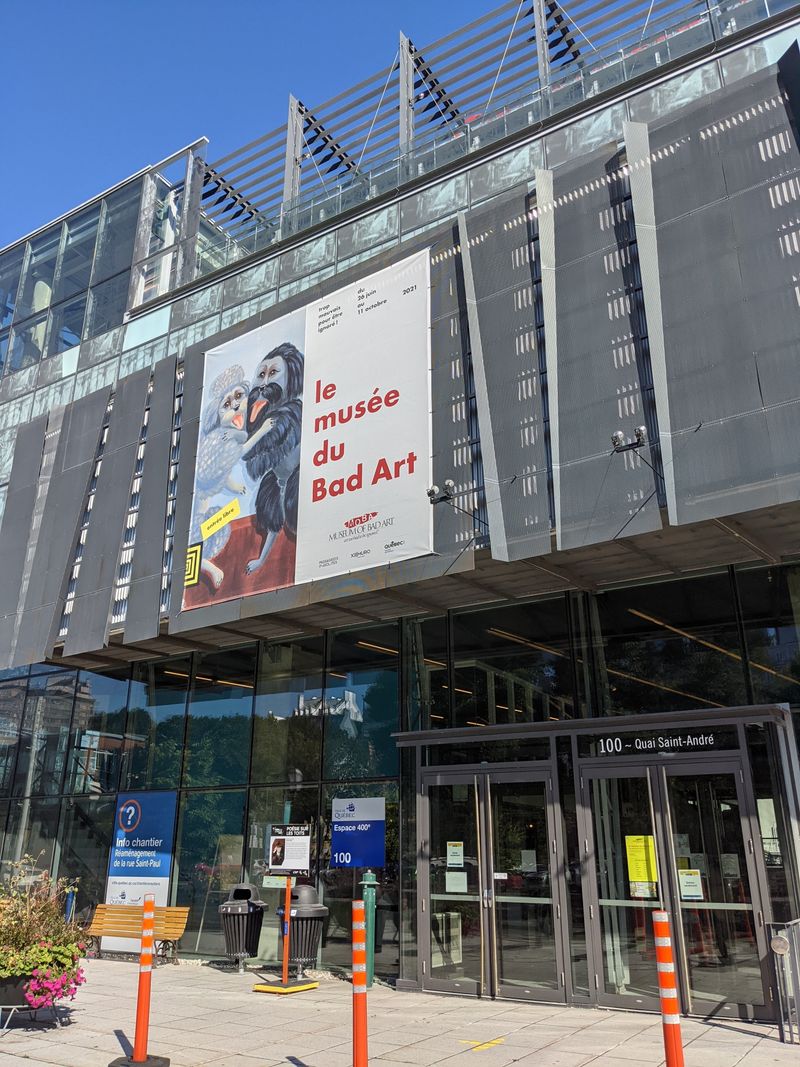
The Museum of Bad Art champions works that miss the mark in enchanting ways, reframing failure as a catalyst for delight and insight.
You will find it at 1250 Massachusetts Ave Suite 1, Boston, MA 02125, inside a friendly complex that puts you steps from public transit and city energy.
The collection highlights earnest attempts at portraiture, landscape, and abstraction that spin off course in irresistible fashion, building a gallery of lovable outliers.
Explanatory labels lean witty yet respectful, so you can giggle while appreciating how composition, color, and subject choices went sideways yet still spark curiosity.
Expect rotating groupings that keep the mood lively and the surprises constant, with curators who clearly adore every odd duck on the wall.
The show balances humor with genuine critique, giving you vocabulary to understand why a puzzling painting feels compelling despite clashing hues or skewed anatomy.
Because the museum’s mission is about access, staff encourage questions and first impressions, elevating your role from spectator to co-conspirator in joyful seeing.
This is a Massachusetts original, rooted in a long tradition of cultural experimentation that Boston audiences love to challenge and cheer.
Grab a timed window during busy weekends and give yourself space to linger, since punchlines build as you move through the themed rooms.
Bring friends who claim they do not get art, then watch the gallery melt resistance with infectious laughter and sincere wonder that lingers after you leave.
Hours, tickets, and planning basics

Plan around convenient hours that fit a relaxed Boston day, with doors typically opening late morning to meet brunch timing and neighborhood rhythms.
As of 2025 the listing shows Thursday through Wednesday operations starting at 11:30 AM, with closing times that stretch later on weekends for unrushed browsing.
Always verify the current schedule on the official website because special events, private bookings, or pop up installations can adjust last entry times.
Tickets are wallet friendly and sometimes free for limited events, reflecting a mission to lower barriers and invite first time museum goers into the conversation.
Online reservations help you avoid waits on busy afternoons, and walk ups are accommodated when capacity allows under fire safety rules.
If you travel with a group, contact staff in advance to arrange a flexible window that leaves time for questions and playful debates onsite.
Public transit brings you close, and rideshares handle quick drop offs, which is helpful if you plan to explore other Boston galleries afterward.
Light bags are ideal because the rooms are intimate, and a hands free visit makes it easier to point at charming oddities without juggling gear.
Photography for personal use is usually welcomed, though tripods and flashes are restricted to keep the space relaxed and respectful.
Give yourself 45 to 75 minutes to see everything without rushing, and remember that visiting a second time often reveals new jokes hidden in plain sight.
Why bad art matters to you
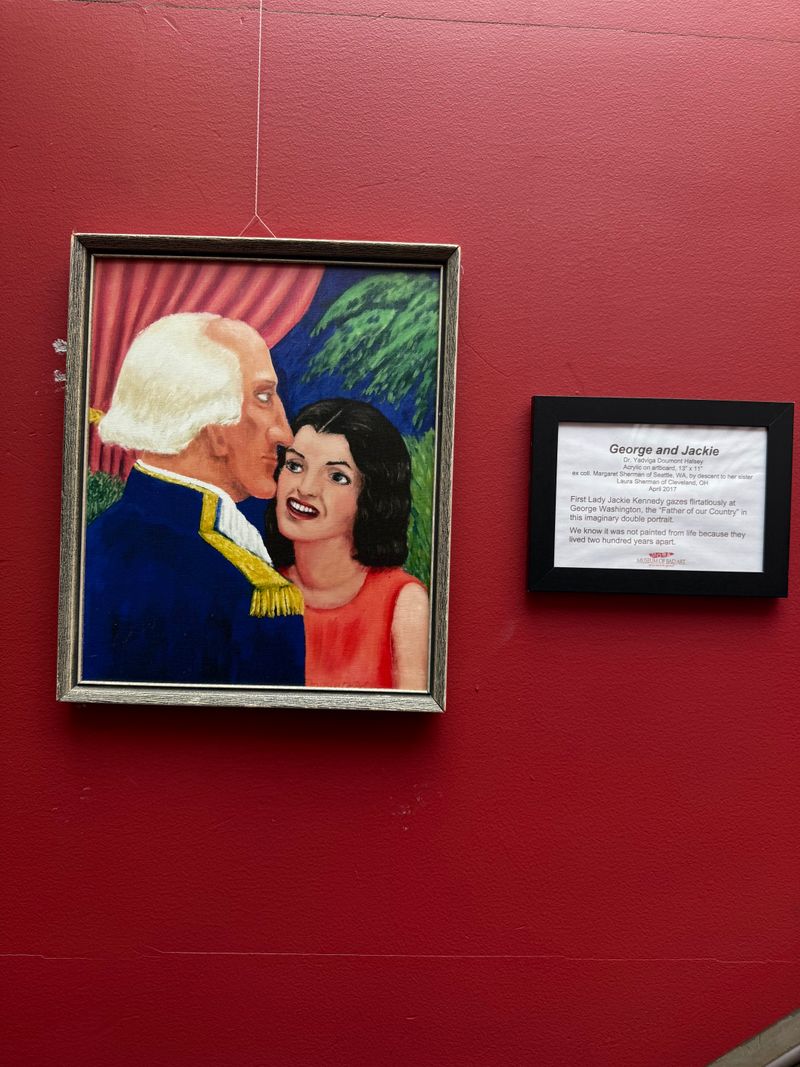
This museum doubles as a creativity lab where failed attempts are recast as valuable waypoints that make artistic breakthroughs possible.
Seeing a lopsided portrait next to a clever caption gives you language for why your eye stops there, helping you notice proportion, contrast, and narrative cues.
The result feels empowering because perfection is not the goal, and your gut reactions become part of the artwork’s evolving life.
Students benefit from concrete examples of choices that did not cohere, which makes critiques kinder and more informed in classrooms and studios.
Parents appreciate a kid friendly tone that normalizes trial and error, lowering pressure while keeping curiosity front and center.
The humor lands because it punches up at the idea of perfection, never at the makers, and that ethic keeps the laughter bright not cruel.
Massachusetts has a long tradition of experimental culture, and this gallery plugs into that lineage with a civic wink and scholarly backbone.
The wall texts invite you to pause, look again, and identify what almost works, turning the room into a game of visual detective work.
That mindset travels home with you, showing up in writing, design, and daily problem solving when you notice quirky patterns or mismatched elements.
By the time you exit you will likely feel lighter, more observant, and ready to cheer for the next bold attempt that misses in the most entertaining way.
Signature themes and rotating highlights
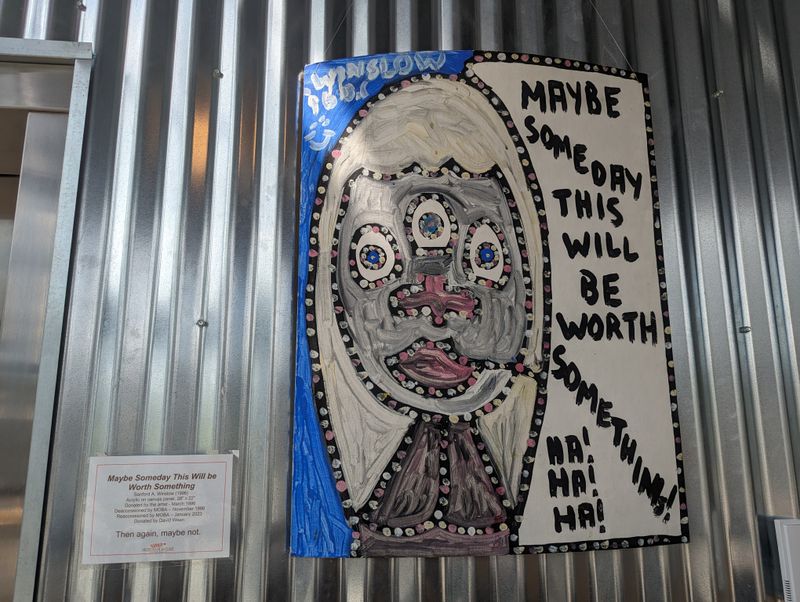
Exhibitions tend to group pieces by theme, allowing contrasts to spark unexpected insights about how intentions veer from results.
Portrait corners spotlight eyes that wander or smiles that overshoot, and you learn how tiny shifts in line can tilt an entire expression.
Landscapes often swirl into improbable weather that suggests big feelings outrunning the painter’s brush, which is part of the charm.
Animal zones gather pets and creatures whose anatomy suggests creative liberties, offering gentle lessons in proportion and movement.
Abstract sections take joyful risks with color that outruns restraint, turning the room into a playground for discussing balance and rhythm.
Rotations keep the mix fresh because the collection is larger than any single installation, and lenders sometimes add seasonal flavor.
Labels thread humor with vocabulary that a beginner can use outside the museum, making conversations at other galleries looser and brighter.
Look for surprise pairings that place two similarly flawed strategies side by side, which helps your eye find patterns across genres.
The curators refine these clusters to build momentum through the visit, so the last room carries jokes seeded much earlier.
Even repeat guests from across Massachusetts discover new favorites, proving that the show’s storytelling grows as the collection evolves.
The location and how to pair your visit
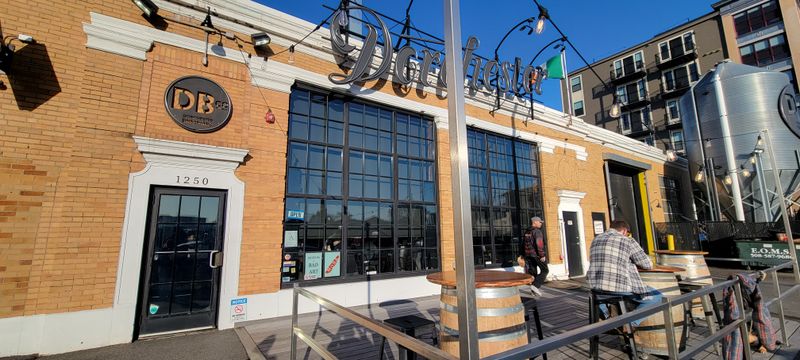
The museum sits at 1250 Massachusetts Ave Suite 1, Boston, MA 02125, a convenient address that lets you fold it into a day of city exploring.
Nearby transit lines and pedestrian friendly blocks make it easy to slide this stop between a bookstore browse and a park stroll.
You can pair the visit with other cultural stops in Dorchester and neighboring areas, building a playful loop that blends serious and silly.
Since the galleries are compact you will have energy for a second attraction, which helps balance visual humor with a different mood.
If weather turns, this indoor plan provides a reliable shelter that still feels lively and social.
Families appreciate the low time commitment, which fits between naps, school schedules, or early dinners without anxiety.
Couples turn the experience into a shared joke that becomes trip shorthand long after the flight home.
Solo travelers find a welcoming vibe where chatting with strangers comes naturally because laughter breaks the ice from the first label.
The staff can recommend current neighborhood happenings so you leave with extra ideas tailored to your timing and budget.
Massachusetts days can be packed, and this stop adds a lighthearted spark that keeps the itinerary balanced and memorable.
Etiquette, photos, and accessibility
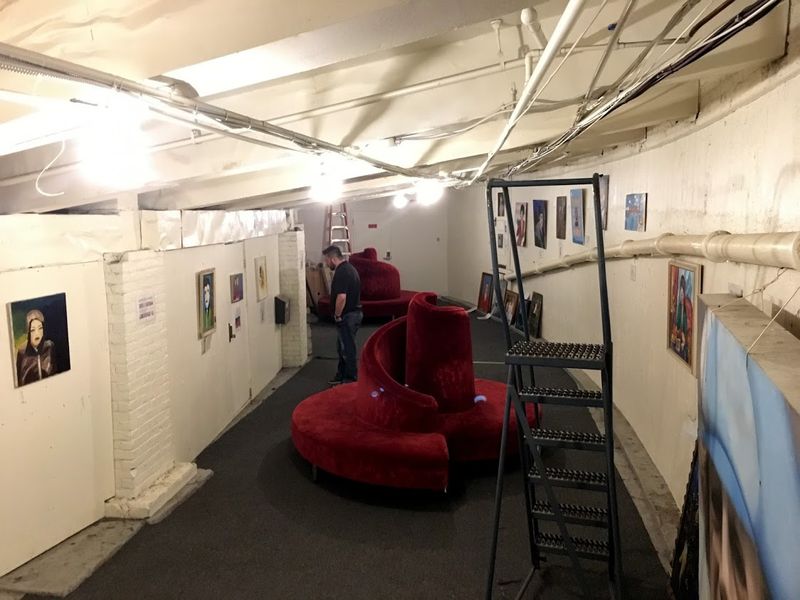
Photograph freely for personal memories, and keep flashes off to preserve a calm atmosphere for visitors who rely on consistent light.
Tripods and large rigs are not allowed in tight rooms, so handheld shots with steady breathing will give you clean results.
Ask before recording audio because other guests might be mid conversation and the staff aim to maintain a relaxed mood.
Wayfinding signs use clear fonts and contrasting colors, and benches dot the space so you can take breaks without losing momentum.
Doorways are wide and paths are uncluttered, aligning with accessibility best practices that help families with strollers and mobility devices.
Service animals are welcomed per policy, and team members will help you find quieter corners if sound levels rise during peak hours.
Keep voices friendly and brief near labels so others can read captions that carry much of the humor and context.
Food and drinks stay outside galleries, which protects the collection and keeps small spaces from feeling crowded or sticky.
Respectful laughter is encouraged because joy is the point, and a quick thank you to staff goes a long way in a small institution.
These small courtesies help everyone enjoy the quirks together, and they model how to approach other Massachusetts museums with care.
Programming, talks, and special events
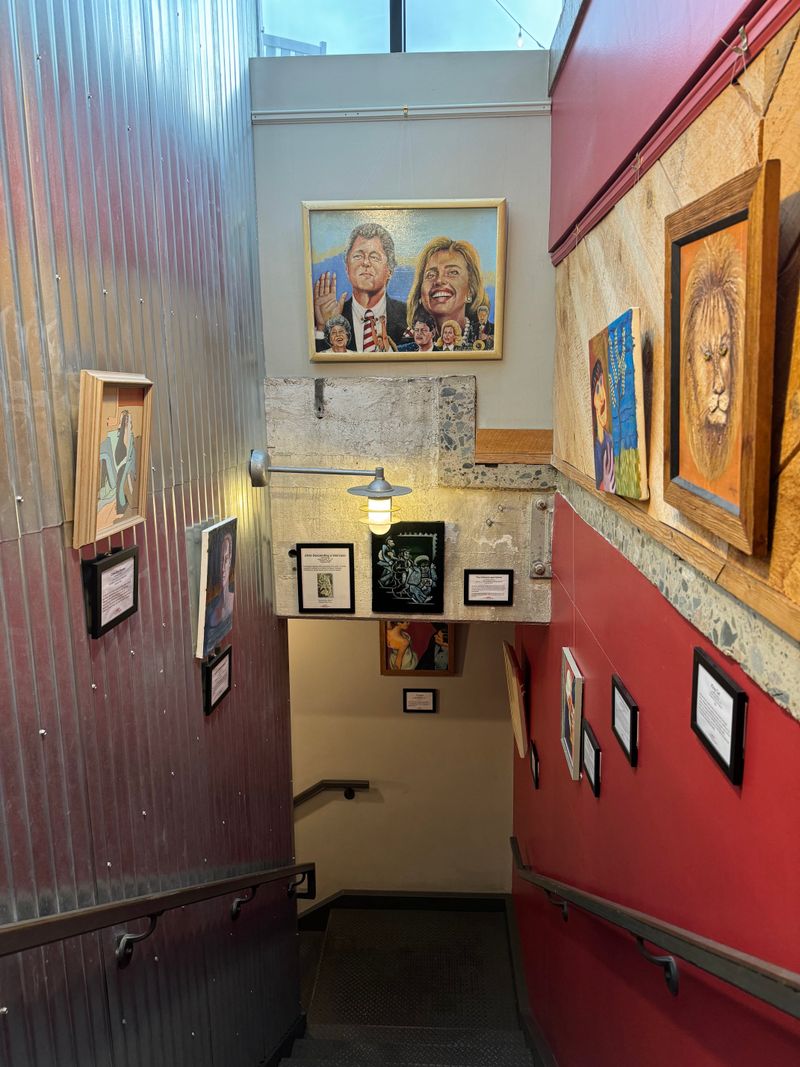
Talks and occasional panels unpack the museum’s curatorial choices, showing how humor and scholarship can share the same room.
Guest artists discuss failure as a studio tool, offering stories about drafts, misreads, and the honest detours that shape finished work.
Educators attend to grab fresh classroom exercises that turn critique into a game with clear goals and gentle feedback loops.
Special nights might focus on a theme like misplaced heroism or ambitious perspective, turning the gallery into a live think tank.
Community partners sometimes co host evenings that welcome first timers who are curious but nervous about art vocabulary.
Seats go quickly, so set alerts on the website and confirm times a day ahead in case a speaker extends the Q and A.
Interactive prompts invite you to sketch or caption, and those exercises become icebreakers that help strangers trade observations.
Families can look for daytime sessions that keep the pace brisk, with friendly facilitators adjusting examples to younger eyes.
Tourists land in the right place to meet locals and hear stories about Massachusetts art scenes that do not always make the guidebooks.
You will leave with a sharper eye and a lighter spirit, two souvenirs that travel well and improve every gallery you visit next.
Gift shop ideas without the clutter
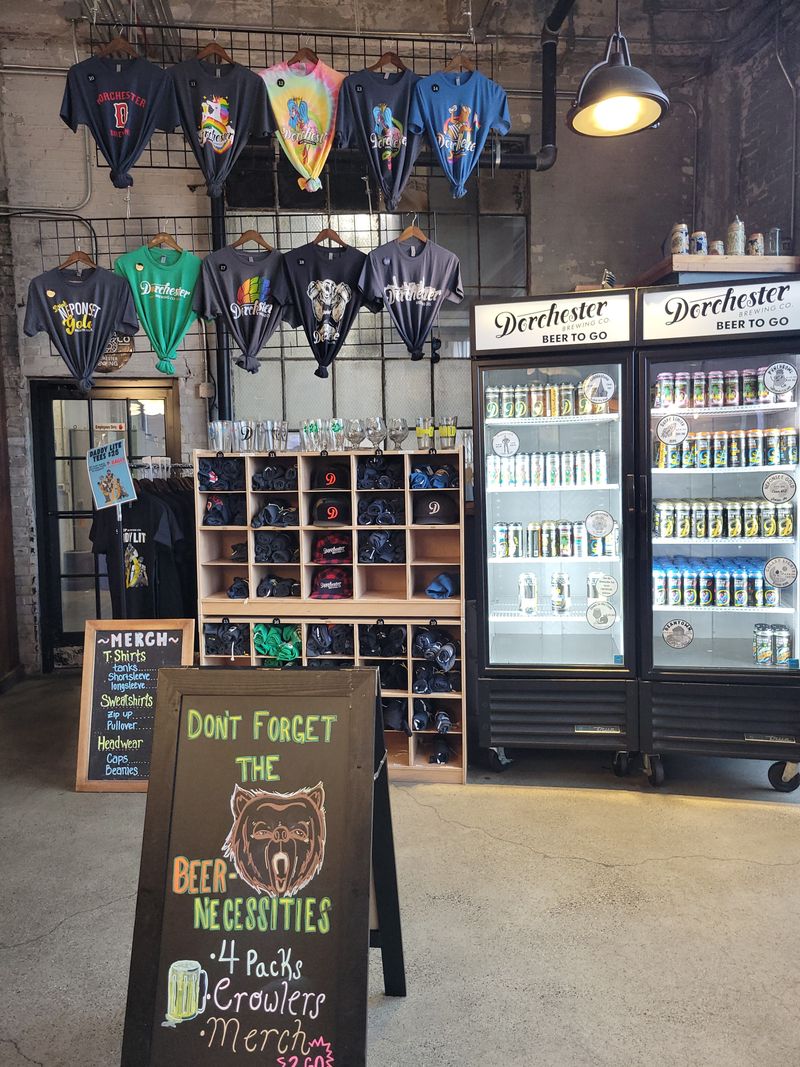
The shop favors affordable items that mirror the museum’s playful honesty, so you can bring home wit without heavy luggage.
Postcards reproduce visitor favorites with captions that keep the spirit intact, making great notes for friends who love oddball charm.
Magnets, stickers, and small prints fit carry on pockets, and the designs spark quick stories when people ask about your trip.
Books explore creative failure as a learning path, pairing essays with images that show how near misses teach the clearest lessons.
Look for rotating limited runs that tie to current displays, which means souvenirs double as time stamps for your visit.
Staff curate with care so the shelves feel tidy, and that restraint makes browsing peaceful instead of overwhelming.
Receipts list the official website and hours, useful for sharing details when you gift an item to a curious friend.
If you are unsure what to pick, ask for the current top seller, then add a personal note about the piece that made you laugh hardest.
Every purchase supports programming and preservation, so your magnet or postcard helps keep the doors open for the next traveler.
This is Massachusetts hospitality in retail form, friendly, thoughtful, and proud to celebrate creativity in all its surprising shapes.
Tips for families and first timers
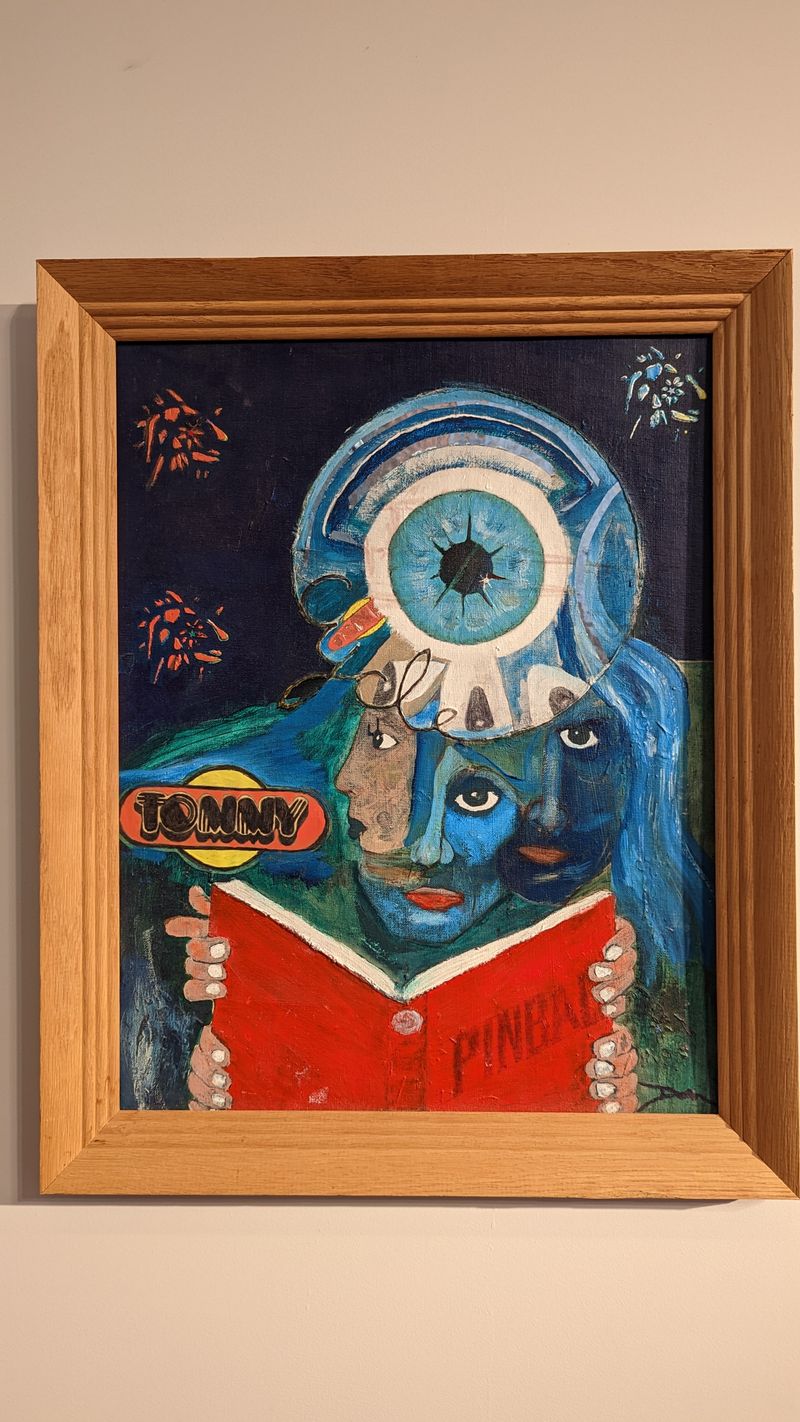
Start with a quick lap to get the giggles out, then circle back to read labels that frame the jokes with bite sized insights.
Invite kids to pick a favorite and explain why it works despite the wobble, which builds confidence and vocabulary at the same time.
First timers can relax knowing there is no wrong reaction here, because surprise and delight are baked into the mission.
Short visits beat marathons, so plan a snack nearby before or after rather than dragging little legs through every corner twice.
Keep phones handy for fun captions, and steer clear of flash to maintain a calm glow for everyone around you.
If attention flags, play a scavenger game like find the boldest color or count the eyes that look the wrong way.
Ask staff for today’s sleeper hit, and you will often discover a piece that rewards a slower look and a second laugh.
Those small wins create a shared memory that sticks much longer than a checklist of famous names.
Massachusetts families and travelers alike find this approach opens doors at other museums, turning silence into friendly conversation.
The goal is to leave energized, curious, and ready to spot creative risks everywhere you go after Boston.
Responsible visiting and community respect
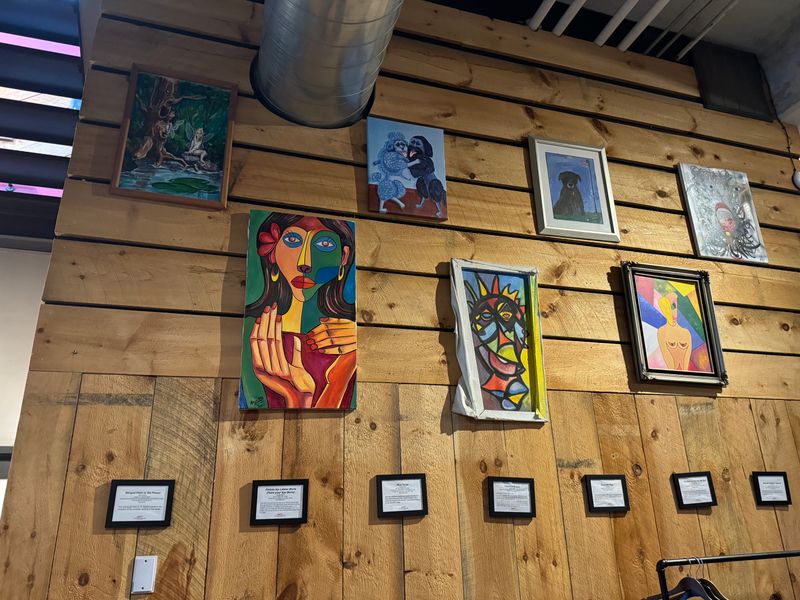
Small museums rely on thoughtful guests who keep pathways open, voices gentle, and phones discreet to protect a relaxed atmosphere.
Follow posted rules and posted hours, and remember that staff priorities include safety, accessibility, and a welcoming tone for all ages.
When the gallery reaches capacity, brief waits ensure everyone enjoys the exhibits without jostling or rushed labels.
If you notice a loose frame or scuffed wall, alert the desk so the team can address it before it affects the next group.
Respect consent around photos by avoiding close ups of strangers, especially when kids are nearby and families seek privacy.
Leave backpacks zipped and umbrellas closed to minimize accidental bumps that could mark floors or frames.
Consider public transit to reduce congestion and emissions, which supports a cleaner city and calmer arrivals during peak times.
Share your favorite moments online with accurate information, including the correct address in Boston, so others can plan easily.
That spirit of care mirrors the museum’s mission to celebrate effort with kindness, not mockery.
Community minded choices keep Massachusetts cultural spaces thriving, and your visit becomes part of that ongoing success story.
Dear Reader: This page may contain affiliate links which may earn a commission if you click through and make a purchase. Our independent journalism is not influenced by any advertiser or commercial initiative unless it is clearly marked as sponsored content. As travel products change, please be sure to reconfirm all details and stay up to date with current events to ensure a safe and successful trip.
