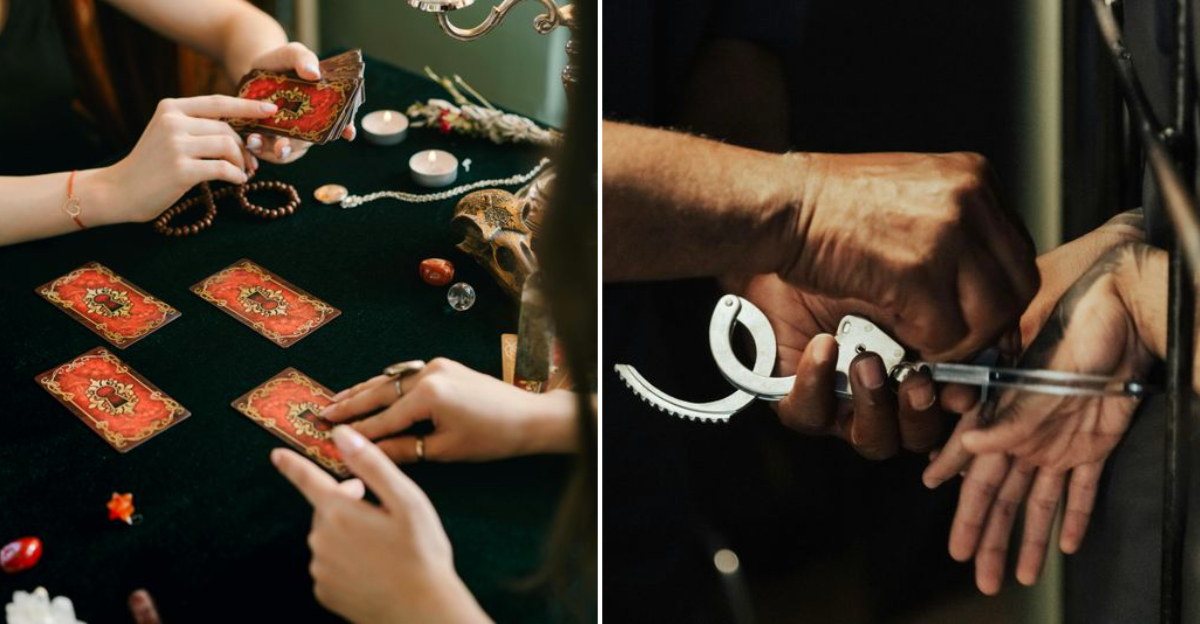
Walk into a crystal shop in Massachusetts and you might be surprised to learn that reading palms or cards can be treated like a regulated profession.
What feels like a mystical side hustle in most places actually crosses into licensed territory in parts of the state.
The rule grew out of old consumer protection efforts, when lawmakers wanted to separate harmless entertainment from outright fraud.
Cities and towns were given the power to require permits, background checks, or local registration for anyone offering fortune telling for money.
Some places still keep those ordinances on the books, and a few take them seriously enough to enforce.
Visitors often assume psychic readings fall into the same category as street performers or novelty shops. Instead, a reader might need paperwork, a business registration, and approval from local officials.
It is a quirky example of how Massachusetts blends history, skepticism, and bureaucracy, turning a mystical tradition into a surprisingly formal line of work.
The Quiet Paperwork Step Most Psychics Don’t Expect

You know what surprises most folks who read cards for friends and neighbors? In Massachusetts, the first real step is not candles or crystals, it is a trip to city hall for a license application.
The room looks ordinary, like any clerk’s desk with pens on a chain and a stack of forms.
That quiet moment when you ask for the fortune telling license is where the job turns official.
You list your name, your address, the place you plan to work, and sometimes your method. The form is not poetic, but it anchors a floating practice to one street and one door.
It feels less mystical and more municipal, which is the point. The state wants clarity on who is offering readings for pay.
Think of it as setting the table before the guests arrive.
You make it tidy, you define the space, and then you can deal the cards without looking over your shoulder.
People imagine smoke and secrets, yet the first rite is paperwork. That is oddly reassuring if you ask me.
Walking out with that process underway changes how the shop feels. It becomes part of the local map, not just a sign in a window.
When you visit a reader in Massachusetts, this quiet step is often sitting behind the scenes. It is not dramatic, but it keeps everything grounded.
The “For Pay” Detail That Flips The Switch

Here is the hinge that makes people blink. In Massachusetts, the law really wakes up the moment readings move from friendly favors to services for pay.
You can chat about dreams and signs with a cousin all day and no one cares.
But once money changes hands, the city wants you licensed like any other local job.
It is not the deck or the crystals that trigger the rule. It is the transaction, which turns a conversation into a business under local oversight.
I like how clean that line is. It spares casual, personal moments and focuses on consumer protection when stakes feel real.
So if you see a handwritten placard that mentions appointments and payment, assume there is or should be a license somewhere. That tiny phrase for pay is a light switch.
It is the same idea you see across Massachusetts with barbers, guides, and certain personal services. When someone pays, expectations change.
I have heard readers laugh about it, saying the spirits accept cash but the clerk needs ink.
That is the balance here between belief and paperwork.
If you are thinking of trying readings at a street fair or a tiny studio, this is your checkpoint. Decide which side of the line you live on and plan accordingly.
How Cities Decide Who Needs A License

Not every corner of Massachusetts treats fortune telling exactly the same way.
Local governments decide how to enforce licensing and who qualifies within their borders.
That means a reader in a small coastal town may face a simple checklist, while someone in a busy neighborhood sees a longer review. The vibe of the town can shape the process.
Some places ask about your methods and your location layout. Others keep it spare and just want names and addresses.
Think of it like local accent meets local rules. The law lives in the state, but the voice you hear is the town clerk’s.
There can be hearings where neighbors weigh in on where a studio sits. Or it might be a desk visit that takes a few minutes and a signature.
I like that it keeps the practice stitched to the community.
If you serve locals, locals get a say in how and where you set up.
When you travel across Massachusetts, you can feel the differences block by block. That shows up in licensing rhythms too.
So if you are planning to read in more than one city, expect new conversations each time. The map matters, and the rules follow the map.
The Residency Rule That Trips Up New Arrivals

New to town and ready to hang a sign? Hold up, because many Massachusetts cities want proof you actually live where you say.
Residency sounds dull until it is the thing that stalls your first week of work.
A lease, a utility bill, something official with your local address can make or break the application.
The idea is simple and pretty fair. If you read for locals, you should be reachable by locals and by the people who regulate you.
It keeps pop up readers from vanishing after a weekend. It also gives the city a way to follow up if a concern lands on the clerk’s desk.
I have watched people scramble for a letter from a landlord at the last minute. It is not dramatic, but it feels high stakes when rent is due.
So bake in time for this step. Walk in with papers that prove your Massachusetts address and you will breathe easier.
Traveling readers sometimes ask if a friend’s couch counts. Usually not, unless the documents say otherwise.
Get that residency squared away first, then roll out the tarot cloth.
You will thank yourself when the rest of the process moves smoothly.
Fees, Forms, And The Small Print People Miss

This is the spot where eyeballs glaze over. The forms have boxes, the boxes have tiny instructions, and the tiny instructions matter more than you think.
Miss a checkbox about where you will work or the hours you keep, and you might have to start again. It is not personal, just procedural.
Fees are part of the deal, and they go where fees usually go.
Bring what is needed, exactly how the town asks for it.
Some offices want a simple layout sketch showing the table, chairs, and waiting spot. Others ask for a quick note on how you keep sessions private.
I like to treat this like packing for a short trip. Make a list, double check it, and keep copies of everything in one folder.
Small print can hide details about renewals or location limits. That little line decides whether a move across the street needs fresh approval.
Readers swap tips in whispers at metaphysical shops across Massachusetts.
The best advice is usually boring and right there on the form.
Take your time, read twice, ask once if something feels fuzzy. City staff see this all the time and would rather help than fix a mess later.
Why Licenses Don’t Transfer Between Readers

Here is a classic mix up. Someone assumes a shop’s license covers everyone who sits at the table, but in Massachusetts, the license sticks to the reader.
It is a personal permission tied to your name, not a blanket permission for the room.
That means your friend cannot borrow yours for the weekend market.
I actually like how personal that feels. A reading is not a machine you rent, it is a person doing work for a neighbor.
Shops can hold a business certificate, sure. Still, each reader needs their own approval if they take money for sessions.
This matters when a studio rotates guests or hosts pop ups. The paper on the wall should match the human at the table.
Across Massachusetts, that keeps accountability clear.
If a question pops up, the city knows exactly who to call.
So if you are teaming up with others, plan for multiple licenses. It is paperwork heavy, but it keeps the lineup clean and above board.
What Happens If You Work Without One

I would not roll those dice. Working without a license in Massachusetts can bring a warning, a stop order, or worse depending on the town.
Most places start with a nudge to come in and apply, but repeat laps can end badly. It is not drama, it is enforcement like any other local rule.
Think about the vibe when a client sees a notice on the door. That is not the energy you want before a gentle conversation about their big question.
The smoother path is obvious. Do the paperwork, get the ok, and keep a copy handy near the table.
If someone asks where your permission lives, you do not need to bristle.
You can point to the frame and get on with the reading.
This is not an anti magic stance. It is a pro clarity move that helps everyone know the ground rules.
I have talked to readers who said the license actually calmed first timers. It signals you are part of the neighborhood fabric in Massachusetts.
So yeah, skip the risk and get square. You will sleep better, and your clients will too.
Boston’s Approach Versus Salem’s Approach
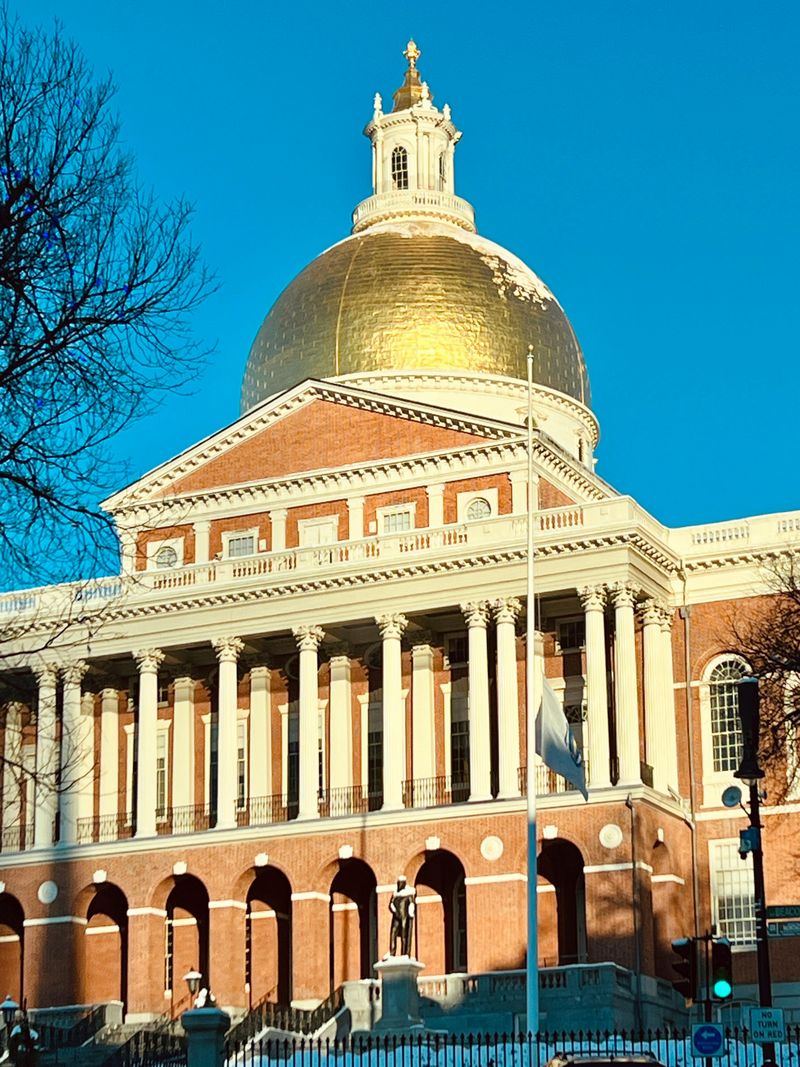
Boston and Salem both play by Massachusetts rules, but they speak different dialects. Boston feels procedural, tidy, and a bit buttoned up, while Salem layers in its own personality from the tourism current.
In Boston, you might feel like one file among many.
In Salem, the line outside a shop can snake past a tour group and a museum queue.
The result is that timing and expectations shift. Appointments, foot traffic, and where a table sits can trigger extra attention in Salem.
Boston leans on forms and consistency. Salem balances forms with crowds and how a studio fits into a lively street.
Neither is better, just different in texture.
I like how that shows the state framework bending to local character.
If you are traveling between the two, do not assume yesterday’s answers still apply. Ask again, and match your setup to the street you are on.
Clients feel the difference too. A quiet office near Government Center sets a different tone than a Salem parlor with vintage wallpaper.
That is part of the fun of seeing this law in action across Massachusetts. Same backbone, different heartbeat.
What A License Actually Protects And What It Doesn’t

This is where expectations need a reality check. A license does not promise accuracy or guarantee life changing answers, it signals accountability and permission to operate.
It protects the public by making the reader visible to the city.
It protects the reader by clarifying that the service is lawful at that time and place.
It does not bless any belief system. It does not rank decks, crystals, or styles by quality or truth.
Think of it like a map pin. The city can find you, and clients can feel steadier sitting down across from you.
In a state with long memories like Massachusetts, that steadiness matters. People want to know who is behind the table and where to reach them after.
I like that everyone gets the same ground. You bring your craft, the client brings their question, and the rules keep the lights on.
If someone promises the moon, the paper on the wall will not make it so.
It just says the business part is in order.
That might sound plain, but plain is useful. It frees you to focus on the conversation happening in the chair.
How An Old Rule Survived Into Modern Massachusetts

You can feel the history in this one. The idea of licensing fortune tellers sounds vintage, but it kept its place in Massachusetts because it still solves a simple problem.
The problem is not belief. It is accountability when money and private advice meet in a small room.
Old rules stick when they still work. Towns can spot who is open, where they are, and how to reach them if something goes sideways.
I like that the past is visible but not dusty. The law hums along while readers update decor, language, and tools for modern clients.
Walk a courthouse corridor and you will see plenty of long running ideas.
This one just happens to touch neon palms and quiet back rooms.
It is not romantic, but it is steady. And steady often outlives flashy.
If you are traveling through Massachusetts and you see that framed permission, you are catching a thread that runs back a long way. It is a local tradition of keeping track, not keeping out.
That is why the rule endures. It fits the state’s habit of blending old bones with new rooms.
Dear Reader: This page may contain affiliate links which may earn a commission if you click through and make a purchase. Our independent journalism is not influenced by any advertiser or commercial initiative unless it is clearly marked as sponsored content. As travel products change, please be sure to reconfirm all details and stay up to date with current events to ensure a safe and successful trip.
