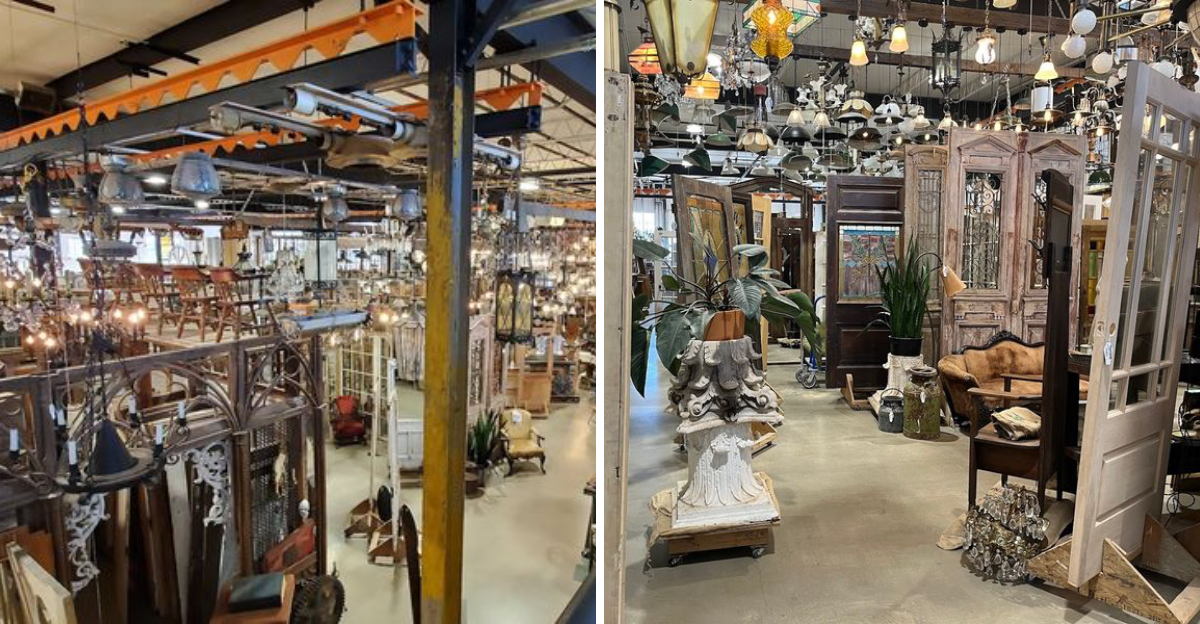
A 40,000-square-foot warehouse in Oklahoma City hides one of the most extraordinary collections of architectural salvage in the country.
Behind an unassuming brick exterior, Dead People’s Stuff offers a sprawling two-story labyrinth of antique doors, stained glass, light fixtures, hardware, and architectural elements gathered from around the world.
The inventory ranges from doorknobs priced at a few dollars to pieces that cost over thirty thousand dollars, and the variety seems to have no end.
Movie buffs might recognize some items, as the warehouse has supplied pieces for film productions, including antiques from major Hollywood projects.
The owners travel globally to source goods built with craftsmanship and historical significance, and an onsite restoration shop ensures pieces are ready for new homes.
If you are remodeling an older home or just love hunting for unique treasures, this is the kind of place where you can easily lose an entire day exploring every corner.
A Name You Will Never Forget
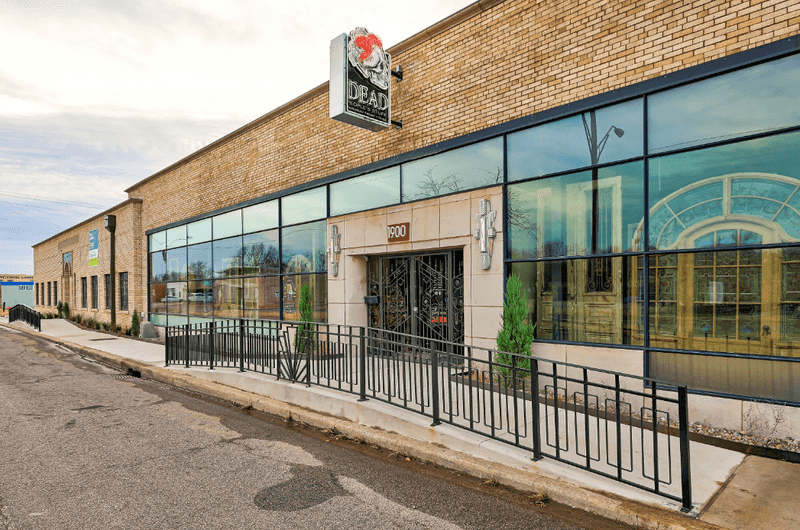
Some business names play it safe. Dead People’s Stuff is not one of those businesses, and honestly, that boldness sets the tone for everything inside.
Located at 1900 Linwood Blvd in Oklahoma City, Oklahoma, this architectural salvage store announced itself to me long before I reached the front door. The name alone stopped me mid-scroll when I first came across it online, and it had the same effect when I finally pulled into the parking lot in person.
There is something refreshingly honest about calling your inventory exactly what it is. These are items that once belonged to people, filled their homes, lined their hallways, and held their daily lives together.
Bringing them here gives those objects a second chance at meaning.
Oklahoma has no shortage of interesting stops along its roads, but this one earns a category all its own. The name is a conversation starter, a marketing masterpiece, and a genuine promise of what waits inside.
Once you hear it, you cannot unhear it, and once you visit, you will be telling everyone you know about it for weeks.
The Sheer Scale of the Space
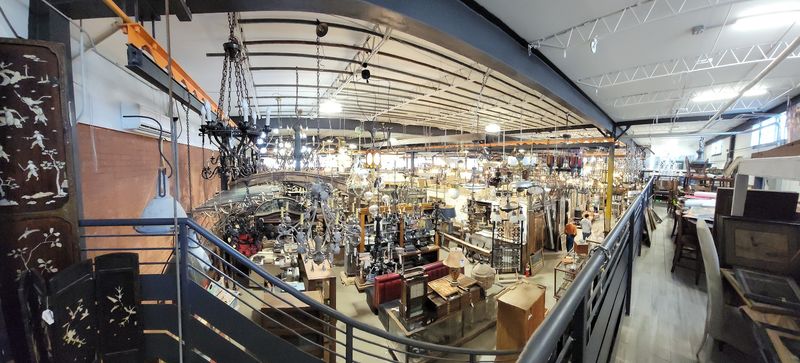
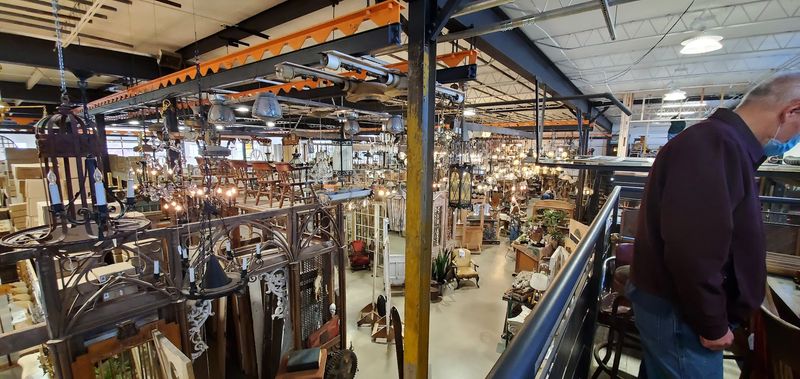
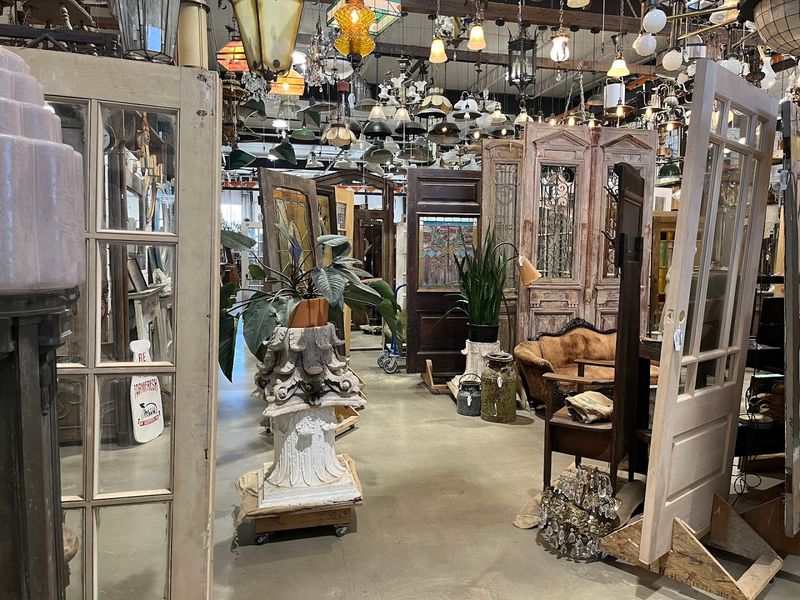
Walking into a 40,000-square-foot building is one thing. Walking into one that is packed from floor to ceiling with architectural salvage is a completely different experience that takes a few seconds to process.
My first step inside Dead People’s Stuff in Oklahoma City, Oklahoma felt like stepping into a parallel universe where every era of American interior design exists at the same time. The ceiling soars overhead, the aisles stretch ahead, and the inventory just keeps going in every direction you look.
It is genuinely easy to lose your sense of direction in here. I found myself looping back through the same corridor twice before realizing I had missed an entire wing filled with lighting fixtures.
The organization is surprisingly solid for a space this massive, with categories grouped together so you can actually find what you came for.
Oklahoma is a state with wide open landscapes, and somehow this store channels that same sense of expansiveness indoors. Plan to spend at least two hours here if you want to see even half of what is on offer.
Bring comfortable shoes and a charged phone for all the photos you will take.
Movie Props Hidden in Plain Sight
Not many antique stores can say they have housed props from a major Hollywood production, but Dead People’s Stuff in Oklahoma can say exactly that.
Pieces connected to the film Killers of the Flower Moon, the acclaimed Martin Scorsese production filmed partly in Oklahoma, have made their way into this store. Seeing an object that appeared on a major motion picture screen, now sitting quietly on a shelf in Oklahoma City, creates a genuinely surreal moment.
The connection to film production makes complete sense when you think about it. Production designers need authentic period pieces, and this store is one of the most well-stocked sources of genuine historical items in the entire region.
The range of eras and styles represented here means filmmakers have real options to work with.
For a visitor like me, spotting a piece with a film connection feels like finding an Easter egg hidden in plain sight. You have to keep your eyes open and your curiosity active.
Every tagged item carries its own story, and some of those stories have played out on screens in front of millions of people around the world.
Doors That Tell Decades of Stories
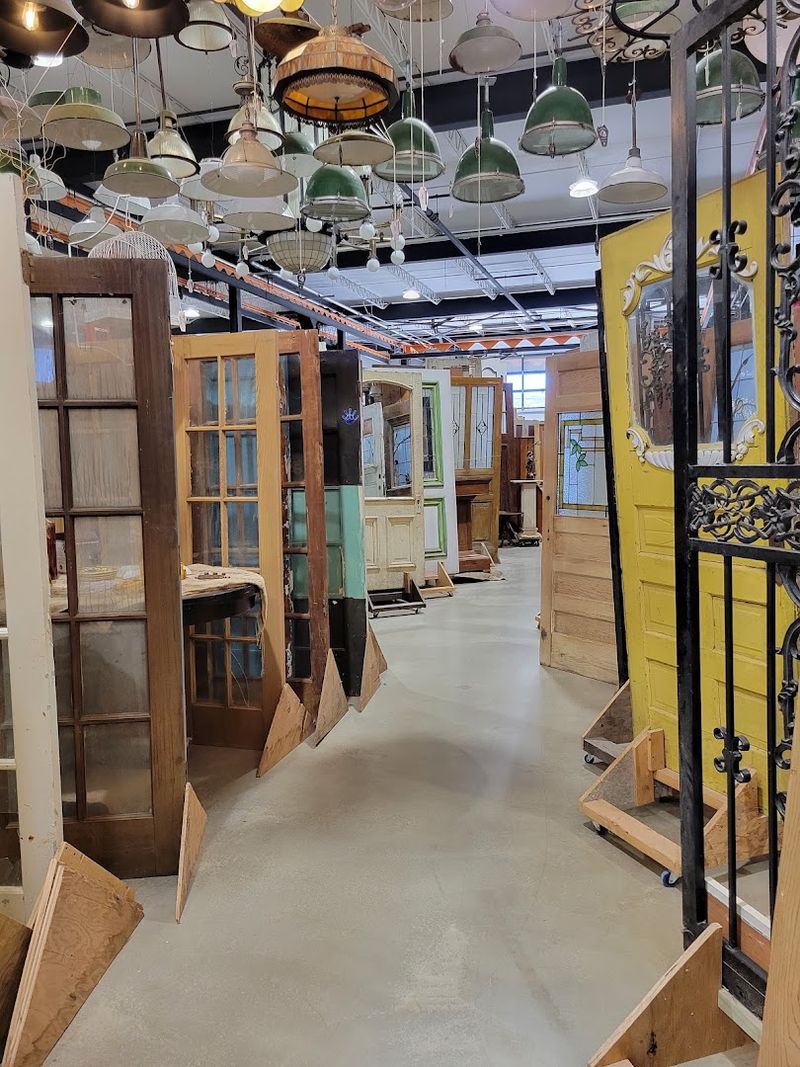
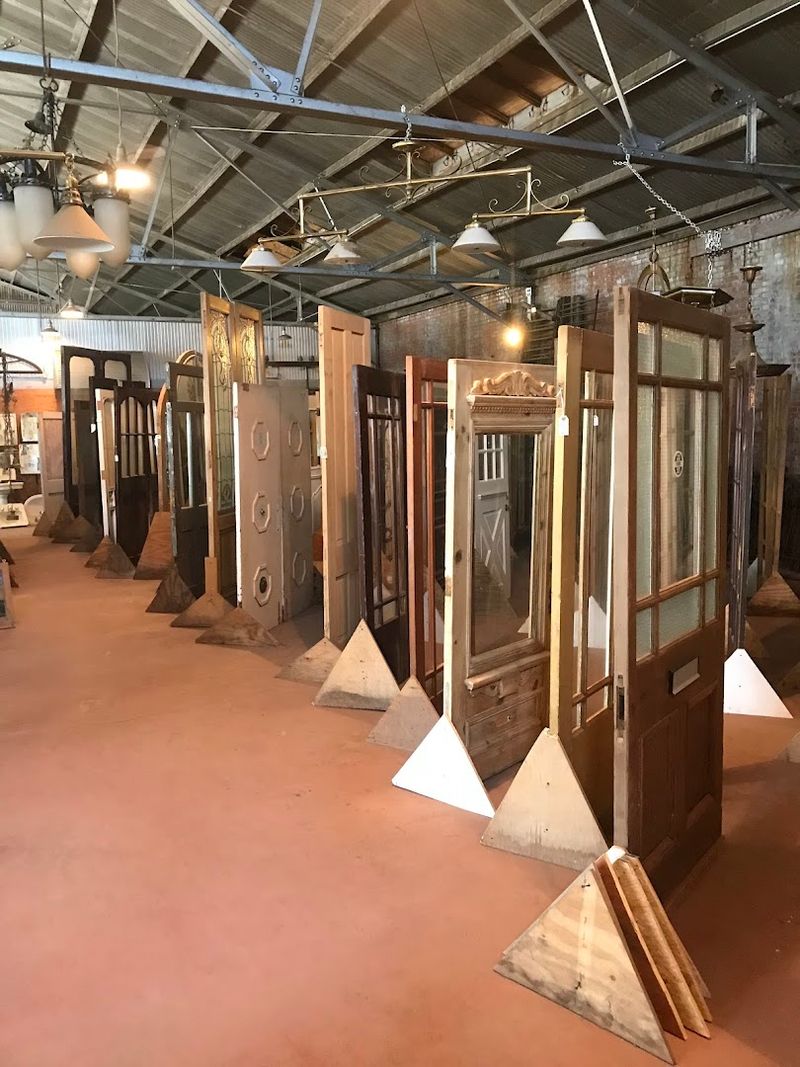
There is an entire hall of doors at Dead People’s Stuff, and it is one of the most visually striking corridors I have ever walked through in any store anywhere.
Quarter-sawn oak doors stand next to mid-century modern panels. Wrought iron doors lean against heavy wooden slabs with original hardware still attached.
Stained glass panels catch the light from above and throw color across the concrete floor in ways that feel almost theatrical.
Each door here came from somewhere real. A house, a church, a public building, a business.
Oklahoma City, Oklahoma has a rich architectural history rooted in the boom years of the early twentieth century, and many of these doors are physical survivors of that era. Holding a door handle that has been turned thousands of times over a hundred years is a quietly powerful experience.
For anyone doing a home renovation, this section alone is worth the trip. Custom sizing and matching hardware assistance are available on site, which turns what could be an overwhelming selection into something genuinely practical.
A door is one of the first things anyone sees when they enter a space, and finding the right one here feels like solving a beautiful puzzle.
Stained Glass That Stops You Cold
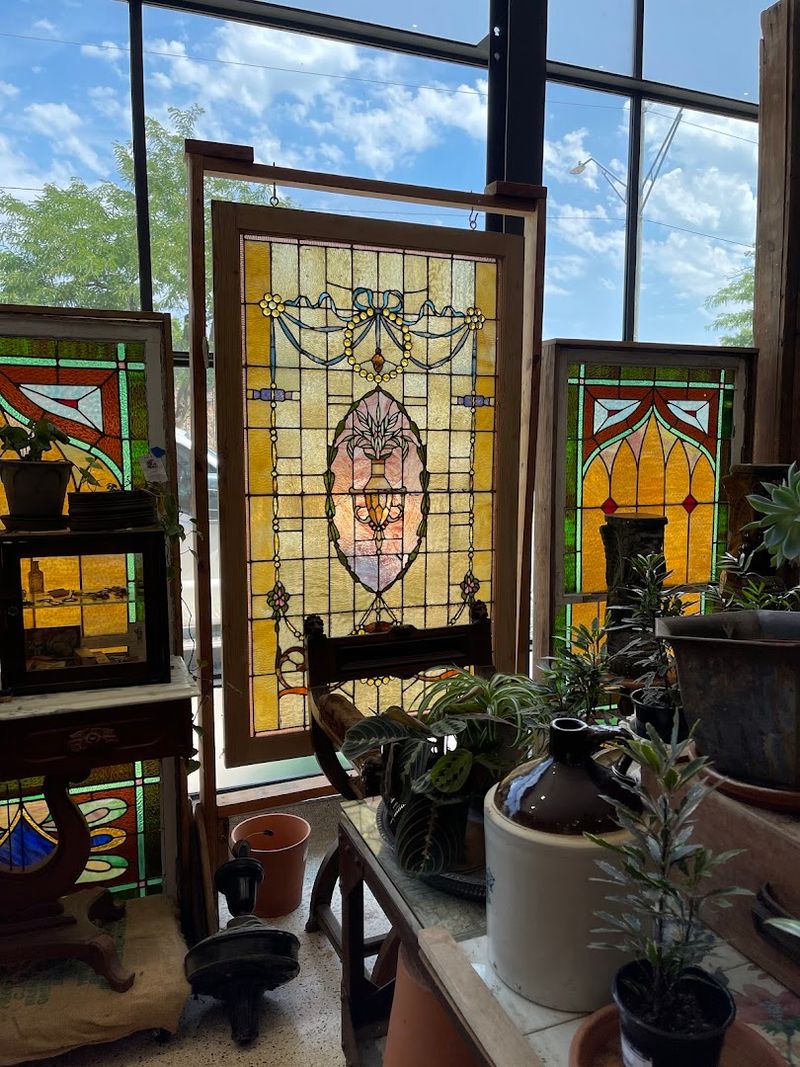
Some things in life make you stop walking mid-stride, and the stained glass collection at Dead People’s Stuff is firmly in that category.
Panels of every size, color combination, and design style fill this section of the store. Geometric patterns from the Arts and Crafts movement sit alongside floral designs from the Victorian era.
Some pieces are small enough to hang in a kitchen window. Others are large enough to serve as a focal point for an entire room.
Oklahoma has a surprisingly deep history of custom stained glass work, much of it commissioned during the 1920s when the state’s oil wealth funded elaborate home interiors.
Many of those homes have since been demolished or renovated beyond recognition, making pieces like these genuinely rare survivors of a specific cultural moment.
Standing in front of a large panel and watching the light shift through the colors is a meditative experience that I did not expect to have in a salvage warehouse. The craftsmanship on display is extraordinary by any standard.
These were not mass-produced items. They were made by skilled artisans who took real pride in their work, and that pride is still visible in every leaded line and hand-cut piece of glass.
Light Fixtures From Every Era Imaginable
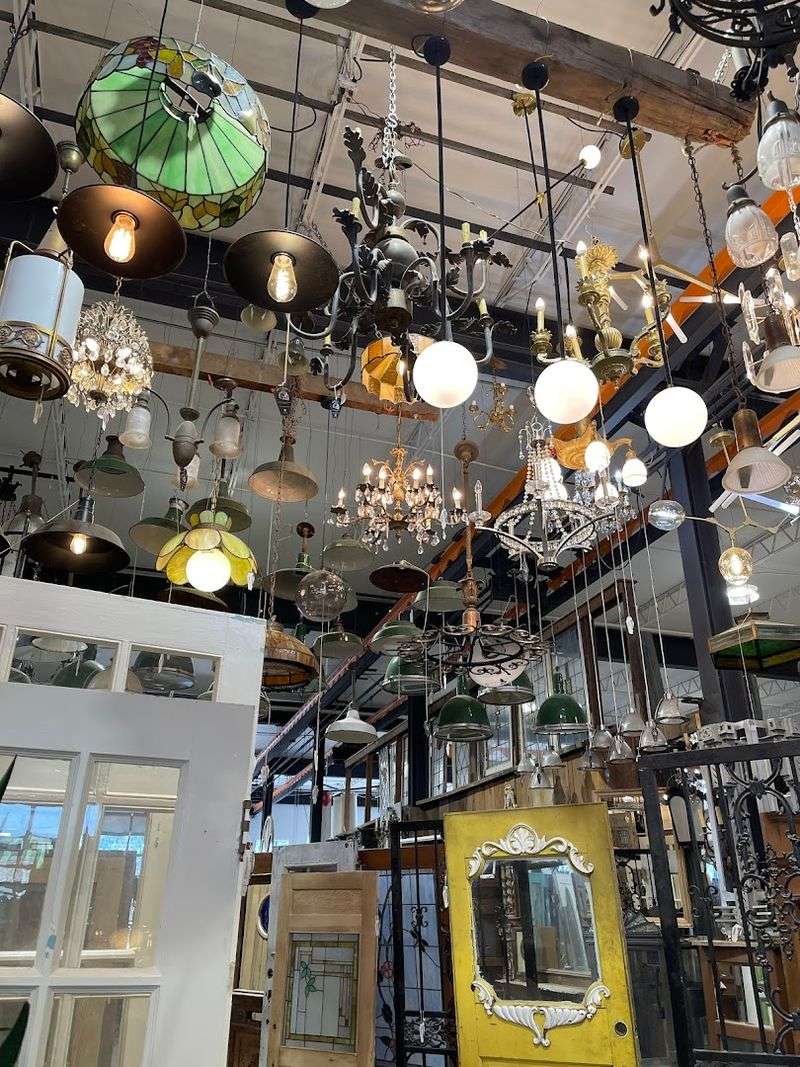
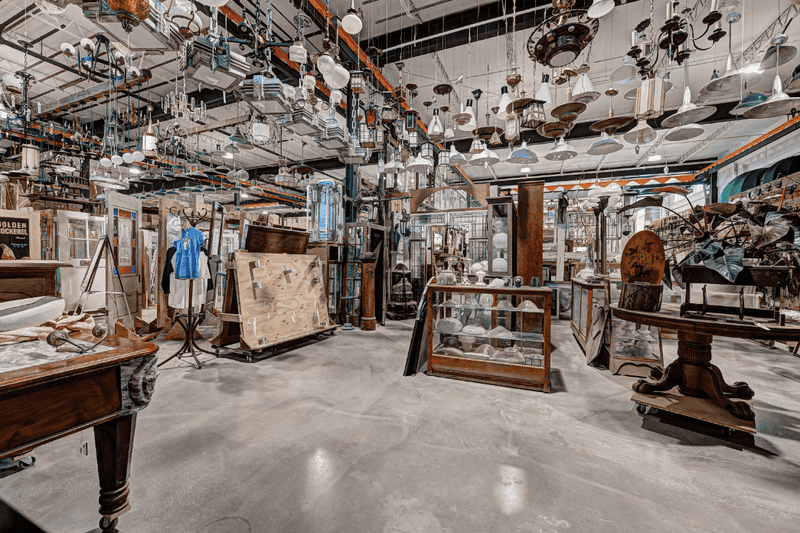
Look up the moment you walk into the lighting section of Dead People’s Stuff, and prepare to feel genuinely overwhelmed in the best possible way.
Hundreds of fixtures hang from above in every style imaginable. Industrial pendants cluster near ornate chandeliers.
Milk glass globes from the 1950s dangle beside brass arm sconces from the early 1900s. The sheer density of the display creates a kind of visual music that is hard to describe but impossible to ignore.
Lighting is one of the most transformative elements in any interior space, and finding an original vintage fixture can completely change the character of a room in ways that modern reproductions simply cannot replicate.
The age, the patina, the slight imperfections in the glass or metalwork, all of it contributes to something that feels genuinely alive.
Oklahoma City, Oklahoma has a thriving community of home restorers and interior designers who make regular pilgrimages to this store specifically for the lighting inventory. The turnover is real, meaning repeat visits almost always reveal something new.
I spent a solid thirty minutes in this section alone, craning my neck upward and trying to memorize pieces I wanted to come back for on a future trip through Oklahoma.
Hardware So Beautiful It Deserves Its Own Museum
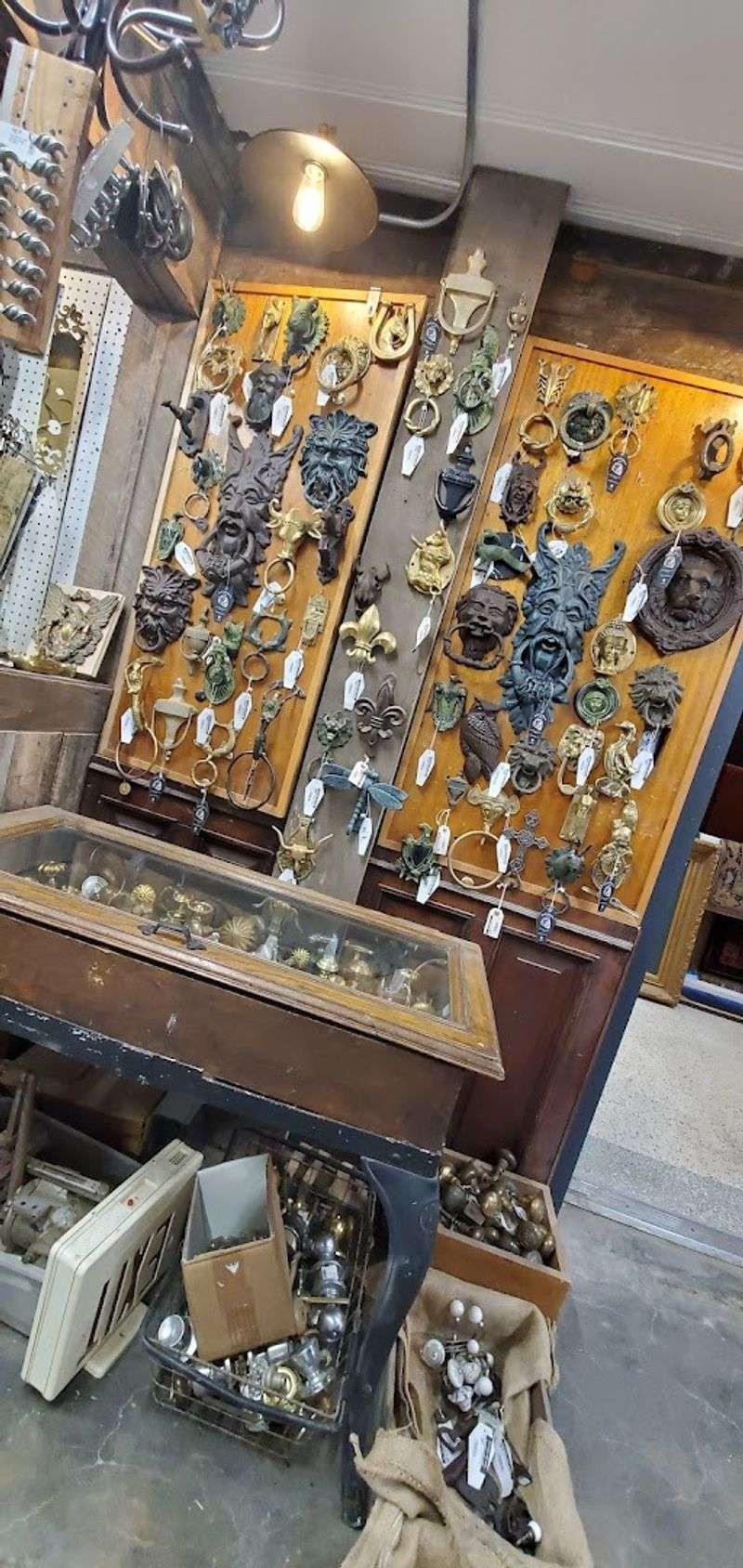
Most people overlook hardware when they think about home design, but spending time in the hardware section of Dead People’s Stuff will permanently change that perspective.
Drawer pulls cast in solid brass, ceramic door knobs painted by hand, skeleton keys in dozens of sizes, wrought iron hinges with hand-hammered texture, all of it sits here waiting to be discovered.
The craftsmanship in these small objects reflects a standard of manufacturing that simply does not exist in the same way today.
There is something almost meditative about sorting through a bin of antique hardware. Each piece has a specific weight, a particular finish, a unique set of wear marks that tell you something about how it was used and by whom.
A door knob that has been turned daily for a hundred years carries a polish that no factory process can fake.
For anyone restoring an older home in Oklahoma or anywhere else, this section is genuinely invaluable. Finding period-correct hardware can be nearly impossible through standard retail channels, and having access to original pieces makes an enormous difference in the authenticity of a restoration.
The selection here is broad enough to feel like a dedicated museum exhibit devoted entirely to the art of the small but essential detail.
Rugs, Tapestries, and Textiles With History Woven In
Soft goods are not always the first thing people associate with an architectural salvage store, but the textile collection at Dead People’s Stuff deserves serious attention on its own terms.
Rugs in rich jewel tones and geometric patterns lean against walls and drape over display stands throughout the store. Tapestries with detailed pictorial designs hang from overhead rails where the full scope of their imagery becomes visible.
Some pieces are clearly of significant age, with the kind of gentle color softening that only comes from decades of careful use.
Textiles have always been one of the most personal categories of household objects. A rug or a tapestry lives at the center of a room and absorbs the life of everyone who moves around it.
Finding one here means inheriting a piece of that accumulated warmth and history, which is a genuinely appealing prospect for anyone who thinks carefully about how their home feels.
Oklahoma City has a design community that appreciates the difference between something made to last and something made to sell, and the textile buyers who source for this store clearly share that sensibility.
Every piece I looked at here had a reason to exist beyond simple decoration, and that intentionality makes browsing this section feel curiously satisfying.
The Onsite Restoration Workshop
One detail that genuinely separates Dead People’s Stuff from a standard antique store is the presence of an onsite restoration and repair workshop.
This is not just a retail operation. It is a place where damaged or worn items get carefully brought back to functional and aesthetic standards without losing the character that makes them worth saving in the first place.
Seeing restoration work happening in the background while you browse the finished inventory adds a layer of authenticity to the whole experience.
The workshop capability also means that pieces arriving in rough condition can be evaluated for potential rather than dismissed outright.
An ornate door frame with a broken panel, a light fixture with missing glass, a piece of furniture with a damaged finish, all of these have a path to recovery here that they would not have in most other resale contexts.
For buyers, this matters in a practical way. Knowing that a piece has been assessed and worked on by skilled hands before it hits the floor gives a level of confidence that purely as-is salvage sales cannot always provide.
Oklahoma City, Oklahoma has a strong tradition of craftsmanship, and this workshop keeps that tradition alive in a genuinely useful and visible way every single day the store is open.
Architectural Elements That Shaped Oklahoma City
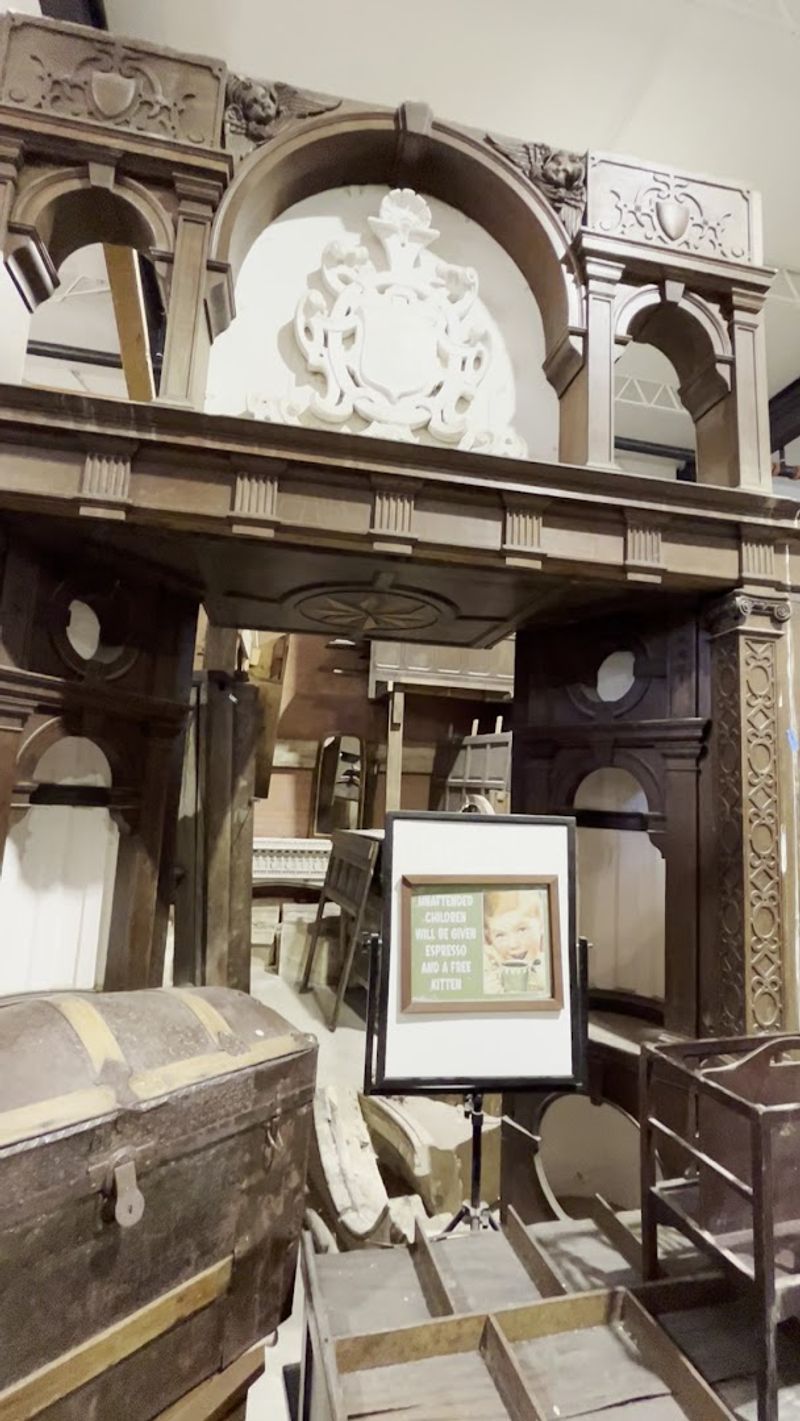
Oklahoma City, Oklahoma has a layered architectural history that most people driving through would never guess. The early twentieth century brought serious wealth to the region, and that wealth funded homes and public buildings with extraordinary interior detail.
Dead People’s Stuff exists in large part because so many of those buildings no longer stand. Demolition, renovation, and neglect have sent countless pieces of original architecture into the salvage stream, and this store catches a remarkable amount of what would otherwise disappear entirely.
Carved wood mantels, ornate plaster moldings, decorative iron grates, and hand-turned wooden columns all find their way here.
Seeing these elements up close makes the history of Oklahoma feel tangible in a way that photographs and text descriptions simply cannot achieve. A blacksmith-forged iron screen that is potentially two hundred years old carries a weight, both physical and historical, that commands genuine respect.
For architects and preservation specialists working in Oklahoma, this store functions as a kind of living archive. The inventory shifts constantly as new salvage comes in and pieces find new homes, but the commitment to saving meaningful architectural elements remains consistent.
Every piece rescued here is one fewer piece lost to landfill or obscurity, and that matters enormously for the long-term story of the built environment.
Unexpected Finds That Defy Easy Categories
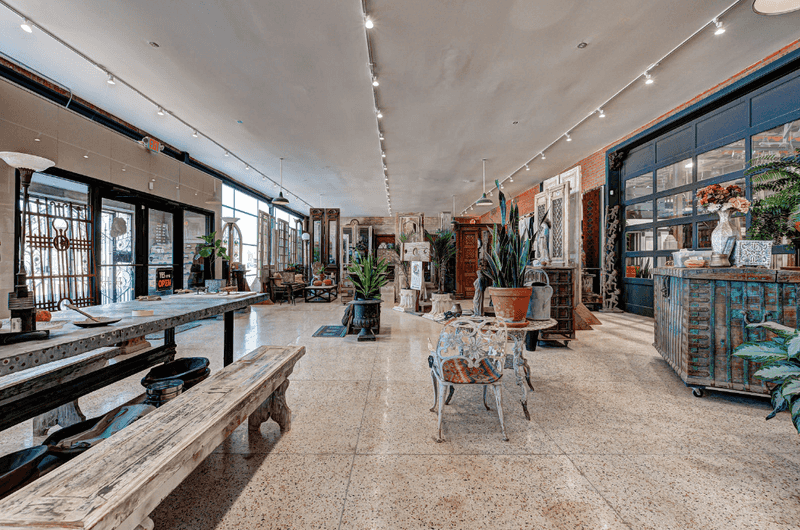
Every great salvage store has a category that resists description, and at Dead People’s Stuff, that category is enormous.
Vintage pianos stand in corners next to claw foot bathtubs. Stacks of old newspapers and magazines from decades past sit alongside decorative head statues that have a genuinely unsettling presence.
A hearse occupies space somewhere in the back of the building, which tells you something important about the range of items this store is willing to take in and offer for sale.
The eclectic nature of the inventory is not accidental or careless. It reflects a genuine philosophy about what constitutes something worth saving.
If an object was made with care, used with intention, and has survived to the present day, it probably deserves another chapter rather than a landfill.
Oklahoma has always had a spirit of pragmatic creativity, of making something meaningful out of what is available. This store embodies that spirit more completely than almost any other place I have visited in the state.
Browsing the unexpected sections here feels like participating in a very slow, very large, very satisfying treasure hunt where the prizes are real and the history behind each one is genuinely worth knowing.
Practical Tips for Visiting Dead People’s Stuff
Getting the most out of a visit to Dead People’s Stuff requires a little preparation, and the effort is absolutely worth making before you show up at 1900 Linwood Blvd in Oklahoma City, Oklahoma.
The store is open Tuesday through Saturday from 10 AM to 5 PM, and on Sundays from 11 AM to 4 PM. Monday is a day off for the whole operation.
Arriving early on a weekday gives you the quietest browsing experience, while weekends tend to bring more foot traffic through the massive space.
Parallel parking is available directly in front of the store, so navigating the lot is simpler than you might expect for a building this size.
Bring a measuring tape if you have specific architectural elements in mind, because knowing your dimensions before you arrive will save you from the heartbreak of falling in love with a door that is two inches too wide for your opening.
The store operates a final sale policy on most items, so inspect everything carefully before committing. The phone number is 405-232-0759 if you want to call ahead and check on specific inventory.
Oklahoma City rewards the curious and the prepared in equal measure, and this store is a perfect example of that principle in action.
