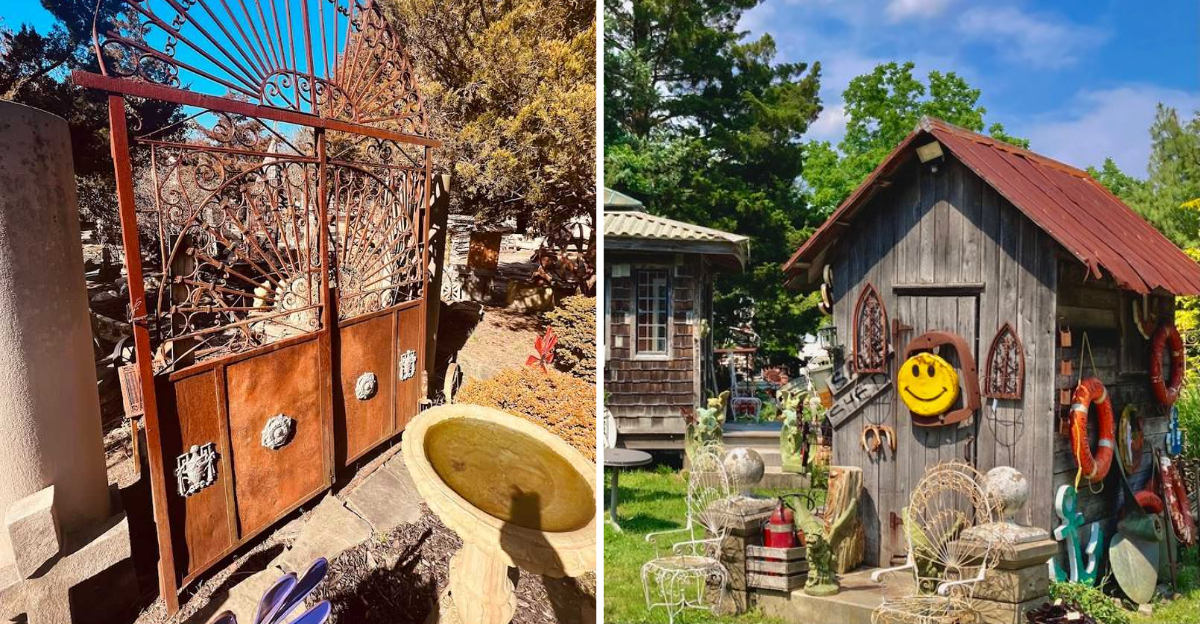
Somewhere between a museum, a time machine, and the world’s most satisfying scavenger hunt, there exists a New Jersey place that makes your jaw drop the second you step through the gate.
My brain genuinely short-circuited the first time I tried to take it all in.
There were gargoyles staring at me from one direction, a six-foot airplane propeller from another, and somewhere in the distance, a stack of ornate fireplace mantels just casually minding their own business.
You know that feeling when you walk into a place and immediately know you’re going to be there way longer than planned?
That was me, completely losing track of time and absolutely not sorry about it.
A Salvage Yard Unlike Anything You’ve Seen Before
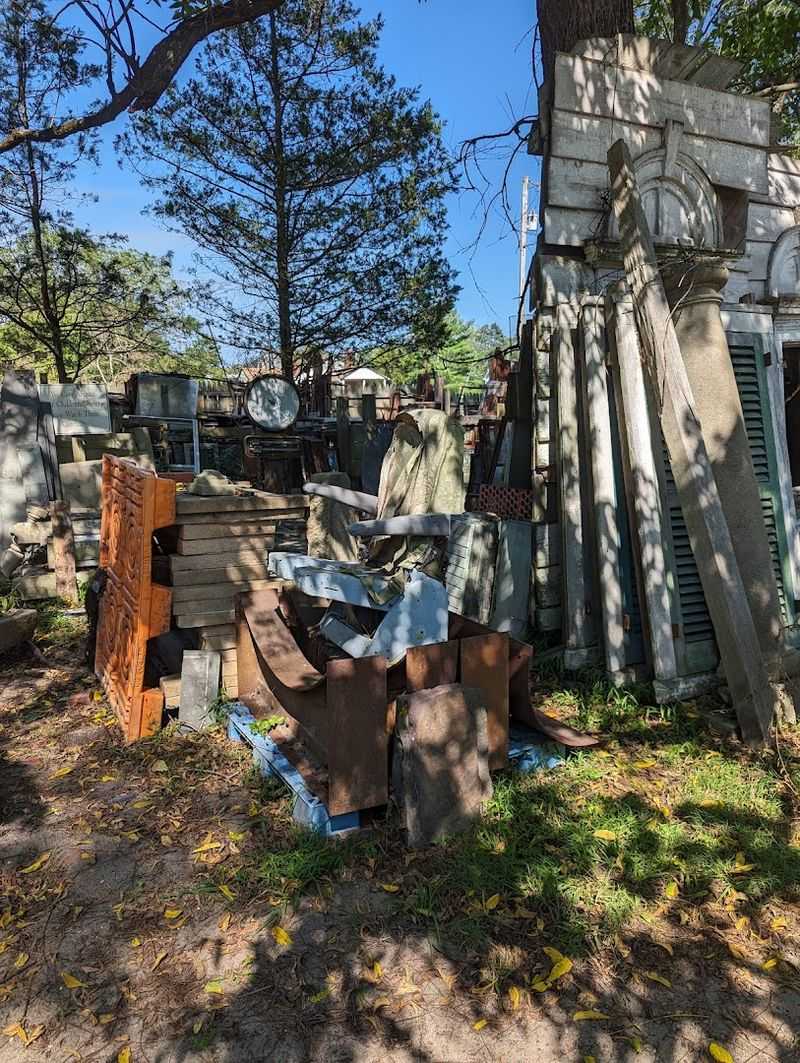
Walking into this place feels less like shopping and more like stepping into a living, breathing history exhibit. The sheer scale of it is the first thing that hits you.
Over 80,000 square feet of reclaimed architectural treasures stretch out in every direction, and your eyes genuinely don’t know where to start.
Every path leads somewhere unexpected. Turn left and you’re face-to-face with a cast iron fence that once guarded a century-old estate.
Turn right and there’s a collection of stone corbels so detailed they belong in an art gallery.
What makes this place so magnetic is that it doesn’t feel curated or staged. It feels real, lived-in, and wonderfully unpredictable.
Each visit genuinely offers something different from the last, which is why so many people keep coming back week after week. For anyone with even a passing interest in architecture, history, or design, this salvage yard in Barnegat, New Jersey, is an absolute must-visit experience you won’t soon forget.
Fireplace Mantels That Carry Centuries of Character
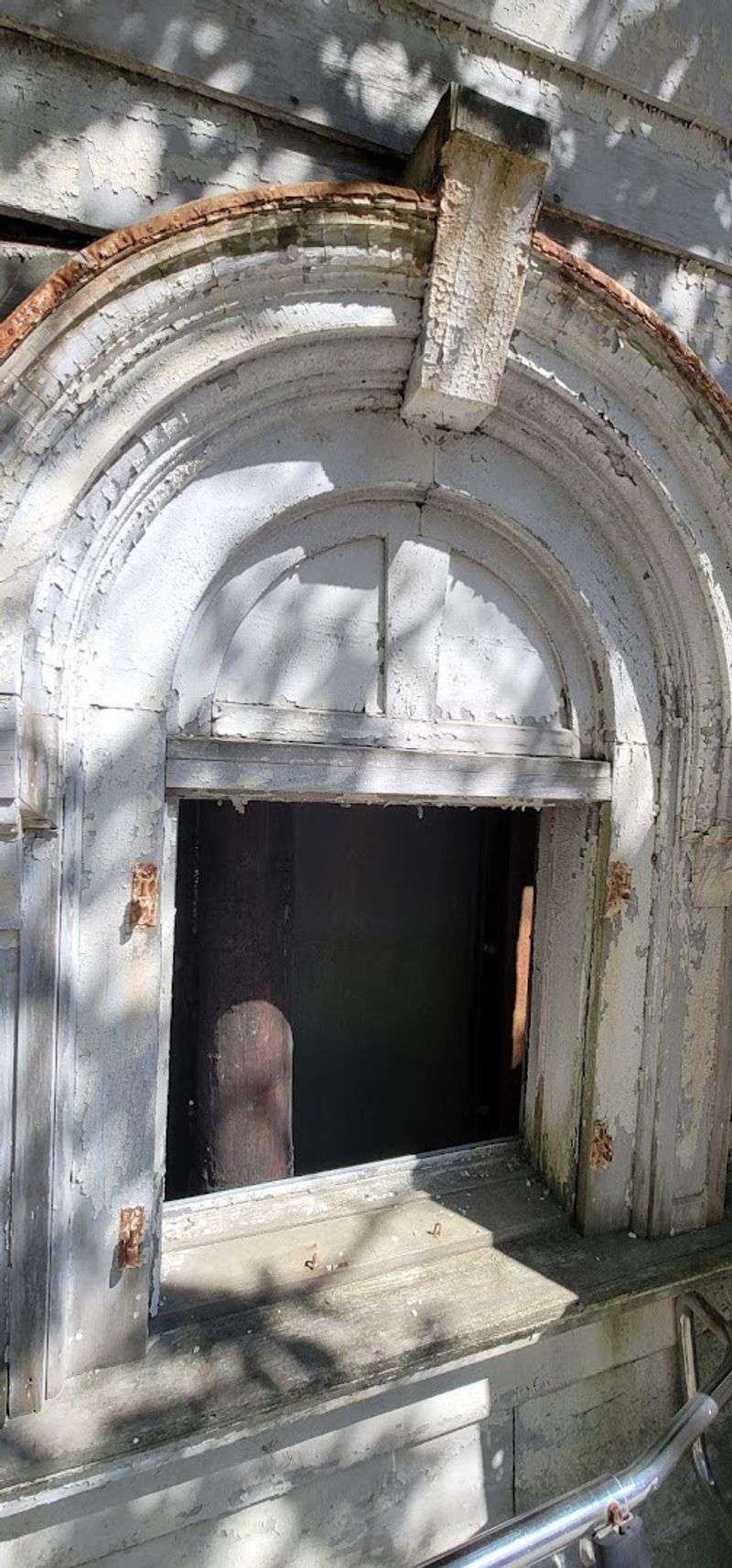
Few things anchor a room the way a fireplace mantel does, and the selection here is genuinely breathtaking. Carved wood, polished marble, painted cast iron, every style and era seems to be represented somewhere on the property.
Some pieces are grand and dramatic, clearly pulled from the parlors of old estates. Others are simpler and more understated, the kind that suit a cozy farmhouse or a craftsman bungalow perfectly.
Finding the right one feels like matchmaking between you and a piece of history.
What’s especially satisfying about sourcing a mantel from a place like this is knowing it already has a story. It warmed rooms before central heating existed.
It held candles during power outages and framed family portraits for generations. Bringing one of these into your home means carrying that story forward, which is a pretty meaningful thing when you stop to think about it.
The variety here makes it genuinely easy to find something that fits your space and your taste without compromise.
Doors That Open Into Another Era
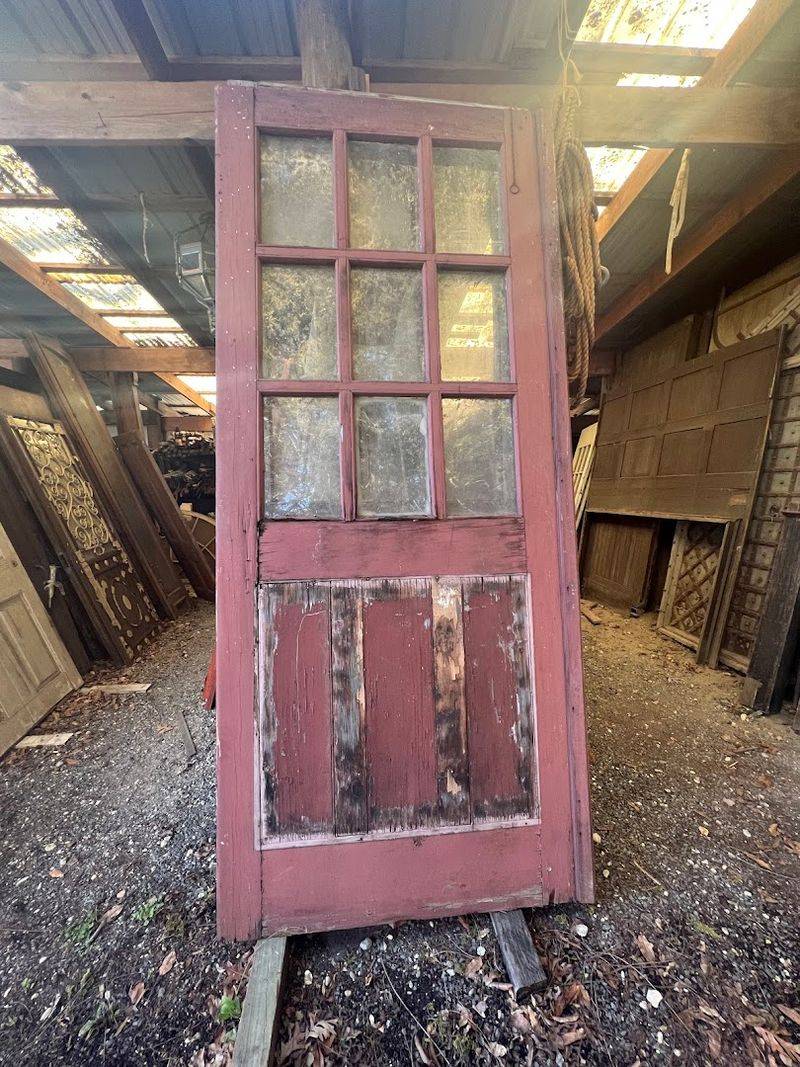
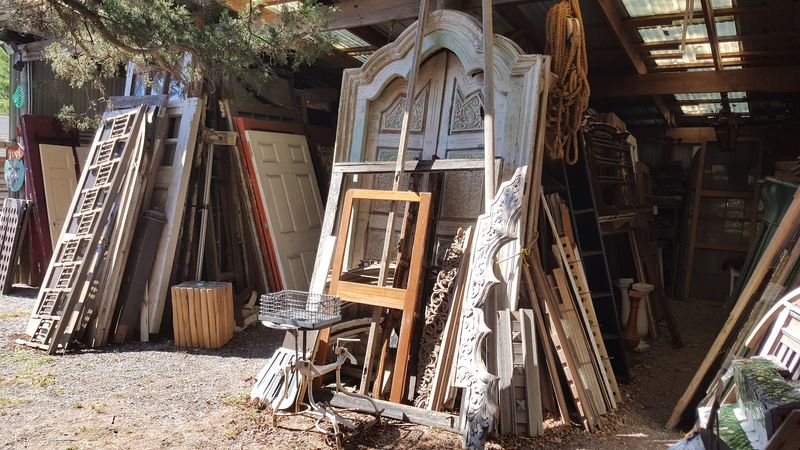
There is something deeply satisfying about a door that has a past. The collection of reclaimed doors here spans styles from Federal-period paneled wood to ornate Victorian-era beauties with original glass inserts still intact.
Some doors have layers of paint chipped just enough to reveal the colors of rooms they once sealed off. Others are stripped bare, showing the raw grain of wood that simply doesn’t get milled the same way anymore.
Old-growth wood has a density and warmth that modern lumber just can’t replicate.
Beyond the aesthetics, using a salvaged door is also a genuinely sustainable choice. You’re keeping a piece of material out of a landfill and giving it another century of usefulness.
Designers and renovators working on older homes especially love this collection because matching period-appropriate doors through conventional suppliers is nearly impossible. Here, the options are almost overwhelming in the best possible way.
Each door practically dares you to imagine where it might lead next.
Wrought Iron Gates and Fencing With Old-World Drama
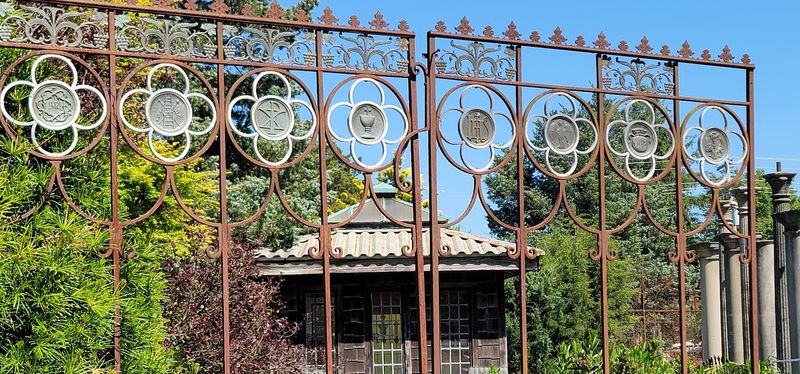
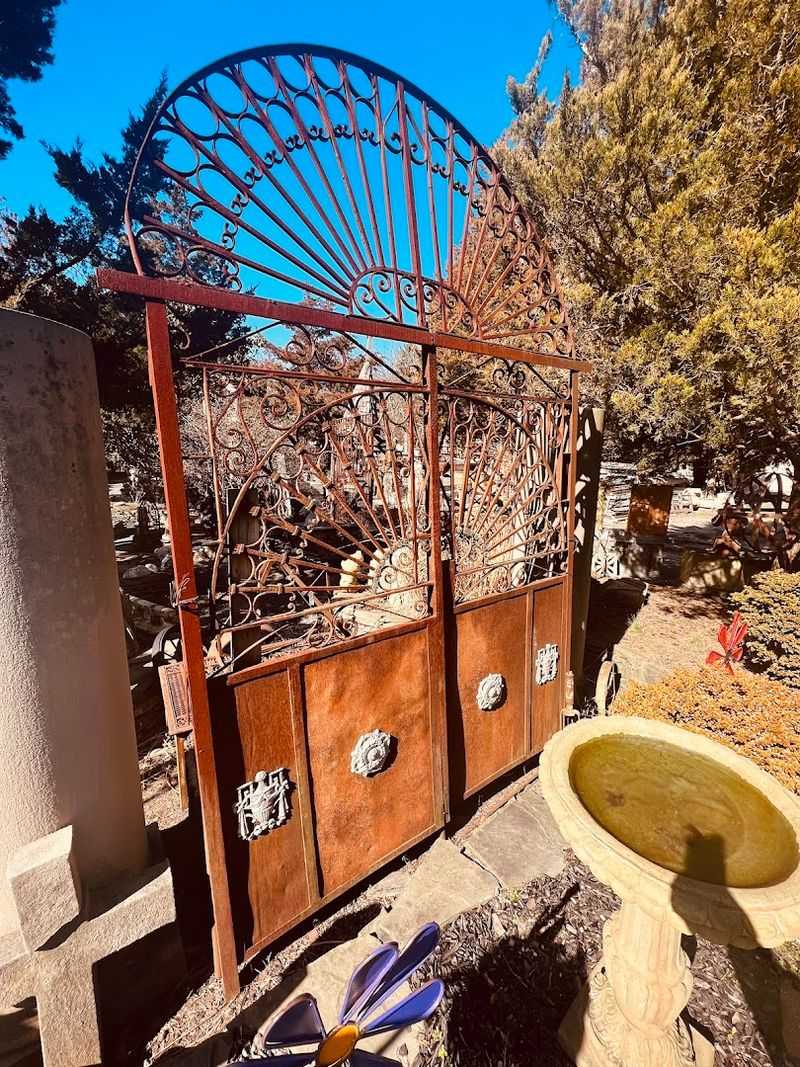
Wrought iron from the 19th and early 20th century was made with a level of craftsmanship that is almost impossible to find in modern manufacturing. The gates and fencing sections here carry that unmistakable weight and detail that mass-produced metalwork simply cannot fake.
Scrollwork, spear tips, fleur-de-lis finials, and interlocking geometric patterns appear across dozens of different pieces. Some sections are petite enough for a garden border.
Others are grand enough to frame an entire estate entrance.
Garden designers in particular go absolutely wild for this inventory. A well-placed antique iron gate transforms an ordinary backyard into something that feels intentional and storied.
Landscape architects have been known to make multiple trips specifically to source iron pieces for high-end residential projects.
Whether you’re framing a garden bed, creating a dramatic entry, or just hunting for a one-of-a-kind wall accent, the wrought iron collection here delivers the kind of character that new materials simply cannot manufacture no matter how hard they try.
Lighting Fixtures That Belong in a Design Magazine
Lighting can completely transform the mood of a space, and the fixtures here are the kind that designers spend years hunting for. Chandeliers with original crystal drops, industrial factory pendants, Arts and Crafts sconces, and Art Deco ceiling mounts all share shelf and floor space in glorious chaos.
Part of what makes vintage lighting so sought after is the quality of the metalwork and glass.
Older fixtures were built to last, with solid brass hardware and hand-blown glass shades that catch light in ways modern reproductions never quite manage to copy.
Sourcing a statement light fixture from a salvage yard also means you’re unlikely to walk into a friend’s house and see the same one hanging in their dining room. That kind of uniqueness is genuinely hard to put a price on in an era of mass-produced everything.
Whether you’re restoring a Victorian brownstone or just want one dramatic piece in an otherwise modern space, the lighting collection here gives you real, exciting options worth exploring.
Garden Sculpture and Outdoor Art Worth Stopping For

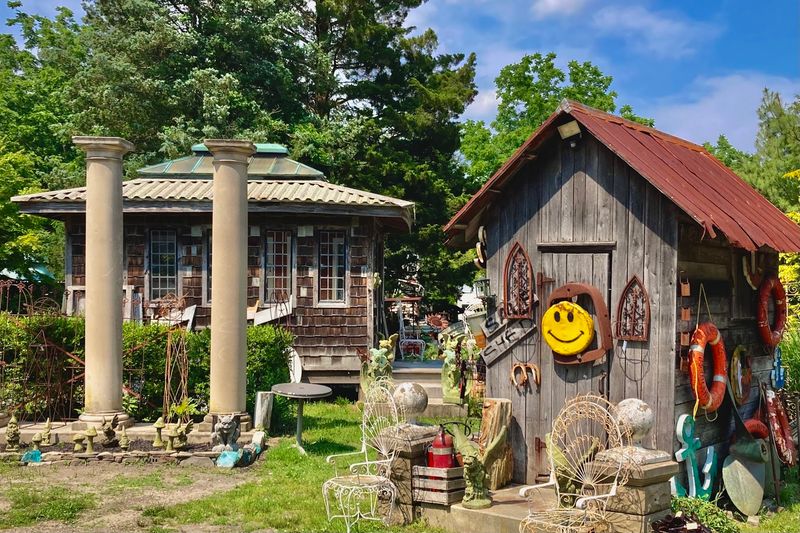
Stepping into the outdoor areas feels like wandering through a forgotten garden from another century. Stone urns, cast iron planters, marble benches, concrete statuary, and carved architectural fragments are arranged across the grounds in a way that feels almost theatrical.
Some pieces are clearly from formal estate gardens, the kind that required full-time gardeners to maintain.
Others are more playful, like the quirky cast iron animals and folk art pieces tucked between the larger architectural elements.
Garden sculpture from this era was made to endure outdoors for generations, which means most of what you find here still has decades of useful life ahead of it. Placing a piece like this in your own garden does something that modern garden decor rarely achieves: it adds genuine age and permanence to a space.
Plants grow around it differently. Light hits it with more drama.
The whole yard feels more grounded. For anyone designing an outdoor space with personality, this is honestly one of the most inspiring stops you can make.
Windows and Transoms With Irreplaceable Craftsmanship
Old windows have a quality that stops you in your tracks, especially when sunlight hits the glass.
The collection here includes everything from simple six-over-six double-hung sashes to elaborate leaded glass transoms with geometric patterns that took skilled craftsmen weeks to assemble.
Stained glass panels appear throughout the inventory as well, some clearly from religious buildings and others from the grand private homes of the late 1800s. The colors in old glass carry a depth that modern production glass genuinely struggles to replicate.
Repurposing antique windows has become enormously popular in interior design, and for good reason. A leaded glass panel hung in front of a window creates a stained-glass effect without any permanent installation.
Old sashes get turned into coffee tables, picture frames, and room dividers. The creative possibilities really are nearly endless once you start thinking beyond their original function.
For photographers, these windows also make stunning backdrops, which explains why so many creative professionals make the trip to Barnegat specifically for a sourcing visit.
Architectural Fragments That Tell a Building’s Story
Architectural fragments are arguably the most underrated category in any salvage yard. Carved stone corbels, decorative keystones, terracotta building ornaments, wooden pediments, and cast plaster medallions fill entire sections of the property here.
These pieces were once the finishing details on buildings that no longer exist. They were the visual punctuation marks of their era, the flourishes that told passersby something meaningful about the building’s purpose and the owner’s taste.
Today, people use them in wildly creative ways. Corbels become bookends or bathroom shelving brackets.
Keystones get mounted as wall art. Carved capitals turn into side tables with the addition of a glass top.
The fragment collection here rewards visitors who slow down and really look, because the details on even small pieces are often extraordinary. Running your fingers along the carved surface of a stone piece that was cut by hand over a hundred years ago is a genuinely humbling experience.
It connects you to the skilled labor of people whose names nobody remembers anymore.
Reclaimed Building Materials for Restoration Projects
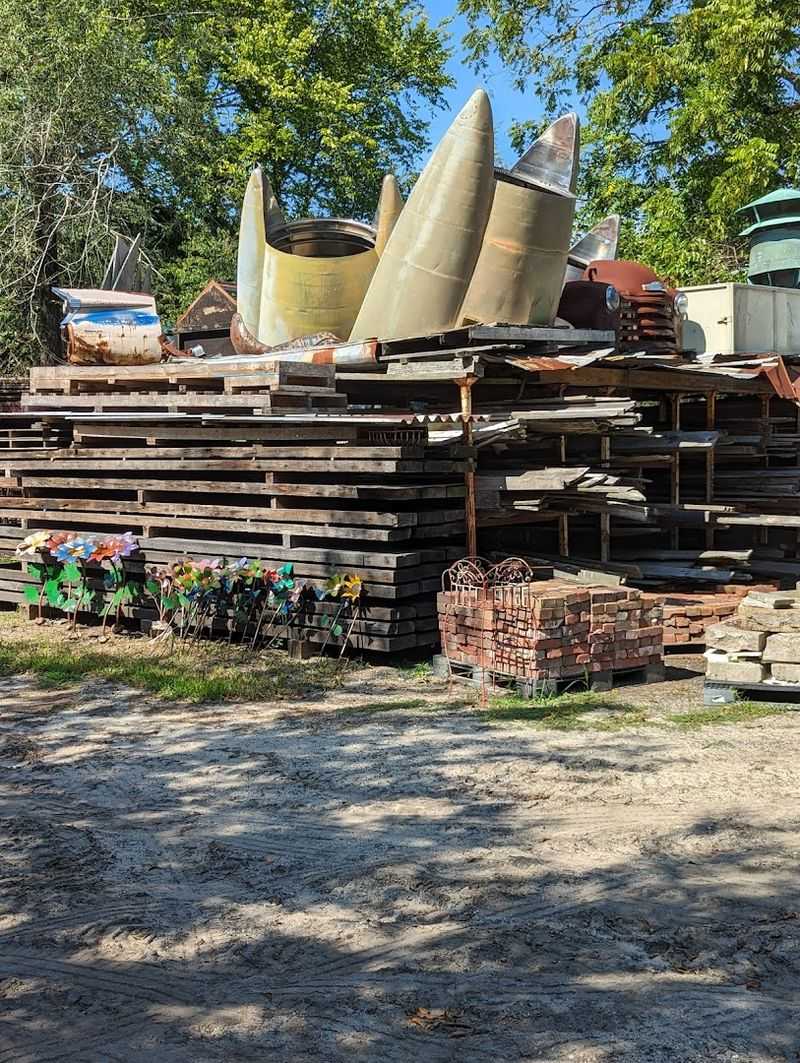
Restoring an older home is one of the most rewarding projects a person can take on, and it is also one of the most frustrating when you can’t find materials that actually match what’s already there. That’s exactly where a place like this becomes invaluable.
Old-growth lumber, reclaimed brick, vintage floor tiles, and period-appropriate hardware all appear throughout the inventory. The wood especially is something special.
Beams and planks milled from old-growth forests have a grain density and stability that modern lumber simply does not have because those forests no longer exist.
For anyone working on a Victorian, Colonial, or Craftsman-era home, sourcing materials here means getting pieces that are genuinely period-appropriate rather than modern reproductions trying to approximate the look. The difference is visible and tangible.
Contractors who specialize in historic restoration often maintain ongoing relationships with salvage yards like this one because consistent access to quality reclaimed materials is genuinely hard to come by. A single visit can solve sourcing problems that have been stalling a project for months.
Planning Your Visit to This One-of-a-Kind Destination
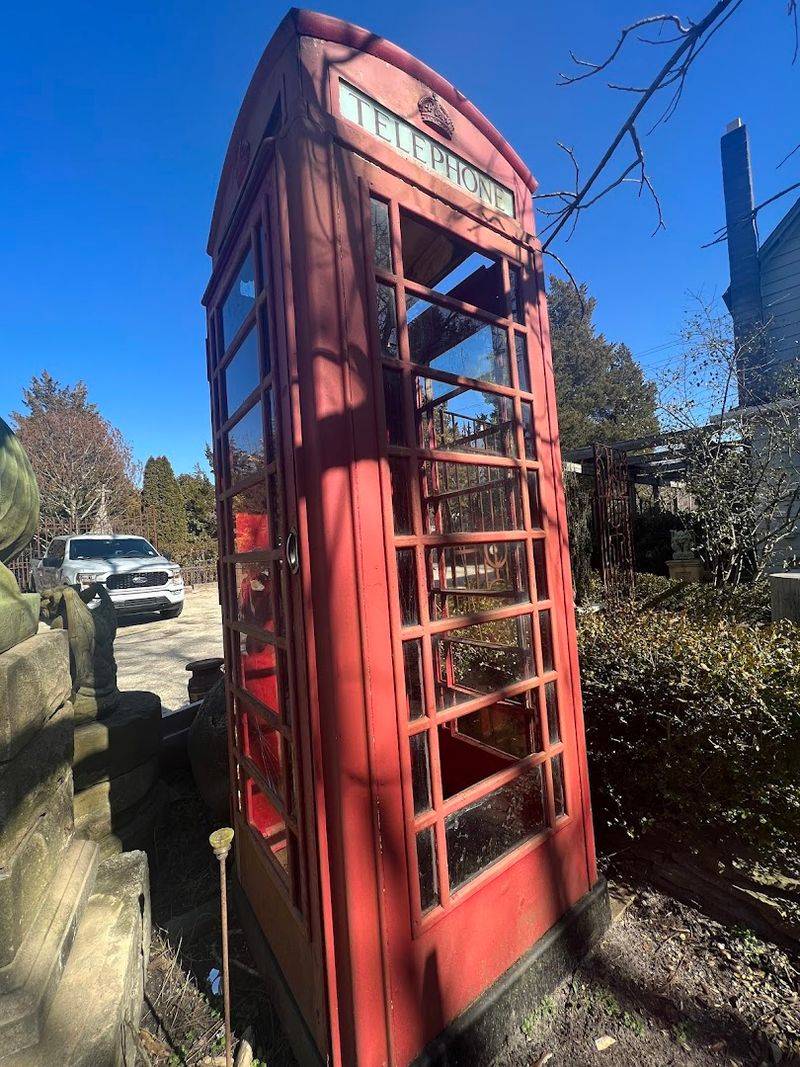
Getting the most out of a visit here takes a little planning, mostly because the scale of the place can be genuinely overwhelming without a loose game plan going in.
Recycling The Past is open Wednesday through Sunday from 10 AM to 5 PM, so weekday visits tend to offer a quieter, more relaxed browsing experience.
Wearing comfortable shoes is non-negotiable. The outdoor areas involve uneven terrain, gravel paths, and plenty of bending and crouching to examine pieces up close.
Bring measurements if you’re shopping for something specific, because the inventory is so vast that it’s easy to fall in love with something before realizing it won’t actually fit your space.
A camera or a fully charged phone is also essential because the photo opportunities here are genuinely spectacular. The textures, patinas, and compositions scattered across the property are endlessly photogenic.
Whether you’re a serious collector, a curious first-timer, or a designer on a sourcing mission, this place rewards every kind of visitor with something unexpected and memorable. Come with time to spare.
Address: 381 N Main St, Barnegat, NJ
Dear Reader: This page may contain affiliate links which may earn a commission if you click through and make a purchase. Our independent journalism is not influenced by any advertiser or commercial initiative unless it is clearly marked as sponsored content. As travel products change, please be sure to reconfirm all details and stay up to date with current events to ensure a safe and successful trip.
