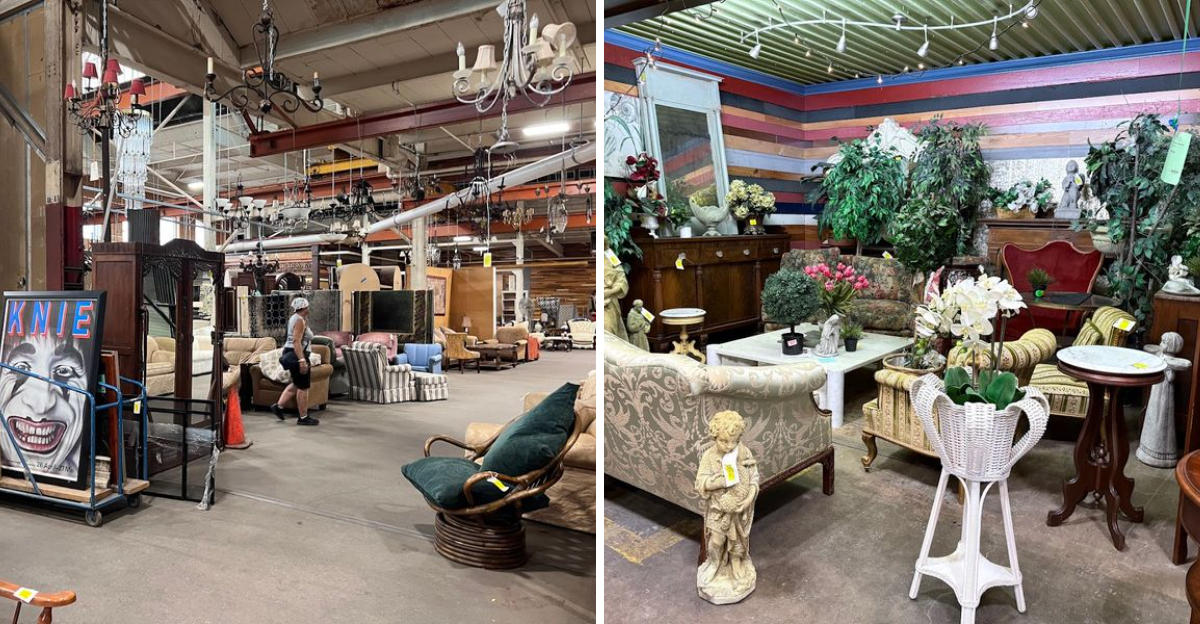
Some places you visit. This place you survive.
Maryland is home to a thrift store so enormous that people pack snacks and water before walking in. The building used to be an industrial warehouse, and now it is filled with everything from vintage furniture to random bathtubs.
You go in for a small side table and somehow leave with a church pew and a chandelier. The aisles keep going when you think they are done.
Seriously, who needs a map when you have a full afternoon and zero plans? That is the beauty of this Maryland gem.
Wear good shoes. Bring a friend to carry things.
Your car will not forgive you, but your living room will.
A Store So Big It Needs Its Own Strategy
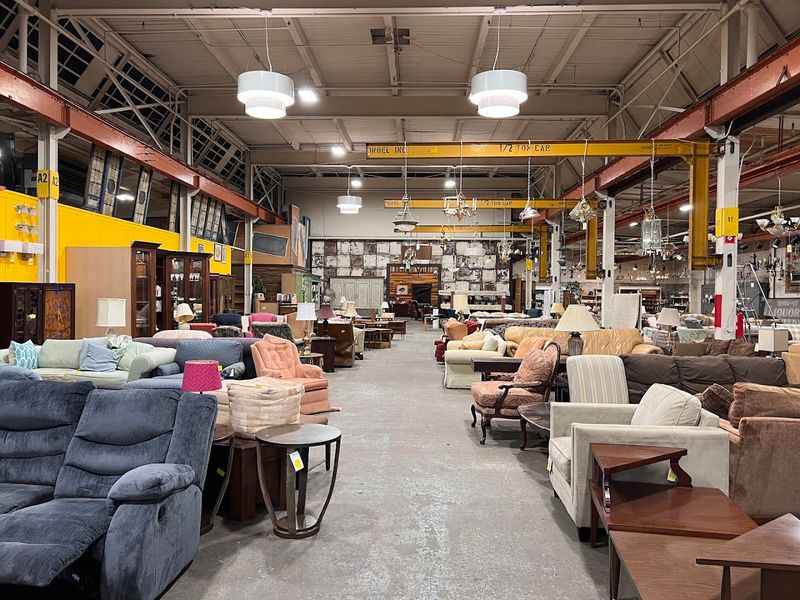
Most people underestimate how much ground there is to cover here. Second Chance Inc. spans somewhere between 200,000 and 250,000 square feet, which puts it in the same size category as several big-box hardware stores stacked side by side.
That is not an exaggeration meant to impress you. It is a practical warning that you should come prepared.
Wear comfortable shoes, preferably ones you do not mind getting dusty. Bring a water bottle because the sheer scale of the place means you will be on your feet for hours without realizing it.
I made the mistake of wearing sandals on my first visit, and my feet were not happy about it by noon.
The layout is loosely organized by category, but the inventory shifts constantly as new donations and salvaged materials arrive. Cabinets live near cabinets, doors near doors, but surprises pop up everywhere in between.
Having a rough mental list of what you are looking for helps, but staying open to detours is where the real magic happens. Plan to arrive early, give yourself a full morning at minimum, and treat the whole experience less like shopping and more like exploring a living museum of American homes.
Architectural Salvage That Tells Real Stories
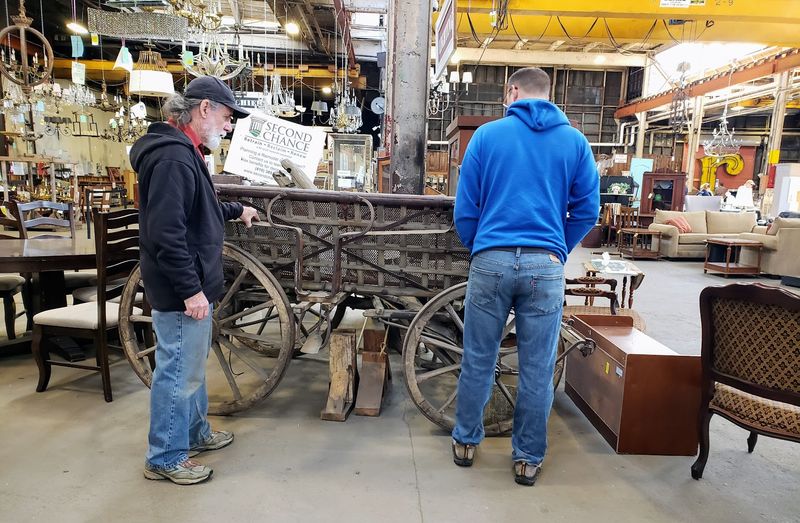
Old houses hold history in their bones, and Second Chance Inc. has made it their mission to rescue those bones before the wrecking ball arrives. The architectural salvage section is where this store truly earns its reputation.
You will find original hardwood doors with their hardware still intact, decorative corbels pulled from century-old rowhouses, and fireplace mantels that once anchored entire living rooms.
Running your hand along a piece of hand-carved molding that came out of a 1920s Baltimore home is a genuinely moving experience. These are not reproductions.
They are the real thing, full of patina, character, and a certain weight that new materials simply cannot replicate.
For architects, interior designers, and homeowners trying to restore older properties, this section alone is worth the trip. Matching original trim profiles or finding period-correct hardware is nearly impossible at standard building supply stores.
Here, the selection changes weekly as the organization continues its deconstruction work across the city. The pieces are tagged and organized as well as a constantly rotating inventory allows.
Arriving with measurements and reference photos from your project saves a lot of time and helps you move through the section with real purpose.
Lumber, Flooring, and Building Materials Galore
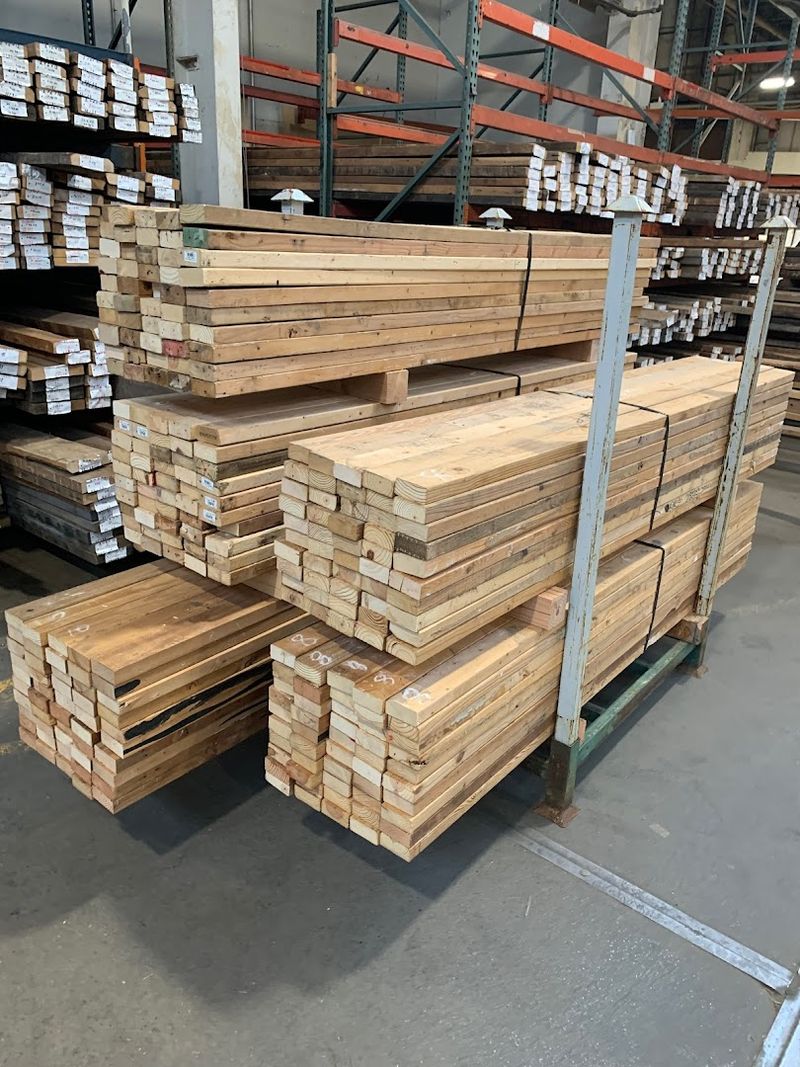
For anyone who has priced reclaimed wood lately, walking into the lumber section at Second Chance feels like finding a shortcut the rest of the world does not know about.
Stacks of old-growth heart pine, wide-plank oak, and various salvaged hardwoods line the space in a way that makes a woodworker’s eyes light up immediately.
The grain on some of these boards is tighter and more beautiful than anything milled today.
Flooring is another strong category here. Tongue-and-groove planks pulled from demolished Baltimore rowhouses often show up in quantities large enough to floor a whole room.
The character marks, old nail holes, and slight color variations are not flaws. They are the whole point.
Cabinets, countertops, and assorted building materials round out this section nicely. Contractors doing budget-conscious renovations have been quietly shopping here for years.
Negotiation on pricing is generally welcome, especially when buying in larger quantities, which makes the deal even more appealing. Bringing a truck or a van is strongly recommended if you are planning to buy lumber or flooring in any real volume.
The staff can help with loading, but having your own tie-downs and moving blankets makes the whole process much smoother and faster.
Vintage Furniture That Stops You Mid-Aisle
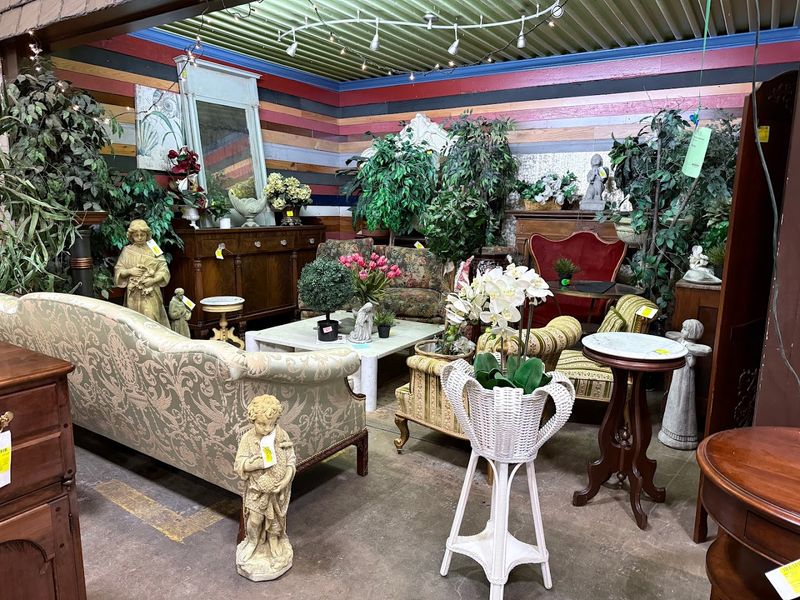
There is a particular kind of thrill that comes from spotting a genuinely beautiful piece of furniture in a sea of donated odds and ends. At Second Chance, that moment happens more often than you would expect.
Mid-century modern credenzas, Victorian settees, solid oak dining sets, and quirky accent chairs show up regularly in the furniture section, and the turnover keeps things fresh on every visit.
The quality varies, as it does at any secondhand destination, but the highs here are genuinely high. Some pieces arrive directly from estate clearances or from homes that were deconstructed by the Second Chance team, meaning they come with real provenance rather than vague donation stories.
Upholstered items require a closer look, as condition ranges widely. Solid wood pieces tend to be the safer bet and often the better value.
A good eye for construction quality pays off here. Dovetail joints, solid wood drawer bottoms, and mortise-and-tenon frames are signs of furniture built to last another hundred years with a little care.
I once found a mid-century walnut dresser in near-perfect condition hidden behind a stack of donated office chairs. That kind of discovery is exactly why people keep coming back to this place again and again.
Lighting, Hardware, and the Details That Make a Home
Lighting fixtures at Second Chance occupy their own satisfying corner of the store, and it is one of the most browsed sections for good reason.
Chandeliers, sconces, pendant lights, and industrial fixtures pulled from old commercial buildings create a visual display that is part shopping trip, part gallery installation.
Some pieces need rewiring. Others are in surprisingly complete condition.
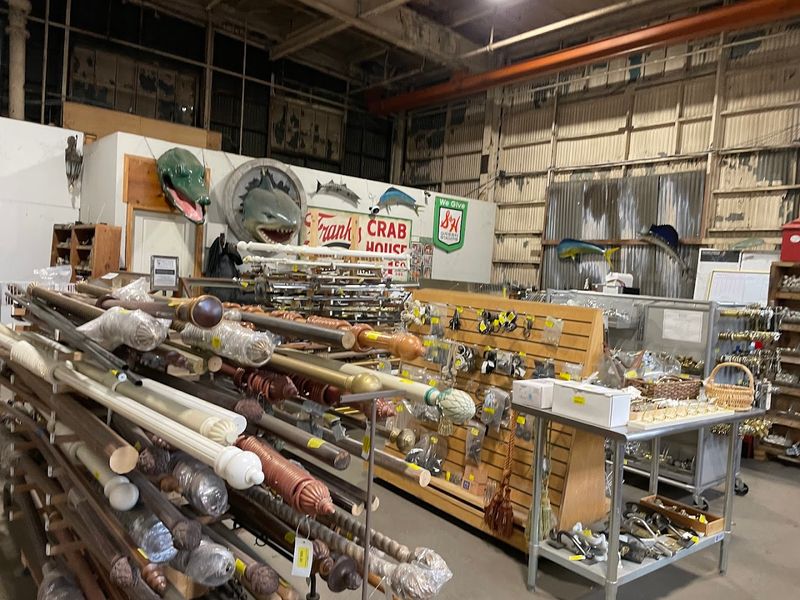
The hardware section runs alongside lighting and is equally rich for detail-oriented shoppers. Antique doorknobs, brass hinges, skeleton keys, cast iron hooks, and decorative escutcheons fill bins and shelves in a way that rewards slow, patient browsing.
Finding the exact match for a period home restoration here feels like winning a small lottery.
These finishing touches are often what separates a renovated space that feels soulless from one that feels genuinely lived in and loved. Mass-produced hardware from modern home improvement chains simply cannot replicate the weight, material quality, or visual character of older pieces.
Second Chance gives those pieces a second life, which is sort of the whole philosophy of the organization expressed in physical form.
Even if you are not actively renovating anything, wandering through this section with no agenda at all is a genuinely enjoyable way to spend half an hour on a quiet weekday morning.
The Mission Behind the Mountains of Stuff
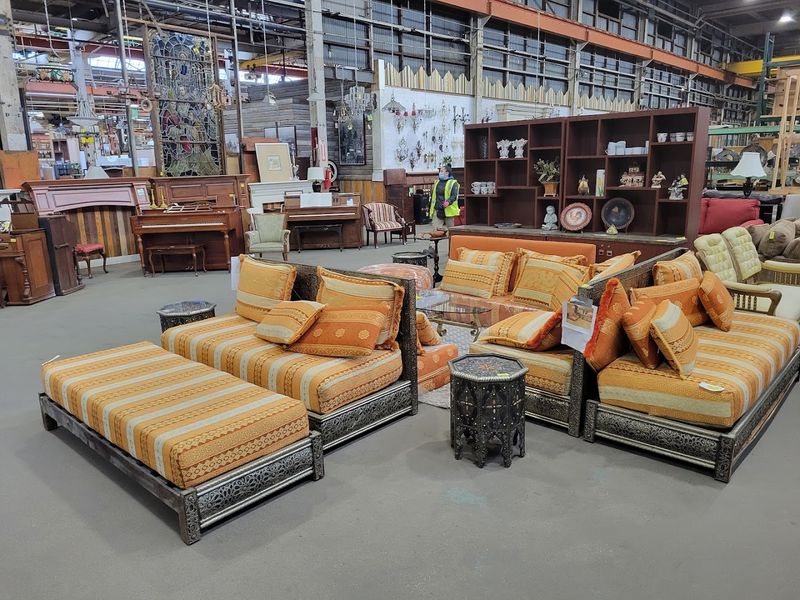
Second Chance Inc. is not just a place to find interesting things at reasonable prices. It is a nonprofit organization with a clear and meaningful purpose that has been operating since 2001.
The mission centers on providing job training and real employment opportunities for people who face significant barriers to entering the workforce, including formerly incarcerated individuals looking to rebuild their lives.
Every purchase made here directly supports that mission. The revenue funds training programs, wages, and operational costs that keep the whole ecosystem running.
Shopping here is one of those rare situations where buying something you actually want also does something genuinely useful in the world.
The environmental angle is equally compelling. By deconstructing buildings rather than demolishing them, Second Chance diverts enormous quantities of material from landfills.
The organization estimates that its work preserves architectural heritage while keeping thousands of tons of reusable material out of the waste stream every year.
For anyone who cares about sustainability, that context transforms the act of browsing through old cabinets and reclaimed flooring into something that feels purposeful rather than just recreational.
Knowing where the inventory comes from and why it exists here adds a layer of meaning to the whole experience that most thrift stores simply cannot offer their customers.
Antiques, Oddities, and the Unexpected Finds
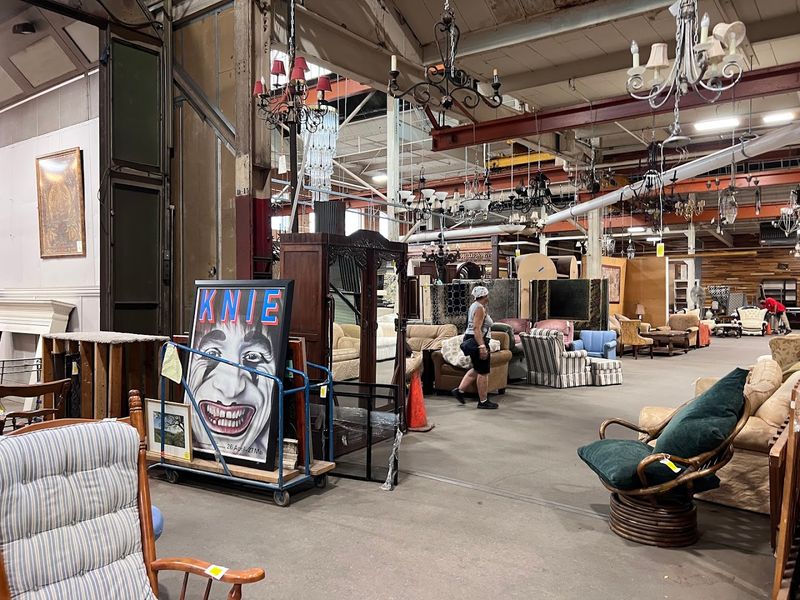
Beyond the practical building materials and furniture, Second Chance has a wonderfully strange assortment of objects that defy easy categorization.
Historical artifacts, vintage signage, decorative ironwork, old scientific equipment, and items that look like they belong in a museum rather than a thrift store appear with surprising regularity.
The inventory is unpredictable in the best possible way.
Collectors and prop stylists have apparently known about this place for years. Film and television productions looking for authentic period pieces have sourced items here, which tells you something about the caliber of what occasionally surfaces on these shelves and floors.
Spending time in this section requires a certain mindset. You are not looking for anything specific.
You are open to being surprised, delighted, or occasionally baffled by what you encounter. A vintage pharmacy cabinet here, a set of industrial factory windows there, a carved stone lion that once guarded a Baltimore rowhouse entrance sitting quietly in the corner.
Each item carries the memory of a place and a time, and the cumulative effect of being surrounded by all of it at once is genuinely hard to describe. It feels less like shopping and more like archaeology, which is exactly the kind of experience that turns a casual visitor into a loyal repeat customer over time.
The Expansion and What Is Coming Next
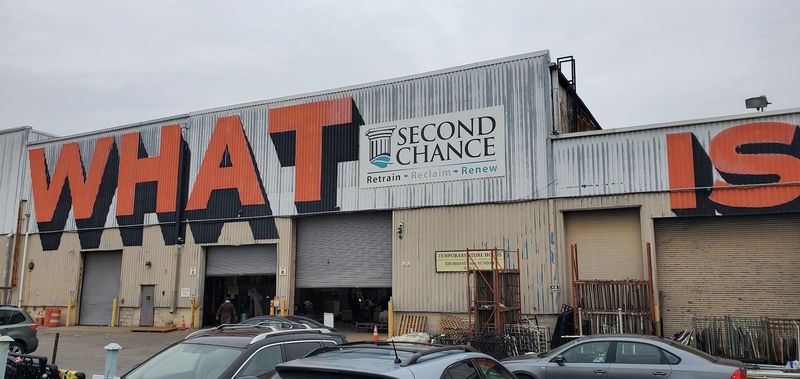
Second Chance Inc. is not standing still. In September 2024, the organization acquired two additional buildings in South Baltimore, one at 1300 W.
Hamburg St. and another at 1025 W. Ostend St. The plan is to develop a second retail location focused on wood products and outdoor items, giving the operation more room to breathe and display inventory in a more organized way.
The expansion is projected to create between 75 and 100 new jobs, which aligns directly with the organization’s core mission of building employment pathways for people who need them most. Growth here is not just about square footage.
It is about impact.
The founder has also expressed intentions to bring the Second Chance model to other cities, with Philadelphia mentioned as a target by 2026.
If that vision plays out, what started as a Baltimore institution could become a national model for how nonprofit retail, environmental sustainability, and workforce development can work together in a single, genuinely useful organization.
For now, the Ridgely Street location remains the original and the flagship, a place worth visiting not just once but repeatedly as inventory shifts and the story keeps evolving.
Address: 1700 Ridgely St, Baltimore, MD 21230.
