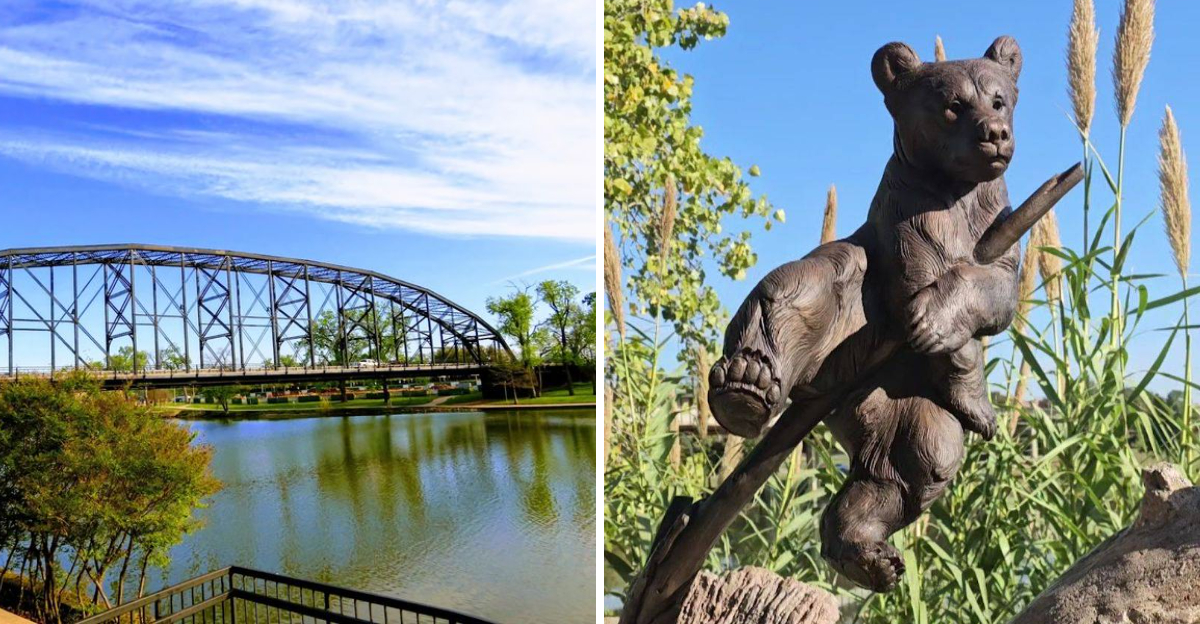
Six and a half miles of water, trees, and sky stretching out in every direction. That is the Waco Riverwalk.
It is the kind of place where you can walk for hours and still find something new around every bend. The path hugs the Brazos River, offering views that make you forget you are in the middle of a city.
You can go for a jog, a bike ride, or just a slow walk with no destination in mind. The shade from the trees makes it comfortable even on warm days, and the peaceful vibe is hard to beat.
It is not a crowded tourist trap. It is a place to clear your head and enjoy a slower pace.
And sometimes, that is exactly what you need.
The Waco Suspension Bridge, A Historic Gateway Over The Brazos
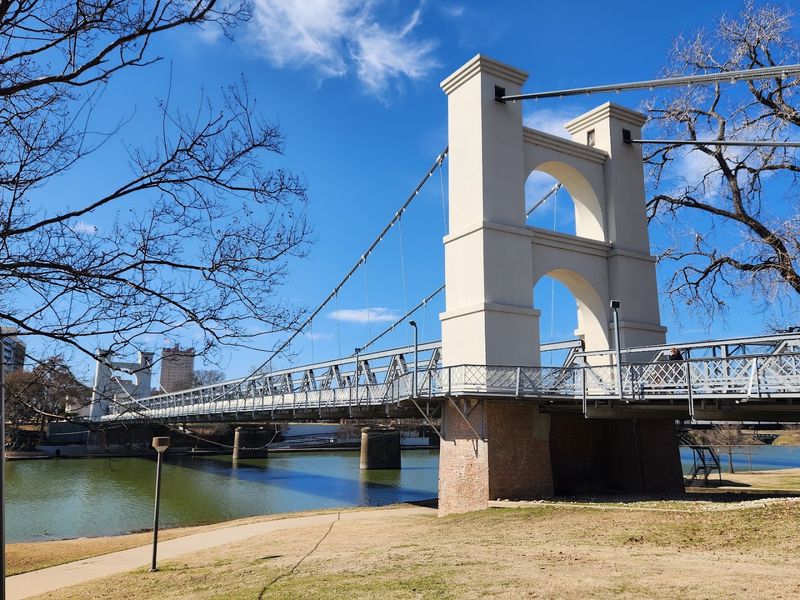
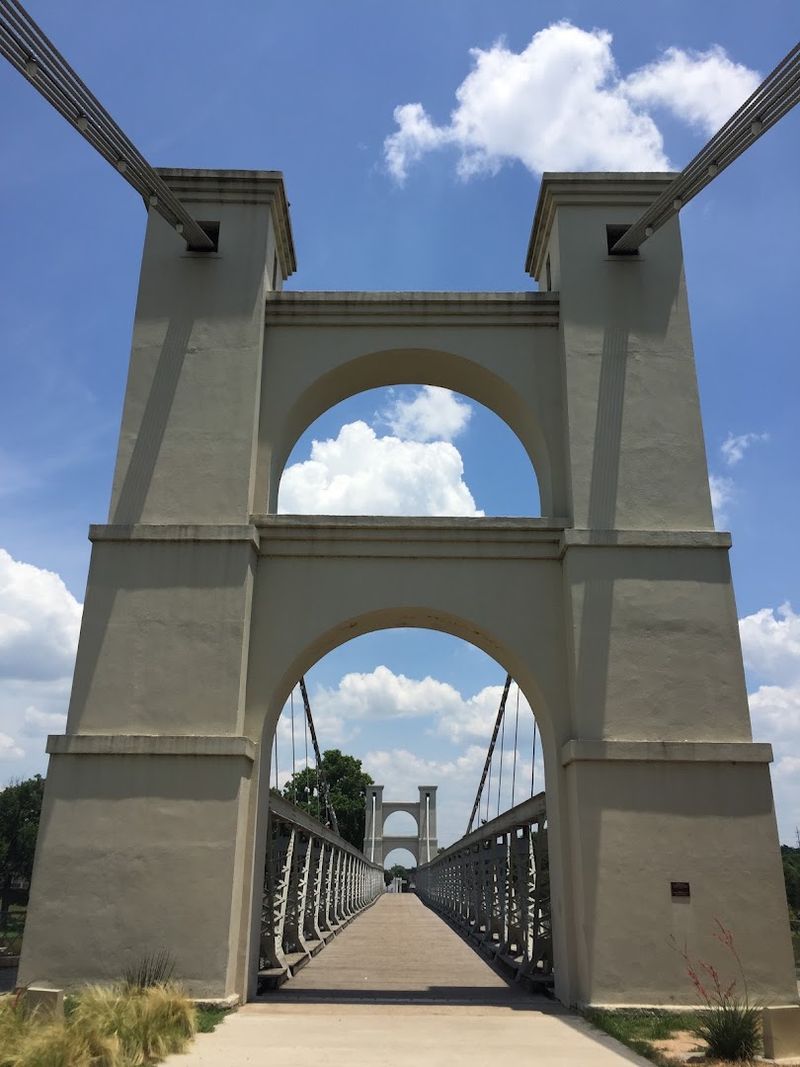
Few bridges carry as much quiet weight as this one. Completed in 1870, the Waco Suspension Bridge stretches 475 feet across the Brazos River and stands as one of the oldest surviving wire suspension bridges in the United States.
The cables were supplied by the John Roebling Company, the same firm responsible for building the Brooklyn Bridge in New York. That connection alone makes pausing mid-span feel like a genuinely historic moment.
When you cross it on foot, there is a gentle sway and the sound of the river moving below. It is hard not to slow down.
The bridge originally served as a vital crossing for cattle drives along the Chisholm Trail, and that story feels present even now, layered into the old iron and worn wood.
From the center of the bridge, the views stretch in both directions along the Brazos. Downstream you catch the downtown Waco skyline, and upstream the river bends into a quieter, greener corridor.
Photographers tend to linger here, especially in the late afternoon when the light turns golden over the water.
Both sides of the bridge connect to small parks. Indian Spring Park sits on the west bank, while Martin Luther King, Jr. Park occupies the east side.
Either one makes a natural stopping point before or after the crossing. The bridge is free to walk and open daily, making it one of the most accessible and rewarding spots along the entire riverwalk route.
Cameron Park, Where The Riverwalk Begins In Wild Beauty
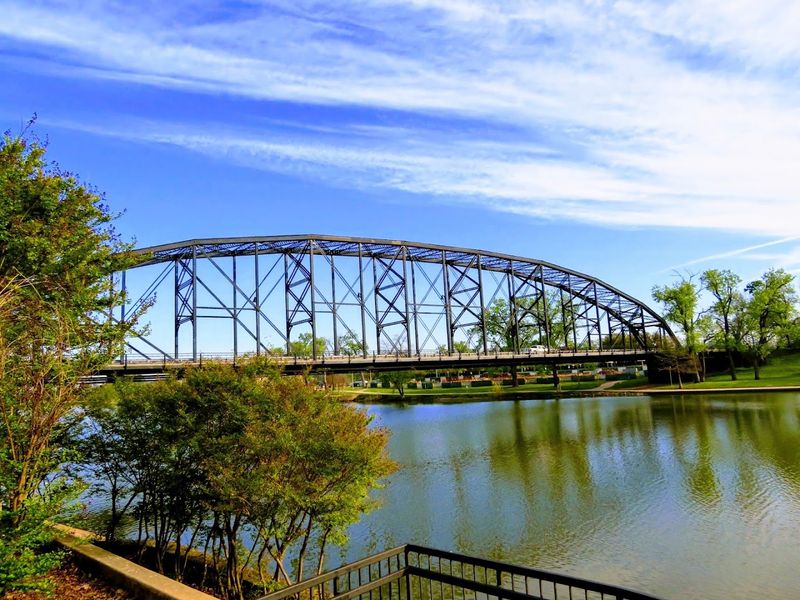
At the northwestern end of the riverwalk, Cameron Park feels less like a city park and more like a small wilderness hidden inside Waco.
The park covers 400 acres and includes limestone cliffs, natural springs, dense woodland, and a network of trails that stretches an additional 26 miles on its own.
It is the kind of place where you can genuinely lose track of time.
The scenic overlooks here are something else entirely. From certain vantage points along the bluffs, you look down over the Brazos River and surrounding tree canopy in a way that feels more like the Texas Hill Country than a mid-sized city park.
I have seen people just sit at the overlooks for long stretches, doing nothing but watching the river move below.
Beyond the views, Cameron Park offers playgrounds, a disc golf course, picnic areas, and direct access to the Cameron Park Zoo. The zoo itself is a separate destination worth visiting, home to over 1,700 animals in naturalistic habitats.
Families tend to spend entire mornings here before even touching the main riverwalk trail.
The trails within the park connect seamlessly to the paved riverwalk path, so you can transition between rugged natural terrain and the smooth multi-use trail without much effort. Birdwatchers find the wooded sections especially rewarding during spring migration.
Whether you come for a casual stroll or a serious trail run, Cameron Park sets a genuinely impressive opening chapter for the riverwalk experience.
Branding The Brazos Sculptures, A Chisholm Trail Tribute In Bronze
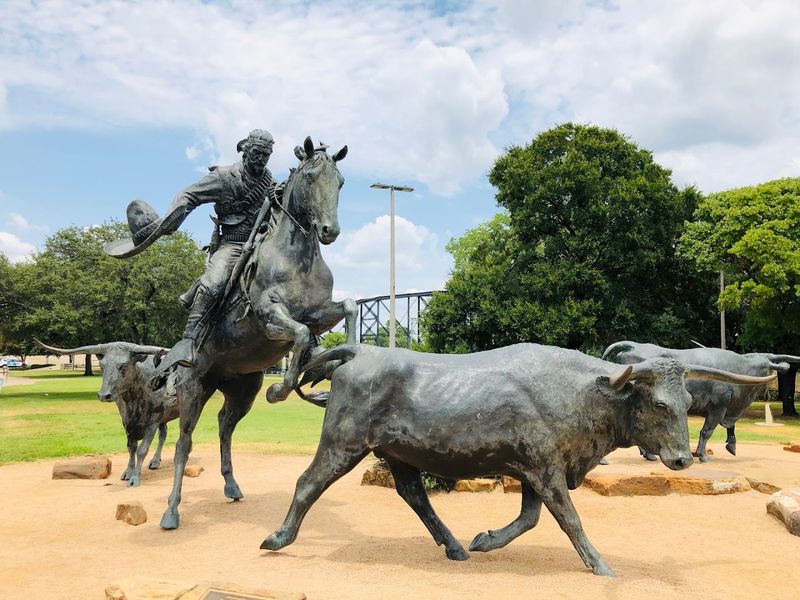
Right near the Waco Suspension Bridge, a group of towering bronze sculptures stops almost every first-time visitor in their tracks. Created by sculptor Robert Summers, the Branding the Brazos installation depicts a trail boss leading a herd of longhorns across the Brazos River.
The figures are life-sized and positioned with enough drama to feel genuinely cinematic.
The Chisholm Trail passed directly through Waco during the cattle drive era of the 1800s, and this sculpture series honors that history in a way that feels earned rather than decorative. It is one of those public art pieces that rewards a second look.
The detail in the cattle, the posture of the trail boss, the sense of forward motion frozen in metal, all of it adds up to something memorable.
Children are particularly drawn to the longhorn figures, which are positioned at a scale that makes standing beside them feel a little humbling. It makes for great photos, and the location along the riverwalk means you encounter the sculptures naturally as part of the walk rather than as a detour.
The broader area around the bridge and these sculptures forms one of the most photographed spots in Waco. Local historians and art enthusiasts alike appreciate how the installation ties the physical landscape of the Brazos to a specific chapter of Texas identity.
If you only have time for one stop along the riverwalk, this stretch near the suspension bridge delivers history, art, and river views all in one compact, walkable area.
The Waco Sculpture Zoo, Art And Wildlife Along The Water
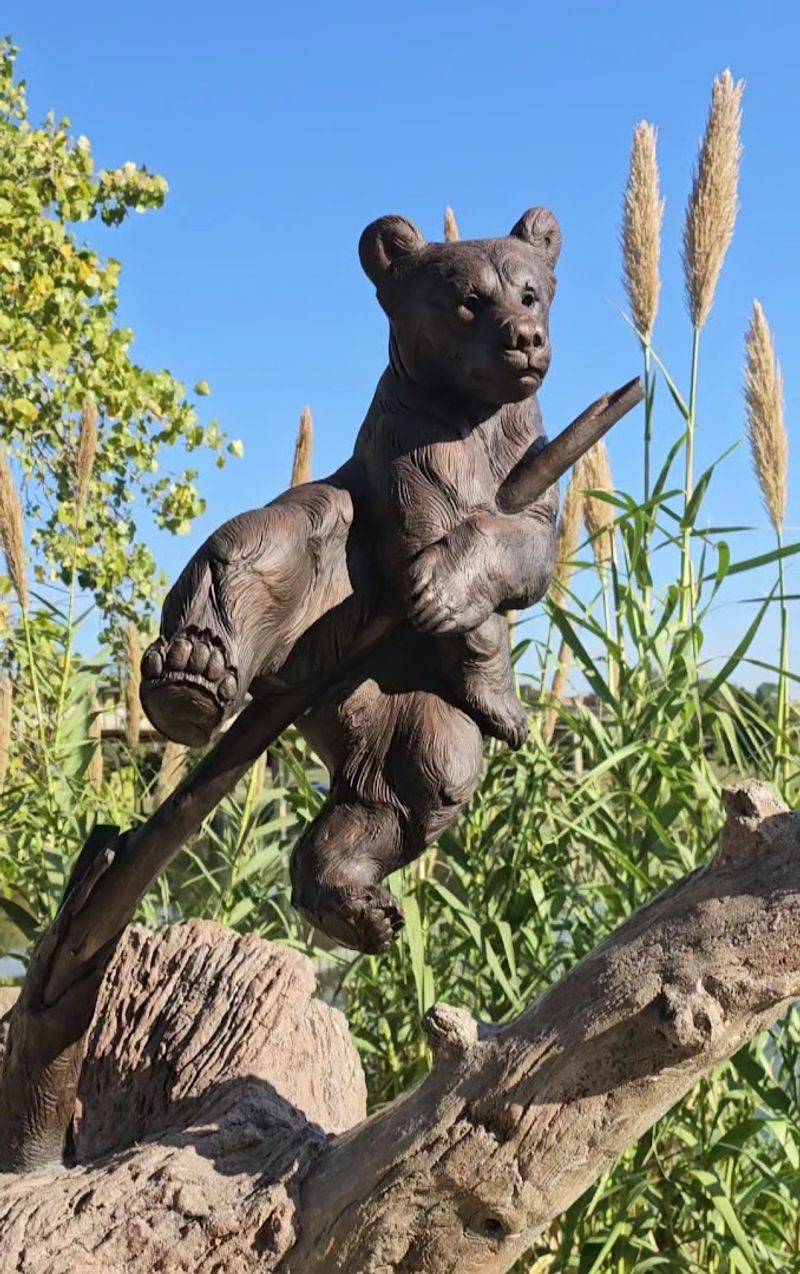
Somewhere between Cameron Park and the Baylor University campus, the riverwalk transforms into something unexpected.
A mile-long stretch known as the Waco Sculpture Zoo lines the path with 28 animal-themed artworks, each representing a creature either native to Central Texas or housed at the Cameron Park Zoo nearby.
It is playful, educational, and genuinely delightful in a way that surprises adults just as much as kids.
The sculptures are visible from the riverwalk trail itself, from University Parks Drive, and even from the Brazos River if you happen to be on the water. Some pieces are realistic and detailed, while others carry a more stylized, artistic quality.
The variety keeps the walk interesting, and there is something almost treasure-hunt-like about spotting each new figure along the route.
What makes this stretch feel special is how naturally it fits into the surrounding environment. The sculptures sit among trees, grass, and river views rather than on pedestals in a gallery.
The whole mile feels like a living outdoor museum, one where you are encouraged to slow down, look closely, and maybe learn something about the regional wildlife in the process.
Families with younger children tend to gravitate toward this section of the riverwalk more than any other. The combination of fresh air, open space, and engaging artwork creates an atmosphere that feels low-pressure and genuinely fun.
It is also a solid option for a solo walk or a casual jog, since the flat paved path makes the sculpture zoo accessible to just about everyone regardless of fitness level.
Dr Pepper Museum, A Fizzy Piece Of American History Nearby
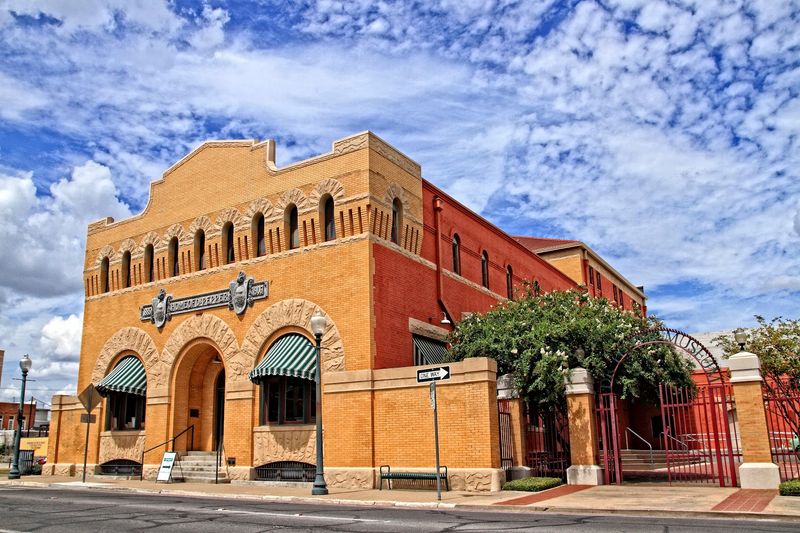
About half a mile from the Waco Suspension Bridge, a red brick building at 300 South 5th Street holds one of the more unexpectedly entertaining stops in downtown Waco. The Dr Pepper Museum occupies the original 1906 building where the famous soft drink was first commercially manufactured.
That is not a minor footnote. Dr Pepper was invented in Waco, and this building is where it went from a local curiosity to a nationally distributed product.
The museum does a thorough job of tracing the brand’s history through exhibits, original equipment, and interactive displays. Even if you are not a particular fan of the drink, the story of how a small-town pharmacy creation became an American staple is genuinely fascinating.
The building itself is worth seeing for its architecture alone.
Because the museum sits close to the riverwalk route, it fits naturally into a longer day of exploration along the Brazos. Many visitors time their visit to the museum as a midpoint break before continuing south toward Baylor University or north back toward the suspension bridge.
It is a manageable detour that adds real context to the broader Waco experience.
The gift shop offers a range of Dr Pepper-themed merchandise, and there is a working soda fountain on-site where you can sample the drink in its original form. It is a small but satisfying detail that makes the visit feel complete.
For anyone curious about American food history or simply looking for a cool, shaded stop mid-walk, this museum earns its place on the riverwalk itinerary.
McLane Stadium And Baylor University, Where The Riverwalk Meets Campus Life
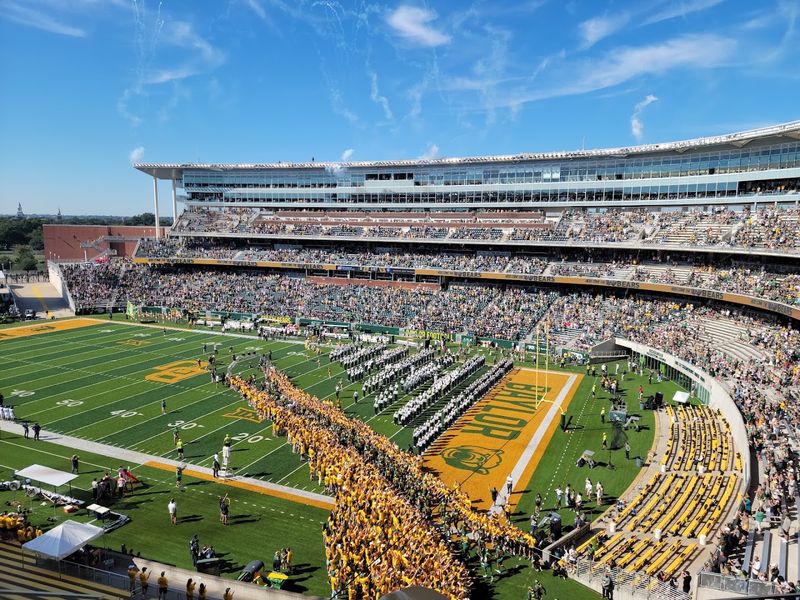
As the riverwalk pushes southeast, the energy shifts noticeably. The path moves alongside the Baylor University campus, and eventually passes McLane Stadium, the Bears’ football venue that partially extends over the Brazos River itself.
It is a striking architectural feature that makes the stadium feel almost like it grew out of the riverbank rather than being placed beside it.
On non-game days, the area around the stadium is calm and easy to walk through. The river views from this section of the trail are wide and open, with the stadium providing an interesting urban backdrop against the natural flow of the Brazos.
On game days, the atmosphere shifts completely, with the surrounding grounds filling with fans and the river itself becoming part of the pre-game scene.
The Umphrey Pedestrian Bridge nearby provides a crossing between the east and west banks of the river close to the Baylor campus. It is a quieter crossing than the historic suspension bridge but offers its own appealing views looking both upstream and down.
The connection it creates between the two banks makes the trail feel like a complete loop rather than a simple out-and-back path.
The broader Baylor campus area also puts visitors within easy reach of several notable museums, including the Texas Ranger Hall of Fame and Museum, the Texas Sports Hall of Fame, and the Mayborn Museum Complex.
Each of these adds a different layer to the Waco story and makes the southeastern end of the riverwalk a rewarding destination in its own right, not just a finishing point.
Sunset Views And Photography Along The Brazos River Corridor
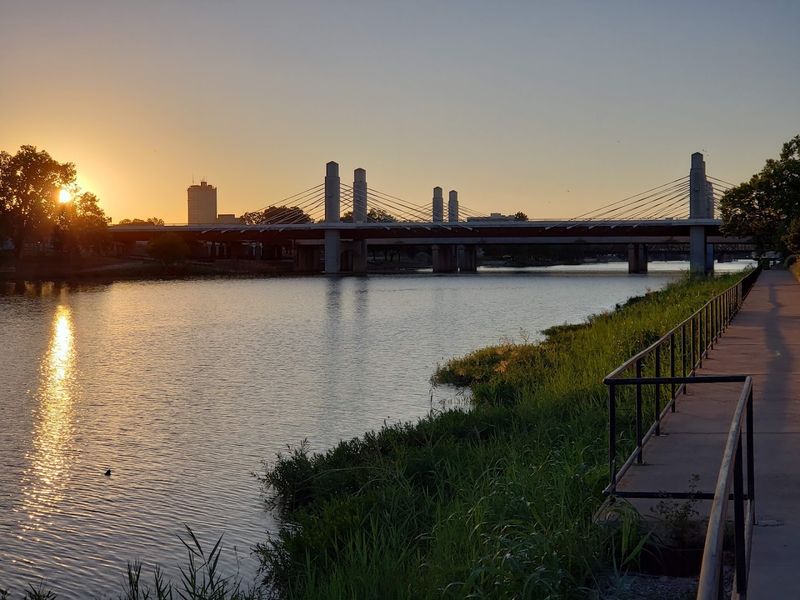
There is a particular hour in the late afternoon when the Brazos River turns into something almost cinematic. The light drops low, the water picks up gold and copper tones, and the silhouettes of the limestone bluffs and tree lines along the banks go dark and dramatic against the sky.
Photographers who know about this stretch of the riverwalk tend to return to it repeatedly, and it is easy to understand why.
The Waco Riverwalk runs along both banks of the Brazos for much of its length, which means you can position yourself on either side depending on where the light is falling.
The suspension bridge at sunset is a particularly popular subject, with the old iron cables catching the warm light in a way that looks genuinely painterly.
I have seen amateur photographers set up tripods here on weekday evenings just to capture that specific moment.
Beyond the bridge, the river corridor itself offers long, unobstructed views that work beautifully in photographs. The combination of natural water, mature trees, and the occasional piece of public sculpture creates a layered visual environment that rewards patience and exploration.
Birdwatchers also find the riverwalk productive around dusk, when herons, egrets, and other water birds move along the banks. The trail is lit along much of its length, which means the experience does not have to end when the sun goes down.
Evening walks here carry their own quieter, more reflective quality that feels like a different version of the same beautiful place.
Walking, Running, And Biking The Full 6.5 Mile Multi-Use Trail
The practical appeal of the Waco Riverwalk is hard to overstate. The trail runs approximately 6.5 miles along both banks of the Brazos River, paved with asphalt and concrete, well-lit, and accessible from multiple entry points throughout downtown Waco.
Whether you are a serious runner logging miles or a casual walker looking for a scenic afternoon route, the path accommodates both without asking you to compromise.
Cyclists use the trail regularly, and the flat grade through most of the route makes it manageable for riders of varying skill levels. The surface is smooth enough for road bikes while still being comfortable for hybrid or cruiser styles.
On weekend mornings, the trail sees a healthy mix of joggers, dog walkers, families with strollers, and solo cyclists, all moving at their own pace without much friction.
Access points are scattered throughout the route, which means you do not have to commit to the full 6.5 miles if your time or energy is limited. You can join the trail near the suspension bridge, at Cameron Park, along University Parks Drive, or at several other spots in between.
This flexibility makes the riverwalk genuinely useful for locals as a daily fitness route, not just a destination for visitors.
Picnic areas, benches, and open grassy sections appear along the way, giving natural reasons to pause and rest. The combination of physical activity, river scenery, public art, and historical landmarks along a single connected path is rare in a city this size.
Waco has built something here that quietly outperforms expectations at every turn.
Address: Waco Riverwalk, Waco, TX 76701
