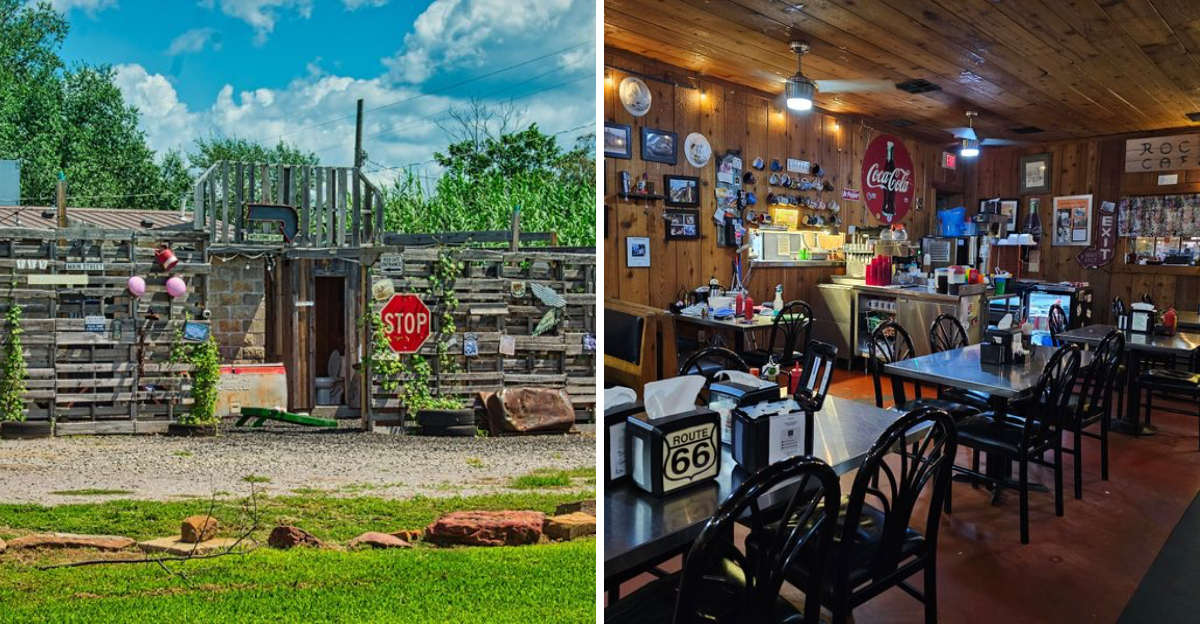
Tucked along a stretch of historic Route 66 in Stroud, Oklahoma, Rock Café stands as a testament to the enduring spirit of America’s Mother Road. The small town of Stroud sits roughly halfway between Oklahoma City and Tulsa, making it an ideal stopping point for road trippers seeking more than just another highway exit.
This part of central Oklahoma carries a sense of nostalgia that travelers crave, where vintage neon signs still glow against prairie sunsets and the pace of life slows to something more manageable. Rock Café embodies that classic roadside charm, drawing visitors from across the country who want to experience authentic Route 66 culture.
The region appeals to those who appreciate Americana, history buffs fascinated by mid-century travel, and anyone seeking a genuine connection to the past.
Stroud itself maintains that welcoming small-town atmosphere where strangers become friends over a meal, and the landscape surrounding the café stretches wide and open, offering views that remind you why cross-country road trips became an American tradition.
Whether you’re tracing the full length of Route 66 or simply exploring Oklahoma’s heartland, this café represents a destination worth planning your journey around.
A Building Born from Stone and Survival
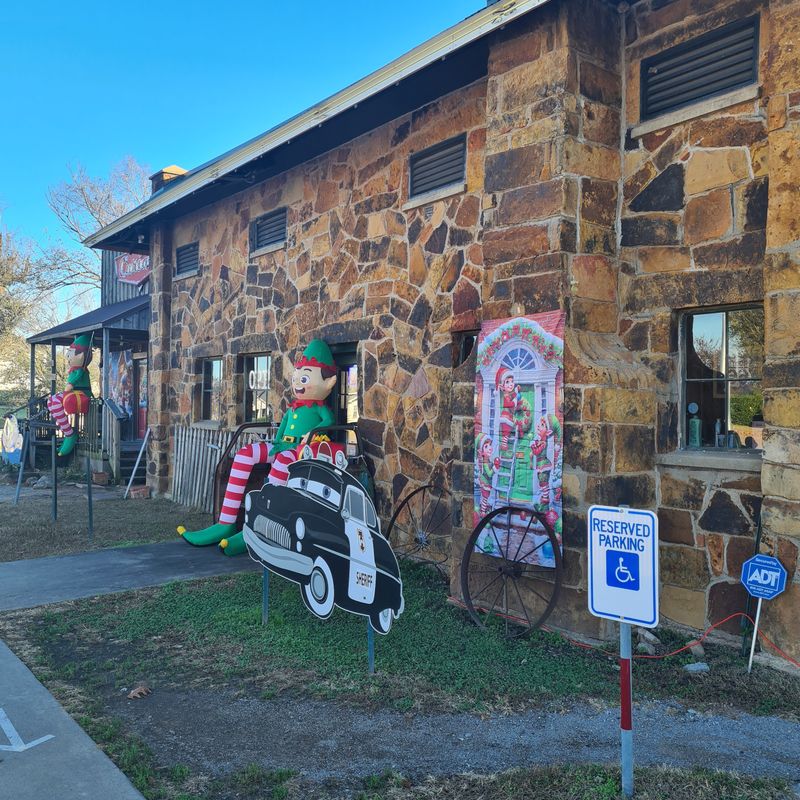
Rock Café earned its name honestly. The structure itself was built from local stone quarried right in the Stroud area, giving the building a rugged, enduring quality that has helped it survive decades of changing fortunes along Route 66.
Construction took place during the late 1930s, a period when the highway was becoming the main artery for Americans traveling west.
Walking up to the exterior, you immediately notice the handcrafted stonework that forms the walls. Each rock was placed with intention, creating a facade that feels both sturdy and welcoming.
The craftsmanship speaks to an era when buildings were made to last, not just to serve a temporary purpose.
Over the years, Rock Café has weathered storms both literal and figurative. In 2008, a devastating fire nearly destroyed the entire establishment.
The stone walls, however, stood firm. That resilience became a rallying point for the community and Route 66 enthusiasts nationwide, who came together to help rebuild what had been lost.
Today, the café operates with the same stone bones that were laid down generations ago. The restoration honored the original design while updating necessary systems, ensuring the building could continue serving travelers for years to come.
The stone exterior has become iconic, featured in countless photographs and travel articles about Route 66.
Visitors often pause outside before entering, running their hands along the textured surface of the walls. There’s something grounding about touching stone that has witnessed so many journeys, so many stories passing through this corner of Oklahoma.
Address: 114 W Main St, Stroud, Oklahoma
Pixar’s Inspiration Comes to Life
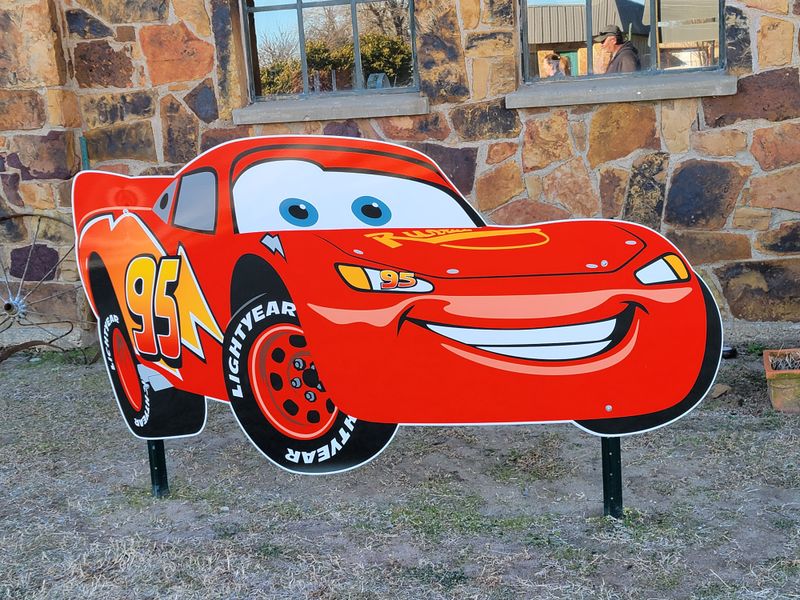
When Pixar animators were researching locations for the movie Cars, they traveled Route 66 extensively, documenting the roadside culture that had defined American travel for decades. Rock Café caught their attention, and elements of the establishment found their way into the film’s fictional world.
The connection isn’t just rumor or hopeful speculation. It’s confirmed and celebrated.
Inside the café, you’ll find memorabilia from the animated film displayed throughout the dining area. Characters from Cars peer out from shelves and walls, creating a playful atmosphere that delights younger visitors while giving adults a nostalgic connection to the movie.
The gift shop carries an impressive selection of Cars merchandise, making it easy to bring home a memento of the connection.
What makes this relationship special is how organic it feels. Rock Café didn’t remake itself to capitalize on movie fame.
Instead, the film recognized and honored what the café already represented: authentic Route 66 character that couldn’t be manufactured or replicated. The animators saw the genuine article and wanted to capture its essence on screen.
Families traveling with children often make Rock Café a priority stop specifically because of the Cars connection. Kids who might not otherwise appreciate vintage diners suddenly become enthusiastic about visiting, eager to see a real place that inspired their favorite animated characters.
Parents appreciate how the movie tie-in creates a bridge between generations of Route 66 appreciation.
The café staff embraces this role warmly, happily answering questions about the film and pointing out various displays. They understand that for many visitors, especially younger ones, the Cars connection serves as an entry point to learning about the broader history and significance of Route 66 culture in Oklahoma.
Betsy the Grill Makes Every Meal Historic
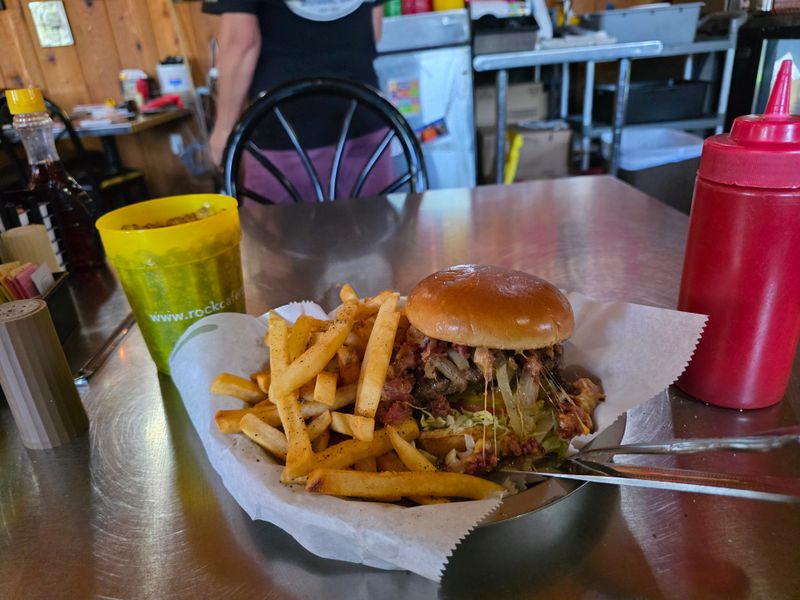
Behind the scenes in Rock Café’s kitchen stands Betsy, a flat-top grill that has been cooking meals since 1939. That’s not a replica or a restored model.
It’s the actual working grill that has been in continuous use for more than eight decades, serving countless travelers their burgers, steaks, and breakfast plates.
The significance of Betsy extends beyond mere age. This grill has seasoned itself through thousands upon thousands of meals, developing the kind of cooking surface that simply cannot be replicated with new equipment.
Chefs and food enthusiasts understand that a well-used grill accumulates flavor over time, and Betsy represents the ultimate example of that culinary phenomenon.
When the 2008 fire swept through Rock Café, Betsy survived. The grill’s cast iron construction withstood the intense heat that destroyed so much else.
After the fire, when decisions were being made about rebuilding, there was never any question that Betsy would return to service. The grill had become as much a part of the café’s identity as the stone walls themselves.
Customers often ask about Betsy, having heard stories or read reviews mentioning the legendary grill. Staff members proudly share the history, explaining how food cooked on equipment with such a long working life takes on qualities that modern kitchens can’t quite match.
It’s not superstition or marketing hype. It’s the reality of how cast iron cooking surfaces develop character through use.
For many regular visitors, knowing their meal comes off Betsy adds an extra layer of satisfaction to the dining experience. You’re not just eating at a historic café.
You’re eating food prepared on a piece of functional history that continues doing the job it was built for generations ago.
Service That Remembers Your Name
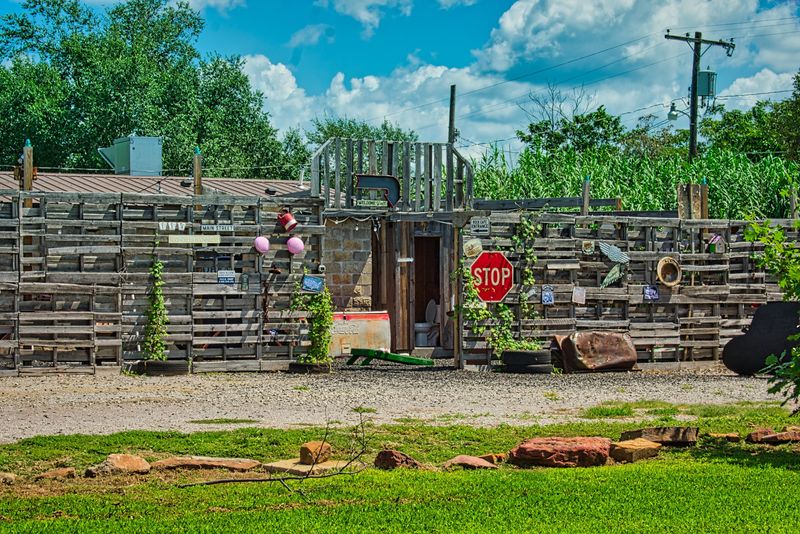
Countless reviews mention the staff at Rock Café by name, which tells you something important about the service culture here. Servers like Chloe, Lorah, Destiny, and Bonnie aren’t just taking orders and delivering plates.
They’re creating connections with travelers who may never pass through Stroud again but will remember the warm welcome they received.
This isn’t the rushed, impersonal service you might expect at a busy highway stop. Staff members take time to chat with customers, offer menu recommendations based on actual knowledge of the food, and share stories about the café’s history.
They understand their role as ambassadors for both the restaurant and Route 66 culture more broadly.
The attentiveness goes beyond keeping water glasses filled, though the staff excels at that too. Servers notice when customers seem uncertain about menu choices and step in with helpful suggestions.
They check back at appropriate intervals without hovering. They remember details from earlier in the meal, creating a sense that you’re being cared for rather than merely served.
What makes this level of service remarkable is its consistency. Review after review, spanning months and years, mentions the same qualities: friendliness, efficiency, genuine warmth.
That consistency doesn’t happen by accident. It reflects a workplace culture that values hospitality and trains staff to deliver it authentically.
For solo travelers, the friendly service can transform a meal from a solitary necessity into a pleasant social experience. For families, staff members often go out of their way to make children feel welcome and help parents navigate the menu for picky eaters.
The service adapts to what each table needs, which requires both skill and attention.
Route 66 Living Museum Atmosphere
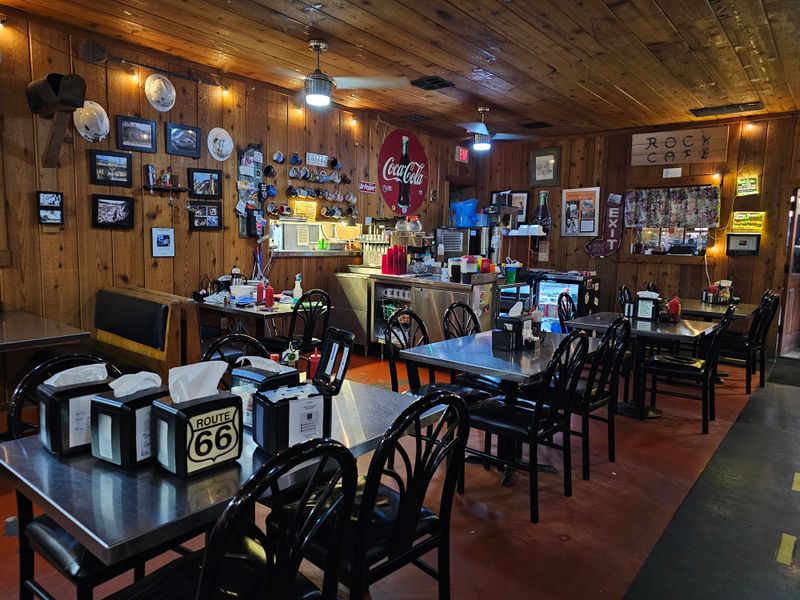
Step inside Rock Café and you’re immediately surrounded by layers of Route 66 history. The walls function as a curated collection of Mother Road memorabilia, with vintage signs, photographs, and artifacts creating an immersive environment that educates while it entertains.
This isn’t random decoration thrown up for effect. Each piece contributes to the story the café tells about America’s most famous highway.
Large menu boards double as informational displays, featuring Route 66 facts and historical tidbits alongside the daily specials. Customers find themselves reading about the highway’s golden age while deciding between entrées, absorbing history almost unconsciously.
It’s a clever way to share the café’s passion for preservation without requiring visitors to tour a formal museum.
Photographs from different eras show how Stroud and the surrounding Oklahoma landscape have changed over decades. Some images capture the highway’s busiest years, when Route 66 carried the bulk of cross-country traffic.
Others document quieter periods after the interstate system diverted most travelers away from the old road. Together, they create a visual timeline of American travel culture.
The rock architecture itself contributes to the museum-like quality. Those stone walls have absorbed decades of conversation, laughter, and the clinking of silverware against plates.
There’s an almost tangible sense of continuity, a feeling that you’re sitting where countless others have sat before, all of them on their own journeys to somewhere else.
For Route 66 enthusiasts, Rock Café represents a pilgrimage site where the highway’s spirit remains alive and authentic. The café participates in the Oklahoma Route 66 passport program, offering stamps to collectors documenting their travels.
That small gesture connects individual journeys to the broader community of people who value and protect this historic corridor.
The Gift Shop Experience
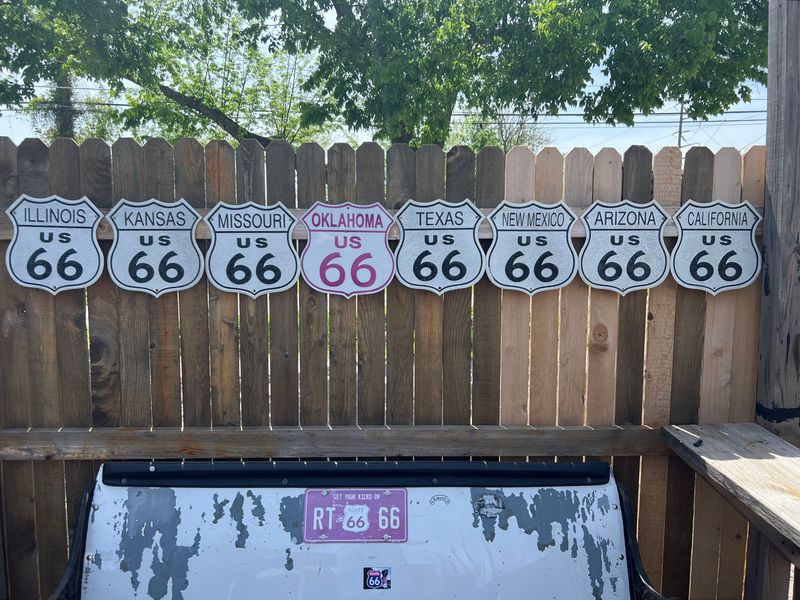
Adjacent to the dining area, Rock Café operates a gift shop that goes well beyond the typical tourist trap offerings. The selection focuses on quality Route 66 merchandise, local Oklahoma products, and items connected to the café’s unique history.
Browsers find everything from vintage-style postcards to carefully chosen books about Mother Road culture.
The Cars movie merchandise deserves special mention, as the shop carries one of the more extensive selections you’ll find along Route 66. Parents appreciate the range of price points, from small toys that make perfect travel souvenirs for kids to collectible items that appeal to adult fans of the film.
The connection between the café and the movie makes purchasing these items feel more meaningful than buying generic merchandise elsewhere.
Route 66 apparel fills several racks, with designs specific to Rock Café alongside more general highway-themed clothing. Many visitors purchase shirts or hats as wearable memories of their stop, items they’ll use long after returning home.
The quality tends toward the durable rather than the disposable, reflecting the café’s overall philosophy of doing things right rather than doing things cheaply.
Local products give the shop a distinctly Oklahoma character. You might find regional food items, crafts from area artisans, or books by local authors.
These offerings connect visitors to the broader community beyond just the café itself, supporting the local economy while giving travelers authentic pieces of the region to take home.
Staff members working the gift shop demonstrate the same friendly helpfulness that characterizes the dining room service. They offer suggestions without being pushy, share stories about particular items, and help customers find exactly what they’re looking for.
The shopping experience feels personal rather than transactional, which keeps people browsing longer and leaving happier with their purchases.
Stroud’s Perfect Midpoint Location
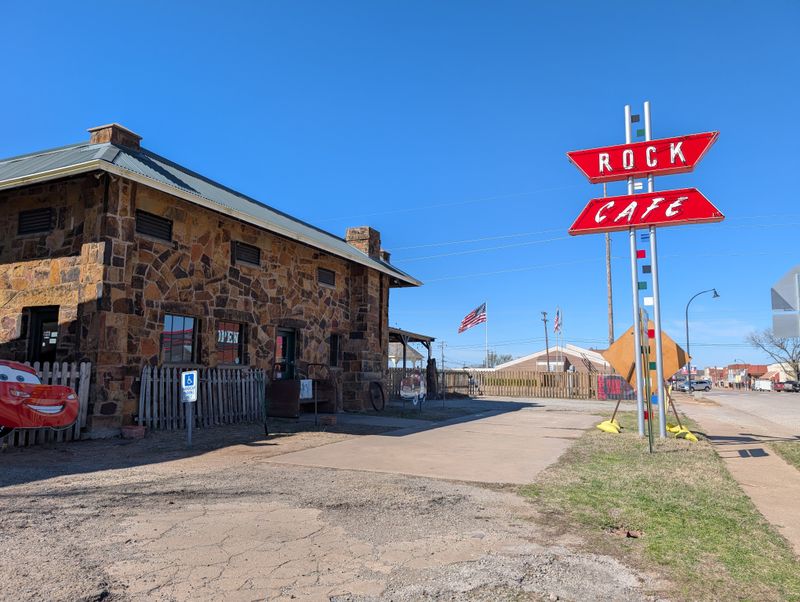
Geography plays a significant role in Rock Café’s enduring success. Stroud sits almost exactly halfway between Oklahoma City and Tulsa, making it a natural stopping point for travelers moving between the state’s two largest metropolitan areas.
That positioning has served the café well since its earliest days, when Route 66 carried the majority of east-west traffic through central Oklahoma.
The town itself maintains a population of just a few thousand residents, preserving the small-town character that many Route 66 communities have lost to development or decline. Main Street still looks recognizably like Main Street, with the café as one of its anchoring businesses.
Visitors get a genuine sense of what these highway towns were like during Route 66’s heyday.
For road trippers following the historic route, Stroud falls at a point where you’re ready for a break. Whether you’re coming from the east or west, you’ve likely been driving for a couple of hours and could use a meal, a stretch, and perhaps a bathroom stop.
Rock Café provides all of those necessities while also offering the kind of memorable experience that justifies building your travel schedule around it.
The surrounding Oklahoma landscape contributes to the appeal. This part of the state features rolling prairie land, wide skies, and a sense of openness that reminds you why people fell in love with road travel in the first place.
Stroud sits in what many consider the heart of Route 66 country, where the highway’s mythology feels most authentic and least commercialized.
Local residents take pride in Rock Café as a community asset that puts Stroud on the map. The café draws visitors who might otherwise never stop in town, creating economic benefits that ripple beyond the restaurant itself.
That community support proved crucial during the rebuilding effort after the fire, when locals rallied to ensure this landmark would survive.
Neon Glow After Dark
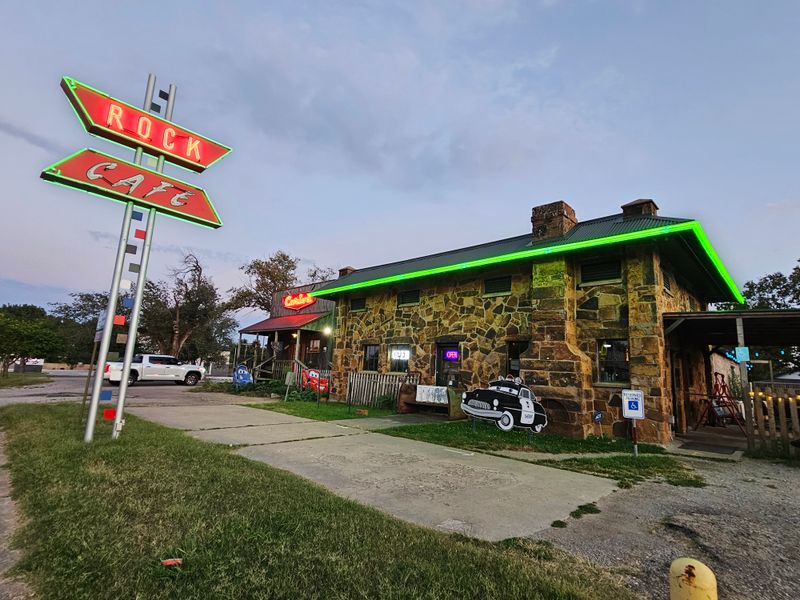
After sunset, Rock Café transforms into one of Route 66’s iconic nighttime visions. Vintage neon signage lights up, casting a warm glow that beckons travelers from the darkness of the highway.
This isn’t harsh modern lighting. It’s the soft, nostalgic glow of classic neon tubes, the kind that defined American roadside architecture during the mid-twentieth century.
The neon serves both practical and aesthetic purposes. Practically, it marks the café’s location for drivers navigating Stroud after dark, functioning as a beacon that says you’ve found your destination.
Aesthetically, it creates the kind of atmospheric photograph that Route 66 enthusiasts cherish, capturing the romance and nostalgia of vintage highway travel.
Many visitors specifically plan to see the café after dark, wanting to experience and photograph the neon display. The signage has become as much a part of Rock Café’s identity as the stone walls or the Cars connection.
It represents a commitment to maintaining authentic Route 66 character rather than updating to more modern, efficient lighting that would lack the same emotional resonance.
The contrast between the rough stone walls and the glowing neon creates visual interest that photographers love. The warm light plays across the textured surface of the rock, highlighting shadows and creating depth.
During blue hour, when the sky holds its last light, the combination of natural and artificial illumination produces particularly striking images.
For travelers arriving after a long day on the road, that neon welcome signals more than just a place to eat. It represents the promise of hospitality, good food, and a moment to rest before continuing the journey.
The glow of neon against the Oklahoma night sky embodies everything Route 66 was meant to be: a ribbon of light and life stretching across the American landscape.
Dear Reader: This page may contain affiliate links which may earn a commission if you click through and make a purchase. Our independent journalism is not influenced by any advertiser or commercial initiative unless it is clearly marked as sponsored content. As travel products change, please be sure to reconfirm all details and stay up to date with current events to ensure a safe and successful trip.
