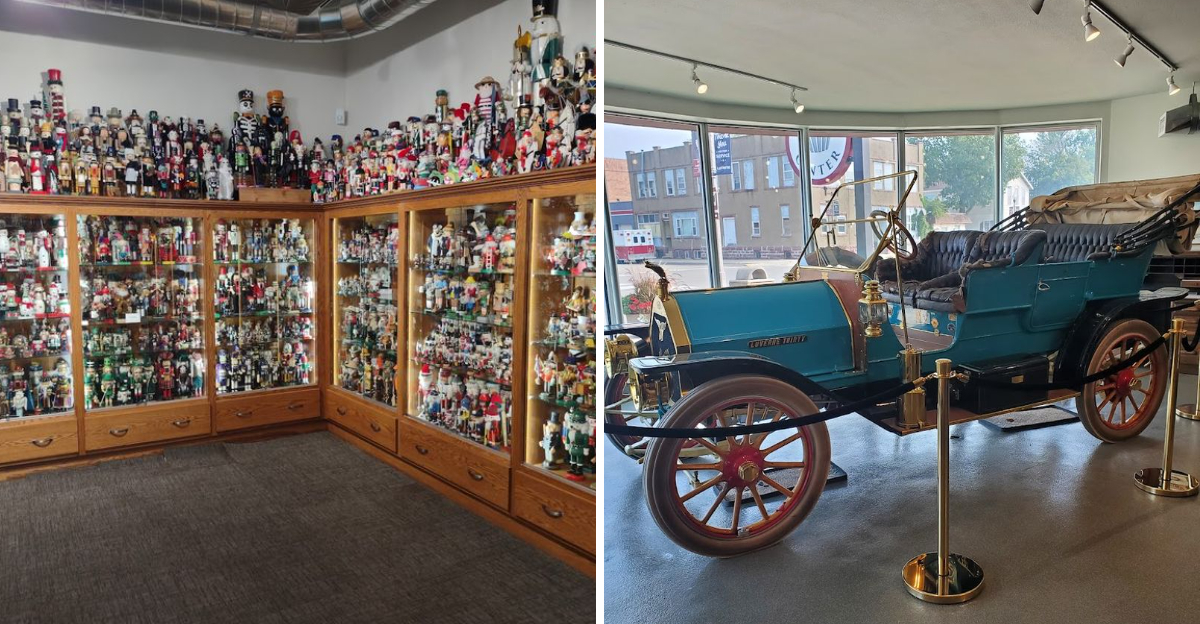
A collection of nutcrackers from around the world fills room after room in a quiet small town museum. I walked through the doors and found myself surrounded by rows of wooden soldiers and kings and curious characters with their mouths wide open.
Minnesota has a spot with over seven thousand nutcrackers representing fifty different countries and countless hours of careful collecting. The pieces range from tiny delicate carvings to life sized figures that stare down at you from their display spots.
I found nutcrackers shaped like astronauts and fishermen and even one that looked exactly like a famous scientist with wild white hair. Minnesota really hides an unexpected treasure where the sheer number and variety will make your head spin in the best way.
Some of the nutcrackers are antiques from the 1800s while others are modern creations made by artists from across the globe. I watched a little girl’s eyes go wide when she spotted a nutcracker dressed as a ballerina complete with tiny pink slippers.
The museum changes its displays so every visit offers something new even for locals who have been before. You leave with a new appreciation for a humble tool that someone turned into an art form.
Betty Mann and the Story Behind the Collection
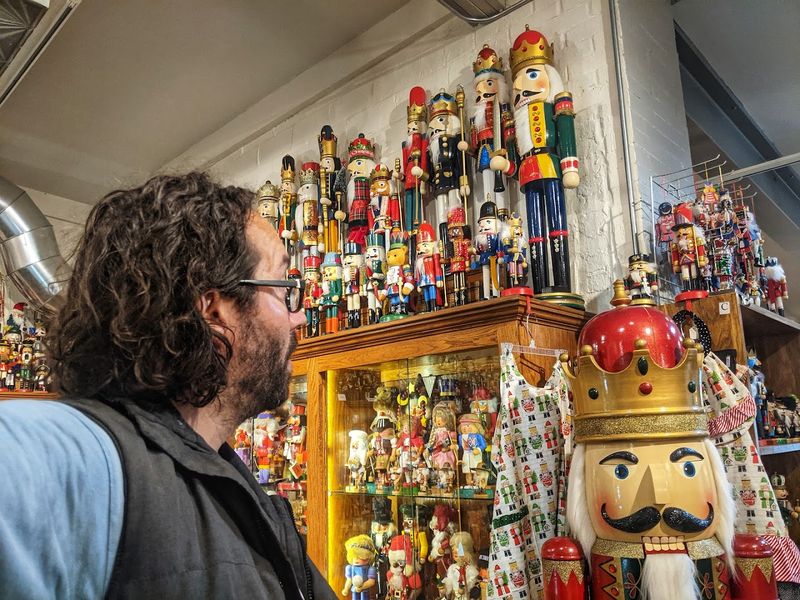
Behind every great collection is a person with a real story. Betty Mann is that person here.
She started gathering nutcrackers long before anyone imagined the collection would grow this large. What began as a personal hobby became something truly extraordinary.
Betty eventually donated the entire collection to the Rock County History Center. She also volunteers her time, offering tours and sharing stories about specific pieces.
Visitors who get to meet her consistently describe the experience as a highlight of their trip.
Her knowledge runs deep. She can tell you where a particular nutcracker was purchased, what country inspired its design, and why certain styles differ between regions.
That kind of firsthand context makes the displays feel alive rather than static.
Getting a personal walkthrough from Betty is a rare treat. Not every museum has someone like her.
Her warmth and enthusiasm are contagious, and she has a gift for making complete strangers feel genuinely welcome and curious.
The Old-Fashioned Store Corner
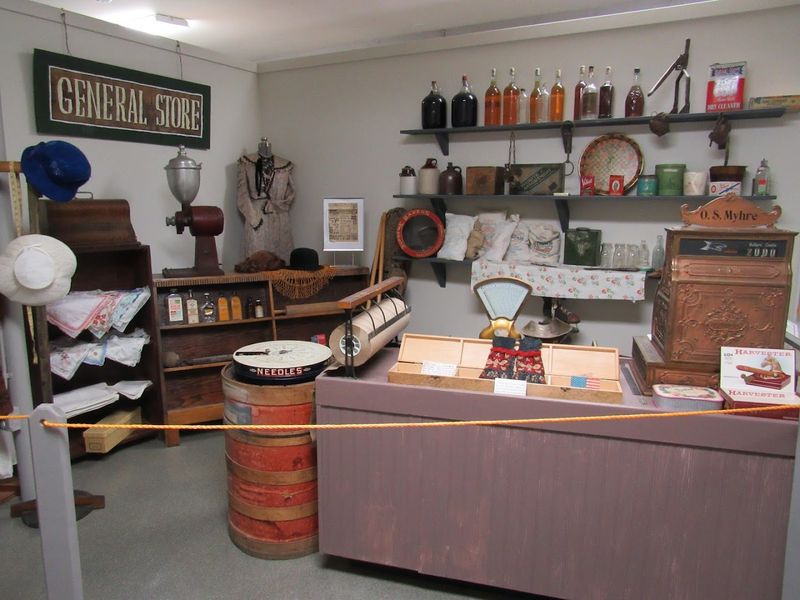
One corner of the museum is set up to look exactly like a general store from about 50 years ago. Every item is placed just as it would have been back then.
The cash register sits open on the counter. Jars line the shelves.
It feels genuine in a way that big museum recreations rarely do.
There is a quiet charm to standing in that space. You can almost hear the creak of the floorboards and imagine customers coming in for everyday essentials.
The attention to detail is impressive for a museum of this size.
Small price tags, old packaging, and familiar product names from decades past all add to the atmosphere. Nothing feels thrown together.
Someone clearly cared about getting each detail right, and it shows in how the space feels to walk through.
This kind of immersive setup is what separates the Rock County History Center from a simple artifact display. It invites you to imagine life here rather than just observe it from a distance.
The World-Famous Nutcracker Collection
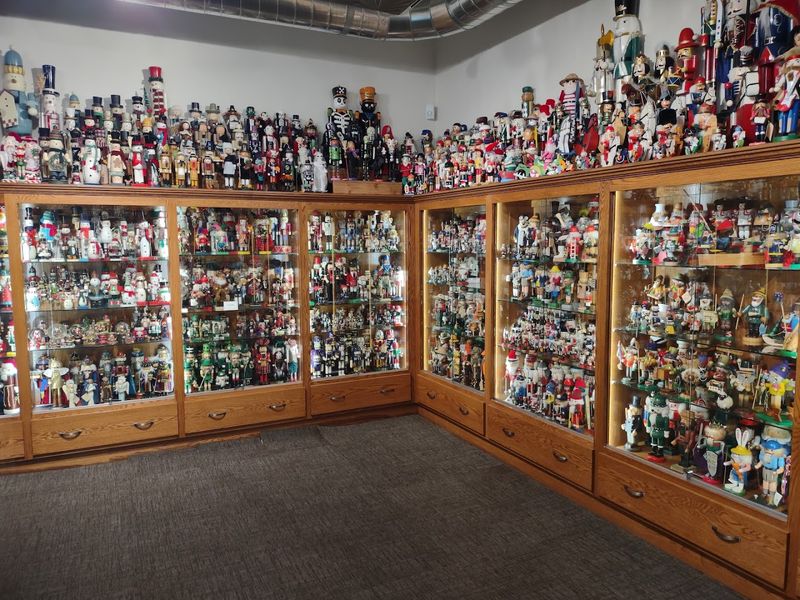
Nothing quite prepares you for the moment you first see them. Over 7,000 nutcrackers, collected from more than 50 countries, fill an entire section of the Rock County History Center.
It is a visual feast that stops you in your tracks.
The collection was donated by Betty Mann, a Luverne local whose passion for these figures grew over decades. She traveled, collected, and gathered pieces from markets, shops, and gifted friends across the globe.
Each nutcracker tells a small story about where it came from.
Some are tall and dramatic. Others are tiny and delicate.
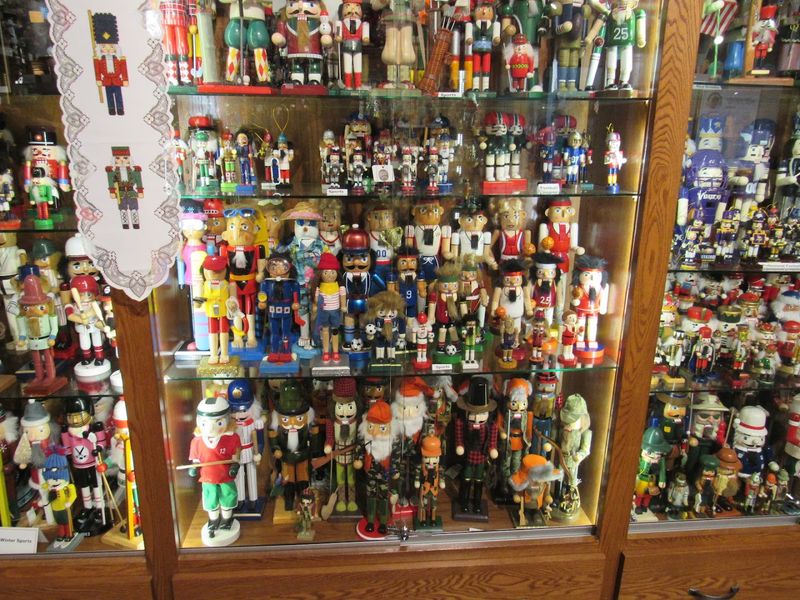
You will spot soldiers, kings, wizards, animals, and figures dressed in traditional clothing from countries like Germany, Japan, and Peru. The variety is genuinely staggering.
The collection is believed to be among the largest in the entire United States. Seeing it in person, in a small Minnesota town, makes the whole experience feel even more surprising and special.
Plan extra time here.
The Working Jukebox and Victrola Demonstration
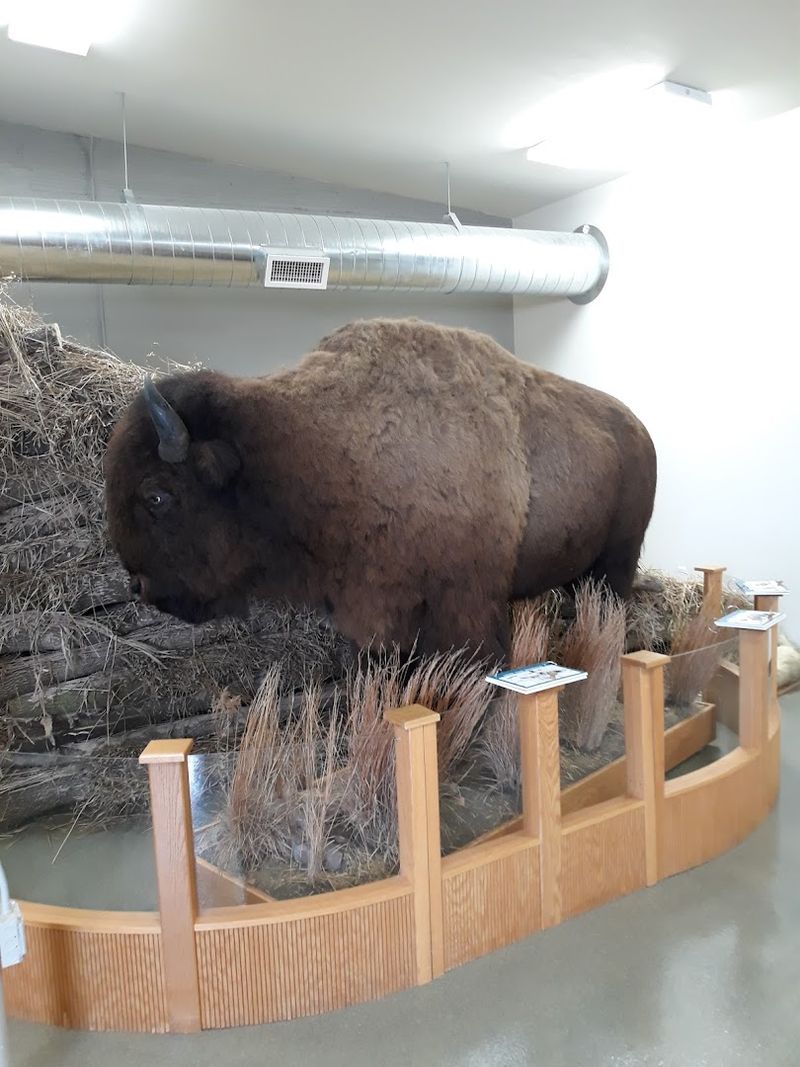
There is something unexpectedly joyful about hearing music in a history museum. The Rock County History Center has a working jukebox on display, and yes, it actually plays.
Hearing it come to life in that quiet space is a small but memorable moment.
The museum also has a Victrola, an early record player that staff have been known to demonstrate for visitors. Watching and listening to one of these machines in action gives you a real appreciation for how people experienced music before modern technology took over.
Music history is easy to overlook in small county museums. The fact that this one includes working instruments and demonstrations shows a real commitment to making history tangible and fun.
It is not just about looking. It is about experiencing.
One visitor mentioned being genuinely moved by the Victrola demonstration. That reaction makes sense.
There is something deeply human about hearing old music play the way it was originally meant to be heard, in a room full of the past.
Antique Fire Trucks and Vintage Vehicles
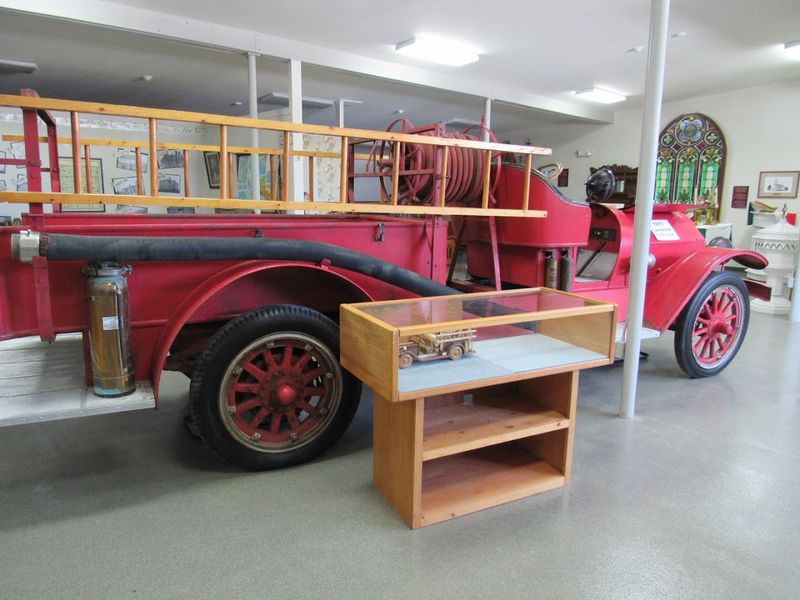
Beyond the automobiles, the museum also features antique fire trucks that draw plenty of attention. These are the kind of vehicles that make you stop and stare.
Big, bold, and beautifully preserved, they anchor an entire section of the building.
Fire trucks have a special place in local history. They represent community protection and civic pride.
Seeing an old one up close, with its hand-operated bells and painted wooden ladders, reminds you how much has changed in emergency response over the decades.
The vehicles are well maintained and thoughtfully displayed. There is enough space around them to walk and appreciate the craftsmanship from multiple angles.
For kids especially, these are an instant hit. Adults tend to linger just as long though.
Pairing the fire trucks with the Luverne automobiles creates a surprisingly rich transportation history section. The museum does not try to compete with larger institutions.
It simply presents what it has with care, and that approach works remarkably well here.
Farm Tools and Rural Life Artifacts
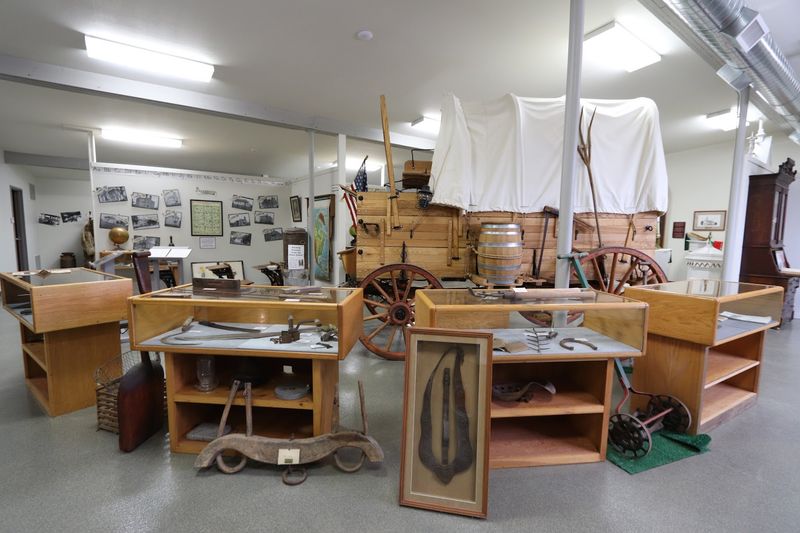
Rock County is farming country. It always has been.
The museum reflects that deeply with a strong collection of farm tools and rural life artifacts that trace the history of agriculture in the region. These are not generic items.
They are local pieces with local stories.
Walking through this section feels like visiting someone’s old barn, except everything is labeled and explained. You see the tools that broke ground, planted seeds, and brought in harvests across generations of Minnesota farm families.
The physical weight and wear on each piece speaks volumes.
Some tools are recognizable. Others are puzzling until you read the description.
That element of discovery keeps things interesting. You find yourself asking questions you never thought you would ask about farming equipment.
This section connects the museum’s identity to the land itself. Luverne sits in the middle of rich prairie farmland, and this display honors the people who worked it.
It is quiet, honest history presented without drama, and it lands with real impact.
The Luverne Automobile Display
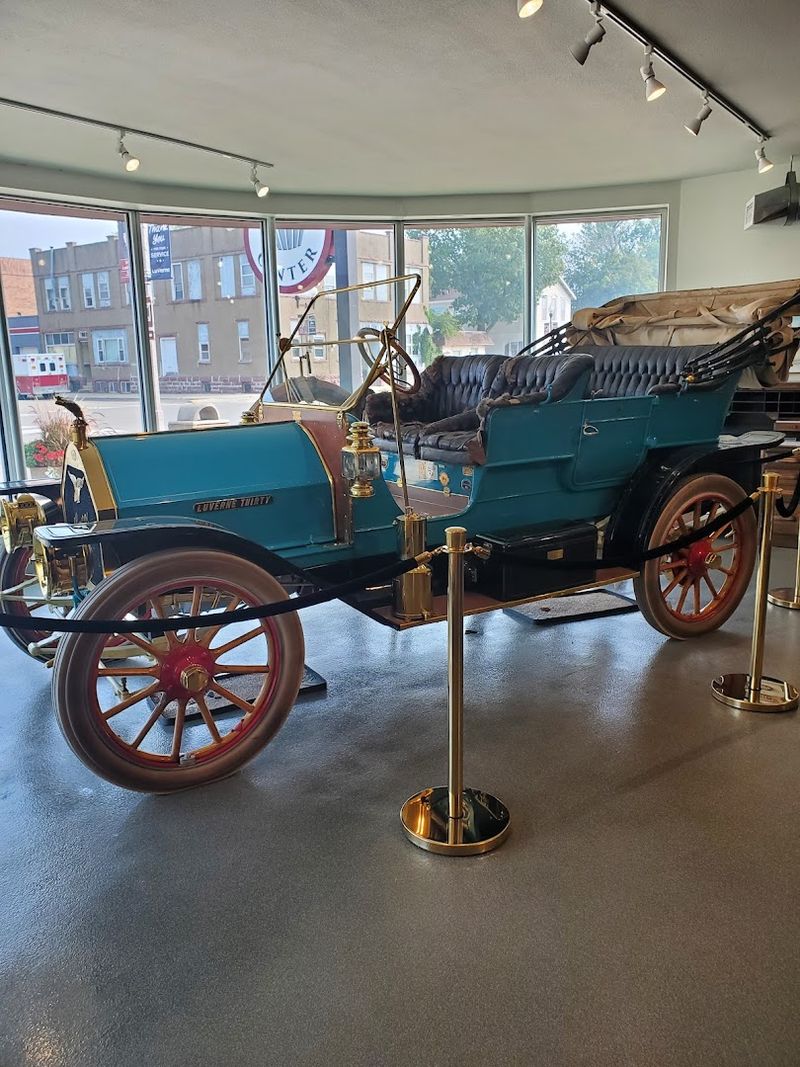
Most people have never heard of the Luverne automobile. That is exactly what makes this display so fascinating.
Right here in this small Minnesota city, a car company once operated and produced vehicles that are now considered extremely rare.
The Rock County History Center is believed to hold the only two remaining Luverne automobiles in existence. That alone makes this stop worthwhile for anyone with even a passing interest in automotive history.
These are not replicas. They are the real thing.
Standing beside them, you get a strong sense of how early American manufacturing worked. The craftsmanship is visible in every curve and rivet.
These cars were built by hand, in a small town, long before assembly lines dominated the industry.
A visitor once mentioned they had no idea cars were ever made in Luverne. That reaction seems to be common.
Discovering local history this specific and this tangible is one of the best reasons to visit small-town museums like this one.
Household Appliances and Domestic History
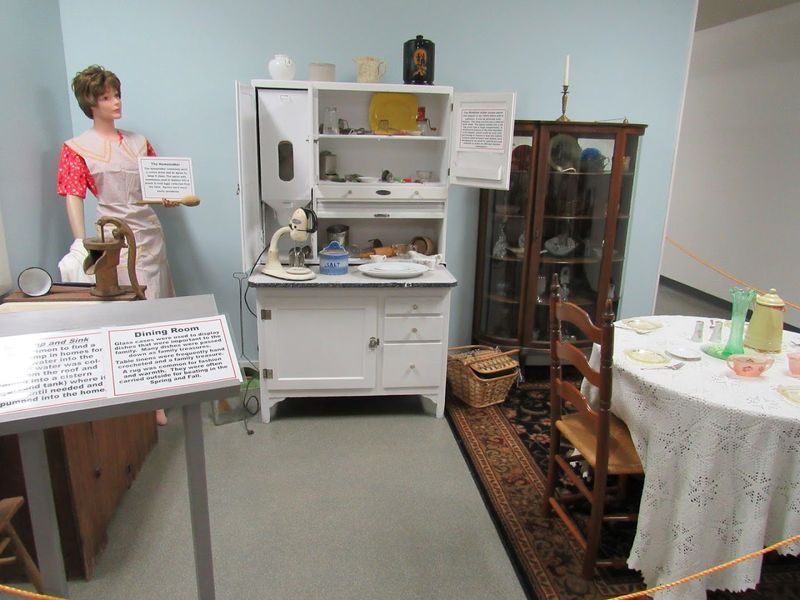
One of the more unexpected sections of the museum covers domestic life through antique household appliances. Old washing machines, hand irons, and early kitchen gadgets fill this area with a kind of nostalgic energy.
It is surprisingly relatable history.
These objects represent the daily labor of ordinary people. Before electric appliances became standard, household work was physically demanding and time-consuming.
Seeing the tools people used makes that reality feel immediate and vivid rather than abstract.
The displays are organized thoughtfully. Items are grouped in ways that tell a coherent story about how home life evolved across the decades.
You move through the space and feel the progression from manual effort to early mechanization.
Visitors with older relatives sometimes recognize specific items from childhood memories. That kind of personal connection is hard to manufacture, but this museum earns it naturally.
The domestic history section is one of the quieter parts of the visit, but it stays with you long after you leave.
Nutcrackers From 50 Different Countries
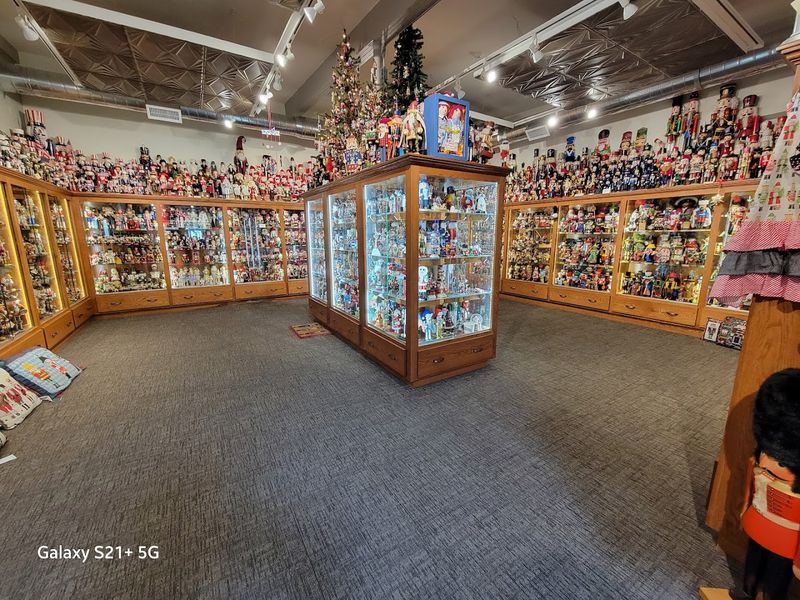
The geographic spread of this collection is one of its most impressive qualities. Nutcrackers from over 50 countries are represented here, each reflecting the artistic traditions of its home culture.
It turns a single display room into an accidental world tour.
German nutcrackers are among the most recognizable, with their bold colors and soldier-like figures. But the collection goes far beyond Europe.
Pieces from Asia, South America, Africa, and beyond bring unexpected shapes, materials, and styles into the mix.
Some are carved from local woods. Others are painted with patterns tied to regional festivals or folklore.
A few are so unusual in design that they barely look like nutcrackers at all until you examine them closely. That variety keeps the display endlessly interesting.
Standing in front of these shelves, you realize how a single object type can carry so much cultural meaning. Each country’s version says something about its own history and craft traditions.
It is genuinely educational without ever feeling like a lesson.
Visiting Rock County History Center: What to Know
Planning a visit here is easy. The museum is located at 312 E Main St in Luverne, Minnesota, and it is open Monday through Saturday from 10 AM to 4 PM.
Sundays the center is closed, so keep that in mind when scheduling your trip.
Admission is free, though the museum operates on donations. Bringing some cash to leave in the donation box is a simple way to support a place that clearly puts a lot of care into what it does.
A gift shop is also available if you want to take something home.
The whole visit typically takes under an hour, though plenty of people find themselves staying longer than expected. The staff are knowledgeable and genuinely enthusiastic.
If Betty Mann happens to be there, consider yourself lucky.
Luverne itself is worth exploring before or after your museum stop. Blue Mounds State Park is nearby for those who enjoy the outdoors.
The museum makes a natural anchor for a fuller day trip through this corner of southwestern Minnesota.
