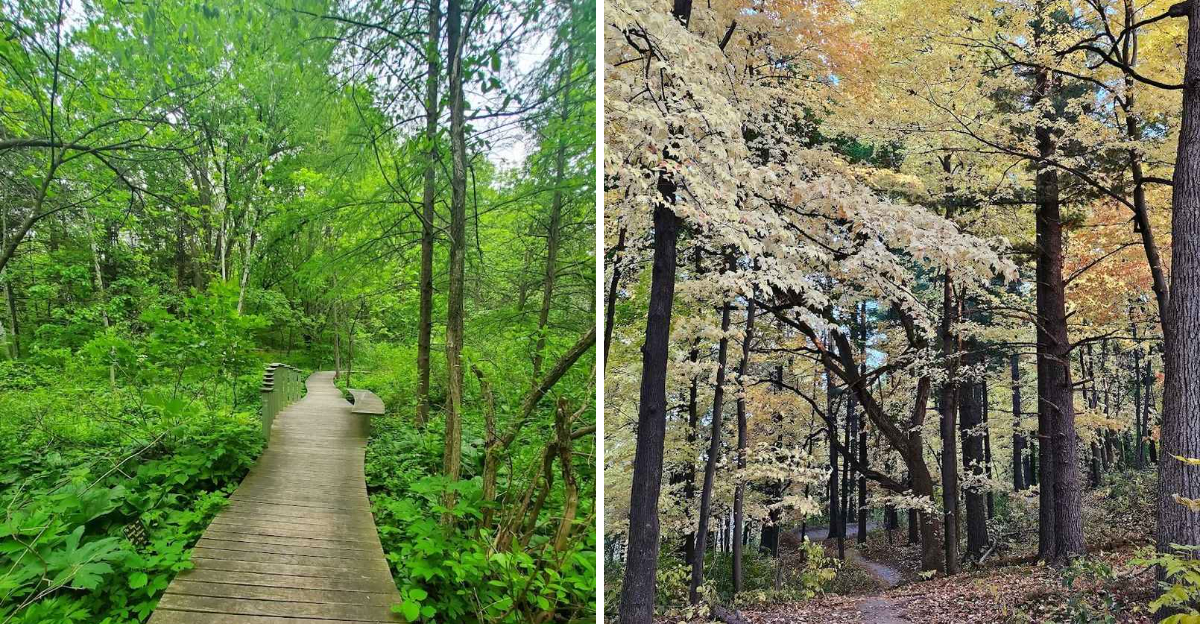
A simple family hike should not feel like a chore. This one feels like stepping through a wardrobe.
The path twists gently through tunnels of green that block out the rest of the world. Wildflowers explode on both sides during warmer months, painting everything in purples and yellows.
Small wooden bridges cross tiny creeks where kids stop to look for frogs. The trees grow so thick in some spots that the light turns golden and dreamy.
You half expect a talking beaver to pop out and offer you Turkish delight. The whole loop is short enough that little legs can handle it easily.
Parents get to enjoy the scenery without carrying anyone on their shoulders. Everyone leaves believing in a little bit of magic.
The Eloise Butler Wildflower Garden: A Living Treasure at the Heart of the Trail
Tucked inside Theodore Wirth Regional Park, the Eloise Butler Wildflower Garden is one of the oldest public wildflower gardens in the entire United States. It opened back in 1907, and it has been growing wilder and more beautiful ever since.
Stepping inside feels like entering a completely different universe.
Native plants fill every corner of this garden. You will spot trilliums, wild ginger, and even the rare pink and yellow lady slipper orchid, which is Minnesota’s state flower.
The garden is carefully managed to protect these native species. Volunteers and park staff work hard to keep it thriving year after year.
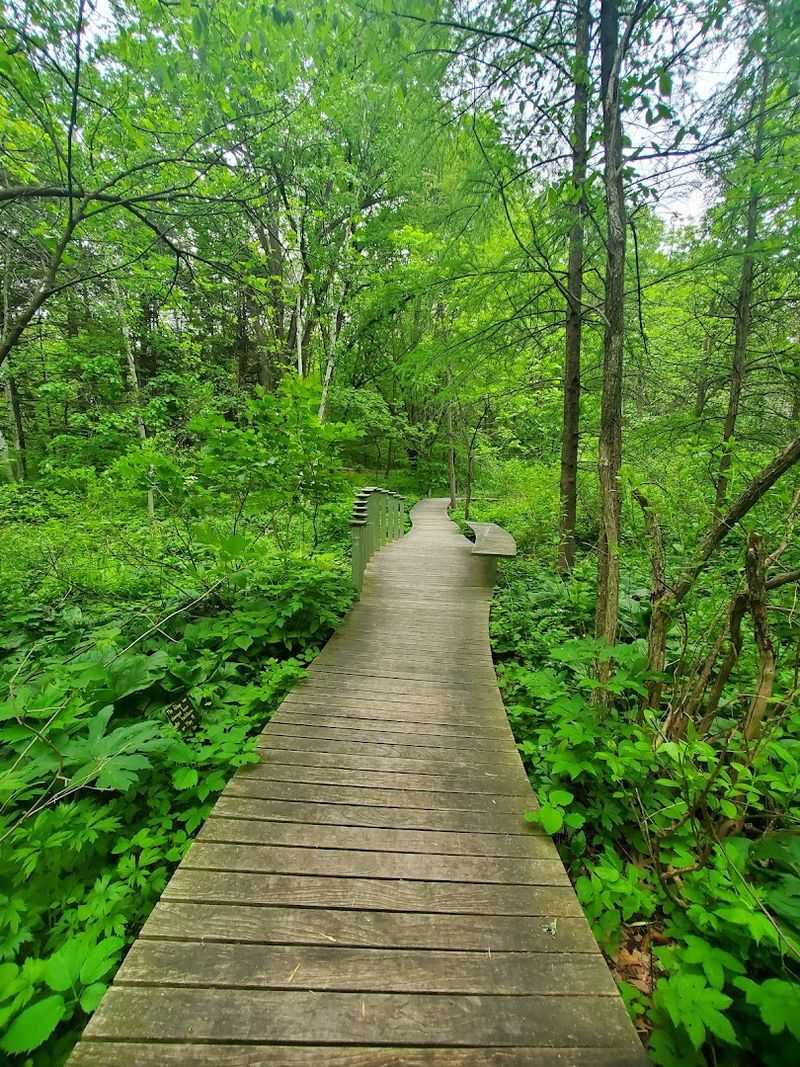
Wooden boardwalks wind through the wetland sections, keeping your feet dry while giving you a front-row view of the plant life below. Birds call from the treetops constantly.
The whole place hums with quiet, natural energy. Visiting here is not just a walk.
It is a genuine encounter with Minnesota’s wild botanical heritage, right inside the city limits.
The Lady Slipper Orchid: Minnesota’s Rarest and Most Stunning Wildflower
Spotting a lady slipper orchid in the wild feels like finding buried treasure. These stunning flowers are rare across the entire metro area, and Theodore Wirth is one of the very few places in Minneapolis where you can actually see them.
That alone makes this trail worth the visit.
The pink and yellow lady slipper is Minnesota’s official state flower. It takes years for a single plant to bloom for the first time.
Some plants wait over a decade before producing their first flower. That slow, patient beauty makes every sighting feel incredibly special.
They typically bloom in late May through mid-June, so timing your visit matters. The flowers grow in shaded, moist woodland areas.
You will find them along quieter sections of the trail, almost hidden beneath larger plants. Stay on the boardwalk and resist any urge to pick them.
They are protected by state law, and honestly, they are far more magical growing exactly where nature placed them.
The Woodland Canopy Walk: Where the Trees Tell Their Own Story
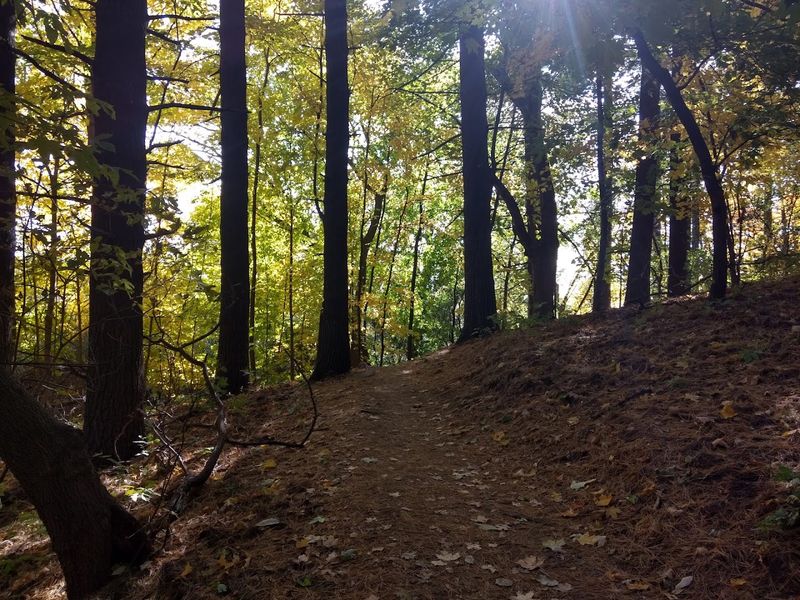
Walking beneath the forest canopy on the Wildflower Trail is one of those experiences that slows you down without you even noticing. The trees here are tall, old, and full of personality.
Sunlight filters through the leaves in shifting patterns that change with every breeze.
This section of the trail feels genuinely ancient. The urban forest inside Theodore Wirth covers hundreds of acres, and the wildflower trail cuts right through some of its densest, most atmospheric parts.
You hear birds before you see them. Woodpeckers drum on distant trunks.
Leaves rustle in waves.
Kids tend to go quieter here, which is saying something. There is something about being surrounded by tall trees that naturally inspires a kind of wide-eyed wonder.
The path itself is well-maintained and easy to follow. Bring a small pair of binoculars if you have them.
The canopy is alive with activity, and looking up reveals a whole second world above the flowers at your feet.
The Quaking Bog Trail: A Rare Habitat That Feels Like Science Fiction
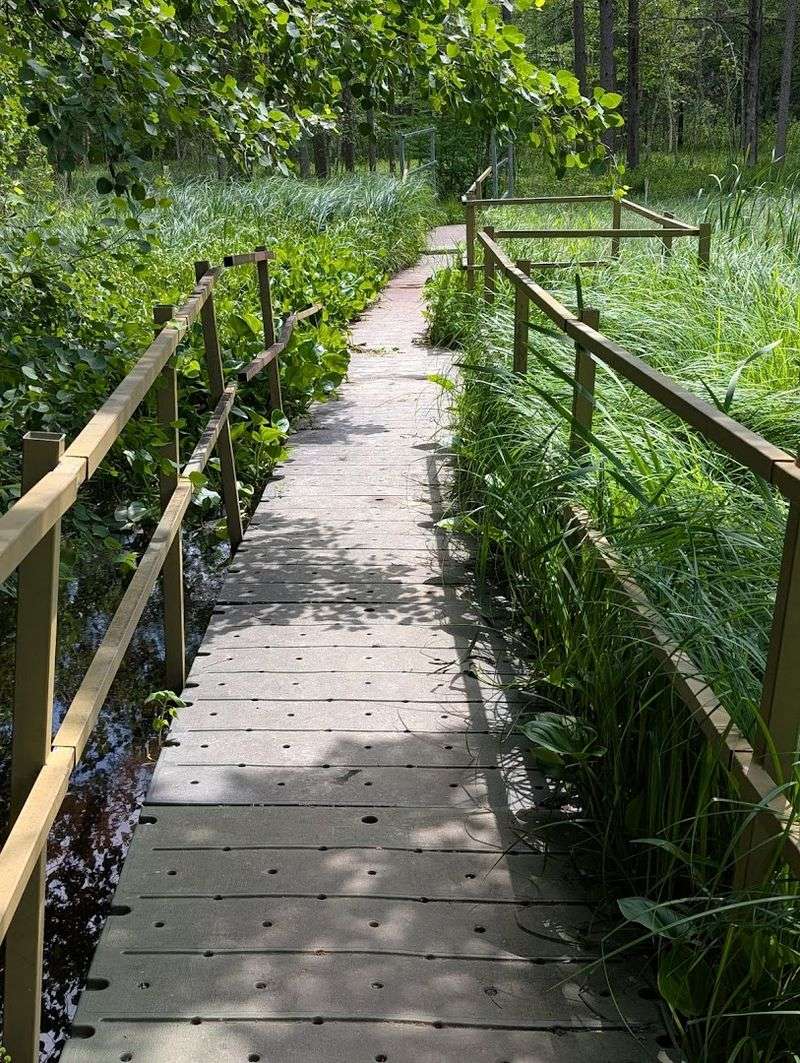
Not many city parks can offer a quaking bog, but Theodore Wirth is not your average city park. The bog sits at the northern edge of the park, and the trail leading to it is genuinely one of the most unusual walks you can take in the entire Twin Cities area.
A quaking bog is a floating mat of sphagnum moss and peat that sits on top of open water. When you step onto the boardwalk, the ground actually moves slightly beneath you.
It is a strange, thrilling sensation. The plants here are completely different from the rest of the park.
Carnivorous sundew plants, sedges, and tamarack trees all thrive in this acidic, waterlogged environment.
Fall is especially dramatic around the bog. The tamarack trees turn a ghostly, glowing yellow before dropping their needles.
One visitor described the color as almost supernatural, and that is exactly the right word for it. This habitat is rare in the metro area.
Seeing it feels like a genuine scientific discovery hiding in plain sight.
Spring Bloom Season: When the Whole Trail Explodes With Color
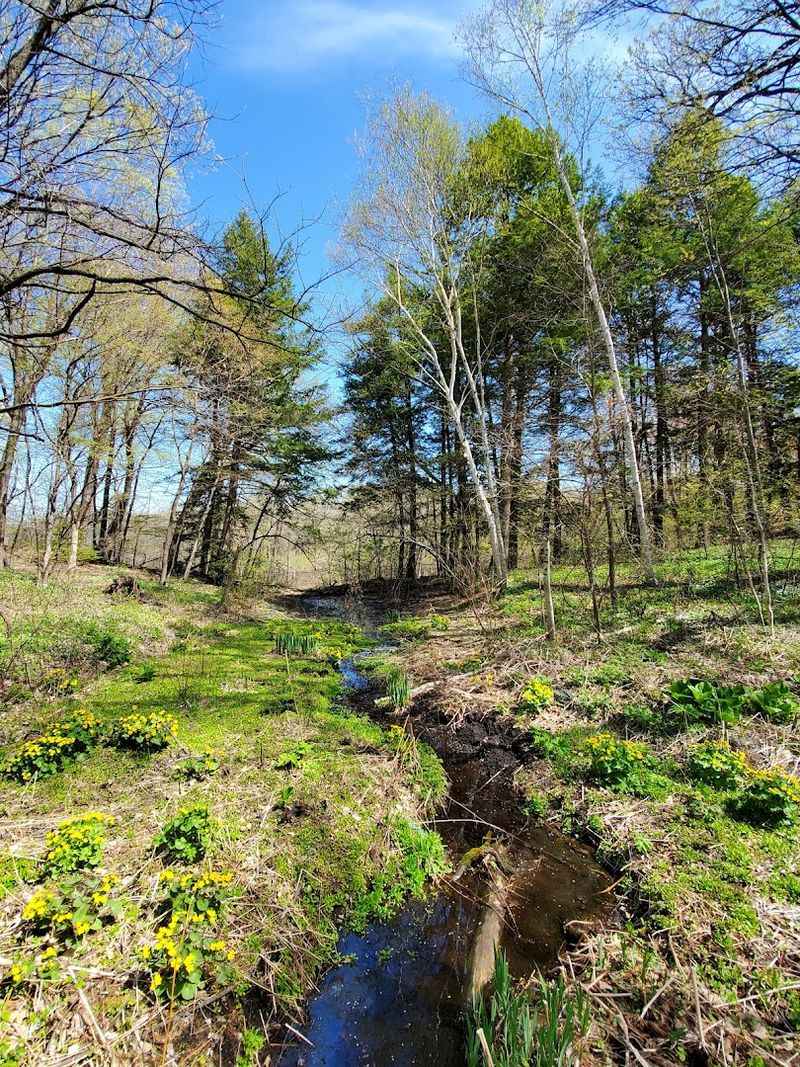
Spring on the Wildflower Trail is something you have to see to believe. Around late April, the forest floor begins to wake up fast.
Trilliums push through the leaf litter first, their three white petals almost glowing against the dark soil. Then come the wood anemones, bloodroot, and wild columbine.
By May, the color builds into something genuinely breathtaking. The trail becomes a shifting gallery of purples, whites, pinks, and yellows.
Each week brings a new wave of blooms. Regular visitors often come back multiple times in a single spring just to track what has opened since their last walk.
This seasonal transformation is one of the main reasons families keep returning year after year. Children who have never shown much interest in plants suddenly start pointing things out and asking questions.
There is something about the sheer abundance of spring blooms here that sparks real curiosity. Arriving early in the morning adds extra magic.
The light is softer, the trail is quieter, and the flowers seem to glow from within.
Wildlife Encounters: The Surprising Animals That Share This Trail
The wildlife at Theodore Wirth has a way of appearing exactly when you are not expecting it. Wild turkeys are a regular sight near the trail edges, often crossing paths with hikers in a completely unhurried way.
Seeing a small flock of them move through the undergrowth is oddly delightful.
Woodpeckers, warblers, and great horned owls all call this park home. Birders visit specifically for the variety of species that pass through during migration seasons.
The dense tree cover and native plant habitat create ideal conditions for a wide range of birds. Bring a small field guide and you will be amazed at what you can identify.
Deer occasionally appear along the quieter sections of the trail, especially early in the morning. Squirrels, chipmunks, and the occasional fox have also been spotted here.
The park staff are knowledgeable and happy to point visitors toward recent wildlife sightings. Every walk on this trail carries the genuine possibility of an unexpected animal encounter, which keeps the experience feeling fresh every single time.
Family-Friendly Trail Features: Why Kids Actually Love This Hike
Getting kids excited about a nature walk can sometimes feel like a negotiation. The Wildflower Trail somehow sidesteps that struggle entirely.
The combination of boardwalks, unusual plants, and unexpected wildlife gives children plenty of reasons to stay engaged and curious throughout the walk.
The trail is relatively flat and easy to navigate. Younger children handle it well without getting exhausted.
The boardwalk sections are especially popular with kids because walking on something that floats slightly above water feels like a small adventure all on its own.
There are natural stopping points throughout the trail where families can rest, look around, and talk about what they are seeing. The Eloise Butler Wildflower Garden has informational signs that explain the plants in clear, accessible language.
Even children who normally rush through outdoor spaces tend to slow down here. The sensory experience is rich enough to hold their attention without any screens required.
It is the kind of hike that turns into a story kids want to retell at dinner.
Fall Colors on the Trail: A Completely Different Kind of Magic
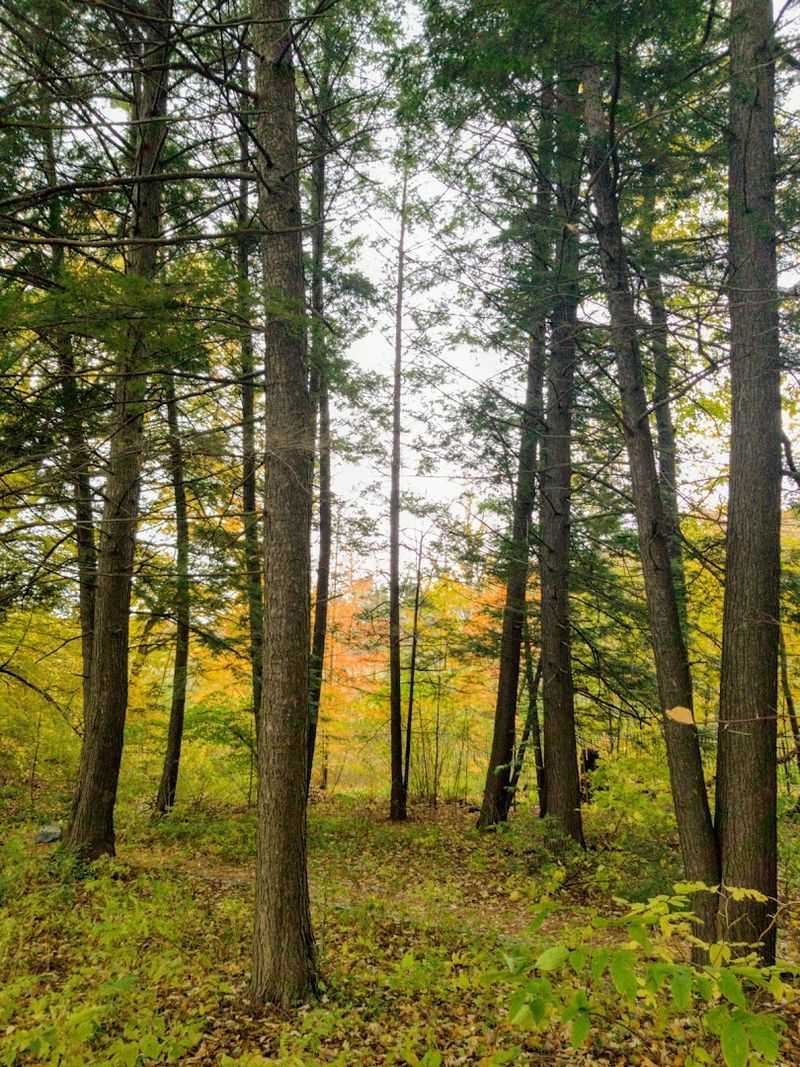
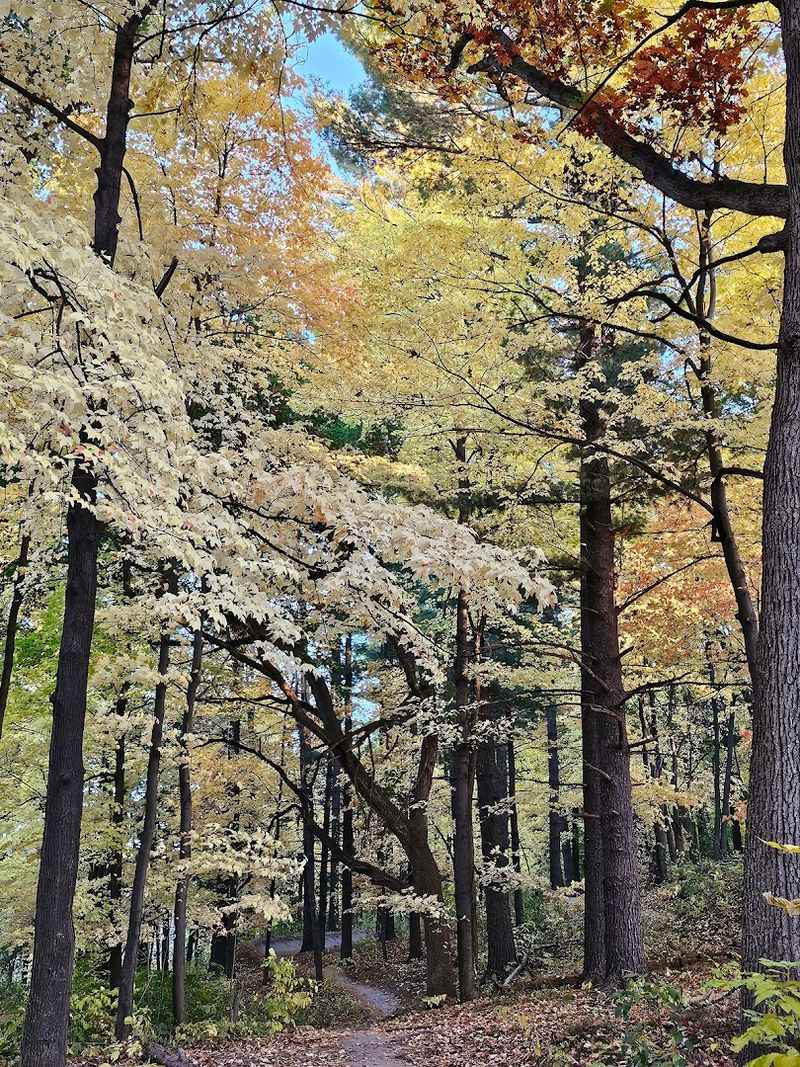
If you thought the spring bloom was impressive, the fall transformation on this trail will genuinely stop you in your tracks. The maples near the Quaking Bog area turn a vivid, almost electric yellow in mid to late October.
Combined with the deep reds and oranges of the surrounding forest, the effect is stunning.
Fall mornings on the trail carry a different kind of atmosphere. The air is crisp.
Leaves drift down in slow spirals. The light hits the canopy at lower angles, which turns everything golden.
It feels less like a city park and more like a painting you accidentally walked into.
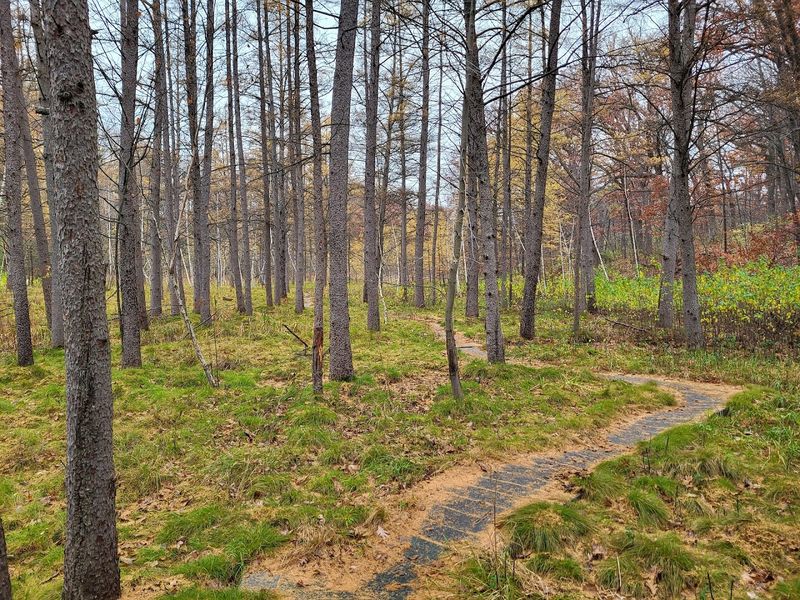
The tamarack trees near the bog add an extra layer of drama. They are deciduous conifers, meaning they lose their needles in autumn.
Before they drop, those needles turn a warm, ghostly yellow that contrasts beautifully with the darker evergreens nearby. Visiting in October gives you a completely different version of this trail.
Same path, entirely different world waiting around every bend.
The Trailhead and Park Facilities: Everything You Need Before You Step In
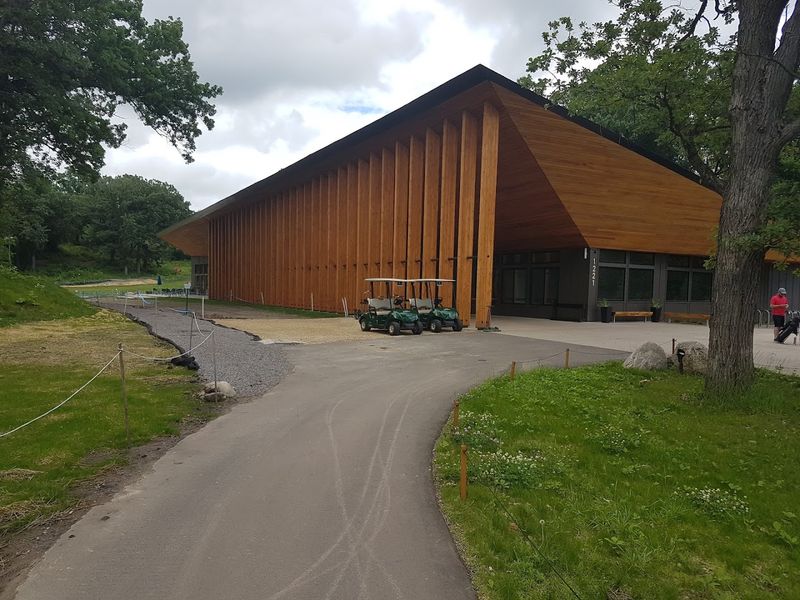
Starting a hike well begins before you even reach the trail. The Theodore Wirth trailhead building is a warm, welcoming space that sets a great tone for the day.
It functions as a hub for park visitors, offering restrooms, maps, and seasonal information from knowledgeable park staff.
A small cafe operates inside the trailhead building during certain seasons. Hot drinks and food options are available, which makes the stop feel genuinely cozy.
The building itself has a chalet-style design that fits the surrounding landscape well. It is the kind of space that makes you want to linger a little before heading out.
Parking is available near the trailhead, and the park opens at 6 AM daily. Arriving early on weekends gives you the best chance of enjoying the trail with fewer crowds.
The park staff are consistently described as helpful and approachable. If you are unsure which trail to take or want to know what is currently blooming, just ask.
They tend to know exactly what is worth seeing on any given day.
Planning Your Visit: Practical Tips for Getting the Most Out of the Trail
A little preparation goes a long way on the Wildflower Trail. The trail is located within Theodore Wirth Regional Park at 1301 Theodore Wirth Pkwy, Golden Valley, MN 55422.
The park is open daily from 6 AM to 10 PM, which gives you plenty of flexibility for early morning or late afternoon visits.
Wearing comfortable, closed-toe shoes is a smart move. Some sections of the trail can be muddy after rain, and the boardwalk areas may be slippery.
Bug spray is helpful during summer months, especially near the bog. A small water bottle and a light snack keep energy levels steady on longer explorations.
Peak wildflower season runs roughly from late April through mid-June. That window is when the trail is at its most vibrant and alive.
Fall visits between late September and late October offer a completely different but equally rewarding experience. First-time visitors and returning regulars both leave feeling like they discovered something genuinely special.
