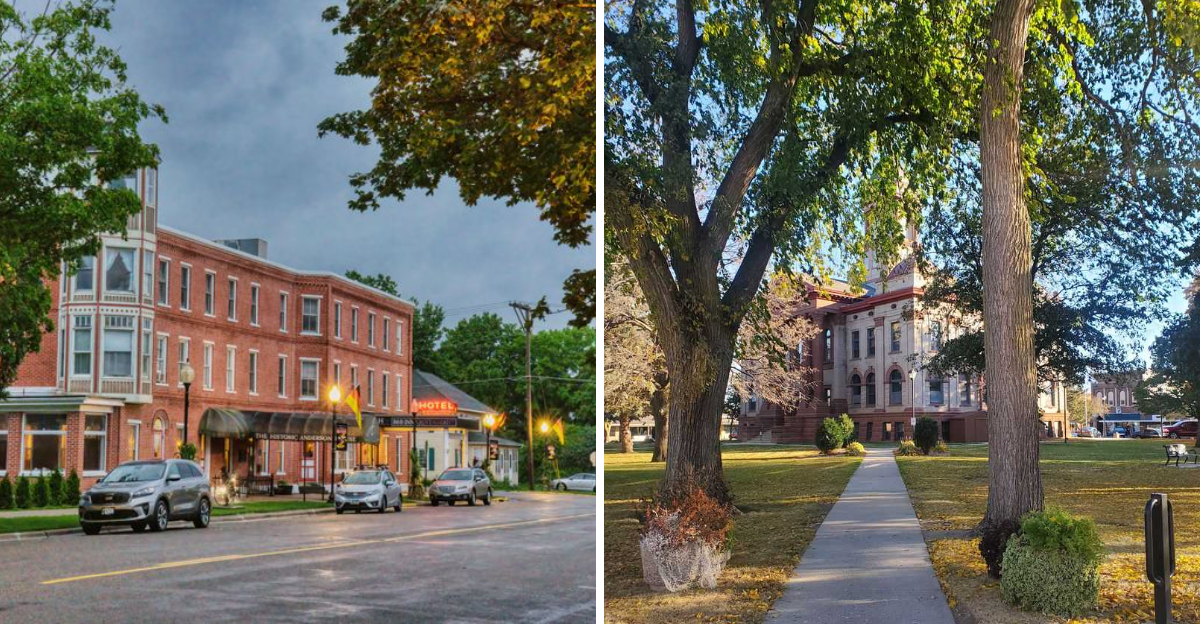
Let’s be honest: sometimes you don’t want a bustling bar scene or neon signs flickering until 2 AM. Sometimes you want a place where the streets go quiet, the stars come out, and the biggest decision of your evening is whether to make tea or just go to bed.
Minnesota has plenty of those towns scattered across the state.
Once the sun dips below the horizon, these places settle into a deep, velvety quiet. A lone gas station might stay lit, but the cafes have shuttered, the shops are dark, and the only movement might be a dog walker or someone grabbing a late-night pizza from the one spot that stays open until 9 PM.
It’s a slower rhythm, one that feels increasingly rare in today’s fast-paced world.
If that sounds more like a retreat than a drawback, you’re in the right place. Minnesota’s quietest towns aren’t asleep – they’re simply resting until morning.
1. Embarrass, Minnesota
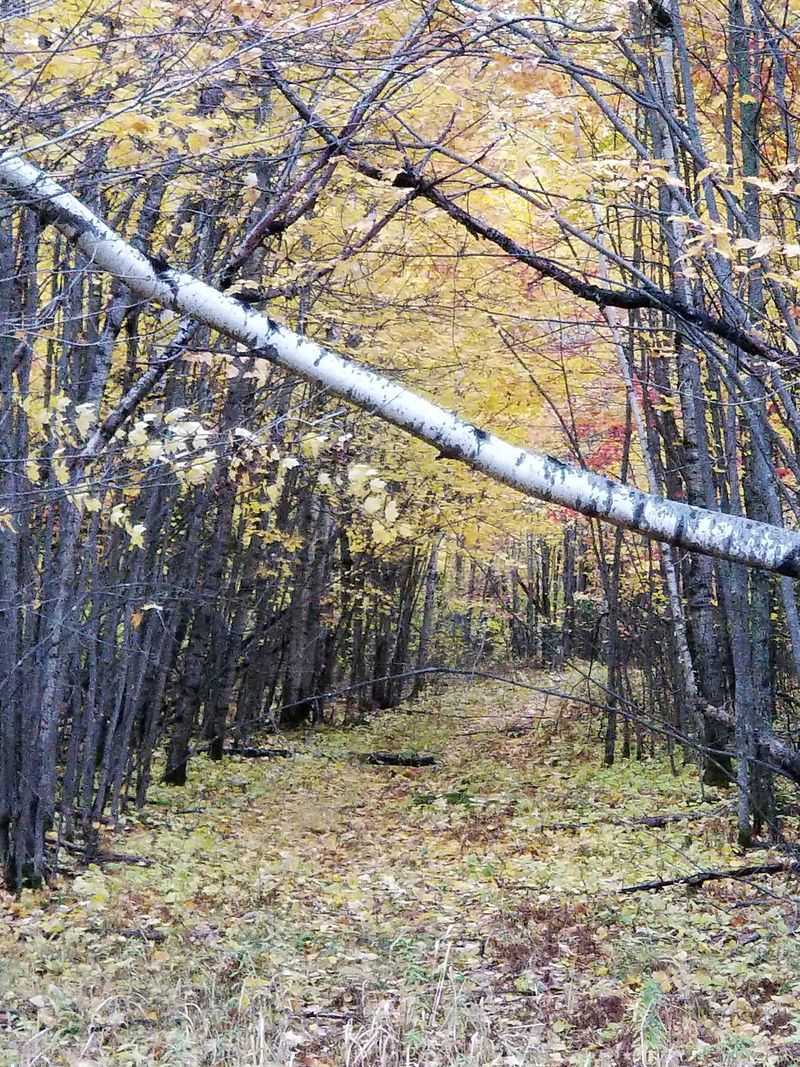
Embarrass holds the unofficial reputation of being one of the coldest spots in the continental United States, and somehow that fact alone makes it feel like a place set apart from the rest of the world. The name alone is enough to make travelers curious.
Once you arrive, though, curiosity quickly gives way to calm.
After sunset here, there is almost nothing open. The town has no bars, no late-night diners, and no glowing signs to guide you anywhere after dark. What it does have is an extraordinary silence that feels almost physical, like a blanket settling over the landscape.
The Finnish heritage of the area is deeply felt in the architecture and the pace of daily life. Old log structures still stand near the roadside, and locals tend to keep early hours without apology. Visiting Embarrass is less about doing and more about noticing the things you usually rush past.
The sky here at night is remarkable, and stargazing becomes the default evening activity by necessity and by genuine reward. It is the kind of town that teaches you something without trying to.
2. Hallock, Minnesota
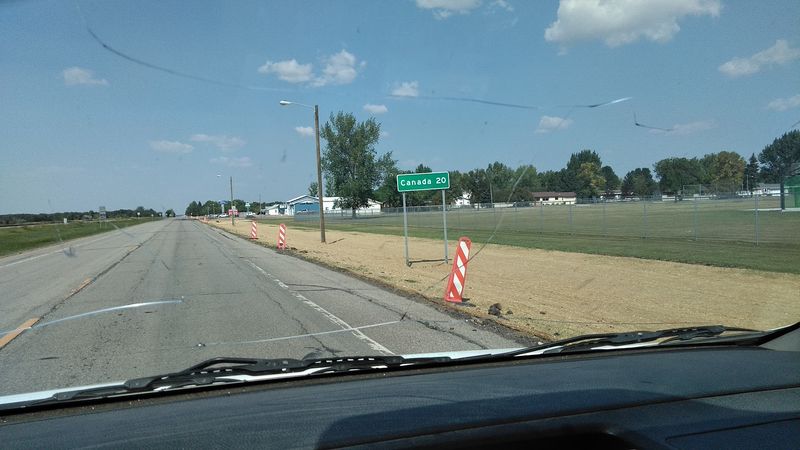
Hallock is the county seat of Kittson County, which sounds official enough until you realize the entire county has fewer people than most apartment buildings in Minneapolis. The town carries that sparse, wide-open energy that defines the far northwestern corner of Minnesota.
After dark, Hallock is as quiet as towns get. There are no entertainment districts, no late restaurants, and the idea of a nightclub would feel genuinely out of place here. What exists instead is a kind of grounded, practical community life that runs on its own schedule entirely.
The surrounding farmland is flat and vast, and on clear nights the sky above Hallock is genuinely spectacular. The lack of light pollution makes the stars look closer than they should. I found myself standing outside longer than planned just looking up.
Hallock also sits close enough to the Canadian border that crossing over for a day trip adds an unexpected layer to the visit. The town itself is modest and honest, the kind of place where people know each other by name and the pace of life feels inherited rather than chosen.
3. Canby, Minnesota
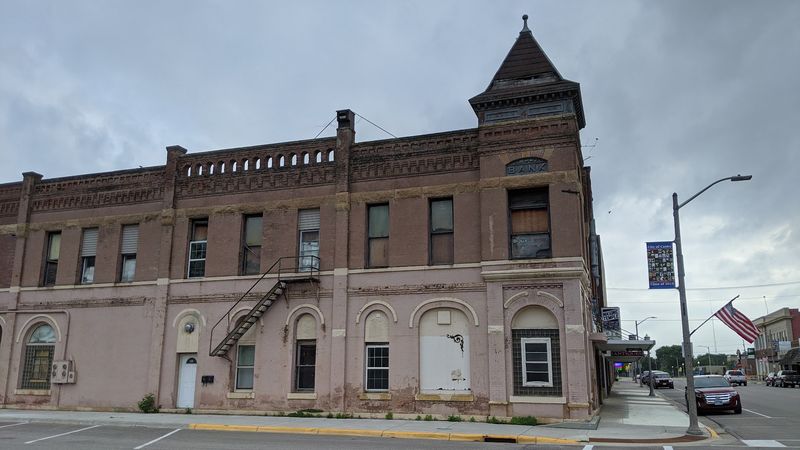
Canby sits in the southwestern corner of Minnesota, surrounded by farmland that seems to go on forever in every direction. It is the kind of town where you can hear the wind before you see it moving through the grass, and that sound becomes the unofficial soundtrack of any visit.
Evening in Canby arrives without fanfare. Shops close, streets empty, and the town settles into a rhythm that has probably not changed much in decades. There is no nightlife infrastructure to speak of, and locals seem genuinely unbothered by that fact.
What Canby does offer is a certain authenticity that is harder to find than people expect. The downtown still has the bones of an older era, with storefronts that hint at a busier past. The community hosts seasonal events that bring people together.
Visiting during the day gives you a chance to interact with residents who are proud of where they live without being loud about it. By nightfall, the best thing to do is find somewhere comfortable to sit outside and let the quiet do its work.
Canby rewards patience more than any other quality a traveler can bring.
4. Karlstad, Minnesota
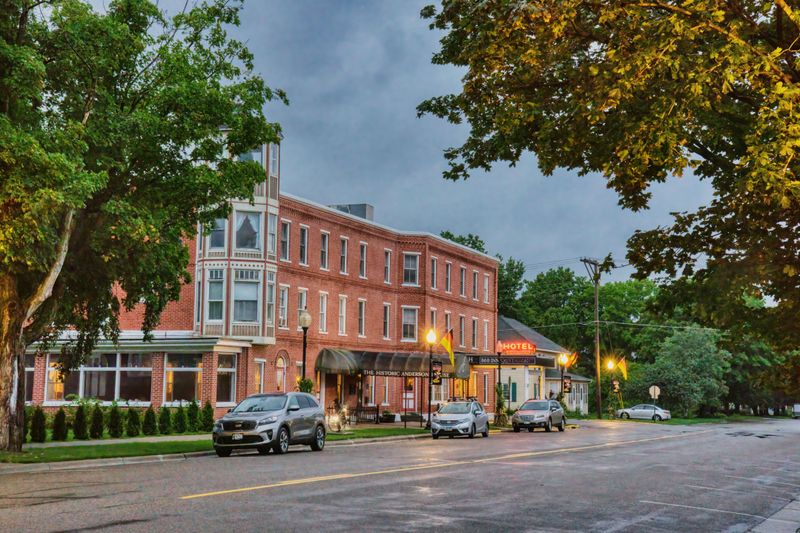
Karlstad sits close to the Canadian border in the Red River Valley, and the flatness of the land around it is almost startling if you are coming from anywhere with hills. The horizon stretches out in every direction, and at dusk, the sky turns colors that feel too dramatic for such a quiet place.
Nightlife here is essentially nonexistent. A handful of businesses serve the community during daytime hours, but once evening settles in, the town tucks itself away. The streets go still, and the only movement tends to be the wind pushing across the open fields.
That said, Karlstad has a genuine small-town warmth that comes through in small ways. The local grain elevator stands like a landmark against the flat sky. Residents wave at strangers without thinking twice about it.
There is a simplicity to life here that feels intentional rather than accidental, and spending even one night in this kind of stillness has a way of resetting something in you. The town is not trying to impress anyone.
It just exists, quietly and completely, and that turns out to be more than enough for the right kind of traveler.
5. Ada, Minnesota
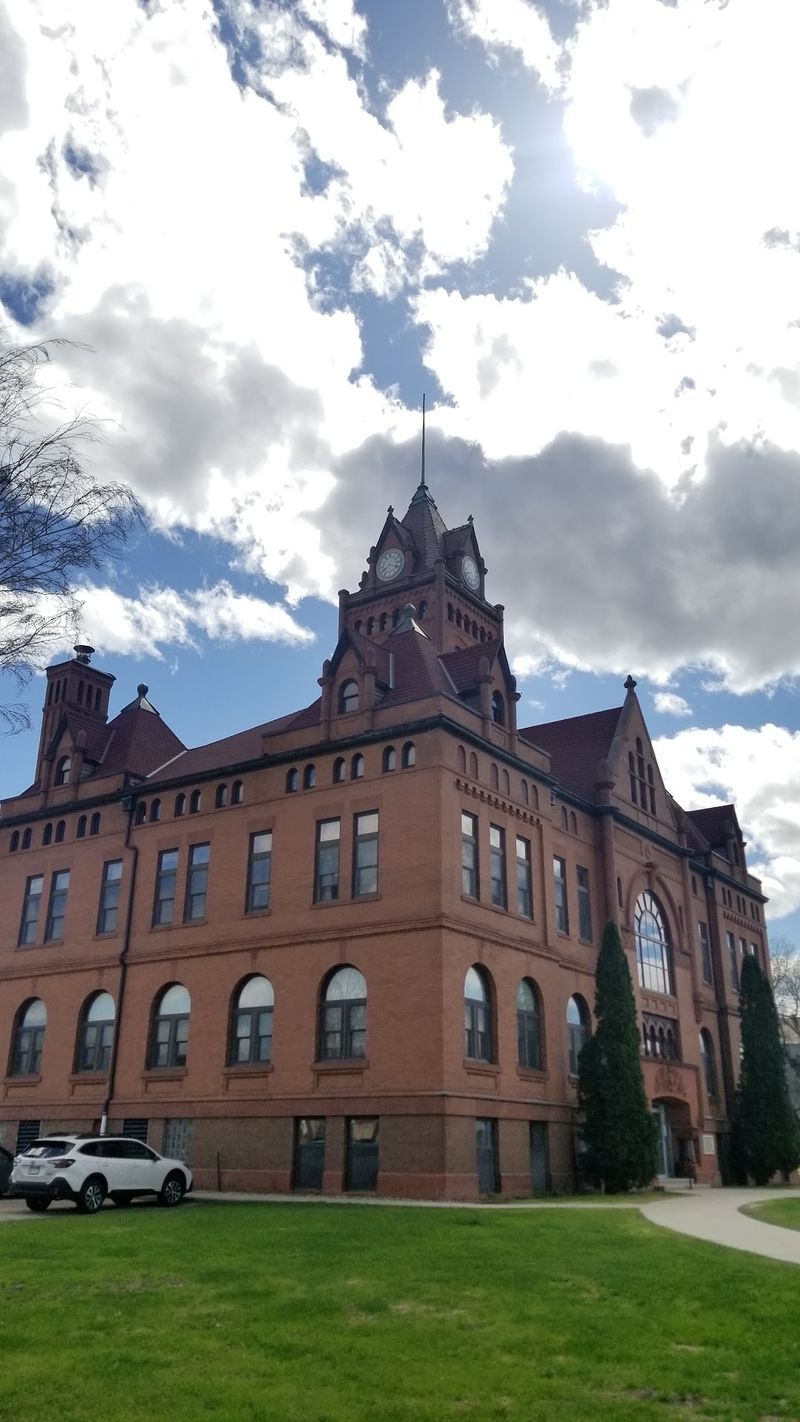
Ada is the kind of town that greets you with a grain elevator before anything else, and somehow that sets the tone perfectly. It is the seat of Norman County, located in the Red River Valley, and the agricultural identity of the place is impossible to miss no matter where you look.
Once the sun goes down, Ada goes quiet in a way that feels total. There are no venues competing for your attention, no noise spilling out from open doors, and no reason to be anywhere other than wherever you already are. The stillness is not uncomfortable. It just takes a moment to adjust to.
The town has a small but dedicated community feel. Local events, especially those tied to farming seasons and school activities, bring people together in ways that feel genuinely connected rather than organized for appearances.
Ada also sits close enough to Fargo, North Dakota, that a day trip is easy if you need a change of pace. But the town itself has its own quiet appeal that grows on you slowly.
There is something honest about a place that does not try to be anything other than what it is, and Ada lives that truth without effort or apology.
6. Baudette, Minnesota

Baudette sits right on the Rainy River along the Canadian border, and the town has a certain end-of-the-road quality that makes it feel like a destination in itself rather than a stop along the way. The giant walleye statue near the river is the first thing most visitors notice, and it sets a lighthearted tone.
Fishing culture runs deep here, and the town caters to anglers more than to anyone looking for nightlife. After the sun drops behind the treeline, Baudette becomes very still very quickly. A few spots may stay open into the early evening, but the town is not built for late nights.
What makes Baudette memorable is its natural setting. Lake of the Woods is just a short drive away, and the landscape around town is thick with boreal forest and waterways that feel genuinely wild.
The sound of loons calling across the water at dusk is something that stays with you long after the trip ends. Baudette is the kind of place where the outdoor environment is the entertainment, and that turns out to be more than sufficient for travelers who come with the right expectations.
The quiet after dark feels earned here, like the land itself is resting.
7. Ortonville, Minnesota
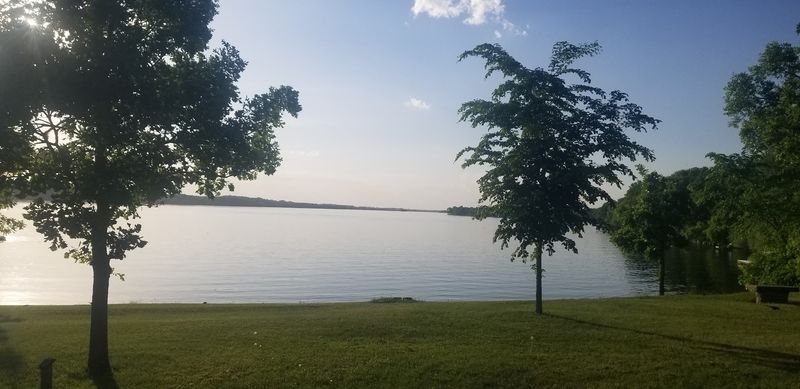
Ortonville sits right on the South Dakota border next to Big Stone Lake, and the setting gives the town a scenic quality that most travelers do not expect from such a small place. The lake stretches out to the west, and sunsets here are the kind that make you stop mid-sentence.
After dark, the town offers very little in the way of organized activity. The lakeside goes quiet, businesses close early, and the main street empties out in a way that feels almost cinematic. It is not lonely, exactly. It is more like peaceful with a slightly dramatic edge.
Big Stone Lake itself is the main draw for visitors, and the outdoor opportunities around it are genuinely impressive for a town this size. Fishing, birdwatching, and quiet walks along the water fill the daylight hours easily.
When evening comes, the lake reflects whatever light is left in the sky, and the effect is quietly stunning. Ortonville also sits near Big Stone National Wildlife Refuge, which adds another layer of natural interest to the area.
The town is small and unpretentious, and it makes no effort to be more than it is. That honesty, combined with the water and the wide open sky, makes it a surprisingly memorable stop.
8. Breckenridge, Minnesota
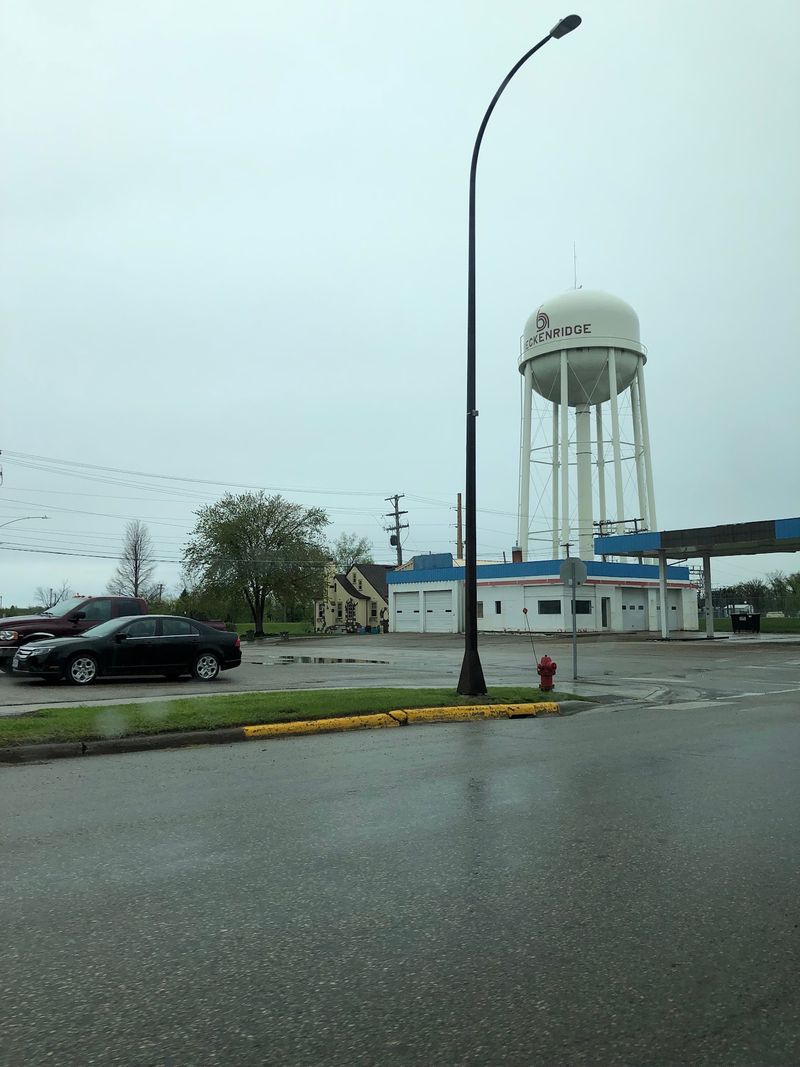
Breckenridge sits right on the Red River, directly across from Wahpeton, North Dakota, and the river border gives the town a slightly split identity that is genuinely interesting to think about. Two states, one bridge, and a shared sense of quiet that defines both sides equally.
Nightlife in Breckenridge is minimal at best. The town serves its residents well during the day, but the evening hours belong to the crickets and the river. There are no late-night attractions pulling people out of their homes, and the overall pace of life reflects that without any apparent regret.
The Red River itself is the most compelling feature of any visit. Walking along the riverbank in the late afternoon, when the light gets low and the water moves slowly past, is one of those simple travel experiences that ends up being more satisfying than anything planned.
Breckenridge also has a strong agricultural identity, and the surrounding landscape is classic Red River Valley flatness in every direction. The town feels grounded in a way that is hard to manufacture.
For travelers who enjoy crossing state lines on foot and watching a river do its slow, steady work, Breckenridge offers exactly that kind of uncomplicated pleasure.
9. Fosston, Minnesota
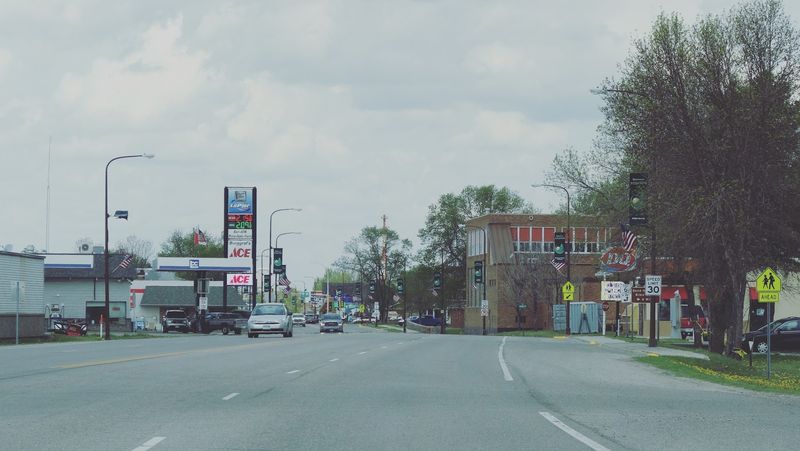
Fosston is a small city in Polk County that most Minnesotans outside the region have probably never visited, and that obscurity is part of what makes it interesting to seek out. The town has a compact, functional quality, built around the needs of the surrounding farming and forest communities.
After dark, Fosston is genuinely quiet. There are no entertainment venues competing for attention, and the streets settle down early without anyone seeming to mind. The pace feels inherited from generations of people who rose before sunrise and valued rest without guilt.
The surrounding landscape shifts between farmland and forest as you move through the area, which gives Fosston a slightly different character than the purely agricultural towns further south.
There are lakes nearby, and the general feel of the north country starts to assert itself here in a way that feels distinct. I found the town easy to move through and genuinely pleasant in its simplicity. The people are straightforward and the environment is clean and uncluttered.
Fosston does not advertise itself, and it does not need to. For travelers building a route through northwestern Minnesota, it makes for a quietly satisfying stop that adds texture to the journey without demanding anything in return.
10. Windom, Minnesota
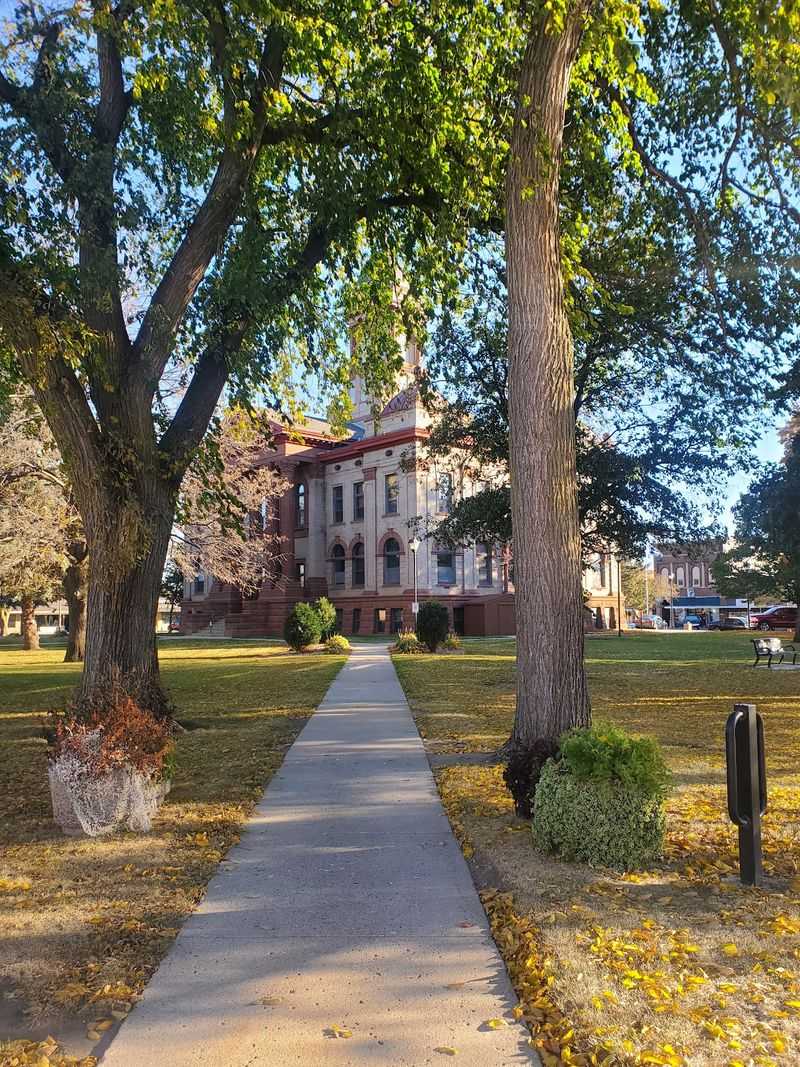
Windom is the county seat of Cottonwood County, tucked into the southwestern corner of Minnesota where the land is flat and the towns are spread far apart. It has the feel of a place that takes its responsibilities seriously, a working town that supports the farms and families around it.
Evening in Windom is calm and uneventful by most standards. The courthouse square anchors the downtown, and by nightfall the surrounding streets are nearly empty. There are a few places to grab food in the early evening, but the town does not stay up late and makes no apology for it.
What Windom has going for it is a kind of dignified steadiness. The Cottonwood River runs nearby, and the parks along its banks are genuinely pleasant for a late afternoon walk before everything closes up.
The town also sits within reasonable driving distance of Windom’s surrounding prairies and wetlands, which attract birdwatchers and nature travelers who appreciate the quieter side of the state. There is something reassuring about a town that knows exactly what it is and serves that purpose well.
Windom is not trying to compete with anything. It simply continues to exist in that reliable, understated way that small county seats across the Midwest have always managed to do.
