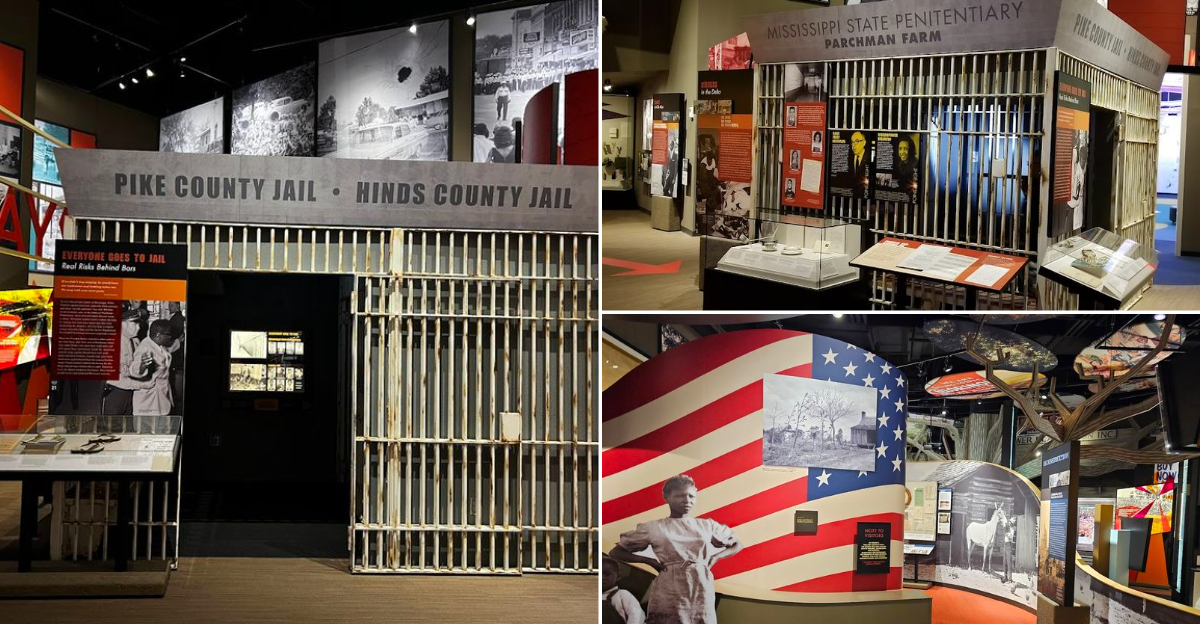
You think a museum day is going to be slow, quiet, and politely educational? A powerful Mississippi museum visit can flip that expectation fast, turning a “history lesson” into a real wake-up call that sticks with you long after you walk back outside.
This is not the kind of place you breeze through while checking your phone. It pulls you in with stories, artifacts, and context that make the past feel uncomfortably close, and that closeness is the point.
You start connecting dots you did not realize were connected. You see how decisions, systems, and everyday life shaped people’s realities, and how those echoes can still show up now.
The experience hits on a human level, not a textbook level. It leaves you quieter, sharper, and more aware of what you did not fully understand before you walked in.
If you are traveling, it can also reframe the whole trip, because it adds depth to what you are seeing around you.
You leave with more than facts. You leave with perspective, and that is the kind of souvenir that actually matters.
The Entrance That Tells You This Visit Will Not Stay “Just Educational”
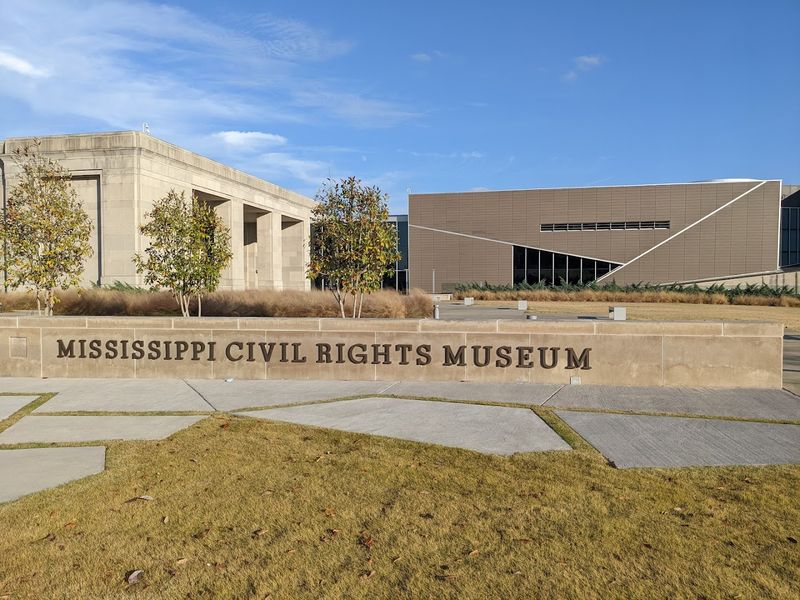
You feel it as the doors slide open at the Mississippi Civil Rights Museum, 222 North St #2205, Jackson, MS 39201. There is no ramp-up small talk here, just a quiet space that acts like a warning you should take a breath.
The first wall text reads like a handshake and a stare, not a welcome sign. It tells you this place is going to name names and show you how systems were built, brick by everyday brick.
You will notice the sound design first, a low hum that holds the room together. It is not dramatic, but it slows your steps in a way that feels intentional and kind of intimate.
Lighting comes in like stage notes, pulling you toward a chronology that already feels heavy. The architecture keeps your eyes honest, nudging them to the sides where smaller stories sit.
Before the galleries even begin, there are faces, maps, and a timeline that looks like a decision you cannot unmake. You realize you are choosing to keep walking, and that choice matters.
I like that the entrance resists spectacle. It is more like a nudge that asks who taught you what you know, and what got left out?
Mississippi comes into focus as a place and a pattern, not a headline. The lobby is calm, but the intention is not calm at all.
You will not check your empathy at the coat rack here. You carry it in, and the door closes softly behind you.
Eight Galleries That Walk You Through The Story Without Letting You Look Away
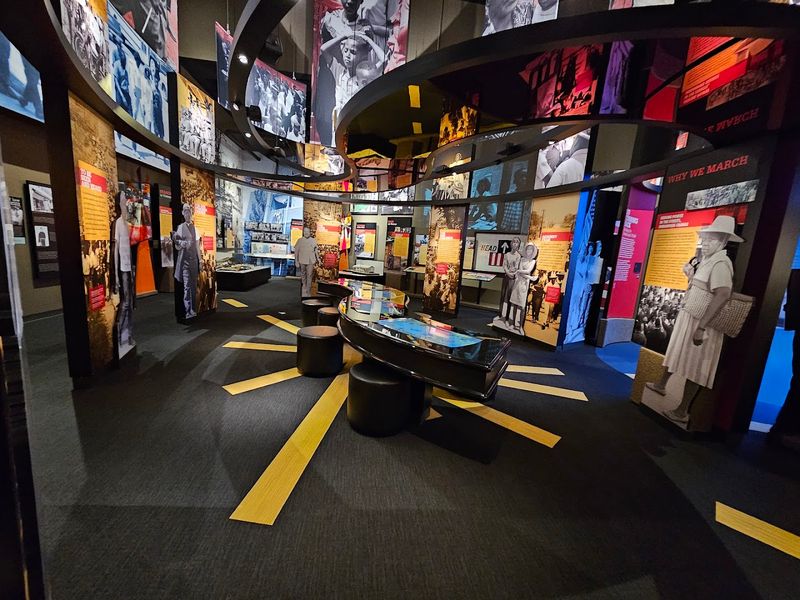
The path through the galleries feels like a sentence with no skipped words. You move forward because the design keeps finishing your questions before you ask them.
Each gallery locks to the next like a clasp, and the pacing keeps tightening. You start to feel the difference between noticing information and being accountable to it.
Text is clear, steady, and specific. Photos do the quiet work of proof, especially the ones with eyes that look straight through glass.
Objects are not props, and they are not trying to be neutral. They sit there with the weight of use, as if time forgot to remove the fingerprints.
What I appreciate most is how Mississippi is never background. The galleries place the state right at the hinge of national events, so scale becomes personal.
You do not stride through these rooms. You measure your pace by breaths, because every case seems to ask what price was paid for each inch of progress.
It is organized, yes, but never tidy. The layout keeps loosening assumptions you did not know you brought in.
By the time you realize how much ground you have covered, you are already turned toward the next decision point. The route is physical, but the movement feels moral.
The Central “This Little Light Of Mine” Space That Hits Like A Pause Button
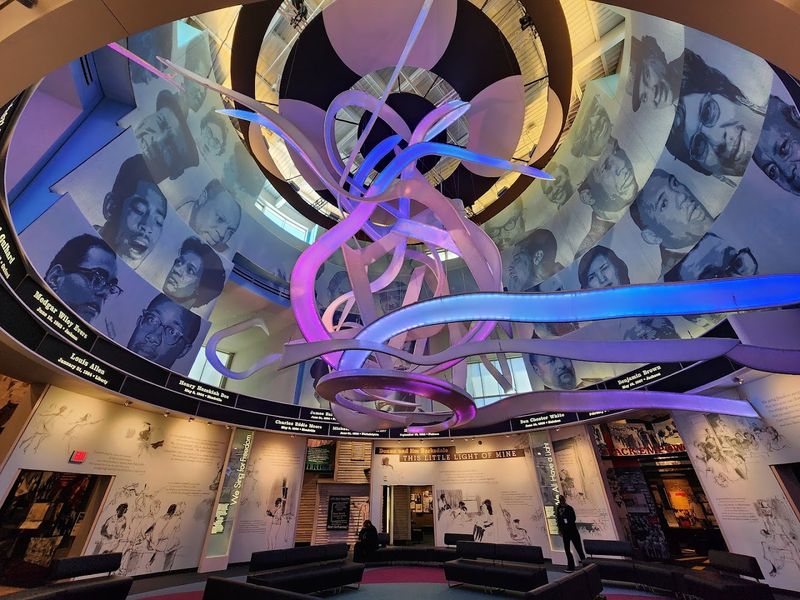
You drift into the central space and the room answers with light that seems to breathe. The sculpture swells and softens while the song rises, and the air lifts the hairs on your arm.
This is not a showstopper, it is a heartbeat. The design steps back and lets memory do the staging.
I have watched people tilt their heads up and stop talking. That quiet is not empty, it is crowded with names and places you have already met around the curve.
The light stacks like voices, and for a minute you are just held. It feels like standing inside a living amen.
Mississippi echoes here in a register you feel more than hear. The architecture gives everyone the same sky for a moment, which sounds simple and does not feel simple at all.
If you came in at a clip, this slows your bones. It pulls grief and resolve into the same breath without scolding you for needing both.
When the last note thins, nobody rushes. You just look at each other with the soft face people have at funerals and graduations.
Then you keep going, a little steadier and somehow more open. The pause is not a break, it is instructions.
Freedom Struggle Origins That Make The Later Moments Feel Even Heavier
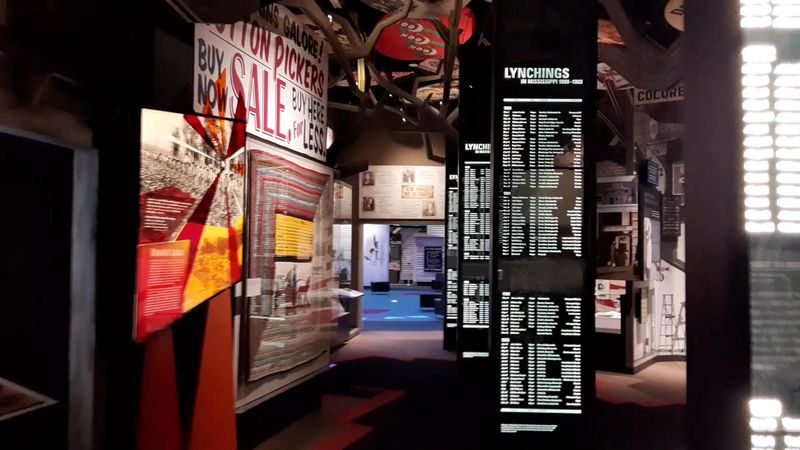
The early rooms reach back to groundwork that rarely gets air in casual conversations. You see community threads, church networks, classrooms, and local newspapers holding lines long before the spotlight arrived.
It shifts the center of gravity. The later headlines stop looking like sudden thunder and start reading like weather that had been building for years.
Maps tighten the lens on counties and towns. You can trace how power moved through school boards, sheriffs, and quiet rules that never needed ink.
There are stories of teachers who changed whole zip codes one lesson at a time. There are elders who taught risk management like a second language.
I kept thinking about how survival was also strategy. That makes the bravery ahead land with a deeper thud, because the stakes have faces already.
Mississippi sits in the center of this origin story with a kind of gravity. The exhibits do not flatten the state into caricature, they show the layers under the headlines.
You leave this section feeling less surprised by what comes next. You also feel less excused from understanding it.
The museum does the slow work here and trusts you to stay. You do, because walking away in this moment would feel like dropping a thread.
A Closed Society Years That Show How “Normal” Oppression Was Made
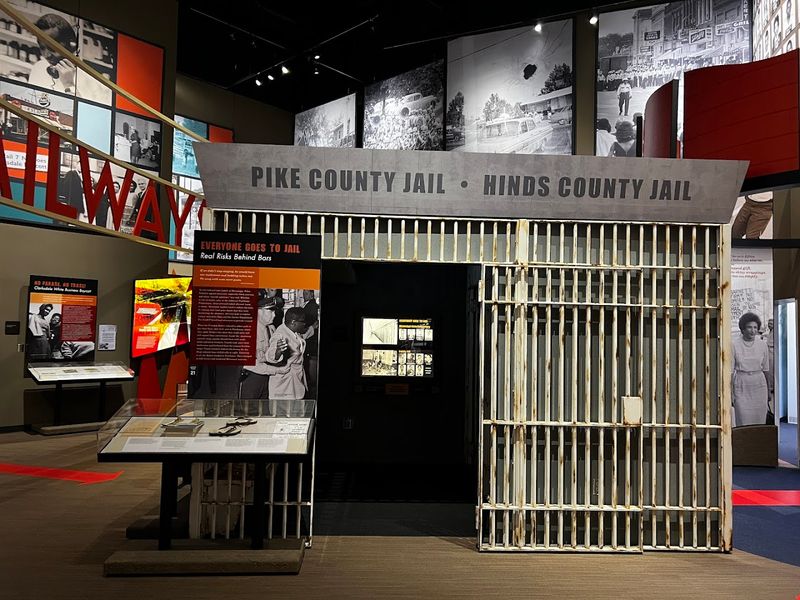
This section is the quiet punch. It lays out how rules got baked into habits until cruelty looked like paperwork and signage.
You see mundane objects turn into gates. A counter stool, a bus seat, a school doorway become diagrams of who mattered and who was managed.
The language of policy sits right next to family photos. That pairing makes the point better than any speech ever could.
I watched someone lean in to read a small card and then step back like it burned. That felt right to me.
Mississippi appears here not as a rogue outlier, but as a teacher of systems others copied. That framing keeps your spine straight.
The design does not shout. It just keeps pointing until the pattern draws itself and you cannot pretend you missed it.
You leave counting how many small choices build a wall. You also start seeing which bricks still look familiar back home.
The gallery never lets you float above the facts. It drops them right into daily life, which is exactly where harm always hid.
The Iceberg Cracks Era Where Small Actions Start Shaking The Whole State
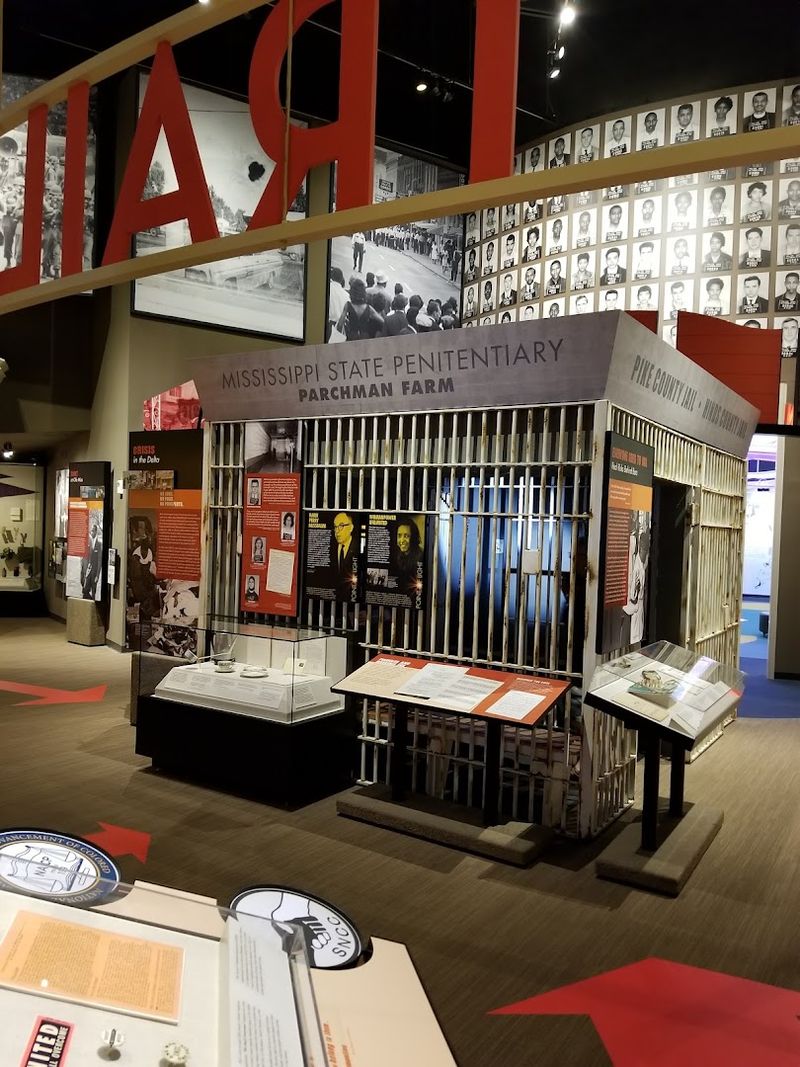
I love the way this era is framed as pressure building from below. Small acts stack, and the floor under the status quo starts to creak.
There are flyers with edges softened by pockets. There are church basements turned into strategy rooms where courage got calendared.
You can almost hear the rehearsed scripts for safety and risk. You can almost see the car routes marked in pencil and prayer.
The museum keeps it tactile with clipboards, buttons, and hand-painted signs. The handmade quality gives everything a pulse.
Mississippi is not just a backdrop, it is a chessboard. Every square has a story about who moved where and why that mattered.
What gets me is how ordinary the tools are. That ordinariness is the point, because that is how fear gets met in the places fear expects least.
You sense momentum gathering even before the headlines arrive. The room vibrates with the low thrum of people deciding enough.
When you step out, your own steps feel more deliberate. You start taking inventory of what you could make with your two hands.
Freedom Riders, Freedom Summer, And The Momentum You Can Feel Building
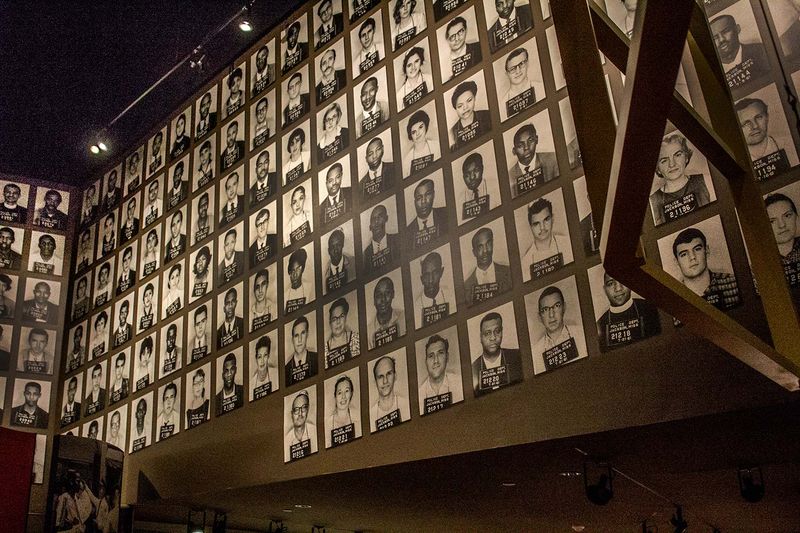
This section hums like a bus engine warming up in the morning. You can feel the logistics, the fear, and the guts stitched into every mile.
Photos of buses line up like ribs. Training sheets sit beside them with notes that sound calm and unbelievably brave.
There is a map that turns into a pulse when you follow it with your eyes. There are faces that turn determination into a shared language.
The museum gets the tempo right here, quick but careful. It mirrors the way action moves when people start trusting one another.
Mississippi becomes the field where that trust got tested. The stories do not sand down the splinters, and they should not.
I stood in front of one display longer than I meant to. It was a simple set of names and routes, but it read like a vow.
When the momentum crests, the room does not cheer. It just hands you the reality that courage never travels alone or unscarred.
You walk out with a kind of steadying breath. The road noise lingers in your ears like a promise.
Black Empowerment Years That Show The Movement Changing Shape, Not Ending
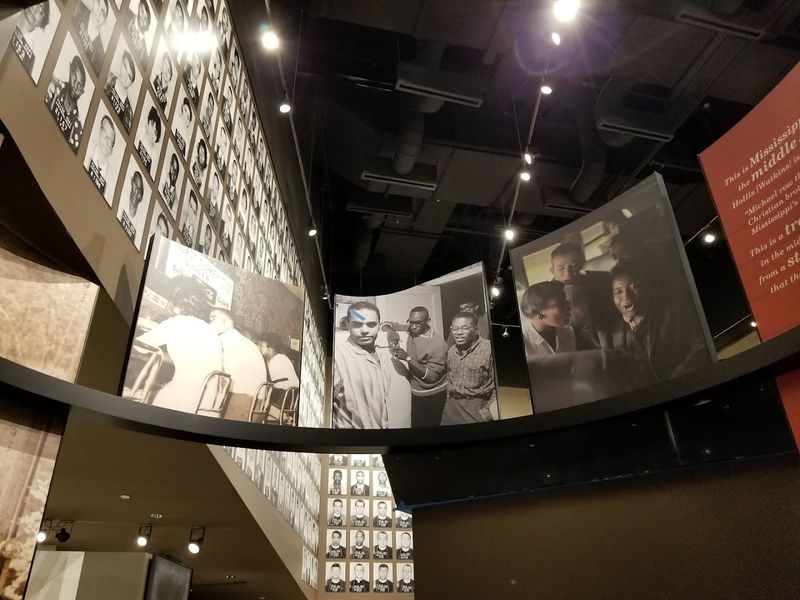
By the time you reach this era, the story has shifted its stance. The room opens up with color, voice, and a wider field of action.
Institutions take center stage, from classrooms to community groups. You see power moving through policies and culture, not just protests.
Posters carry graphics that still look fresh. Photographs show leaders and neighbors in the same frame, which feels exactly right.
The museum resists the urge to declare victory. Instead it sketches how the work keeps changing uniforms.
Mississippi is present in practical details here. You can trace how local decisions ripple outward into national conversations.
What I like is the honesty about complexity. Wins land, but they land beside new questions that refuse tidy answers.
It is energizing without being naive. It treats empowerment like a practice, not a headline.
You leave with a sense that the timeline did not close behind you. It widened and then handed you a pen.
Where Do We Go From Here: The Exit That Turns Into A Personal Mirror
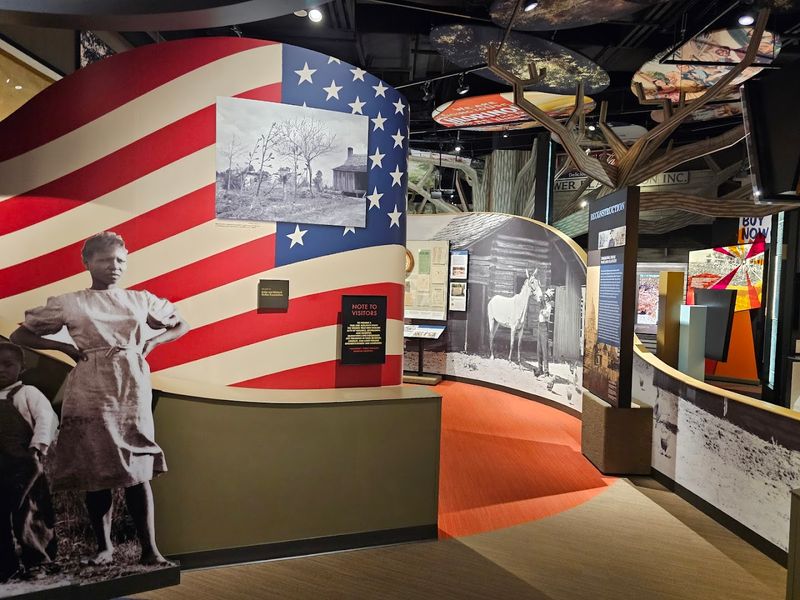
The exit is not an exhale so much as a hand on your shoulder. The questions on the wall feel like they know your calendar.
There is a place to reflect and a place to commit. The line between them is barely a line.
You can write, you can read, or you can just stand and let your next steps gather themselves. However you do it, you do not leave empty-handed.
The building tips you back toward daylight with purpose. Your eyes take a second to adjust, which feels symbolic in a way that is not corny.
Mississippi lingers as you push the door, not as a chapter but as a teacher. The city noise folds back in and you realize the museum just widened your hearing.
I like that the last word is basically a question. What are you going to do with what you now know?
You do not need a grand plan in that moment. You just need to keep your promise to pay attention.
And then you step outside, a little quieter and a lot clearer. The wake-up does not fade, it travels.
Dear Reader: This page may contain affiliate links which may earn a commission if you click through and make a purchase. Our independent journalism is not influenced by any advertiser or commercial initiative unless it is clearly marked as sponsored content. As travel products change, please be sure to reconfirm all details and stay up to date with current events to ensure a safe and successful trip.
