A town of more than two thousand people disappeared from the map. The government bought every home and paid every family to leave.
The streets had been sprayed with waste oil, and that oil carried a hidden poison. Dioxin spread through the soil and seeped into the town’s bones.
The flood of nineteen eighty-two pushed the contamination even further. The CDC declared the area unsafe for human life.
The evacuation began in early nineteen eighty-three, and the town was officially erased by nineteen eighty-five. The homes were bulldozed and buried, and the contaminated soil was incinerated.
Today, wild grass grows where front yards once stood. Deserted streets still trace the old grid, a quiet monument to a cautionary tale.
This is one of the most haunting ghost towns in Missouri.
The Riverside Resort That Started With A Newspaper Deal
Picture a little summer getaway spot along the Meramec River where people came to escape the city heat, and you have got the beginning of Times Beach. The town was founded as a resort community, and the sales pitch behind it was genuinely strange when you hear it today.
A newspaper was selling small riverside lots bundled together with a subscription, which basically meant you could become a landowner in Missouri by signing up for the paper. That kind of promotion would never fly now, but back then it worked well enough to fill the place with cabins and weekend visitors.
Over the following decades the character of the town shifted quite a bit, and what had been a seasonal escape slowly turned into a permanent, hardworking community where families lived year round. The cottages got winterized, the population settled in, and Times Beach became an ordinary small town sitting right beside one of the most famous highways in America.
Knowing that origin story changes how the park feels when you walk it, because you are not just looking at trees and trails. You are standing on ground that people once bought as a vacation dream, which makes everything that came later hit a little harder.
Erasing A Town From The Map
Once everyone was gone, the town was formally disincorporated, which is a dry legal way of saying Times Beach officially stopped being a place. Then came the demolition crews, and the houses, shops, and buildings were taken down one after another.
Cleaning up the soil was the enormous part of the job, and the solution was as dramatic as the problem. An incinerator was built directly on the site to burn through hundreds of thousands of tons of contaminated dirt and debris, and material from other affected locations around Missouri was hauled in and processed there too.
You can imagine how the neighboring communities felt about a giant incinerator running near them, and there was plenty of pushback and protest over the whole approach. Environmental cleanups rarely have a clean, universally popular answer, and this one certainly did not.
The work stretched on for years, methodically grinding through the mess until testing showed the ground was finally safe again. Then the incinerator itself was dismantled and removed from the property.
Nothing about that process was quick or cheap, but the end result is why you can walk that land today without a second thought, which is honestly kind of remarkable.
Dusty Roads And A Cheap Fix
Here is where things start going sideways, and honestly it began with a problem that sounds almost boring. The roads through Times Beach were unpaved, and anyone who has lived on a gravel road knows exactly how miserable that gets when cars kick up dust all summer long.
Dust coated the porches, the laundry, the windows, and probably the inside of every house in town. Paving everything would have cost far more than a small Missouri community could reasonably handle, so the town went looking for something cheaper that would still knock the dust down.
Spraying waste oil on dirt roads was a common practice in plenty of places back then, and it genuinely worked, because the oil weighed the dust down and kept the streets settled. A local waste hauler got the job, and the trucks came through spraying the streets where kids played and neighbors walked.
Nobody involved at the town level had any reason to think they were doing something harmful, which is the part that gets me. It was a practical decision made by regular people trying to solve an everyday annoyance, and it ended up erasing the entire place from the map.
What Was Actually In That Oil
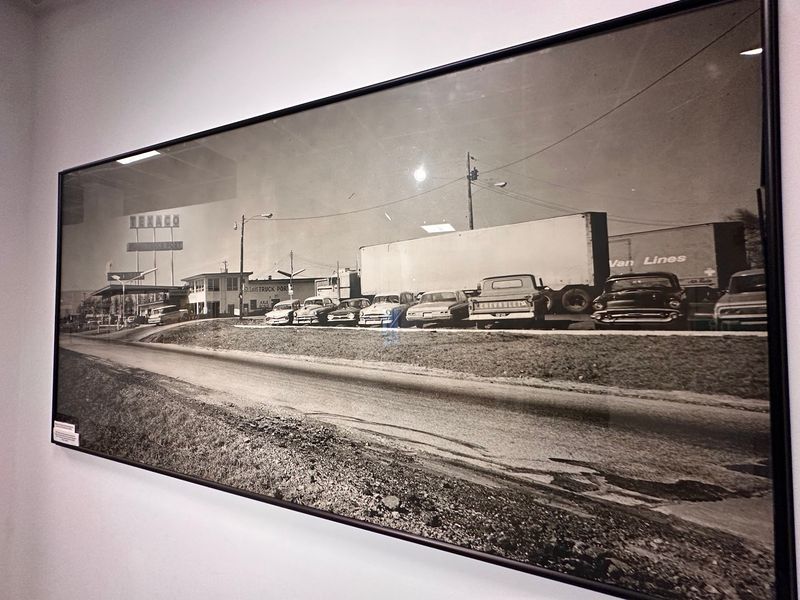
The oil was not just oil, and that is the whole tragedy in one sentence. Mixed into what got sprayed across those streets was dioxin, which ranks among the nastiest chemical compounds people have ever accidentally created.
The contaminated waste traced back to a chemical operation in Verona, Missouri, tied to the production of compounds used in Agent Orange during wartime. That byproduct had to go somewhere, and it ended up blended into waste oil that was hauled around and sprayed on unpaved surfaces across the region.
Residents had absolutely no idea, and why would they? Nobody hands you a chemical breakdown when a truck drives by damping down your street, and dioxin does not announce itself with an obvious smell or color that would tip anyone off.
Times Beach was not even the only site affected, since the same hauler sprayed other spots around Missouri, including horse arenas where animals later got sick. That was one of the earliest warning signs that something was seriously wrong, though it took a long time for anyone to connect all of it back to the neighborhoods where families were living.
It is a genuinely unsettling chain of events when you trace it start to finish.
When The Meramec River Rose
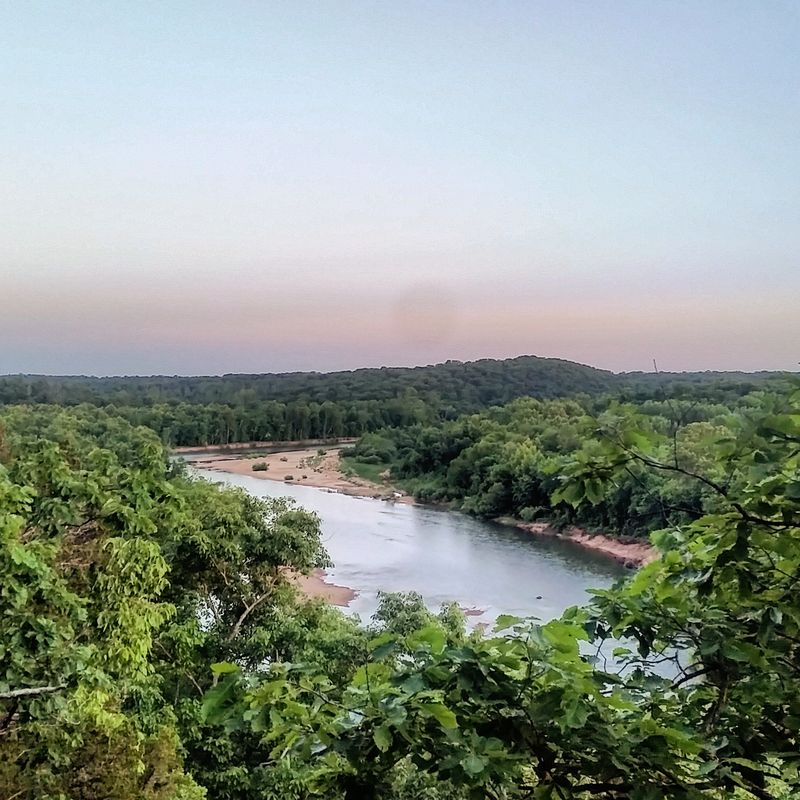
As if the contamination alone was not enough, the Meramec River decided to make everything worse. A massive flood swept through Times Beach and pushed water across nearly the entire town, reaching into homes and yards and every low spot in between.
Floods are devastating on their own, but this one carried something extra, because the water picked up dioxin from the roadbeds and redistributed it everywhere it went. Soil that might have been fine before suddenly was not, and the contamination stopped being confined to the streets.
Imagine coming back to your house after the water dropped, dealing with ruined furniture and soaked drywall, and then finding out the mud left behind was the real threat. That is roughly the position people in this Missouri town found themselves in as testing results started coming back.
The timing was brutal, since federal investigators were already looking into the dioxin issue when the river went over its banks. Two separate disasters landed on the same community within a very short window, and together they made any kind of normal recovery impossible.
Standing near the river today, calm and pretty as it looks, it is strange to think about how much that water changed everything for the people who lived here.
From Superfund Site To State Park
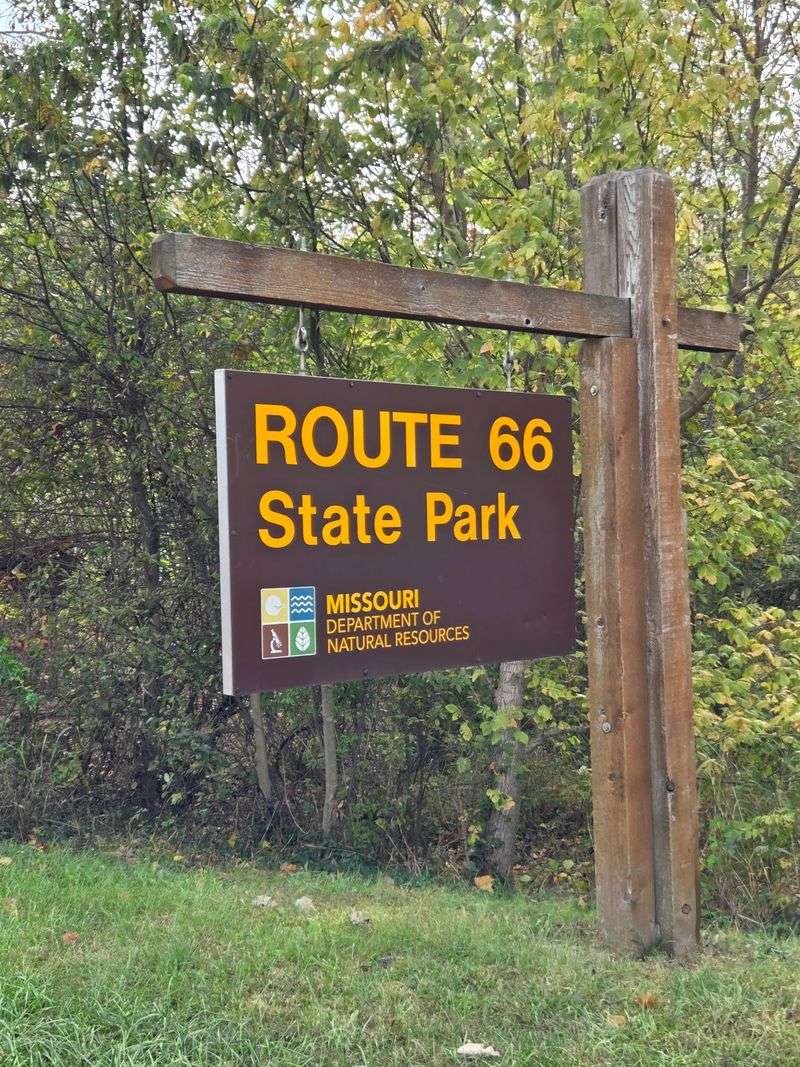
Getting removed from the Superfund list is a big deal, and Times Beach eventually earned that. Once the cleanup passed all the testing benchmarks, the land was handed over to the state of Missouri, and somebody had the idea to turn it into something people could actually enjoy.
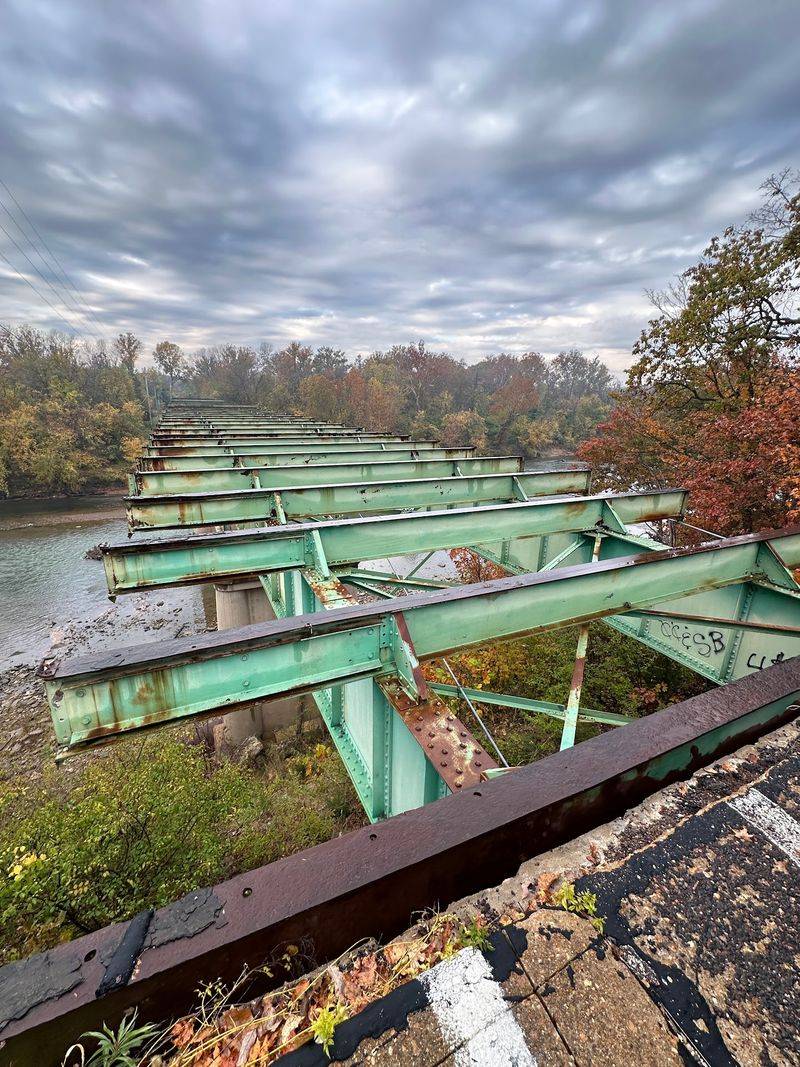
The result is Route 66 State Park, which opened to the public and now sits quietly along the old highway corridor in Eureka. Naming it after the highway rather than the town was a deliberate choice, and it lets the park lean into the road trip history that runs through the area.
There is something genuinely hopeful about the whole thing, because places that get poisoned do not usually come back. This one did, with grass and trees and picnic tables where a contaminated ghost town used to sit.
Plenty of visitors roll in with no idea what happened here, treating it as a nice green stop off the interstate. Others come specifically because of the history, and both approaches feel valid to me.
Either way, you end up somewhere peaceful, and knowing the backstory just adds a layer that most parks in Missouri simply do not have.
The Old Roadhouse Turned Visitor Center
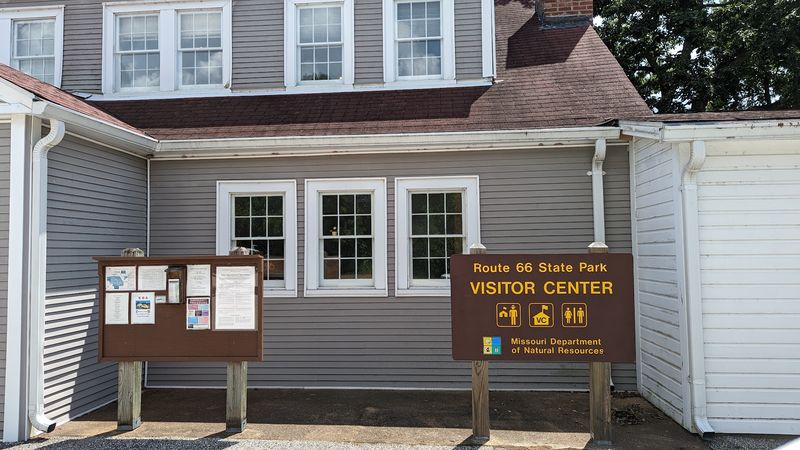
Start your visit at the visitor center, because that building is a survivor in the most literal sense. It began life as a roadhouse along the highway, and it went by a couple of different names over the years, including Bridgehead Inn and Steiny’s Inn.
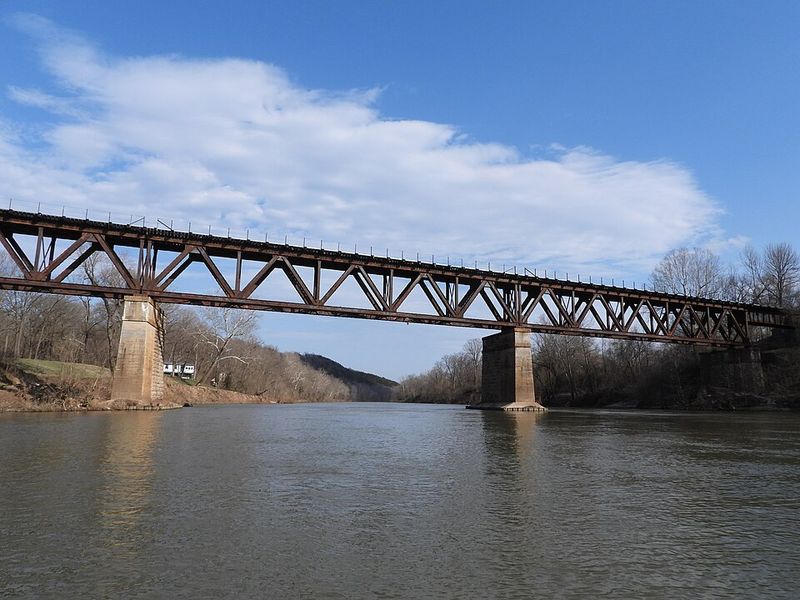
Almost everything else connected to Times Beach got flattened, so this structure standing there feels like a small miracle of timing and circumstance. It sits across the river from the main park grounds, which is worth knowing so you do not drive right past it looking for the trails.
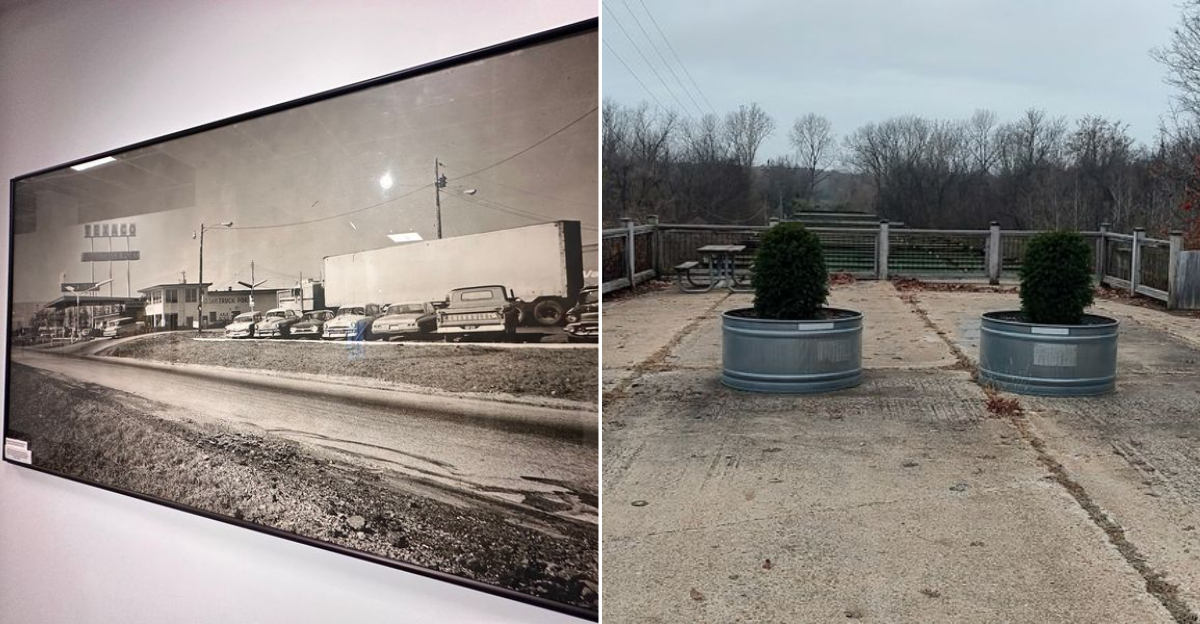
Inside you will find exhibits covering both sides of the story, with Route 66 memorabilia and roadside history on one hand and the Times Beach saga on the other. Old signs, photographs, and artifacts from the highway era fill the space.
Do you want the full context before you walk the trails? Then spend your time here first, since the displays explain the contamination and the buyout in a way that makes the empty land across the water make sense.
Hours can shift with the seasons, so a quick check with Missouri State Parks before you drive out saves you a wasted trip.
Walking The Streets That Are No Longer There
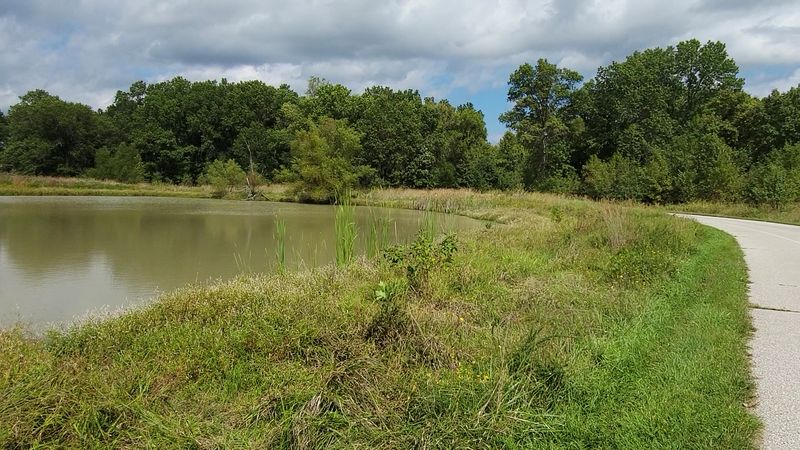
The trails are what really got under my skin, because they are not random paths cut through the woods. Many of them follow the exact routes of the old Times Beach streets, so you are literally walking the roads that were sprayed all those years ago.
The park covers several hundred acres, and the terrain is mostly flat and open, which makes it friendly for hiking, biking, and horseback riding without wearing yourself out. Wide, easy paths mean you can bring pretty much anyone along.
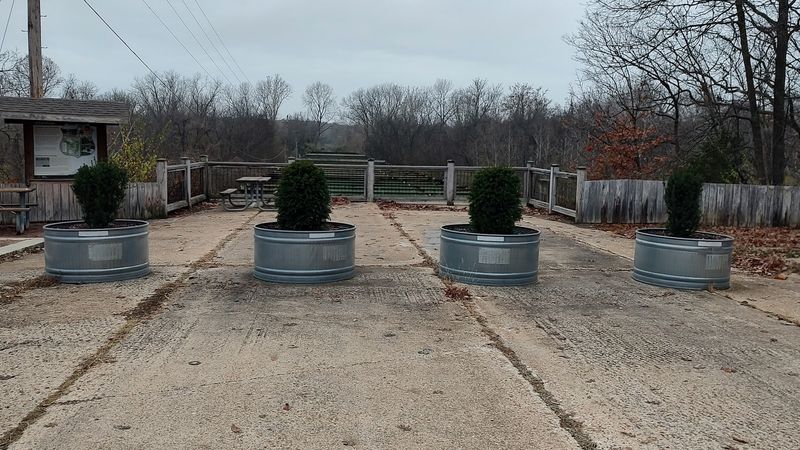
Look closely as you walk and you might notice things that do not quite belong, like unnaturally straight lines of pavement or clearings shaped suspiciously like house lots. Nature has taken over most of it, though the bones of the neighborhood have not entirely vanished.
Wildlife has moved in enthusiastically, and birds are everywhere along the river corridor, so bring binoculars if that is your thing. Deer show up too, especially in the quieter hours near the water.
Trails can get muddy after heavy rain given how close the Meramec runs, so decent shoes are a smart call. It is one of the more thought-provoking walks you can take anywhere in Missouri.
