Some towns fade slowly, their stories whispered by peeling paint and boarded windows. This one was erased by design, a community so poisoned by what lay beneath it that the government had to pay people to leave.
Decades of lead and zinc mining had carved a labyrinth of tunnels under the homes and schools, leaving the ground so unstable that collapse was a constant threat.
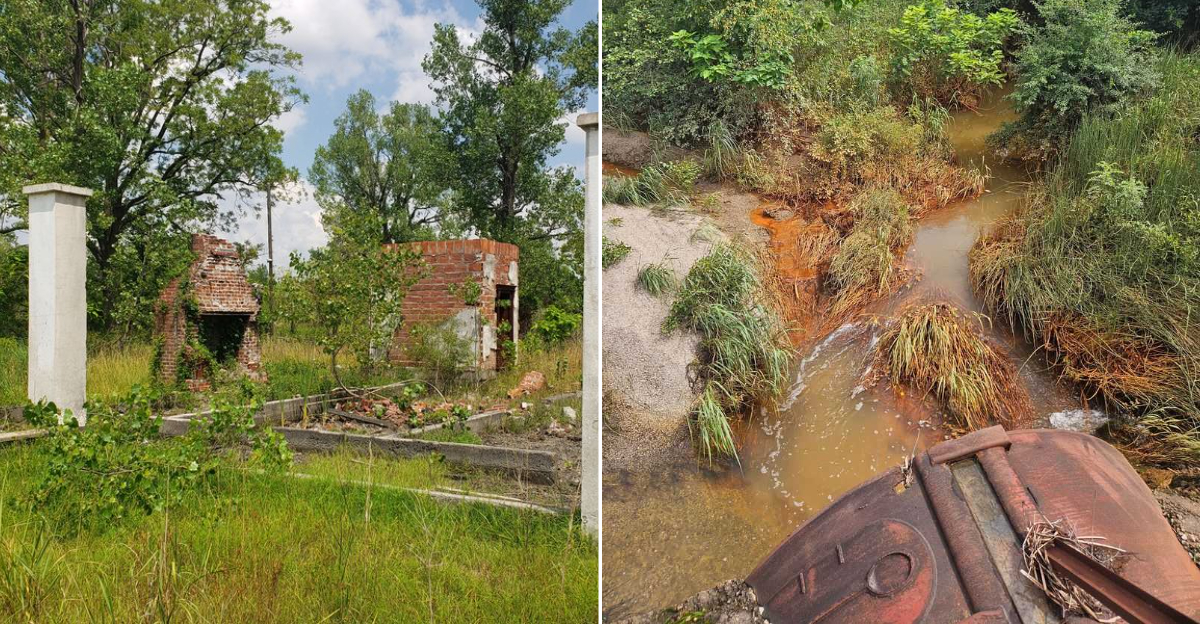
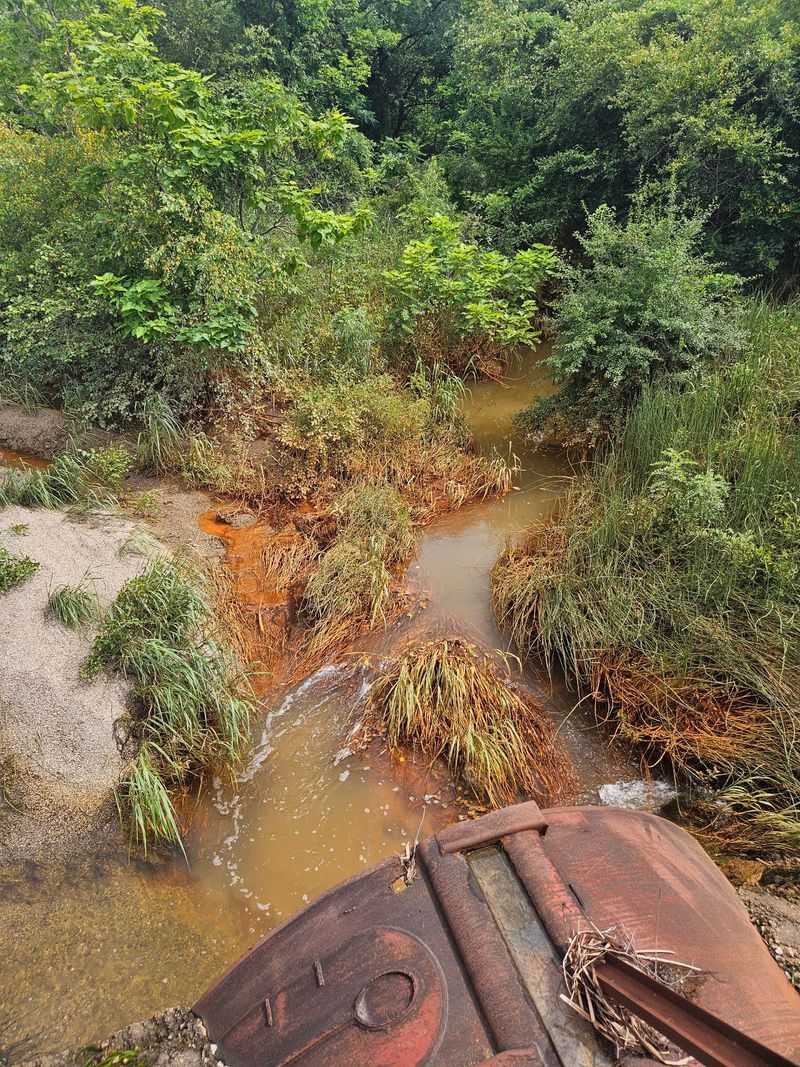
Toxic waste, known as chat, rose in mountains around the town, and the orange-tinged creek running through it served as a constant, visual reminder of the contamination.
In 2006, the federal government initiated a buyout to relocate the residents, and in 2009, the town was officially dissolved.
Today, it stands as a silent monument to the price of industrial progress, a ghostly landscape in Oklahoma where the mines that built a community ultimately sealed its fate.
How A Quiet Corner Of Oklahoma Turned Into A Mining Boomtown
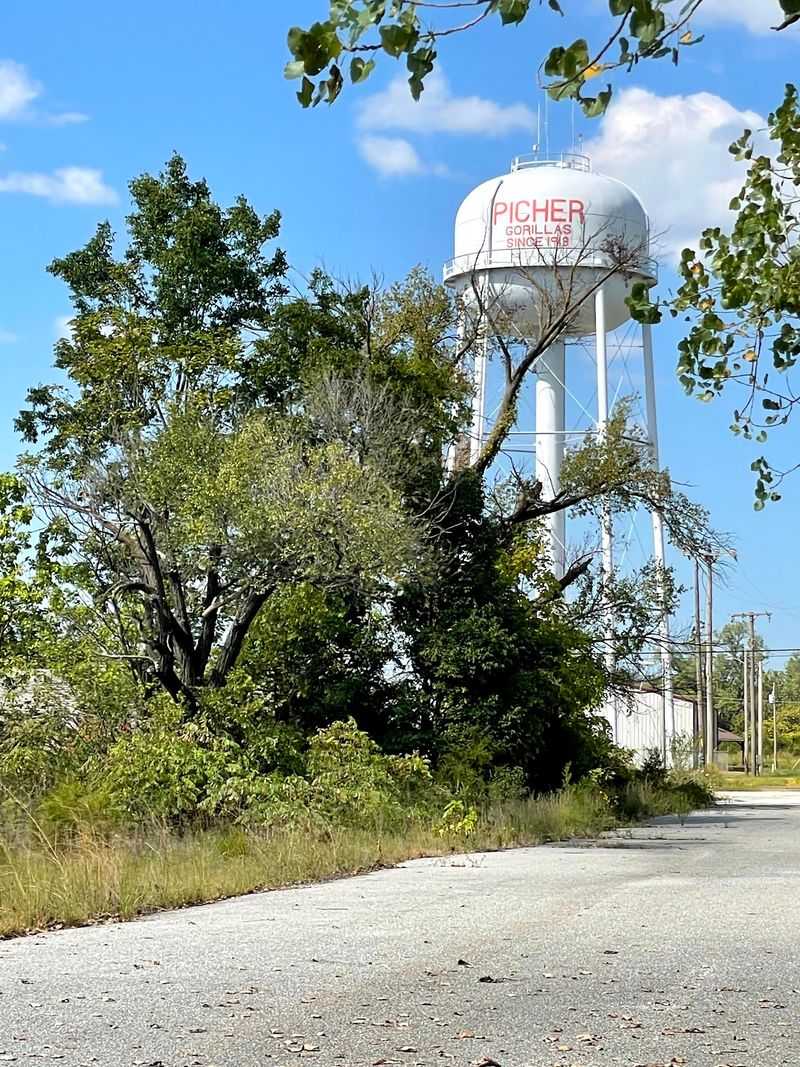
Picture a stretch of open prairie where almost nobody lived, and then imagine thousands of people showing up because someone found lead and zinc under the grass. That is basically how Picher started, and the growth happened so fast that the town went from nothing to a full-blown city in a shockingly short stretch of time.
At its busiest, the population climbed past fourteen thousand people, which made it one of the bigger communities in that whole part of Oklahoma. Miners came from all over looking for steady work, and the businesses followed them, because a town that size needs stores, schools, churches, and places to gather.
What makes the boom feel even bigger is the role those mines played in the wider world. Lead pulled out of the ground beneath Picher helped supply ammunition during both World Wars, so this small Oklahoma town was quietly connected to events happening across an ocean.
The thing you have to keep in mind is that nobody back then was thinking about what happens after the ore runs out. They were focused on the work in front of them, and the consequences would take generations to show up in a way anyone could measure.
The Chat Piles That Loom Over Everything
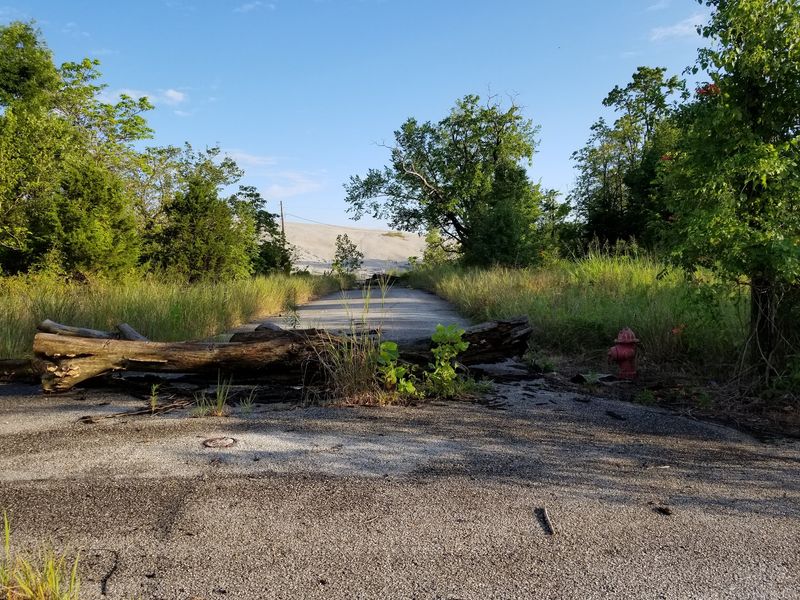
You cannot talk about this place without talking about the chat piles, because they are the first thing that hits you when you look at photos. Chat is the leftover crushed rock from processing the ore, and instead of hauling it away, mining companies simply stacked it near the mills until it turned into artificial mountains.
Some of those piles reached heights that you would measure in hundreds of feet, and they stretched across the landscape in shades of pale gray that look almost like snow from a distance. Kids in town used to treat them like playgrounds, sledding and riding bikes across surfaces that nobody realized were dangerous.
Here is the part that changes how you see them. That gravel carries lead, zinc, cadmium, and arsenic, and when the wind picks up across northeast Oklahoma, fine dust from those piles drifts into yards, gardens, and open windows.
So a feature that looked like scenery was actually a slow-moving health problem sitting in plain sight. Crews have been working to break down and haul away that material for a long time now, and the scale of the job explains why it is still going.
Thousands Of Empty Mine Shafts Sitting Right Under Town
Imagine finding out that the ground under your kitchen floor is more hole than dirt. That was the reality in Picher, where decades of tunneling created something people described as a honeycomb, with more than fourteen thousand abandoned shafts spread beneath the surface.
Engineers eventually studied the situation and found that a huge share of the buildings in town sat over unstable ground that could give way without much warning. Sinkholes had already been opening up around the area, sometimes swallowing pieces of road or backyard without any warning at all.
You can probably guess how unsettling that gets for the people living there. It is one thing to worry about dust in the air, and something else entirely to wonder whether your street is going to drop while you are asleep.
That collapse risk turned out to be one of the biggest reasons the town could not simply be cleaned up and repaired. You can haul away contaminated gravel and replace poisoned soil, but nobody can refill thousands of tunnels running under an entire Oklahoma community, and that reality shaped every decision that followed.
When Lead Poisoning Became A Children’s Health Crisis
The moment this story shifted from environmental problem to emergency was when health officials started testing local kids. Blood tests showed that a troubling share of children in the Picher area carried lead levels high enough to cause real harm.
Lead exposure in childhood is not something you shrug off, because it can affect learning, attention, and behavior in ways that follow a person for life. Families were dealing with headaches, developmental delays, and school struggles without always knowing why.
Think about the everyday routines that turned risky without anyone realizing it. Playing in a dusty yard, digging in a garden, or climbing those chat piles all meant contact with metal-laced material, and washing hands only goes so far when the dust is in the soil itself.
Health agencies and researchers spent a lot of energy documenting what was happening, and those findings gave weight to the argument that the town could not stay. Numbers on a page have a way of forcing decisions that years of complaints never manage to.
Honestly, the health data is the part of the Oklahoma story that makes the buyout feel less like an overreaction and more like the only sensible move left.
Landing On The List Of America’s Most Toxic Places
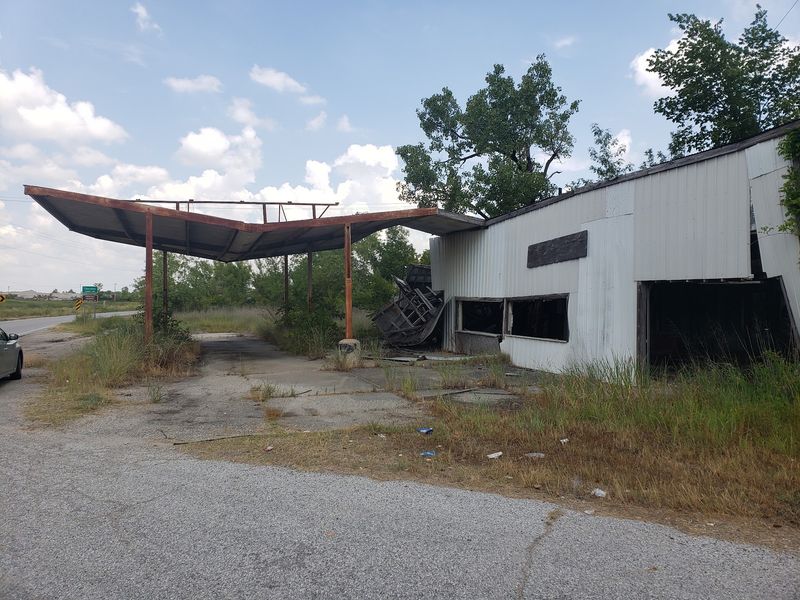
There is a federal list for the worst contaminated sites in the country, and Picher ended up on it as part of what officials call the Tar Creek Superfund site. Getting that designation means the pollution is severe enough that the federal government takes charge of the cleanup.
Once the Environmental Protection Agency stepped in, the scope of the problem became a lot clearer to people outside the region. The contamination covered soil, water, and air across a wide area, not just a single mill site or one bad pond.
Early cleanup work focused on things like replacing polluted soil in yards and around schools, plus trying to control the runoff feeding the creek. Crews made real progress in spots, and then more contamination would show up somewhere else.
That is the frustrating rhythm of a site this big. You fix one piece and discover the underlying source has not gone anywhere, because the mine workings keep producing acidic water no matter what happens above ground.
Being labeled one of the most hazardous places in the nation is a heavy thing for any Oklahoma community to carry, and it changed how the whole country talked about Picher.
The Buyout That Emptied An Entire Community
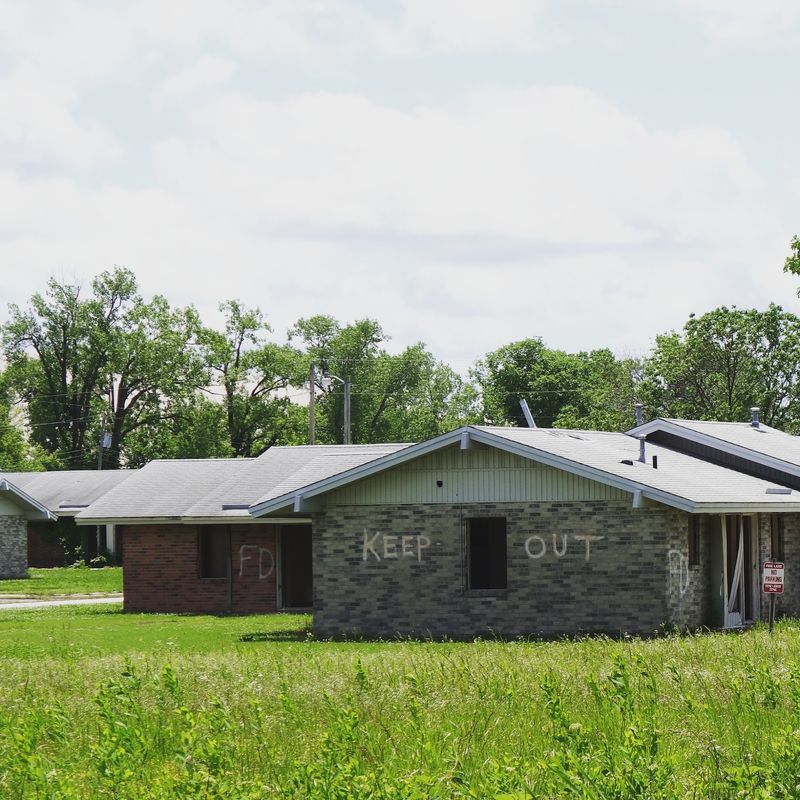
Eventually the conversation stopped being about fixing Picher and started being about moving everyone out of it. Federal and state officials, working together, funded a program that offered to purchase homes and businesses so residents could relocate somewhere safe.
Participation started out voluntary for many households, and later the relocation became mandatory as the collapse risk and contamination findings piled up. Buildings were purchased, emptied, and in most cases demolished, leaving nothing but slabs and driveways behind.
Can you imagine being told your entire hometown has to close? Some families were relieved to have a way out, while others fought the idea hard, because generations of their people had lived and worked on those streets.
Moving is stressful under normal circumstances, and this was moving without the option of ever coming back. Neighbors scattered to nearby towns across Oklahoma and Kansas, and the social fabric of the community came apart along with the buildings.
What the buyout accomplished was real safety for people, and what it cost was a place. Both of those things are true at the same time, which is exactly what makes this story stick with you long after you read it.
The Tornado That Finished What The Mines Started
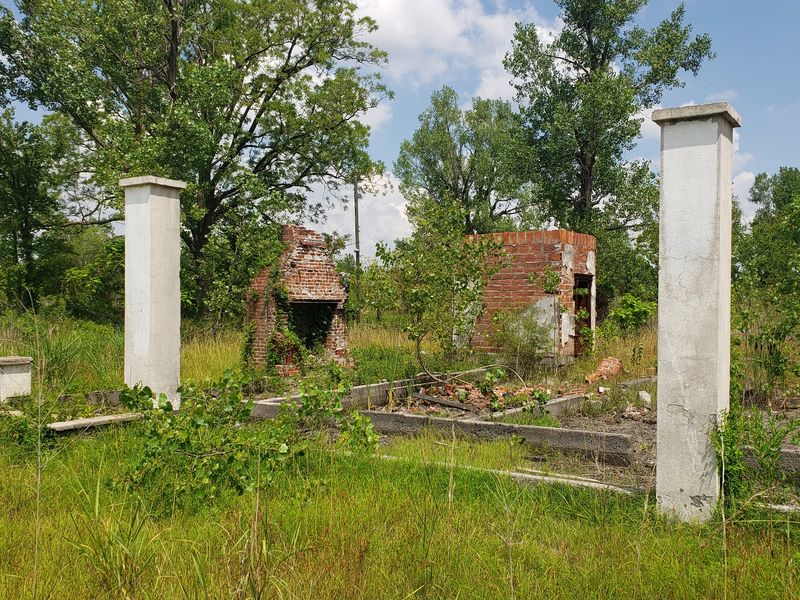
As if a poisoned town needed another blow, a violent tornado tore straight through Picher while the relocation was already underway. Homes were flattened, people were killed, and a large part of what remained of the town was simply gone in minutes.
For residents who had been holding out and refusing to sell, that storm changed the math. Rebuilding in a place slated for abandonment made no sense, and the cleanup crews were already at work nearby.
The tornado did not cause the contamination, obviously, but it accelerated everything. Streets that were slowly emptying suddenly emptied in a rush, and the buyout program took on new urgency.
I always think about the timing, because it feels almost unbelievably unlucky. A community wrestling with lead poisoning, sinkholes, and red water got hit by one of the more destructive storms that part of Oklahoma has seen.
You can still spot signs of that damage mixed in with the mining scars when you look at the landscape today. Foundations sit alongside snapped trees and cleared lots, and it is hard to tell which disaster erased which house, which honestly says a lot.
The Day Picher Stopped Being A Town On Paper
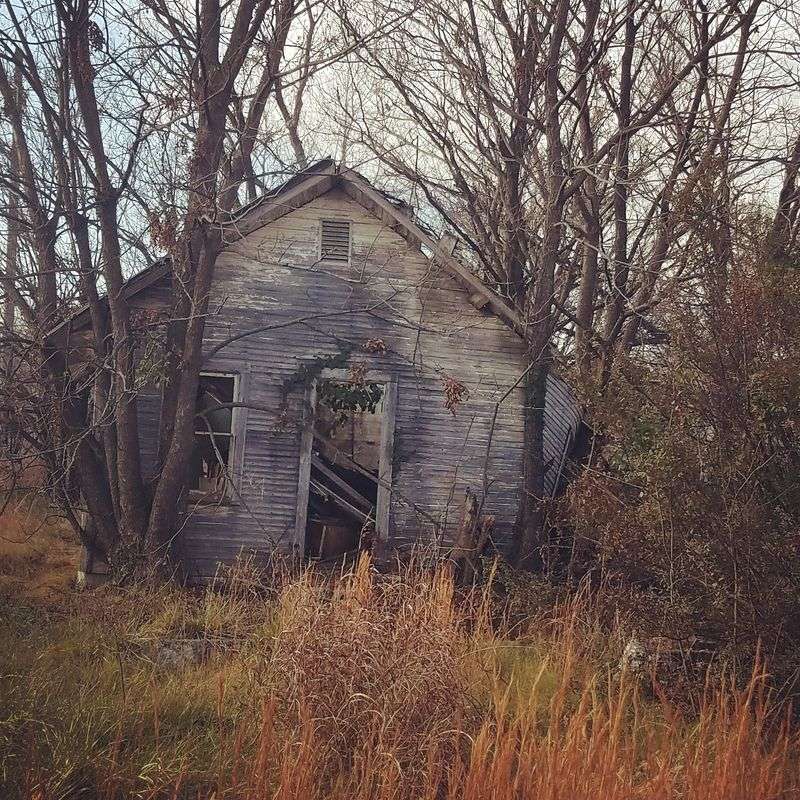
Towns usually fade quietly, but Picher actually had an official ending. The city government shut down operations, and later the municipality was legally dissolved, which means the place stopped existing as a town in any formal sense.
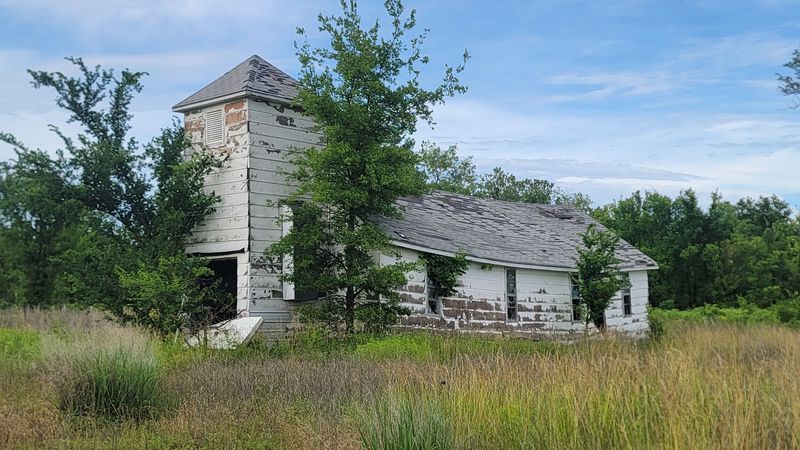
No more mayor, no more city services, no more school district holding things together. The post office closed, businesses shuttered, and the streets stayed where they were while everything built along them came down.
The detail everybody remembers is the pharmacist named Gary Linderman, who kept his drugstore open long after almost everyone else had gone. He stayed until he died, and people generally call him the last official resident of Picher.
There is something about one person holding a door open in a town nobody else lives in that says more than any statistic could. He believed a few remaining folks in the area still needed a place to fill prescriptions.
These days the address still shows up on maps of Oklahoma, and mail-related listings still reference the zip code, but there is no functioning community there. It is one of the clearest examples in the country of a town that was legally erased rather than simply forgotten.
