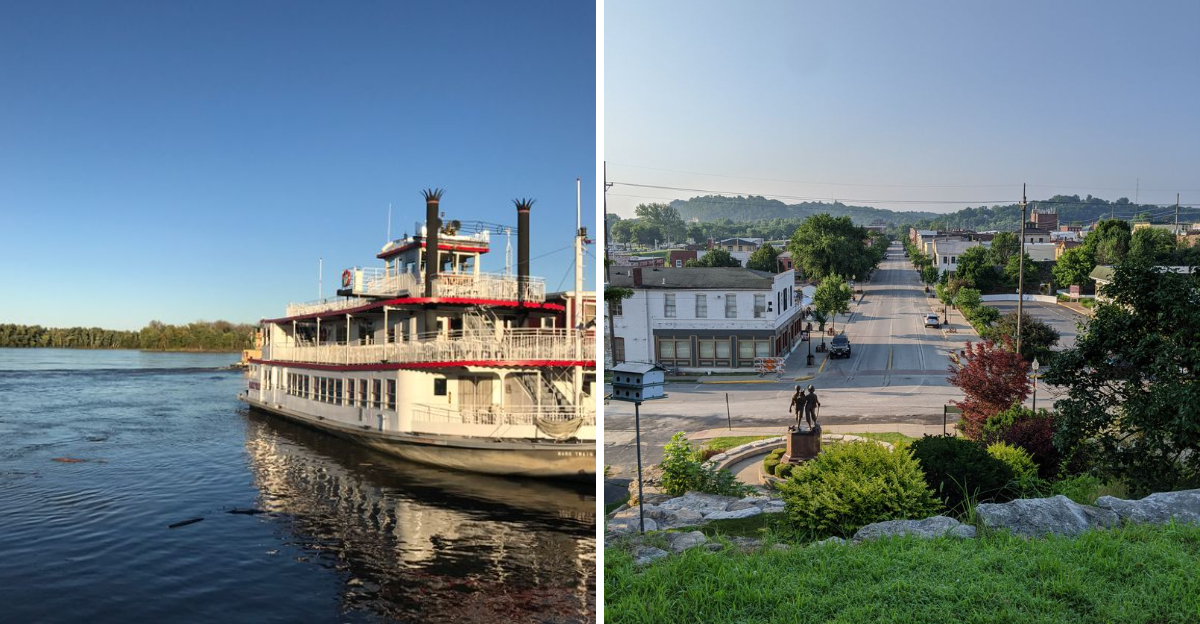
Hannibal, Missouri sits along the western banks of the Mississippi River in the northeastern corner of the state, a small town that might have faded into obscurity if not for one remarkable resident.
Samuel Clemens, better known as Mark Twain, spent his boyhood years wandering these river bluffs and cobblestone streets, absorbing the characters, adventures, and atmosphere that would later fuel some of America’s most beloved novels.
Today, visitors from around the world travel to Hannibal to walk in the footsteps of Tom Sawyer and Huckleberry Finn, discovering how this quiet riverside community became forever intertwined with American literary history.
The town offers travelers a rare glimpse into 19th-century river life while celebrating the author who transformed its ordinary streets and caves into settings of timeless adventure and childhood wonder.
Mark Twain Boyhood Home and Museum
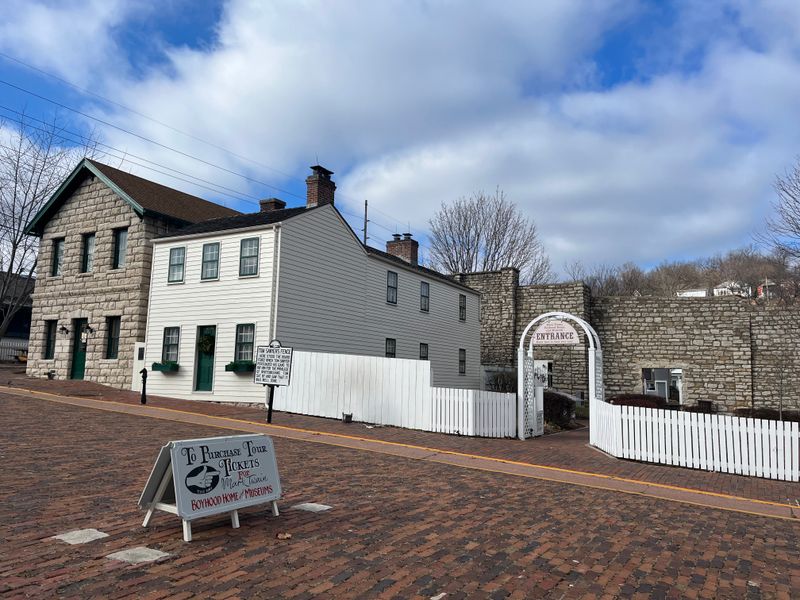
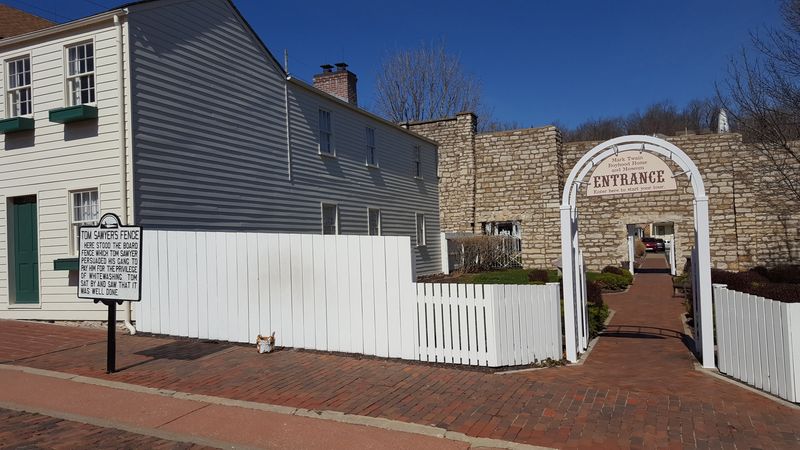
Standing on Hill Street, the modest white clapboard house where young Samuel Clemens grew up between 1844 and 1853 remains remarkably preserved.
The two-story home at 206 Hill Street offers visitors an intimate look at the cramped quarters where the Clemens family lived during Sam’s formative years.
Walking through the narrow doorways and small rooms, you can almost hear the echoes of childhood laughter and imagine young Sam plotting his next adventure along the riverfront.
The attached museum complex houses an impressive collection of Mark Twain memorabilia, including his actual typewriter, writing desk, and first editions of his published works.
Personal letters, photographs, and manuscripts provide fascinating insights into how Clemens transformed his Hannibal memories into literature that would captivate generations of readers.
The museum staff offers guided tours that bring the author’s childhood to life with stories about his family, friends, and the mischievous adventures that inspired Tom Sawyer’s escapades.
Visitors can see the famous whitewashed fence that became central to one of literature’s most memorable scenes about clever childhood manipulation.
The interpretive center features interactive exhibits perfect for younger visitors learning about this American literary giant for the first time.
Spring and fall bring comfortable temperatures ideal for exploring the outdoor areas surrounding the home without summer’s oppressive humidity.
The museum’s gift shop offers unique souvenirs ranging from classic Twain novels to locally crafted items celebrating Hannibal’s literary heritage.
Photography is welcome in most areas, allowing visitors to document their journey through this important piece of American cultural history.
Mark Twain Cave Complex
Just south of downtown Hannibal, this labyrinthine limestone cave system stretches beneath the Missouri countryside like a subterranean maze.
Young Sam Clemens explored these dark passages as a boy, and the cave’s winding tunnels, hidden chambers, and mysterious atmosphere later became the setting for pivotal scenes in The Adventures of Tom Sawyer.
The cave maintains a constant 52-degree temperature year-round, making it a refreshing escape during sweltering Missouri summers and a relatively warm adventure during winter months.
Guided tours lead visitors through the same passages where Tom and Becky Thatcher became lost in Twain’s famous novel, creating an eerie sense of stepping directly into the pages of American literature.
The cave’s natural formations include flowstone, stalactites, and unusual rock shapes that have sparked imaginations for nearly two centuries.
Tour guides share both geological information about the cave’s formation and historical anecdotes about its role in Twain’s life and fiction.
The cave served practical purposes throughout history, including use as a hideout, a storage facility, and even a venue for underground dances during the 19th century.
Comfortable walking shoes are essential for navigating the sometimes uneven cave floors and occasional low ceilings along the tour route.
The adjacent Cameron Cave offers a more adventurous spelunking experience for visitors seeking a less commercialized underground exploration.
Lighting has been carefully installed to illuminate pathways while preserving the cave’s natural character and mysterious ambiance.
The gift shop at the entrance sells cave-themed souvenirs and locally made items perfect for remembering this unique geological and literary landmark.
Rockcliffe Mansion
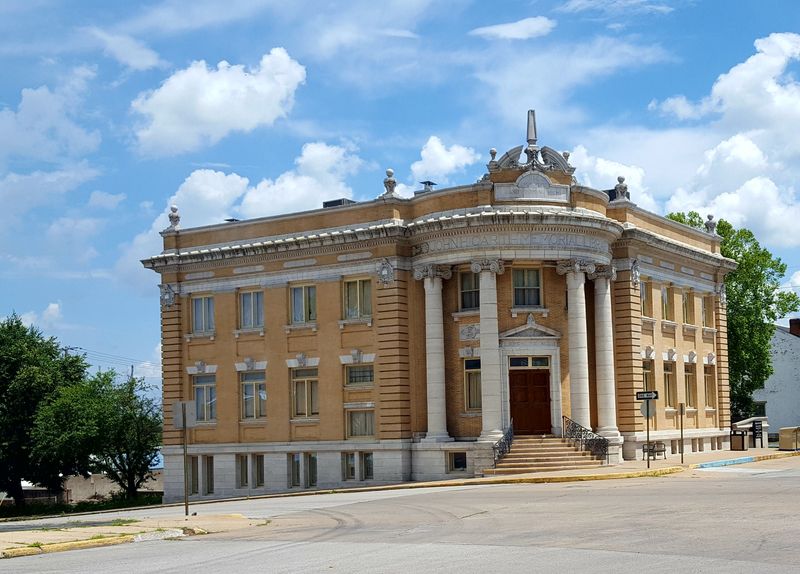
Perched majestically on a bluff overlooking the Mississippi River, this 30-room mansion represents the pinnacle of turn-of-the-century wealth and architectural ambition.
Lumber baron John Cruikshank commissioned the grand residence in 1898, and its completion in 1900 marked it as one of the finest examples of Beaux-Arts architecture in the entire Mississippi River valley.
The mansion’s exterior features distinctive brown brick, elaborate stonework, and a commanding presence that speaks to the prosperity Hannibal enjoyed during the lumber and railroad boom years.
Inside, visitors discover an astonishing collection of original art nouveau decor, hand-painted ceilings, intricate woodwork, and period furnishings that transport you back to America’s Gilded Age.
Each room showcases different design elements, from the grand entrance hall with its sweeping staircase to the intimate parlors where the Cruikshank family entertained Hannibal’s elite society.
The mansion’s location at 1000 Bird Street provides stunning panoramic views of the Mississippi River, particularly beautiful during autumn when the surrounding hillsides explode with fall colors.
Guided tours reveal fascinating details about the mansion’s construction, the families who lived there, and the restoration efforts that have preserved this architectural treasure.
The third-floor ballroom features exquisite detailing and was the site of elaborate social gatherings that defined Hannibal’s high society during the early 1900s.
Original fixtures, including ornate light fixtures and decorative hardware, remain throughout the home, offering authentic glimpses into upper-class life over a century ago.
Special events and holiday tours provide additional opportunities to experience the mansion decorated in period-appropriate seasonal splendor.
Mark Twain Riverboat
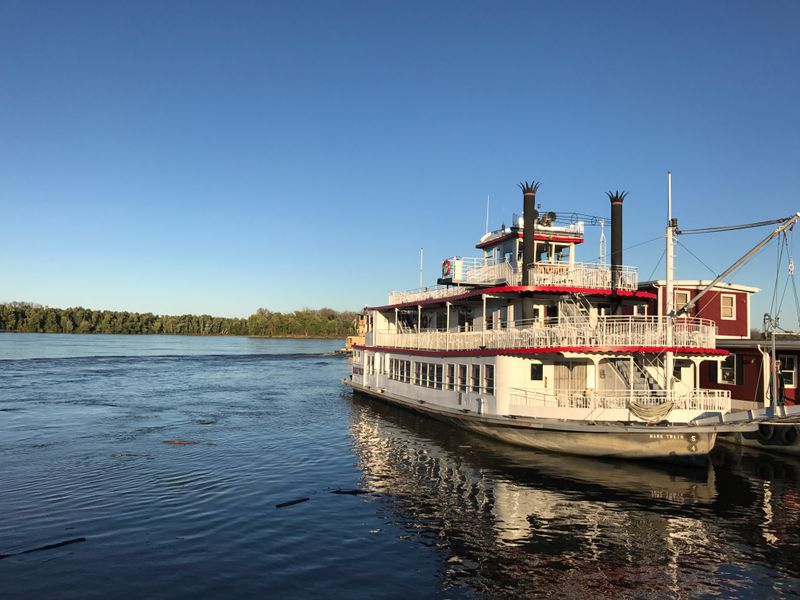
The distinctive sound of a steam whistle echoes across the water as this authentic-style paddlewheel riverboat prepares to depart from the Hannibal riverfront.
Climbing aboard feels like stepping back into the golden age of Mississippi River travel when steamboats were the highways of commerce and adventure.
The vessel offers one-hour sightseeing cruises that provide perspectives on Hannibal impossible to achieve from land, revealing how completely the town’s identity intertwines with the mighty river beside it.
From the water, passengers gain new appreciation for the river bluffs, historic buildings, and natural landscapes that shaped young Sam Clemens’ imagination and later filled his novels with vivid river descriptions.
The captain provides narration about river navigation, local history, and Mark Twain’s own complicated relationship with steamboat piloting, a profession he pursued before becoming a writer.
Sunset cruises offer particularly magical experiences as the fading light paints the river gold and the Missouri hills create dramatic silhouettes against the evening sky.
The boat’s open-air upper deck allows unobstructed views and photography opportunities while the enclosed lower deck provides comfortable seating protected from sun and weather.
Children especially enjoy the novelty of river travel and watching the massive paddlewheel churn through the water at the boat’s stern.
Spring and fall provide the most comfortable cruising conditions, with moderate temperatures and lower humidity than the often oppressive summer months.
The riverboat typically operates seasonally from late spring through early fall, with schedules varying based on weather and river conditions.
Reservations are recommended during peak summer tourism season and special event weekends when Hannibal attracts larger crowds.
Historic Downtown Hannibal
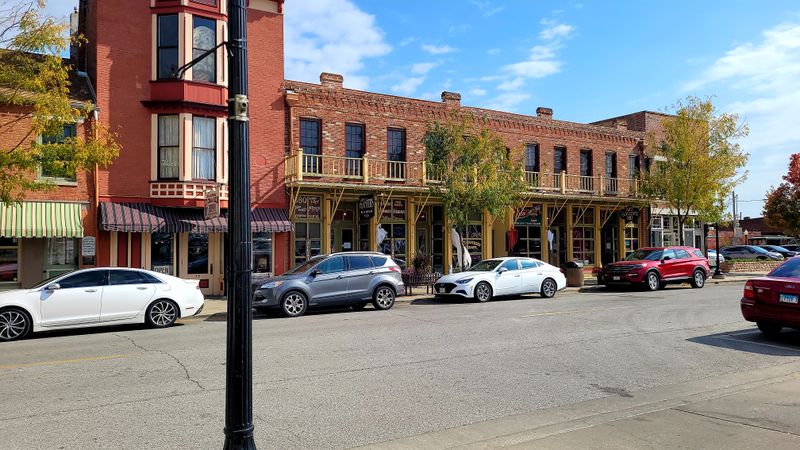
Main Street stretches along the riverfront like a perfectly preserved snapshot of small-town America from a gentler era.
The brick storefronts, many dating from the mid-to-late 1800s, house an eclectic mix of antique shops, bookstores, cafes, and galleries that invite leisurely exploration.
Unlike many historic districts that feel manufactured for tourists, downtown Hannibal retains an authentic lived-in quality where locals and visitors naturally mingle.
Java Jive at 211 N Main Street serves excellent coffee and pastries in a cozy atmosphere perfect for a mid-morning break from sightseeing.
The Ole Planters Restaurant at 316 Main Street offers hearty Midwestern comfort food in a casual setting that has welcomed hungry travelers for decades.
Browsing the shops reveals everything from Mark Twain memorabilia to locally crafted artwork, vintage collectibles, and Missouri-made specialty foods.
Several murals depicting scenes from Twain’s novels decorate building walls throughout downtown, creating impromptu outdoor art galleries along your walking route.
The riverfront park adjacent to Main Street provides benches and green space where you can rest while watching barges navigate the Mississippi’s strong currents.
Summer evenings often feature live music, special events, and extended shopping hours that give downtown a festive, community-gathering atmosphere.
The compact, walkable layout makes it easy to explore the entire downtown area on foot without feeling rushed or exhausted.
Autumn brings particularly pleasant conditions for strolling Main Street, with comfortable temperatures and beautiful fall foliage visible on the surrounding bluffs.
Free parking is generally available on side streets, making downtown access convenient for visitors driving through the region.
Cardiff Hill and Riverview Park
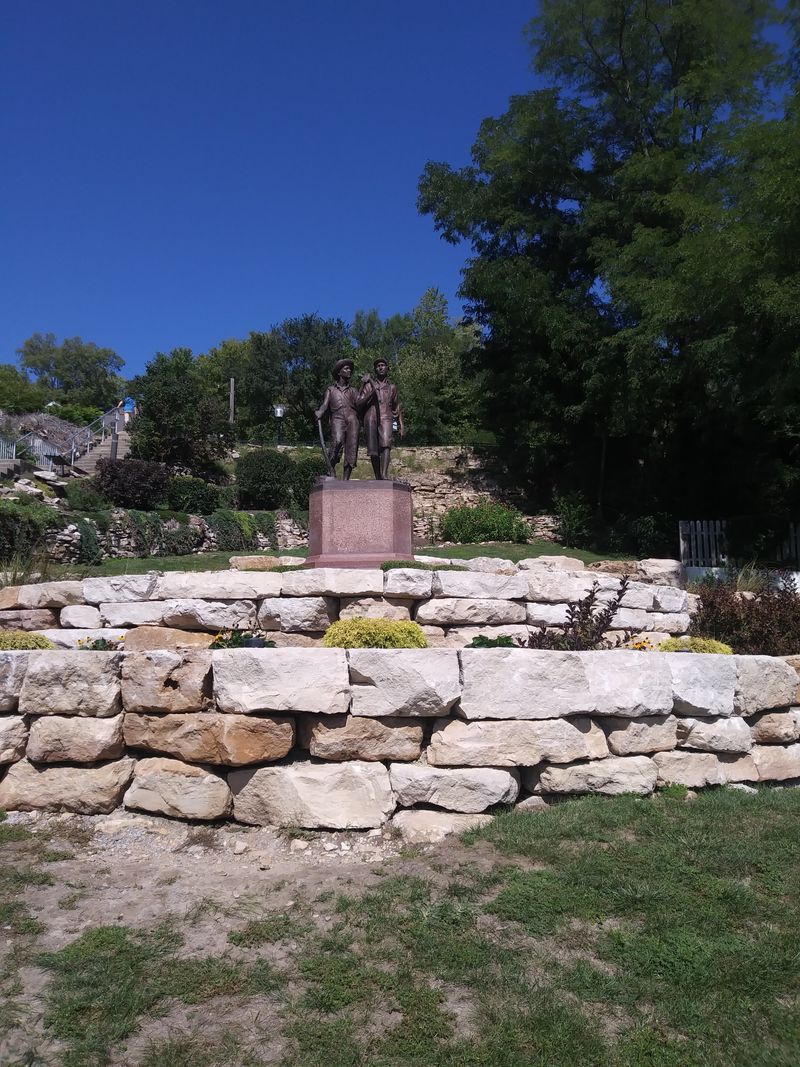
Rising dramatically above downtown Hannibal, this steep bluff appears repeatedly in Mark Twain’s novels as the high ground where Tom Sawyer and his friends played and plotted adventures.
The climb to the summit requires some effort, but the panoramic views of the Mississippi River, Illinois shoreline, and Hannibal spread below reward every step.
A bronze statue of Tom Sawyer and Huckleberry Finn stands at the base of the hill, capturing the two characters in mid-adventure and providing a popular photo opportunity for visitors.
The park surrounding the hill features walking paths that wind through wooded areas where you can imagine young Sam Clemens exploring these same bluffs over 170 years ago.
Benches positioned at strategic viewpoints invite contemplation of the river’s timeless flow and the landscape’s role in shaping American literature.
Early morning visits offer the best lighting for photography and the chance to watch mist rise from the river as the day awakens.
The park’s elevated position captures cooling breezes even on hot summer days, making it a pleasant retreat from downtown’s heat and humidity.
Autumn transforms the hillside into a spectacular display of red, orange, and gold foliage that rivals any fall scenery in the Midwest.
The area remains relatively quiet compared to downtown attractions, offering a more contemplative experience for visitors seeking connection with the natural landscapes that inspired Twain’s writing.
Sunrise and sunset create particularly dramatic lighting conditions that emphasize the river’s scale and the surrounding terrain’s rugged beauty.
The park is free to access and open year-round, though winter ice and snow can make the hillside paths treacherous and potentially dangerous.
Sawyer’s Creek and the Mississippi Riverfront
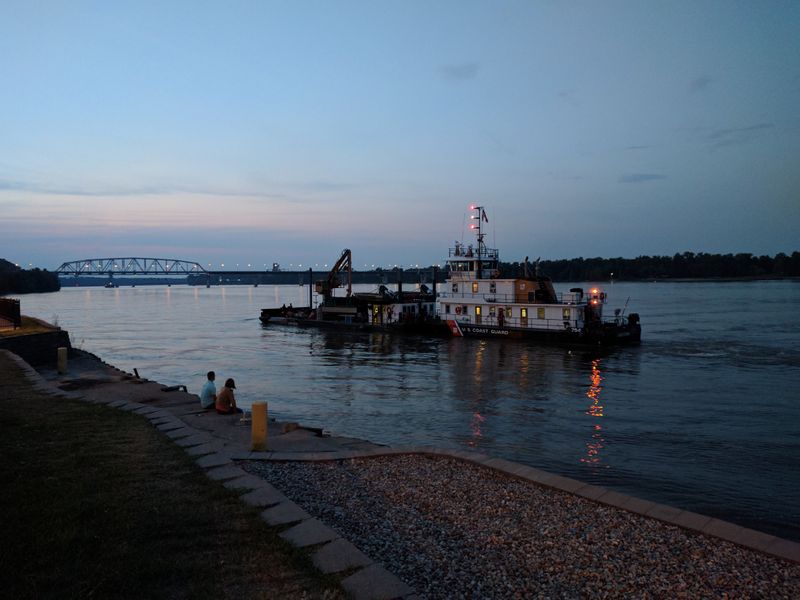
The riverfront represents the beating heart of Hannibal’s identity, the element that transformed this location from anonymous Missouri farmland into a significant river port and literary landmark.
Walking along the river’s edge, you encounter the same powerful currents, muddy waters, and sense of endless flow that captivated young Sam Clemens and later became central to his most famous works.
The Mississippi here runs wide and strong, carrying barges, wildlife, and the accumulated waters of half a continent toward the Gulf of Mexico.
Sawyer’s Creek, a small tributary mentioned in Twain’s writing, still flows into the Mississippi just south of downtown, though development has altered its course and character over the decades.
The riverfront walking paths provide excellent opportunities for bird watching, as herons, eagles, pelicans, and countless waterfowl use the Mississippi as a migration corridor.
Summer sunsets paint the river in shades of pink, orange, and purple, creating postcard-worthy scenes that draw photographers and romantics to the water’s edge.
The river’s moods change dramatically with seasons and weather, from placid and mirror-smooth on calm summer mornings to choppy and threatening during spring flood stages.
Interpretive signs along the riverfront explain the Mississippi’s ecology, its historical importance to commerce and transportation, and its role in American literature and culture.
Fishermen still cast lines from the rocky banks, continuing a tradition that stretches back through generations of Hannibal residents.
The riverfront park includes picnic areas and green spaces perfect for relaxing while watching the river’s constant motion and the occasional passing towboat pushing its load of barges.
Spring can bring high water that sometimes floods low-lying areas, but also creates dramatic displays of the river’s raw power and natural force.
Becky Thatcher House
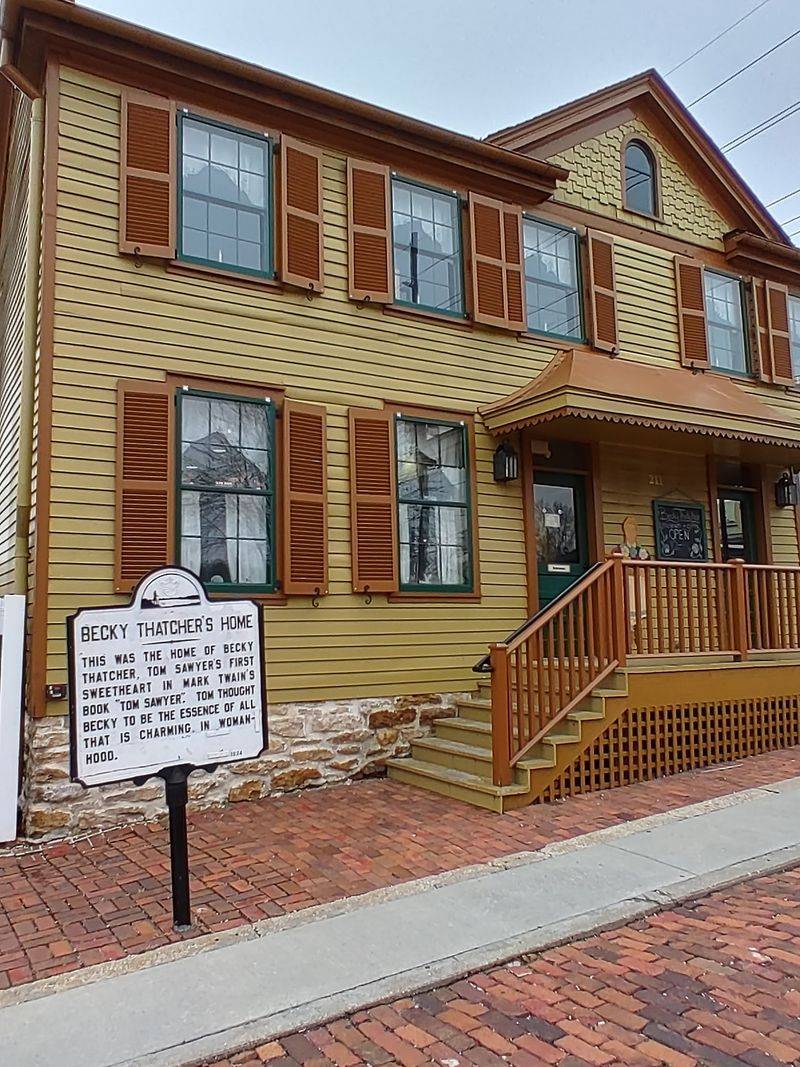
Directly across the street from the Mark Twain Boyhood Home stands the residence where Laura Hawkins lived, the real girl who became the inspiration for Becky Thatcher in The Adventures of Tom Sawyer.
The proximity of the two homes adds a layer of romantic reality to Twain’s fiction, as young Sam and Laura were indeed childhood friends and neighbors on Hill Street.
The house has been restored to reflect the 1840s period when the Hawkins family lived there, with period furnishings and decor that illustrate middle-class domestic life in antebellum Missouri.
Visitors learn about Laura Hawkins’ actual life, which continued long after her childhood friendship with Sam Clemens and extended well into the 20th century.
She lived to see herself immortalized as one of American literature’s most beloved characters, a strange fate for a real person who simply happened to grow up next door to a future literary genius.
The house’s intimate rooms and modest scale provide contrast to the grander Rockcliffe Mansion, illustrating the more typical living conditions experienced by most 19th-century Hannibal residents.
Interpretive displays explore the relationship between Twain’s real childhood experiences and his fictional recreations, showing how he transformed ordinary people and events into timeless stories.
The small garden behind the house has been planted with period-appropriate flowers and herbs that would have grown in a typical 1840s Missouri yard.
Combined tickets allow visitors to tour both the Twain and Thatcher houses, providing a more complete picture of the neighborhood where these future literary figures spent their formative years.
The house typically sees fewer crowds than the main Twain museum, offering a quieter, more contemplative experience for visitors interested in the human stories behind the famous novels.
Staff members share fascinating details about Victorian courtship customs, childhood games, and daily life that help visitors understand the world Twain was describing in his books.
Lover’s Leap and the River Bluffs
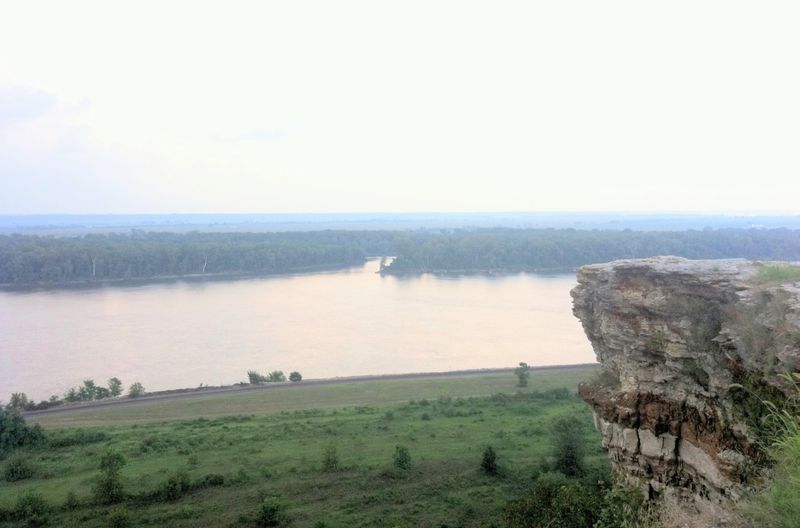
High above the river, this dramatic limestone outcropping offers some of the most breathtaking views in all of northeast Missouri.
The bluff’s name comes from a local legend about tragic romance, the kind of melodramatic tale that was popular in the 19th century and that young Sam Clemens would have heard during his Hannibal years.
Standing at the edge, you can see for miles up and down the Mississippi, watching the river curve through the landscape like a living thing.
The geological formations visible in the exposed limestone tell stories millions of years old, when this entire region lay beneath ancient seas.
The bluffs and high ground around Hannibal played crucial roles in Twain’s novels, serving as hiding places, lookout points, and settings for pivotal scenes in both Tom Sawyer and Huckleberry Finn.
Hawks and turkey vultures often soar on thermal updrafts along the bluff faces, riding invisible currents of warm air rising from the valley below.
Photographers find endless inspiration in the changing light conditions, seasonal variations, and dramatic perspectives available from these high vantage points.
The area requires careful footing and respect for the steep drops, as the natural terrain includes loose rocks and unguarded edges.
Spring wildflowers carpet the bluff tops with color, while autumn transforms the surrounding forests into a spectacular quilt of reds, oranges, and golds.
The relative isolation and natural character of the bluffs provide welcome contrast to the more developed tourist attractions downtown, offering a sense of the wild landscapes that existed before Hannibal’s founding.
Sunrise visits reward early risers with golden light spreading across the river valley and the chance to experience these dramatic landscapes in peaceful solitude before other visitors arrive.
Tom and Huck Statue and Lighthouse
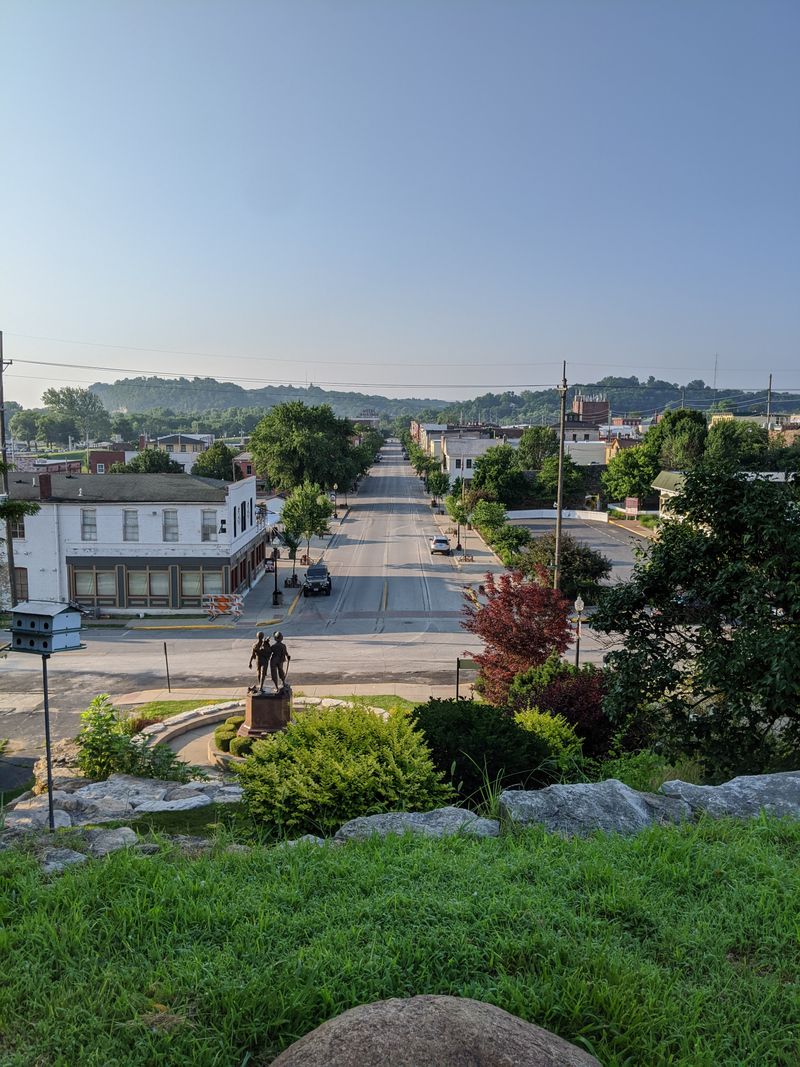
At the base of Cardiff Hill, this larger-than-life bronze sculpture captures Tom Sawyer and Huckleberry Finn frozen in a moment of boyhood adventure, their faces turned toward the river and the freedom it represents.
Created by sculptor Frederick Hibbard and dedicated in 1926, the statue has become one of Hannibal’s most recognizable symbols and most photographed landmarks.
Tom stands slightly taller, hand raised and pointing, while Huck slouches in his characteristic relaxed posture, barefoot and carrying his fishing pole, perfectly embodying the characters Twain created.
The statue’s placement at the hill’s base creates a symbolic connection between the real landscape and the fictional adventures that unfolded in Twain’s imagination and on his pages.
Behind the statue rises a red and white striped lighthouse, an unusual structure for a river town but one that has become another beloved Hannibal landmark.
The lighthouse, built in 1935 as a memorial to Mark Twain, never served any navigational purpose but stands as a monument to the author and his connection to river life.
Visitors can climb the narrow spiral staircase inside the lighthouse to an observation platform that provides elevated views of downtown and the river, though the climb is not recommended for those with mobility issues or fear of heights.
The area around the statue and lighthouse includes interpretive panels explaining the real people and places that inspired Twain’s most famous characters and settings.
Children love posing with the statue, often climbing on the base or standing beside the bronze boys as if joining their adventures.
The site remains accessible year-round and is particularly beautiful during early evening when the setting sun creates dramatic shadows and golden light illuminates the bronze figures.
The combination of statue, lighthouse, and surrounding parkland creates a concentrated dose of Hannibal’s Mark Twain heritage in a single photogenic location perfect for visitors with limited time.
Dear Reader: This page may contain affiliate links which may earn a commission if you click through and make a purchase. Our independent journalism is not influenced by any advertiser or commercial initiative unless it is clearly marked as sponsored content. As travel products change, please be sure to reconfirm all details and stay up to date with current events to ensure a safe and successful trip.
