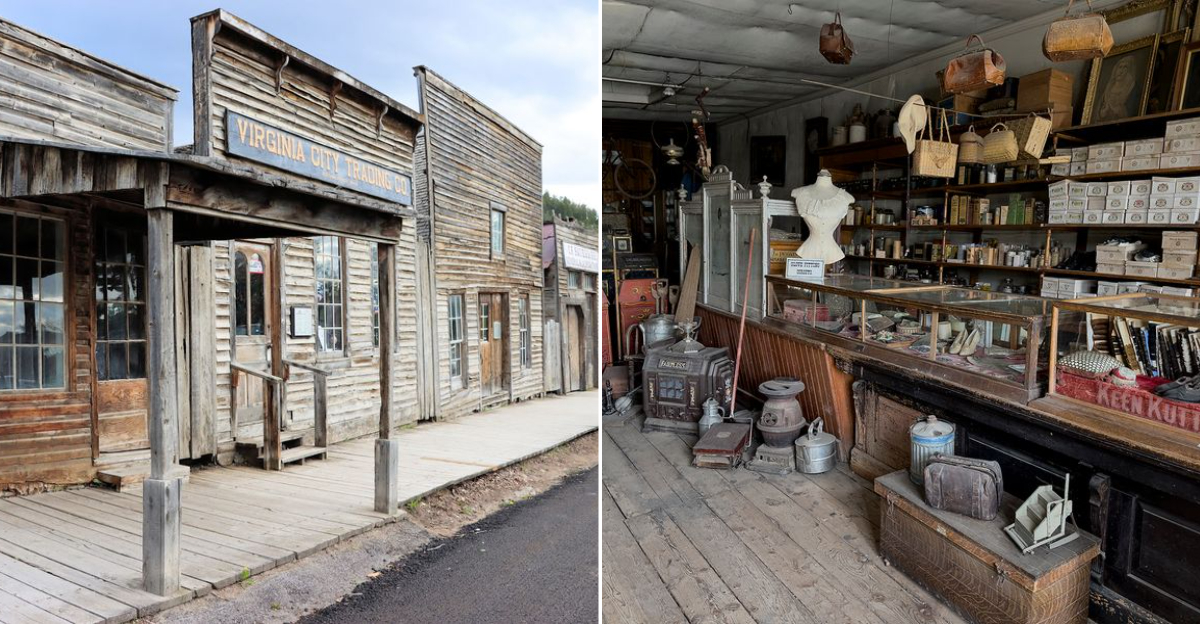
Want a ghost town that still knows how to put on a show? Virginia City, Montana feels like the past is still running the place, especially when you step onto the wooden boardwalks and hear your footsteps knock out that old-time rhythm.
The town is laid out like a real main street, with storefronts lined up close, weathered facades facing the road, and little side lanes that make you curious. It is not one lonely building and a plaque.
It is a whole stretch of history you can wander, with saloons, shops, and windows that still hold that lived-in shape. The setting does half the work, too.
Hills wrap around the town, the air feels crisp, and the quiet has a way of making you listen harder than you meant to. You slow down without trying, because everything around you looks like it remembers. If you want Montana history with a little ghost-town attitude, Virginia City is the move.
First Walk Down Wallace Street And The Boardwalk Feel
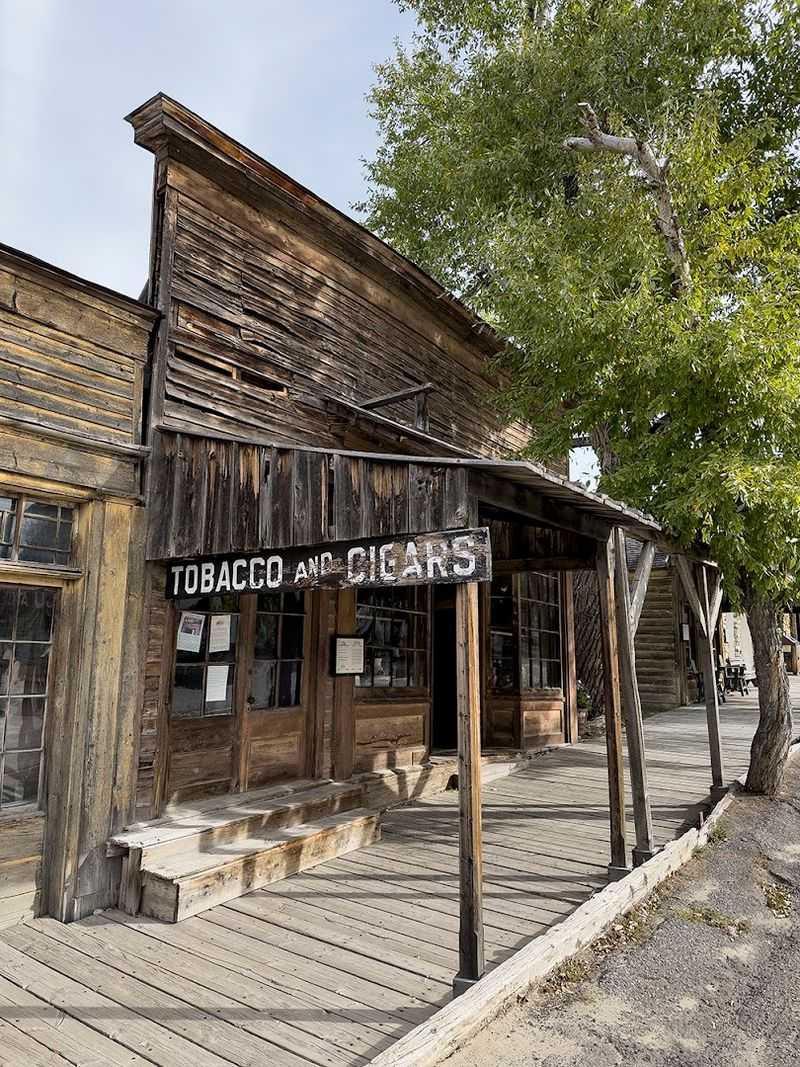
Let’s start right where your boots first hit the planks, because Wallace Street comes on quiet and then fills your ears with those soft wooden creaks. The boardwalk hugs a line of false fronts that look both fragile and stubborn, like they know wind and winter and still show up.
You notice the rhythm, that even step that happens when the ground beneath you is one long timber, steady and patient.
Keep your eyes sliding across the windows, because those panes reflect the sky and your face and whatever is moving behind you, and it all feels layered. The storefronts are narrow but deep in character, and every doorway holds a pause that is worth taking.
You hear your steps and picture others from long ago keeping the same pace, and it is strangely comforting.
There is a moment when the town scent sneaks in, a dry blend of dust, old pine, and sun that says Montana without trying. You do not need to hunt for a story here, because the boardwalk tells it while you move.
Start at one end and stroll slow, shake out your shoulders, and let the wood carry you forward like a patient guide who never rushes a word.
Why The Town Layout Still Looks Like A Set From Another Era
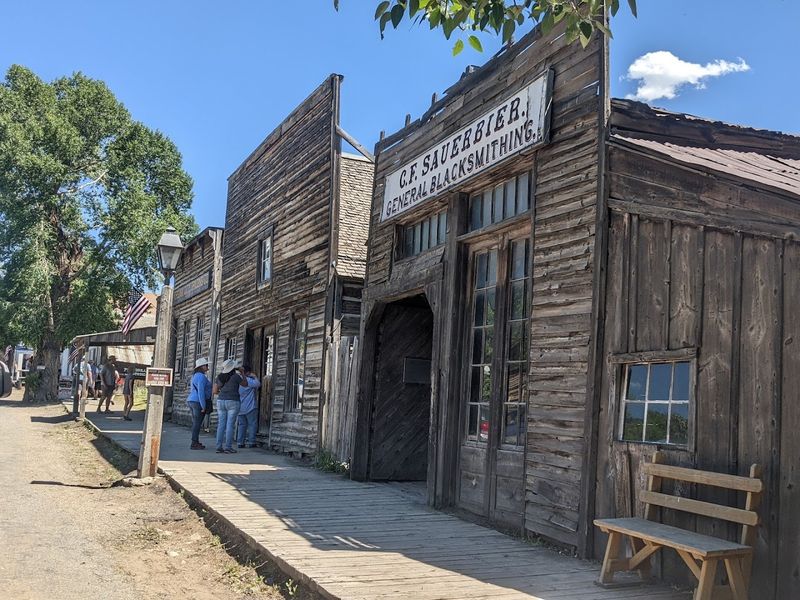
Stand at a corner and look both ways, and you will see why the town still reads like a scene drawn with a careful hand. Everything faces the street, tight and practical, with façades standing shoulder to shoulder like neighbors who share tools.
The line is straight, the sightline even, and your eye follows it without effort, as if the town invited you to walk and listen.
What makes it feel like a set is not fakery, it is commitment to how it was meant to work. Businesses sat close to the flow of boots and wagons, with back lots stretching into work yards and quiet.
The hills hold the whole thing in a soft bowl, so the scale stays human and the echoes stay near.
Montana towns like this were built for function first, and that practicality reads like design now, which is part of the charm. The grid is simple, the distances kind, and the boardwalk keeps your feet level while your mind roams.
If you pause mid-block and listen, the town layout will explain itself without a single sign, just lines and light and a pace that never hurries.
The Old Storefronts That Make You Slow Down Without Trying
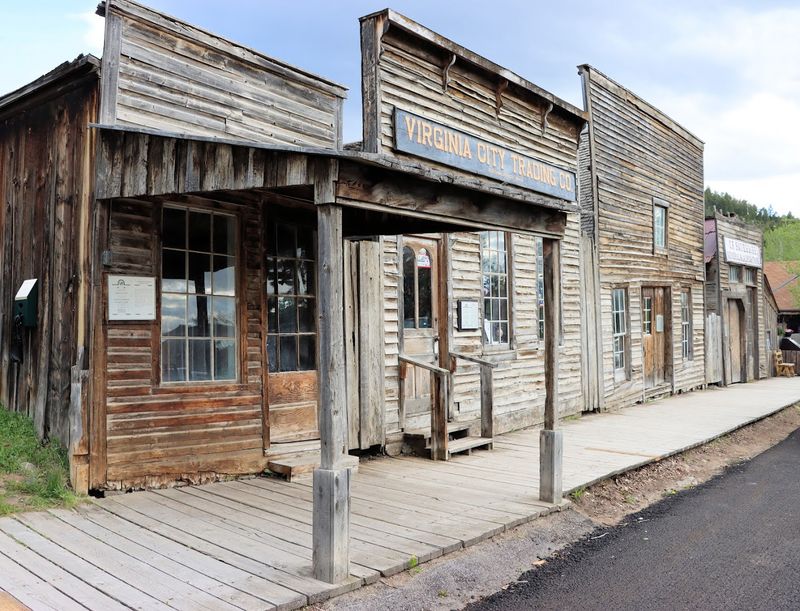
Some storefronts are all paint and polish, but these look like they remember names, which makes you check your reflection and grin. The glass is a little wavy, catching the sun and smudging the edges of whatever is inside.
Hand-lettered signs lean into the light, and hardware on the doors is sturdy in that satisfying, made-to-last way.
You end up stopping because each window is a short story, plain and friendly. Maybe it is a stack of tools, or a mannequin in a dress that looks ready for a photograph, or shelves that sag just enough to seem trustworthy.
The wood trim holds dings and scars, and none of it asks for your approval.
This is where Montana patience shows up again, quiet and steady. You can trace grain lines with your eyes and feel your shoulders drop while you do it.
When a breeze slides down the street, the storefronts catch it, and the whole row seems to breathe in unison, which is exactly the kind of small moment that keeps you rooted to the planks longer than planned.
Historic Saloon Stops And The Stories Behind Them
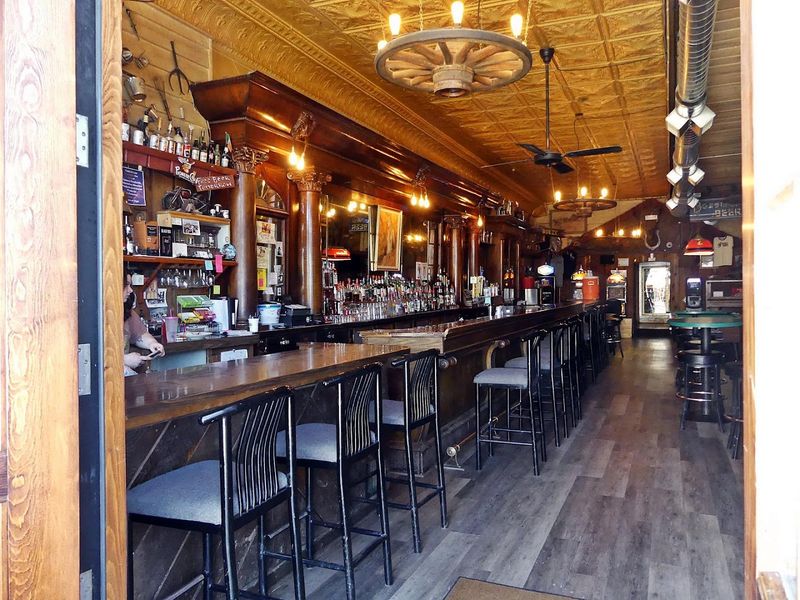
Walk past the swinging doors and you can almost hear the floor remember where people leaned and talked. The long counter runs like a spine, polished by sleeves and elbows, with mirrors that hold old light the way only thick glass can.
Hardware glints at the edges, sturdy and a little showy, like a promise that business gets done here.
The stories come easy in a place like this, because the room keeps them close. You can study the backbar carvings and see patient craftsmanship that took time, and then more time, and was worth it.
There are photographs on some walls that nod without fuss, as if to say you are standing where others stood, which you absolutely are.
Montana history never really hurries, and you feel that settled pace with every creak. Stand near a window and look at the boardwalk, then back at the fixtures, and let the line between outside and inside blur.
Whether you stop for a minute or settle in for a longer visit, the saloon rooms do their steady work, setting your mind to the tempo of the town and letting the old stories speak for themselves.
Shops And Museums That Turn Browsing Into Learning Fast
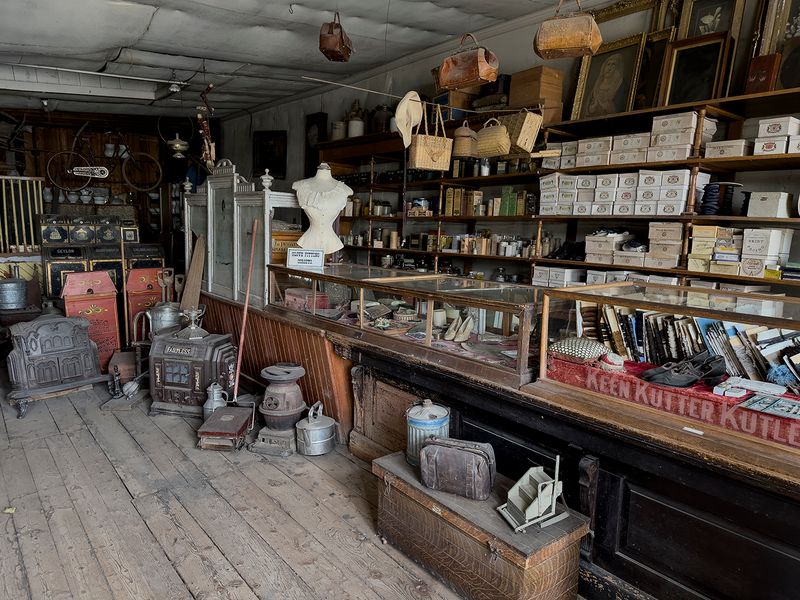
You know how sometimes browsing feels like drifting, and then suddenly you realize you actually learned something? That happens all the time in these shops and museum rooms, where artifacts sit close enough to read as neighbors.
Cases hold tools, ledgers, and tiny daily things that carry more weight than big headlines ever do.
Walk a few steps and you move from handmade gear to photographs that feel like quick doors, and it clicks how people sorted out ordinary days here. Labels keep it simple and tight, and the space around them lets your brain breathe.
The floors have that soft wooden give, and the air is a little cooler, which helps you linger without meaning to.
Montana history comes through as everyday decisions, not just grand moments, and these rooms make that feel practical and human. You leave one display and already want to circle back because something new clicked.
It is the kind of slow learning that sticks, the kind that happens when your hands rest on a railing and your eyes take their time, and then a quiet detail locks in and refuses to leave.
The Live Reenactment Energy That Keeps The Past Feeling Present
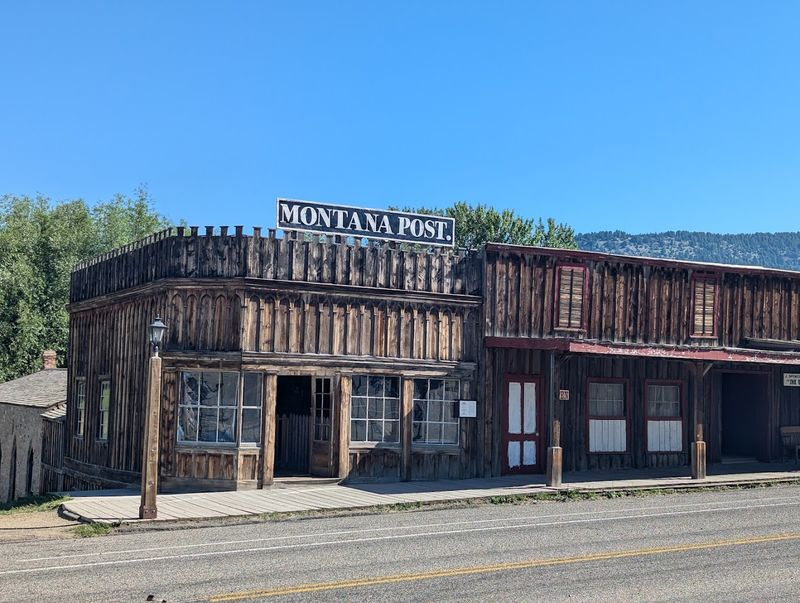
Catch a bit of street theater and you will feel the air tilt, like the day bends to make room for a different time. Costumed actors step out onto the boardwalk, and suddenly the buildings seem to lean in and listen.
It is not stiff or distant, more like a neighborly chat that wandered in wearing older clothes.
What makes it work is rhythm and eye contact, those small human cues that set your pace to theirs. A quick line here, a glance there, and your shoulders relax into the story before your mind argues.
The boardwalk wood does its percussion underneath, gentle and steady, while the scenes fold into the street without forcing anything.
Montana light has a way of warming the edges, and it helps stitch the whole scene together. Take a few photos if you want, but also stand still and just let the moment run across your skin.
When it wraps up, the quiet returns so naturally that you keep expecting another line, which tells you the town and the performance share the same heartbeat.
Easy Walking Plan So You See A Lot Without Rushing
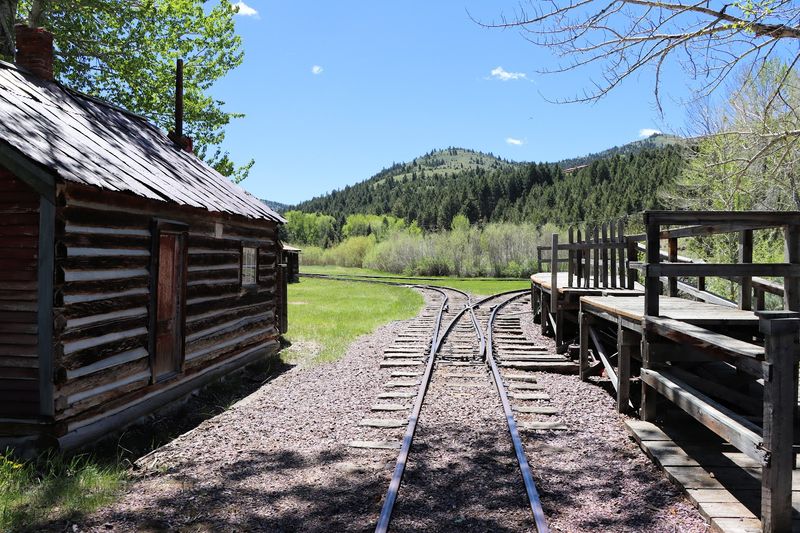
Here is a no-sweat plan that keeps you moving and noticing without turning the day into a checklist. Start at one end of Wallace Street, take the boardwalk in a steady line, and duck into every third doorway that catches your eye.
Between each stop, glide a block or so before you turn in again, which keeps your pace balanced and your curiosity fresh.
Give yourself time at the museum rooms when you feel the pull, then step back out before your focus blurs. Lean on the rail when the view across the street lines up clean, then cross and let the angles flip.
If your energy dips, find a shaded bench and listen for a minute, because the town sounds make a good reset.
Montana days like to stretch, so resist cramming. Keep the loop simple, out and back, with a short side wander when a sign or a doorway tugs.
By the time you reach your starting point again, you will have felt the rhythm twice over, which is the whole goal, because the second pass always shows you what the first one missed.
Nearby Detours, Nevada City And Other Quick Add-Ons
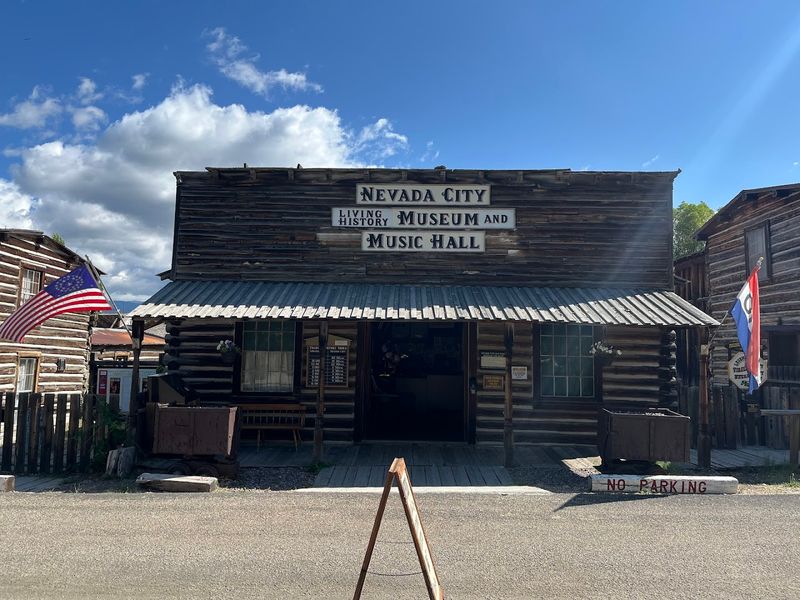
If you have a little gas left in your legs, slide over to Nevada City for a short detour that feels like a sibling visit. The buildings there line up with the same quiet confidence, and the boardwalks keep the step-by-step rhythm going.
You can drift between clusters of history and not lose the thread you picked up in Virginia City.
On the way, look back at the hills and notice how the valley cradles both towns. The connection feels close, which makes the day coherent instead of scattered.
You get that wider Montana picture without stretching yourself thin.
If time allows, poke around for small interpretive spots near the main drag, because the context clicks fast when you stack these places together. Keep it easy, keep it light, and let curiosity steer the next turn.
By the time you roll back into Virginia City, the boardwalk will greet you like you ducked out for a minute, which is exactly how a good detour should land.
Leaving Virginia City With Dust On Your Shoes And A Weird Smile

There is always that last look back, right before you step off the planks, where the street softens and everything gets quiet. Your shoes carry a little dust, which is exactly the kind of souvenir that slips under the door and stays a while.
The boardwalk holds the light like a secret and does not spill it.
On the drive out, you will replay small details, like a hinge squeak or a window ripple, and they will stack into something bigger than you expected. The town does not chase you, it just waves from its porch and goes on with its day.
Montana has a way of doing that, letting you keep what you noticed and leaving the rest right where it belongs.
So if you find yourself smiling for no clear reason, do not overthink it. That is just the boardwalk echo setting up camp in your head, slow and steady.
When you come back, because you will, your feet will remember the measure, and the wood will answer with the same calm rhythm you heard the first time.
Dear Reader: This page may contain affiliate links which may earn a commission if you click through and make a purchase. Our independent journalism is not influenced by any advertiser or commercial initiative unless it is clearly marked as sponsored content. As travel products change, please be sure to reconfirm all details and stay up to date with current events to ensure a safe and successful trip.
