Texas does not ease you in slowly. It hits you with open sky, long highways, and that unmistakable sense of space that makes everything feel bigger.
One minute you are winding through cedar-covered hills, the next you are standing on a mural-lined city block deciding which taco spot to try first. Nature, history, art, small towns with oversized personalities, and parks that look straight out of a documentary all exist within a few hours of each other.
The places on this list show just how varied this state really is. From quiet stretches of countryside to lively urban corners, Texas offers plenty to explore without draining your budget, and every mile feels different from the last.
1. Garner State Park
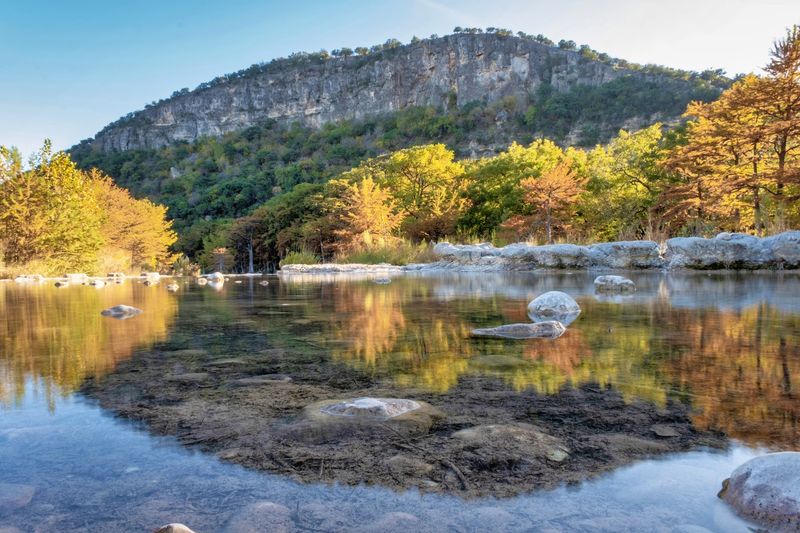
Standing at the edge of the Frio River for the first time, with cypress trees leaning over crystal-clear water, feels almost unreal. Garner State Park sits near the small town of Concan in the Texas Hill Country, and it has been drawing families and adventurers since it opened back in 1941.
The river runs cool even in the middle of summer, which makes it one of the most refreshing spots in the entire state.
Hiking trails wind through limestone hills covered in juniper and oak, offering views that reward every step. You can canoe, swim, or just float lazily downstream while listening to birdsong echo off the canyon walls.
Camping here feels genuinely peaceful, far from the noise of city life.
What makes Garner extra special is its old-school charm. There is a dance pavilion near the river where visitors have gathered for generations, and that tradition still carries on.
The park covers over 1,400 acres, giving you plenty of room to explore without ever feeling crowded. Bring sunscreen, a good pair of sandals, and an appetite for outdoor adventure because this place rewards those who come prepared and stay curious.
Address: 234 RR 1050, Concan, TX 78838
2. Fredericksburg
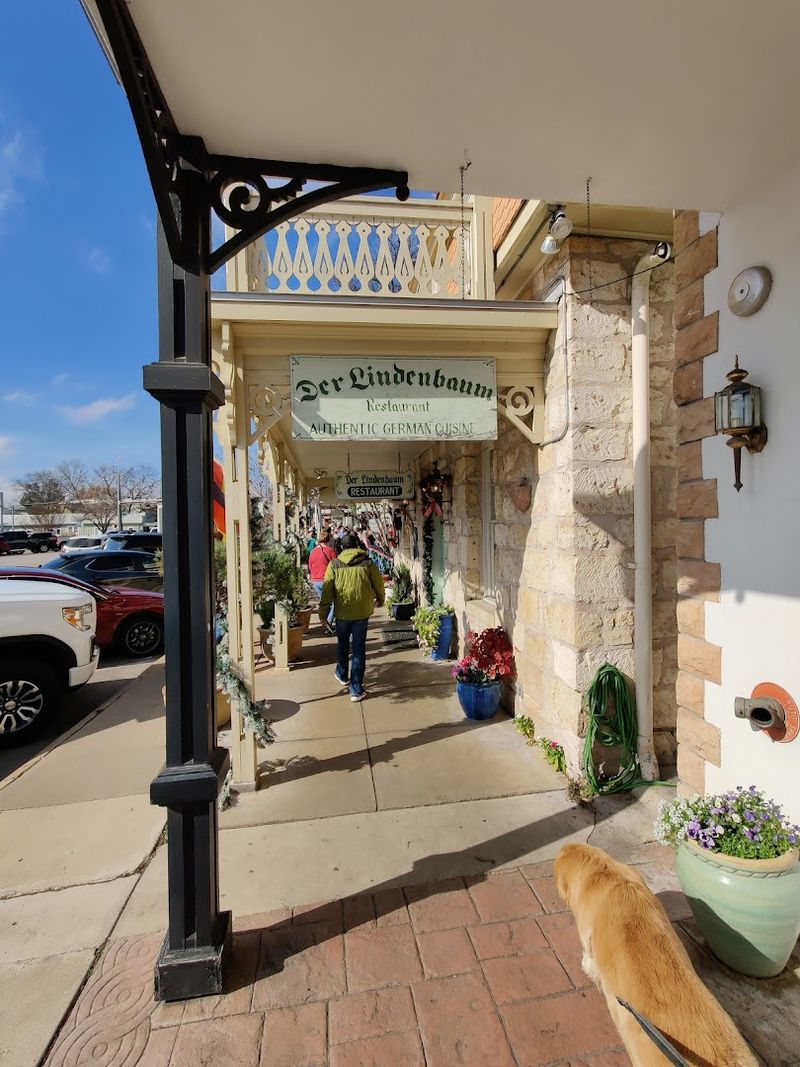
Fredericksburg moves at a pace that feels refreshingly unhurried, like the whole town agreed to slow things down just enough to let you breathe.
Nestled in the heart of the Texas Hill Country, this small city carries a strong German heritage that shows up in its architecture, its food, and even the names on the storefronts.
Walking down Main Street here feels like stepping into a storybook that somehow ended up in central Texas.
The town is surrounded by rolling hills dotted with wildflowers in spring, making even a casual drive through the countryside feel like a reward. History fans will love the National Museum of the Pacific War, which sits right in the middle of town and tells a powerful story through impressive exhibits.
Local bakeries serve warm pastries that are worth every single bite.
Antique shops line the streets, and local artisans sell handmade goods that make for meaningful souvenirs. The community hosts festivals throughout the year that celebrate everything from music to peaches, and those events draw visitors from across the state.
Fredericksburg is the kind of place you plan to visit for a day and end up staying for a weekend without any regrets whatsoever.
3. Bishop Arts District, Dallas

The Bishop Arts District in Dallas has this electric energy that hits you the moment you turn off the main road and start walking its narrow, mural-covered streets.
This compact area packs in an impressive mix of independent boutiques, local restaurants, coffee shops, and art galleries that feel genuinely curated rather than corporate.
It is the kind of neighborhood where every doorway leads somewhere interesting.
Local artists have left their mark all over the walls here, and the murals shift in style and message from block to block. You can spend hours wandering without a plan, popping into a bookstore here or grabbing a handcrafted pastry there.
The community vibe is warm and welcoming, drawing a mix of longtime residents, students, and curious visitors.
Weekends bring food trucks, pop-up markets, and live music spilling out of open doorways. Even on quieter weekdays, the district hums with creative activity.
This is one of those rare urban spots where the local character feels completely authentic and unscripted. If you want to see a side of Dallas that goes beyond the glittering skyline and big stadium energy, Bishop Arts is the place to start your exploration.
4. Bastrop State Park
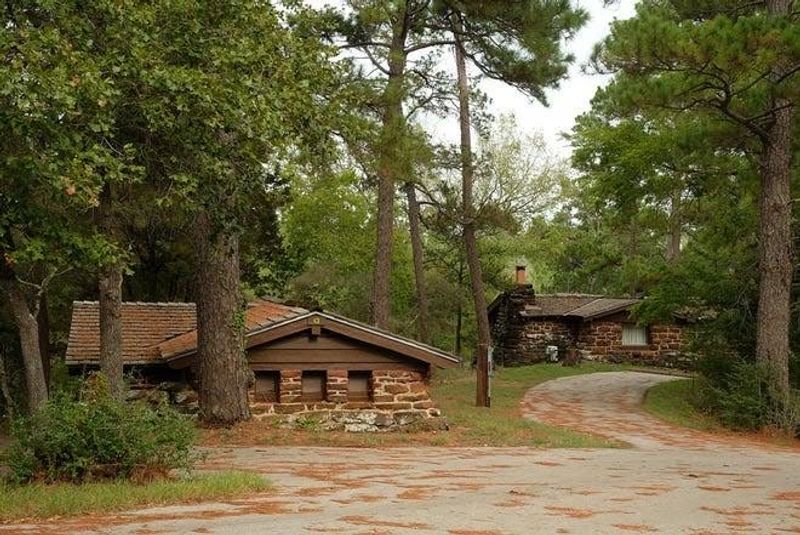
Bastrop State Park surprises people, and that is honestly part of its charm. Sitting just east of Austin in a region called the Lost Pines, this park is home to a unique stand of loblolly pines that exist far from their usual range, making the landscape feel oddly out of place in the best possible way.
The trees are tall, the air smells like a forest far north of here, and the trails are genuinely beautiful.
The park covers over 6,600 acres and offers hiking, biking, swimming, and some of the most character-filled historic cabins you can actually rent and stay in overnight. Those cabins were built by the Civilian Conservation Corps during the 1930s, and staying in one feels like a small step back in time.
The swimming pool is open seasonally and draws families looking for a cool afternoon escape.
After a wildfire swept through in 2011, the park has been in an ongoing recovery that visitors can actually witness firsthand. New growth pushes up alongside older trees in a quiet display of resilience.
Bastrop is not just a park, it is a living story about nature bouncing back, and watching that process unfold trail by trail is genuinely moving.
Address: 100 Park Road 1A, Bastrop, TX 7860
5. Nacogdoches
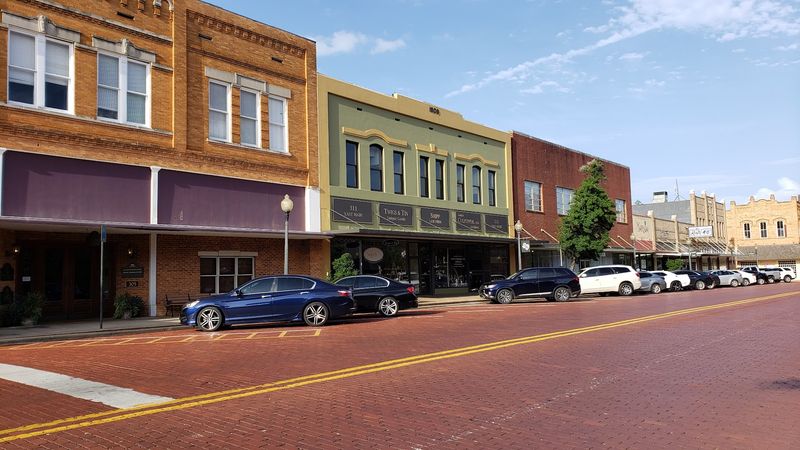
Nacogdoches carries a title that not many American towns can claim: the oldest town in Texas. That history runs deep here, woven into the brick streets, the old buildings, and the stories told at local museums.
Walking through downtown feels like reading a history book that someone brought to life and left outside for you to wander through at your own pace.
The Stone Fort Museum on the campus of Stephen F. Austin State University tells the story of the region from its earliest indigenous inhabitants through Spanish colonial times and into the days of the Republic of Texas.
It is small but genuinely fascinating. The Sterne-Hoya House Museum offers another glimpse into the 19th century with preserved rooms and artifacts that give context to the town’s layered past.
Beyond history, Nacogdoches has a lively arts scene fueled in part by the university community. The town is surrounded by the Piney Woods of East Texas, giving it a lush, green feel that contrasts beautifully with the drier landscapes further west.
Azalea trails bloom brilliantly in spring, and the local food scene offers some genuinely satisfying East Texas cooking. It is an underrated gem that rewards anyone willing to venture off the more obvious tourist trail.
6. San Antonio River Walk
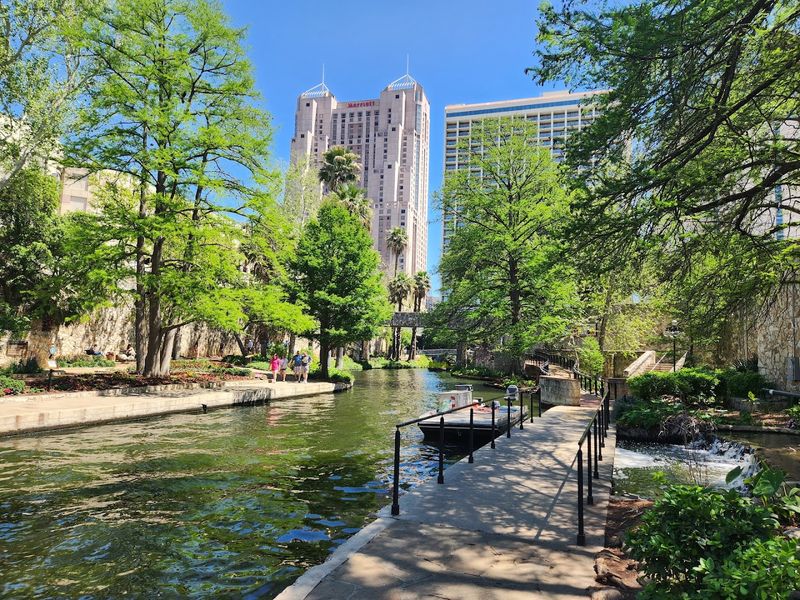
Few urban spaces in America feel as genuinely relaxing as the San Antonio River Walk on a warm evening. The network of stone pathways runs along the San Antonio River, dipping below street level and creating a world that feels almost entirely separate from the busy city above.
Cypress trees arch overhead, string lights glow between buildings, and the sound of the river moving beside you sets a rhythm that makes hurrying feel impossible.
The River Walk stretches for miles and connects some of the city’s most important cultural sites, including the historic Spanish missions and the vibrant Pearl District.
You can walk the entire stretch at a comfortable pace or hop on a flat-bottomed riverboat for a guided tour that offers a different perspective on the same beautiful scenery.
Either way, the experience is thoroughly enjoyable.
Restaurants line the banks and serve everything from traditional Tex-Mex to international cuisine, and people-watching here is genuinely top-tier entertainment. Festivals and cultural events pop up along the River Walk throughout the year, keeping the energy fresh no matter when you visit.
San Antonio itself is a city with extraordinary depth, and the River Walk is the thread that ties so much of it together in one accessible, walkable, endlessly charming experience.
7. Big Bend National Park
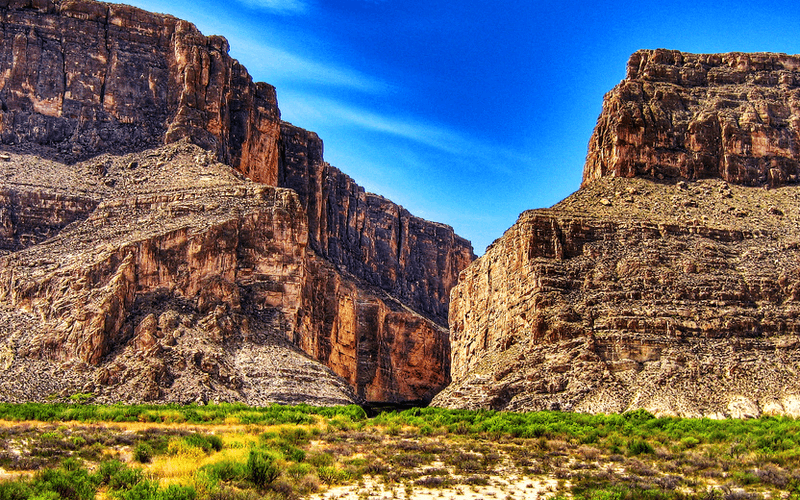
Big Bend is the park that makes you feel genuinely small in the most wonderful way. Covering over 800,000 acres along the Rio Grande in far West Texas, this national park is one of the most remote and least visited in the entire country, which means the experience there feels rare and unfiltered.
The landscape shifts constantly, from desert flats to dramatic mountain ranges to deep river canyons, and each transition takes your breath away.
Hiking trails range from short scenic walks to multi-day backcountry routes, so there is something for every level of adventurer. The Santa Elena Canyon hike is a standout, taking you right into a narrow gorge where canyon walls rise hundreds of feet on both sides.
The Rio Grande flows quietly at the bottom, and the scale of everything around you is genuinely humbling.
Stargazing at Big Bend is world-class. The park sits in one of the darkest regions in the lower 48 states, and on a clear night the Milky Way stretches across the sky in a way that urban visitors rarely get to see.
Camping under that sky, far from any light pollution, is an experience that resets something deep inside you. Big Bend is a long drive from almost anywhere, but it earns every mile.
8. Palo Duro Canyon State Park
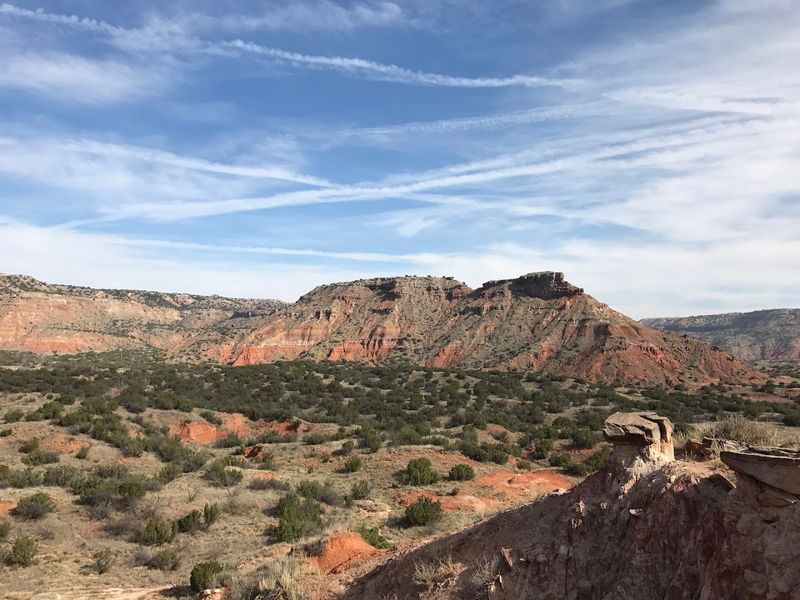
People often forget that Texas has its own version of the Grand Canyon, and Palo Duro is it. This canyon stretches for over 120 miles and plunges nearly 800 feet deep in places, revealing layers of colorful rock that tell millions of years of geological history.
The first time you pull up to the rim and look out, the scale of it genuinely catches you off guard.
The park offers over 30 miles of trails for hiking, mountain biking, and horseback riding, winding through formations with names like the Lighthouse, a striking rock pillar that serves as the park’s most iconic landmark.
The hike to the Lighthouse takes a few hours round trip and passes through some of the most visually dramatic terrain in the entire state.
Bring plenty of water because the canyon can get very hot.
An outdoor musical drama called Texas runs in the canyon during summer evenings, performed against the canyon walls with the setting sun as a backdrop. It is a theatrical experience that feels uniquely suited to this landscape.
Camping inside the canyon puts you directly inside the scenery, and waking up surrounded by those red rock walls is something that tends to stay in your memory for a long time.
9. Galveston Island
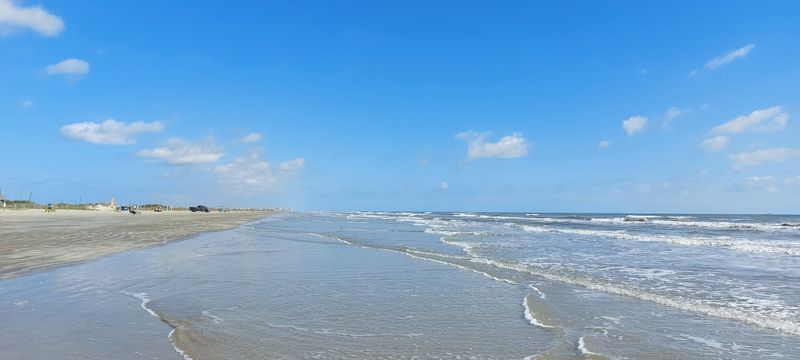
Galveston has a mood that is hard to pin down but impossible to forget. This barrier island off the Texas Gulf Coast carries layers of history, from its days as the wealthiest city in Texas in the late 1800s to the devastating hurricane of 1900 and its long, determined recovery.
Walking through the Strand Historic District, with its ornate Victorian buildings lining the street, feels like the city is quietly showing off everything it has survived and rebuilt.
The beaches here are wide and accessible, stretching along the Gulf side of the island with a relaxed energy that suits families, couples, and solo travelers equally well. Seawall Boulevard runs parallel to the shore and offers a long, flat path perfect for cycling or just walking with the sea breeze in your face.
The Gulf water is warm for much of the year, and the waves are gentle enough for kids to play in comfortably.
Moody Gardens is a unique attraction featuring pyramid-shaped structures that house an aquarium, a rainforest exhibit, and a discovery museum all in one place. The historic Pleasure Pier extends over the Gulf and offers rides and carnival games with ocean views.
Galveston rewards slow, curious exploration. The more time you give it, the more the island reveals about itself, and about the resilient coastal character of the people who call it home.
10. Austin’s Barton Springs Pool
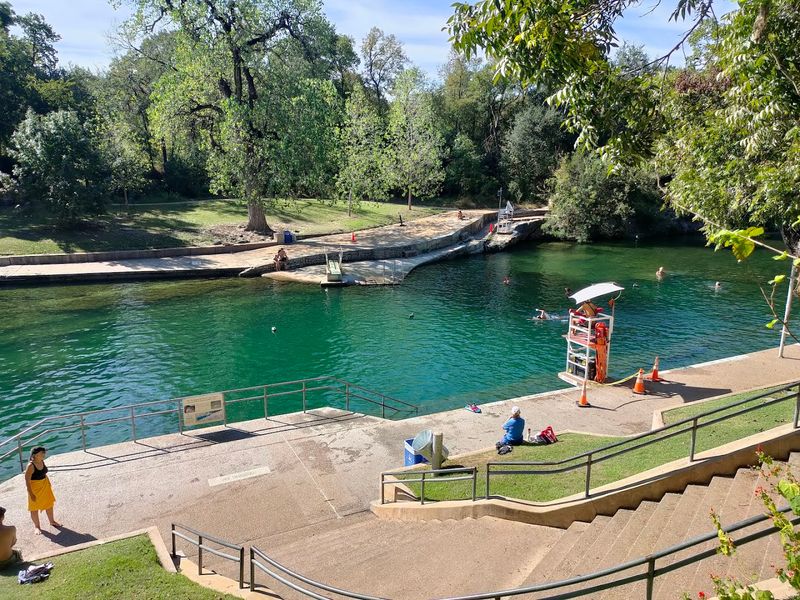
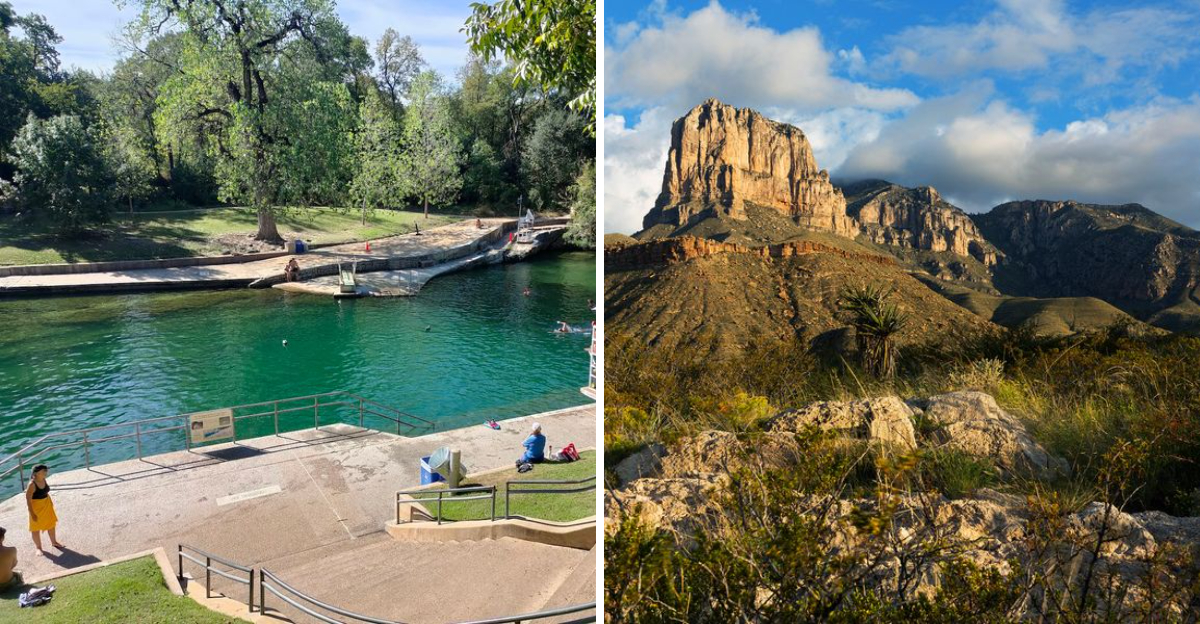
Barton Springs Pool is the kind of place that makes you understand why people fall in love with Austin. Fed by underground springs, this natural swimming hole stays around 68 degrees year-round, which means it is refreshingly cold in summer and surprisingly comfortable even in cooler months.
Locals have been swimming here for generations, and the pool has become one of the most beloved outdoor spaces in the entire city.
The pool stretches about three acres, making it large enough to actually swim laps or just drift around without feeling cramped.
It sits inside Zilker Park, surrounded by giant pecan trees that provide shade along the grassy banks where people spread out blankets, read books, and let the afternoon pass without any particular urgency.
The atmosphere is casual and deeply local in the best possible way.
The springs also support an endangered species of salamander found nowhere else on Earth, which adds an interesting ecological layer to what is already a remarkable place.
Environmental advocates have worked hard over the years to protect the watershed that feeds the springs, and that effort shows in the clarity of the water.
Visiting Barton Springs is not just a swim, it is a full sensory experience that captures something essential about Austin’s relationship with the natural world around it.
Address: 2131 William Barton Dr, Austin, TX 78746
11. Guadalupe Mountains National Park
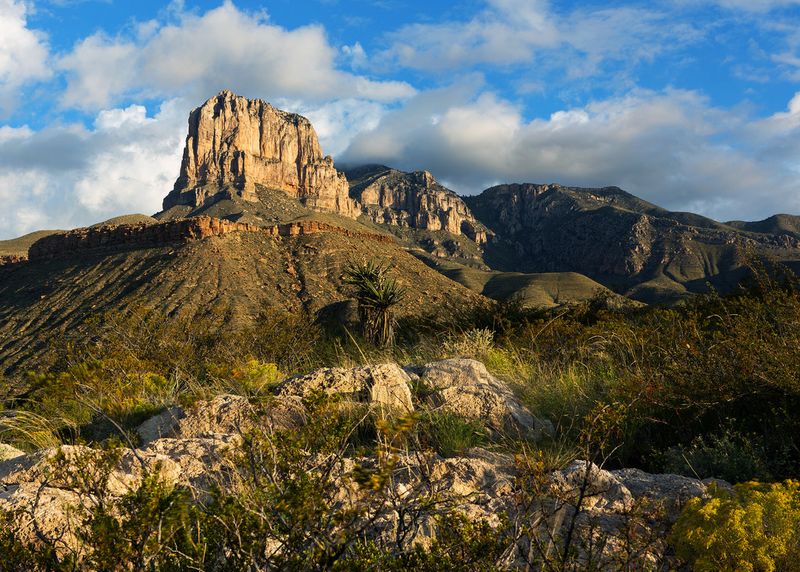
The Guadalupe Mountains rise abruptly out of the West Texas desert like something from another world entirely. This national park protects the ancient remains of a Permian-era reef, which means the rocks beneath your feet were once the floor of a shallow tropical sea over 250 million years ago.
That kind of deep time perspective makes every hike here feel like a conversation with something much larger than yourself.
Guadalupe Peak, the highest point in Texas at 8,751 feet, draws hikers who want to earn a summit with real effort. The trail is about 8.5 miles round trip and gains significant elevation, but the views from the top stretch into New Mexico on a clear day.
It is a challenging but deeply satisfying climb that rewards persistence in the most direct way possible.
The park also protects McKittrick Canyon, widely considered one of the most beautiful spots in Texas, especially in fall when the canyon’s bigtooth maples turn brilliant shades of red and gold. Wildlife is abundant here, including mule deer, elk, and a variety of raptors that circle the limestone cliffs.
The park sees far fewer visitors than other national parks of comparable beauty, which means you can often find genuine solitude on the trails. That quiet is part of what makes the Guadalupes feel so special and so worth seeking out.
Dear Reader: This page may contain affiliate links which may earn a commission if you click through and make a purchase. Our independent journalism is not influenced by any advertiser or commercial initiative unless it is clearly marked as sponsored content. As travel products change, please be sure to reconfirm all details and stay up to date with current events to ensure a safe and successful trip.
