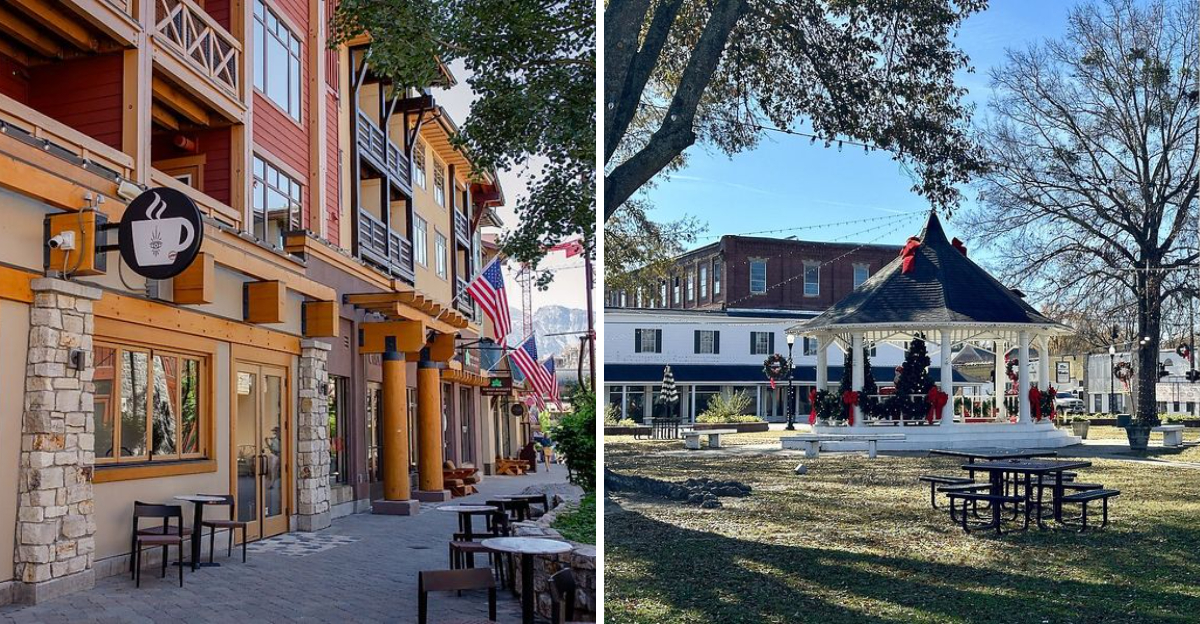
Arkansas is home to bustling cities like Little Rock and vibrant college towns like Fayetteville, but scattered across the state are small towns that seem frozen in time.
These places have stayed small and quiet while the rest of the world moved on, offering little in the way of excitement or modern amenities.
Whether you’re passing through or just curious about the forgotten corners of the Natural State, these twelve towns represent the quieter, slower side of Arkansas life that never quite caught up with growth and change.
1. Calico Rock
Nestled along the White River, Calico Rock is a tiny community that has barely changed since its heyday decades ago.
The population hovers around 800 residents, and the downtown area consists of just a handful of aging storefronts that see little foot traffic. Visitors might appreciate the scenic river views, but there is not much else to hold their attention for long.
The town does host a small museum dedicated to local history, but it keeps limited hours and rarely draws crowds. Fishing enthusiasts sometimes stop by to access the river, though most continue on to more developed areas nearby.
The lack of restaurants, entertainment venues, and shopping options makes Calico Rock feel more like a rest stop than a destination.
If you enjoy absolute peace and quiet, this town delivers that in abundance. However, for those seeking activity, culture, or even a decent coffee shop, Calico Rock simply does not have much to offer. It remains a sleepy riverside hamlet that time forgot.
2. Gillett
Surrounded by endless rice fields and farmland, Gillett is a farming community that has seen better days. With a population under 700, the town revolves around agriculture and not much else.
The main street features a few old buildings, a post office, and a convenience store, but entertainment and dining options are virtually nonexistent.
Gillett once thrived as a hub for local farmers, but as younger generations moved to larger cities, the town’s energy faded. There are no movie theaters, parks with modern amenities, or places where families can gather for fun activities.
The annual Coon Supper, a quirky local tradition, draws some attention, but it is a once-a-year event that does little to change the town’s overall quiet nature.
Residents here know each other well, and the sense of community is strong, but there is little to attract visitors or new residents. The town remains stuck in a bygone era, with few signs of growth or revitalization on the horizon.
3. Marvell
Located in the Arkansas Delta, Marvell is a town that has struggled with population decline for years. Once a bustling railroad stop, it now has fewer than 1,000 residents and a downtown that feels mostly abandoned.
Empty storefronts line the main drag, and there are few businesses left to serve the community.
The town’s economy has suffered as agriculture mechanized and jobs disappeared, leaving little opportunity for young people to stay. There are no major attractions, no vibrant downtown scene, and very limited dining options.
The few remaining residents are largely older folks who have lived here their entire lives.
Marvell does have a small park and a community center, but they see little activity. Visitors passing through might stop for fuel or a quick bite, but there is no reason to linger.
The town represents the challenges many Delta communities face, with shrinking populations and few resources to spark renewal or interest.
4. Dumas
Dumas sits in the heart of Arkansas’s agricultural region, and farming is essentially the only game in town. With a population around 4,000, it is larger than some entries on this list but still feels remarkably sleepy.
The downtown area has a few shops and services, but there is no bustling nightlife, no trendy cafes, and no cultural attractions to speak of.
The town’s economy depends heavily on crops like soybeans and rice, which means most residents work long hours in the fields or related industries. There is little investment in tourism or entertainment, so visitors will find almost nothing to do here.
A small museum and a couple of parks provide minimal diversion, but they are not enough to hold anyone’s interest for long.
Dumas does have a strong sense of community, with local events like high school football games drawing crowds. However, for outsiders or those seeking excitement, the town offers little appeal. It remains a quiet, work-focused place with few signs of growth or change.
5. Rison
Rison is a small town in Cleveland County with a population of around 1,200 people. It is the kind of place where everyone knows everyone, and not much happens from day to day. The downtown area is minimal, with just a few essential services like a bank, a post office, and a small grocery store.
There are no restaurants worth mentioning, no entertainment venues, and no attractions that would draw tourists or even curious travelers. The town’s economy is based on timber and agriculture, and most residents commute to nearby Pine Bluff for shopping or dining.
Rison does have a small park, but it is basic and rarely busy.
The pace of life here is slow, and change comes even slower. While some might appreciate the tranquility, others would find Rison dull and lacking in opportunities. The town has not seen significant growth in decades, and there are few signs that it will anytime soon.
It remains a quiet, unassuming place that most people pass through without a second thought.
6. Star City
Despite its optimistic name, Star City is anything but glamorous. This small town in Lincoln County has a population of around 2,000 and offers very little in terms of excitement or growth.
The downtown area is quiet, with a few old buildings and businesses that barely scrape by.
Star City was once a more active community, but economic decline and population loss have left it feeling hollow. There are no major employers, no cultural attractions, and no dining or entertainment options that would appeal to visitors.
The town does have a small park and a community center, but they see minimal use.
Residents here are friendly and tightly knit, but opportunities are scarce. Young people leave for college or jobs in bigger cities, and few return. The town’s main claim to fame is its annual Grits Festival, which draws a modest crowd but does little to change the overall sleepy vibe.
Star City remains a place where time moves slowly and growth is a distant dream.
7. Monticello
Home to the University of Arkansas at Monticello, this town has a population of around 9,000 but still feels surprisingly stagnant. While the college brings some energy during the school year, the town itself lacks vibrancy and modern amenities.
The downtown area is quiet, with a few local shops and restaurants that cater mostly to students and faculty.
Outside of the university, there is not much happening in Monticello. The town has a small museum and a few parks, but they are not particularly noteworthy. Dining options are limited, and entertainment is almost nonexistent beyond what the college offers.
Most students and residents travel to larger cities for shopping, movies, or a night out.
Monticello has not experienced the growth or development seen in other college towns across the state. The local economy remains sluggish, and there is little investment in tourism or cultural attractions.
While the university keeps the town from completely fading away, Monticello still feels like a place that has not quite figured out how to thrive.
8. Hamburg
Located near the Louisiana border, Hamburg is a small town with a population of around 2,800 that feels much smaller.
The downtown area is quiet and outdated, with few businesses and even fewer reasons for visitors to stop. The local economy is based on agriculture and timber, and there is little diversity in employment or entertainment.
Hamburg has a small park and a community center, but they see little activity. There are no notable restaurants, no cultural attractions, and no events that draw crowds from outside the area.
The town has struggled with population decline and economic stagnation for years, and there are few signs of improvement.
Residents here are hardworking and friendly, but opportunities are limited. Young people often leave for college or jobs elsewhere and do not return. Hamburg remains a quiet, sleepy town that has not kept pace with the rest of the state.
It is a place where life moves slowly and change is rare, making it one of the most uneventful towns in Arkansas.
9. Dermott
Dermott is a small Delta town with a population of around 2,500 that has seen better days. The downtown area is quiet and largely empty, with many storefronts boarded up or abandoned.
The local economy has struggled for decades, and there are few jobs or opportunities to keep people in town.
There are no major attractions, no vibrant dining scene, and no entertainment options to speak of. The town does have a small park and a community center, but they are underutilized and in need of updates.
Dermott’s location in the Delta means it is surrounded by farmland, but agriculture alone has not been enough to sustain growth or vitality.
Residents here are tight-knit and supportive of one another, but the challenges are real. Young people leave in search of better opportunities, and the population continues to shrink. Dermott represents the struggles many small Delta towns face, with limited resources and little hope for revitalization.
It remains a quiet, forgotten place that time has largely passed by.
10. McGehee
McGehee is a Delta town with a population of around 4,000 that has struggled with decline for years. The downtown area is quiet, with a few local businesses that serve the community but little to attract visitors. The local economy is heavily tied to agriculture, and there are few other industries or employers in the area.
The town has a small museum and a couple of parks, but they are not particularly noteworthy or well-maintained. Dining and entertainment options are extremely limited, and most residents travel to larger cities for shopping or recreation.
McGehee does host a small annual festival, but it draws mostly locals and does little to change the town’s overall sleepy character.
Young people leave McGehee in search of better opportunities, and the population continues to age and shrink. The town has not seen significant investment or development in decades, and there are few signs that things will change anytime soon.
McGehee remains a quiet, unassuming place that has not kept pace with growth or modernization.
11. Crossett
Crossett is a town of around 5,000 people in southeastern Arkansas, and its identity is closely tied to the timber industry. For decades, the local paper mill was the heart of the economy, but as the industry has changed, the town has struggled to adapt.
The downtown area is quiet, with a few shops and restaurants but little to draw visitors or new residents.
There are no major attractions or cultural sites in Crossett, and entertainment options are minimal. The town does have a small park and a community center, but they see limited use. Most residents work in timber-related jobs or commute to nearby cities for employment.
The lack of diversity in the local economy has made growth difficult.
Crossett has a strong sense of community, with residents who are proud of their town’s history. However, the reality is that opportunities are limited, and young people often leave in search of better prospects. The town remains stuck in a cycle of slow decline, with little investment or innovation to spark change.
12. Lake Village
Situated near Lake Chicot, the largest natural lake in Arkansas, Lake Village should be a thriving tourist destination. Instead, it is a quiet town of around 2,500 people with little to offer beyond fishing access. The downtown area is minimal, with a few aging storefronts and very limited services.
While the lake itself is beautiful and attracts some anglers, the town has not capitalized on its natural asset. There are no vibrant marinas, no trendy lakeside restaurants, and no modern lodging options to draw visitors.
The local economy is weak, and the town has struggled with population decline for years.
Lake Village does have a small state park nearby, but it is underdeveloped and sees modest visitor numbers. The town feels disconnected from the rest of the state, with few amenities and little sense of progress. Residents are friendly, but opportunities are scarce.
Lake Village remains a place with potential that has never been realized, stuck in a pattern of stagnation and decline.
Dear Reader: This page may contain affiliate links which may earn a commission if you click through and make a purchase. Our independent journalism is not influenced by any advertiser or commercial initiative unless it is clearly marked as sponsored content. As travel products change, please be sure to reconfirm all details and stay up to date with current events to ensure a safe and successful trip.
