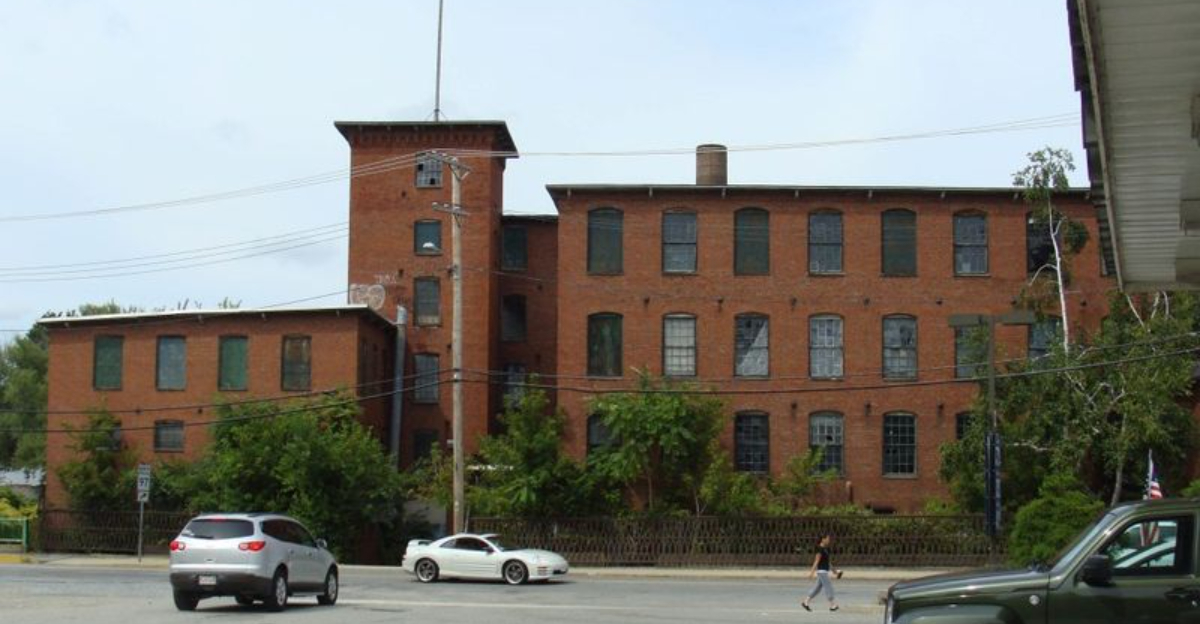
Massachusetts isn’t just about Boston’s hustle or Cape Cod’s beaches. Scattered across the state are cities where history stands still, wrapped in the scent of ocean breezes and old factory dust.
These places once roared with industry; whaling ships, textile mills, and shoe factories; but now they hum quietly with memories of busier times.
If you’re curious about the quieter side of the Bay State, these cities tell stories of faded glory and slow-paced living.
1. New Bedford
Once crowned the whaling capital of the world, New Bedford’s glory days are preserved in its cobblestone streets and towering brick mills. The waterfront still bustles with fishing boats, but the city moves at a slower rhythm than its 19th-century peak.
Walk downtown and you’ll catch the briny smell of the working fleet mixed with the musty scent of old factories. The massive mills stand as silent monuments to the textile boom that followed whaling’s decline.
Today, the city feels like a living museum where history outweighs excitement. While culturally rich, it lacks the energy that draws younger crowds seeking entertainment.
2. Fall River
Fall River’s claim to fame rests on two things: massive textile mills and the Lizzie Borden murder case. Its location on Mount Hope Bay delivers constant salt air, while endless rows of empty brick factories provide the dust.
The architecture here tells stories of when this city was an industrial powerhouse. Mills stretch for blocks, their windows dark and their machinery long silent. Downtown feels frozen in time, with more history than happening.
For visitors expecting excitement, Fall River disappoints. The pace is slow, nightlife is minimal, and the atmosphere leans heavily toward nostalgia rather than innovation or entertainment options.
3. Taunton
Taunton earned its reputation as a major producer of copper, silver, and textiles during America’s industrial boom. The Taunton River connects it to the sea, bringing hints of salt to this slightly inland city.
Movoto ranked Taunton among Massachusetts’ most boring cities, pointing to scarce nightlife and limited entertainment. The downtown area feels sleepy, with historic buildings that speak more to past achievements than current excitement. Empty storefronts outnumber bustling businesses in some areas.
While residents appreciate the quiet, visitors often find little to do after dark. The dusty remnants of manufacturing glory mix with river breezes to create that distinctive salt-and-dust atmosphere.
4. Gloucester
America’s oldest fishing port still sends boats out daily, but Gloucester’s city center feels preserved in amber. The waterfront remains active, yet the overall vibe is one of quiet tradition rather than vibrant energy.
Salt air dominates every breath here; it’s impossible to escape the ocean’s presence. Historic architecture lines the streets, beautiful but unchanging. Compared to nearby Boston, Gloucester moves at a glacial pace that some find charming but others consider dull.
The city celebrates its maritime heritage proudly, but that focus on the past leaves little room for modern entertainment. Tourists visit for history and scenery, not excitement or nightlife.
5. Lynn
Lynn once dominated America’s shoe and leather manufacturing, earning the motto “Lynn, Lynn, the city of sin.” Today, it’s a densely populated coastal city undergoing slow revitalization, but sections still feel gritty and forgotten.
The sea air from Lynn Shore Drive mixes with the dusty feel of old industrial neighborhoods. Massive brick factories stand in various states of use and disrepair. While some areas are improving, much of Lynn retains its working-class, industrial character.
Entertainment options remain limited compared to neighboring communities. The city’s reputation suffers from its rough-around-the-edges appearance, despite waterfront beauty and affordable housing attracting new residents.
6. Salem
Beyond the witch museums and October crowds, Salem’s vast residential areas reveal its origins as a major 18th-century seaport. The brick buildings and old wharves create an atmosphere thick with history and salt air.
Tourist season brings energy, but the rest of the year feels remarkably quiet. Most of Salem exists outside the downtown Halloween spectacle, quiet streets lined with colonial homes and faded maritime infrastructure.
The city trades heavily on its witch trial history, but that single event from 1692 can’t sustain year-round excitement. Locals know Salem as a place where the past overshadows the present in almost every neighborhood.
7. Lawrence
Lawrence represents one of New England’s most impressive collections of textile mill architecture. The Merrimack River powered these colossal brick factories that now sit largely unused, creating a distinctly dusty industrial heritage landscape.
Though not coastal, the river brings its own character to this city. Lawrence ranked in Movoto’s top ten most boring cities due to limited arts venues and nightlife options. The downtown struggles with vacancy despite the architectural grandeur.
Walking through Lawrence feels like touring an outdoor museum of the Industrial Revolution. The scale is breathtaking but the energy is minimal, with more focus on surviving than thriving economically.
8. Haverhill
Haverhill built its fortune on shoe manufacturing, becoming a major production center during the industrial era. The Merrimack River flows through town, and riverside mill architecture dominates the landscape with imposing brick structures.
Downtown Haverhill has remained quiet compared to its historical peak. While revitalization efforts continue, progress comes slowly. The city lacks the buzz of entertainment districts found in more dynamic communities, leaving residents driving elsewhere for nightlife.
The industrial bones of this city are beautiful in their way, but they don’t translate to modern excitement. Haverhill feels like a place people live rather than visit or celebrate.
9. Brockton
Brockton once held the title of shoe manufacturing capital of the world. Though slightly inland, it sits close enough to the South Shore to catch ocean breezes mixing with the dust of abandoned industrial sites.
Movoto ranked Brockton third among Massachusetts’ most boring cities, citing scarce dining options beyond fast food and minimal arts scene. The downtown struggles with empty buildings and limited attractions that would draw visitors or entertain residents seeking culture.
The city’s population is substantial, but economic challenges have left it feeling worn and weary. Brockton’s industrial heritage is more burden than asset in attracting modern development.
10. Quincy
Quincy’s granite quarries created literal dust for centuries, supplying stone for buildings across America. As the birthplace of presidents John Adams and John Quincy Adams, history saturates this massive Boston suburb situated along the coast.
The salty coastal location combines with quarry heritage to perfectly match the salt-and-dust description. While not boring to residents who appreciate its historic sites and beaches, Quincy lacks the excitement factor that defines destination cities. It’s primarily residential and historic.
The focus here is on quiet family life rather than entertainment or nightlife. Quincy serves as a bedroom community where people live peacefully, enjoying proximity to Boston without the urban energy.
Dear Reader: This page may contain affiliate links which may earn a commission if you click through and make a purchase. Our independent journalism is not influenced by any advertiser or commercial initiative unless it is clearly marked as sponsored content. As travel products change, please be sure to reconfirm all details and stay up to date with current events to ensure a safe and successful trip.
