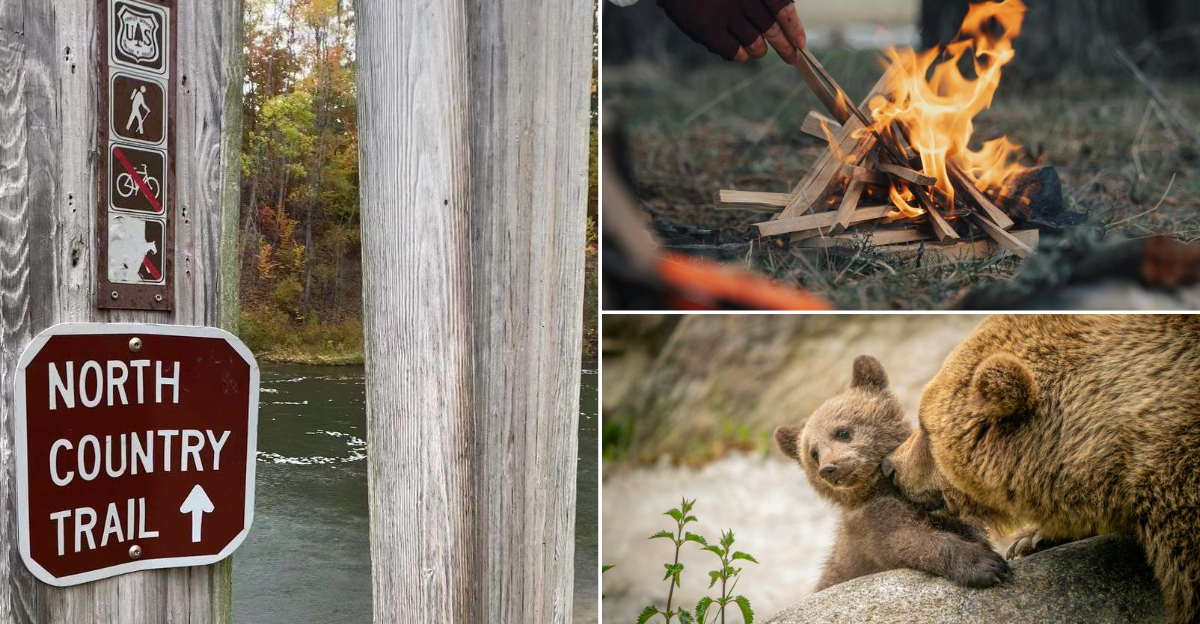
Think you know how to tackle a Michigan national forest? Most visitors walk in confident, only to realize that even the smallest slip-ups can turn a perfect trip into a headache.
From camping spots that seem obvious but violate local rules to campfires left smoldering or food stored carelessly, there’s a surprising list of missteps that can throw off your adventure.
Cell service often drops just when you need it, and parking in the wrong spot can mean fines or frustrated forest rangers.
Even seasoned campers sometimes forget the quirks of permits, wildlife precautions, or trail etiquette. This guide isn’t here to scare you, but to shine a light on the little details that make a big difference.
By knowing the common pitfalls ahead of time, you can relax, explore confidently, and actually enjoy the quiet woods, crisp air, and all the hidden beauty Michigan’s forests have to offer.
1. Assuming “National Forest” Means One Set Of Rules Everywhere
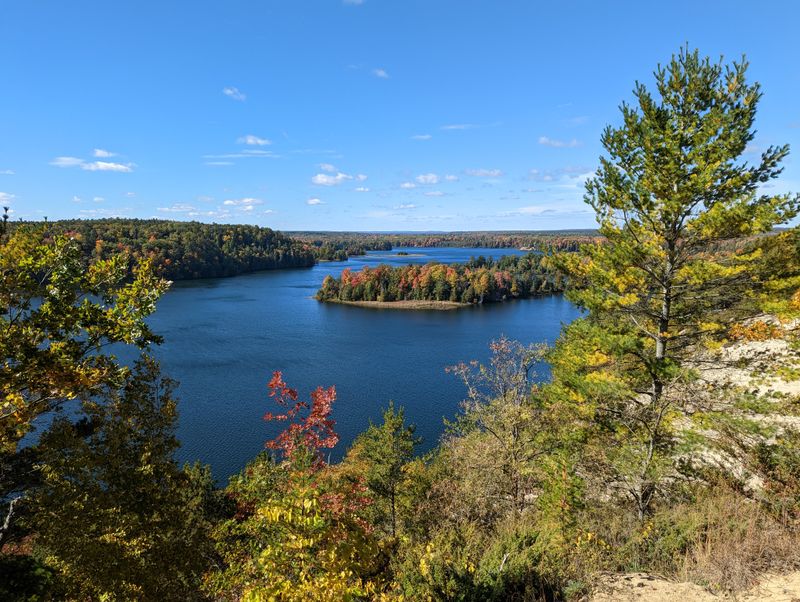
Here is the thing nobody tells you until too late, national forests are not a single rulebook with a green label.
In Michigan you have Huron-Manistee, Ottawa, and Hiawatha, each with its own quirks and closures.
Maps might look similar, but permit zones, campsite spacing, and seasonal restrictions change by district. What flies on one side of the bridge can be a no-go hours away.
You roll in thinking federal land means blanket freedom, then a ranger kindly points to the board with the very specific rule you missed. That conversation is polite, but it can reroute your whole day.
Want to swim the same way you did at a different forest? Check the shoreline restrictions and any habitat closures before banking on it.
I keep links to each forest’s alerts page saved on my phone. If service dies, I screenshot the sections that matter for camping, fires, and motor use.
Pay attention to quiet hours and group size caps, which can be surprisingly strict near popular lakes.
Those rules shape where you sleep and how your evening plays out.
Even trail dog policies vary more than you would think. A leash rule ignored near nesting areas turns into a quick lesson.
So do the boring prep for fifteen minutes while sipping coffee in the driveway. You will buy back hours once you hit the trees.
2. Missing The Free Permit You Still Need For Certain Spots
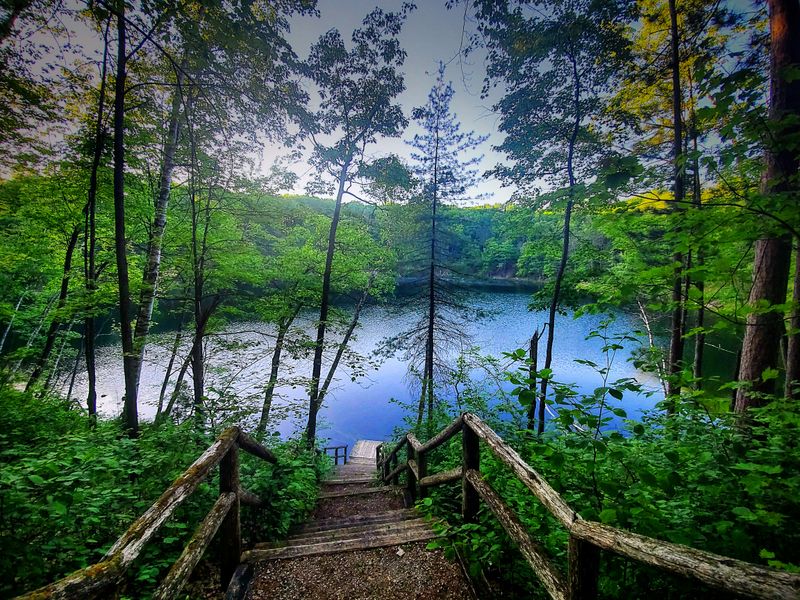
Free still means paperwork sometimes, and that catches folks off guard. In a few Michigan zones you need a simple self-issue permit or a no-cost registration at the trailhead kiosk.
It feels silly to fill out a tiny card when you are just walking in. Then you hear someone got nudged back to the lot because they skipped it.
These slips help rangers track use and safety, especially on long loops with sparse traffic.
If something goes sideways, they know who is out there.
Look for metal boxes near big maps or near the first post past the gate. Grab two minutes for the date, route, and a contact.
Some river corridors and backcountry camps ask for a tag you attach to your pack. It is free, but forgetting it can cost you time.
I keep a pencil in the glove box and a phone photo of the completed card.
When wind steals the paper, that picture has saved me twice.
Not sure if a particular site needs one? Scan the QR on the board or ask someone headed out with a tag flapping from their strap.
Skipping the free permit is the fastest way to start a hike with a detour. Do the tiny chore and walk in relaxed.
3. Parking Like A Local, Getting Ticketed Like A Tourist
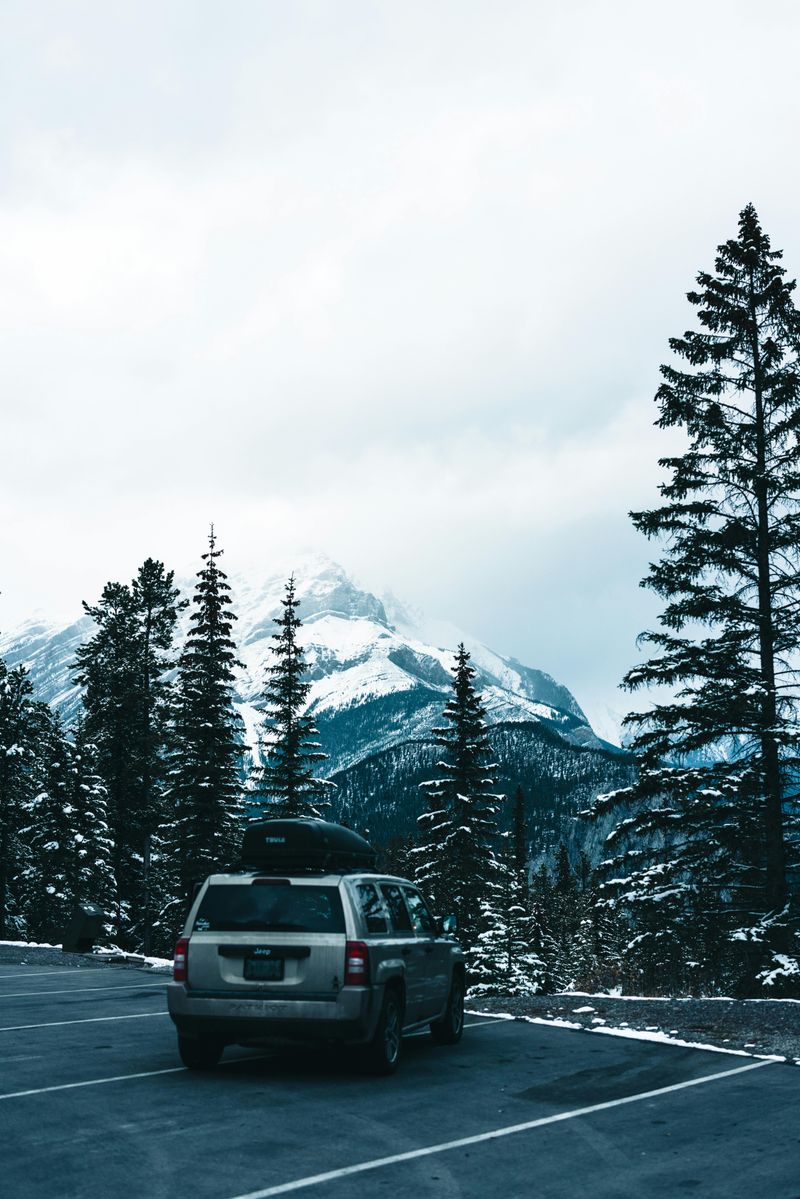
Parking looks casual until it is not. Those sandy shoulders along forest roads can be habitat or emergency access, and the small posts matter more than they seem.
In Michigan, some trailheads allow roadside pulls only beyond a marked line.
Park too close to the gate and you are blocking a service route without realizing it.
Tickets happen, but the bigger problem is getting towed in the middle of a long loop. That walk back is a mood killer.
I aim for signed lots even if they add a short road walk. The extra steps beat the stress of wondering whether a ranger tucked a slip under the wiper.
Watch for soft sand ruts that look firm at first glance. You can bury a wheel fast after rain or thaw.
If the lot is full, circle to the next access rather than creating a new shoulder spot.
New ruts tend to become unofficial parking that causes recurring headaches.
Check for seasonal closures that turn reasonable pullouts into off-limits zones. Those pop up near fire-prone corridors more often than people think.
It is simple, but it saves the day, park where the map says parking lives. Your trailhead mood will thank you.
4. Trailhead Signs People Read Too Late
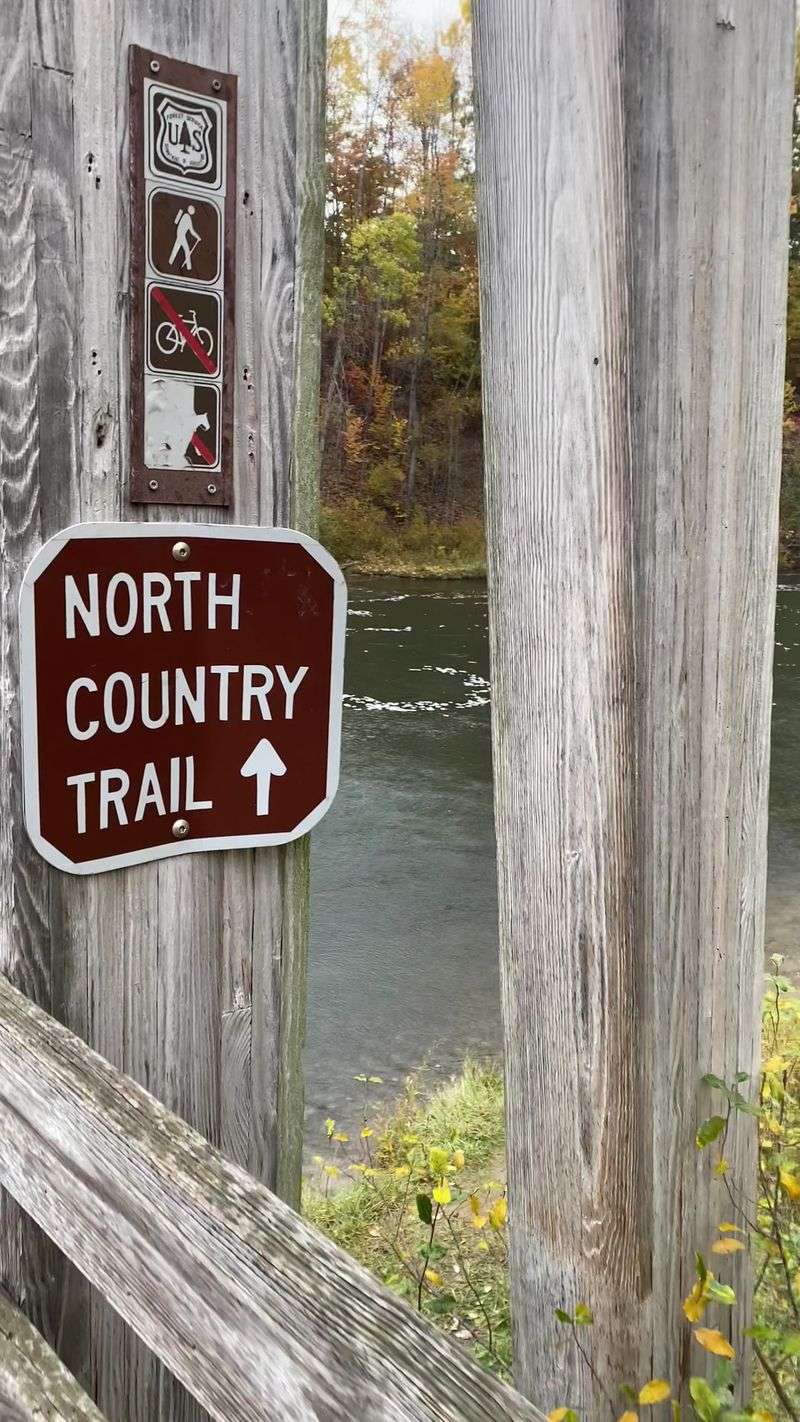
I watch folks stride past the signboard like it is just decorative wood. Ten minutes later they ask about mosquitoes, mud, or a washed out footbridge.
Trailhead signs in Michigan tell you what local chatter misses.
They note reroutes, blowdowns, and which loops are chewed up after storms.
There is no award for speed-walking past the only intel on the wall. Give it sixty seconds and catch the line about flooded planks or seasonal closures.
Sometimes there is a map with a red tape mark showing a missing span. That little stripe changes your plan more than any app update.
You might spot a tiny warning about recent bear activity near a berry patch. That detail will shape where you pause and where you pass through.
I snap a photo of the board even if I think I memorized it.
Pictures beat memory halfway through a maze of cedar and pine.
When the font is sun-faded, ask the next hiker leaving what they ran into. People are usually happy to play messenger.
The signboard is not scenery, it is the day’s briefing. Let it set you up to move smart.
5. Campfire Choices That Cause The Biggest Problems Fast
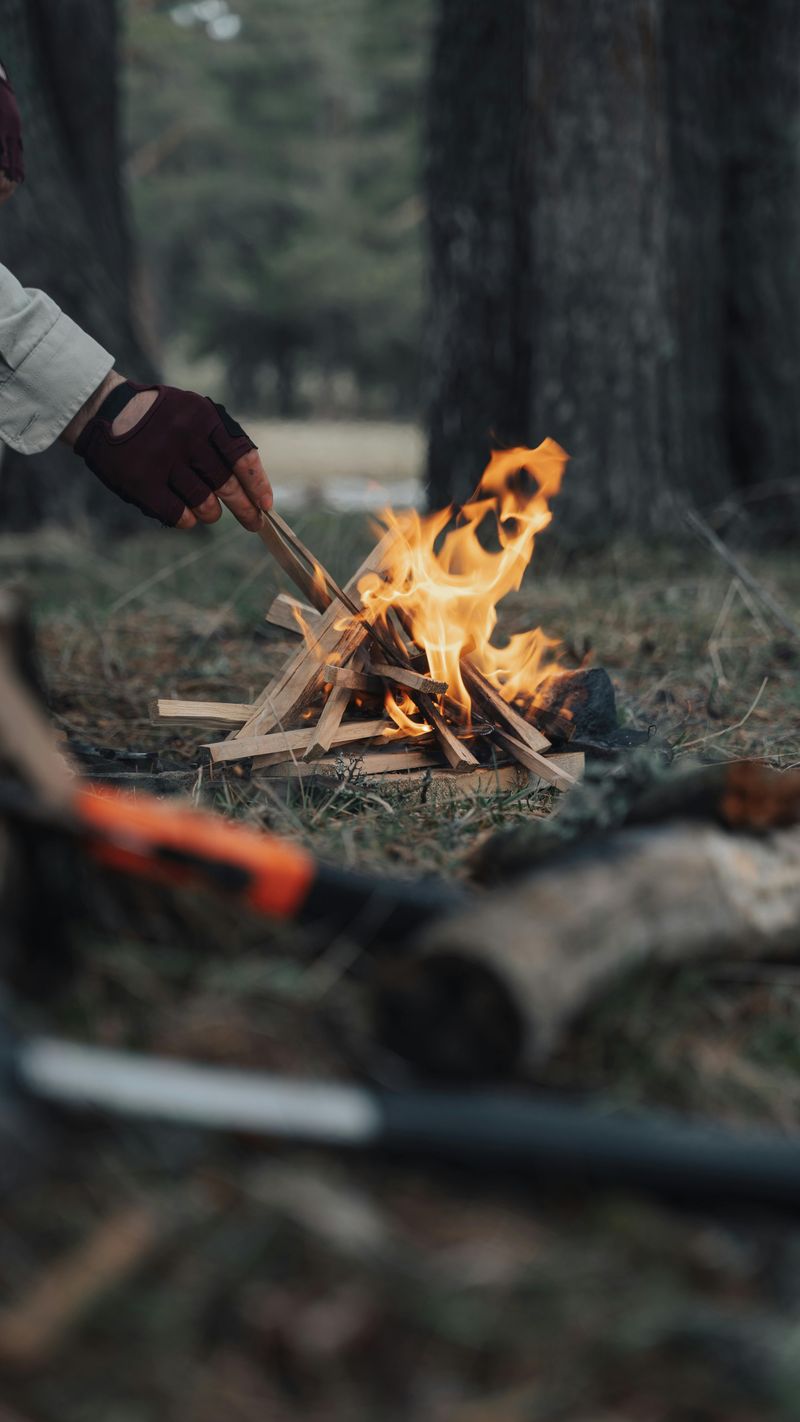
Fire looks simple until wind, duff, and a lazy ring location work together. Michigan forests carry pockets of dry fuel even after a morning drizzle.
Use existing rings, clear to mineral soil, and keep the pile small.
Big fires eat wood and attention at the same time.
Check current restrictions at the district page before driving out. Fire danger moves fast after a string of sunny days.
A shovel, a jug, and patience beat any fancy gadget. Drown, stir, and feel the ash for hidden heat.
Never build under leaning branches or next to punky stumps. Those things smolder and hide flame long after you think you are done.
Sparks drift farther than seems fair when the breeze kicks up. Your tent fly and the neighbor’s tarp are not fireproof apologies.
If you find a ring too close to brush, move your evening to a safer site.
Rebuilding one ring is better than rebuilding a hillside.
When you head out, the test is simple, if you can press your palm above it without warmth, you did it right. If not, add water and stir again.
6. Dispersed Camping Confusion That Wrecks A Perfect Night
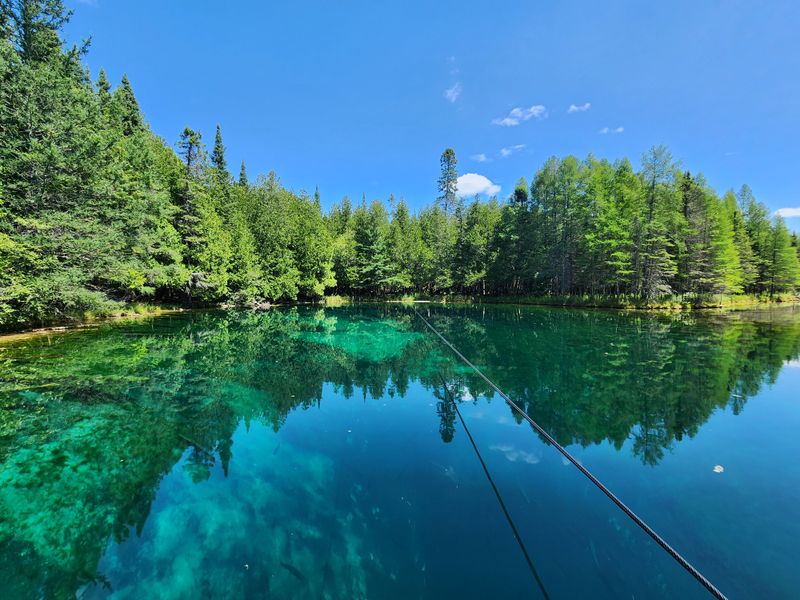
Dispersed sounds like camp anywhere, which is how people step into trouble. Michigan has distance rules from water, roads, and developed sites.
Pick a spot that is previously used, set up on durable ground, and keep a low profile. That is not stealth, that is good manners and policy.
Staying too close to a trail invites midnight headlamps and morning chatter.
You want quiet, they want passage, and both can happen with fifty extra steps.
Watch for private inholdings that hide behind public-looking woods. One wrong turn and you are pitching on someone’s parcel without a clue.
Pack out every scrap and avoid trenching or building new furniture. The next camper should not know you were there.
Michigan’s lakes are tempting, but set back from shore to keep the banks healthy. It also buys you fewer bugs and more breeze.
I mark a few legal backups on the map so I am not desperate at dusk.
Desperation breeds bad choices and rough sleep.
Dispersed can be peaceful if you match the rules with common sense. Treat the spot gently and it will still feel wild when you leave.
7. ORV And Forest Road Mix-Ups That End Trips Early
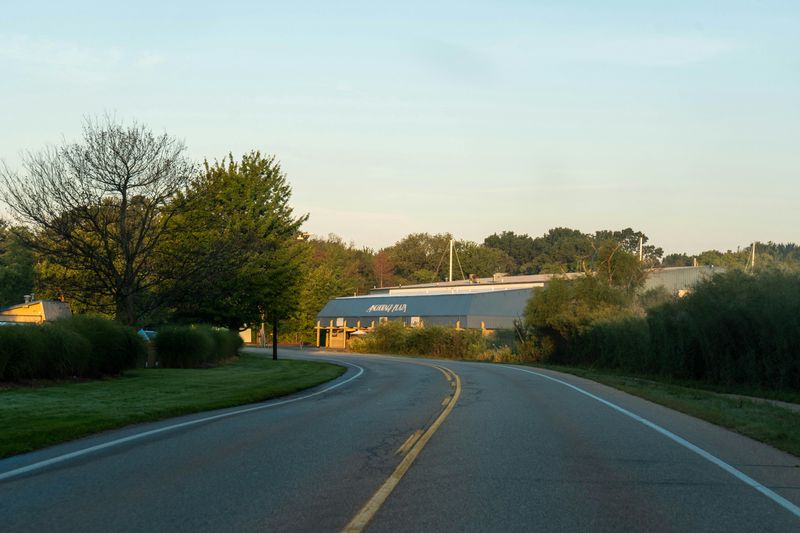
This one bites fast, because a road that looks driveable might be ORV only. Michigan marks routes with symbols that blur past if you are hustling.
Some sandy two-tracks allow plated vehicles while others are limited to ORVs.
The difference is a couple inches of paint on a post.
Maps help, but you need the latest motor vehicle use map for the district. Phone apps are great until they serve last year’s layer.
Crossing into a closed segment can earn a citation or a very long reverse. Neither pairs well with a car full of gear.
At intersections, stop and read the small print beneath the arrow. If it does not clearly show your vehicle type, treat it as a no.
After rain, tracks can look freshly groomed and inviting. That does not change the designation or your responsibility.
I download the official PDFs and keep them in a folder I can open offline.
Paper copies live in the door pocket as backup.
Slow down when signs cluster at a junction. Those little rectangles are the difference between adventure and apology.
8. Food Storage Mistakes That Invite Nighttime Visitors

Critters learn patterns fast, and Michigan’s woods are a classroom. A snack wrapper in a pocket can turn into a raccoon seminar by midnight.
Use a bear-resistant can or a proper hang, not the cooler under a camp chair.
Animals know that trick better than we do.
Keep a clean cook area and stash scented items away from your sleeping spot. The distance buys you quiet hours and fewer surprises.
Some campgrounds provide lockers near high-traffic lakes. If you see them, that is your hint the locals have been curious recently.
Do not rely on car windows for smell-proofing. Warm evenings breathe odors through tiny gaps like a billboard for wildlife.
Even on nights that feel calm, tie off the system before sunset. It is easier with light and without mosquitoes buzzing your ears.
I pack two lightweight sacks, one for smellies and one for trash.
When you separate them, you will not fumble at bedtime.
Nothing ruins a morning like paw prints around the tent. Store it right and wake up to birds instead.
9. Cell Service Assumptions That Turn Into A Real Headache
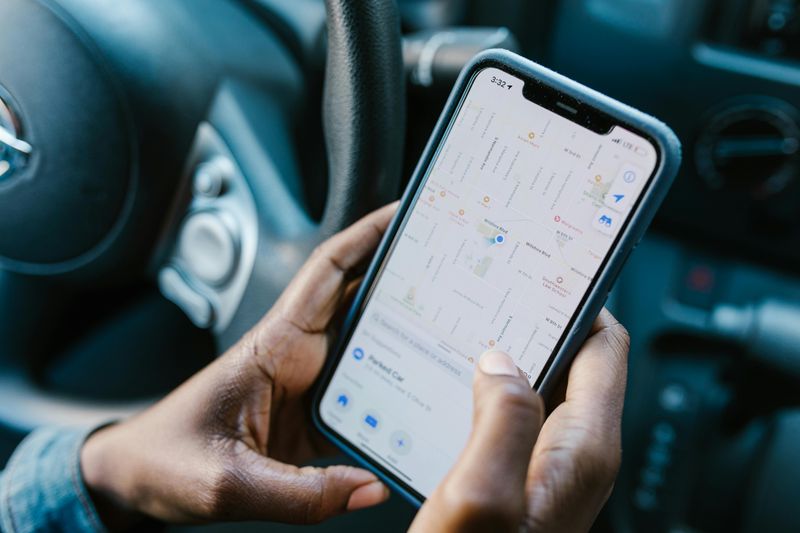
Bars vanish quicker than patience once you slip into low ground. Michigan forests have pockets where signals just do not climb out.
Download offline maps, save emergency numbers, and tell someone your plan. Those three steps handle most what-ifs without drama.
Do not count on texting from a windswept ridge to check in.
Weather flips, batteries sag in the cold, and plans drift.
A small power bank weighs less than regret. Toss it in and keep the cord where your hand finds it without thinking.
Trail intersections can look identical after a few miles.
Your offline layer keeps those twins from switching places on you.
If you carry a locator beacon, practice the buttons before leaving the car. The worst time to learn is during a storm.
I also save pin drops for water and bailout roads. It feels like cheating in the best way.
When service returns, resist the scroll and send the quick all good. Then go back to listening to the wind through the trees.
10. The Simple Fix That Makes The Whole Trip Smoother
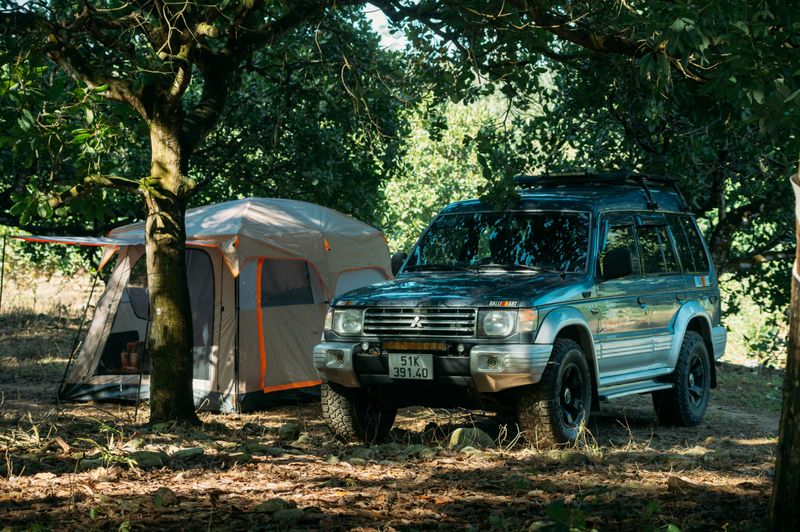
Ready for the least glamorous secret that saves entire weekends? A tiny checklist taped to your cooler is the fix.
Mine covers permits, MVUM download, water plan, fire check, food storage, and a heads-up text to a friend. It is boring until it is brilliant.
Before the engine starts, I tap each line with a finger and say it out loud. Sounds silly, works beautifully.
Michigan trips have moving parts split by big water and long drives.
A checklist stitches them together so you stop guessing.
Add a line for local alerts on whichever forest you are heading toward. That keeps rules straight when names start blending.
Print two copies and stash one in the glove box for the ride home. It nudges you to grab trash, drown the fire, and double check the route.
The list takes a minute to build and thirty seconds to run.
The payback is a trip that feels easy instead of lucky.
Do this once and you will never wing it again. Michigan rewards the little bit of prep every single time.
Dear Reader: This page may contain affiliate links which may earn a commission if you click through and make a purchase. Our independent journalism is not influenced by any advertiser or commercial initiative unless it is clearly marked as sponsored content. As travel products change, please be sure to reconfirm all details and stay up to date with current events to ensure a safe and successful trip.
