Texas is a state bursting with pride, history, and landscapes that stretch from deserts to beaches.
Millions of tourists flock here every year to experience everything from iconic landmarks to natural wonders.
But not every destination gets a warm welcome from the people who actually live here.
Some places have become so overrun with crowds that locals avoid them entirely.
Others have changed so much due to tourism that they barely resemble the spots Texans once loved.
A few attractions simply fail to live up to the hype, leaving both visitors and residents scratching their heads.
Understanding which destinations spark debate can help travelers make smarter choices and respect the communities they visit.
These eight controversial spots reveal the complex relationship between tourism, local culture, and the Lone Star State’s identity.
1. The Alamo
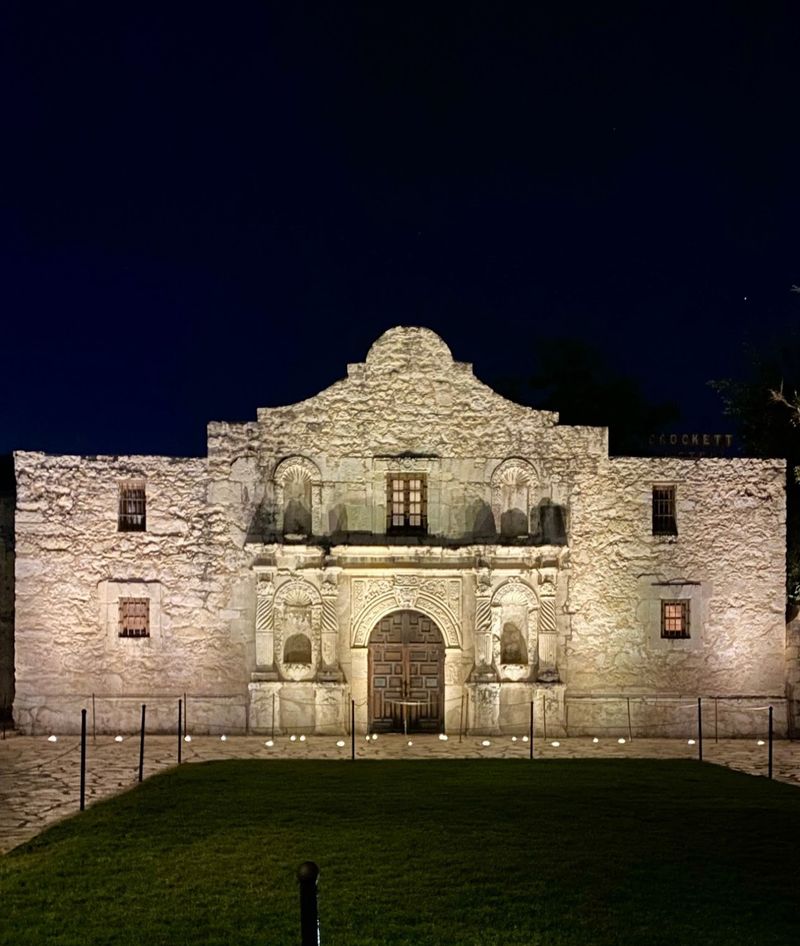
Texans grow up hearing stories about the brave defenders who fought at this mission in 1836.
The battle became a symbol of courage and sacrifice that shaped Texas history forever.
Yet when visitors finally stand before the limestone walls, many feel underwhelmed by what they find.
The structure sits in the middle of bustling downtown San Antonio, surrounded by modern shops and crowds of tourists.
Cars honk nearby while street vendors sell souvenirs just steps from the entrance.
The sacred atmosphere that locals remember from childhood field trips has been replaced by something that feels more like a theme park.
Inside, the rooms are smaller than most people expect, and the exhibits can feel rushed during peak visiting hours.
Photography restrictions and the constant flow of tour groups make it hard to pause and reflect on the historical significance.
Some Texans argue that the site deserves better protection from commercialization.
Local residents often skip the Alamo entirely when showing friends around San Antonio.
They point visitors toward less crowded missions along the Mission Trail instead.
These alternatives offer richer historical context without the tourist trap atmosphere.
The debate continues about how to honor the site’s importance while managing millions of annual visitors.
Preservation efforts compete with accessibility concerns, and not everyone agrees on the right balance.
For now, the Alamo remains both a beloved symbol and a source of frustration for those who call San Antonio home.
Address: 300 Alamo Plaza, San Antonio, Texas
2. Comal River Tubing
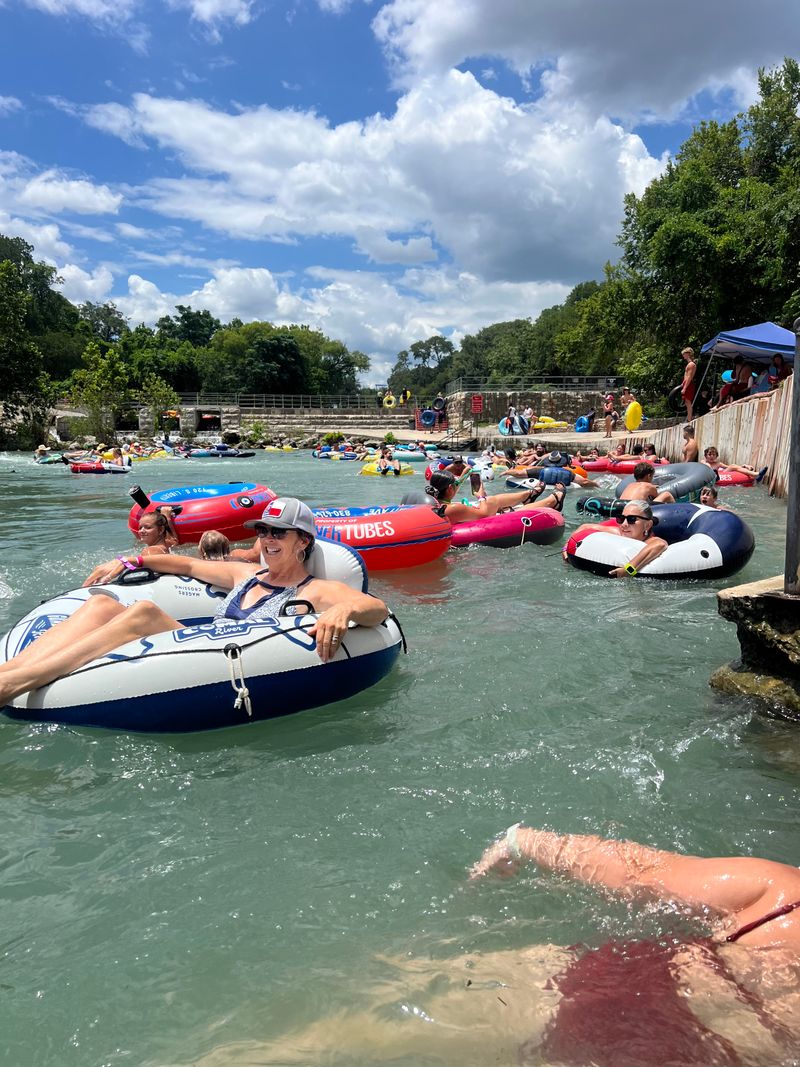
Floating down a cool river on a hot summer day sounds like the perfect Texas escape.
The Comal River in New Braunfels has offered this simple pleasure for generations of families.
Crystal-clear spring water and gentle currents make it ideal for lazy afternoon floats.
But word got out, and what was once a local secret became a tourist destination known across the country.
Now the river sees thousands of tubers on summer weekends, creating what locals call a floating traffic jam.
Nearly 15 percent of visitors report feeling overwhelmed by the sheer number of people crowding the water.
The banks get trampled, trash becomes a problem despite cleanup efforts, and the peaceful nature experience disappears under the weight of too many guests.
Residents who grew up tubing the Comal now avoid it during peak season entirely.
They mourn the loss of the quiet, family-friendly atmosphere they once cherished.
Parking near popular entry points has become a nightmare, with cars lining residential streets for blocks.
Homeowners near the river deal with noise, litter, and strangers trespassing through their yards.
The economic boost tourism brings doesn’t always compensate for the disruption to daily life.
Environmental concerns add another layer to the controversy.
The constant pressure from thousands of feet and tubes affects aquatic plants and wildlife habitats.
Conservation groups worry about the long-term health of this unique ecosystem.
Local outfitters and the city continue working on solutions to manage crowds while preserving the river.
Finding that balance remains one of New Braunfels’ biggest challenges as the town navigates its identity between small-town charm and tourist destination.
3. Port Aransas Beach
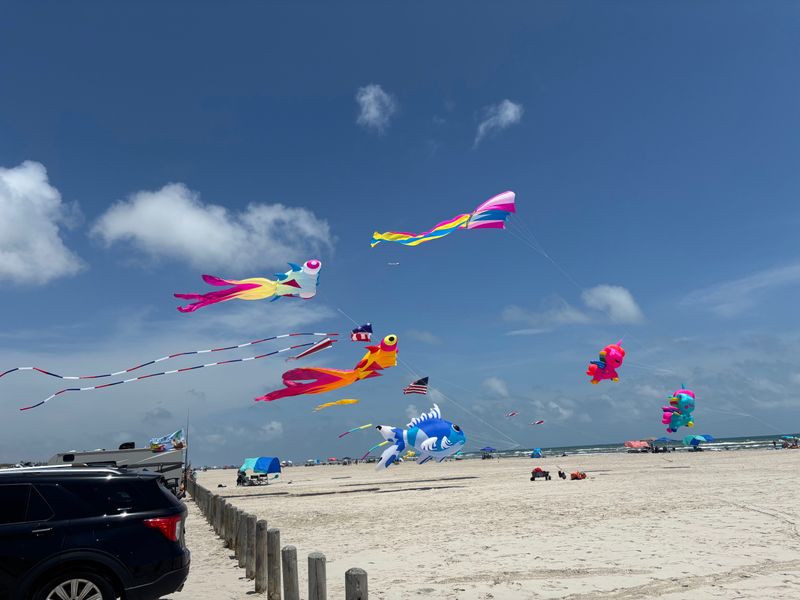
Miles of sandy coastline stretch along this barrier island, where the Gulf of Mexico meets the Texas coast.
Port Aransas has drawn beach lovers for decades with its laid-back vibe and easy vehicle access.
Families can drive right onto the sand, unload their gear, and set up camp for the day.
This convenience became the destination’s downfall.
Thousands of vehicles now crowd the beach during spring break and summer holidays, turning the shoreline into a parking lot.
The roar of engines competes with crashing waves, and exhaust fumes mix with the salt air.
Locals remember when you could walk for miles without seeing another soul.
Now finding a quiet spot requires arriving at dawn or hiking far from the main access points.
The sense of discovery and solitude that once defined Port Aransas beach days has vanished for many residents.
Trash left behind by careless visitors creates ongoing cleanup challenges for the community.
Volunteers spend hours picking up plastic bottles, food wrappers, and abandoned beach toys after busy weekends.
Wildlife suffers when sea turtles and shorebirds encounter debris in their nesting areas.
Hurricane Harvey’s destruction in 2017 forced the town to rebuild and rethink its relationship with tourism.
Some residents hoped for stricter vehicle regulations to protect the beaches.
Others worried that limiting access would hurt the local economy that depends on visitor spending.
The debate reflects a larger question facing coastal Texas communities.
How do you share natural treasures with tourists while preserving them for future generations?
Port Aransas continues searching for answers that satisfy both longtime residents and the visitors who support local businesses.
4. Marfa Art Scene
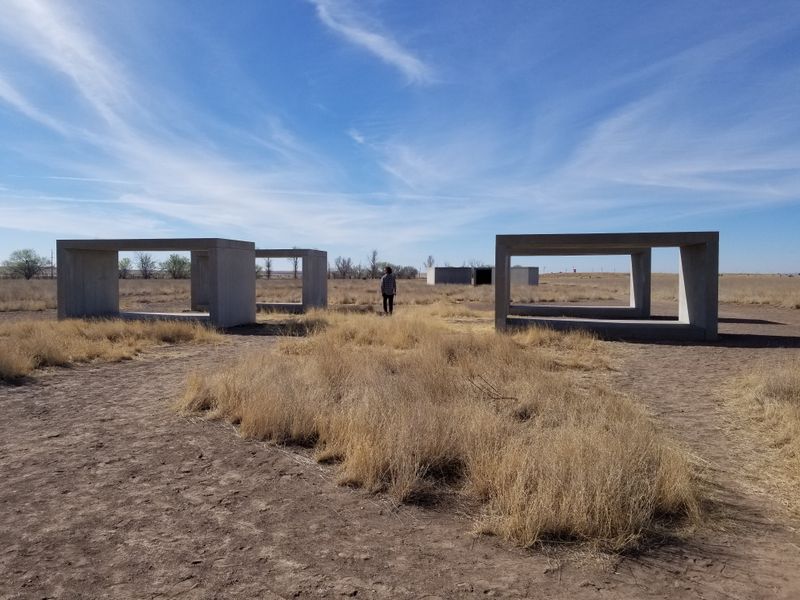
Out in the high desert of West Texas, a tiny ranching town became an unlikely art world destination.
Marfa’s transformation started when minimalist artist Donald Judd moved there in the 1970s and established permanent installations.
His vision attracted other artists, galleries, and eventually, tourists from around the globe.
The influx brought international attention and cultural prestige to a community that once survived on ranching and military base jobs.
Boutique hotels, trendy restaurants, and art galleries now line the main street.
Weekend visitors fly in from major cities to attend gallery openings and Instagram the iconic Prada Marfa installation.
But this cultural boom created serious problems for longtime residents.
Property values skyrocketed as wealthy outsiders bought homes and land for vacation properties.
Rents increased beyond what local families could afford, forcing many to leave the town their ancestors had called home for generations.
The housing affordability crisis divided the community between those benefiting from tourism dollars and those being priced out.
Young people who grew up in Marfa find themselves unable to afford living in their own hometown.
Service workers who staff the galleries and restaurants often commute from surrounding areas because housing in town is out of reach.
Cultural tensions simmer beneath the surface as the art world crowd and traditional ranching community navigate their different visions for Marfa’s future.
Some locals appreciate the economic opportunities and cultural enrichment tourism brought.
Others resent feeling like outsiders in their own town.
The Marfa story illustrates how tourism can reshape a community’s identity and economy in profound ways.
Finding solutions that honor both the town’s artistic renaissance and its working-class roots remains an ongoing challenge.
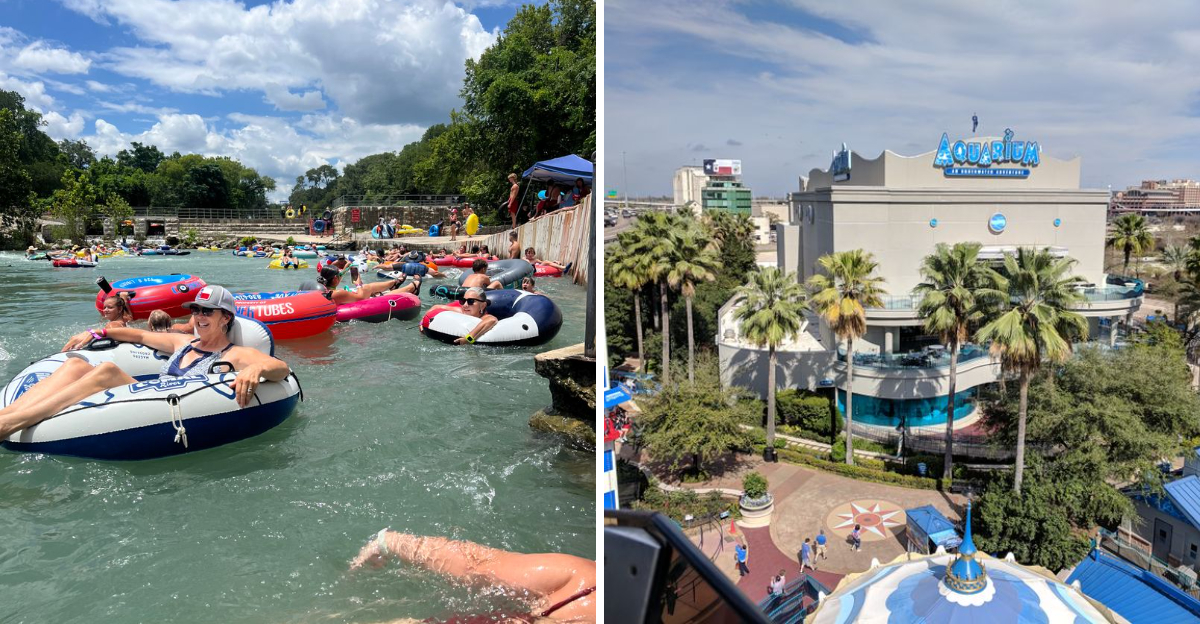
5. Downtown Aquarium Houston
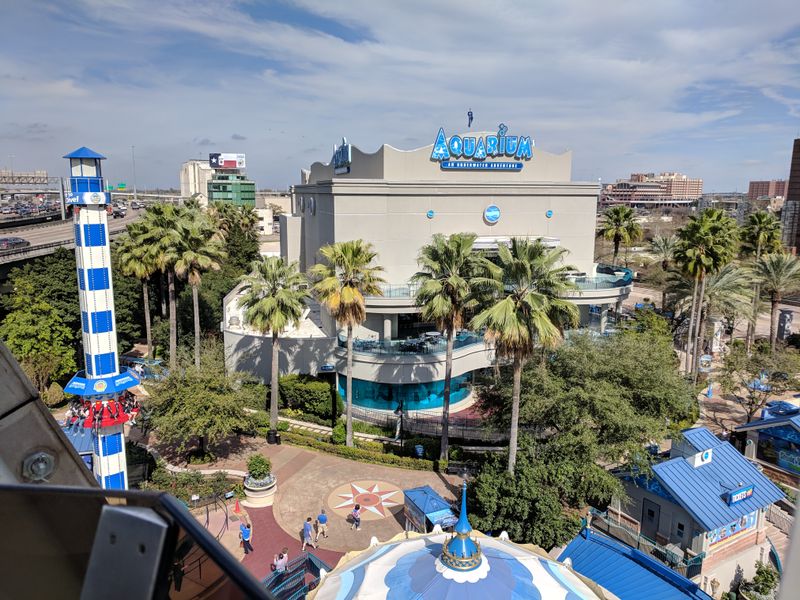
When you hear the word aquarium, you probably imagine massive tanks filled with colorful fish, sharks gliding overhead, and interactive exhibits that teach about ocean life.
The Downtown Aquarium in Houston promises all of this and more with its combination of marine displays, amusement rides, and dining options.
But many locals will tell you it falls dramatically short of those expectations.
The facility functions primarily as a restaurant with some fish tanks scattered throughout.
Visitors expecting an experience comparable to world-class aquariums in other cities often leave disappointed.
The marine exhibits feel limited, and some locals describe the animals as appearing stressed or poorly cared for in cramped enclosures.
White tigers kept in an indoor habitat have drawn particular criticism from animal welfare advocates.
The big cats pace in glass-enclosed spaces that seem inadequate for their needs.
Watching these magnificent animals in such confined quarters makes many visitors uncomfortable rather than educated or inspired.
The admission price frustrates locals who feel the attraction doesn’t deliver enough value.
Families can spend significant money only to finish viewing everything in under an hour.
The attached restaurant serves mediocre food at inflated prices, adding to the sense of being trapped in a tourist trap.
Houston residents rarely recommend the Downtown Aquarium to visiting friends and family.
They suggest alternative attractions like the Houston Zoo or the Museum of Natural Science instead.
These venues offer richer educational experiences without the uncomfortable feeling of exploiting animals for entertainment.
The aquarium’s continued operation despite local criticism highlights the gap between tourist expectations and resident opinions.
Out-of-town visitors may not realize better options exist, while locals actively avoid the place and warn others away whenever possible.
Address: 410 Bagby Street, Houston, Texas
6. South Congress Avenue
Austin’s famous SoCo district once embodied the city’s quirky, independent spirit.
Vintage clothing stores, local coffee shops, and eccentric boutiques lined the street south of the river.
Musicians busked on corners, and you could still feel the creative energy that earned Austin its Keep Austin Weird slogan.
Then the Instagram era arrived, and South Congress became one of the most photographed streets in Texas.
Tourists flocked to snap pictures in front of colorful murals and neon signs.
The foot traffic attracted national chains and luxury hotels that could afford the skyrocketing rents.
One by one, the local businesses that gave SoCo its character closed or relocated.
Corporate stores replaced them with the same shopping experiences available in any major city.
The weird, wonderful shops that made the street special became casualties of its own popularity.
Longtime Austin residents watch the transformation with a mix of sadness and frustration.
The street that once represented their city’s unique culture now feels like a theme park version of its former self.
They avoid the area on weekends when tourists pack the sidewalks and lines form outside every trendy restaurant.
Traffic congestion makes driving down South Congress a test of patience.
Finding parking requires circling for twenty minutes or paying premium rates at nearby lots.
The laid-back vibe that once defined the neighborhood has been replaced by hustle and commercialization.
The debate over South Congress reflects broader tensions about Austin’s rapid growth and changing identity.
Some argue that cities must evolve and that nostalgia shouldn’t prevent progress.
Others mourn the loss of local character that made Austin special in the first place and wonder if there’s any way to preserve it.
7. Sixth Street Entertainment District
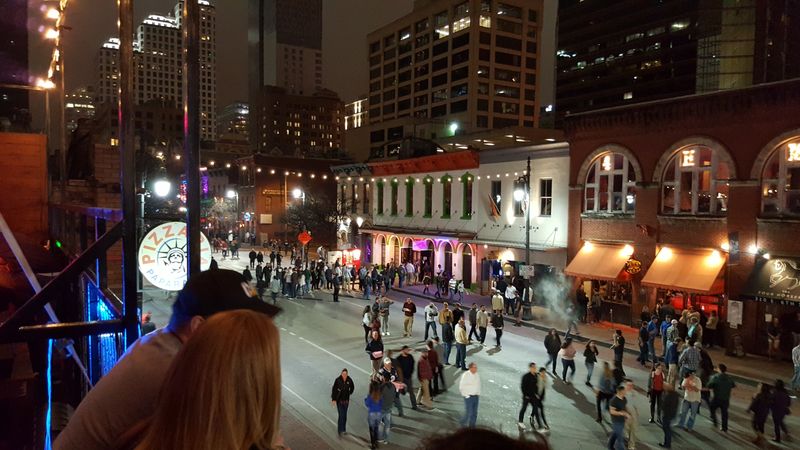
Every major city has a street known for nightlife, but Austin’s Sixth Street carved out a reputation as one of the wildest in the country.
Historic buildings dating back to the 1800s house bars, music venues, and clubs that stay open until the early morning hours.
Live music spills onto the sidewalks, creating an energetic atmosphere that draws party seekers from across Texas and beyond.
The district’s popularity transformed it into something many locals barely recognize.
Bachelor and bachelorette parties descend on Sixth Street every weekend, creating scenes of excess that overshadow the live music heritage.
The street becomes so packed that walking requires shuffling along in slow-moving crowds.
Austin musicians who built their careers playing Sixth Street venues now avoid performing there.
The crowds care more about cheap drinks and photo opportunities than listening to music.
Talented artists struggle to be heard over the noise of rowdy patrons more interested in getting attention than appreciating the performance.
Safety concerns have grown as the crowds increased.
Police presence is heavy on weekend nights, but incidents still occur with troubling frequency.
Families and older residents who once enjoyed the district’s music scene no longer feel comfortable visiting after dark.
The COVID-19 pandemic briefly emptied Sixth Street, giving locals hope for a reset.
Some advocated for changes that would emphasize live music and local culture over mass tourism.
But as restrictions lifted, the party crowds returned in full force, and little had fundamentally changed.
Many Austin natives direct visitors toward Red River Cultural District or Rainey Street instead.
These areas offer live music and nightlife with less chaos and more authentic local flavor.
Sixth Street, they argue, has become a caricature of what made Austin’s music scene special rather than a genuine representation of it.
8. Big Bend National Park
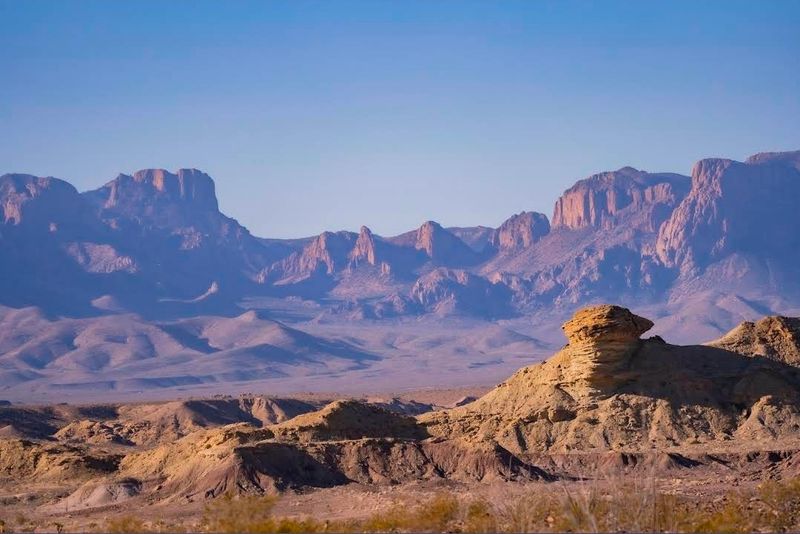
Remote wilderness stretches for miles in every direction at Big Bend, where the Rio Grande carves through dramatic canyons and the Chisos Mountains rise from the desert floor.
This national park preserves one of the last truly wild places in Texas, offering solitude and natural beauty far from city lights.
For decades, only dedicated outdoor enthusiasts made the long journey to this isolated corner of the state.
Social media changed everything.
Stunning photos of Santa Elena Canyon and the Window View went viral, appearing in countless travel blogs and Instagram feeds.
Suddenly, people who had never heard of Big Bend added it to their bucket lists.
Visitation numbers climbed steadily year after year.
The park’s infrastructure wasn’t designed for these crowd levels.
Campgrounds fill up months in advance, forcing visitors to camp outside park boundaries or drive hours to find lodging.
Popular trails become congested during peak seasons, with hikers waiting in line to take photos at scenic viewpoints.
Environmental damage concerns park rangers and conservation groups.
Inexperienced visitors venture off trails, damaging fragile desert vegetation that takes decades to recover.
Increased human presence disturbs wildlife and threatens sensitive ecosystems that evolved in isolation.
Locals from nearby towns like Terlingua and Study Butte have mixed feelings about the tourism boom.
Their economies benefit from visitors needing gas, food, and supplies.
But they also worry about the park’s ability to handle the pressure and whether the wild character that makes Big Bend special can survive its own popularity.
The National Park Service faces difficult decisions about balancing access and preservation.
Some advocate for permit systems or visitor caps to protect the park’s resources.
Others argue that national parks belong to all Americans and should remain accessible.
Big Bend’s future depends on finding solutions that preserve its wilderness while sharing it with those who seek its beauty.
Dear Reader: This page may contain affiliate links which may earn a commission if you click through and make a purchase. Our independent journalism is not influenced by any advertiser or commercial initiative unless it is clearly marked as sponsored content. As travel products change, please be sure to reconfirm all details and stay up to date with current events to ensure a safe and successful trip.
