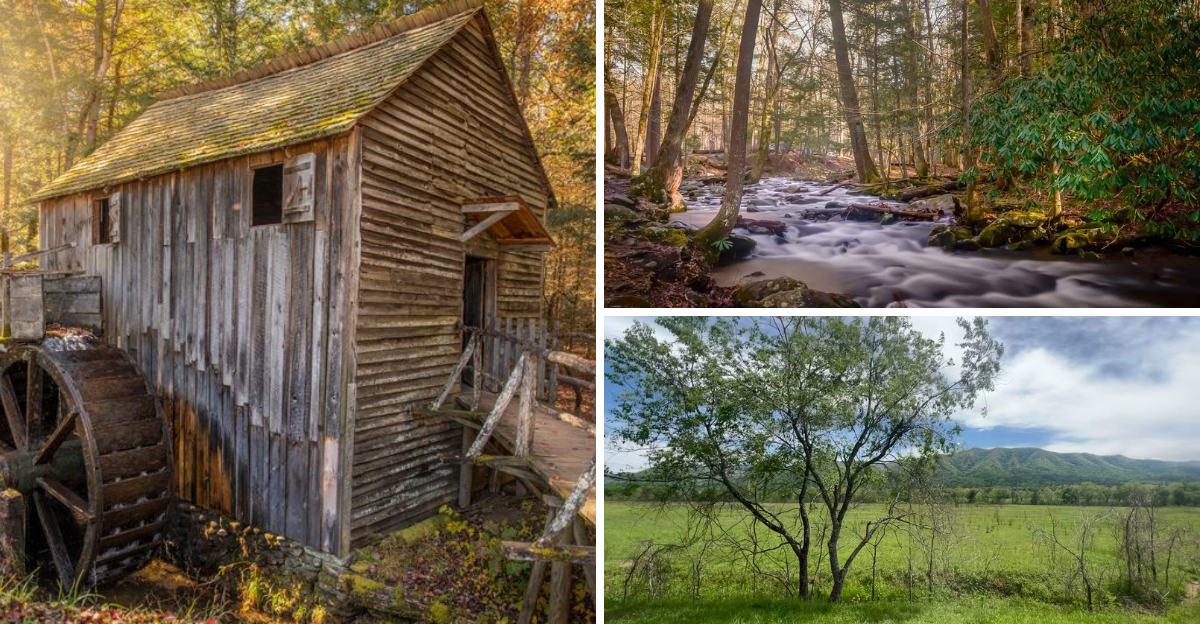
Cades Cove, Tennessee sits like a quiet bowl of green inside the Great Smoky Mountains, where bars and notifications fade into birdsong and wind.
You come for stillness and leave with your senses sharpened, as if the valley tuned them back to their original settings.
The loop road, the homesteads, and the soft rise of ridgelines invite you to slow down until time feels almost circular.
Here, you can trade scrolling for watching the light move across fields and learn how silence can say more than any feed.
A Valley in Tennessee Where Silence Still Exists
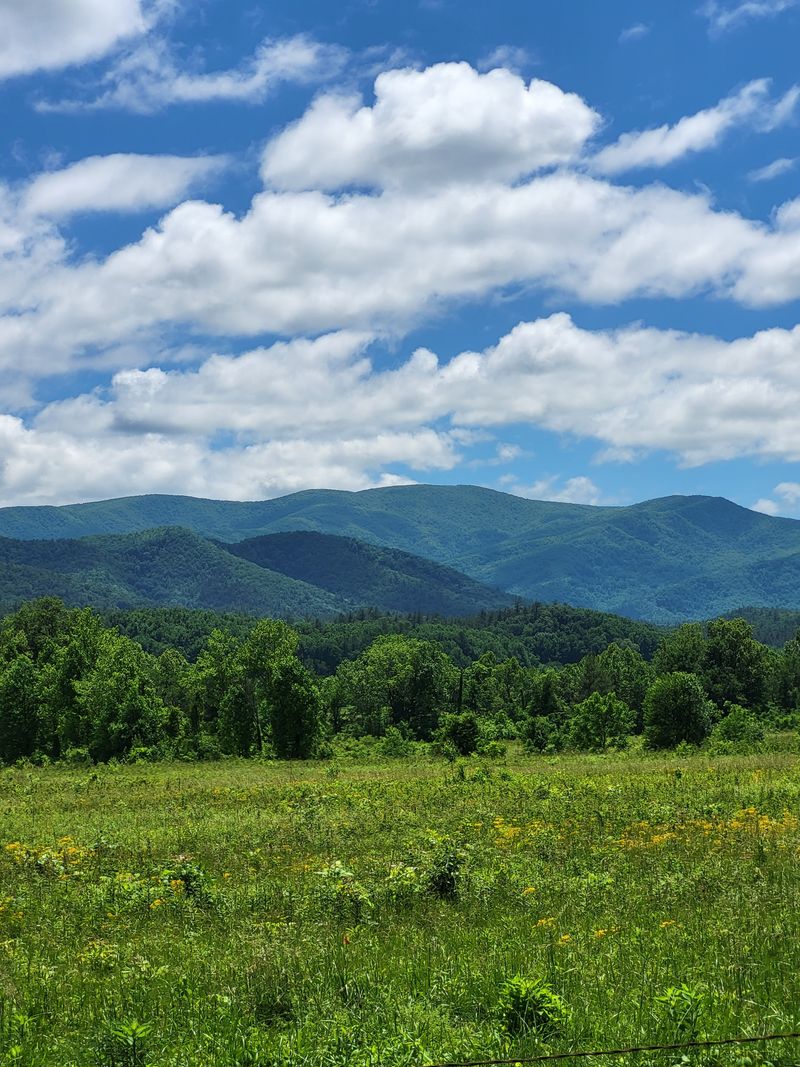
Step into Cades Cove and you notice the hush before you notice anything else.
It is the kind of quiet where crickets and distant crows become the soundtrack you did not know you were missing.
The mountains gather around the valley like gentle walls, and you feel your shoulders drop as your breath evens out.
Phones lose their purpose when the meadow opens and the sky stretches wide overhead.
You look out and realize the horizon has room for your thoughts again.
Noise from everyday life dissolves into grass rustling at your knees and a ribbon of breeze that smells like leaf mold and sunlight.
Even the gravel seems to speak in whispers under your feet.
Stand long enough and you begin to pick out layers of sound, from hidden creeks to an occasional turkey call skipping across the field.
Silence here is not empty.
It is full of small, steady things that keep time better than a clock, and they invite you to listen without hurrying.
Why Cades Cove Remains the Smokies’ Most Unplugged Escape
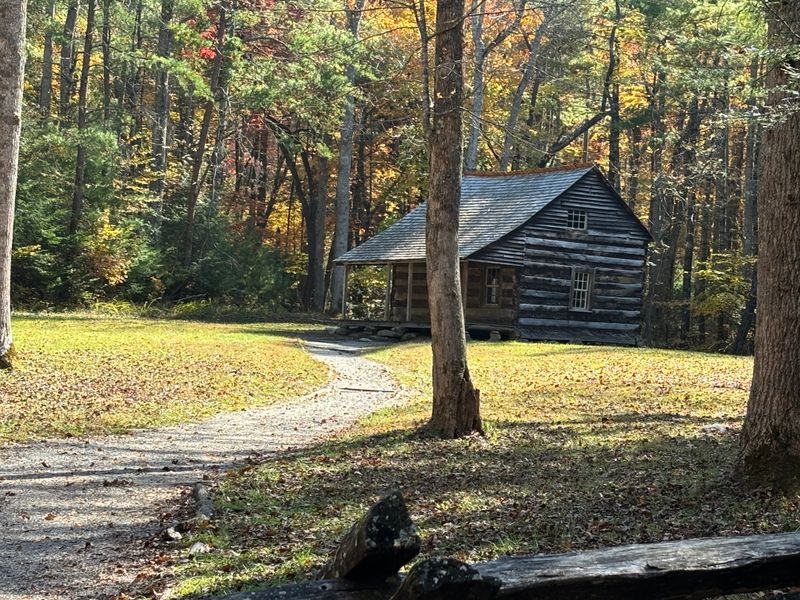
You can feel the unplugged mood the minute the paved world narrows and trees knit together above the road.
The cove sits low and cradled, and that shape shelters it from the carry of modern noise.
Signals weaken, and distractions fall away as naturally as dew burning off by midmorning.
The landscape nudges you toward slower choices.
Park at a pullout and you will notice how easy it becomes to linger, to watch light spill along a fence rail and pause for the faint shuffle of a deer.
Without constant pings, your attention lands where your feet are.
Rangers and signs ask for patient driving and respectful viewing, and that tone sets the day.
Even when the loop gets busy, pockets of calm remain in churches, side paths, and short walks that peel off into tall grass.
There is no need to announce anything here.
The valley offers peace on its own terms, and you simply meet it halfway by choosing to listen more than talk.
The Loop Road That Shows Travelers a Different Kind of Time
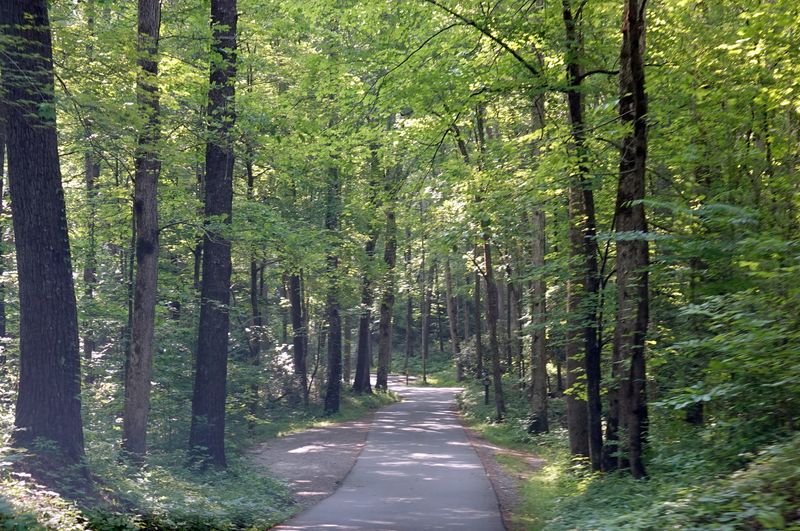
The 11 mile loop road teaches patience like a friendly tutor.
You roll along at a pace that invites noticing, and the valley rewards every unhurried minute with details you would miss at highway speed.
Even a bend in the fence can feel like a story when you let it.
Mornings with vehicle-free hours for cyclists and walkers feel especially gentle.
Tires hum softly, birds stitch notes through the air, and you are suddenly part of the landscape rather than just passing through it.
Pullouts let you stop and trade the car for your own two feet whenever curiosity tugs.
People sometimes bunch up for wildlife sightings, and the best move is simple courtesy.
Pull ahead safely, park in a designated area, and walk back so everyone keeps flowing.
The loop is less a road and more a moving porch where neighbors wave and share what they have seen.
Time stretches, then settles, until a late morning looks like a whole day of peace.
Afternoons melt into a warm drift of light that paints the hills with the kind of softness usually reserved for memory.
Shadows lengthen in slow motion, drawing lines across the fields that make the valley appear older and wiser with every passing minute.
The rhythm of the loop encourages a gentler heartbeat as the world beyond it feels increasingly distant and unhurried.
Even the quiet creak of old wooden barns seems to speak in a dialect of patience learned over generations.
You begin to register the valley not as scenery but as a teacher offering subtle lessons about pacing and presence.
Small details like the angle of a rail, the sway of tall grass, or the curl of morning mist start to feel monumental.
Moments that normally slip past without acknowledgment become anchors that steady the senses in the simplest possible way.
By the time you return to the starting point, the loop has quietly rearranged your sense of time without asking for anything in return.
Wildlife Encounters That Make Visitors Slow Down Naturally
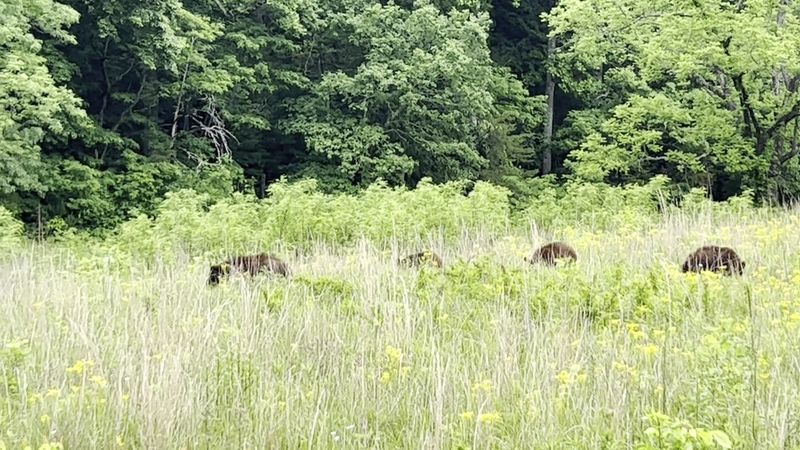
Wildlife is the valley’s most convincing reason to drop your pace.
Deer graze knee deep in grass, turkeys skitter like commas across the fields, and sometimes a black bear ambles the edges where trees meet clover.
It is enough to make anyone breathe quieter.
Rangers often pause traffic for safety, and that pause becomes a gift if you let it.
Use the pullouts, give animals respectful space, and let your eyes adjust to the movement that blends with wind.
Patience pays off, and you catch patterns you would never see in a rush.
Early hours often bring fog that lifts like a curtain revealing a cast you did not know was there.
Stand still and the meadow begins to introduce itself, one careful step at a time.
You are a guest here, and that truth settles you into kinder habits.
Quiet awe turns out to be the best lens you can bring.
Even the faint rustle of leaves becomes a clue that life is unfolding within arm’s reach but just out of sight.
The valley teaches that wildlife is not something staged for visitors but something lived in real time with its own rhythm and boundaries.
When you linger, you start to notice the smaller residents—the darting shapes of field mice, the quick flare of wings from finches, and the steadiness of hawks circling far overhead.
The more you wait, the more the landscape stops holding its breath and begins to move naturally around you.
Moments of stillness become a kind of quiet handshake between traveler and habitat, built on mutual respect.
Fog, breeze, and sunlight work together like stagehands revealing scenes with careful timing that feels almost theatrical.
Standing in one place long enough allows your senses to sharpen until even distant calls echo with startling clarity.
The valley rewards patience by showing that slowing down is not just polite but essential to understanding how wildlife truly lives.
Historic Cabins and Churches Preserved in the Quiet
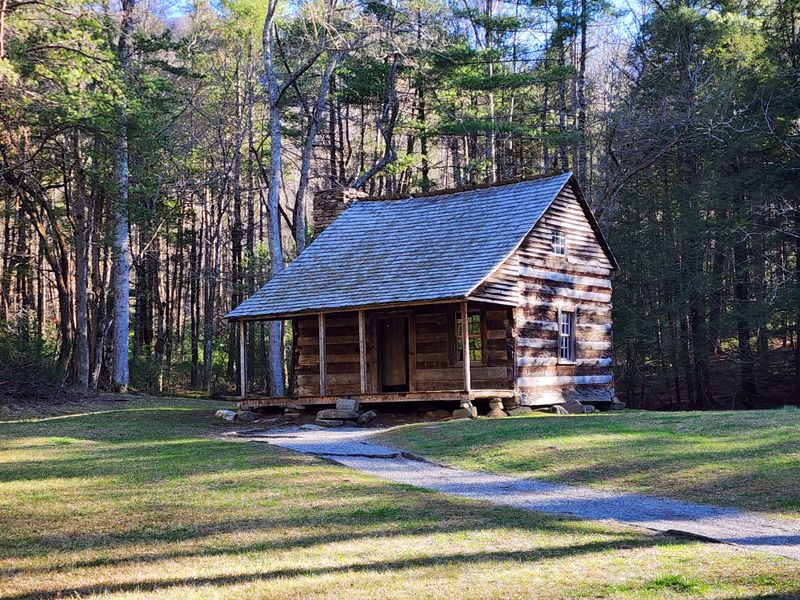
The past is not behind glass here.
It stands on stone foundations and sits behind hand hewn logs that still smell faintly of resin after rain.
Walk up to a cabin and you can almost hear a kettle lift and a door latch click in your mind.
The churches keep their own hush, simple and white against the green.
Inside, benches carry the polish of countless quiet hands, and a window frames hills that look unchanged.
Read the posted notes and you begin to see families as neighbors rather than names.
Each building shows how people once lived with seasons as their schedule.
Chores followed light, and evenings belonged to darkness and stars.
As you step back outside, the cove folds the old and the present together without fuss.
History feels close enough to touch, and that nearness steadies the mind.
Sunrise and Sunset Moments That Feel Almost Still
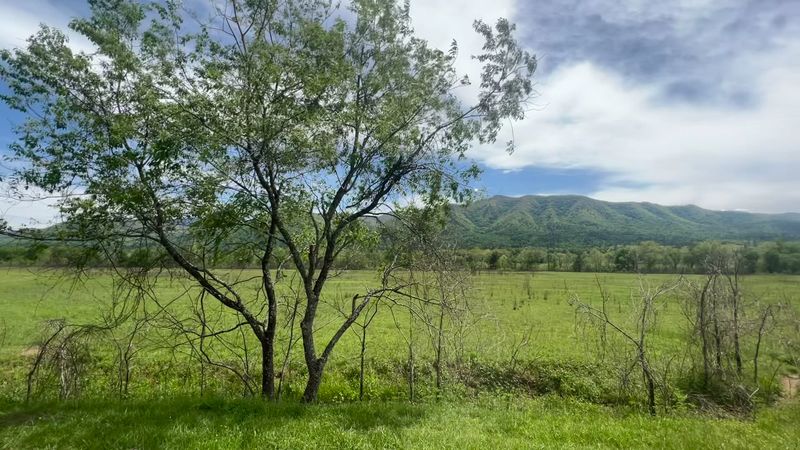
Arrive before the first blush of light and the valley greets you with silvered grass and breath clouds that just hang there.
The sun eases over the ridges and threads gold through the fence rails until the meadows glow like a quiet ember.
You barely speak because anything louder would break the spell.
Evening flips the script but keeps the calm.
Ridges turn violet, birds trade bright chirps for low notes, and a last deer drifts into view like a final line in a poem.
Shadows lengthen and you feel the day exhale with you.
These bookend hours do not ask for much.
A warm layer, patient hands, and eyes ready to map the sky are more than enough.
In those minutes, life feels both smaller and more complete.
It is as if the valley nods and says, you did well to come when the world is quiet.
The Trails That Lead to the Cove’s Secret Corners
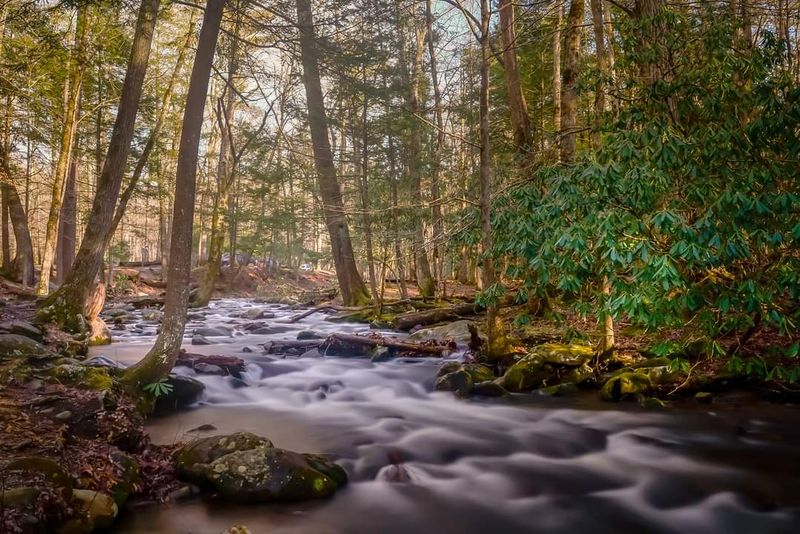
Short paths break from the loop and slide into little pockets where the cove keeps its secrets.
You hear the tread of your shoes soften as the meadow gives way to leaf litter and creek murmur.
Every few steps bring a new texture underfoot, and the air cools as the trees close ranks.
These trails are not about mileage so much as mood.
A bend reveals a mossy log, a hidden view, or a fence line that looks like a sentence paused mid thought.
It is enough to make you linger without checking a screen.
Some routes rise gently toward ridges while others weave between homesteads.
Maps at the visitor center help you pick a fit, and signs keep directions clear without cluttering the scene.
Walk with notice and you will find the quiet corners everyone talks about but few truly see.
The slower you go, the more the cove opens its doors.
Seasonal Changes That Transform the Valley Overnight
Spring spreads a green that looks newly minted, with dogwood blooms tucked like folded notes in the trees.
Creeks chatter louder, and fawns take their first careful steps in grass bright as a promise.
The valley feels freshly washed and full of beginnings.
Summer settles in with tall meadows and long daylight that drifts lazily toward evening.
Heat builds, storms rumble over the ridges, and everything smells alive and earthy after rain.
Shade along the forest edges becomes everyone’s favorite room.
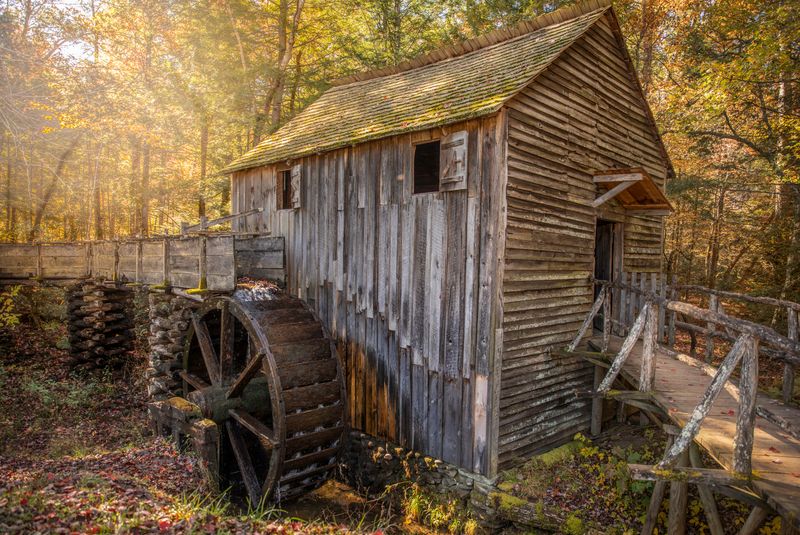
Autumn arrives and turns the cove into a moving gallery of copper, ember, and gold.
Mornings run cool, wildlife stays active, and every breeze rearranges the palette like confetti.
Then winter pares it all back to essentials.
Frost etches the fields, ridges sharpen, and the quiet grows deeper in a way that feels sacred.
Why Travelers Say They Think More Clearly Here
Clarity shows up when your senses are not pulled in five directions at once.
In Cades Cove, what you hear and see align, and that alignment feels like a reset button for your brain.
The soft rhythm of the place lets thoughts float to the surface unforced.
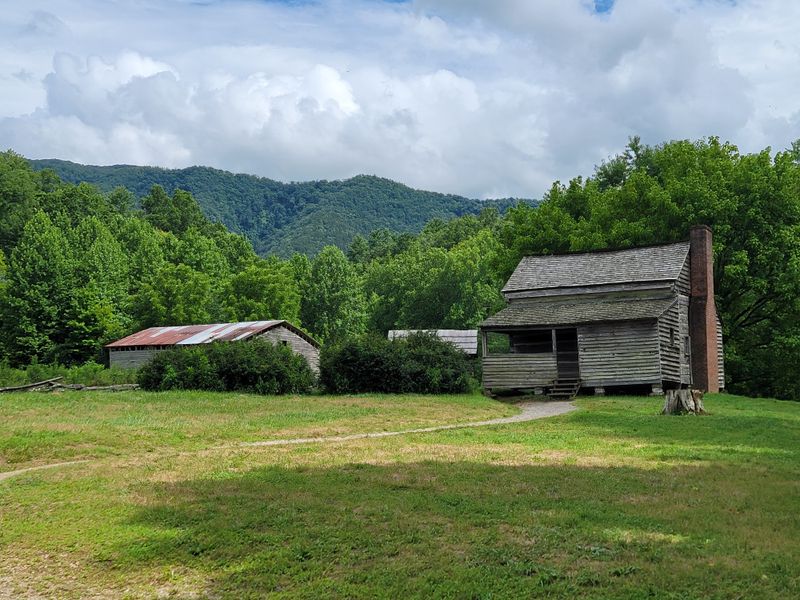
Walking between cabins and fields gives your mind steady, simple inputs.
They are the kind your nervous system knows how to file without stress.
Ideas arrive without effort, shaped by quiet rather than pressure.
There is also relief in being a small figure in a big valley.
Perspective expands, and problems shrink enough to handle piece by piece.
It is not magic, just the math of fewer noises and bigger skies.
You leave feeling lighter, with decisions that finally make sense.
How Cades Cove Keeps Its Peace While the World Speeds Up
Peace here is protected by small, consistent choices that visitors make together.
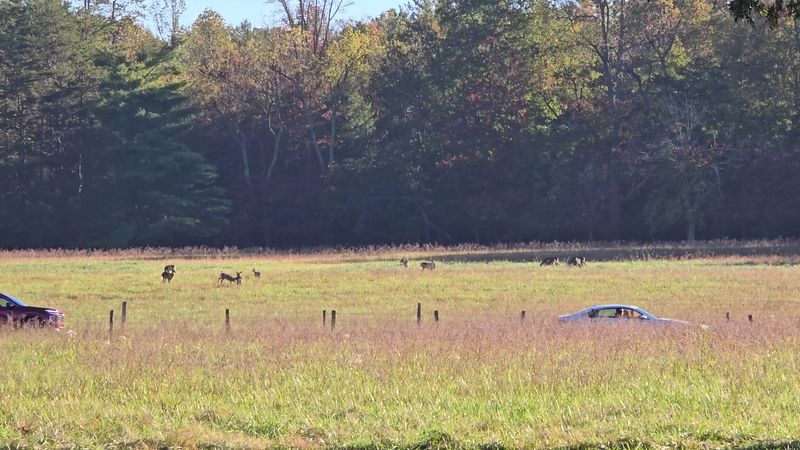
Pulling over instead of blocking the road means more people get the same chance to see a moment unfold.
Moving slowly and keeping distance from wildlife keeps animals safe and the valley calm.
Rangers set a tone that favors patience over hurry.
Vehicle free hours and clear signs offer quiet by design, and the landscape does the rest.
It is a partnership that asks little and gives a lot.
Even on busy days you can find stillness by starting early or stepping onto a side path.
The visitor center helps with maps, restrooms, and context so your time is simple and grounded.
Donations support preservation, and respect keeps the spirit intact for the next person.
In a quick world, the cove stays slow on purpose, and that is its greatest gift.
Dear Reader: This page may contain affiliate links which may earn a commission if you click through and make a purchase. Our independent journalism is not influenced by any advertiser or commercial initiative unless it is clearly marked as sponsored content. As travel products change, please be sure to reconfirm all details and stay up to date with current events to ensure a safe and successful trip.
