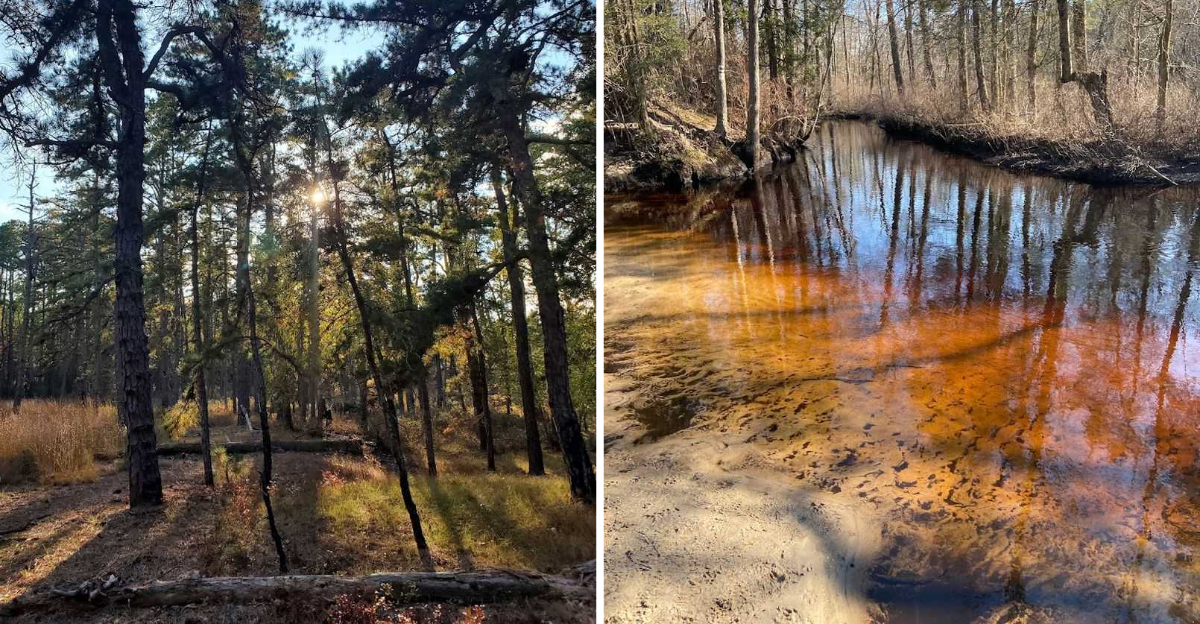
There’s a corner of New Jersey where the soundtrack isn’t honking horns or the Parkway’s endless hum; it’s just the crunch of your boots and the occasional bird that sounds like it’s judging your cardio.
I’ll admit, the first time I wandered down one of these trails, I kept waiting for a car to roar by… but nothing came, and it was oddly liberating.
You start to notice things you usually miss, like how pine needles smell sharper after rain, or how your thoughts get louder when there’s no background noise to drown them out.
If you have ever dreamed of hiking somewhere in New Jersey that does not smell like a rest stop, keep reading because this place is the real deal.
The Batona Trail: 53 Miles of Glorious Silence
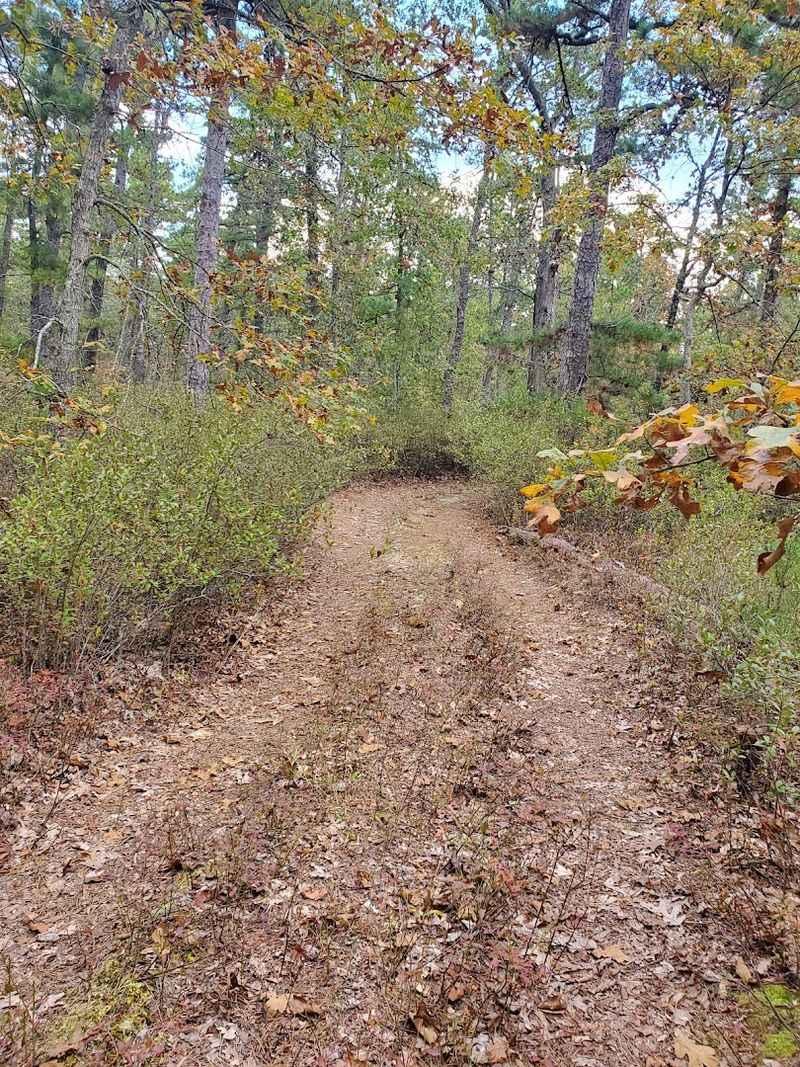
Few trails in the entire Northeast can match the sheer quietude of the Batona Trail, and hiking even a short stretch of it feels like stepping into a different century. Stretching roughly 53.5 miles through the heart of the Pine Barrens, this pink-blazed path connects Ong’s Hat in Brendan T.
Byrne State Forest all the way to Bass River State Forest. You are not going to find a coffee kiosk or a selfie crowd here.
The trail moves through open pine and oak woodland, crossing cedar-stained streams and threading past patches of sphagnum moss. Every footstep lands on soft, sandy soil that muffles sound in the best possible way.
The name Batona is actually short for Back to Nature, which is exactly the vibe every single mile delivers.
Day hikers can pick a section and turn around whenever they like. Backpackers can string together campsites and spend several nights under the stars.
Either way, the Parkway feels like a distant, foggy memory. Address: Pemberton Township, NJ 08015.
Cedar-Stained Streams That Look Like Iced Tea (But Taste Like Nature)
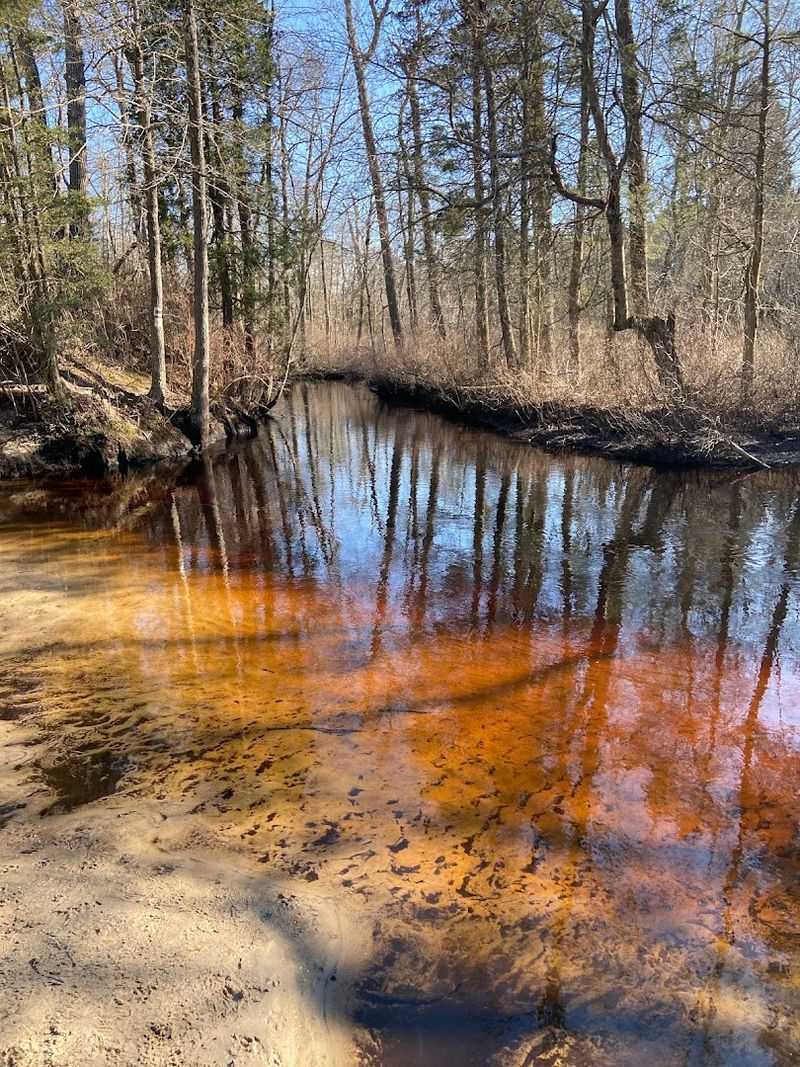
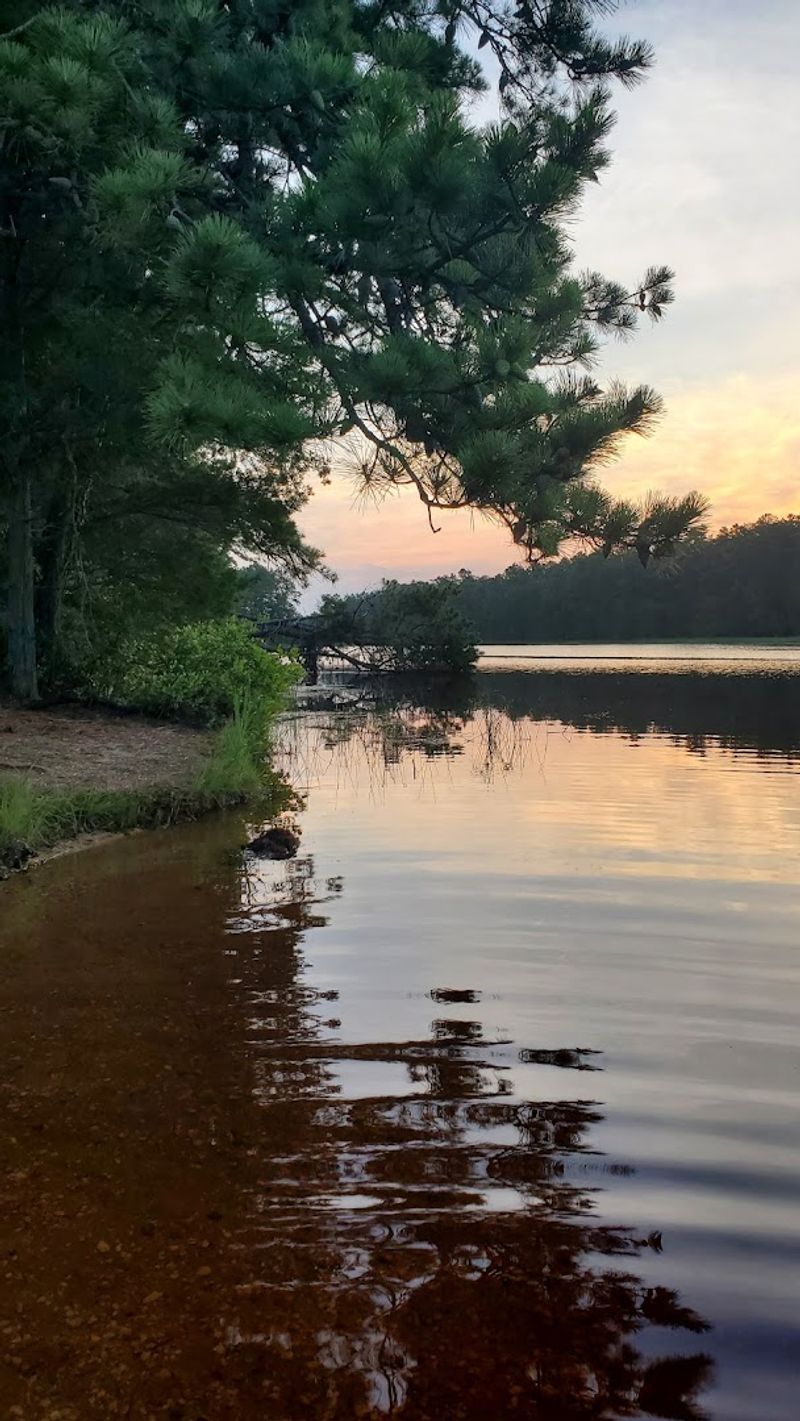
The water here runs a deep amber-brown color that genuinely looks like someone brewed a massive pot of unsweetened iced tea and let it loose through the forest. That color comes from tannins released by decaying cedar roots and organic matter, and it is completely natural.
Locals have been drinking filtered versions of this water for generations.
Crossing one of these streams mid-hike is one of those small moments that sticks with you. The water moves slowly, almost lazily, and the reflection of the pines doubles everything above into a mirror image below your boots.
It is the kind of sight that makes you stop walking without even deciding to.
Wildlife loves these waterways too. Frogs pop off logs, herons stand motionless like statues, and the occasional painted turtle suns itself on a half-submerged branch.
Packing a light lunch and sitting beside one of these streams is honestly one of the better decisions you can make on a Pine Barrens hiking day.
Wharton State Forest: The Massive Backyard You Never Knew Existed
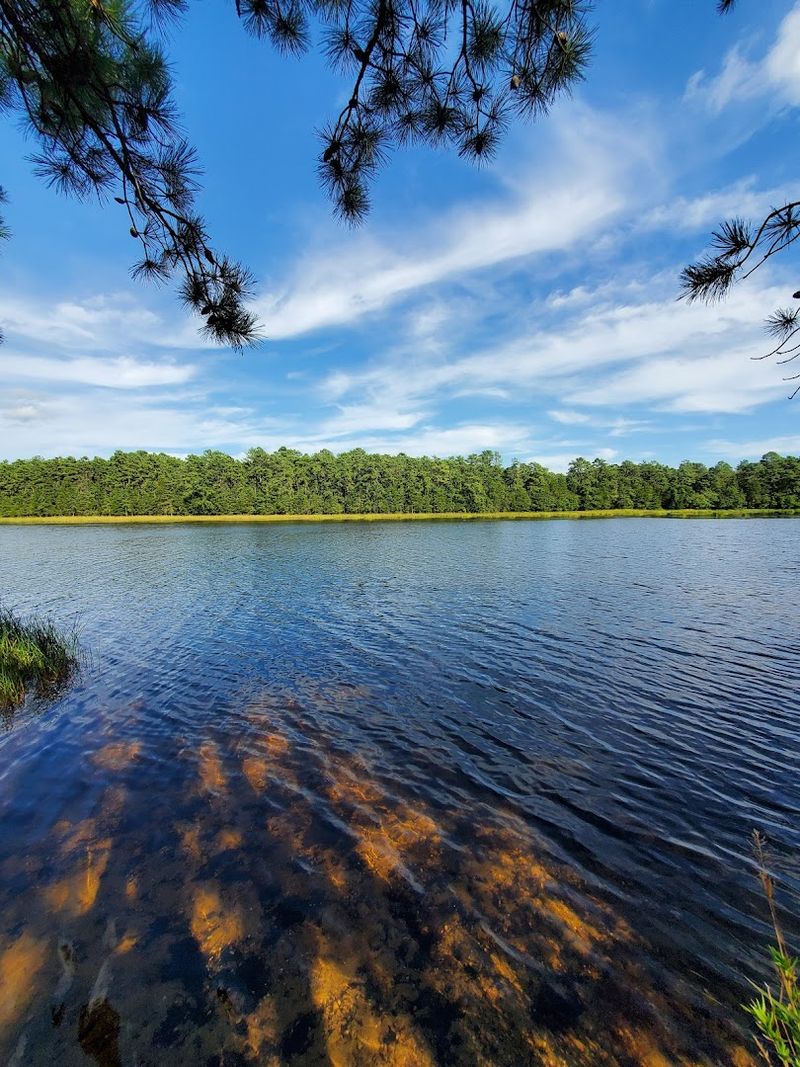
Wharton State Forest is the largest single tract of land in the New Jersey State Park system, covering over 122,000 acres. That number takes a second to land.
For reference, that is bigger than some entire counties. Trails, dirt roads, rivers, and ghost town ruins all share this enormous space in one of the most underrated outdoor destinations on the East Coast.
Hikers who explore Wharton quickly realize that getting genuinely away from everything is not just possible here, it is almost inevitable. The forest absorbs sound in a way that feels deliberate.
An hour in, and the mental chatter that follows most people everywhere starts to quiet down on its own.
Atsion Lake sits within the forest and offers a sandy beach, which makes a perfect reward after a long morning on the trails. The ruins of the old Batsto Village nearby add a layer of history that makes the whole experience feel richer.
Nature plus history plus zero traffic noise is a combination that is hard to beat.
The Silence Itself Is the Main Attraction
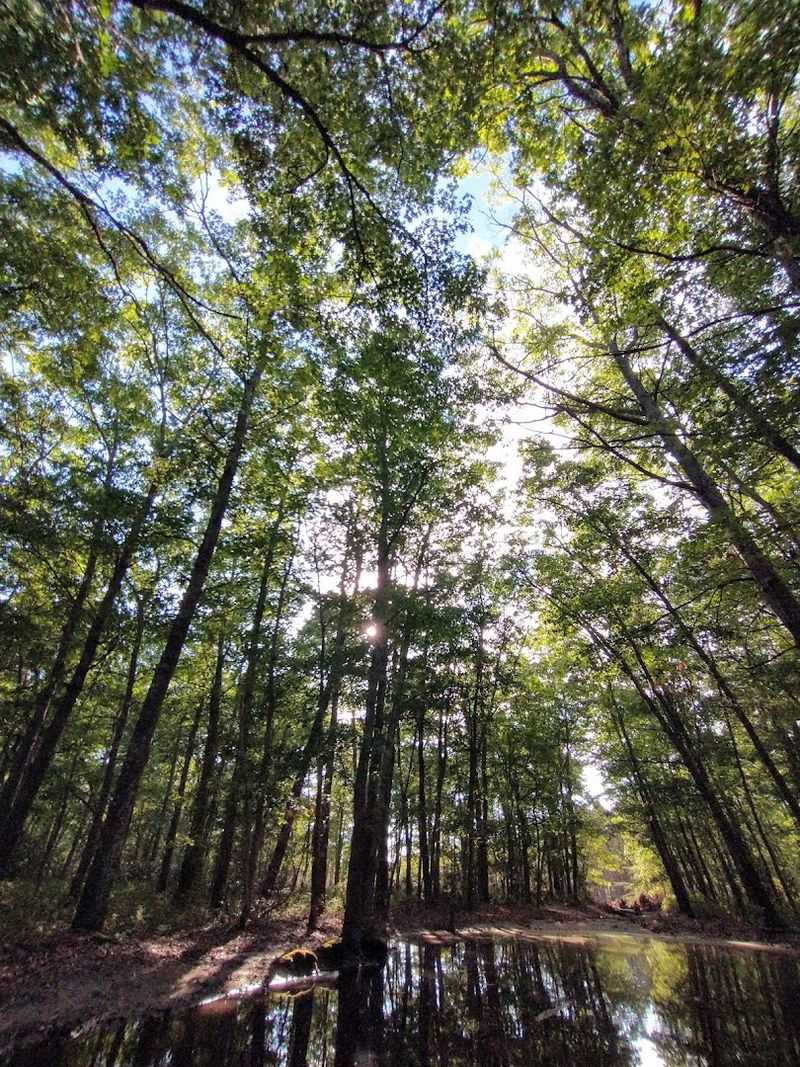
Most people do not realize how loud their regular life is until they step somewhere truly quiet. Standing in the middle of the Pine Barrens on a weekday morning, the absence of background noise is almost disorienting at first.
No sirens, no leaf blowers, no one’s playlist bleeding through their earbuds nearby.
What fills the space instead is genuinely interesting. Wind moves through the tops of the pitch pines with a low, steady rush.
Woodpeckers work on dead snags with surprising efficiency. Somewhere off in the scrub, a towhee calls out its scratchy little song and then goes quiet again.
That kind of sensory reset is something people pay a lot of money to chase in wellness retreats, and here it is just sitting in South Jersey for free. Spending even two hours in this level of quiet has a measurable effect on how your head feels afterward.
Lighter is the word most people reach for when they try to describe it. Lighter and somehow more awake.
Ghost Towns Hidden in the Trees
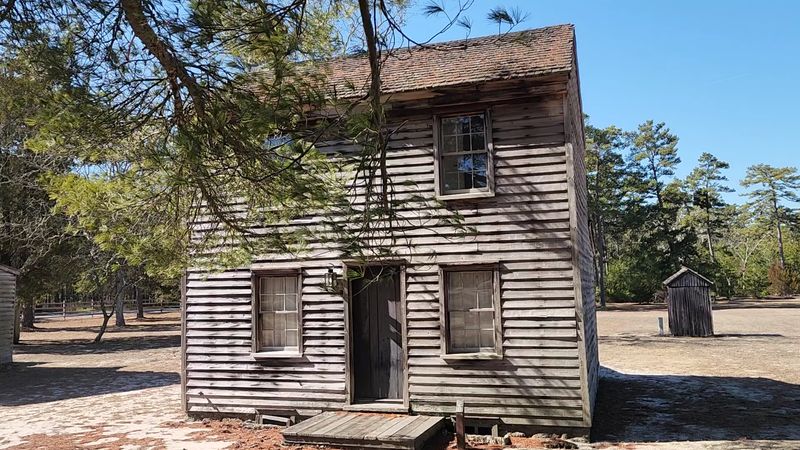
The Pine Barrens has a habit of swallowing history whole. Scattered throughout the forest are the ruins of towns that once thrived during the colonial iron industry, later abandoned when better resources were found elsewhere.
Batsto Village is the most preserved, but places like Harrisville and Martha Furnace are out there quietly crumbling back into the landscape.
Finding one of these ghost town remnants mid-hike adds a layer to the experience that is hard to replicate anywhere else in New Jersey. You round a bend in the trail and suddenly there are stone foundations half-buried in pine needles, chimney stacks standing alone in clearings, and old millponds gone still and dark.
The whole thing feels like the forest decided to reclaim something and is taking its time about it.
These sites are protected, so exploring them means looking without touching or disturbing anything. The history here is fragile in the best way.
Each crumbling wall represents a chapter of New Jersey that most people driving the Parkway have no idea ever existed.
Wildlife Encounters That Are Actually Exciting
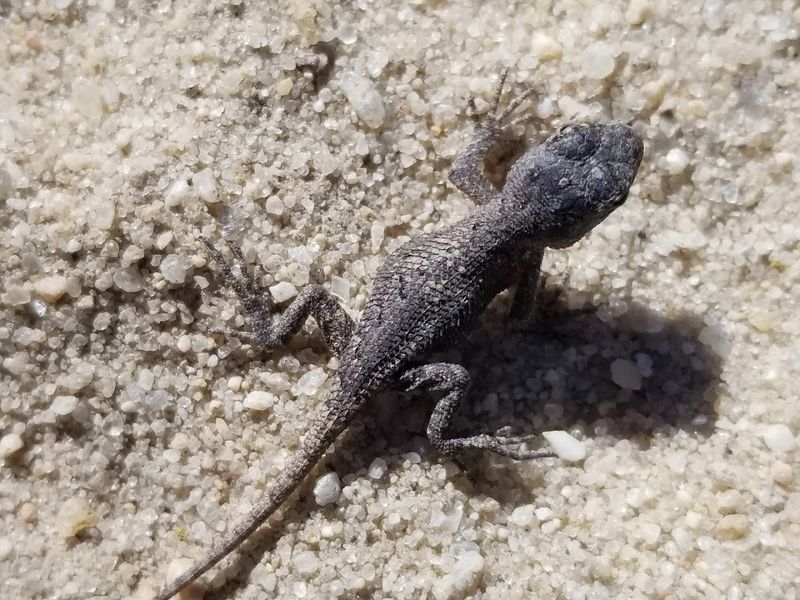
The Pine Barrens is home to a surprisingly diverse range of wildlife, and part of what makes hiking here feel alive is the constant awareness that you are sharing the space with creatures that have been here far longer than you. The Pine Barrens tree frog is a regional icon, tiny and vivid green, found almost nowhere else in the world outside this ecosystem.
Timber rattlesnakes live here too, and while that sounds alarming, encounters are rare and bites are even rarer when hikers stay on the trail and watch where they step. Seeing one from a safe distance is genuinely thrilling, the kind of moment that gets retold at every dinner party for the next six months.
Ospreys, barred owls, and red-tailed hawks patrol the sky above the canopy with impressive regularity. Deer move through the forest at dusk with a quiet elegance that somehow never gets old.
The Pine Barrens is not a zoo version of nature. It is the real, unfiltered thing, and that distinction matters more than most people expect.
Where to Fuel Up Before or After the Trail
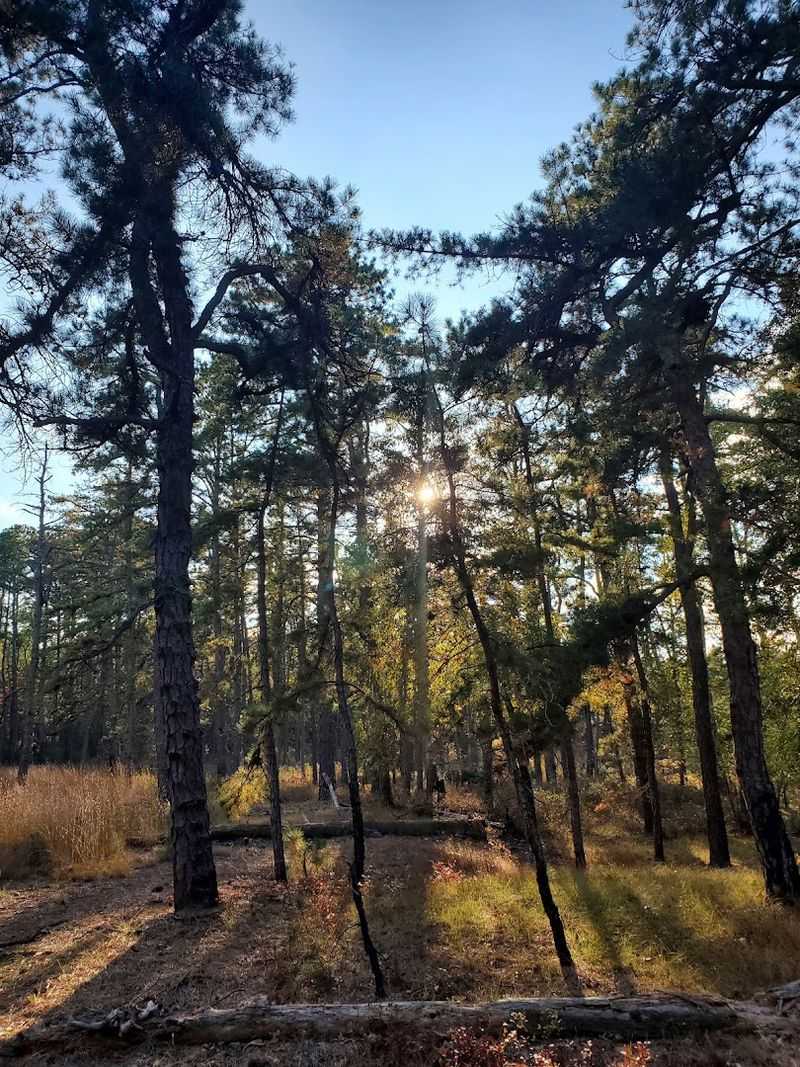
Getting out to the Pine Barrens from most parts of New Jersey means driving through a stretch of small towns and back roads that have their own quiet charm. The towns ringing the forest, like Medford, Chatsworth, and New Lisbon, have diners and small eateries that feel genuinely local in the best way.
Ordering a big breakfast before a long hike here is a ritual worth building into the trip.
Chatsworth is sometimes called the capital of the Pine Barrens, and its general store has been a gathering spot for locals and hikers alike for a very long time. Grabbing a sandwich or a hot drink there before heading into the woods feels like the right way to start the day.
The blueberry products in this region are also worth seeking out since the Pine Barrens produces some of the best blueberries in the country.
After the hike, a hot meal at a nearby spot lands differently than it would at home. Hunger earned through miles of sandy trail has a way of making even simple food taste extraordinary.
Kayaking and Canoeing the Winding Rivers Inside the Forest
Some of the best ways to experience the Pine Barrens do not involve boots at all. The Mullica River, the Wading River, and the Batsto River wind through the forest in long, unhurried loops that are absolutely perfect for a canoe or kayak trip.
The water moves slowly enough for beginners but holds enough twists and overhanging branches to keep experienced paddlers interested.
Paddling through the Pine Barrens feels like moving through a tunnel of cedar and pine that the rest of the world has completely forgotten about. The banks close in on both sides, the water runs that deep amber color, and the only sounds are your paddle dipping and the occasional splash of a startled frog.
It is meditative in a way that hiking can sometimes struggle to match.
Several outfitters in the area rent equipment and offer shuttle services, making a point-to-point river trip easy to organize without needing to figure out the logistics yourself. Checking water levels before going is always a smart step, especially after dry stretches in summer.
Why the Pine Barrens Deserves More Credit Than It Gets
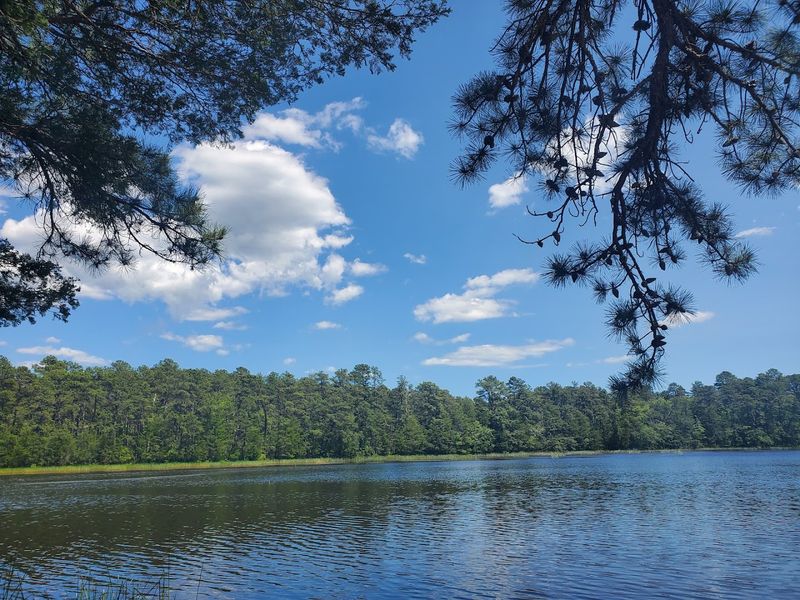
New Jersey has a reputation problem, and the Pine Barrens is the strongest argument against every bad joke the state has ever absorbed. Over a million acres of protected pine forest sitting in one of the most densely populated states in the country is genuinely remarkable.
It exists because of a hard-fought conservation effort in the 1970s that stopped a proposed international airport from being built right in the middle of it.
The Pinelands National Reserve, established in 1978, was the first national reserve of its kind in the United States. That history adds something to every hike, every paddle, every quiet moment spent out there.
The place was nearly lost, and the fact that it was not is worth appreciating out loud.
Coming here is not just a recreational choice. It is a small act of honoring something that took real effort to protect.
The trails are open, the rivers are running, the silence is waiting, and the Parkway will still be there when you get back.
Address: Pemberton Township, NJ 08015.
Dear Reader: This page may contain affiliate links which may earn a commission if you click through and make a purchase. Our independent journalism is not influenced by any advertiser or commercial initiative unless it is clearly marked as sponsored content. As travel products change, please be sure to reconfirm all details and stay up to date with current events to ensure a safe and successful trip.
