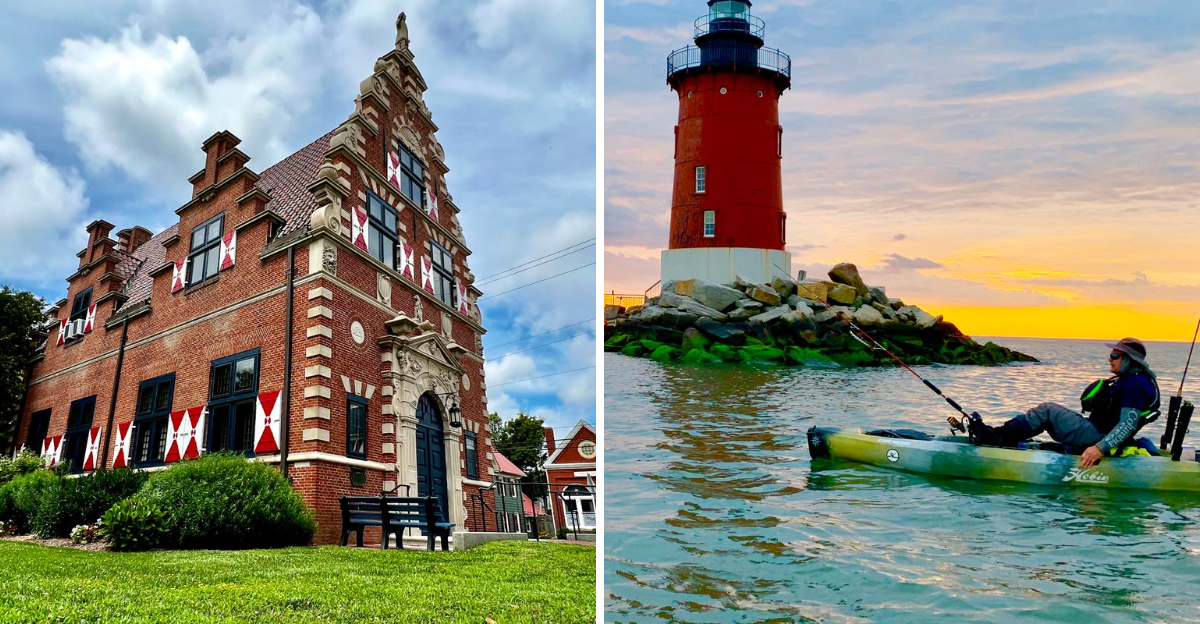
Lewes, Delaware sits quietly at the mouth of Delaware Bay, where history whispers from every cobblestone street and salt air carries stories from centuries past.
This charming coastal town, founded in 1631, holds the distinction of being the first European settlement in Delaware, and its carefully preserved architecture and maritime heritage make it one of the most captivating destinations along the mid-Atlantic coast.
Travelers seeking an authentic escape from modern chaos find themselves drawn to Lewes for its rare combination of waterfront beauty, walkable historic districts, and unhurried pace that invites genuine exploration.
Whether you arrive during the golden light of autumn, the breezy warmth of summer, or the quiet stillness of winter, this Delaware gem offers an afternoon of wandering that feels like stepping into a living postcard where past and present exist in perfect harmony.
Historic Downtown Second Street
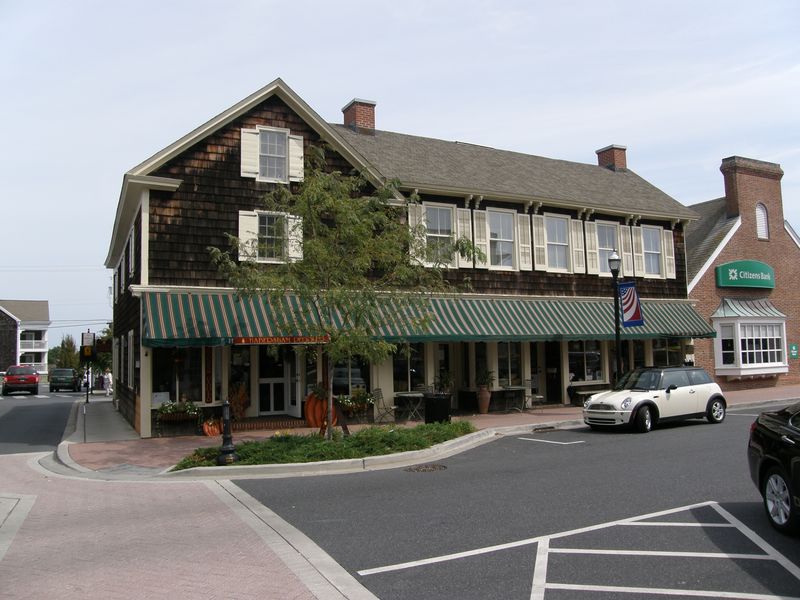
Walking down Second Street feels like entering a time capsule where modern conveniences blend seamlessly with eighteenth-century charm.
The brick sidewalks and carefully restored buildings create an atmosphere that invites slow, purposeful exploration rather than rushed sightseeing.
Independent boutiques showcase local artisans and craftspeople, offering handmade jewelry, coastal home decor, and Delaware-themed gifts that actually feel special rather than mass-produced.
The architecture tells stories through Federal-style facades, Victorian trim work, and colonial-era proportions that architects spent years researching and restoring to historical accuracy.
Benches positioned at strategic corners encourage visitors to sit, observe, and absorb the neighborhood rhythm as locals greet each other by name and shopkeepers sweep their storefronts with genuine pride.
Seasonal flower boxes burst with color during warmer months, while winter brings a cozy intimacy as golden light spills from shop windows onto the darkening streets.
The absence of chain stores preserves an authenticity that larger tourist towns lost decades ago, making every purchase feel like supporting actual community members rather than distant corporations.
Street lamps designed to replicate nineteenth-century gas fixtures illuminate evening strolls with a warm glow that enhances rather than overwhelms the historic ambiance.
This commercial heart of Lewes demonstrates how preservation and progress can coexist when community members value heritage over rapid development.
An afternoon spent wandering these blocks reveals new details with each pass, from decorative ironwork to hidden courtyards that reward curious explorers.
Lewes Beach and Coastal Scenery
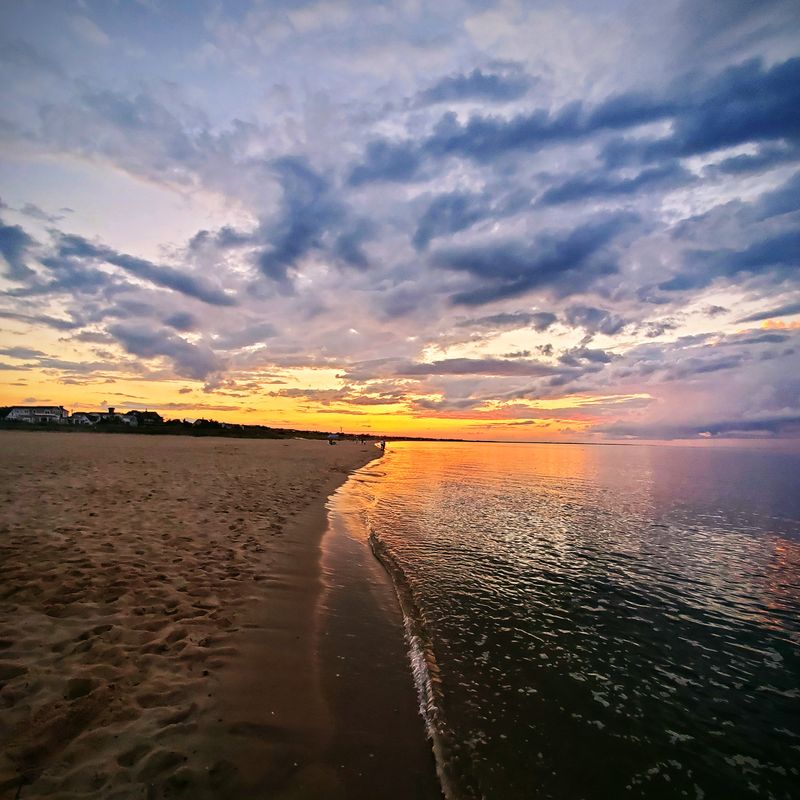
Unlike the crowded resort beaches that dominate Delaware’s coastline, Lewes Beach offers a quieter, more contemplative relationship with the Atlantic waters.
The Delaware Bay provides calmer waves than ocean beaches, creating ideal conditions for families with young children and anyone seeking peaceful water access without the intensity of crashing surf.
Located along Savannah Road, the beach stretches with generous public access points where visitors can spread blankets, wade in shallow waters, or simply watch boats navigate the shipping channel in the distance.
The protected bay location means warmer water temperatures and gentler currents, allowing extended swimming sessions without the exhausting battle against powerful waves.
Sunsets here paint the sky in extraordinary colors as the western exposure creates perfect conditions for photographers and romantics who gather each evening during summer months.
The beach grass-covered dunes provide natural windbreaks and habitat for shore birds that add their calls to the soundtrack of lapping waves and distant boat engines.
Fishing enthusiasts cast lines from the shore, hoping for flounder, striped bass, or bluefish while sharing tips and stories with fellow anglers who return to the same spots year after year.
The lack of boardwalk commercialization means no arcade noise, no carnival food smells, just pure coastal atmosphere that lets the natural environment take center stage.
Walking the shoreline at low tide reveals tidal pools, shells, and occasionally the smooth curves of sea glass that beachcombers collect like precious gemstones.
Zwaanendael Museum and Maritime Heritage
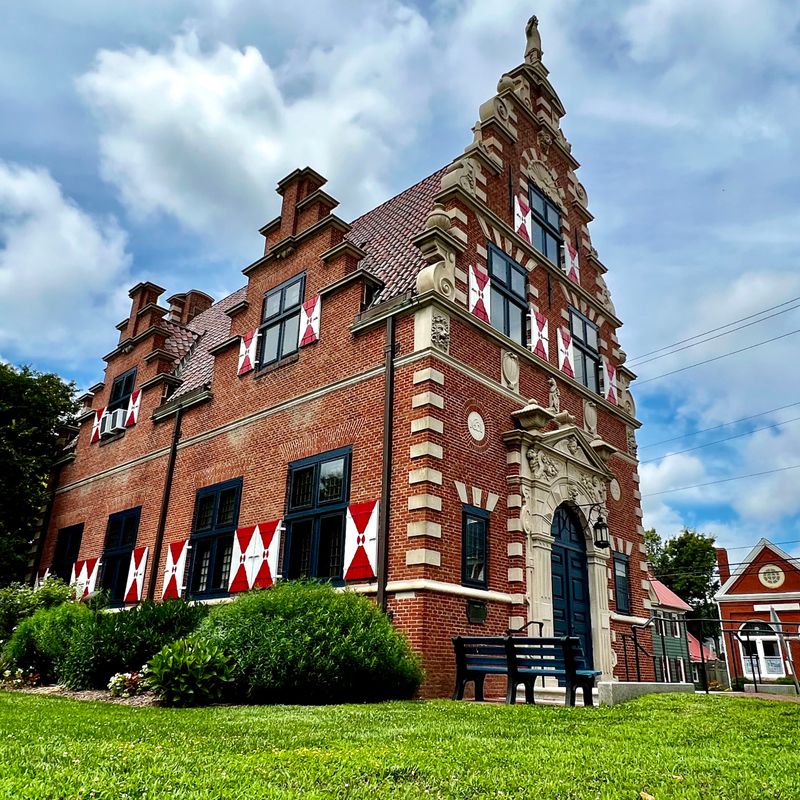
Standing at 102 Kings Highway, the Zwaanendael Museum commands attention with its striking Dutch Renaissance architecture that seems transported directly from the Netherlands.
Built in 1931 to commemorate the three hundredth anniversary of Delaware’s first European settlement, the building itself serves as a work of art that honors the Dutch colonists who arrived in 1631.
The ornate stepped gable facade and decorative stonework replicate the town hall in Hoorn, Netherlands, creating an unexpected visual surprise amid the predominantly English colonial architecture surrounding it.
Inside, exhibits chronicle Lewes’s fascinating maritime history, from the original Dutch settlement’s tragic end to the town’s strategic importance during various military conflicts including the War of 1812.
Artifacts recovered from shipwrecks off the Delaware coast tell stories of commerce, tragedy, and the dangerous navigation required in these waters before modern technology.
The museum’s collection includes period furniture, navigational instruments, and personal items that humanize the historical figures who built this community through determination and resilience.
Admission remains free, reflecting Delaware’s commitment to accessible public history and the belief that understanding the past should not be limited by economic barriers.
Knowledgeable staff members answer questions with genuine enthusiasm, often sharing details not found in the written displays about local legends and lesser-known historical events.
The building’s architectural uniqueness makes it a popular photography subject, especially when flowering plants frame the entrance during spring and summer months.
Visiting this museum provides essential context for understanding why Lewes developed its particular character and how maritime commerce shaped community identity.
Cannonball House and Colonial Architecture
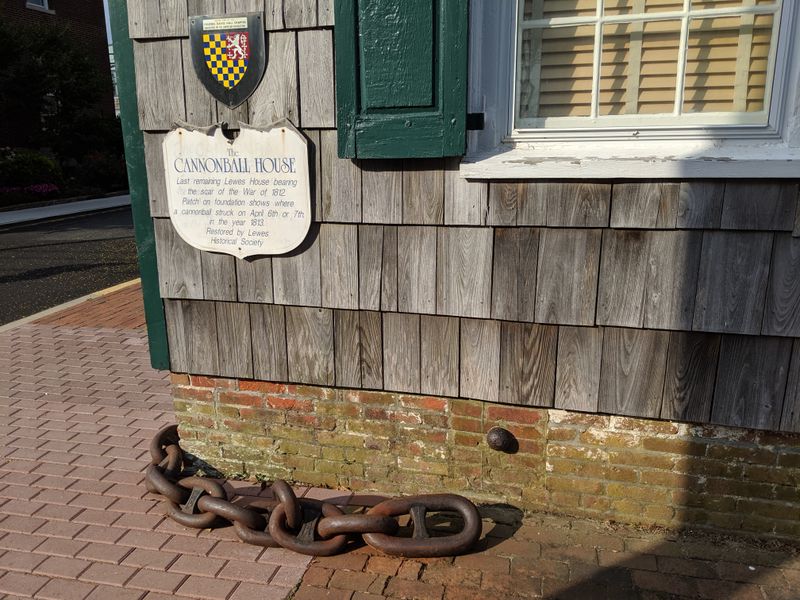
The Cannonball House earned its memorable name from a British naval attack during the War of 1812 when a cannonball lodged in its foundation during the bombardment of Lewes.
Located at 118 Front Street, this marine pilots’ house dates to 1797 and represents the Georgian architectural style that wealthy maritime professionals favored during the early Federal period.
The structure’s survival through centuries of coastal storms, military attacks, and changing economic fortunes demonstrates the quality of craftsmanship that colonial builders brought to their work.
Today operated by the Lewes Historical Society, the house opens for tours that transport visitors into the daily life of Delaware’s maritime families during the eighteenth and nineteenth centuries.
Period furnishings, cooking implements, and personal items fill the rooms with tangible connections to people who navigated life without electricity, indoor plumbing, or any modern conveniences we consider essential.
The kitchen hearth, with its collection of iron pots and wooden utensils, illustrates the labor-intensive process of preparing meals when every ingredient required hours of physical work.
Guides share stories about the pilots who lived here, explaining their crucial role in safely navigating ships through the treacherous shoals and shifting channels of Delaware Bay.
The embedded cannonball remains visible, serving as a dramatic reminder that this peaceful town once faced direct military threats and that residents endured genuine danger during wartime.
Surrounding the house, heritage gardens grow plants that colonial families would have cultivated for cooking, medicine, and household uses, adding living history to the architectural preservation.
Walking through these rooms connects visitors to the resilience and ingenuity of earlier generations who built thriving communities despite hardships modern Americans can barely imagine.
Cape Henlopen State Park Trails
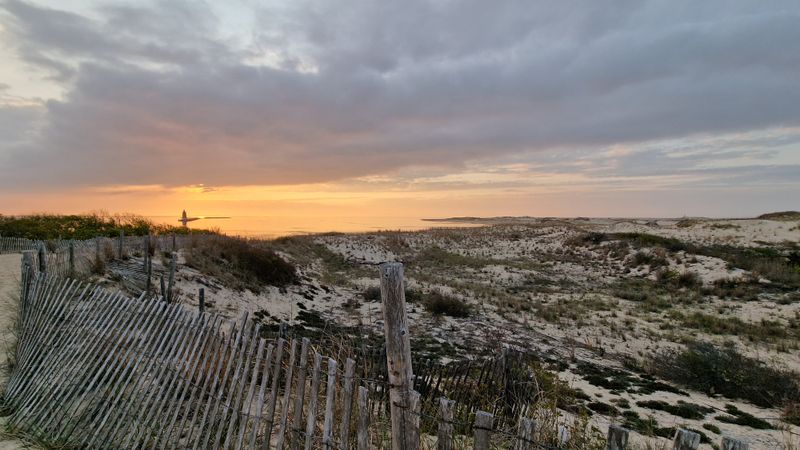
Just beyond the historic town center, Cape Henlopen State Park preserves over five thousand acres of pristine coastal ecosystem where nature trails wind through environments ranging from maritime forest to open dunes.
The park entrance at 15099 Cape Henlopen Drive provides access to multiple trail systems that accommodate various fitness levels and time constraints, from short nature walks to longer explorations.
The Walking Dunes Trail offers perhaps the most dramatic scenery as it climbs through shifting sand formations that demonstrate the constant reshaping power of wind and weather.
These dunes reach impressive heights, and the climb rewards effort with panoramic views across Delaware Bay, the Atlantic Ocean, and the patchwork landscape of the park below.
The Pinelands Nature Trail provides contrast as it loops through shaded maritime forest where twisted pines create a canopy that filters sunlight into dappled patterns across the sandy path.
Bird watchers bring binoculars to spot the incredible variety of species that use this coastal habitat during migration, nesting, or year-round residence.
Interpretive signs along the trails explain the ecological relationships between plants, animals, and the challenging coastal environment where salt spray, sandy soil, and strong winds limit what species can survive.
The trails remain relatively uncrowded even during peak tourist season, as most beach visitors concentrate on the swimming areas rather than exploring the inland sections.
Spring brings wildflowers that dot the landscape with color, while autumn transforms the vegetation into warm earth tones that photographers particularly appreciate.
These trails offer the perfect counterpoint to historic downtown wandering, providing natural beauty and physical activity that complements cultural exploration.
Lewes Harbor and Working Waterfront
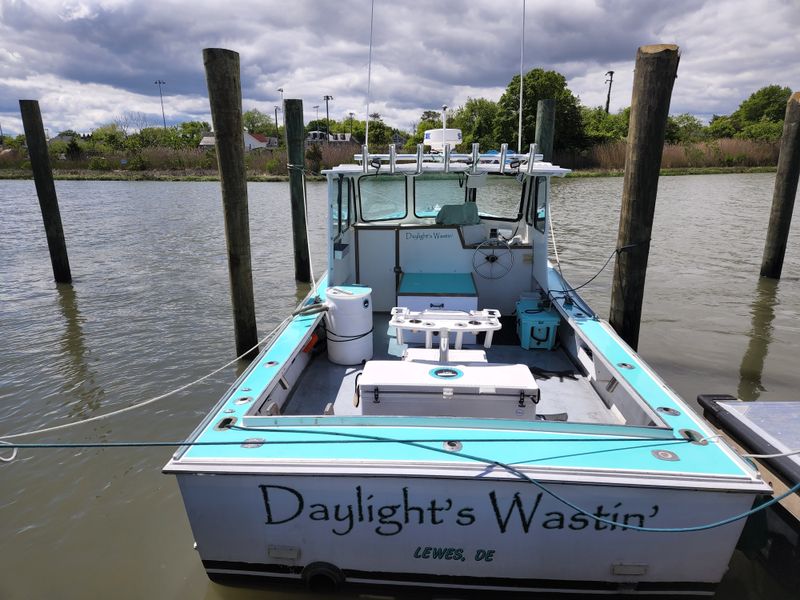
Watching the working harbor reveals Lewes’s continued connection to the maritime industries that founded and sustained the town for nearly four centuries.
Commercial fishing boats depart before dawn and return in afternoon light, their decks loaded with the day’s catch while gulls circle overhead hoping for discarded scraps.
The harbor accommodates recreational sailors alongside working vessels, creating a diverse waterfront scene where million-dollar yachts dock near weathered fishing trawlers that have worked these waters for decades.
The Cape May-Lewes Ferry terminal dominates one section of the waterfront at 43 Cape Henlopen Drive, where massive vessels transport vehicles and passengers across Delaware Bay throughout the day and evening.
Watching the ferry operations provides free entertainment as the enormous ships maneuver into their berths with impressive precision despite strong currents and changing tidal conditions.
Smaller charter boats offer fishing excursions, sunset cruises, and dolphin-watching tours that provide different perspectives on the coastal environment and marine life.
The harbor walk allows visitors to stroll along the water’s edge, reading historical markers that explain the evolution of maritime commerce and the various industries that have operated from these docks.
Benches positioned at intervals invite contemplative sitting, where the rhythmic sounds of halyards clanging against masts create a distinctly nautical soundtrack.
Sunrise and sunset transform the harbor into a photographer’s paradise as changing light reflects off the water and silhouettes the boats against colorful skies.
The authentic working waterfront atmosphere distinguishes Lewes from sanitized tourist ports where maritime heritage exists only in museum displays rather than continuing as living economic activity.
Shipcarpenter Square Historic District
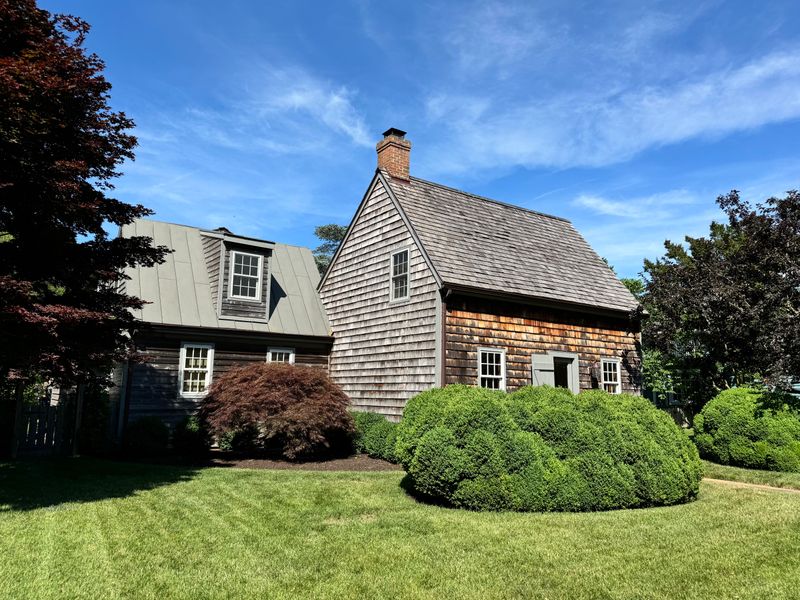
Tucked away from the main commercial streets, Shipcarpenter Square represents one of Delaware’s most perfectly preserved residential historic districts where time seems suspended in the eighteenth century.
The square’s layout follows the original town plan, with modest homes built by the craftsmen who constructed and repaired the wooden ships that formed the backbone of the colonial economy.
These shipcarpenters possessed specialized skills that commanded respect and decent wages, allowing them to build solid homes that have survived centuries of coastal weather and changing architectural fashions.
Walking these quiet streets reveals architectural details that modern construction rarely includes, from hand-hewn beams to irregular window glass that distorts reflections in ways that machine-made panes never could.
The homes maintain human scale, with low ceilings and small rooms that reflect both the building materials available and the practical need to heat spaces during Delaware’s cold winters.
Gardens overflow with flowering plants and heritage vegetables, as current residents honor the tradition of productive yards that provide beauty alongside practical harvests.
The district’s streets remain narrow, designed for foot traffic and horse-drawn carts rather than modern vehicles, which naturally slows the pace and encourages pedestrian exploration.
Historical markers identify particularly significant structures and explain the lives of notable residents who contributed to the community’s development through their craftsmanship and civic participation.
Unlike museum villages where historic buildings stand empty, Shipcarpenter Square thrives as a living neighborhood where families actually reside in these centuries-old homes, maintaining them with obvious care and pride.
The district demonstrates that historic preservation can support vibrant residential life rather than creating frozen-in-time tourist attractions that feel artificial and disconnected from contemporary community.
Lewes Farmers Market and Local Food Culture
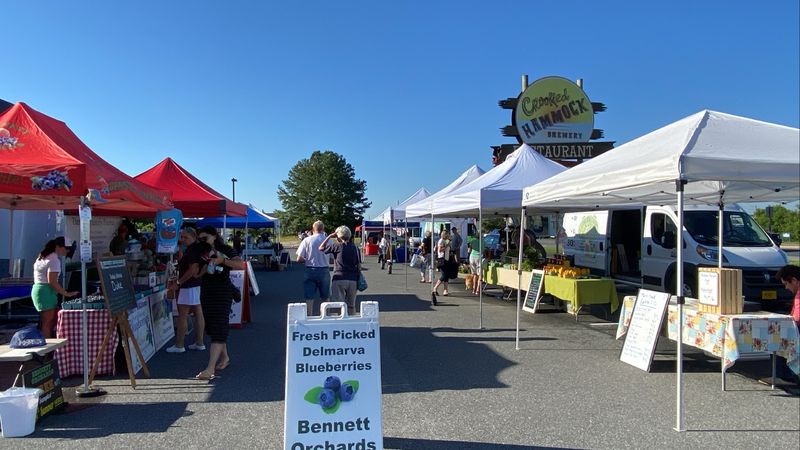
Every Saturday morning from May through October, the Lewes Farmers Market transforms the parking area at 120 Second Street into a celebration of regional agriculture and artisanal food production.
Farmers arrive before dawn to arrange displays of vegetables still carrying morning dew, their colors so vibrant they seem almost unreal compared to supermarket produce shipped from distant states.
The market emphasizes genuine local production, with vendors required to grow or make what they sell rather than reselling commercial products, ensuring authenticity that shoppers can taste in every bite.
Heirloom tomatoes in rainbow colors, sweet corn picked the previous afternoon, and berries that stain fingers with proof of their ripeness fill tables alongside fresh-cut flowers and potted herbs.
Artisan bakers offer breads with crackling crusts and complex flavors developed through long fermentation, a stark contrast to the uniform softness of industrial loaves.
Local honey vendors explain how the flavor profiles change throughout the season as bees visit different flowering plants, turning a simple sweetener into a reflection of the landscape.
Prepared food vendors serve breakfast items and early lunches made from market ingredients, allowing visitors to taste the quality difference that fresh, local sourcing creates.
The market functions as community gathering space where neighbors catch up on news, musicians provide live entertainment, and children learn where food actually comes from beyond grocery store shelves.
Chefs from local restaurants shop alongside home cooks, all seeking the superior ingredients that make Delaware’s agricultural heritage tangible and delicious.
This weekly ritual connects Lewes residents and visitors to the surrounding farmland and fishing waters that have sustained the community for generations, making food culture inseparable from place-based identity.
Breakwater Lighthouse and Maritime Views
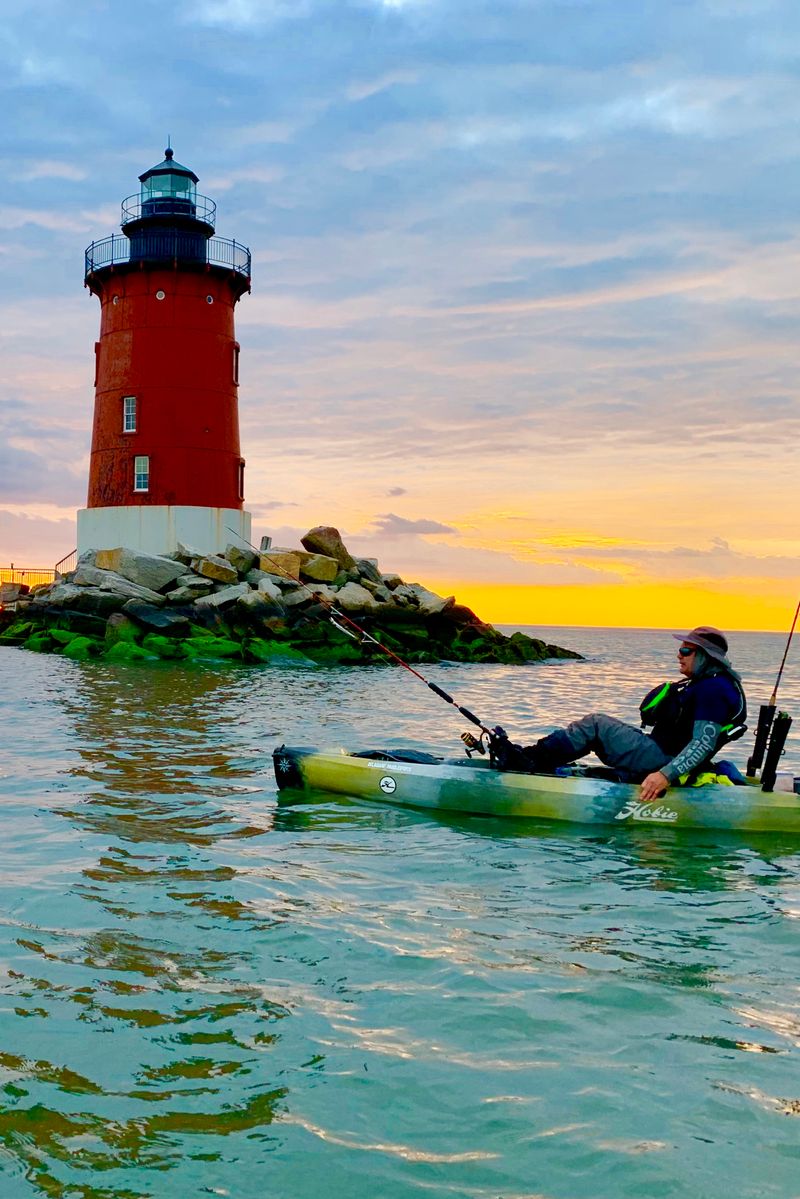
The distinctive red and white lighthouse standing in Delaware Bay serves as both navigational aid and beloved symbol of Lewes’s maritime character.
Originally constructed in 1885, the Harbor of Refuge Lighthouse marked safe passage through the breakwater that protected ships seeking shelter from Atlantic storms in the calmer bay waters.
While the lighthouse sits offshore and cannot be accessed by foot, it creates a striking focal point visible from multiple locations around Lewes, particularly from Cape Henlopen State Park beaches and the harbor area.
The structure’s Victorian-era design features ornate ironwork and a distinctive color scheme that photographers capture in countless images as boats pass nearby creating perfect compositional elements.
The lighthouse continues operating as an active aid to navigation, its automated light flashing the same pattern that has guided mariners for over a century, connecting past and present maritime traditions.
Boat tours occasionally circle the lighthouse, providing closer views and historical context about its construction, the challenging conditions lighthouse keepers endured, and the engineering required to build stable structures in open water.
The massive stone breakwater itself represents an impressive feat of nineteenth-century engineering, constructed from thousands of tons of granite transported to the site and carefully positioned to create the harbor of refuge.
Watching ships navigate past the lighthouse illustrates why Lewes developed as a pilot station, as the complex currents, shifting shoals, and narrow channels require expert knowledge to traverse safely.
The lighthouse appears in countless paintings, photographs, and postcards, functioning as visual shorthand for Lewes in the same way certain monuments represent larger cities.
This enduring structure embodies the relationship between human ingenuity and natural forces that has defined coastal communities throughout history.
Seaside Cafes and Waterfront Dining
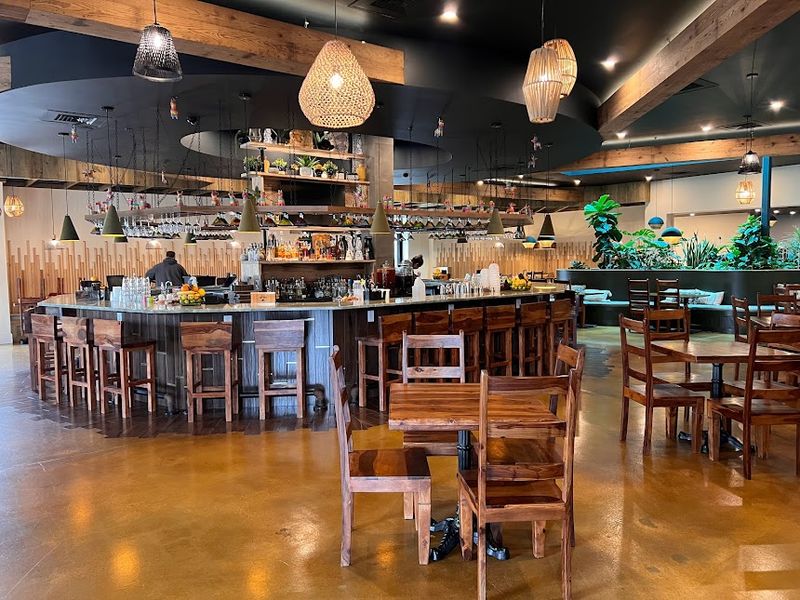
Afternoon wandering builds appetite, and Lewes delivers dining options that enhance rather than interrupt the exploration experience with their emphasis on local ingredients and waterfront atmosphere.
Restaurants throughout town showcase Delaware’s coastal bounty, from blue crabs to locally caught fish that arrive at kitchen doors within hours of being pulled from the water.
Outdoor seating areas take advantage of the temperate climate and scenic views, allowing diners to watch harbor activity while enjoying meals that taste distinctly of place and season.
The casual dining culture means visitors can arrive in walking clothes rather than changing into formal attire, keeping the relaxed afternoon vibe intact through the meal.
Local breweries have established tasting rooms where regional craft beers complement the coastal cuisine, with many establishments featuring outdoor spaces perfect for lingering over afternoon drinks.
Agave Mexican Restaurant at 137 Second Street combines coastal location with south-of-the-border flavors, offering creative variations on traditional dishes alongside extensive tequila selections.
The menu creativity extends beyond seafood, with farm-to-table restaurants highlighting relationships with nearby agricultural producers who supply vegetables, meats, and dairy products throughout the growing season.
Coffee shops provide afternoon pick-me-ups alongside homemade pastries, creating perfect rest stops where wanderers can review their discoveries while planning the next destination.
The dining scene balances upscale options with casual spots, ensuring that budget-conscious travelers and special-occasion diners both find appealing choices that match their preferences and circumstances.
Eating in Lewes becomes part of the cultural experience rather than merely functional fuel, as the emphasis on quality, locality, and atmosphere transforms meals into memorable components of the afternoon adventure.
Dear Reader: This page may contain affiliate links which may earn a commission if you click through and make a purchase. Our independent journalism is not influenced by any advertiser or commercial initiative unless it is clearly marked as sponsored content. As travel products change, please be sure to reconfirm all details and stay up to date with current events to ensure a safe and successful trip.
