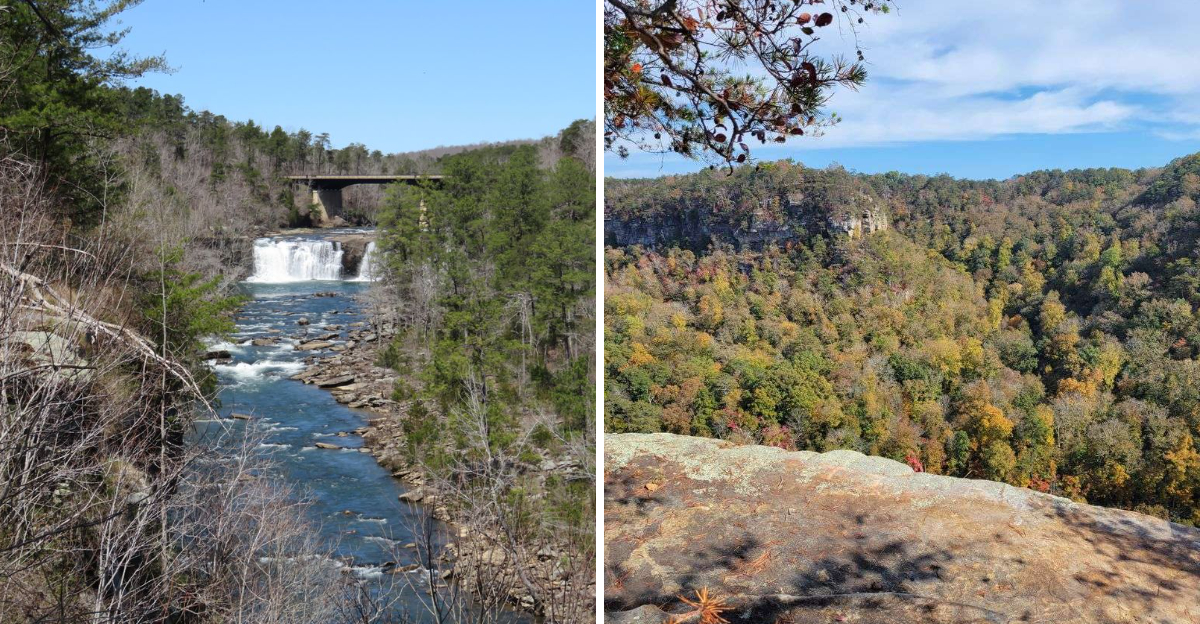
Little River Canyon National Preserve sits in northeastern Alabama, perched dramatically atop Lookout Mountain where the Little River carves through ancient sandstone cliffs and forested uplands.
This protected area offers one of the most spectacular scenic drives in the entire Southeast, winding along canyon rims with jaw-dropping views at nearly every turn.
Travelers come here to escape the ordinary, discovering waterfalls that tumble into deep gorges, overlooks that reveal layers of misty mountains, and a river that flows entirely along a mountaintop.
Whether you visit during the fiery colors of autumn or the lush greenery of summer, this drive delivers natural beauty that will surprise even the most seasoned road trippers.
We’ve based this piece on drives that caught us off guard, scenic moments along the way, and how often we found ourselves pulling over to look around.
Beauty has a way of sneaking up on you, and it doesn’t hit everyone the same way.
This take is unavoidably subjective.
Canyon Rim Drive: The Heart of the Journey
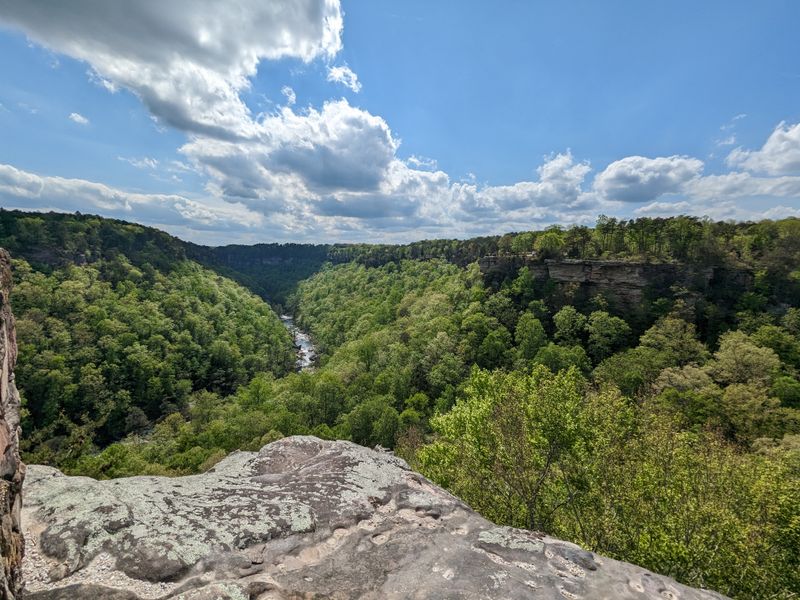
Canyon Rim Drive stretches for approximately 11 miles along the western edge of Little River Canyon, offering a driving experience unlike anything else in Alabama.
The road hugs the canyon’s edge, providing constant access to overlooks where you can pull off and take in the sweeping vistas below.
As you navigate the gentle curves, the forest opens periodically to reveal the canyon dropping away hundreds of feet, with the river glinting far below like a silver ribbon.
During spring, wildflowers bloom along the roadside, adding splashes of color to the already stunning scenery.
Summer brings thick canopies of green that provide welcome shade, while autumn transforms the landscape into a painter’s palette of reds, oranges, and golds.
Winter offers its own stark beauty, with bare branches revealing views that remain hidden during other seasons.
The road itself is well-maintained and accessible for all types of vehicles, making it perfect for families, couples, or solo travelers.
You can complete the drive in about 30 minutes without stops, but most visitors spend two to three hours exploring the various overlooks and taking photographs.
Early morning drives often reward travelers with fog filling the canyon like a ghostly sea, creating an ethereal atmosphere.
Late afternoon light paints the canyon walls in warm golden tones, perfect for capturing memorable images.
This drive serves as the backbone of your visit to Little River Canyon National Preserve, connecting you to most of the area’s major attractions and viewpoints.
Little River Falls: A Thundering Welcome
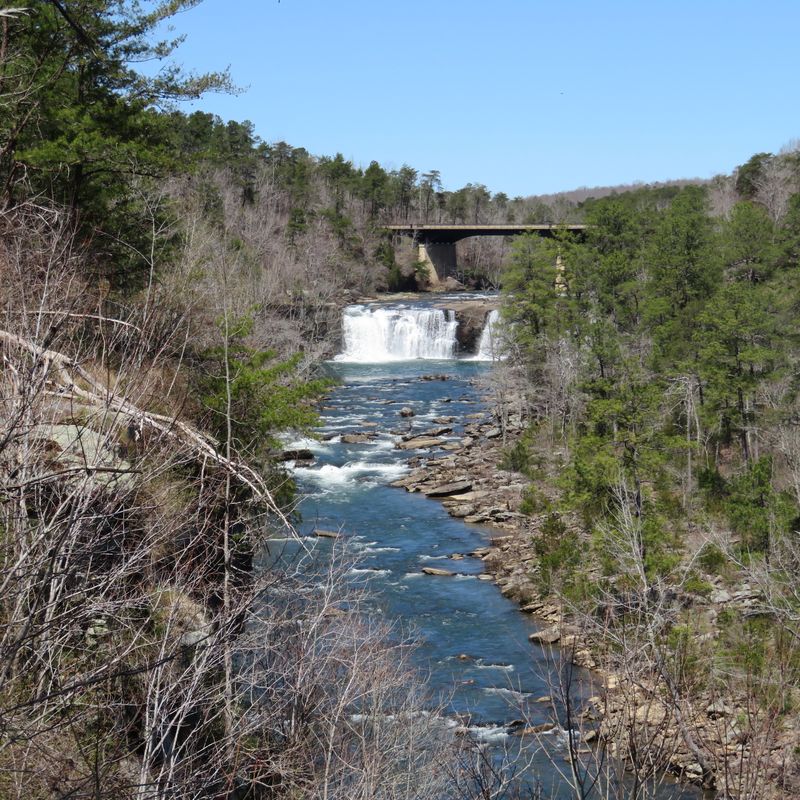
Before you even begin Canyon Rim Drive, Little River Falls announces the preserve’s dramatic character with a powerful display of falling water.
Located near the northern entrance, this waterfall spreads wide across a sandstone ledge, dropping about 45 feet into a pool surrounded by massive boulders.
The falls are easily accessible via a short paved path from the parking area, making them one of the most visited spots in the preserve.
Water volume varies dramatically with the seasons, ranging from a gentle cascade during dry summer months to a roaring torrent after spring rains.
The viewing platform offers safe vantage points for photographs, though adventurous visitors often scramble down to the rocks below for closer perspectives.
Mist from the falls creates cool microclimates where ferns and mosses thrive, clinging to the damp rock faces.
Rainbow formations often appear in the spray during sunny afternoons, adding magical touches to an already impressive scene.
The sound of the falls can be heard from the parking area, building anticipation as you approach.
Swimming is popular in the pool below during summer, though the current can be strong and rocks slippery, requiring caution.
Many visitors make this their first stop, using it as an introduction to the preserve’s geological wonders.
The falls demonstrate how the Little River has carved through layers of sandstone over millions of years, creating the canyon downstream.
Grace’s High Falls: Hidden Gem of the Canyon
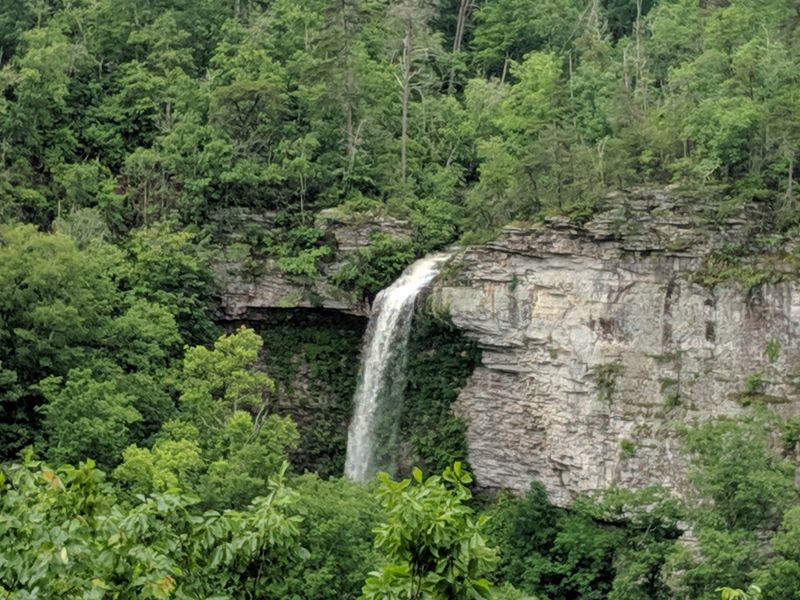
Tucked away along the canyon’s edge, Grace’s High Falls requires a moderate hike but rewards those who make the effort with one of Alabama’s most beautiful waterfalls.
The trail descends about 300 feet over roughly a mile, winding through hardwood forest before emerging at the falls.
Water plunges approximately 133 feet in two distinct drops, creating a spectacular display against the canyon’s layered sandstone walls.
The lower section of the trail can be steep and rocky, so sturdy hiking shoes are essential for safe navigation.
At the base, a small pool collects the falling water, surrounded by boulders perfect for resting and enjoying the scene.
The hike back up is strenuous, so many visitors choose to go slowly and take breaks at scenic spots along the way.
Spring brings the highest water flow, making the falls most impressive, though they remain beautiful even during drier periods.
The surrounding forest provides habitat for various wildlife, and hikers often spot deer, turkeys, and numerous bird species.
The falls are named after Grace Mauldin, whose family once owned land in the area.
Photography enthusiasts love the challenge of capturing the falls’ full height, which requires careful positioning and sometimes wide-angle lenses.
The trail is less crowded than other preserve attractions, offering a more solitary experience with nature.
Eberhart Point: Canyon’s Most Dramatic Overlook
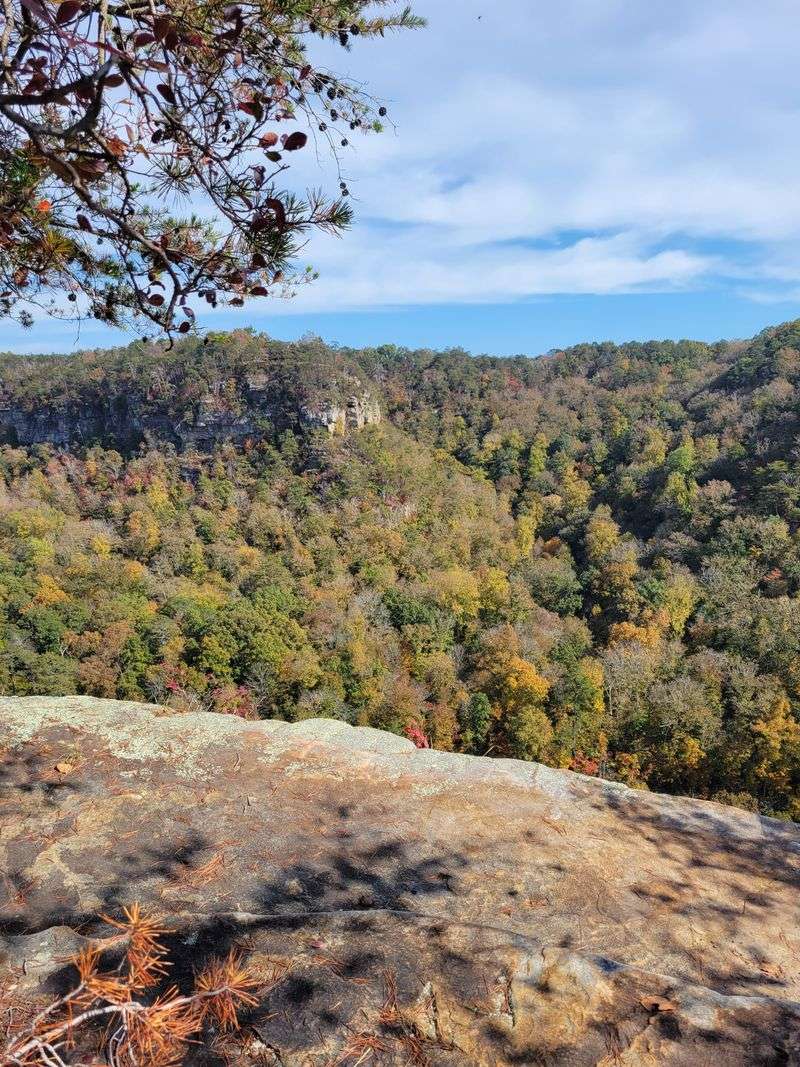
Among the numerous overlooks along Canyon Rim Drive, Eberhart Point stands out as perhaps the most visually stunning.
The overlook juts out from the canyon rim, providing nearly 180-degree views of the gorge, river, and surrounding mountains.
From this vantage point, you can see the Little River winding through the canyon floor, approximately 600 feet below.
The layered sandstone cliffs display millions of years of geological history, with distinct color bands marking different rock formations.
During autumn, the view becomes almost overwhelming as the forest explodes in fall colors that stretch to the horizon.
A sturdy railing protects visitors from the sheer drop, though those afraid of heights might find the exposure challenging.
The parking area accommodates several vehicles, and a short paved path leads to the main viewing platform.
Interpretive signs explain the canyon’s formation and identify visible landmarks in the distance.
Hawks and vultures often soar below eye level, riding thermal currents that rise from the canyon.
Sunset transforms this spot into something magical, with the western light illuminating the canyon walls in shades of pink, orange, and purple.
Many visitors return multiple times during their stay, finding that the view changes dramatically with weather, time of day, and season.
This overlook captures the essence of what makes the Little River Canyon drive so surprisingly beautiful.
The Unique River That Flows on a Mountain
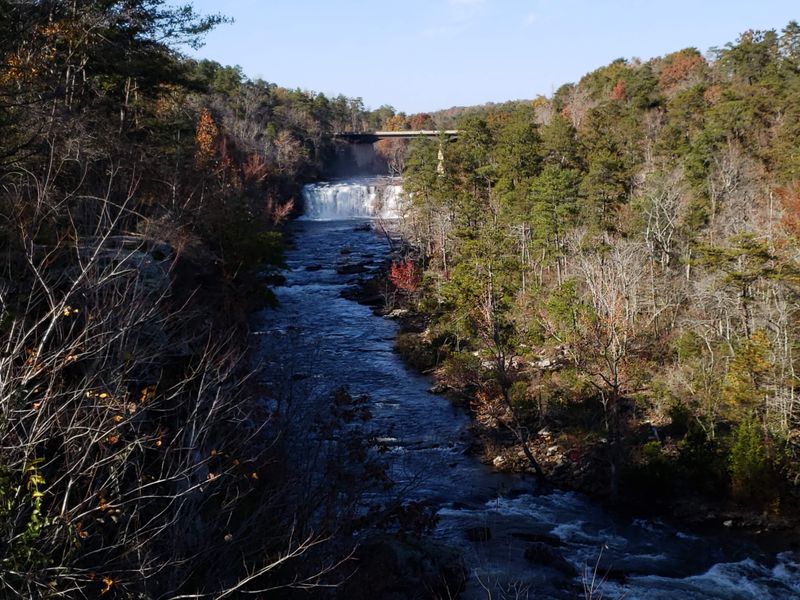
What makes Little River Canyon truly unique is that the Little River itself flows entirely atop Lookout Mountain, one of only a few rivers in the world to do so.
Most rivers form in mountains and flow down to valleys, but this river takes a different path, running along the mountain’s plateau before eventually cascading off.
The river originates in the mountains of Georgia, flows westward across the mountain top, then cuts through the canyon before joining Weiss Lake.
This unusual geography creates distinctive ecosystems, with mountain and valley species mixing in ways rarely seen elsewhere.
The river’s elevated position means its water stays relatively cool even during hot Alabama summers, supporting trout and other cold-water species.
Paddlers and kayakers prize the river for its challenging rapids and scenic beauty, though water levels must be carefully checked before attempting to navigate.
The riverbed consists primarily of sandstone and quartzite, creating clear pools where you can see straight to the bottom.
During your drive, you’ll cross the river multiple times, with each bridge offering different perspectives on this remarkable waterway.
The contrast between viewing the river from canyon rim overlooks versus standing beside it at water level provides completely different experiences.
Geologists study the river to understand how it has carved through solid rock over millennia, creating the deep canyon visible today.
This geological quirk adds an educational dimension to the scenic drive, making it interesting for visitors of all ages.
Canyon Mouth Park: Where River Meets Lake
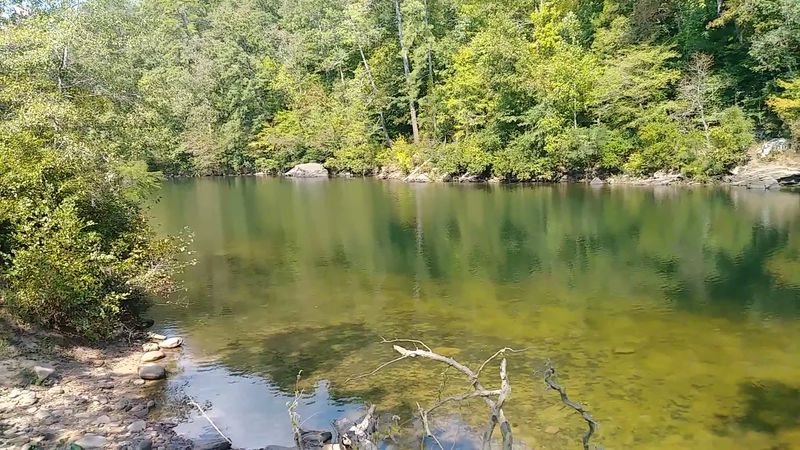
At the southern end of Little River Canyon, Canyon Mouth Park marks where the river finally descends from Lookout Mountain and flows into Weiss Lake.
This area offers a completely different perspective than the rim overlooks, allowing you to stand at the canyon’s base and look up at the towering walls.
The park provides picnic facilities, restrooms, and river access for those wanting to wade, swim, or launch kayaks.
Large boulders scattered throughout the area create natural seating and exploration opportunities, especially popular with children.
The transition from narrow canyon to open lake happens gradually, with the river widening and slowing as it approaches Weiss Lake.
Fishing is popular here, with the mix of river and lake creating habitat for various species including bass, catfish, and bream.
The park sits at a much lower elevation than Canyon Rim Drive, making it noticeably warmer, especially during summer months.
Rock climbers are sometimes seen on the canyon walls near the mouth, taking advantage of the area’s challenging sandstone faces.
The drive to Canyon Mouth Park takes you off the main rim drive and down winding roads that descend the mountain, adding another scenic element to your journey.
Many visitors make this their lunch stop, enjoying meals at picnic tables with views of the canyon entrance.
The park provides a sense of completion to the canyon drive, bookending your experience with views from both top and bottom.
Seasonal Transformations: Four Drives in One
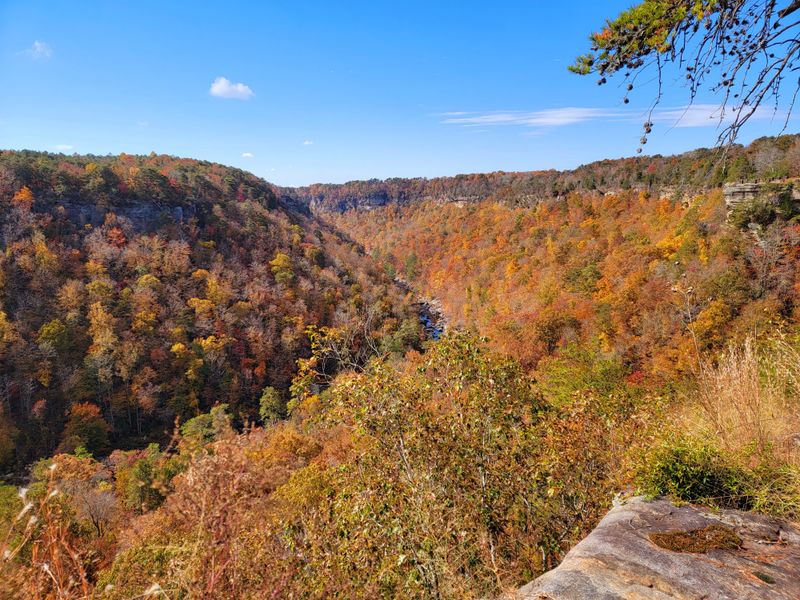
One of the most remarkable aspects of the Little River Canyon drive is how dramatically it changes with the seasons, essentially offering four distinct experiences throughout the year.
Spring arrives with rushing waterfalls fed by winter rains, wildflowers carpeting the forest floor, and trees budding in countless shades of green.
The increased water flow makes this the best time to see the waterfalls at their most powerful and to hear the river’s roar from the overlooks.
Summer transforms the preserve into a lush green tunnel, with thick canopies providing shade and the river becoming a popular destination for cooling off.
Thunderstorms often build over the canyon on summer afternoons, creating dramatic cloud formations and the possibility of seeing lightning strike distant ridges.
Autumn is arguably the most popular season, when the hardwood forest ignites in brilliant fall colors that rival any in the eastern United States.
Peak color typically occurs in late October, though this varies with weather patterns and elevation.
Winter strips away the leaves, revealing the canyon’s geological structure more clearly and offering views impossible to see during other seasons.
Snow occasionally dusts the canyon rim, creating a stark beauty against the dark sandstone cliffs.
Each season attracts different wildlife, from spring migrating birds to winter eagles that fish the river below.
Photographers return repeatedly, knowing that the same overlook can look completely different depending on when they visit.
Wildlife Watching Along the Drive
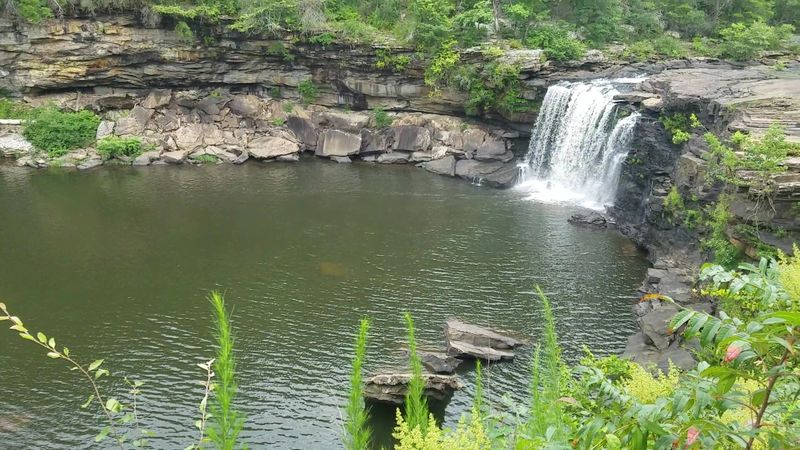
The diverse habitats within Little River Canyon National Preserve support an impressive array of wildlife that you might encounter during your scenic drive.
White-tailed deer are commonly seen, especially during early morning and evening hours when they emerge from the forest to graze along roadside clearings.
Wild turkeys often cross the road in small flocks, providing entertaining moments as they waddle from one side to the other.
The canyon’s cliffs provide nesting sites for various raptors, including red-tailed hawks, which are frequently spotted soaring on thermal currents.
Bald eagles occasionally visit during winter months, attracted by fish in the river and the open hunting opportunities the canyon provides.
Smaller mammals like raccoons, opossums, and gray squirrels are abundant, though more often heard rustling in the underbrush than seen.
The preserve hosts several salamander species, including some found nowhere else, thriving in the moist environments near waterfalls and streams.
Birders appreciate the variety of species, from colorful warblers during migration to year-round residents like Carolina wrens and tufted titmice.
Black bears inhabit the preserve, though sightings are rare as these shy animals typically avoid roads and human activity.
Butterflies are abundant during warmer months, with dozens of species visiting wildflowers along the roadside.
Bringing binoculars enhances your wildlife watching experience, allowing you to observe animals from a respectful distance without disturbing them.
Photography Opportunities at Every Turn
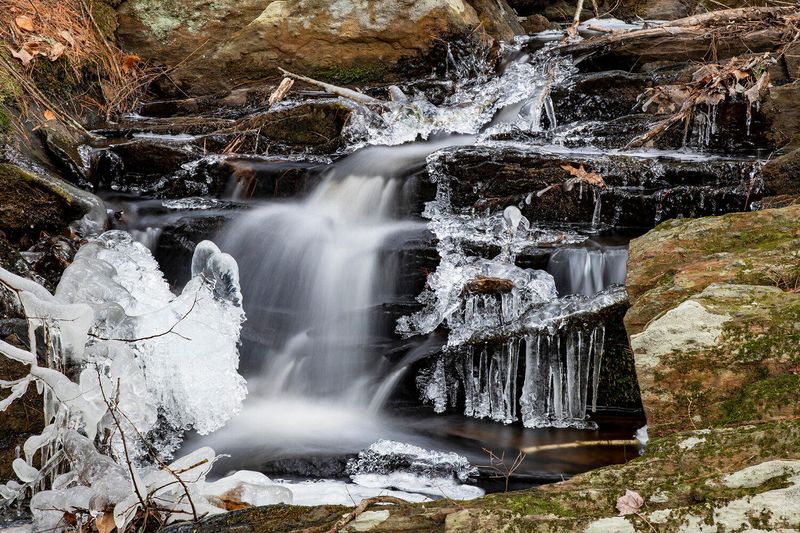
For photography enthusiasts, the Little River Canyon drive offers endless opportunities to capture stunning images of Alabama’s natural beauty.
The numerous overlooks provide safe, accessible locations to set up tripods and compose shots without venturing onto dangerous terrain.
Morning light is particularly magical, with low-angle sun illuminating the canyon walls and creating long shadows that emphasize the landscape’s depth and texture.
Fog frequently fills the canyon during early hours, creating mysterious, layered scenes that photographers dream about.
Waterfalls present their own photographic challenges and rewards, with slow shutter speeds creating silky water effects against sharp rock backgrounds.
The changing seasons mean that the same locations offer completely different photographic opportunities throughout the year.
Autumn attracts photographers from across the region who come specifically to capture the intense fall colors reflected in the river.
Wildlife photography is possible with longer lenses, especially for birds and deer that can be photographed from vehicles without causing disturbance.
Sunset transforms the western-facing overlooks into prime locations, with the canyon walls glowing in warm tones as the day ends.
Night photography is rewarding for those who stay late, with minimal light pollution allowing clear views of stars and the Milky Way.
Whether you shoot with a professional camera or a smartphone, you’ll find countless subjects worthy of capturing during this surprisingly beautiful drive.
The Preserve’s Visitor Center and Information
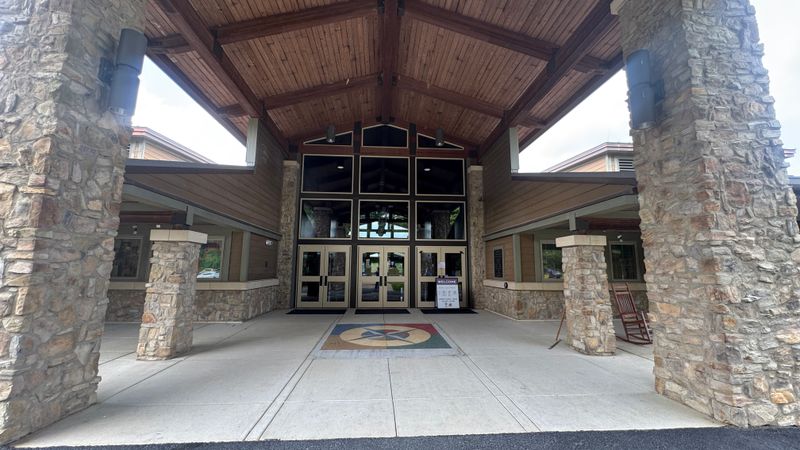
Located at 4322 Little River Trail #100, Fort Payne, AL 35967, the Little River Canyon National Preserve Visitor Center serves as an excellent starting point for your scenic drive adventure.
The center provides maps, trail guides, and current information about road and weather conditions that might affect your visit.
Knowledgeable staff and volunteers answer questions about the preserve’s geology, ecology, and history, helping you plan your drive to match your interests and available time.
Exhibits inside explain how the canyon formed, what makes the Little River unique, and which plants and animals call the preserve home.
A relief map shows the entire preserve, helping visitors understand the canyon’s layout and plan which overlooks and trails to visit.
Restrooms at the center provide a convenient stop before beginning the drive, as facilities along Canyon Rim Drive are limited.
The center typically operates during regular daytime hours, though these can vary seasonally, so calling ahead at 256-845-9605 ensures you don’t arrive when it’s closed.
Free brochures and safety information are available, covering topics from wildlife safety to proper overlook etiquette.
A small bookstore sells field guides, postcards, and other items related to the preserve, with proceeds supporting conservation and education programs.
Even if you’re eager to start driving, spending 15 minutes at the visitor center enhances your experience by providing context for what you’ll see along the way.
The center’s location makes it easy to find, serving as a clear landmark for beginning your exploration of Alabama’s most surprisingly beautiful drive.
Planning Your Perfect Canyon Drive Experience
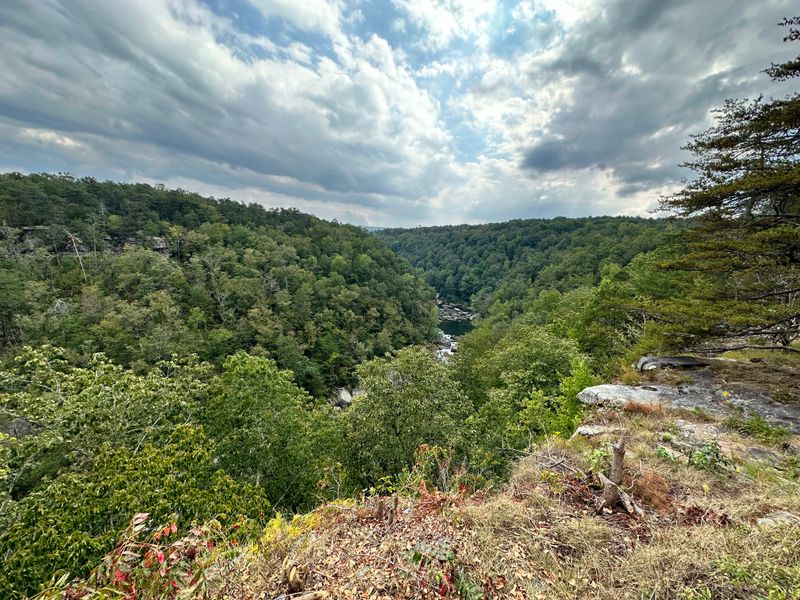
Making the most of your Little River Canyon drive requires some planning, though the experience remains flexible enough to accommodate spontaneous exploration.
Allow at least two to three hours for the complete drive if you want to stop at overlooks, take short walks, and truly absorb the scenery.
Bringing water, snacks, and a full tank of gas ensures you won’t need to leave the preserve to meet basic needs.
The preserve is open year-round, with Canyon Rim Drive accessible in all but the most severe weather conditions.
Weekdays tend to be less crowded than weekends, offering more parking availability at popular overlooks and a more peaceful experience.
Cell phone service can be spotty throughout the preserve, so downloading maps or directions beforehand prevents navigation confusion.
Comfortable walking shoes allow you to safely explore overlooks and take short trails to viewpoints not visible from the road.
Binoculars enhance wildlife watching, while cameras capture memories of this surprisingly beautiful landscape.
Weather can change quickly, especially during spring and fall, so bringing layers allows you to adapt to temperature shifts.
The preserve welcomes pets on leashes, making it a great destination for travelers with dogs who enjoy scenic drives.
Whether you’re passing through Alabama or specifically seeking natural beauty, Little River Canyon National Preserve delivers an unforgettable driving experience that will surprise and delight you at every turn.
Dear Reader: This page may contain affiliate links which may earn a commission if you click through and make a purchase. Our independent journalism is not influenced by any advertiser or commercial initiative unless it is clearly marked as sponsored content. As travel products change, please be sure to reconfirm all details and stay up to date with current events to ensure a safe and successful trip.
