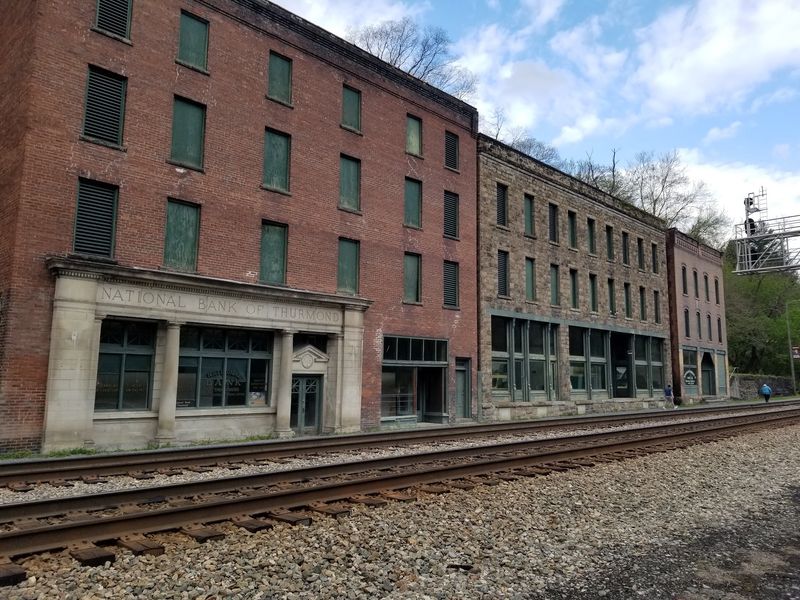
A national park created to protect history is weighing a plan to knock some of it down. The proposal reportedly covers about 35 aging structures inside a park that only earned its national park title in December 2020.
That’s a strange twist for a place famous for its past. Many old buildings in this corner of West Virginia date back to the coal and railroad days, when trains, miners, and families filled the gorge.
Some residents and history fans aren’t taking the news quietly. They see more than sagging porches and broken windows.
They see the last physical proof of a story their grandparents lived.
I’ll admit my first reaction was a loud ‘wait, what?’ Then I wanted to know which places are in the spotlight, why the park thinks removal makes sense, and whether anyone can still change the outcome. I bet you’re curious too.
1. The Plan On The Table
Thirty-five buildings is a lot of history to put on a demolition list. That number, reported in coverage of the proposal, is what got people talking across southern West Virginia.
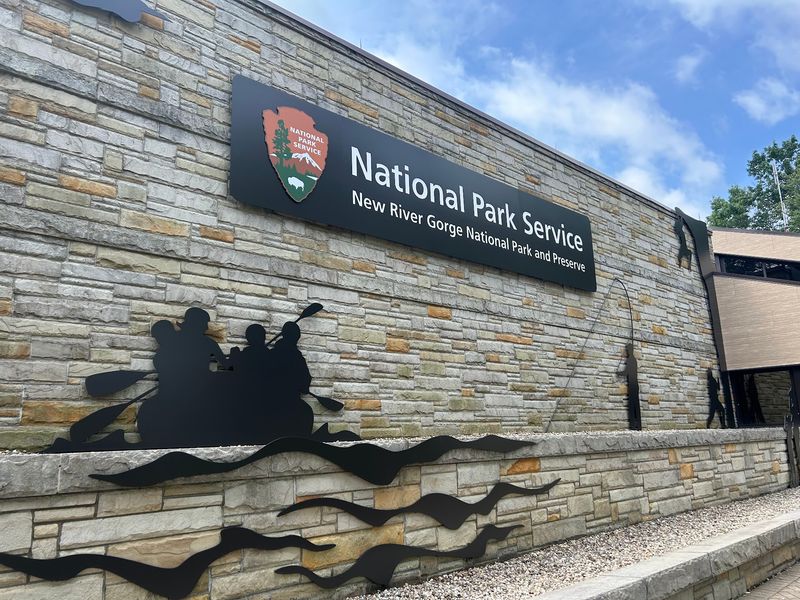
The National Park Service manages New River Gorge National Park and Preserve, which stretches along roughly 53 miles of the New River. Inside those boundaries sit old homes, stores, and railroad-era structures that the park inherited over the decades.
According to reports, the park sees many of these buildings as unsafe or too far gone to save. Removing them, the thinking goes, would lower risks to visitors and cut long-term upkeep costs.
Critics hear that and wince. Once a historic building comes down, you can’t order a replacement from a catalog.
You don’t need to be a preservation expert to see the tension here. A park exists to protect special places, yet it also has to keep people safe and budgets balanced.
The details of the proposal may shift as the review moves forward. For now, the big takeaway is simple: a sizable piece of the gorge’s built history could disappear, and plenty of folks want a say first.
Address: 104 Main Street, Glen Jean, WV 25846
2. Thurmond
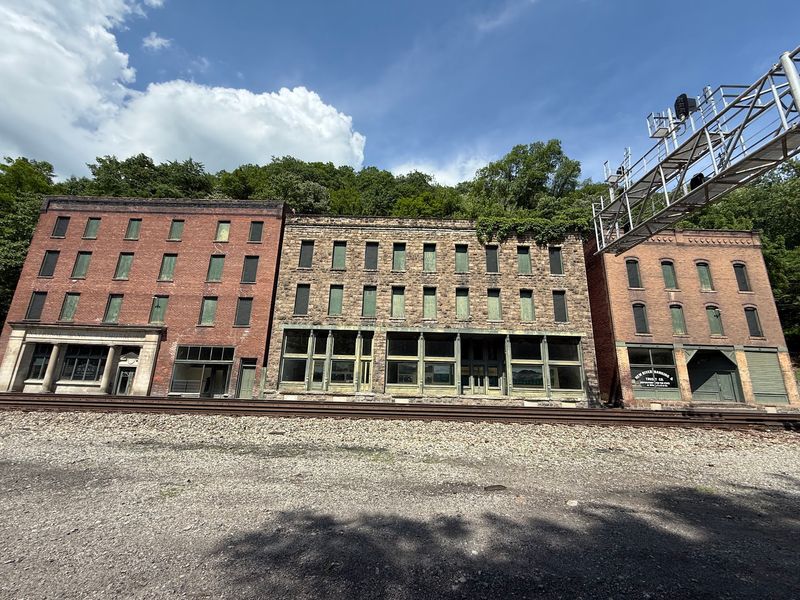
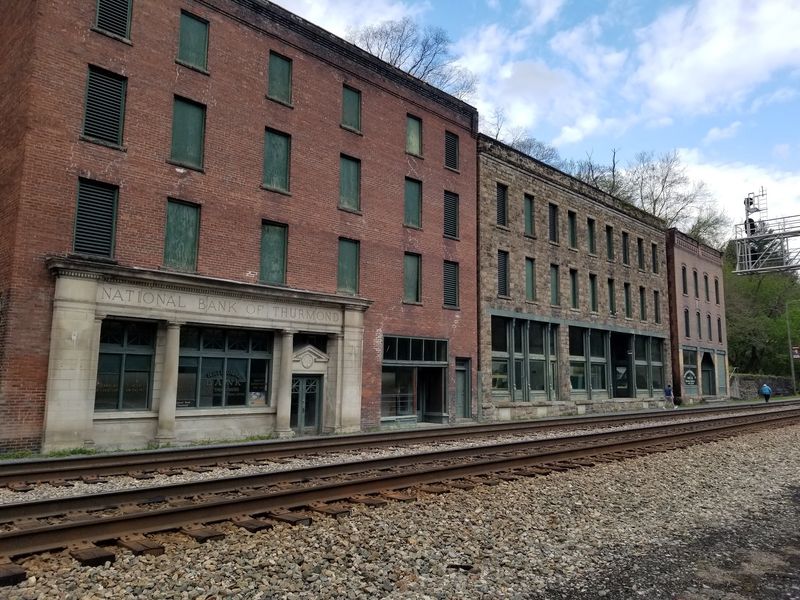
A town with a population you can count on one hand sits at the center of this story. Thurmond recorded just five residents in the 2020 census, which makes it one of the smallest incorporated towns in the country.
Don’t let that tiny number fool your sense of scale. The town once served as a major stop on the Chesapeake and Ohio Railway, with banks, hotels, and stores lining the tracks.
Much of the debate over the proposal has focused on structures in and around this old railroad town. That’s partly why emotions run high.
Thurmond’s main row of brick buildings faces the tracks instead of a road. Trains really did run the show here, and you can still feel that layout today.
The Thurmond Historic District was listed on the National Register of Historic Places in 1984. For many history lovers, that listing makes any talk of removal feel extra personal.
You can drive down to the town on a winding road from Glen Jean. Bring a camera and some patience, because the views of the river and rails reward slow travelers.
Address: Thurmond, WV 25936
3. The Thurmond Depot
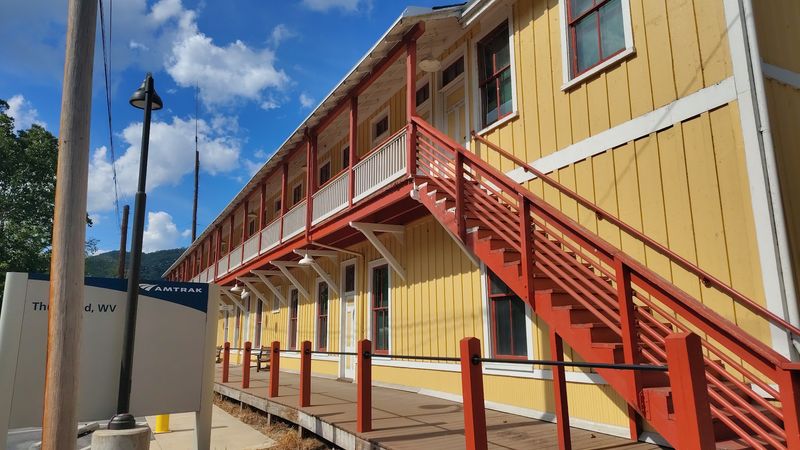
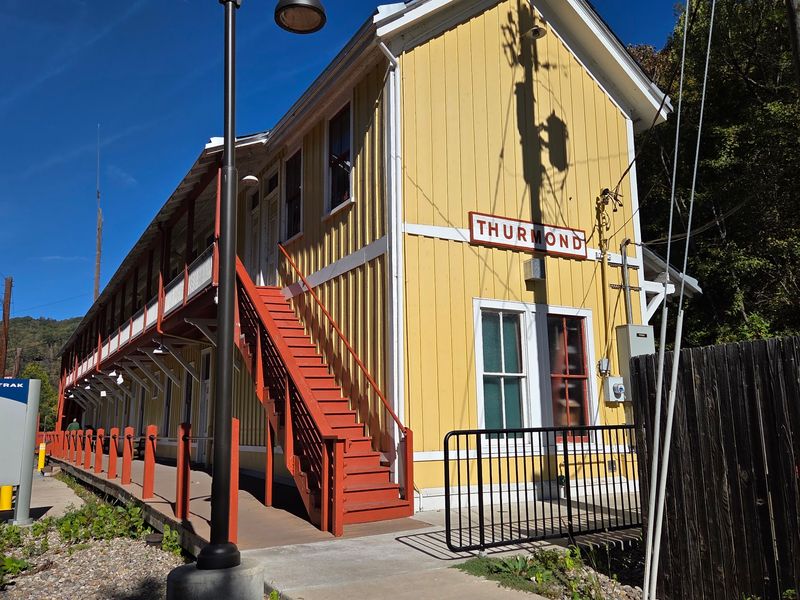
Here’s proof that the park can bring an old building back from the brink. The Thurmond Depot was restored by the National Park Service and now works as a seasonal visitor center.
Inside, exhibits share the story of the railroad and the people who kept it running. Outside, active tracks still carry trains past the platform.
Amtrak’s Cardinal line makes a flag stop at Thurmond. That means you can reportedly ride a passenger train to a town of about five people, which is a wonderfully odd travel brag.
Supporters of saving more buildings often point to the depot as Exhibit A. If one structure could be rescued and put to good use, why not others?
The answer, according to the park’s side of the debate, often comes down to money and condition. Restoration projects can take years and cost far more than repairs on a typical house.
Still, standing near this depot makes the stakes easy to grasp. Old buildings aren’t just shells, they’re storytellers, and this one keeps talking to curious visitors each season.
Address: Thurmond Depot, Thurmond, WV 25936
4. The Railroad Boom Years
Coal made this gorge rich, and the railroad carried that wealth out. In the early 1900s, dozens of mining communities grew along the New River to feed the hungry rail line.
Thurmond reportedly handled more freight revenue at its peak than some much larger cities on the line. Historians often repeat the claim that it outpaced Cincinnati and Richmond, though it’s best treated as local legend with some numbers behind it.
Hotels and banks followed the money. The famous Dun Glen Hotel stood across the river until a fire destroyed it in 1930.
Then came the slowdown. Diesel locomotives needed fewer service stops, and mines in the gorge eventually closed.
People moved away, and many buildings simply sat. Some stood empty for decades while vines and weather did their quiet work.
That’s the backstory behind today’s fight. The structures on the line aren’t random sheds, they’re leftovers from one of West Virginia’s proudest economic chapters.
When folks push back against removal, they’re defending a memory of busy tracks, packed company stores, and paychecks that built whole families.
Address: Thurmond, WV 25936
5. Why Old Buildings Fall Apart
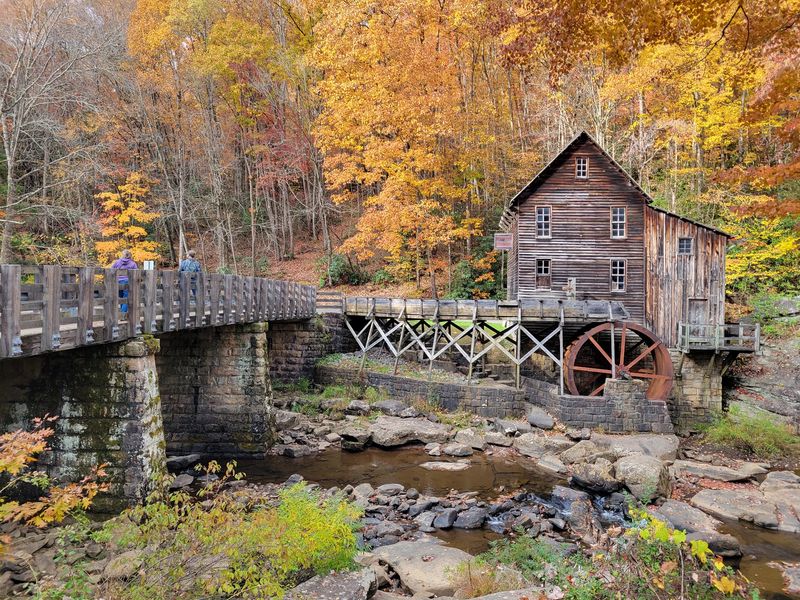
Moisture, roots, and time make a tough demolition crew. In a humid river gorge, wooden buildings without regular care can decay faster than you’d expect.
Roofs leak, then floors soften. Once water gets inside, rot spreads through beams and walls.
According to reports, safety is one of the main reasons the park wants many structures removed. A building that might collapse is a real risk near trails, roads, or curious visitors.
Federal parks also juggle a long list of maintenance needs. The National Park Service has reported a backlog of deferred maintenance totaling billions of dollars nationwide.
That context helps explain the park’s position without settling the argument. Saving an old structure can mean stabilizing it, mothballing it, or fully restoring it, and each option has a different price tag.
Preservation fans argue that stabilization is a middle path worth trying. Shoring up a roof and sealing windows can buy a building years while people raise funds or find partners.
You might notice both sides actually agree on one point. Leaving buildings to slowly crumble helps nobody, so the real question is what happens next.
Address: 104 Main Street, Glen Jean, WV 25846
6. Locals Fighting Back
Mountain folks have long memories, and they don’t let go of home easily. Reports describe residents, former residents, and preservation supporters pushing back against the removal plan.
For many families, these buildings aren’t abstract history. A grandparent may have worked the rail yard, or a parent might have shopped in one of those storefronts.
Opponents generally argue that the structures add to the park’s appeal. Visitors come for whitewater and climbing, sure, but many also love the ghost-town feel of the old communities.
Some critics also worry about precedent. If 35 buildings can go now, they wonder what could be next.
Pride runs through this pushback more than anger. People in West Virginia have watched plenty of coal towns fade, and they want the survivors treated with respect.
That’s a feeling you can relate to even if you’ve never lived near the gorge. Think of a childhood home or a closed corner store you still miss.
When locals speak up at meetings or send comments, they’re asking the park to see what they see. A place worth saving, not just a liability on a spreadsheet.
Address: Thurmond, WV 25936
7. The Public Comment Process
Good news for anyone with opinions: federal parks have to listen. Major projects like this usually go through an environmental review with a public comment period.
Under laws such as the National Historic Preservation Act, agencies must consider effects on historic properties. That often brings in the State Historic Preservation Office and other consulting groups.
The National Park Service posts many of these planning documents on its Planning, Environment and Public Comment website, often called PEPC. You can usually read the proposal there and submit comments online while a comment window is open.
Specific comments tend to carry more weight than angry ones. Mention a particular building, share a family connection, or suggest a realistic alternative like stabilization.
Deadlines matter, so check the park’s announcements for current dates. Missing a window can mean your voice arrives too late to shape the official record.
Here’s a practical perk for history buffs. Planning documents often include photos and background on individual structures, so reading them can teach you a surprising amount about the gorge.
Even if you live far from West Virginia, you can typically take part. Public lands belong to everyone, after all.
Address: 104 Main Street, Glen Jean, WV 25846
8. Kaymoor
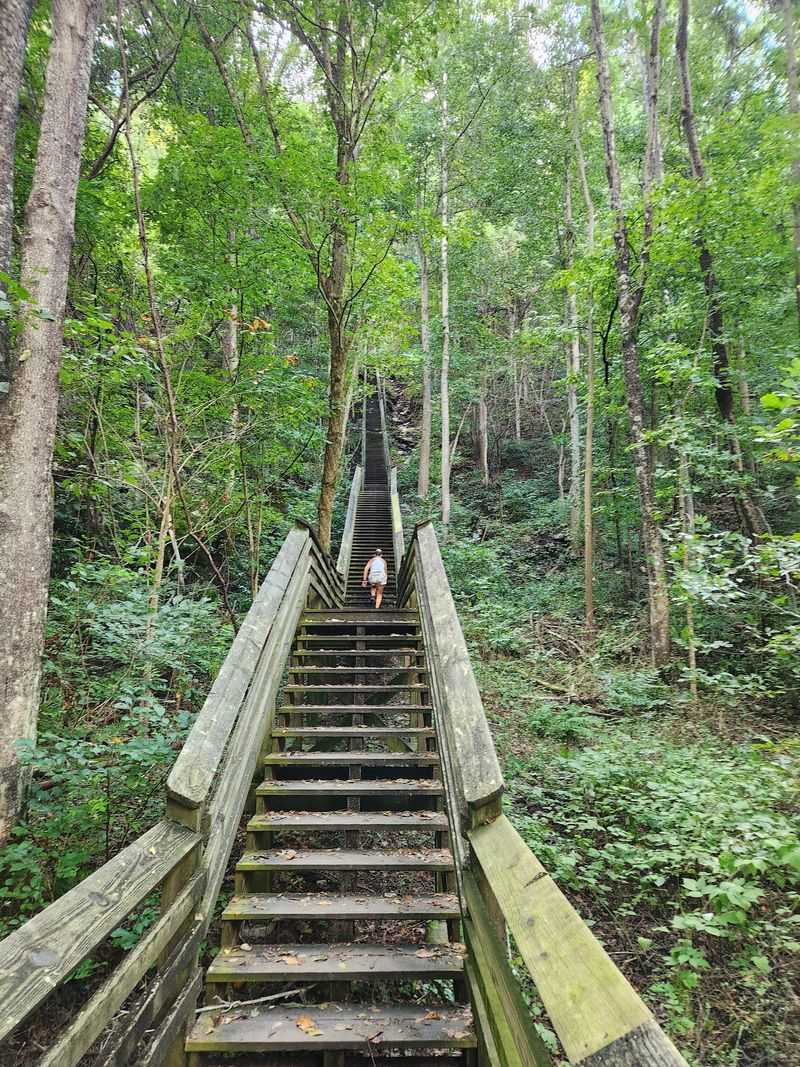
Stairs, lots of them, stand between you and one of the gorge’s most famous mining ruins. The Kaymoor Miners Trail descends the canyon wall to the old Kaymoor Mine site.
Kaymoor operated from around 1900 until 1962. Today, visitors can explore remains of mining structures along with rows of old coke ovens.
The site shows how the park already handles ruins without full restoration. Structures are interpreted with signs, and nature is allowed to share the space.
That approach is part of the wider conversation. Some people see stabilized ruins as an honest way to remember the past without pouring money into rebuilding.
Others feel ruins work fine for industrial sites but not for homes and storefronts. A coke oven tells one story, while a family house tells a more personal one.
If you go, pace yourself. The hike down is the easy part, and your legs will have opinions about the climb back up.
Kaymoor gives you a real sense of how hard life in the gorge once was. It also helps you picture what a future with fewer standing buildings might look like.
Address: Kaymoor Miners Trail, Fayetteville, WV 25840
9. Nuttallburg
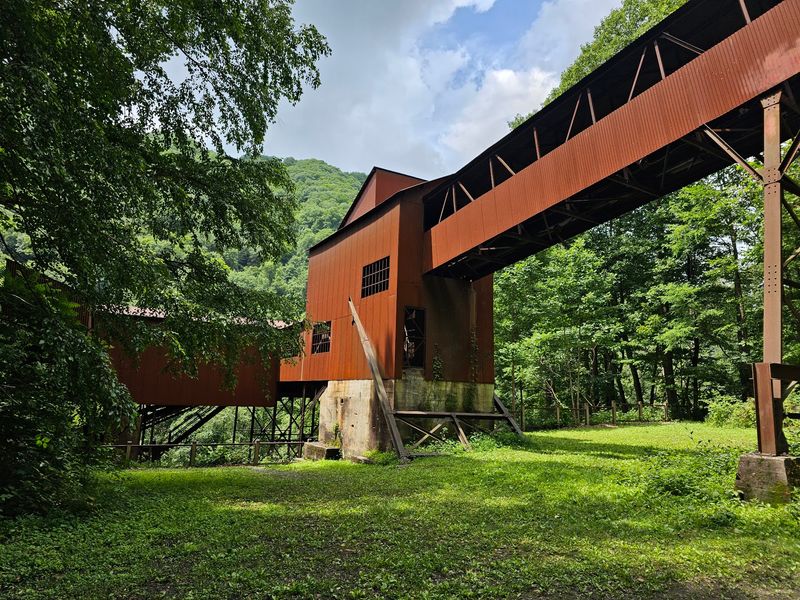
Henry Ford once owned a coal town in this gorge, and that’s not a trivia trick. The automaker’s interests reportedly bought the Nuttallburg mines in the 1920s to supply his operations.
Nuttallburg was founded by John Nuttall in the 1870s. Its best-known survivor is the tall coal tipple and conveyor that still climbs the hillside.
The National Park Service carried out stabilization work at Nuttallburg in the 2000s and 2010s. Trails now lead visitors past foundations, the tipple, and interpretive signs.
Preservation supporters love pointing to this site. It shows that careful work can turn a fading mining town into a spot people actually want to explore.
Families, history fans, and curious road-trippers can spend a relaxed afternoon here. The trails are mostly gentle, and the stories are big.
Nuttallburg also makes a fair counterpoint for the park. Not every building survived there, yet the site still feels rich with history.
So which model fits the 35 buildings now under review? That’s the debate in a nutshell, and Nuttallburg gives both sides something to cite.
Address: Nuttallburg Road, Winona, WV 25942
10. What Happens Next
History rarely ends with a single meeting. The proposal still has to move through federal review, consultation, and public input before final decisions are made.
Outcomes in cases like this can vary. Some buildings may be removed, others stabilized, and a few might find partners willing to help restore them.
Documenting structures before any removal is also common. Photos, drawings, and written records can preserve details even if a building doesn’t survive.
Your role is bigger than you might think. Reading the proposal, sharing family stories, and visiting these places all show the park that people care.
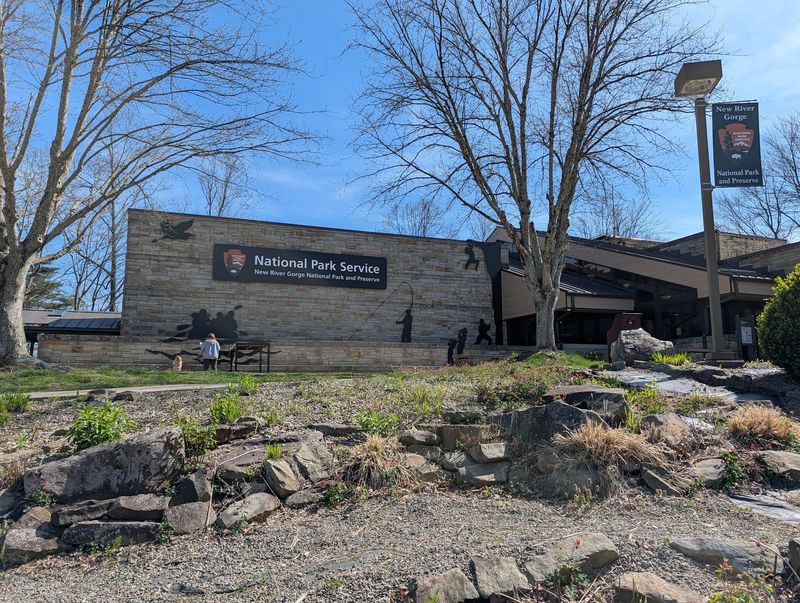
While you’re in the area, the Canyon Rim Visitor Center near Fayetteville is a smart first stop. It sits close to the New River Gorge Bridge, which stretches 3,030 feet and stands 876 feet above the river.
That bridge, finished in 1977, turned a long drive through the gorge into a quick hop. Funny enough, it helped speed up how quickly the old towns below faded from daily life.
Maybe this fight is the gorge asking you to slow down again. Those old buildings have waited a long time for company.
Address: 162 Visitor Center Road, Lansing, WV 25862
