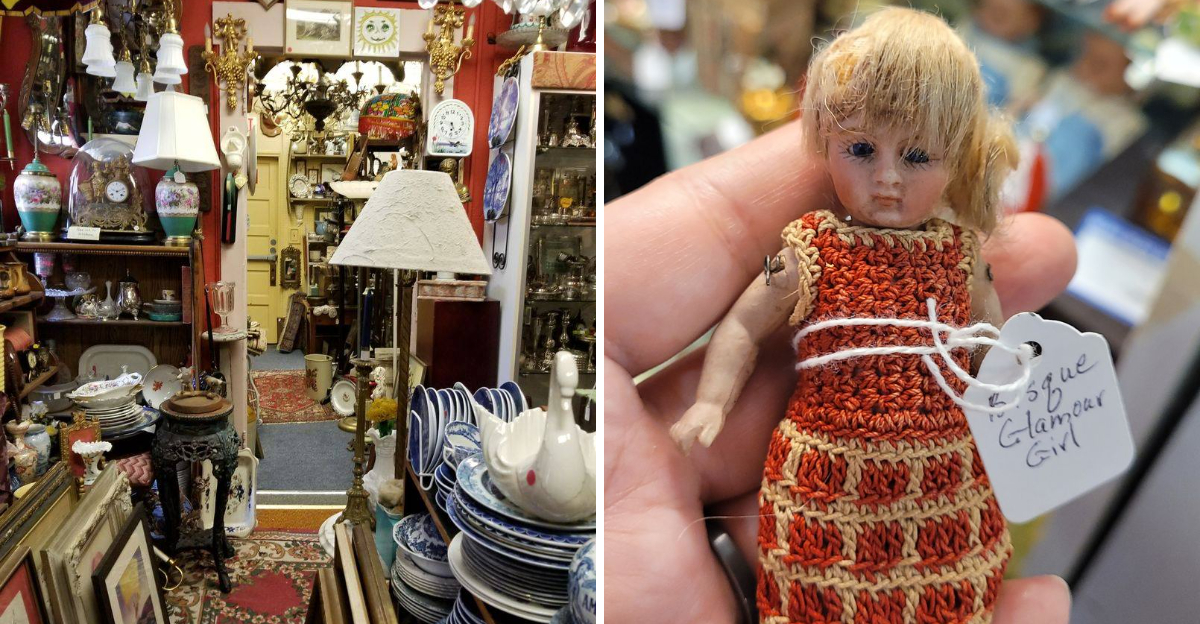
I walked into Summit Antique Center expecting the usual dusty corners and sky-high price tags that make you wince before you even touch anything.
Instead, I found myself wandering through a maze of treasures where a crumpled twenty and a ten-dollar bill could actually get you somewhere.
The place sprawls across multiple floors and winding hallways, each turn revealing another vendor’s carefully curated collection of postcards, vinyl records, vintage toys, and furniture that tells a story.
What surprised me most wasn’t just the sheer volume of items crammed into every available space, but how many of them were genuinely affordable if you knew where to look.
Some booths had those metropolitan prices you’d expect near New York City, but tucked between them were deals that made me wonder if I’d stumbled onto something locals were trying to keep secret.
By the time I left, my small budget had stretched further than I thought possible, and I was already planning my next visit.
Winding Through A Maze Of Vendor Booths
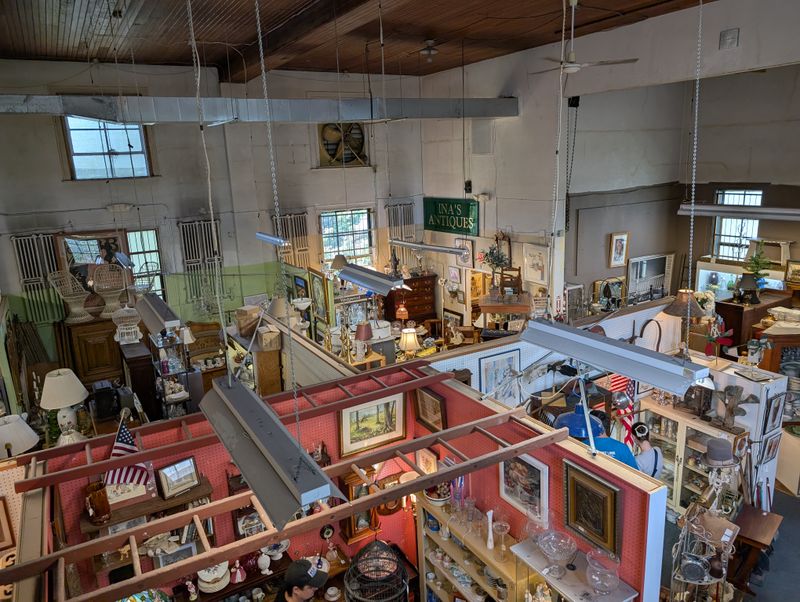
Walking through Summit Antique Center feels less like shopping and more like exploring a treasure map someone forgot to finish drawing. The layout twists and turns in ways that make you lose track of where you started, but that’s part of the charm.
Each vendor operates their own booth, which means the pricing, organization, and vibe shift dramatically as you move from one space to another.
Some sections feel like stepping into a curated museum where every piece has been thoughtfully arranged and priced to match its perceived value. Other areas lean into organized chaos, with items stacked high and tucked into corners waiting for someone patient enough to dig through.
I found myself doubling back more than once, convinced I’d missed an entire room only to discover I had.
The vendors themselves rotate through on scheduled days, so you might find someone eager to chat about the history of a particular piece or share tips on what’s worth grabbing. That personal touch makes the experience feel less transactional and more like you’re getting let in on a secret.
It’s easy to spend two hours here without realizing it, especially if you’re the type who enjoys the hunt as much as the find.
The trick is not rushing through, because the best deals often hide in the least expected corners.
Postcards That Tell Stories For Pocket Change
Postcards might seem like an odd thing to get excited about until you start flipping through boxes of them at Summit Antique Center. These aren’t just old pieces of cardstock with faded stamps.
They’re snapshots of moments people once thought important enough to send across the country, tiny windows into how folks lived, traveled, and communicated decades ago.
I spotted several vendors with postcard collections organized by theme, era, or location. Some featured hand-tinted scenes of beaches and mountains, while others showed downtown areas of cities that look nothing like they do today.
A few even had handwritten messages still visible on the back, little notes about weather or weekend plans that somehow survived all these years.
The prices made them even more appealing. While you might drop serious money on a rare find, most postcards sat in the one to five dollar range, meaning you could walk out with a small stack without breaking your budget.
They make surprisingly good gifts too, especially if you know someone who collects specific locations or time periods. I grabbed a handful featuring old train stations and beach boardwalks, and they’ve become conversation starters every time someone notices them on my wall.
For something so small and affordable, they pack a lot of personality.
Vinyl Records Waiting For A Turntable
Music lovers who still appreciate the warm crackle of a needle hitting vinyl will find plenty to dig through at Summit Antique Center. Several vendors stock records spanning genres and decades, from jazz standards to rock classics to forgotten pop hits that never quite made it past their moment.
The condition varies wildly, so you’ll want to inspect each one carefully, but that’s part of the thrill.
I watched someone else flip through a crate for nearly twenty minutes, pulling out albums, checking the covers for damage, and occasionally holding one up to the light to inspect the vinyl itself. That level of dedication pays off here because the pricing doesn’t always reflect condition or rarity.
You might stumble onto a mint-condition album tucked between a few scratched-up bargain bin finds, all priced the same.
Most records I saw ranged from five to twenty dollars, with some rarer pressings pushing higher. If you’re just starting a collection or looking to fill gaps, that’s reasonable compared to what you’d pay at specialty shops or online.
Even if you don’t buy anything, browsing through old album art and reading the liner notes feels like flipping through a scrapbook of musical history.
Just bring a list of what you already own, because it’s easy to accidentally grab duplicates when you’re caught up in the excitement.
Furniture With Character And History
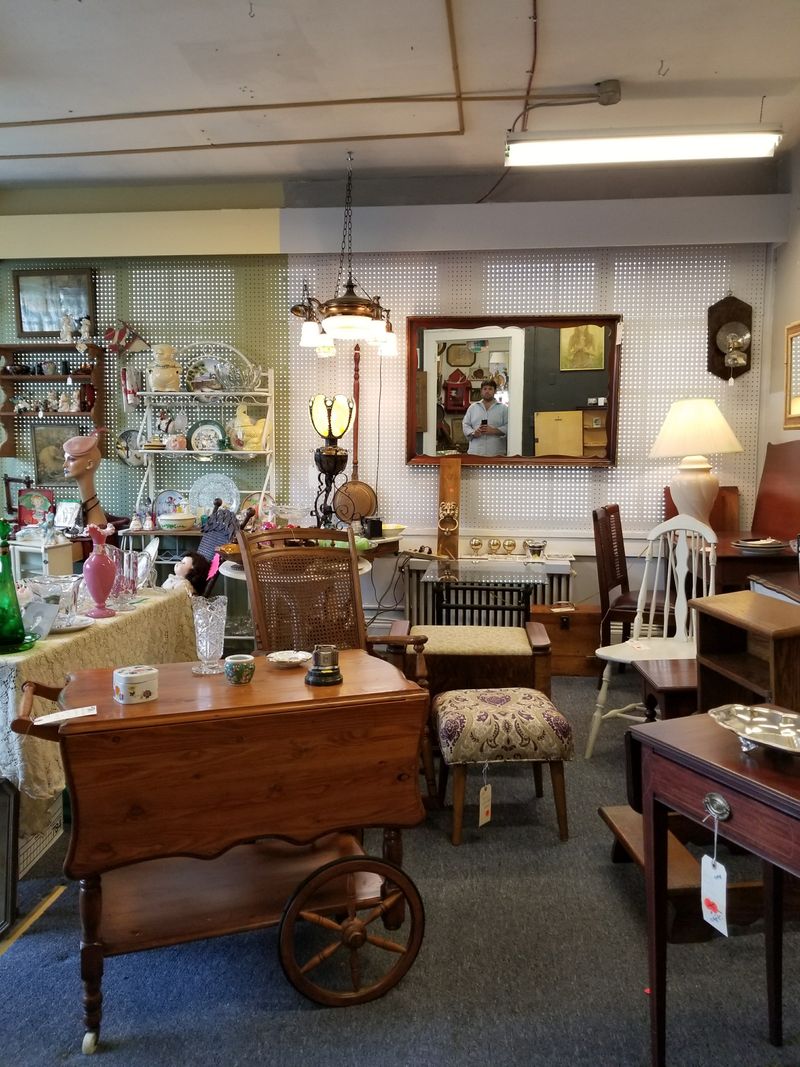
Summit Antique Center isn’t just about small collectibles you can slip into your pocket. Several vendors stock furniture pieces that range from practical to purely decorative, each with the kind of character modern mass-produced stuff just can’t replicate.
I spotted everything from mid-century chairs to ornate side tables to cabinets with intricate woodwork that suggested someone once took real pride in crafting them.
The prices on furniture tend to run higher than smaller items, which makes sense given the size and effort involved. Still, you can find deals if you’re willing to look past minor wear or consider pieces that need a little restoration work.
One vendor had a collection of wooden chairs that just needed tightening and a fresh coat of finish, priced low enough that the investment in fixing them up would still leave you ahead compared to buying new.
What struck me most was how these pieces carry stories. A scratched dining table might have hosted decades of family meals.
A weathered bookshelf could have held someone’s entire library through multiple moves. You’re not just buying furniture, you’re adopting something with a past.
Just measure your space before you fall in love with anything, because hauling a heavy dresser up three flights of stairs is significantly less romantic than admiring it in the store.
Jewelry That Doesn’t Require A Trust Fund
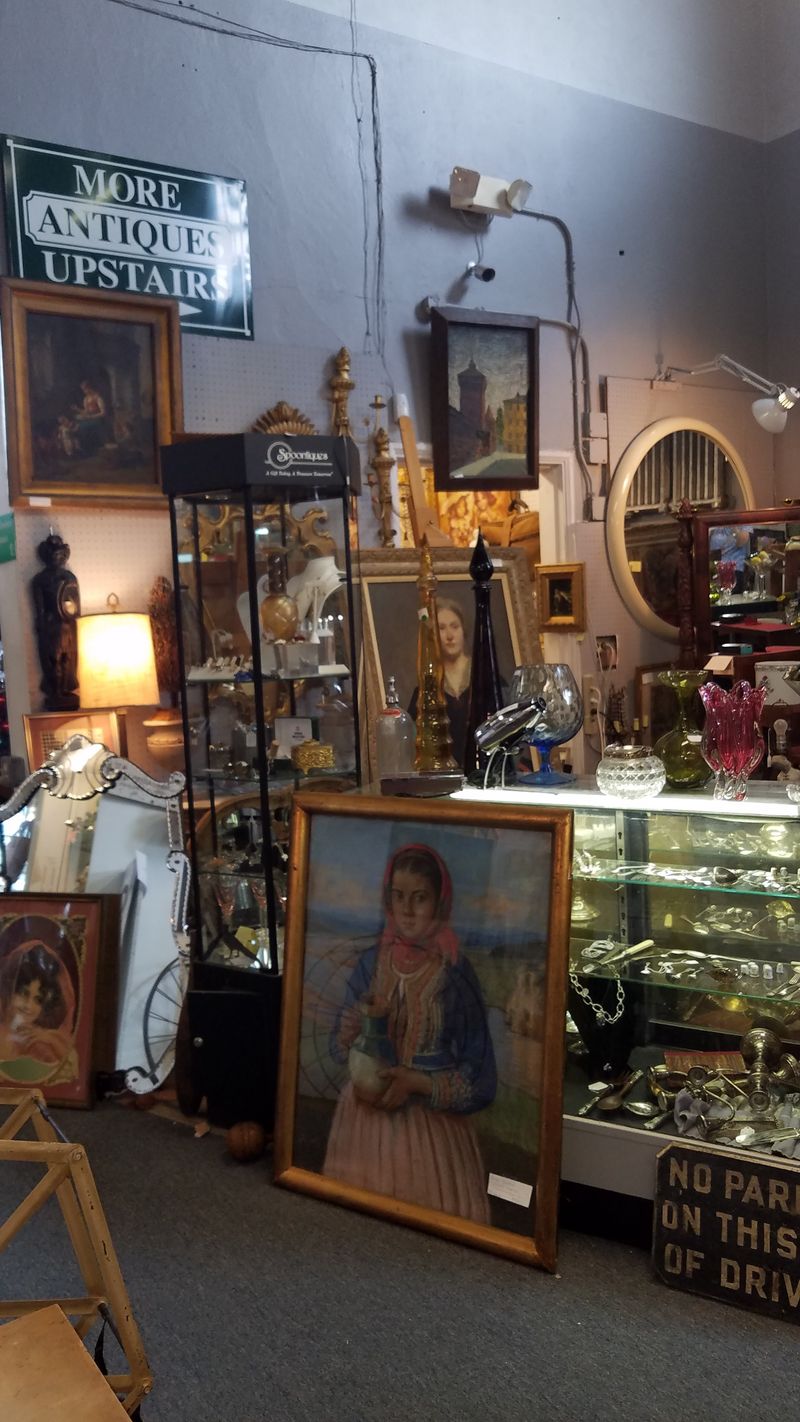
Jewelry at antique stores can be hit or miss, with some vendors pricing pieces like they belong in a museum while others take a more reasonable approach. Summit Antique Center leans toward the latter, especially if you’re interested in costume jewelry or vintage accessories rather than fine gems.
I found cases filled with brooches, necklaces, earrings, and bracelets that captured the style of their respective eras without demanding a second mortgage.
The variety impressed me more than anything. Art deco pieces sat next to chunky 1970s statement necklaces, delicate Victorian-inspired brooches, and colorful plastic bangles from the 1980s.
Some items showed their age with tarnish or missing stones, but others looked barely worn, as if someone bought them, wore them once, and tucked them away for decades.
Prices ranged dramatically depending on the vendor and the piece, but I saw plenty of options under twenty dollars. Even the nicer items rarely crept past fifty unless they involved precious metals or genuine stones.
If you’re hunting for something to wear to a themed party or want to add vintage flair to your everyday style, this is the kind of place where you can experiment without worrying about the investment.
Just bring a magnifying glass if you’re serious about checking for hallmarks or authenticity markers, because not every vendor labels their pieces with detailed information.
Toys That Survived Childhood
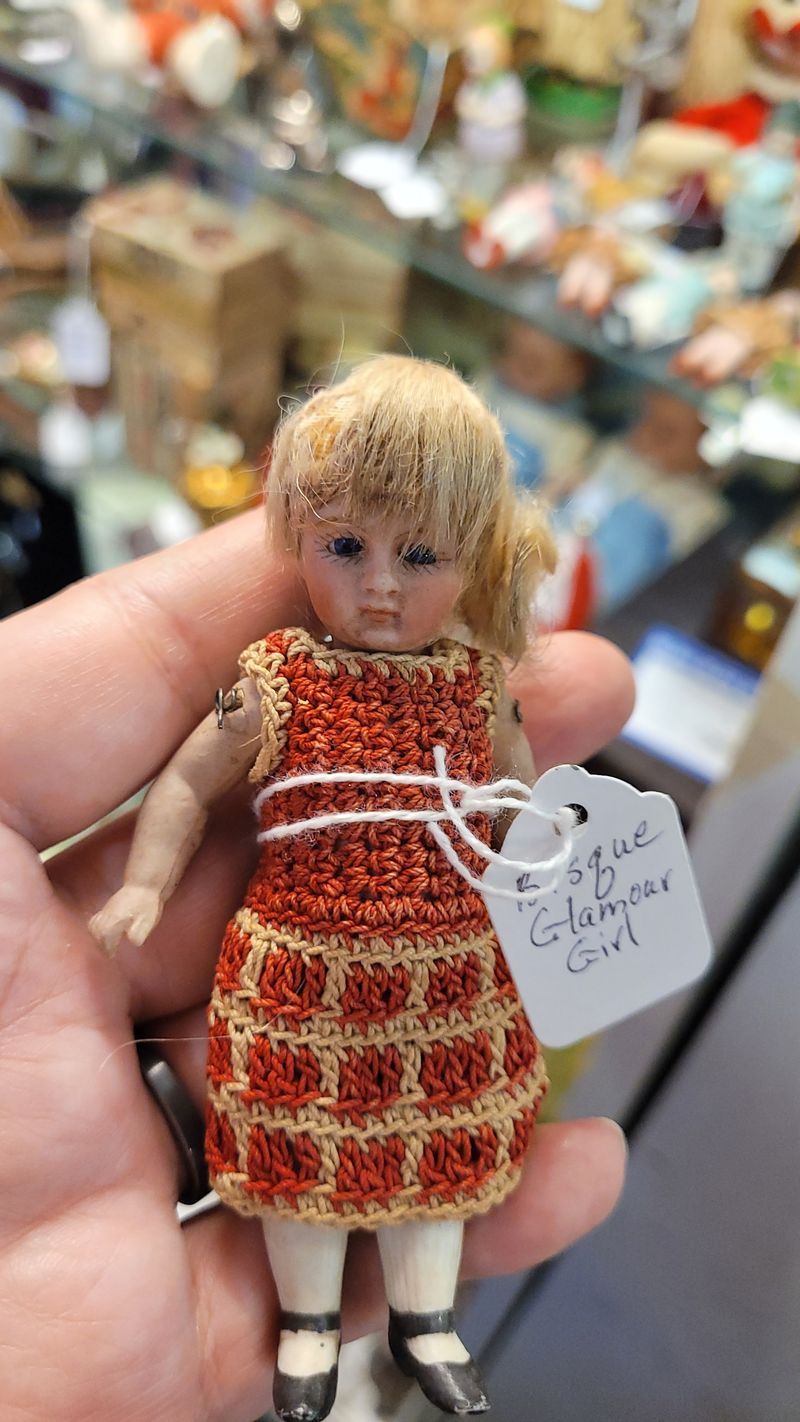
Nostalgia hits differently when you’re staring at toys you either owned as a kid or desperately wanted but never got. Summit Antique Center stocks a surprising amount of vintage toys across multiple vendors, from matchbox cars and action figures to board games and dolls that somehow survived decades of play.
Some are pristine in their original packaging, while others show the loving wear of actual childhood use.
I watched a middle-aged guy light up when he spotted a toy he recognized from his youth, turning it over in his hands like he’d rediscovered a lost friend. That’s the magic of this section.
Whether you’re a serious collector hunting for specific items to complete a set or just someone who enjoys the memories these objects trigger, there’s something oddly comforting about seeing them again.
The pricing depends heavily on condition and rarity. A loose matchbox car might cost a few dollars, while a boxed vintage action figure could run into the triple digits.
Most items fall somewhere in the middle, affordable enough to grab on impulse if something speaks to you. Even if you don’t buy, browsing through these toys feels like flipping through a scrapbook of American childhood across different generations.
Just resist the urge to open anything that’s still sealed, no matter how tempting.
Books And Ephemera For Paper Lovers
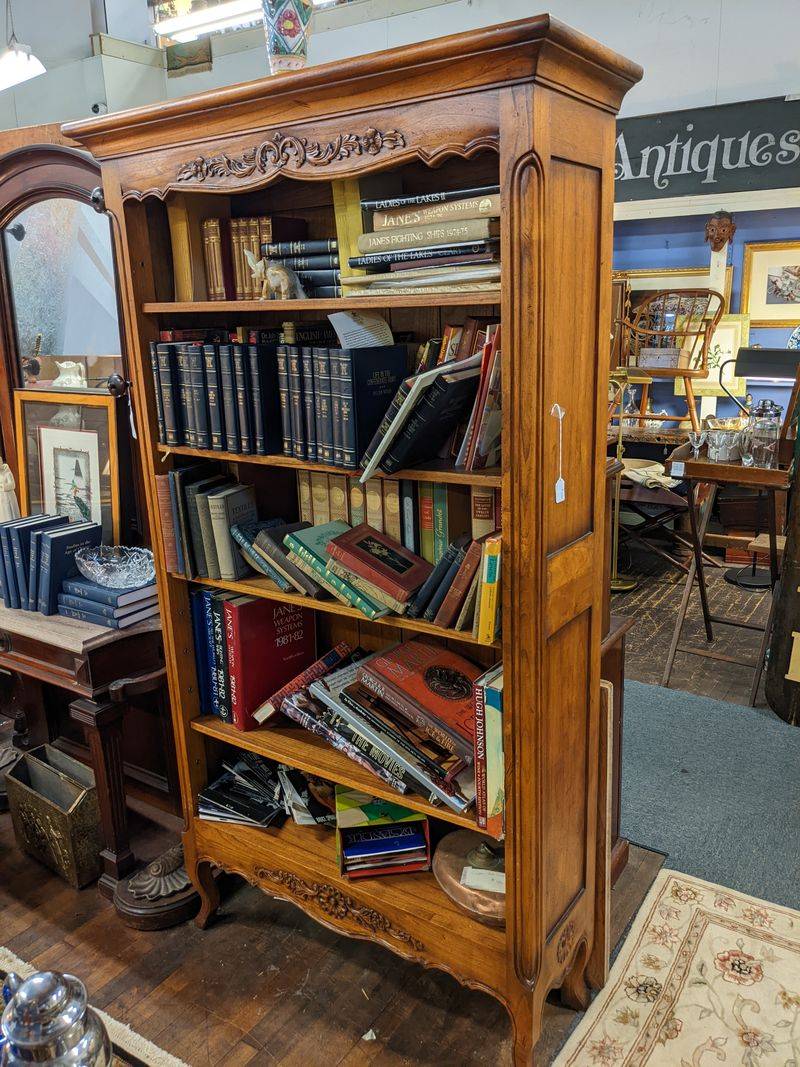
Paper goods might not seem like the most exciting category until you start digging through what Summit Antique Center offers. Beyond the postcards, you’ll find vintage books with cracked spines and faded covers, old magazines featuring advertisements that look hilariously dated now, maps that show towns and roads that no longer exist, and random ephemera like ticket stubs and playbills from events that happened before most of us were born.
What makes this stuff appealing isn’t necessarily its monetary value but the glimpse it provides into how things used to be. I found a 1950s housekeeping magazine that offered earnest advice on topics that would make modern readers laugh or cringe.
Another box held travel brochures from the 1960s promoting destinations with taglines and imagery that feel like artifacts from another planet.
Most paper items are priced low because they’re plentiful and not always in perfect condition. You can usually walk out with an armload for under twenty dollars if you’re not picky about pristine preservation.
They work great for art projects, scrapbooking, or just adding vintage texture to your space. The smell alone, that distinctive old-paper mustiness, transports you somewhere else.
Just check for mold or serious damage before you commit, because not everything has aged gracefully despite surviving this long.
Art And Decor That Breaks The Mold
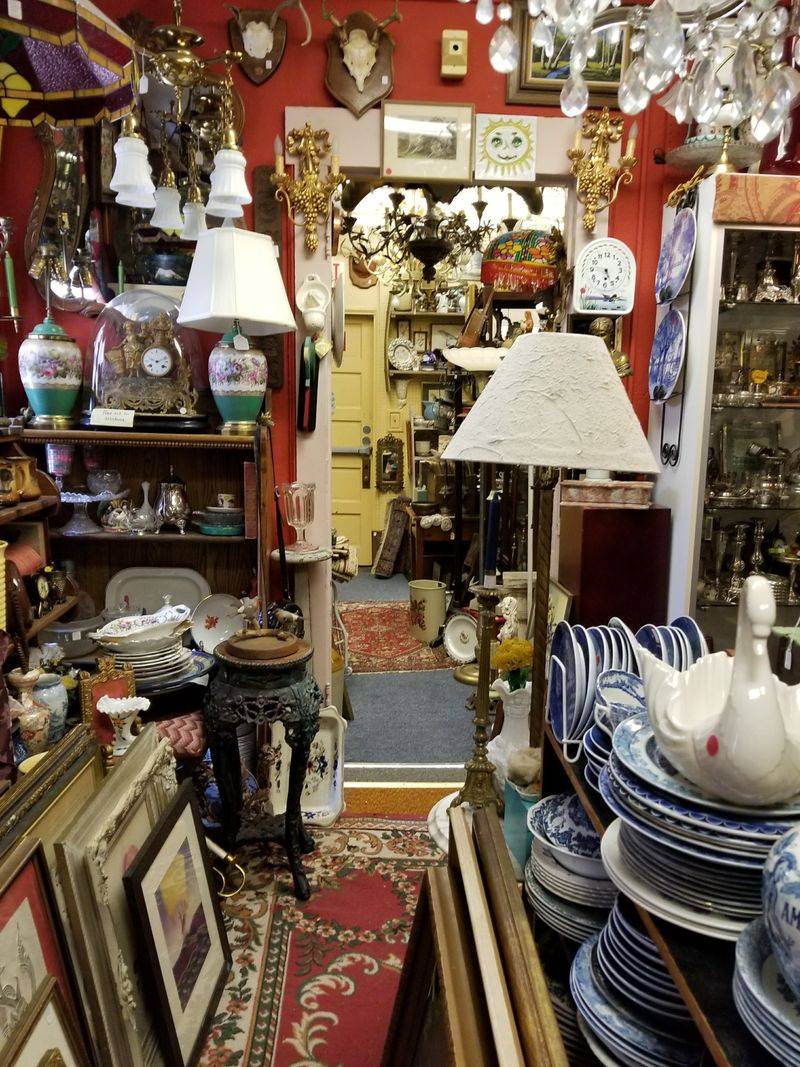
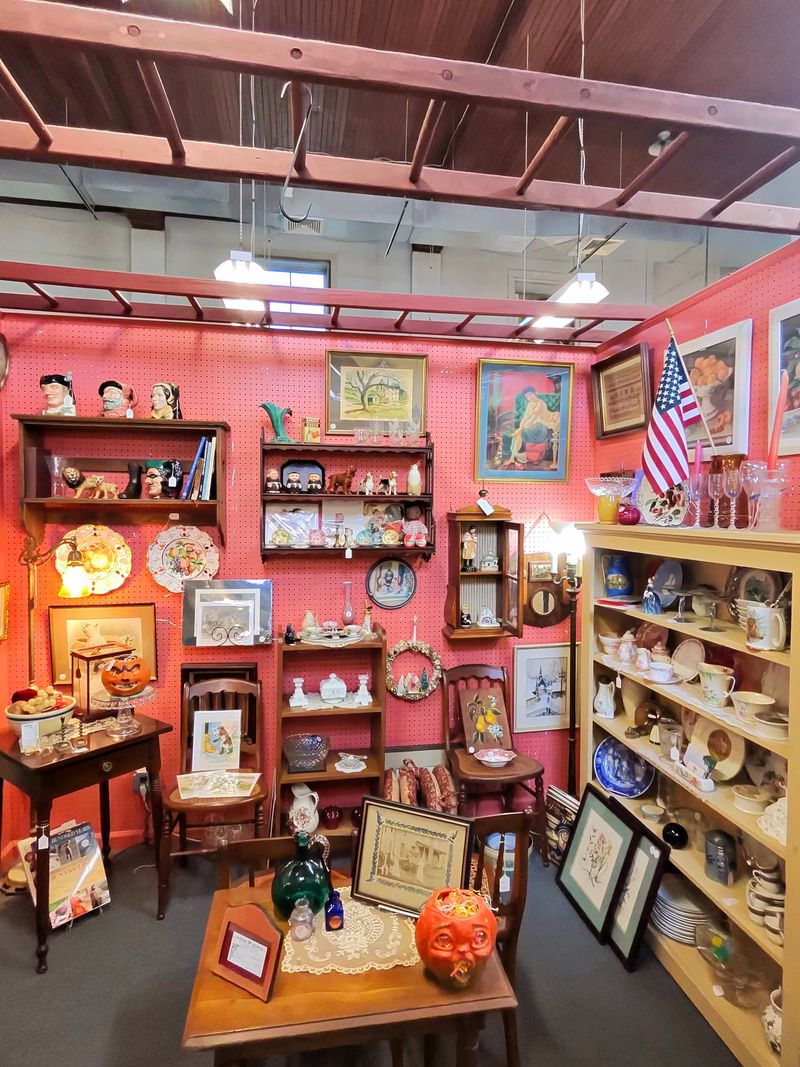
Every corner of Summit Antique Center seems to feature some kind of art or decorative object competing for your attention. Paintings in ornate frames lean against walls, vintage prints showcase everything from landscapes to advertisements, and quirky sculptures or figurines perch on shelves waiting for someone to appreciate their oddness.
Not all of it will match your taste, but that’s what makes browsing interesting.
I noticed the art selection skews heavily toward what people actually hung in their homes decades ago rather than gallery-quality pieces. That means lots of pastoral scenes, floral still lifes, and portraits of people whose names have been forgotten.
Some pieces show real skill and care, while others fall into the category of enthusiastic amateur work that someone once loved enough to frame and display.
Prices vary wildly based on size, frame quality, and the vendor’s assessment of value. Smaller prints and unframed pieces often sit in the ten to thirty dollar range, while larger framed paintings can push higher.
If you’re decorating on a budget or want something with more personality than mass-produced prints, this is where you’ll find it. The frames alone sometimes justify the purchase, especially the older wooden ones with interesting details.
Just be prepared to clean and maybe reframe anything you buy, because dust and time haven’t been kind to everything.
The Upstairs Versus Downstairs Debate
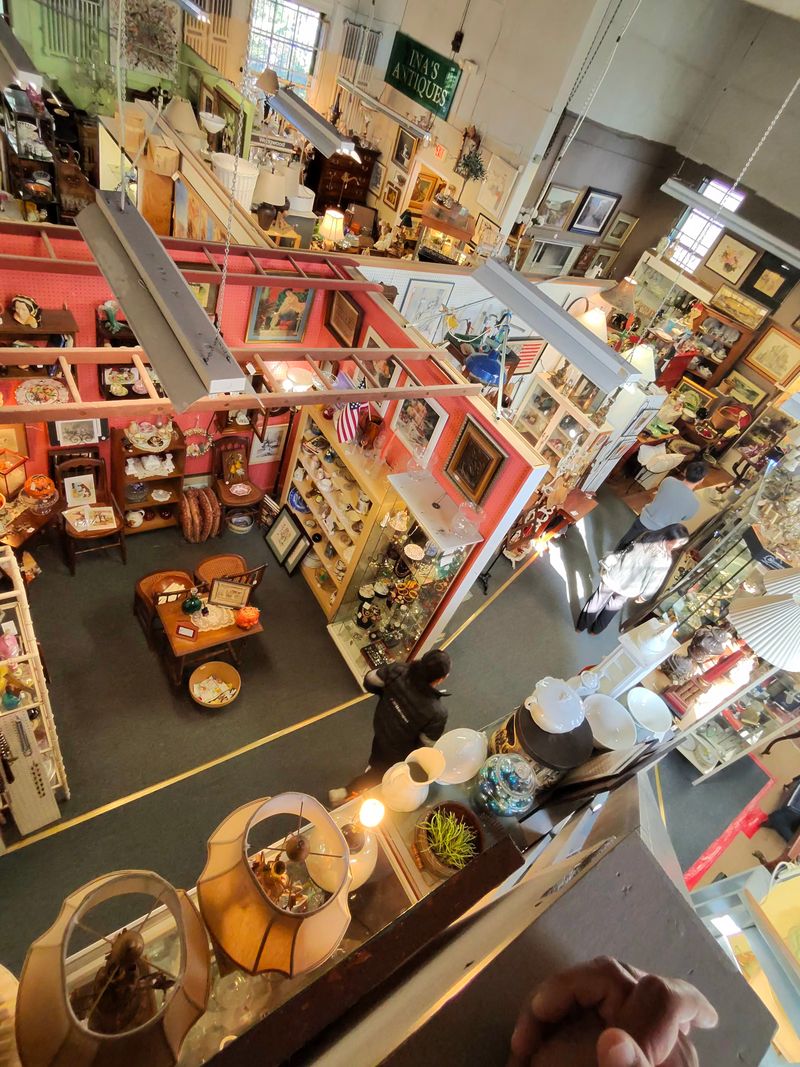
Anyone who spends time at Summit Antique Center eventually forms an opinion about which floor offers better finds. The layout spreads across multiple levels, and the vibe shifts noticeably as you climb the stairs.
Some shoppers swear by the upstairs vendors for variety and unique pieces, while others insist the downstairs holds the real bargains and better organization.
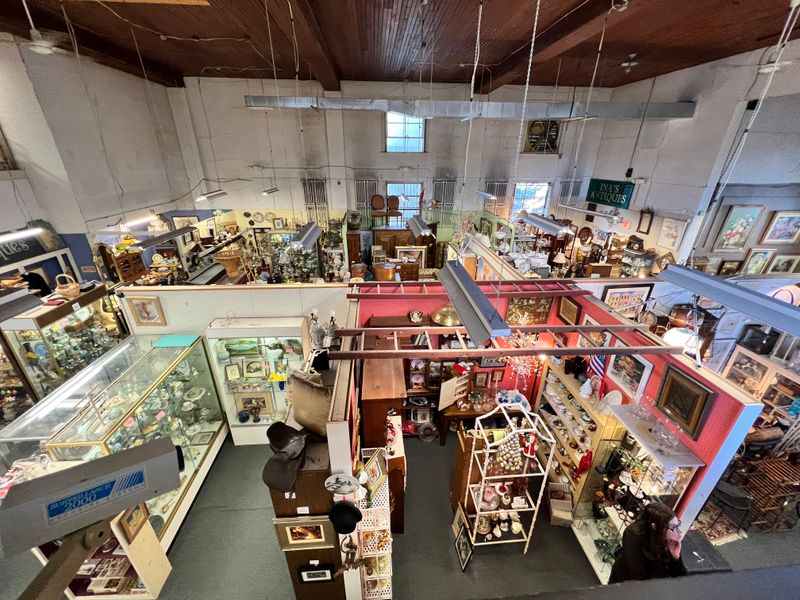
From what I observed, both floors have their strengths. Upstairs tends to feel more sprawling and packed, with booths that require serious navigation skills to explore fully.
The density means more items competing for space, which can overwhelm some shoppers but delights others who love the thrill of discovering something unexpected. Downstairs often feels slightly more curated, with wider aisles and displays that are easier to browse without bumping into things.
The pricing differences people mentioned in reviews seem less about floor location and more about individual vendor philosophy. You’ll find deals and overpriced items on both levels, sometimes right next to each other.
The key is not limiting yourself to one floor or the other but exploring everything and comparing as you go. It takes time and energy, but that’s how you avoid paying double for something you could have found cheaper three booths over.
Comfortable shoes help because you’ll be doing plenty of walking and standing.
Making Your Budget Stretch Further
The title promises you can fill your cart for thirty dollars, and while that depends on what you’re buying, it’s not an empty claim if you shop strategically. The trick is knowing which categories offer the best value and which vendors price things reasonably versus those who’ve inflated everything to metropolitan levels.
Small collectibles, postcards, records in decent shape, costume jewelry, and paper goods typically give you the most bang for your buck.
I tested this theory by setting a strict thirty-dollar limit and seeing what I could actually walk out with. After about an hour of browsing and comparing, I ended up with a stack of vintage postcards, two vinyl records, a small decorative plate, and a handful of old magazines.
Everything was in good shape, nothing felt like a compromise purchase, and I still had a few dollars left over. Would I have loved to grab that mid-century chair I spotted?
Sure, but that wasn’t the game I was playing.
The key is resisting the urge to grab the first interesting thing you see and instead doing a full lap to understand what’s available and how it’s priced. Some vendors clearly cater to serious collectors with deep pockets, while others just want to move inventory and price accordingly.
Focus your energy on the latter, and your thirty dollars will stretch surprisingly far. You might not leave with museum-quality pieces, but you’ll have fun finds that add character to your space without emptying your wallet.
Address: 511 Morris Ave, Summit, NJ 07901.
Dear Reader: This page may contain affiliate links which may earn a commission if you click through and make a purchase. Our independent journalism is not influenced by any advertiser or commercial initiative unless it is clearly marked as sponsored content. As travel products change, please be sure to reconfirm all details and stay up to date with current events to ensure a safe and successful trip.
