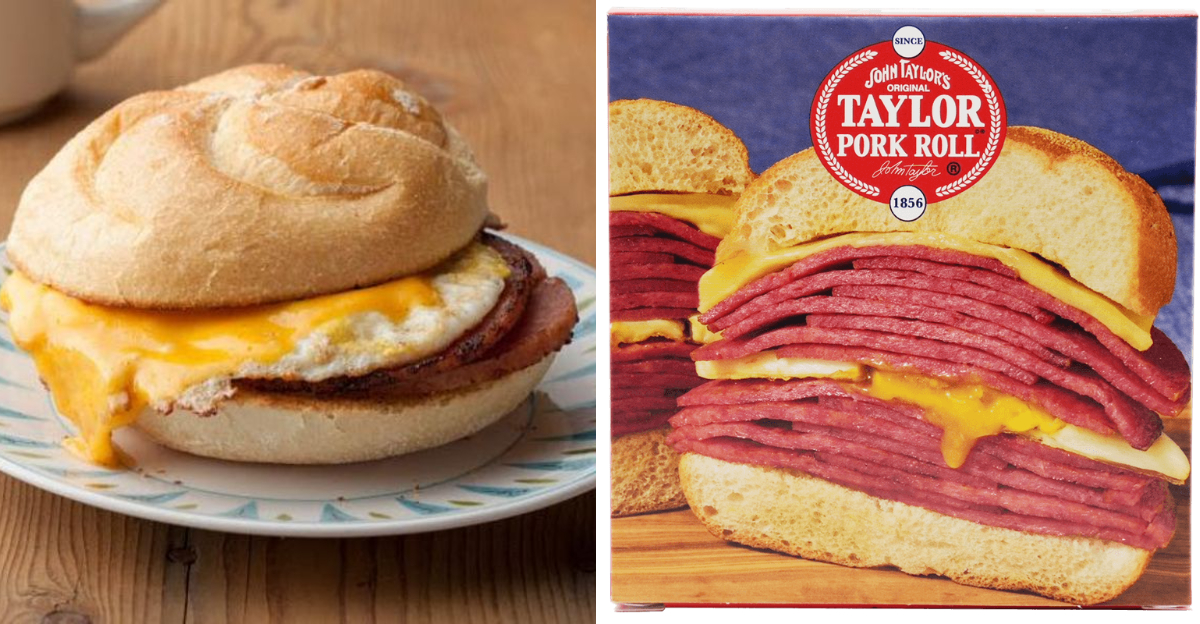
Walk into any diner across New Jersey and you’ll witness something peculiar: locals ordering a mysterious meat with the fervor of a religious devotee and the precision of a scientist.
To outsiders, it looks like just another processed breakfast protein, but to anyone who grew up in the Garden State, this salty, savory disc of cured pork represents so much more than a morning meal.
It’s a geographical identity marker, a source of fierce regional pride, and quite possibly the most debated food item in American history that doesn’t involve barbecue sauce.
Whether you call it Taylor Ham or Pork Roll depends entirely on which side of an invisible line you were raised, and trust me, people have opinions.
This isn’t just about semantics or branding; it’s about heritage, loyalty, and the unshakeable belief that your version is the only correct one.
The passion surrounding this humble breakfast meat has sparked legislative debates, inspired documentaries, and created a cultural divide so pronounced that New Jerseyans can identify each other’s hometowns based solely on their sandwich order.
Think your state has food pride? New Jersey just raised the bar and slapped it on a hard roll with egg and cheese.
The Great New Jersey Meat Debate
Forget politics, religion, or sports rivalries because nothing divides New Jersey quite like the name of its most beloved breakfast meat. Walk into a North Jersey diner and confidently order “pork roll” and you’ll get side-eye from every regular at the counter.
Head down to South Jersey and ask for “Taylor Ham” and prepare for a lecture on proper terminology that could last through your entire meal. This linguistic battle has raged for generations, splitting families, sparking heated Facebook arguments, and creating an invisible cultural fault line that runs straight through the heart of the Garden State.
What makes this debate so fascinating is how seriously everyone takes it. We’re talking about a processed meat product, yet grown adults will defend their preferred name with the intensity of constitutional scholars.
The argument goes way beyond simple branding or regional slang. For many New Jerseyans, what you call this meat reveals where you’re from, who raised you, and which part of the state you pledge allegiance to.
North Jersey folks insist on “Taylor Ham” because that’s what their grandparents called it, and tradition matters. South Jersey residents counter that “Pork Roll” is the legally correct term, making it the only logical choice.
Central Jersey residents (yes, it exists, and that’s another debate entirely) often find themselves caught in the crossfire, switching names depending on which direction they’re traveling.
The beauty of this debate is that there’s no winner, no compromise, and absolutely no end in sight. It’s become such a fundamental part of New Jersey identity that the argument itself is now more important than reaching any resolution.
Tourists find it baffling, but locals wouldn’t have it any other way because this passionate disagreement is what makes being a New Jerseyan so wonderfully unique and endlessly entertaining.
The Origin Story from 1856
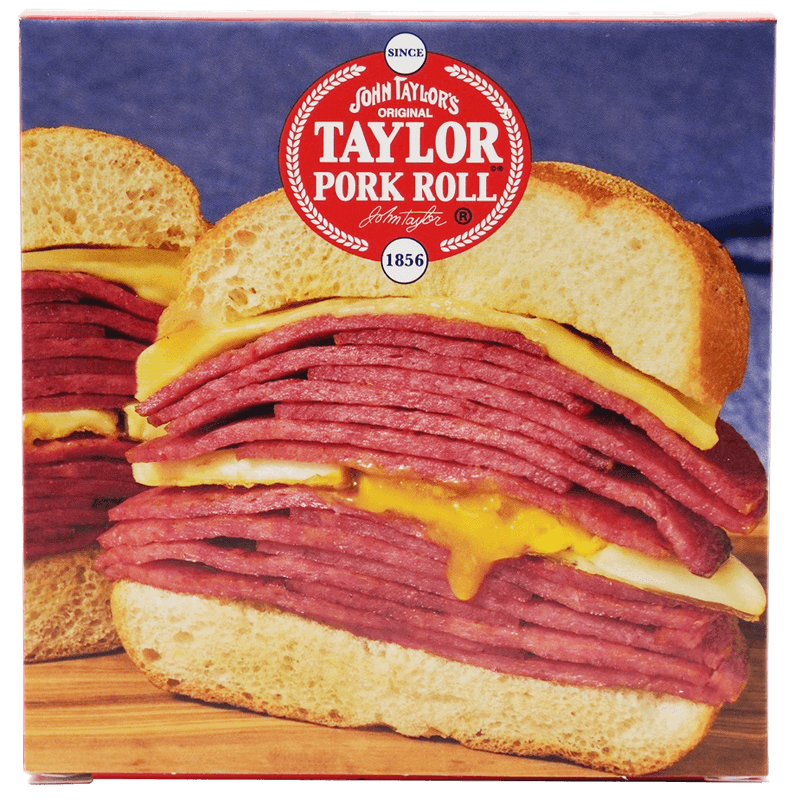
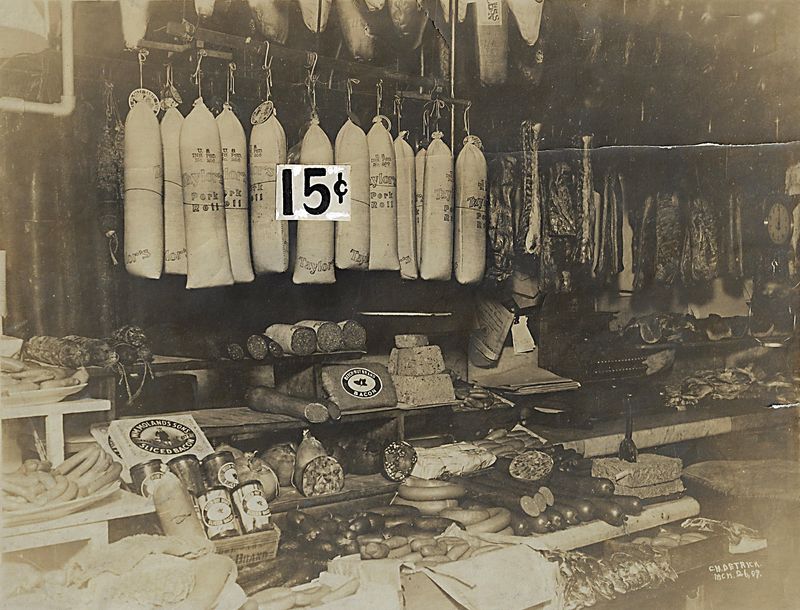
Every legendary food has a creation story, and this one starts in Trenton, New Jersey, way back in 1856 when a man named John Taylor decided to experiment with cured pork. Working in his small processing facility, Taylor developed a unique recipe that combined ground pork with a special blend of spices, salt, and a smoking process that gave the meat its distinctive tangy flavor.
He packaged his creation in cotton sacks and sold it as “Taylor’s Prepared Ham,” marketing it as a convenient, shelf-stable protein that could feed working-class families without requiring refrigeration.
The timing couldn’t have been better. America was rapidly industrializing, cities were growing, and people needed affordable, easy-to-prepare foods that could fuel long workdays.
Taylor’s invention hit the market at exactly the right moment, quickly becoming a staple in homes, boarding houses, and restaurants throughout the Mid-Atlantic region. Within just a few years, his product had spread beyond Trenton, earning a devoted following that stretched from Philadelphia to New York.
What made Taylor’s creation special wasn’t just the taste but the versatility. You could fry it for breakfast, pack it for lunch, or serve it at dinner.
The meat required no special preparation, cooked quickly on any hot surface, and paired perfectly with eggs, bread, and cheese. Working families loved how far a single roll could stretch, feeding multiple people without breaking the budget.
John Taylor built a successful business that would outlast him by more than a century, creating not just a product but a cultural phenomenon. His original recipe, with only minor tweaks, is still used today by the Taylor Provision Company.
That small Trenton operation from 1856 launched what would become one of America’s most regionally specific and passionately defended food traditions.
The Legal Rebranding of 1906
Fifty years after John Taylor’s invention took the Mid-Atlantic by storm, the federal government stepped in and changed everything with a single piece of legislation. The Pure Food and Drug Act of 1906 was designed to protect consumers from misleading food labels and dangerous additives, establishing strict definitions for common food terms.
When regulators examined “Taylor’s Prepared Ham,” they determined that the product didn’t meet the newly established legal requirements to be called “ham,” which had to come from a specific cut of pork prepared in particular ways.
The ruling forced Taylor Provision Company to officially rename their product “Pork Roll,” a more generic but legally accurate description. From a regulatory standpoint, this made perfect sense because the product was indeed made from ground pork that had been rolled, cured, and smoked.
However, the company didn’t account for one crucial factor: fifty years of brand loyalty and cultural embedding had already cemented “Taylor Ham” into the vocabulary of thousands of North Jersey residents.
By 1906, multiple generations had grown up calling it Taylor Ham, ordering Taylor Ham at restaurants, and asking their parents to buy Taylor Ham at the store. Changing the official name on packaging couldn’t erase decades of habit and tradition.
North Jersey families simply ignored the rebranding and continued using the name they’d always known, treating “Pork Roll” as a legal technicality rather than the actual name of their beloved breakfast meat.
South Jersey residents, who adopted the product slightly later and encountered it under both names, tended to embrace the official “Pork Roll” terminology. This created the perfect storm for the regional divide that defines New Jersey food culture today.
One federal law meant to clarify food labeling accidentally created the most enduring and passionate food debate in Garden State history.
The Linguistic Line in the Sand

Geography determines everything in New Jersey, from traffic patterns to pizza preferences, but nowhere is this more evident than the invisible boundary that separates Taylor Ham people from Pork Roll people. The Raritan River serves as the unofficial demarcation line, creating a cultural border as significant as any state boundary.
Cross from North to South and you’re not just changing regions; you’re entering entirely different breakfast territory where the rules, terminology, and loyalties shift dramatically.
North of the Raritan, you’re in Taylor Ham country. Bergen, Passaic, Essex, and Hudson counties claim this name with unwavering conviction, passed down through generations like a family heirloom.
Ask for Pork Roll in a North Jersey diner and you’ll immediately identify yourself as an outsider, possibly earning a gentle correction or at minimum a knowing glance between the regulars. The attachment to “Taylor Ham” runs deep here, connected to immigrant communities, working-class traditions, and a fierce pride in doing things the way they’ve always been done.
South of the Raritan, the landscape changes completely. Camden, Burlington, Atlantic, and Cape May counties insist on “Pork Roll” with equal passion, viewing it as the correct, proper, and only acceptable term.
They’ll patiently explain that using a brand name for a generic product is linguistically imprecise, like calling all sodas “Coke” or all adhesive bandages “Band-Aids.” To South Jersey residents, “Pork Roll” respects the product itself rather than privileging one particular manufacturer.
Central Jersey exists in a fascinating gray zone where both terms coexist, sometimes even within the same household. This middle ground creates interesting dynamics where people code-switch depending on their audience, demonstrating the kind of linguistic flexibility that North and South Jersey residents rarely show.
The Raritan River might be just water, but culturally, it’s the Mason-Dixon line of breakfast meat nomenclature.
The Brand vs. The Product
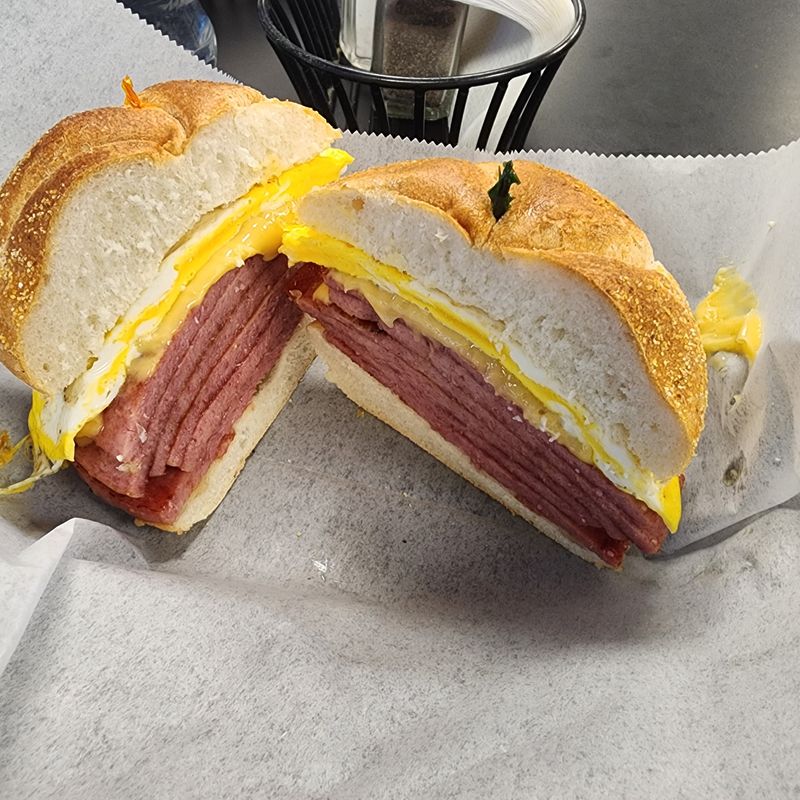
Understanding the Taylor Ham versus Pork Roll debate requires a quick linguistics lesson in proprietary eponyms, those fascinating cases where brand names become so dominant they replace the generic term for a product. Think about how people ask for a “Kleenex” when they need any facial tissue, or how “Xerox” became a verb meaning to photocopy.
North Jersey residents did exactly this with Taylor’s product, using the brand name “Taylor Ham” to refer to all pork roll, regardless of which company actually manufactured it.
Taylor is indeed a brand, specifically the Taylor Provision Company that John Taylor founded back in 1856. Pork Roll is the actual product category, the generic term that describes this type of cured, smoked, processed pork regardless of manufacturer.
Several other companies produce their own versions, including Case Pork Roll and Trenton Pork Roll, but in North Jersey, even these competing brands often get called “Taylor Ham” by loyal customers who’ve used that term their entire lives.
South Jersey residents find this practice maddening because it’s technically incorrect and gives undeserved credit to one company when discussing a product category. They argue that calling all pork roll “Taylor Ham” is like calling every car a “Ford” or every smartphone an “iPhone.” Their insistence on using the proper generic term “Pork Roll” stems from both linguistic precision and a desire to acknowledge all the producers who make this beloved meat.
The brand-versus-product argument adds another layer to an already complex debate, giving both sides legitimate linguistic grounds for their positions. North Jersey can claim tradition and common usage, while South Jersey stands on technical accuracy and proper terminology.
Neither side will budge, and honestly, that stubbornness is part of what makes New Jersey culture so wonderfully distinctive and endlessly entertaining to observe from either side of the Raritan River.
The Pac-Man or Flower Cut
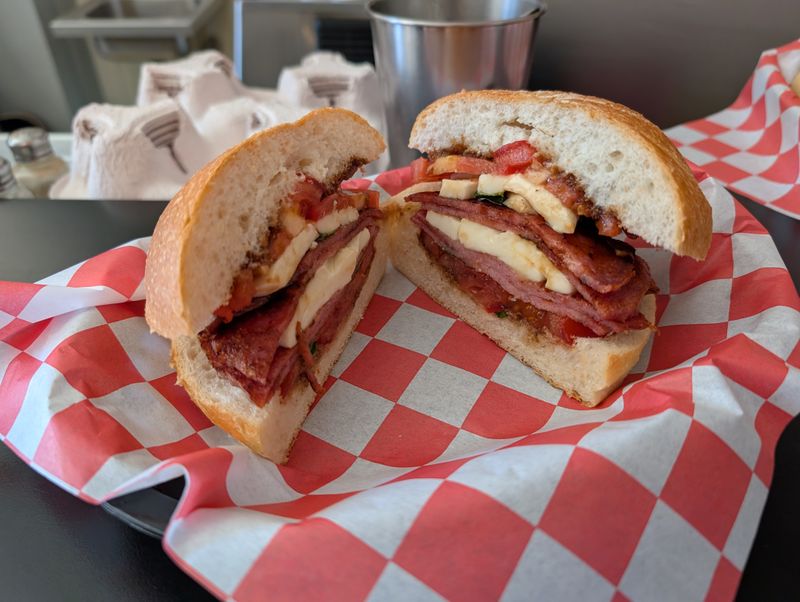
Here’s where things get really interesting, moving from linguistic debates to actual cooking technique. Pork roll comes wrapped in a distinctive cotton casing that helps preserve it during the curing process, but this packaging creates a unique challenge when you’re ready to cook.
The meat is formed into a cylindrical roll, and when you slice it into rounds and toss those rounds onto a hot griddle, the edges curl up dramatically due to the way the proteins contract with heat. Without intervention, you’d end up with a dome-shaped piece of meat that won’t cook evenly and definitely won’t sit flat on a sandwich.
Enter the genius solution that every New Jersey diner cook learns on their first day: the radial cut. Before the meat hits the griddle, you make three or four small slits around the edge of each round, cutting from the outer edge toward the center like you’re creating spokes on a wheel.
These strategic cuts allow the meat to expand as it cooks without curling upward, keeping everything flat against the cooking surface. The result looks remarkably like Pac-Man with his mouth open, or alternatively, like a flower with petals spreading outward.
This technique isn’t just practical; it’s become an iconic visual signature of authentic pork roll preparation. When you see those distinctive radial cuts on your breakfast sandwich, you know you’re getting the real deal made by someone who understands proper technique.
Tourists often don’t notice this detail, but locals recognize it immediately as the mark of a properly prepared PEC.
The cut also serves as a quality indicator. Places that skip this step or do it incorrectly reveal themselves as amateurs who don’t respect the craft.
Whether you call it the Pac-Man cut or the flower cut depends on your age and gaming references, but everyone agrees it’s absolutely essential for achieving that perfect crispy-edged, evenly-cooked round of breakfast perfection.
The Holy Trinity: The PEC
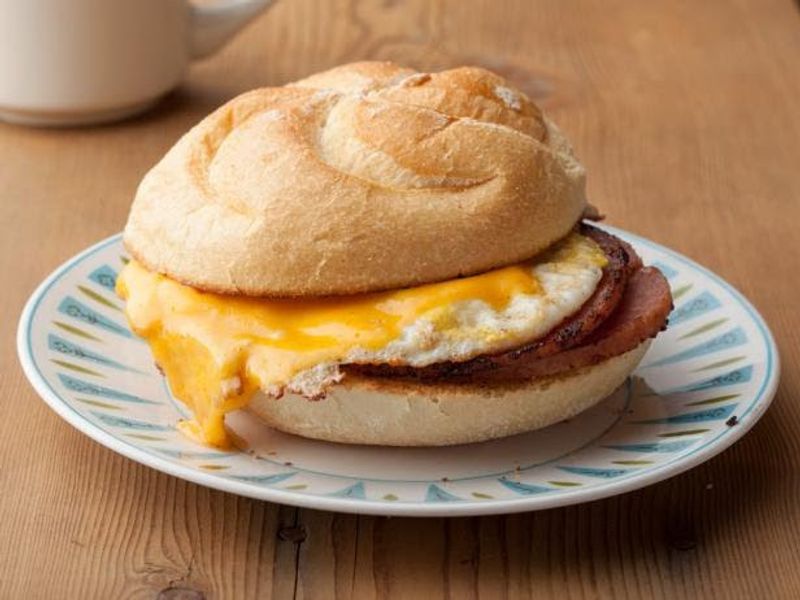
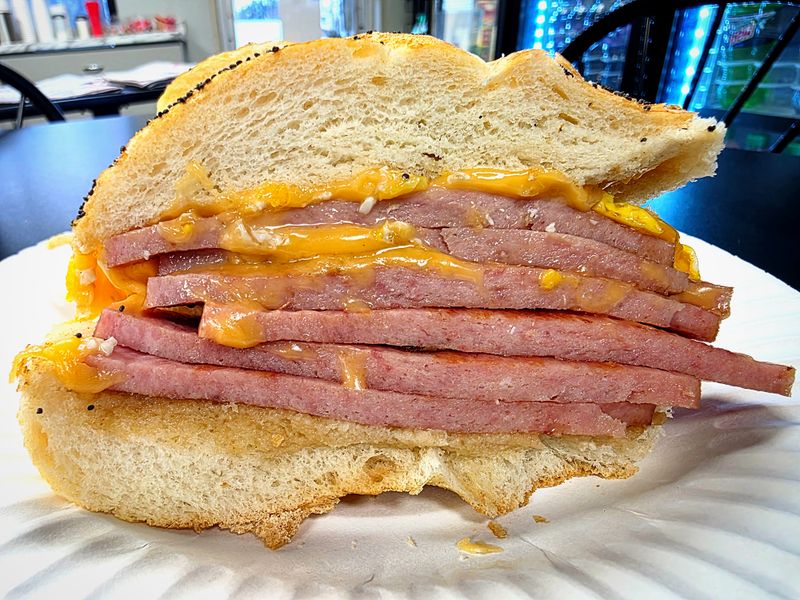
You can eat pork roll in various ways, but there’s only one preparation that truly matters, one combination so perfect that it’s achieved near-sacred status throughout New Jersey. The PEC (Pork Roll, Egg, and Cheese) represents the holy trinity of Garden State breakfast cuisine, a sandwich so beloved that ordering one serves as a cultural password proving you belong.
Every element matters, from the type of bread to the cheese selection to the precise doneness of the egg, and locals have strong opinions about each component.
The foundation must be either a hard roll (also called a Kaiser roll) or a bagel, preferably from a local bakery that understands proper New Jersey bread standards. The roll should have a crispy exterior that provides textural contrast while being soft enough inside to soak up runny egg yolk without falling apart.
The pork roll gets griddled with those essential Pac-Man cuts until the edges achieve a slight crispy char while the center stays tender and juicy. The egg, cooked on the same griddle, should be fried with slightly crispy edges and, ideally, a runny yolk that creates a natural sauce when you bite into the sandwich.
The cheese, almost always American, gets placed on top of the hot pork roll so it melts into perfect gooey submission. Some places offer other cheese options, but traditional PEC purists argue that American cheese’s mild, creamy profile complements rather than competes with the pork roll’s distinctive tangy flavor.
Everything gets assembled while still hot, creating a sandwich where temperatures, textures, and flavors combine into something greater than the sum of its parts.
Substitutions are tolerated but noted. Order your PEC on white bread or an English muffin and you’ll get it, but everyone will know you’re not a true local.
The PEC isn’t just breakfast; it’s an edible expression of New Jersey identity that visitors must experience to understand what all the fuss is really about.
The Secret Acronym: SPK
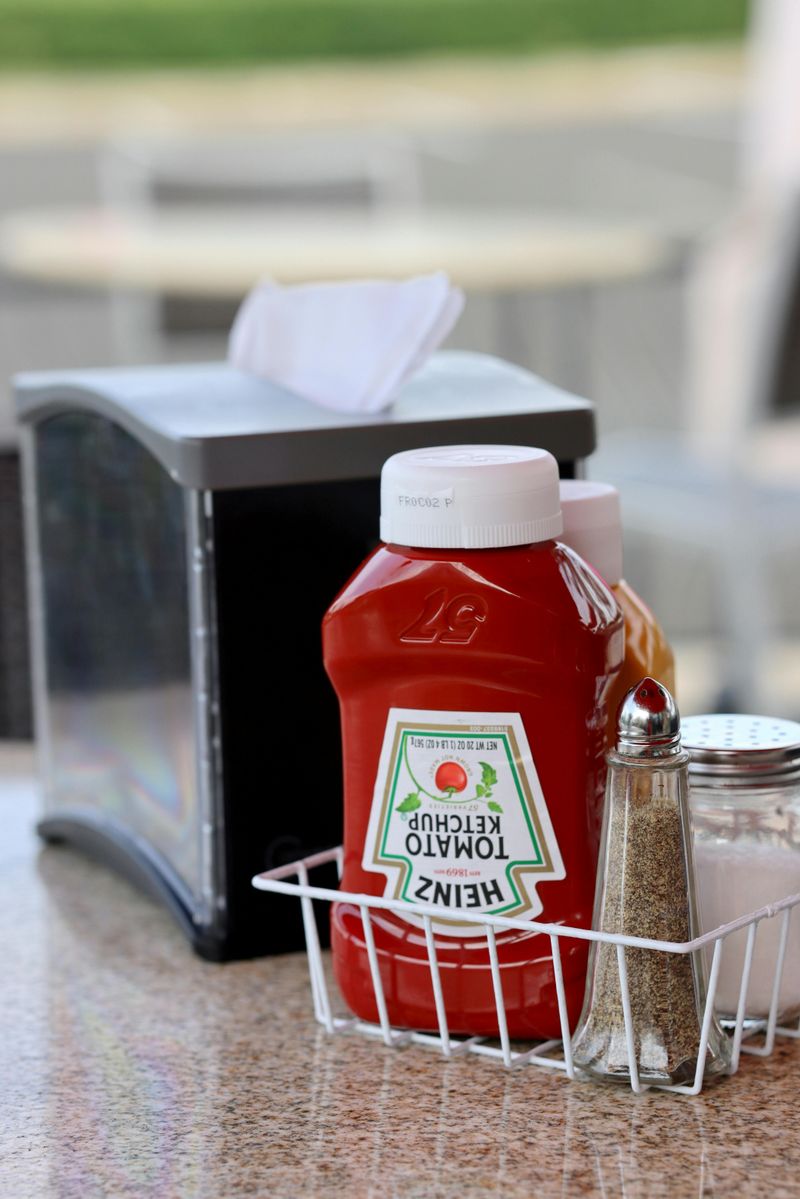
Order your first PEC at a New Jersey diner or food truck and you’ll encounter a moment that separates locals from tourists faster than any linguistic debate. Right after you place your order, the person behind the counter will look at you and ask a simple three-letter question: “SPK?” Your response to this seemingly cryptic inquiry will immediately reveal whether you’re a Garden State native or an outsider who just wandered in hungry and unprepared.
Don’t panic, though, because now you’re getting the insider knowledge that will help you blend in perfectly.
SPK stands for Salt, Pepper, and Ketchup, the standard seasoning trio that New Jerseyans automatically apply to their breakfast sandwiches. It’s not really a question so much as a confirmation, similar to asking if you want your burger “with everything” at a hot dog stand.
The assumption is that you want SPK unless you specifically say otherwise, and most locals simply nod or say “yes” without breaking stride in the ordering process.
The ketchup element surprises many outsiders who associate the condiment with burgers and fries rather than breakfast sandwiches. However, in New Jersey, a modest squirt of ketchup on a PEC is completely standard, adding a touch of sweetness and acidity that balances the salty pork roll and rich egg.
It’s not drowning-your-food-in-ketchup levels; it’s a measured application that enhances rather than overwhelms the other flavors.
Declining SPK won’t get you kicked out, but it will mark you as either a tourist or someone with very particular taste preferences. Some people skip the ketchup, others add hot sauce instead, and a few purists want nothing but the core ingredients.
The beauty of SPK culture is that it represents New Jersey’s practical, no-nonsense approach to food: here’s what works, here’s what most people want, and we’ll ask you once to keep things moving efficiently. Answer confidently and you’ll pass the test.
The Texture Profile
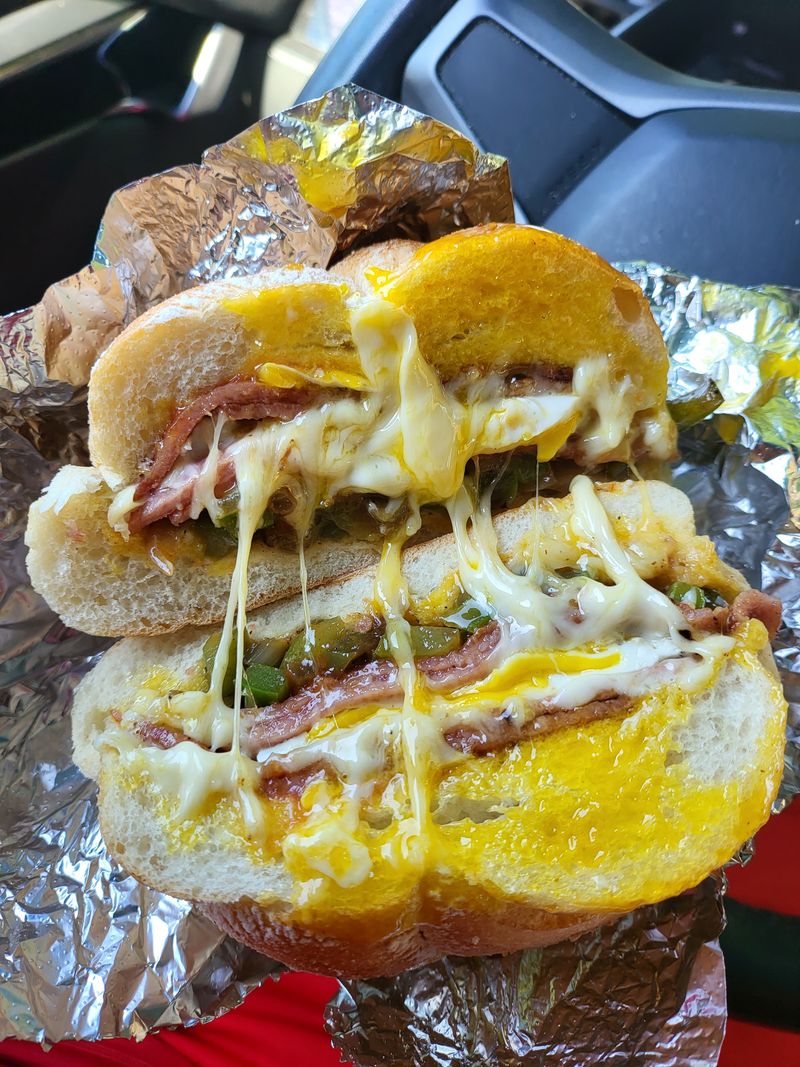
Trying to describe pork roll to someone who’s never tasted it presents a genuine challenge because it doesn’t fit neatly into existing breakfast meat categories. People often attempt comparisons to help outsiders understand what they’re getting into, typically reaching for references like Canadian bacon, bologna, or even Spam.
While these comparisons provide a general ballpark, they all fall short of capturing what makes pork roll genuinely unique in the processed meat universe. Canadian bacon is too lean and ham-like, bologna too soft and bland, and Spam too dense and salty without the complexity.
Pork roll occupies its own special category with a texture that’s simultaneously firm and tender, dense but not heavy. When properly griddled, the exterior develops a slight crispy char that provides textural contrast to the tender interior.
The meat has enough structure to hold together in a sandwich without being rubbery or tough, and it’s got enough fat content to stay juicy without being greasy. Bite into a properly prepared slice and you’ll experience layers of texture that change as you chew.
The flavor profile is equally distinctive, offering a complex combination that hits multiple taste receptors simultaneously. There’s definitely saltiness, but it’s balanced by a subtle sweetness from the curing process.
The smoking adds depth and a hint of that campfire-adjacent flavor without overwhelming everything else. Then there’s a unique tanginess, a slight acidic note that cuts through the richness and keeps the meat from feeling heavy despite its indulgent nature.
What really sets pork roll apart is how all these elements work together, creating something that tastes both familiar and completely novel. First-timers often struggle to place it, cycling through mental comparisons before eventually giving up and just accepting that pork roll is its own thing.
That distinctive flavor and texture combination is exactly why New Jerseyans become so attached to it and why it’s nearly impossible to find adequate substitutes outside the Garden State.
The Cultural Border Wall
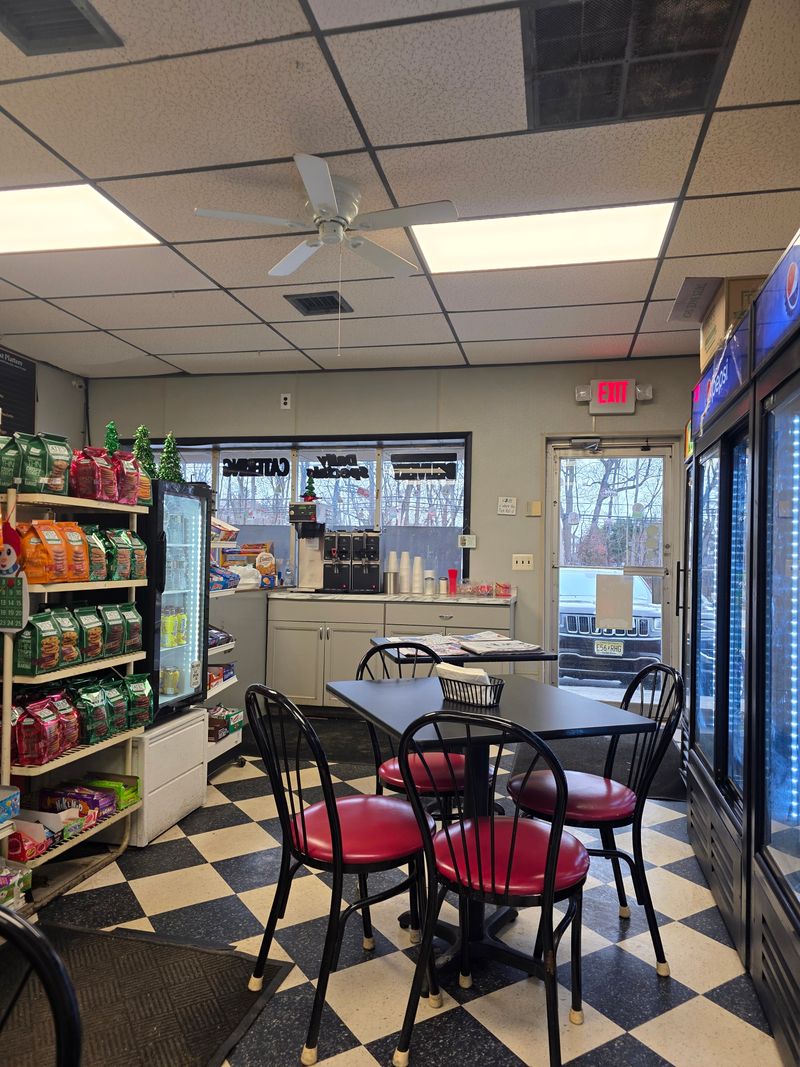
One of the strangest phenomena surrounding pork roll is how dramatically its availability drops the moment you cross New Jersey’s state lines. Drive from Jersey into New York, and within minutes, pork roll essentially vanishes from menus, grocery stores, and local consciousness.
Head west into Pennsylvania (outside the immediate Philadelphia area, which shares some New Jersey food culture), and you’ll find the same mysterious disappearance. This isn’t just about regional preferences or distribution limitations; it’s a genuine cultural border that’s almost unprecedented for a food product this beloved and established.
New Jerseyans who move away for college or work consistently report that pork roll withdrawal is real and painful. They’ll search desperately for it in their new cities, occasionally finding it at specialty stores that cater to East Coast expats, but rarely encountering it on restaurant menus or in regular grocery stores.
Some dedicated fans resort to having family members ship it, ordering it online, or stocking up whenever they visit home. The scarcity outside New Jersey only intensifies the attachment, turning pork roll into a powerful symbol of home and belonging.
This geographic limitation has actually strengthened pork roll’s cultural significance rather than limiting its popularity. Because you can’t easily get it elsewhere, it becomes something special, a treat that requires either returning to New Jersey or making special arrangements.
Expatriate New Jerseyans bond over their shared pork roll deprivation, swapping stories about failed attempts to explain it to confused locals in other states who’ve never heard of this mysterious breakfast meat.
The border-locked nature of pork roll has also preserved its authenticity, preventing it from becoming commercialized or adapted for national chains. It remains genuinely local, genuinely Jersey, and genuinely special precisely because it hasn’t spread everywhere.
In an increasingly homogenized food landscape where you can find the same chains coast to coast, pork roll stands as a delicious reminder that some traditions belong to specific places and people.
Dear Reader: This page may contain affiliate links which may earn a commission if you click through and make a purchase. Our independent journalism is not influenced by any advertiser or commercial initiative unless it is clearly marked as sponsored content. As travel products change, please be sure to reconfirm all details and stay up to date with current events to ensure a safe and successful trip.
