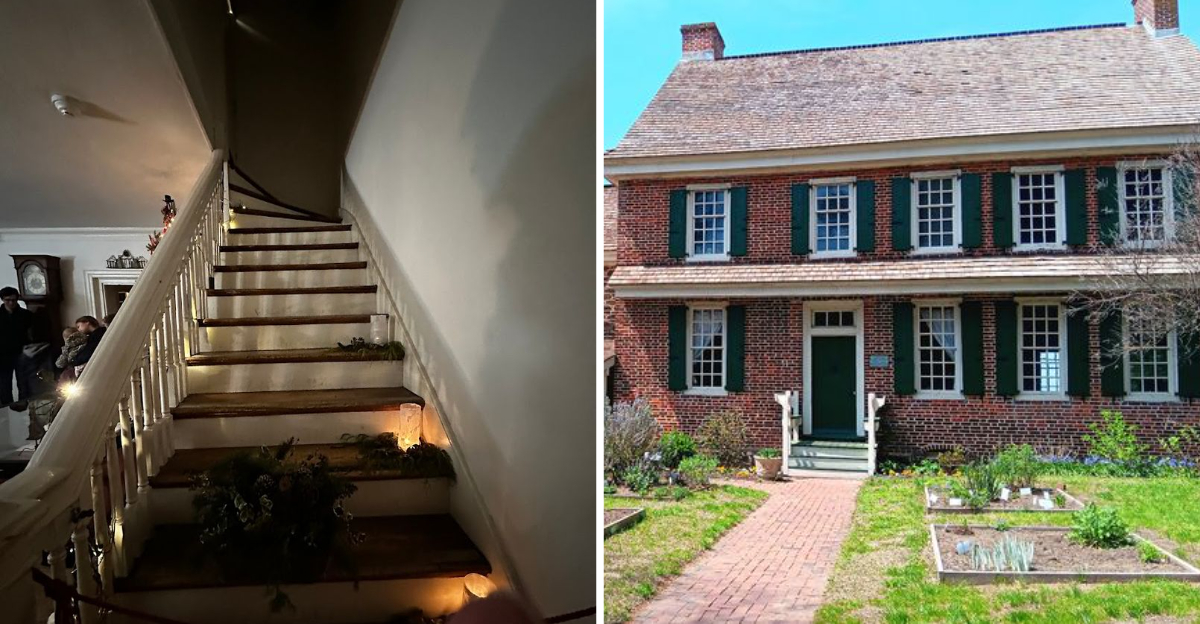
Nobody warned me that walking into a 276-year-old farmhouse would feel like stepping straight into a Revolutionary War movie, except the cannonball holes are real and the stains on the floor are definitely not ketchup.
My expectations were somewhere between a dusty old building and a sleepy afternoon, but what actually happened was closer to a full historical gut-punch in the best possible way.
The house still carries the weight of 1777 on every beam, every brick, and every scuffed wooden floorboard.
There is something wildly specific about standing in a room where wounded soldiers once lay and realizing the building around you absorbed all of it.
This place does not just tell history, it holds it.
The 1748 Brick House That Survived a Battle and Kept Going
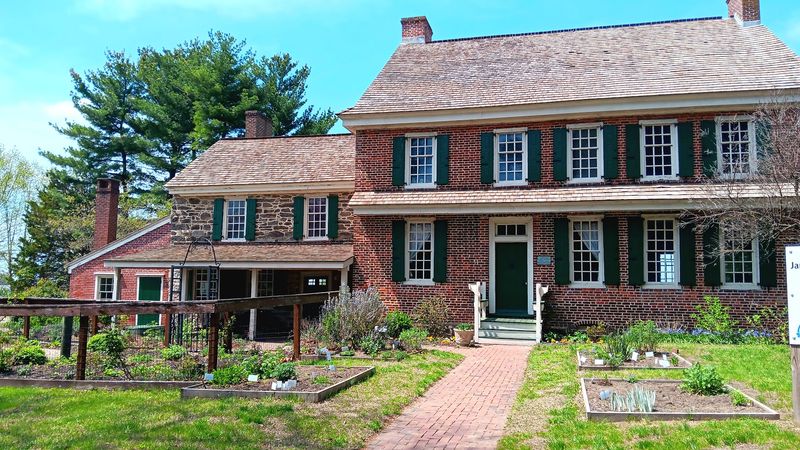
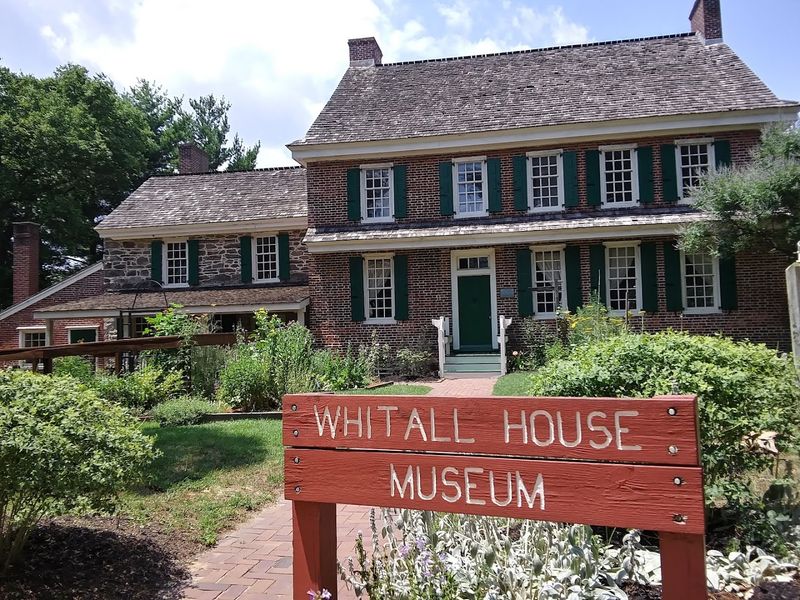
Built in 1748, the Whitall House is one of those rare structures that wears its age like a badge of honor rather than a burden. The patterned brickwork on the exterior is genuinely stunning, and it is the kind of detail that stops you mid-stride before you even reach the front door.
Each brick was laid with intention, and the craftsmanship still holds up nearly three centuries later.
Walking up to the house for the first time, the scale of it feels both grand and grounded. It is not a palace, but it carries a quiet authority that makes sense once you learn what happened here.
The structure was built by James Whitall, a prosperous Quaker farmer, and it reflects both his practical values and his community standing.
What makes this building so remarkable is that it did not just survive the Revolutionary War, it absorbed it and kept standing. The walls, the floors, and the foundation all carry evidence of that October day in 1777.
Visiting the house feels less like a museum trip and more like meeting a very old, very patient witness to American history.
The Battle of Red Bank and What Actually Happened Here
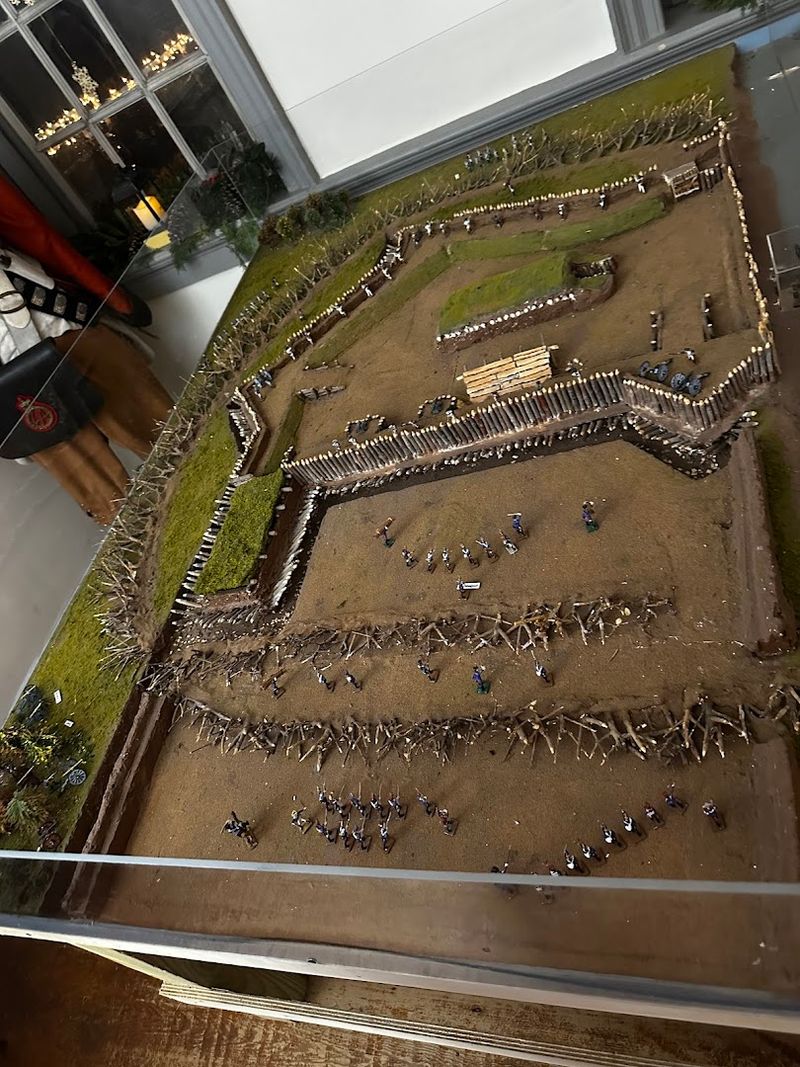
On October 22, 1777, the Battle of Red Bank turned the fields surrounding the Whitall House into a war zone. Hessian forces, fighting under Colonel Carl von Donop, launched an assault on nearby Fort Mercer in an attempt to clear the Delaware River for British supply ships.
The battle was fierce, unexpected, and decisive, with American defenders successfully repelling the attack.
The Whitall property sat directly in the path of the conflict, and the house itself took damage during the fighting. That context transforms every room inside into something much heavier and more meaningful than a typical historic home tour.
Knowing what unfolded just outside the windows changes how you experience the space entirely.
Visiting before heading to Fort Mercer is genuinely the smarter move, because the Whitall House fills in military and personal context that makes the broader battlefield story click. The guides here are knowledgeable and enthusiastic, and they connect the dots between the political stakes and the human cost in ways that stick with you long after you leave.
History taught through place lands differently than history taught through a textbook.
The Cannonball Damage Still Visible on the North Wall
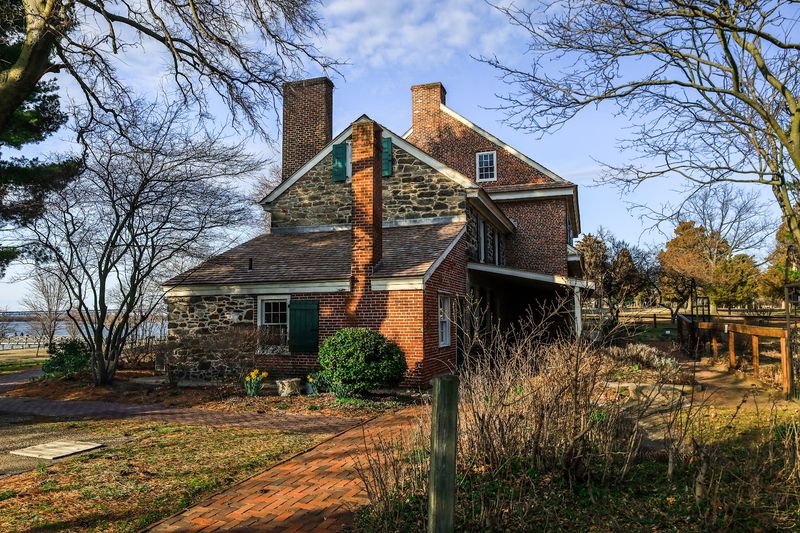
There is something almost surreal about pressing your hand near a cannonball scar on a wall and knowing it has been there since 1777. The north wall of the Whitall House bears visible damage from the battle, and it has been preserved rather than patched over.
That decision to leave it as is turns the wall itself into primary source material.
Most historic sites do their best to restore and polish everything back to a pristine condition. The Whitall House takes a different approach, and the result is far more powerful.
The damage is not dramatic or cinematic, but it is undeniably real, and that quiet reality is what makes it hit harder than any exhibit display ever could.
Standing in front of that wall, you can feel the specific violence of that day condensed into a single mark. It is a small detail in a large story, but small details are often the ones that make history feel personal rather than distant.
Kids especially tend to stop cold in front of it, and you can almost see the moment the past becomes real for them. That reaction alone is worth the trip.
Ann Whitall and the Spinning Wheel Story That Defines the Place
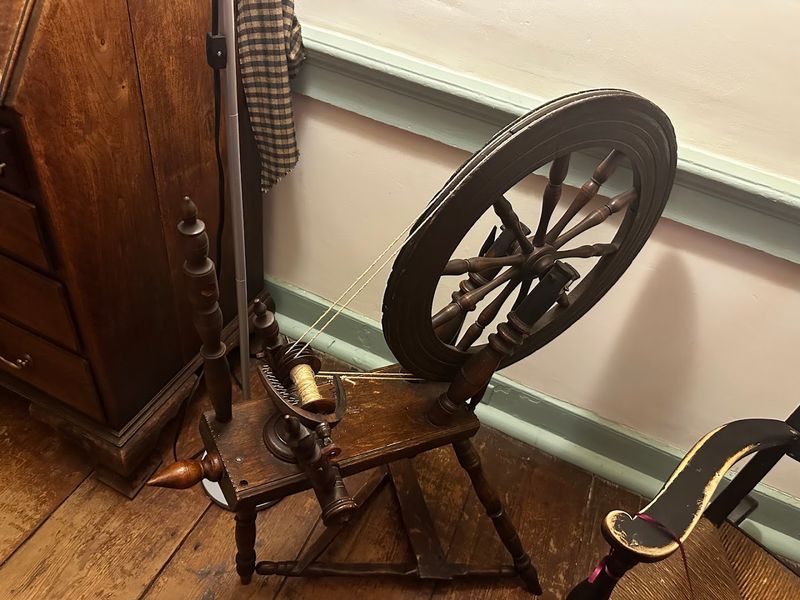
Ann Whitall is the soul of this entire site, and her story is the kind that deserves to be told over and over. When cannonballs began striking the house during the battle, she did not flee.
Instead, she moved her spinning wheel to the cellar and kept working, unfazed by the chaos erupting around her.
That image, a Quaker woman calmly spinning thread while a battle raged outside her walls, is so specific and so human that it refuses to feel like legend. Her composure that day earned her the lasting title of Heroine of Red Bank, and the house still carries her presence in a way that is genuinely moving.
Her Quaker faith shaped everything about how she responded to the wounded soldiers who filled her home afterward. She treated Americans and Hessians alike with the same steady compassion, which was not a small thing in 1777.
The spinning wheel on display inside the house becomes more than a household object once you know its story. It becomes a symbol of a woman who refused to let war shrink her humanity, and that message travels across centuries without losing any of its force.
The Hospital Stains on the Floors That History Left Behind
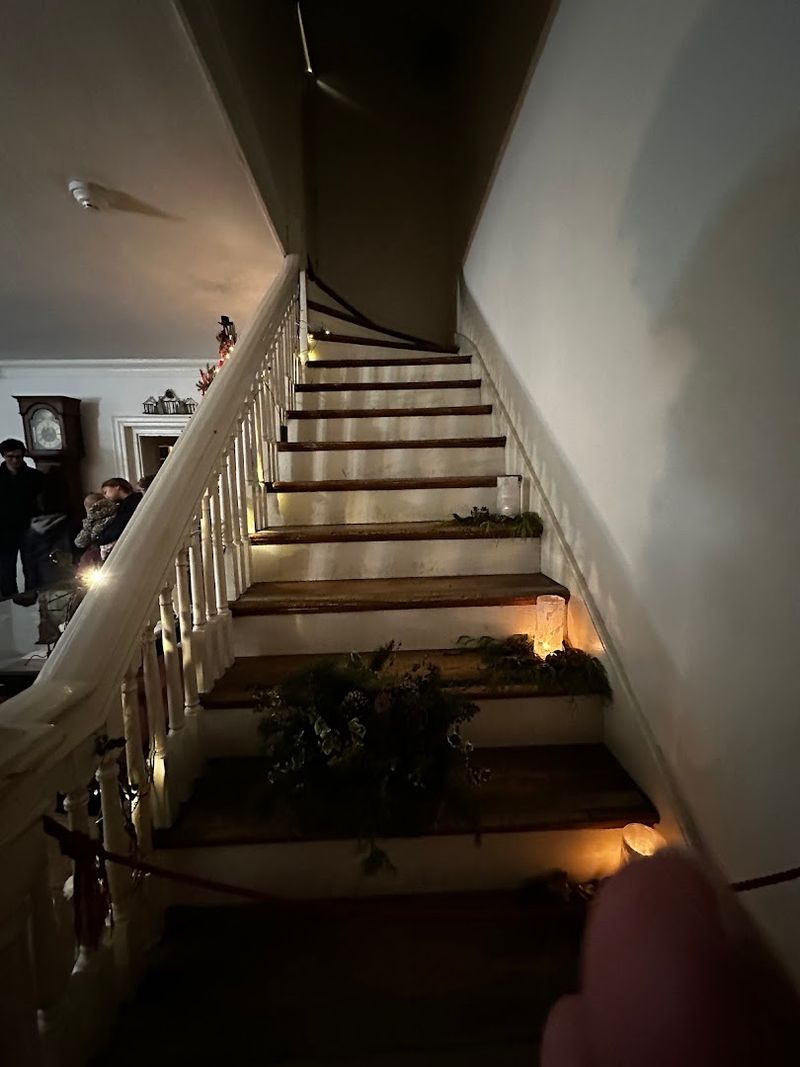
Nobody quite prepares you for the hospital stains. After the Battle of Red Bank, the Whitall House was converted into a field hospital, and wounded soldiers from both sides were brought inside to recover or to die.
The floors absorbed everything that happened in those rooms, and some of that evidence remains visible today.
Calling them hospital stains is blunt, but it is also accurate, and there is something important about using direct language for what this house witnessed. These are not decorative marks or natural aging.
They are the physical residue of human suffering and human care happening in the same space at the same time.
Walking across those floors feels different once you understand what they hold. The guides here handle this part of the tour with exactly the right tone, neither sensationalizing nor minimizing what the stains represent.
It is a moment in the visit that tends to go quiet, and that silence feels appropriate. History does not always need narration.
Sometimes it just needs a room that has been left honest, and this house offers that honesty in a way that very few historic sites are willing or able to match.
Hearth Cooking Activities and Tasting 18th-Century Food
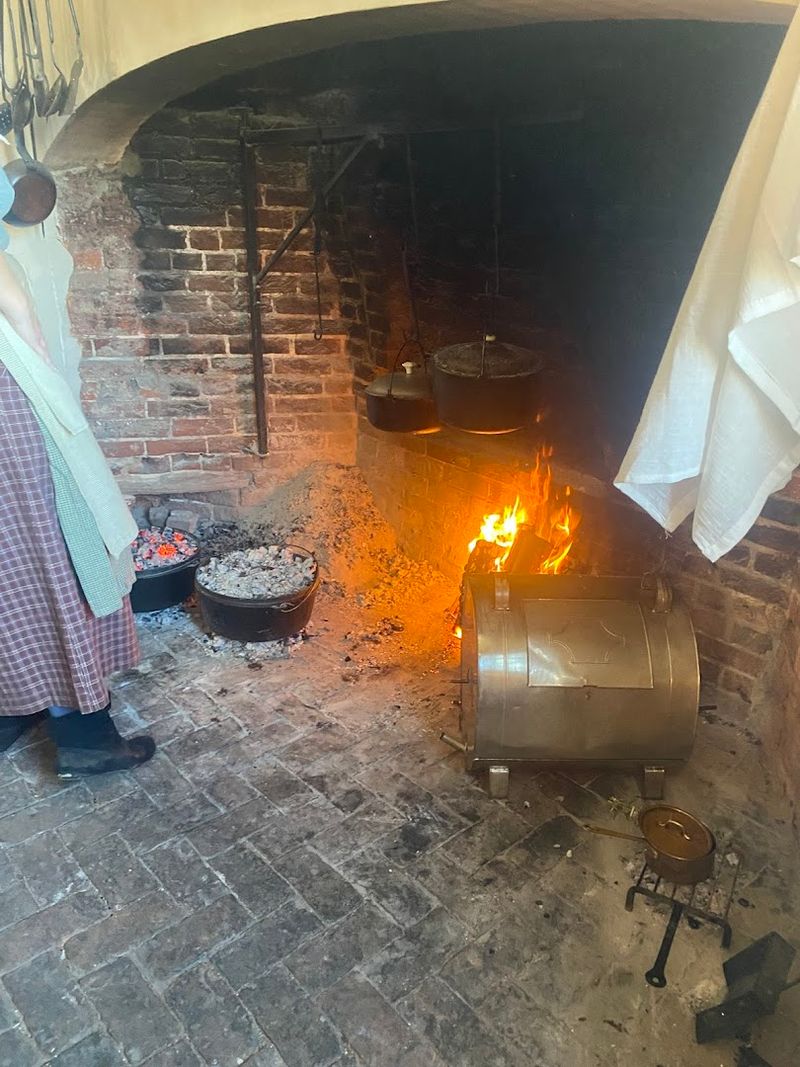
Few historic sites let you actually cook the food, and the hearth cooking activity at the Whitall House is one of the most genuinely memorable things you can do at any museum in New Jersey. Small groups gather around the original hearth, and together everyone prepares dishes using methods and ingredients that would have been completely familiar to Ann Whitall herself.
The food that comes out of that hearth is honest and satisfying in a way that modern kitchens rarely replicate. Roasted root vegetables, simple grain dishes, and warm breads cooked over open flame carry a depth of flavor that feels earned.
Eating a meal prepared the same way food was prepared in 1748 is a sensory history lesson that no exhibit panel can compete with.
This activity requires advance reservation, and it fills up quickly for good reason. The Gloucester County Historical Society members who facilitate the cooking are deeply knowledgeable, and the tour of the home that happens alongside the cooking adds layers of context that make the meal taste even better.
It is the kind of afternoon that you end up describing to everyone you know for weeks afterward, which is exactly what a great travel experience should do.
The Red Bank Battlefield Park Setting Around the House
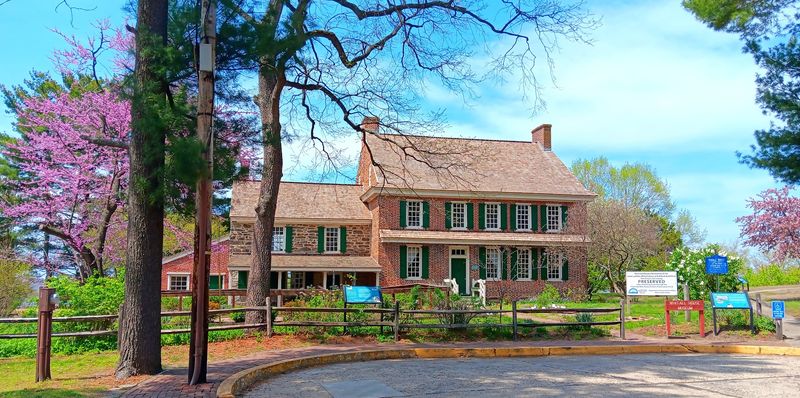
The Whitall House does not sit in isolation. It anchors Red Bank Battlefield Park, a sprawling green space that runs along the Delaware River and gives the entire site a sense of breathing room that indoor museums rarely offer.
The park is open daily from sunrise to sunset, making it easy to extend a visit well beyond the house tour itself.
Walking the grounds after touring the interior helps the story settle. You can look out toward the river and start to understand the strategic logic of the battle, why Fort Mercer mattered, why the Hessians pushed so hard to clear this stretch of water, and why the American defenders held on so fiercely.
The landscape makes the military history legible in a way that maps alone cannot.
Original Revolutionary War cannons are on display throughout the park, including one recovered during an archaeological dig that was found destroyed, a detail that adds another layer of texture to the site. The combination of open green space, river views, and layered historical artifacts makes the park feel like a complete experience rather than just a backdrop.
Families with kids especially appreciate having room to move and explore between the more structured parts of the visit.
Why This Museum Belongs on Every New Jersey History Road Trip
New Jersey has more Revolutionary War history packed into its borders than most people outside the region ever realize, and the Whitall House is one of its most quietly powerful stops.
The combination of visible battle damage, preserved hospital evidence, hearth cooking, and living history events makes this museum punching well above its size in terms of what it delivers to visitors.
Every detail has been thoughtfully maintained and presented, and the result is a visit that feels meaningful rather than performative. History here is not behind glass, it is in the walls, under your feet, and woven into every guided word spoken inside those rooms.
For anyone building a New Jersey history road trip, this museum fits naturally alongside Fort Mercer, the Delaware River historic sites, and the broader network of Revolutionary War landmarks in the region.
It is the kind of place that changes how you think about the war, not as an abstract national narrative, but as something that happened in specific rooms to specific people on a specific October afternoon.
That specificity is what makes it unforgettable.
Address: 100 Hessian Ave, National Park, NJ
Dear Reader: This page may contain affiliate links which may earn a commission if you click through and make a purchase. Our independent journalism is not influenced by any advertiser or commercial initiative unless it is clearly marked as sponsored content. As travel products change, please be sure to reconfirm all details and stay up to date with current events to ensure a safe and successful trip.
