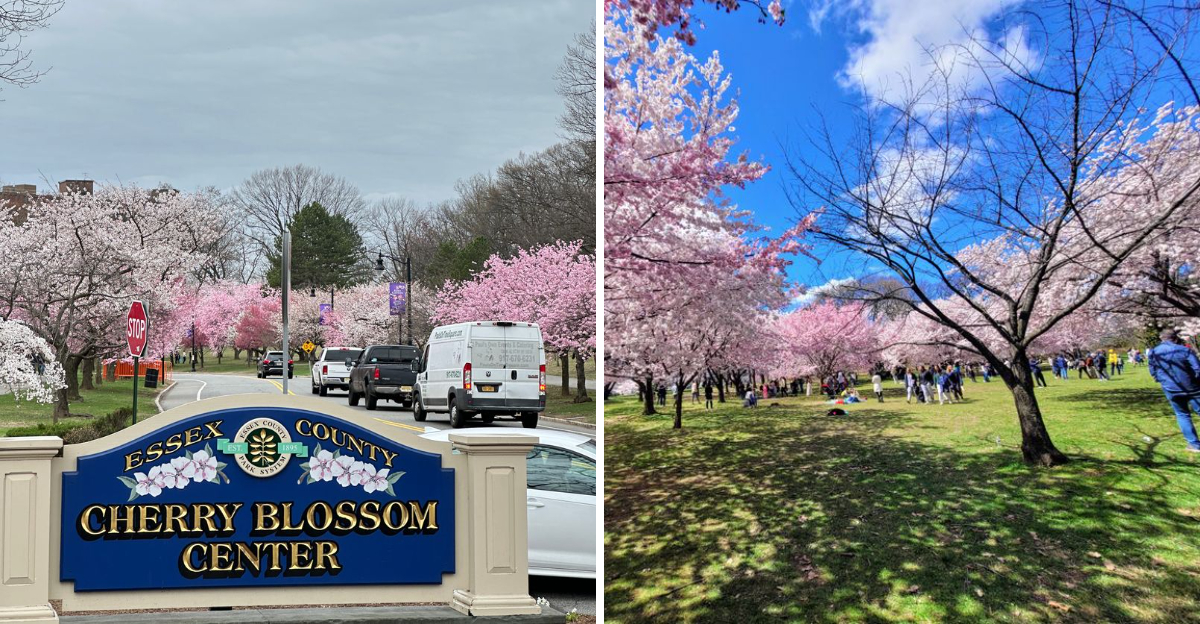
Have you ever tried enjoying cherry blossoms while dodging selfie sticks?
That’s the reality at Branch Brook Park in Newark, New Jersey. What was once a quiet local retreat has turned into a springtime spectacle thanks to its jaw-dropping cherry blossom collection.
Word got out, and now every bloom season thousands of tourists descend, transforming peaceful trails into crowded chaos.
Locals, understandably, aren’t thrilled – imagine your backyard suddenly becoming Instagram’s favorite backdrop.
The tension between welcoming visitors and keeping the park’s charm intact is real, and the grudges run deep.
I’ve been there both during peak bloom madness and in the off-season calm, and trust me, it feels like two completely different worlds.
Visiting with that perspective helps you appreciate not just the blossoms, but the community that calls this park home.
Branch Brook Park isn’t just about pretty petals anymore; it’s about navigating overtourism, parking headaches, and the delicate balance between viral fame and neighborhood peace.
The Cherry Blossom Invasion Turned Paradise into Pandemonium
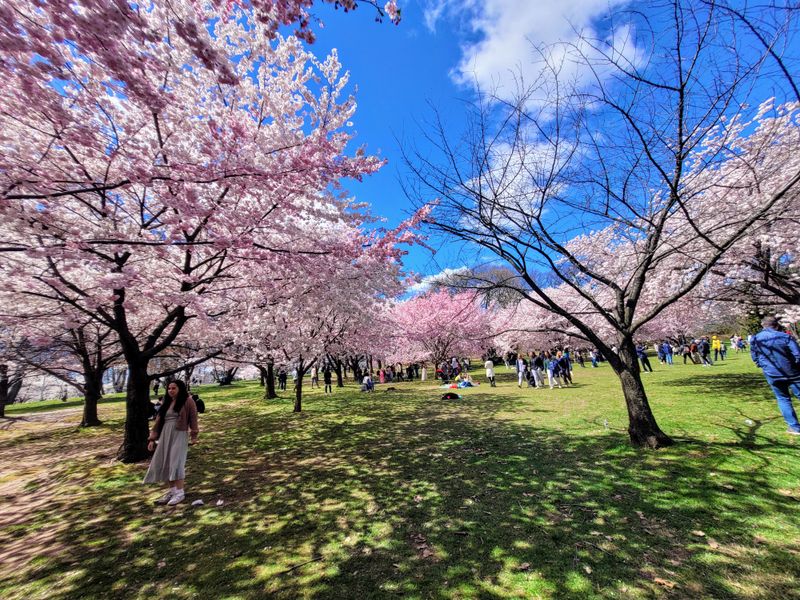
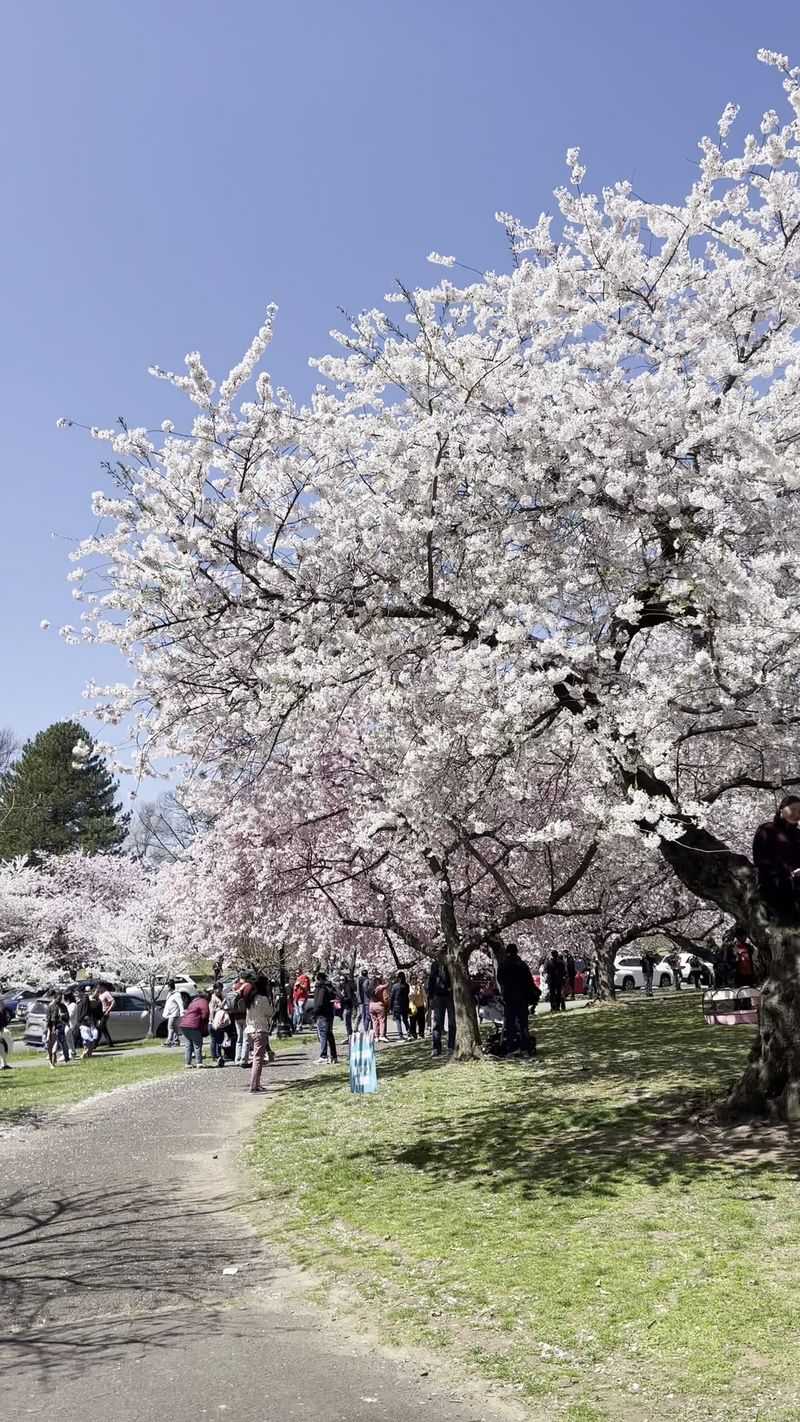
Branch Brook Park boasts over 5,300 cherry blossom trees across 18 varieties, making it home to the largest collection in the entire United States. That’s more than Washington, D.C., which only has around 3,700 trees.
This stunning fact should be a point of pride, but for locals, it’s become a source of frustration every April when the blooms hit peak perfection. What was once a peaceful neighborhood treasure transformed into a tourist circus practically overnight.
Residents who used to enjoy quiet morning walks or weekend jogs suddenly found themselves dodging selfie sticks and navigating human traffic jams. The park’s pathways, designed by the Olmsted Brothers (sons of the legendary Frederick Law Olmsted who designed Central Park), were never meant to handle the crush of visitors that descend during cherry blossom season.
Families who picnicked under the same trees for generations now struggle to find a single open bench.
Social media amplified the problem exponentially. Once bloggers and influencers discovered the pink canopy tunnels, the secret was out.
Now, tour buses roll in from neighboring states, and the park’s infrastructure groans under the pressure. Parking becomes impossible, with cars lining residential streets for blocks.
Locals remember when you could actually hear birds chirping instead of car horns honking. The irony isn’t lost on anyone: the very beauty that makes Branch Brook Park special is exactly what’s threatening its peaceful character.
April used to mean renewal and quiet reflection among the blossoms. Now it means crowds, noise, and a countdown until the petals finally fall and the tourists leave New Jersey behind.
Parking Wars Have Created Neighborhood Nightmares
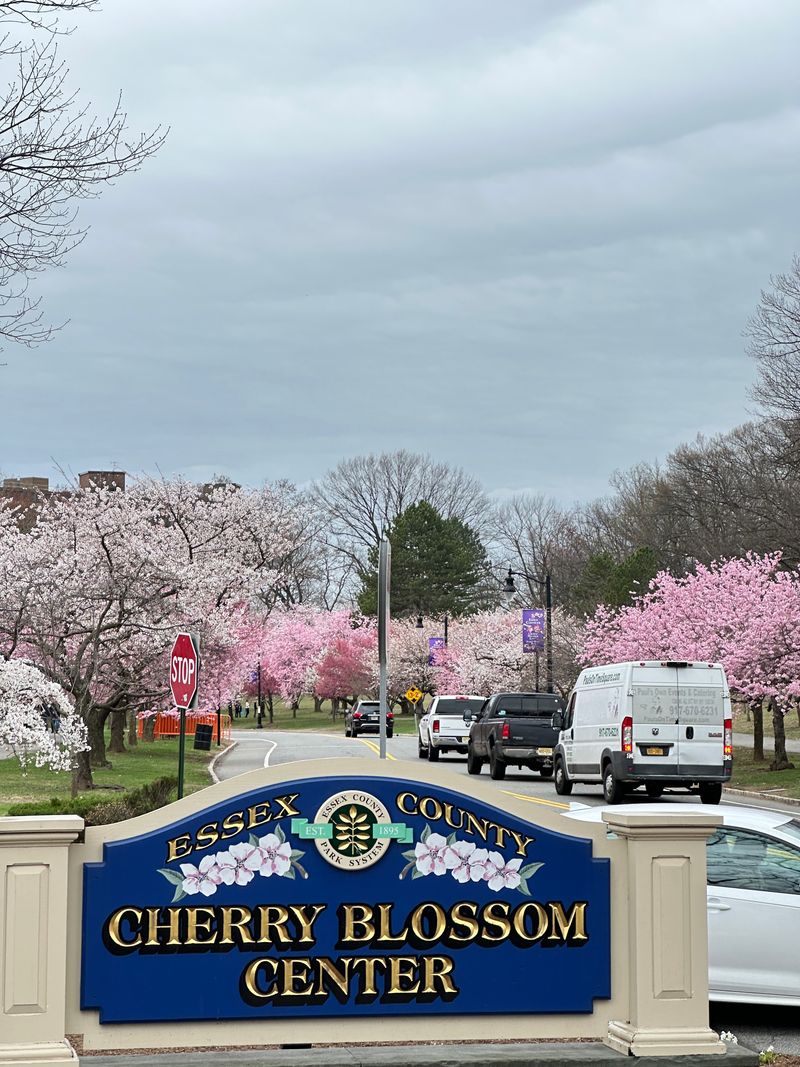
Finding parking at Branch Brook Park during the cherry blossom peak requires navigating a highly structured traffic plan designed to protect the surrounding Newark neighborhoods. The park offers several official lots, but they fill up very early on weekends, prompting the county to implement major road closures within the park to prioritize pedestrians.
This shift leaves visitors to seek space in the surrounding Forest Hill and Roseville neighborhoods, where residential streets often experience heavy congestion as out-of-towners look for available spots.
While some might describe the challenge as “tricky,” residents in the bordering neighborhoods face significant disruption as unfamiliar cars occupy street parking. Because New Jersey participates in the Non-Resident Violator Compact, out-of-state visitors who park illegally face enforceable tickets that can lead to license suspension in their home states if left unpaid.
This enforcement is part of a broader effort to manage the influx of tourists who may inadvertently block driveways or take up essential resident spaces.
In response to the annual strain, Essex County has moved beyond simple signage, now operating a robust and dedicated shuttle system that transports visitors from designated satellite lots to the Cherry Blossom Welcome Center. Additionally, the Newark Light Rail provides a highly effective alternative, with stops at Branch Brook Park and Davenport Avenue that allow visitors to bypass the neighborhood parking struggle entirely.
Until these transit options become the primary choice for all suburban visitors, the “parking wars” remain a seasonal challenge for the local community.
Litter and Disrespect Have Locals Seeing Red Among the Pink
Beautiful cherry blossoms and overflowing trash cans shouldn’t go together, but that’s the reality at Branch Brook Park during tourist season. Visitors arrive with picnic spreads, snacks, and drinks, then leave behind a trail of garbage that makes locals absolutely furious.
One reviewer specifically noted the park “needs more trash cans,” highlighting an infrastructure problem that tourism has made exponentially worse. When you multiply thousands of visitors by their collective waste, you get a recipe for environmental disaster.
Residents who walk the park regularly report finding everything from disposable plates and plastic bottles to abandoned blankets and even dirty diapers scattered across the grass. The volunteers and caretakers who work hard to maintain the park’s beauty end up spending April picking up after careless tourists instead of enjoying the blooms themselves.
It’s disheartening and disrespectful to both the park and the community.
The problem extends beyond just litter. Visitors climb on historic structures for photos, trample planted areas to get closer to trees, and generally treat the park like a disposable backdrop rather than a cherished public space.
Locals have watched people shake blossom branches to create “petal showers” for Instagram shots, damaging trees and shortening the bloom period for everyone else.
This casual disregard stings particularly hard because Branch Brook Park is listed on the National Register of Historic Places. It’s not just a pretty spot; it’s a protected cultural landscape with over a century of history.
When tourists leave trash scattered across this historic ground, they’re essentially telling the local community that convenience matters more than respect. No wonder residents feel bitter watching outsiders treat their beloved park like a temporary photo studio with no consequences.
The Instagram Effect Turned Authenticity into Performance Art
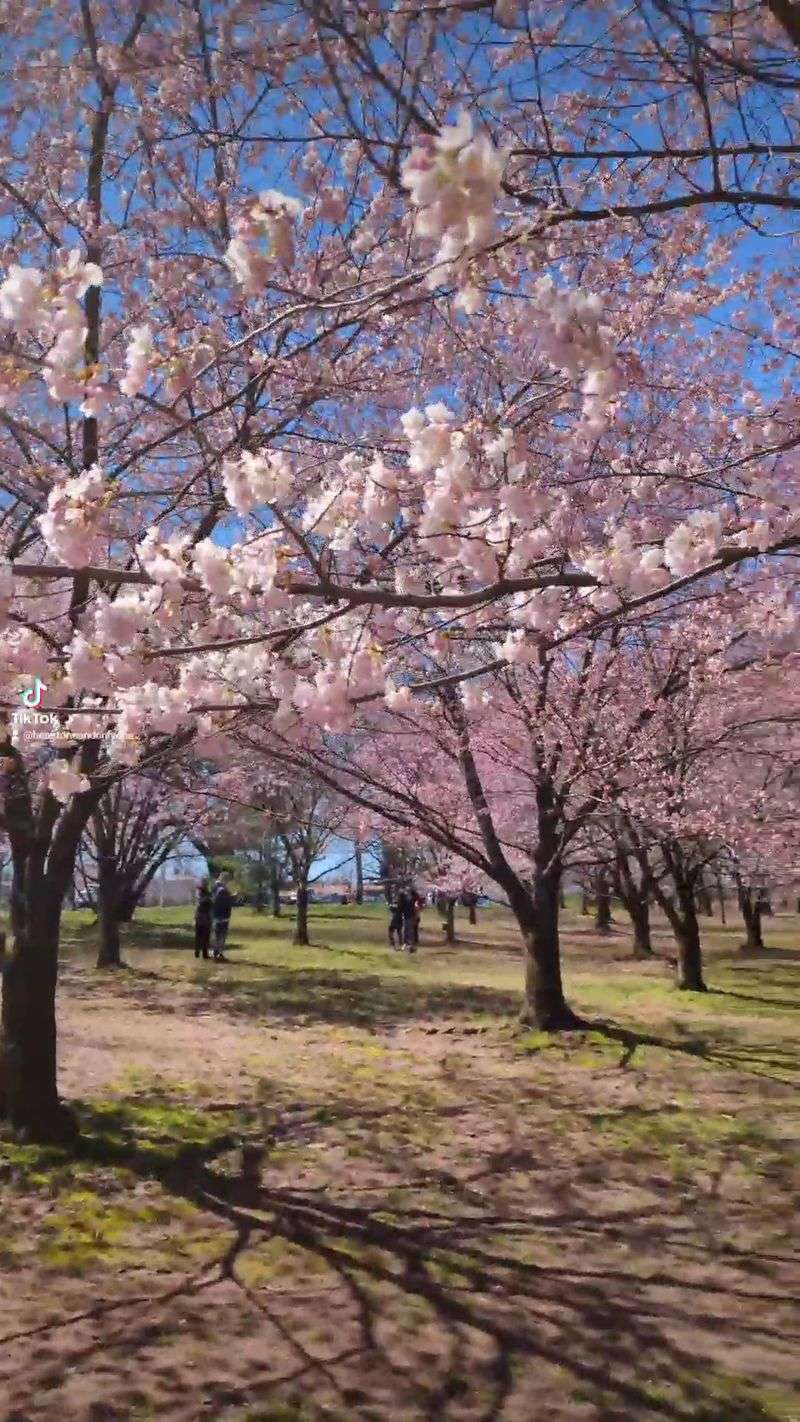
Branch Brook Park has become a victim of the Instagram age, where experiencing a place matters less than proving you were there. During peak bloom, you’ll see people spending more time positioning their phones than actually looking at the blossoms with their own eyes.
Professional photographers set up elaborate shoots, complete with costume changes and props, blocking pathways and monopolizing prime viewing spots for hours. What used to be spontaneous joy has morphed into carefully curated performance art.
Multiple reviewers mentioned seeing wedding couples, graduation photos, Sweet 16 shoots, and professional portrait sessions happening throughout the park. While there’s nothing inherently wrong with commemorating special moments, the sheer volume has transformed the park’s atmosphere.
Locals who just want a peaceful walk find themselves accidentally photobombing someone’s engagement pictures or being asked to move out of frame. The park has become an outdoor photography studio where regular visitors feel like unwelcome extras.
The pressure to capture the perfect shot has also led to dangerous behavior. People step into traffic on the busy roads that cut through the park, climb on bridges and structures, and venture into restricted areas, all for that viral-worthy image.
Park staff spend more time managing photo seekers than maintaining the grounds.
Older residents remember when visiting the cherry blossoms meant quiet contemplation and genuine connection with nature. Now it means navigating through pose-striking crowds and dodging ring lights.
The experience has lost its authenticity, replaced by a performance culture that values appearance over actual appreciation. For locals who knew the park before smartphones existed, this transformation feels like a profound loss of something sacred that can never be recovered.
Traffic Congestion Has Made Nearby Roads Completely Unbearable
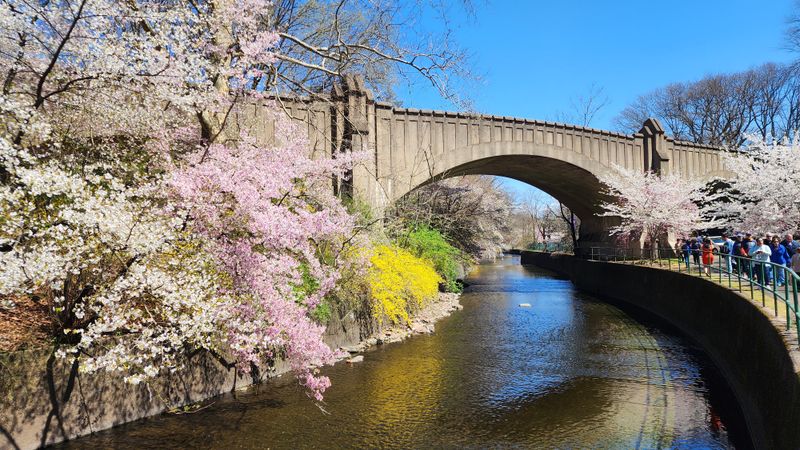
The roads cutting through and surrounding Branch Brook Park turn into absolute parking lots during cherry blossom season. Lake Street and Park Avenue, which normally flow smoothly through Newark, become clogged arteries of frustrated drivers circling for parking or trying to slowly cruise past the blooms.
Locals who need to use these roads for their daily commutes find themselves trapped in tourist-generated gridlock that can add 30 minutes or more to what should be a quick trip.
One reviewer noted that “certain busy roads cut through” the park, requiring careful crossing in designated areas. During peak season, crossing becomes genuinely dangerous as impatient drivers and distracted pedestrians create hazardous conditions.
Families with small children trying to cross face particular risks as traffic backs up and tempers flare. What should be a pleasant park experience starts with a stressful game of Frogger across busy intersections.
Residents who live along the park’s borders suffer the worst effects. Their quiet streets become cut-through routes for GPS-guided tourists trying to avoid main road congestion.
Speeding cars race down residential blocks, ignoring stop signs and speed limits in their rush to find parking or escape the traffic they helped create. Neighborhood kids can’t play outside safely during April weekends.
Local businesses near the park experience mixed results from the traffic chaos. While some cafes and restaurants see increased customers, others report that regular patrons avoid the area entirely during bloom season.
Delivery trucks struggle to make their rounds, and emergency vehicles face delays navigating the congested streets. The economic boost tourism provides doesn’t compensate for the month-long disruption to daily life that locals endure every single spring.
Overcrowding Has Destroyed the Peace That Made It Special
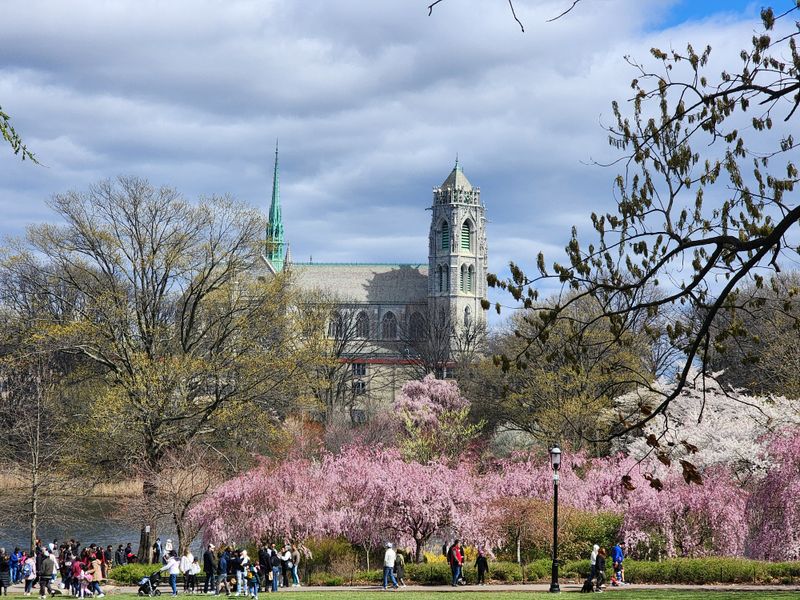
Branch Brook Park spans 360 acres, making it Newark’s largest public park and theoretically spacious enough for everyone. Yet during cherry blossom season, it feels claustrophobic and overwhelming.
The paved walking paths that wind through the landscape become shoulder-to-shoulder human rivers, with no room to actually stop and appreciate the scenery without blocking traffic flow.
One reviewer captured this perfectly, noting that even on a Wednesday afternoon, “the park was quite crowded, especially around the paved paths – so biking there was a bit tricky.”
Locals who’ve been visiting the park for years describe a complete transformation in atmosphere. The two-mile loop that’s perfect for morning exercise becomes impassable during peak bloom weekends.
Runners can’t maintain their pace, walkers constantly dodge stopped groups taking photos, and cyclists give up entirely. The soft track path that regulars love gets trampled and worn down by the sheer volume of foot traffic concentrated in a few short weeks.
Finding a quiet spot becomes nearly impossible. The lake areas that usually offer peaceful reflection points swarm with picnickers and photographers.
The benches that dot the landscape stay perpetually occupied. Even less popular corners of the park see increased traffic as people desperately search for space away from the crowds.
This overcrowding fundamentally changes what the park means to locals. Instead of being a daily retreat where they can decompress and connect with nature, it becomes a place to avoid entirely during April.
Residents adjust their routines, finding alternative walking routes and exercise spots until the tourist invasion ends. The loss of access to their own community resource breeds understandable resentment that lingers long after the last petal falls.
The Safety Concerns That Locals Whisper About
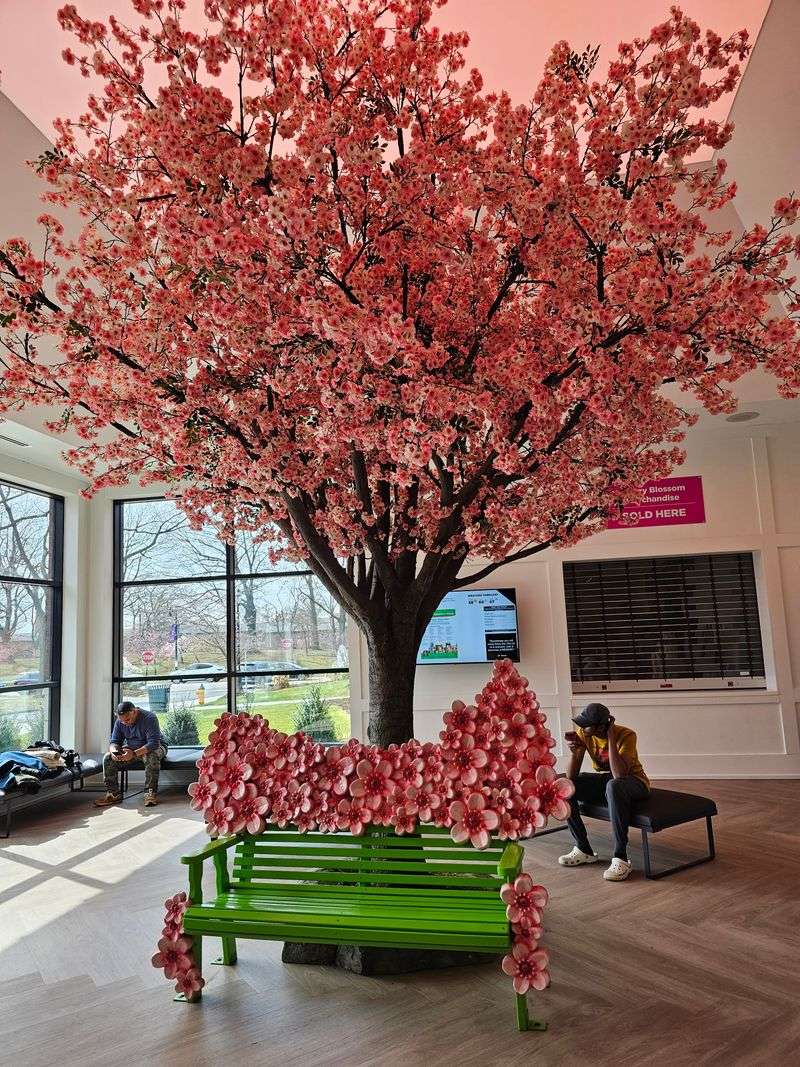
Branch Brook Park sits in Newark, and that geographical reality adds another layer to the local-tourist tension. One candid reviewer acknowledged the park is “not in the best area, so it’s good to stay aware of your surroundings, especially in the evening.” This honest assessment reflects concerns that longtime residents navigate daily but that tourist influxes can complicate.
When thousands of unfamiliar people flood a neighborhood, it changes the social dynamics in ways that make locals genuinely uncomfortable.
Residents know their community, recognize their neighbors, and understand which areas require extra caution. They’ve developed street smarts and routines that keep them safe.
Tourists, however, often arrive with expensive camera equipment, designer bags, and an oblivious attitude that can attract unwanted attention. Their presence can actually increase crime opportunities, and when incidents occur, the entire neighborhood’s reputation suffers unfairly in subsequent news coverage and social media posts.
The park itself maintains good safety during daylight hours, with regular visitors praising its well-kept condition and family-friendly atmosphere. Multiple reviewers described feeling comfortable bringing children and spending extended time there.
However, the massive crowds during cherry blossom season can create their own safety issues, from pickpocketing opportunities to simply getting separated from your group in the chaos.
Local residents resent the implication that their neighborhood is inherently dangerous, especially when crime statistics show Branch Brook Park is generally safe. Yet they also understand the reality that any urban area requires awareness and common sense.
When tourists treat the park like Disneyland, ignoring basic urban safety practices, it creates problems that locals then have to navigate. This dynamic feeds into broader frustrations about outsiders descending on their community without understanding or respecting its complexities.
Bathroom Facilities Become Disaster Zones During Peak Season
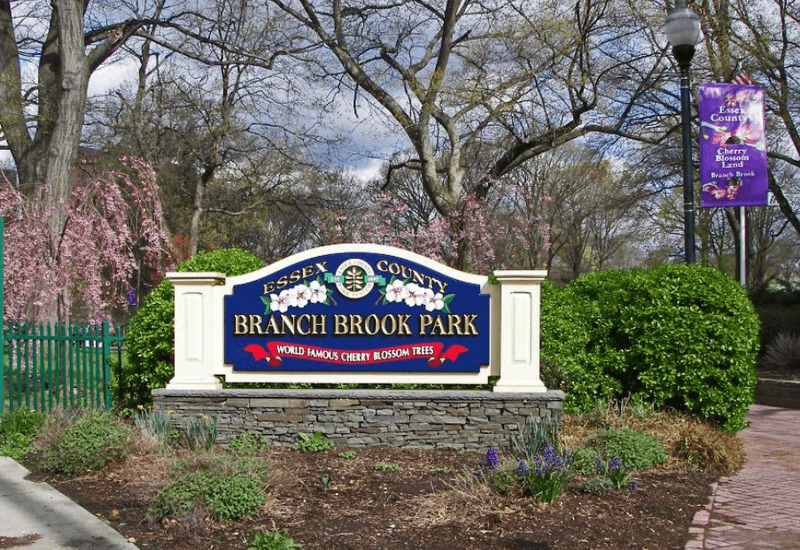
Nothing tests patience quite like a long wait for facilities during a crowded event. Branch Brook Park has permanent public bathrooms at the Cherry Blossom Welcome Center, the Prudential Concert Pavilion, and several other sites across its 360 acres.
While these facilities serve regular visitors well from spring to fall, the massive influx of tourists during the peak of April creates significant pressure on the park’s infrastructure.
During the official Cherry Blossom Festival, Essex County supplements these permanent sites with large numbers of portable toilets placed strategically at major entry points and event hubs. While lines can still be long during peak weekend hours, particularly at the Welcome Center, the county utilizes dedicated maintenance teams to restock supplies and manage sanitation during high-traffic windows.
The “bathroom crunch” is a real logistical challenge of hosting hundreds of thousands of visitors in a short window. Families with young children often find that while facilities are present, navigating through the crowds to reach them can take longer than expected.
This seasonal strain is a primary reason why the county continues to invest in the Welcome Center and temporary amenities, aiming to balance the needs of regional tourists with the comfort of the local community that utilizes the park year-round.
The Festival That Grew Too Big for Its Own Good
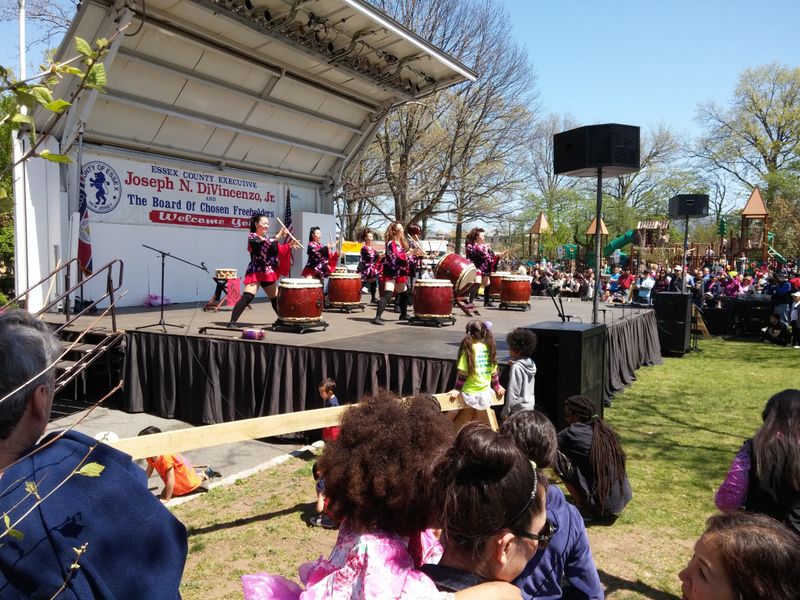
The Cherry Blossom Festival at Branch Brook Park began as a modest celebration of spring and has evolved into a massive event that spans multiple weekends in April. While the festival brings cultural programming, entertainment, and community activities, it has also amplified logistical challenges that frustrate some local residents.
What began as a neighborhood celebration has transformed into a regional tourist attraction that requires significant county-led infrastructure and traffic management to support its current scale.
Festival programming centers on the Prudential Concert Pavilion at the Cherry Blossom Welcome Center, where visitors are often seen “groups flying kites, picnicking, and just enjoying the vibes.” During the festival, specific events like the 10K Run and Bloomfest create a high-energy, family-friendly atmosphere. While various community groups may host local activities nearby, official festival programming focuses on Japanese cultural demonstrations, live music, and family activities like the 1-Mile Fun Run/Walk.
However, these organized events concentrate large numbers of people into specific park areas at specific times, creating significant crowding during peak bloom. The festival’s success has necessitated a more structured approach; each year draws massive crowds as word spreads through social media and regional travel guides.
What visitors once attended casually now benefits from strategic planning, utilizing the county’s free shuttle services, and arriving early to secure parking or viewing spots.
Residents and local leaders continue to balance the benefits of a major event that celebrates a unique community resource with the practical impacts on the surrounding area. Essex County has responded by investing in the permanent Cherry Blossom Welcome Center and coordinating with Newark and Belleville police to manage the influx of regional visitors.
Until further infrastructure expansions or transit improvements are implemented, the festival remains a point of local debate regarding the balance between regional tourism and neighborhood accessibility.
The Locals Who Wish Fewer People Knew Their Secret
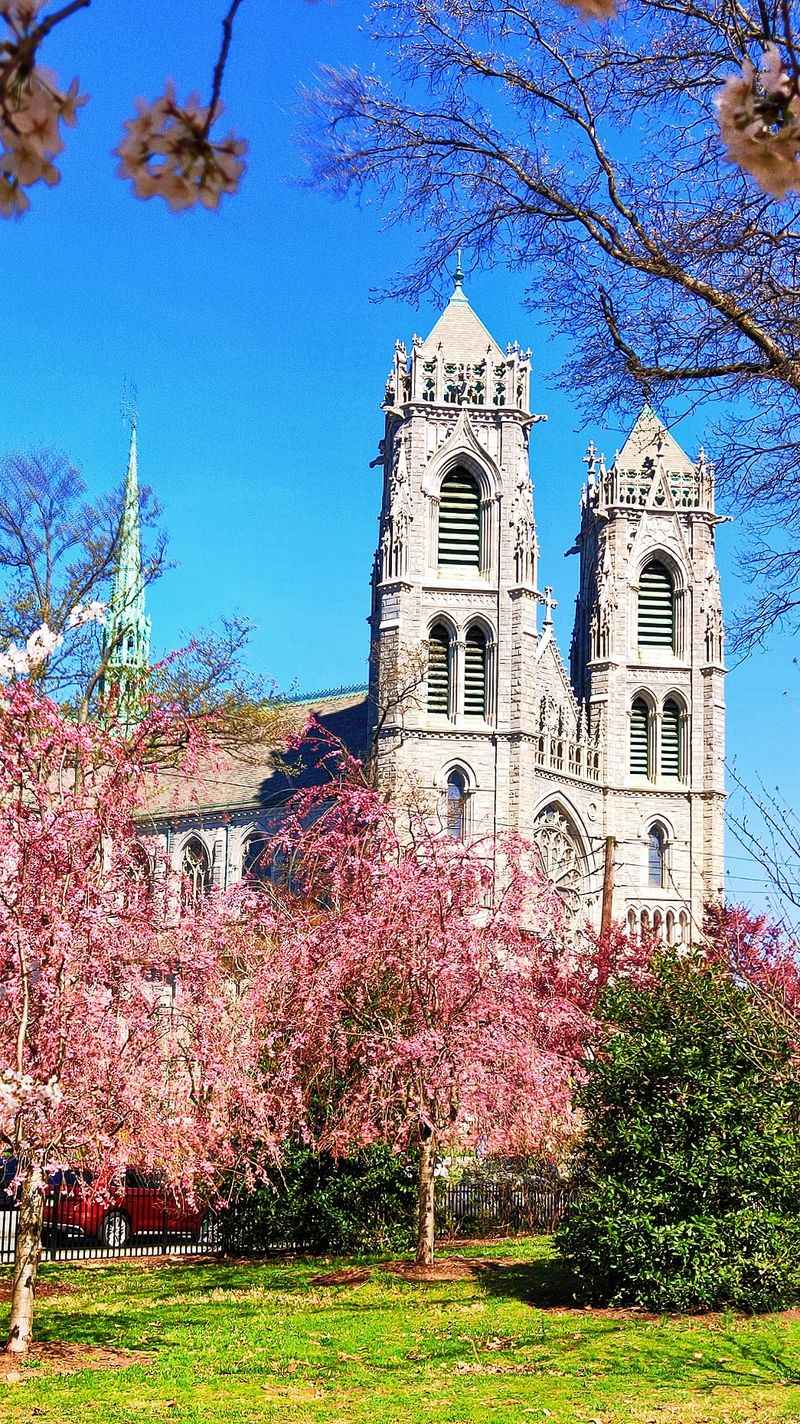
Perhaps the most telling sentiment came from a reviewer who admitted, “They are beautiful but I do wish more people do not know about this park.” That honest confession captures exactly how many longtime visitors feel. They’re proud of Branch Brook Park’s beauty and historical significance, but they genuinely wish it had remained a hidden gem known primarily to locals and serious garden enthusiasts rather than becoming a viral sensation that draws massive crowds.
These conflicted feelings make sense when you consider what’s been lost. Older residents remember when you could visit during peak bloom on a Saturday afternoon and still find peaceful spots for quiet contemplation.
They recall bringing their children to play under the blossoms without worrying about navigating crowds or competing for space. That intimate relationship with the park has been sacrificed on the altar of popularity and tourism promotion.
Some locals have adapted by visiting only during early morning hours or off-season months when the park returns to its peaceful character. Others have sadly stopped coming altogether, unwilling to share their beloved space with hordes of outsiders.
The park remains beautiful year-round, with stunning fall foliage and winter landscapes, but those seasons don’t draw the crowds, allowing regulars to reclaim their territory temporarily.
There’s genuine grief in these feelings, a mourning for something precious that’s been fundamentally altered. Branch Brook Park will never again be the quiet neighborhood secret it once was.
The cat’s out of the bag, the photos are all over Instagram, and the tourist buses will keep coming every April. Locals understand this reality, but understanding doesn’t equal acceptance.
The grudge they hold isn’t about hating visitors or opposing tourism; it’s about losing access to a community treasure that once felt like it belonged to them but now feels like it belongs to everyone, which somehow means it belongs to no one at all.
Dear Reader: This page may contain affiliate links which may earn a commission if you click through and make a purchase. Our independent journalism is not influenced by any advertiser or commercial initiative unless it is clearly marked as sponsored content. As travel products change, please be sure to reconfirm all details and stay up to date with current events to ensure a safe and successful trip.
