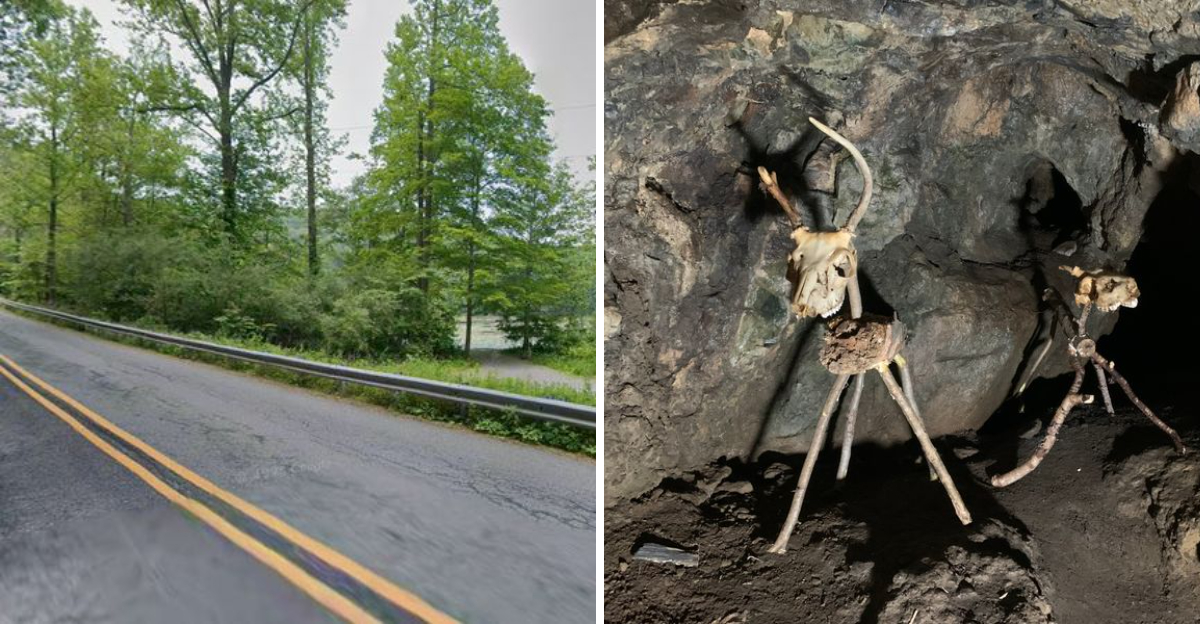
Shades of Death Road in Great Meadows, New Jersey, has earned its reputation as one of the most unsettling stretches of pavement in the entire Garden State.
Winding through Warren County, this narrow, tree-canopied route combines eerie natural beauty with a name that sounds like it was ripped straight from a horror movie script. Locals and visitors alike have reported strange experiences, unexplained sightings, and a general feeling of unease that intensifies once the sun dips below the horizon.
The road’s dark history, mysterious legends, and isolated atmosphere make it a magnet for thrill-seekers and ghost hunters from across New Jersey and beyond.
Whether you’re a skeptic or a true believer, one trip down Shades of Death Road will leave you questioning what’s real and what’s simply your imagination running wild.
Ready to discover why even the bravest locals think twice before driving this route after sunset? Buckle up, because this journey is about to get seriously spooky!
The Name Itself Sends Chills Down Your Spine
Shades of Death Road didn’t get its ominous name by accident, and the origins are as debated as they are disturbing. Some historians believe the name came from murderous bandits who ambushed travelers along this isolated route during the 1700s and 1800s.
Others point to a series of violent disputes over land that resulted in multiple deaths, staining the area’s reputation forever. A third theory suggests that malaria-carrying mosquitoes from nearby marshes claimed so many lives that residents began calling it the “shades of death” in reference to the ghosts of the departed.
Whatever the true origin, the name alone is enough to make most people uneasy before they even set foot on the asphalt. Driving along this road at night, you can’t help but feel the weight of its dark history pressing down on you.
The dense canopy of trees blocks out most light, creating shadows that seem to move and shift as you pass.
Local folklore has kept the legends alive for generations, with parents warning their children about venturing too close after sunset. The psychological impact of such a foreboding name cannot be understated – it primes visitors to expect something sinister around every curve.
Even on the brightest summer day, there’s an undeniable heaviness in the air that makes you glance in your rearview mirror just a little more often. New Jersey has plenty of oddly named roads, but none carry quite the same reputation for unease as this one does.
Ghost Lake Sits Right Alongside the Route
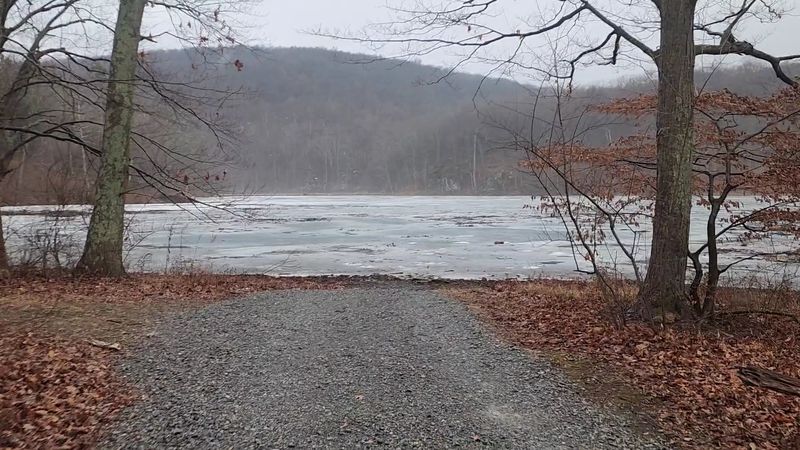
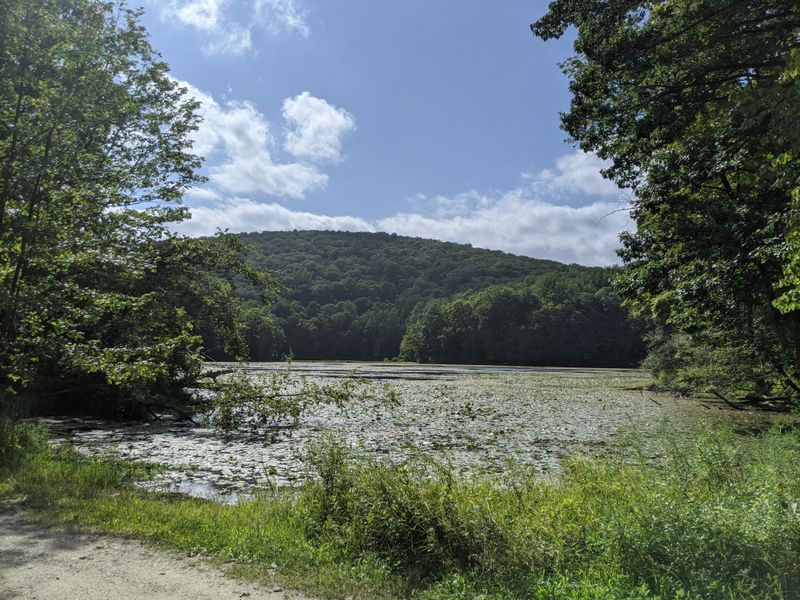
Just off Shades of Death Road lies a small body of water with an equally unsettling name: Ghost Lake. Officially known as just another pond on county maps, locals have dubbed it Ghost Lake due to the strange mists that rise from its surface during cooler months.
These vapors create an otherworldly appearance, especially when moonlight filters through the surrounding trees and reflects off the water’s dark surface. Many visitors report feeling watched when they stop near the lake, as if unseen eyes are tracking their every movement.
The lake’s isolation adds to its creepy factor – there are no nearby homes, no boat launches, and certainly no lifeguards. It’s just you, the water, and whatever might be lurking beneath or within the fog.
Some legend-seekers claim to have seen apparitions hovering above the water’s surface late at night, while others report hearing unexplained splashing sounds when no animals are visible.
Photographers love capturing the eerie beauty of Ghost Lake at dawn or dusk, when the mist is thickest and the light creates dramatic contrasts. But even with a camera in hand, most admit to feeling a creeping sense of dread that makes them want to finish their shoot quickly and leave.
The lake’s proximity to Shades of Death Road creates a one-two punch of spookiness that’s hard to shake off. Whether you believe in ghosts or not, there’s something undeniably unsettling about standing alone at the edge of this silent, fog-shrouded water in the heart of New Jersey.
The Dense Tree Canopy Blocks Out All Light
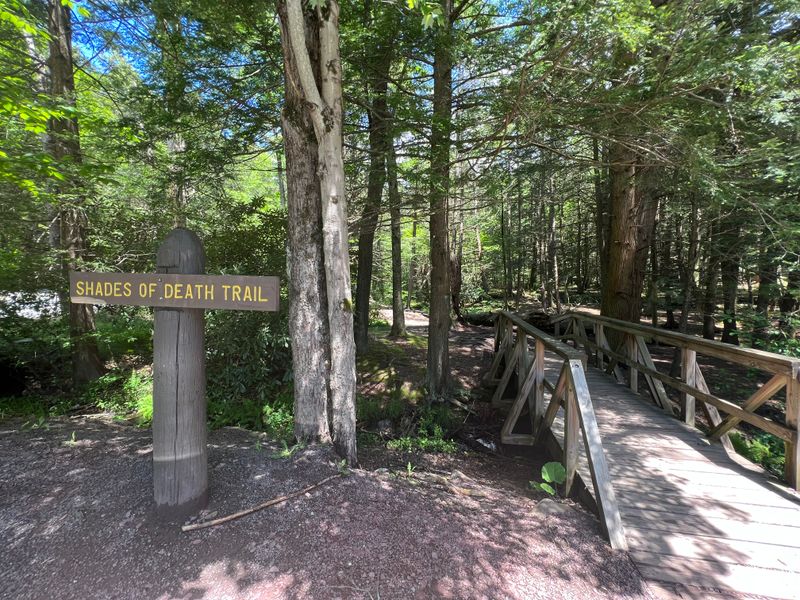
One of the most immediately noticeable features of Shades of Death Road is the thick canopy of trees that arch overhead, forming what locals call a “tunnel of darkness.” During daylight hours, this natural cathedral creates a beautiful, dappled-light effect that photographers adore. But once the sun sets, those same trees transform the road into a pitch-black corridor where even high-beam headlights struggle to penetrate the gloom.
The branches intertwine so densely that moonlight rarely reaches the pavement, leaving drivers feeling isolated and vulnerable.
This lack of visibility isn’t just unsettling, it’s genuinely dangerous. The road’s narrow width means there’s little room for error, and the darkness makes it nearly impossible to spot wildlife, pedestrians, or other hazards until you’re almost on top of them.
Many drivers report feeling disoriented, as if the darkness is playing tricks on their depth perception and sense of direction.
The trees themselves are mostly mature oaks and maples, some estimated to be over a hundred years old. Their gnarled branches reach across the road like skeletal fingers, creating shapes that the imagination can easily transform into something sinister.
Wind rustling through the leaves produces sounds that seem almost like whispers or distant voices, adding another layer to the road’s creepy atmosphere. New Jersey’s forests are beautiful during the day, but on Shades of Death Road, they become something altogether more menacing when darkness falls.
Multiple Murder Legends Haunt the Area
Perhaps nothing contributes more to Shades of Death Road’s sinister reputation than the numerous murder legends associated with it. One of the most persistent tales involves a series of lynchings that allegedly took place along the road in the early 20th century, with victims’ bodies left hanging from the trees as warnings.
While historians have found limited documentation to support these specific claims, the stories have become deeply embedded in local folklore and continue to circulate among residents and ghost hunters alike.
Another legend tells of a vengeful spirit who targets lone travelers after dark, causing cars to stall or disappear entirely. Some versions of this tale describe a woman in white who appears in rearview mirrors, while others mention a shadowy figure that darts between trees.
Whether these stories have any basis in fact or are simply the product of overactive imaginations and dark nights, they’ve certainly contributed to the road’s fearsome reputation.
More recently documented crimes have also occurred in the area, lending some credence to the notion that Shades of Death Road attracts trouble. The isolated nature of the route makes it an unfortunately appealing location for those seeking privacy for nefarious purposes.
Local law enforcement has investigated several serious incidents over the decades, though specific details are often kept confidential. The combination of historical legends and modern-day crimes creates a multilayered sense of danger that keeps most sensible New Jersey residents away after nightfall.
Strange Lights Appear Without Explanation
Among the most frequently reported phenomena on Shades of Death Road are mysterious lights that appear and disappear without any logical explanation. Witnesses describe seeing glowing orbs floating through the trees, bright flashes that illuminate the forest for brief moments, and even what appears to be headlights from vehicles that never materialize.
These sightings have occurred consistently over decades, reported by both believers and skeptics who happened to be passing through the area after dark.
Paranormal enthusiasts often point to these lights as evidence of supernatural activity, suggesting they might be the manifestations of restless spirits or energy from past tragedies. Skeptics counter with more mundane explanations, such as swamp gas from nearby wetlands, reflections from distant car headlights, or even bioluminescent insects.
However, none of these rational explanations fully account for the intensity, frequency, and behavior of the lights that people describe.
Some visitors have attempted to photograph or film these mysterious illuminations, with mixed results. A few have captured strange anomalies on camera that defy easy explanation, while others find that their electronic devices malfunction or drain of battery power unusually quickly in the area.
The lights seem to be most active during the fall and spring months, though sightings have been reported year-round. Whether you believe in ghosts or prefer scientific explanations, the unexplained lights of Shades of Death Road remain one of New Jersey’s most intriguing mysteries, drawing curious investigators from across the region who hope to witness the phenomenon firsthand.
The Road Runs Through Isolated Wilderness
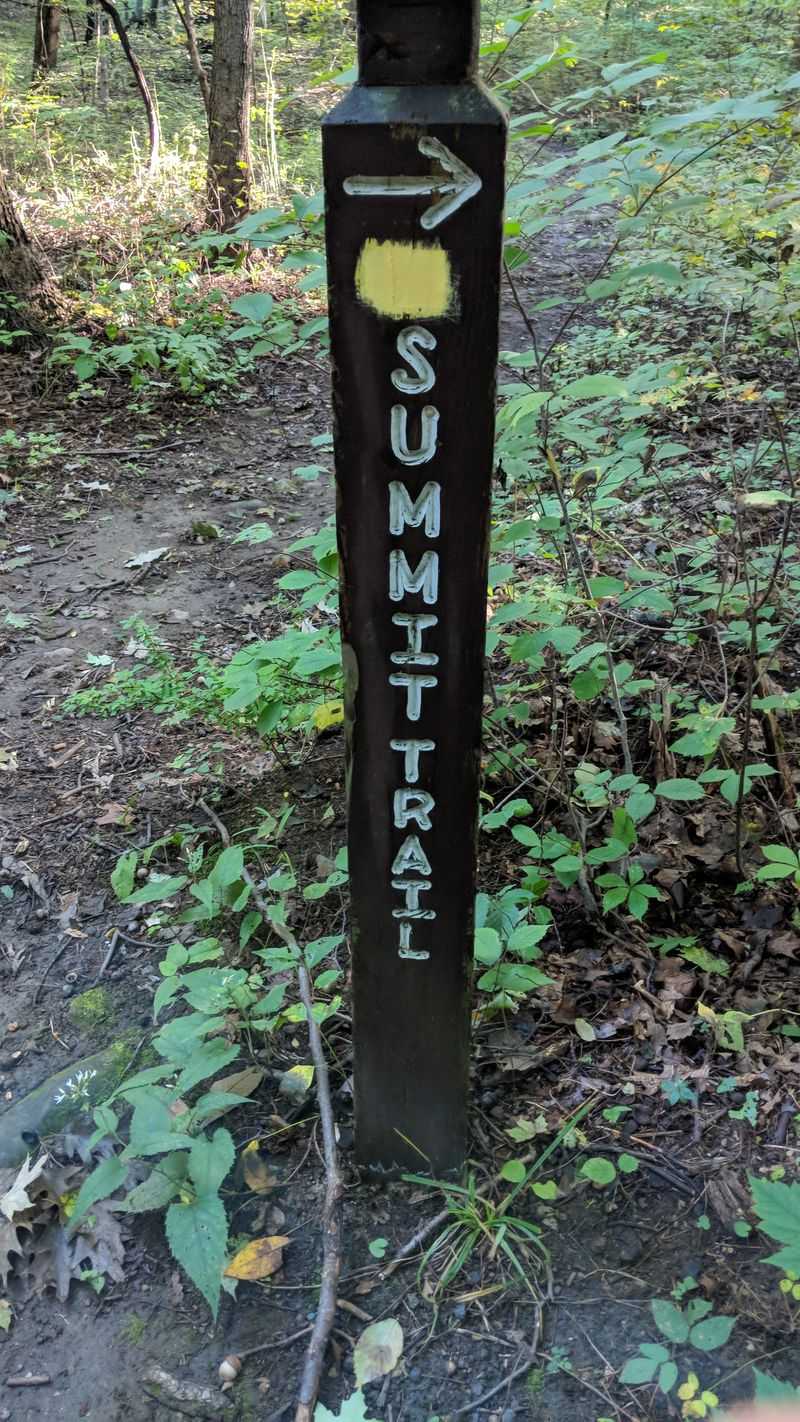
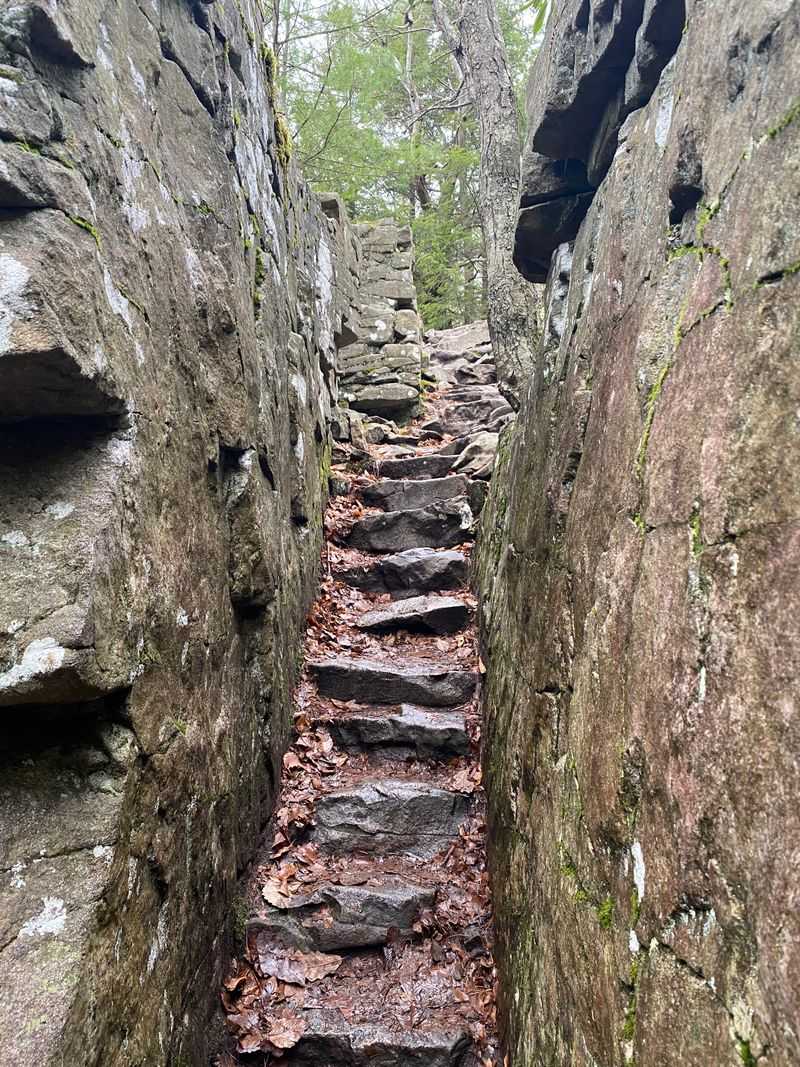
Shades of Death Road cuts through some of the most remote and undeveloped land in Warren County, New Jersey, creating a sense of isolation that amplifies every other unsettling aspect of the route. For long stretches, there are no houses, no streetlights, and no signs of modern civilization – just dense forest, rocky outcroppings, and the occasional glimpse of marshland.
This lack of development means that if your car breaks down or you encounter trouble, help could be a long time coming, especially during the late-night hours when few vehicles pass by.
The wilderness surrounding the road is home to various wildlife, including deer, foxes, and even the occasional black bear. While these animals are generally harmless, unexpected encounters in the dark can be startling and add to the road’s menacing atmosphere.
The sounds of the forest at night – rustling leaves, snapping twigs, animal calls – all take on a more sinister quality when you’re alone on this notorious stretch of pavement.
Cell phone service is spotty at best along much of Shades of Death Road, meaning you can’t always rely on your mobile device to call for help or use GPS navigation. This technological dead zone contributes to the feeling of being cut off from the modern world, transported to a more primitive time when dangers lurked in every shadow.
The isolation also makes the road attractive to those seeking privacy, whether for innocent stargazing or more questionable activities, which adds an element of unpredictability to any nighttime journey along this infamous New Jersey route.
Local Residents Share Unsettling Personal Experiences
What makes Shades of Death Road particularly credible as a genuinely eerie location is that it’s not just thrill-seekers and paranormal investigators who report strange experiences – longtime residents of Great Meadows and surrounding areas have their own stories to tell. Many locals who have lived in the region for decades admit they avoid the road after dark if at all possible, citing personal encounters that left them shaken.
These aren’t people looking for attention or trying to promote tourism; they’re ordinary New Jersey residents who simply prefer not to discuss what they’ve experienced.
Some describe feeling an overwhelming sense of dread that comes over them when driving the road at night, a feeling so intense that they’ve turned around rather than continue. Others report seeing figures standing at the roadside that vanish when approached, or hearing knocking sounds on their car windows when no one is there.
A few have experienced their vehicles stalling for no mechanical reason, only to restart moments later without intervention.
These firsthand accounts from credible, non-sensationalist sources lend weight to the road’s reputation in a way that legend and hearsay alone cannot. When the people who live closest to a supposedly haunted location take its reputation seriously, it’s worth paying attention.
Local businesses in the area occasionally receive questions from curious visitors about Shades of Death Road, and while most are polite in their responses, there’s often a knowing look that suggests they could tell more if they chose to. The collective wisdom of a community that knows a place intimately should never be dismissed lightly.
The Road’s Sharp Curves and Narrow Width Add Danger
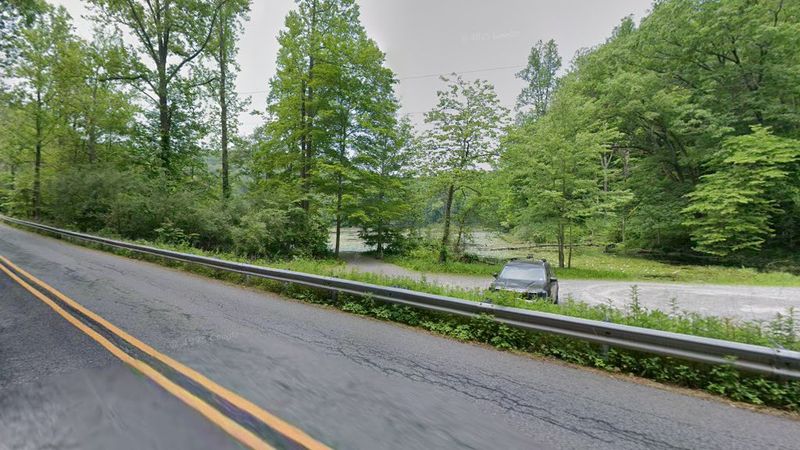
Beyond the supernatural reputation, Shades of Death Road presents very real physical dangers that make it genuinely hazardous after dark. The road features numerous sharp curves that come up suddenly, often with limited visibility due to the surrounding trees and terrain.
These bends require careful navigation even in daylight; at night, they become significantly more treacherous. The pavement is narrow, barely wide enough for two vehicles to pass comfortably, which means meeting oncoming traffic on a curve can be a nerve-wracking experience.
There are few guardrails along much of the route, and in some places, the road drops off sharply into ditches or wooded areas. A moment of inattention or a miscalculation on a curve could result in a serious accident.
The combination of darkness, tight curves, and narrow width creates conditions that would challenge even experienced drivers, and adding in the psychological stress of the road’s reputation only makes matters worse. New Jersey has many winding country roads, but few combine difficulty with such an unsettling atmosphere.
Local emergency services have responded to numerous accidents along Shades of Death Road over the years, some caused by poor visibility, others by drivers who may have been distracted by the area’s reputation or spooked by real or imagined sights. The physical challenges of navigating this road are often overlooked in favor of discussing its paranormal aspects, but they’re equally important to consider.
Whether you’re a believer in ghosts or a complete skeptic, the practical dangers of driving Shades of Death Road after dark are very real and deserve respect.
Paranormal Investigators Flock to the Location
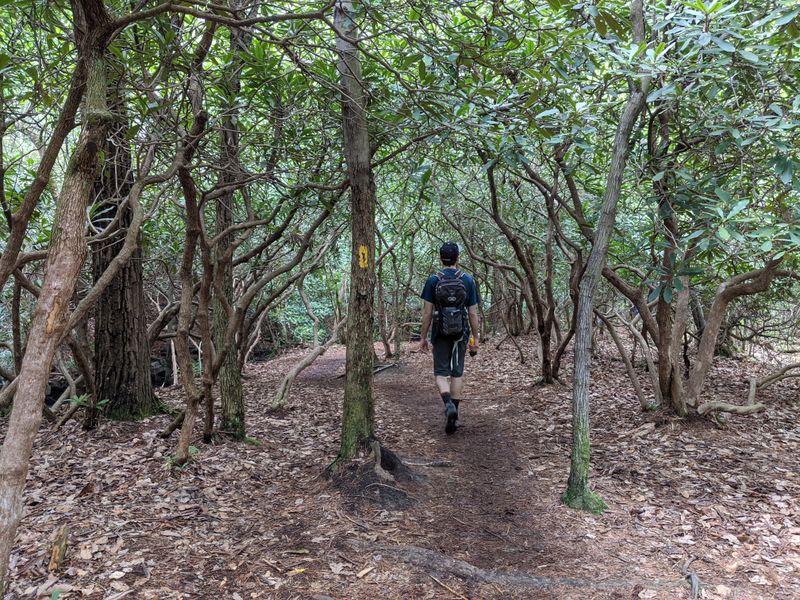
Shades of Death Road has become a pilgrimage site for paranormal investigators, ghost hunters, and enthusiasts of the unexplained from across the northeastern United States. On any given weekend night, you might encounter small groups equipped with EMF meters, night-vision cameras, and audio recording equipment, all hoping to capture evidence of supernatural activity.
Some come as part of organized investigations with formal methodologies, while others are simply curious individuals with a fascination for the unexplained and a willingness to brave the road’s notorious reputation.
The popularity of paranormal television shows and podcasts has only increased interest in locations like Shades of Death Road. Several ghost-hunting programs have featured the road in episodes, sharing the various legends and conducting their own investigations.
While the evidence gathered is often ambiguous and open to interpretation, the publicity has cemented the road’s status as one of New Jersey’s premier haunted locations. This influx of visitors has created its own issues, with local residents sometimes frustrated by the increased traffic and occasional trespassing on private property adjacent to the road.
Professional paranormal researchers appreciate the road because of its combination of documented history, persistent legends, and ongoing reports of unusual phenomena. It offers what they consider a rich environment for investigation, with multiple types of reported activity rather than just a single ghost story.
Whether their findings constitute genuine evidence of the supernatural or can be explained by natural causes remains a matter of personal belief, but there’s no denying that Shades of Death Road has earned its place in the annals of American haunted locations.
The Atmosphere Changes Dramatically After Sunset
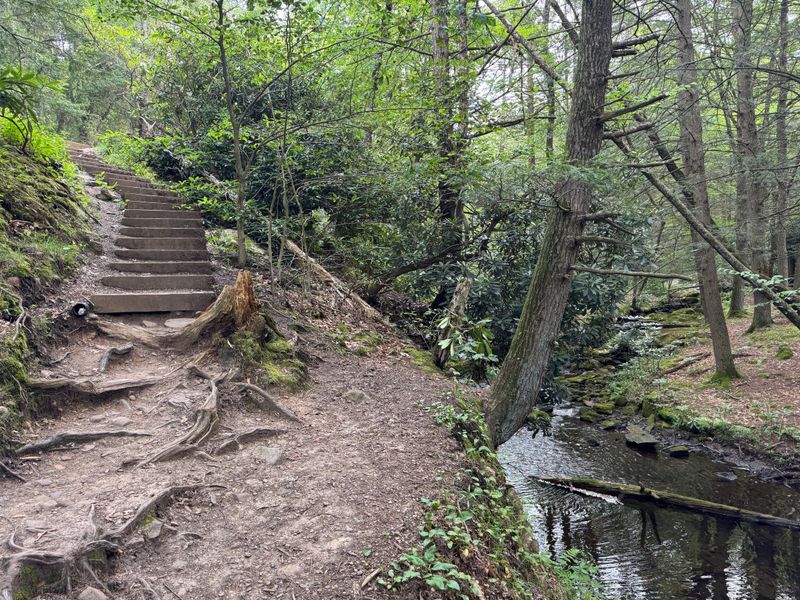
Perhaps the most striking aspect of Shades of Death Road is the dramatic transformation it undergoes once daylight fades. During the day, it’s an admittedly scenic if somewhat isolated country road, the kind you might enjoy for a leisurely drive to appreciate New Jersey’s natural beauty.
The trees provide pleasant shade, birds sing in the branches, and the area has a peaceful, rural charm. But as dusk approaches and shadows lengthen, the entire character of the road shifts in a way that’s both tangible and difficult to articulate.
Visitors consistently report that the feeling of the place changes completely after dark. The peaceful forest becomes oppressive and claustrophobic.
Sounds that were pleasant during the day – rustling leaves, distant bird calls – take on an ominous quality. Even the temperature seems to drop more dramatically than it should, creating pockets of cold air that raise goosebumps and make you want to turn up the heat in your vehicle.
The transformation is so pronounced that many people who visit during daylight hours and find it unremarkable are shocked by how different it feels when they return after sunset.
This atmospheric shift isn’t just the product of overactive imaginations or the power of suggestion, though those factors certainly play a role. There are genuine environmental changes that occur: the loss of light, the increase in wildlife activity, the way sound travels differently through the dense forest at night.
Combined with the road’s reputation and the very real isolation of the area, these factors create an experience that even skeptics find unsettling. It’s a perfect example of how a location can feel like two entirely different places depending on the time of day.
Dear Reader: This page may contain affiliate links which may earn a commission if you click through and make a purchase. Our independent journalism is not influenced by any advertiser or commercial initiative unless it is clearly marked as sponsored content. As travel products change, please be sure to reconfirm all details and stay up to date with current events to ensure a safe and successful trip.
